Normal Beginning Consonants Worksheets for Ages 3-4
9 filtered results
-
From - To
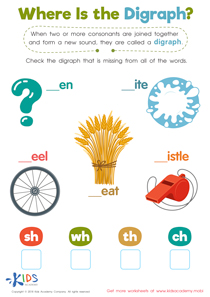
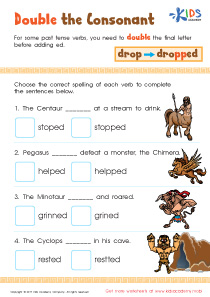
Discover our engaging "Normal Beginning Consonants Worksheets for Ages 3-4," designed to introduce young learners to the consonant sounds that start common words. With fun and colorful activities, these worksheets help children develop essential phonemic awareness and early literacy skills. Each worksheet features simple illustrations and playful exercises, making learning enjoyable and effective. Activities include tracing and identifying consonants, matching pictures to sounds, and practicing letter recognition. Perfect for preschool settings or at-home learning, these resources cultivate confidence in early readers and set the groundwork for vocabulary development. Unlock your child's potential with our interactive consonant-focused worksheets today!
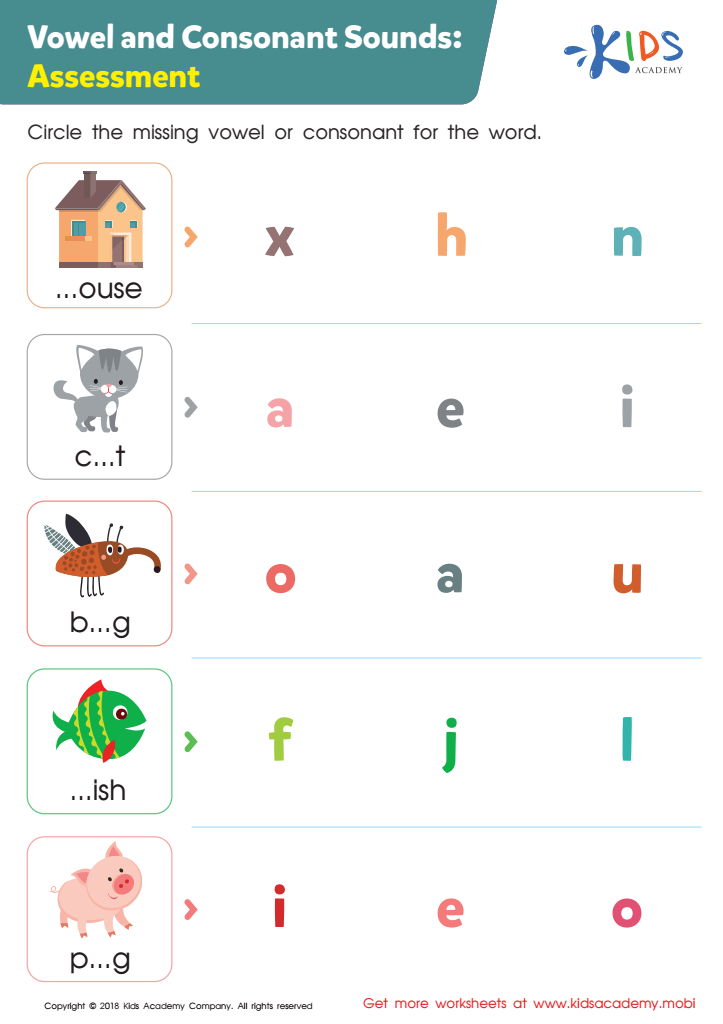
Vowel and Consonant Sounds: Assessment Worksheet
 Assign to My Students
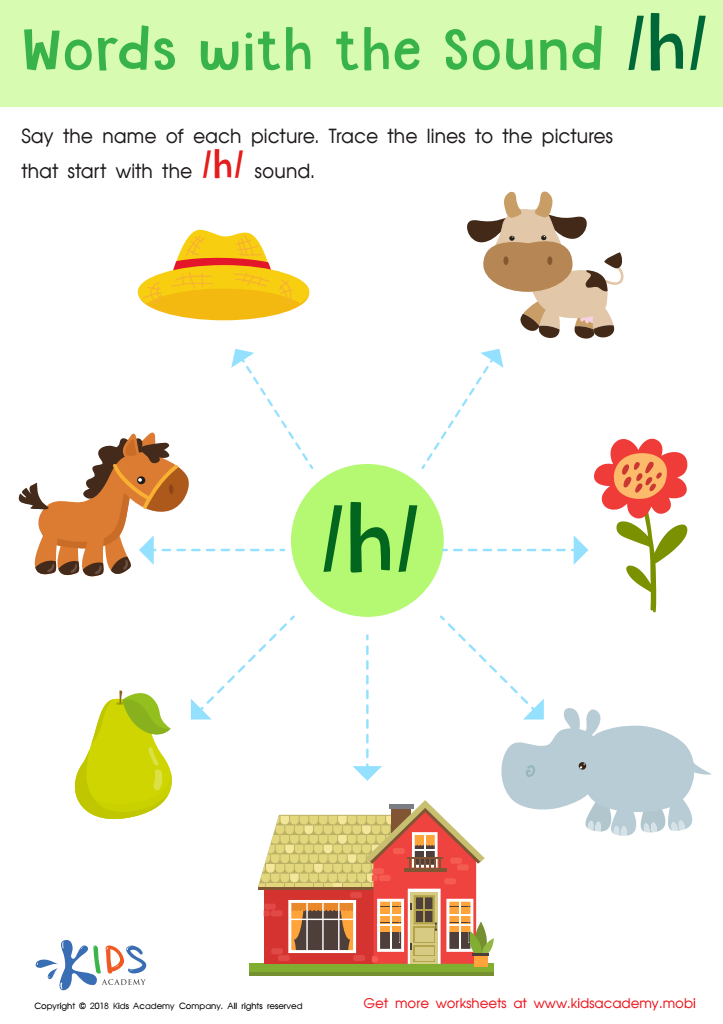
Words with sound h Reading Worksheet
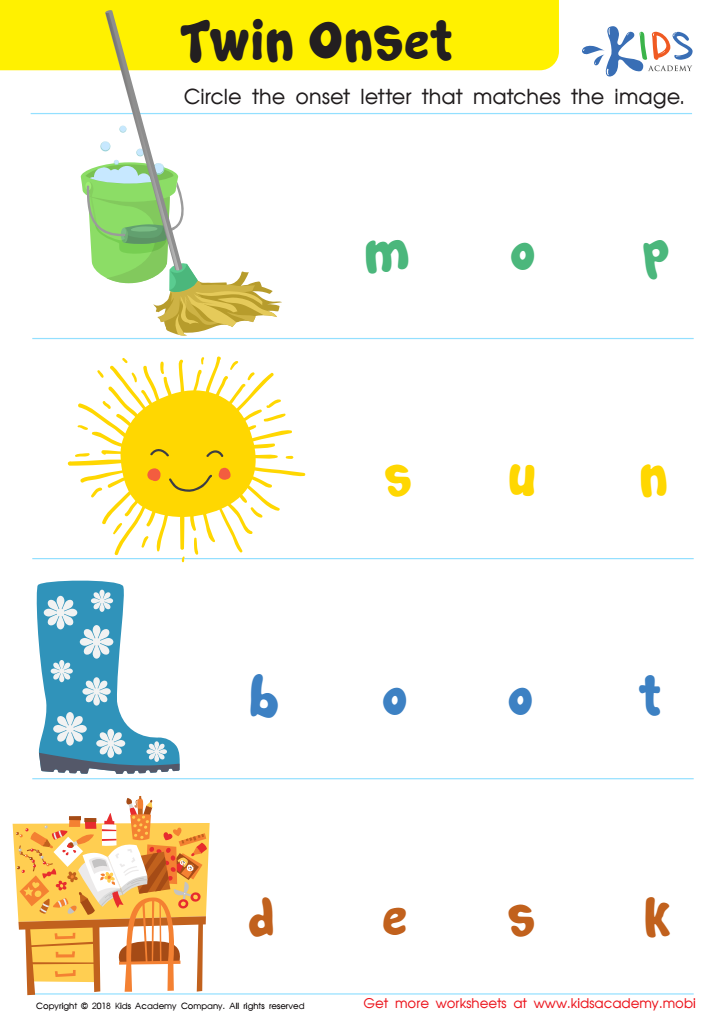
Twin Onset Worksheet
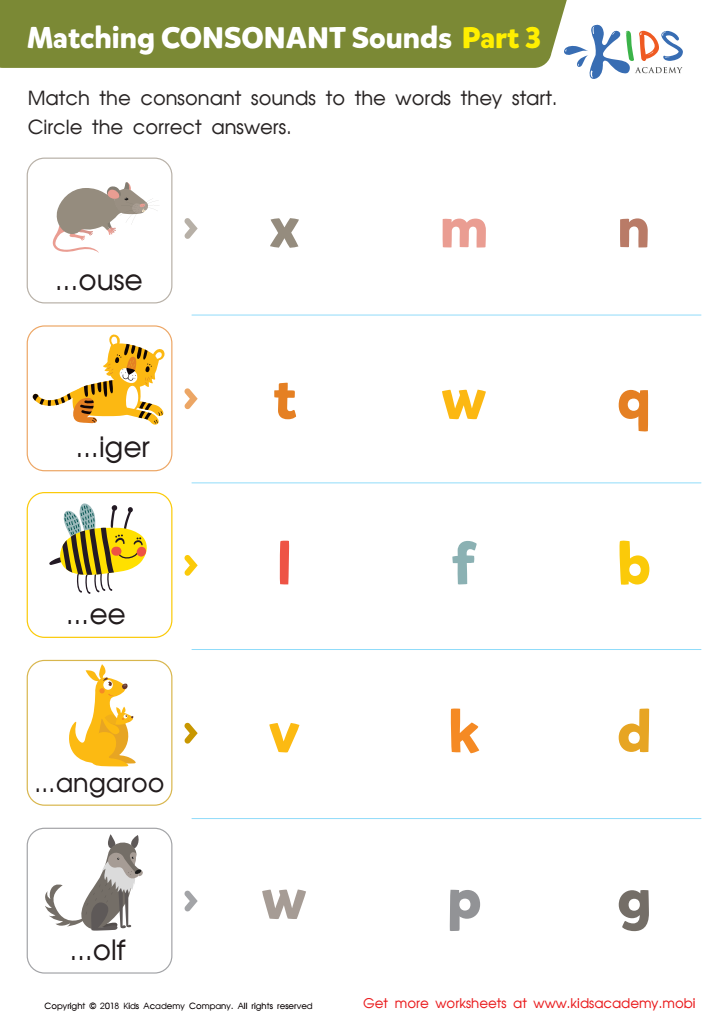
Matching Consonant Sounds: Part 3 Worksheet
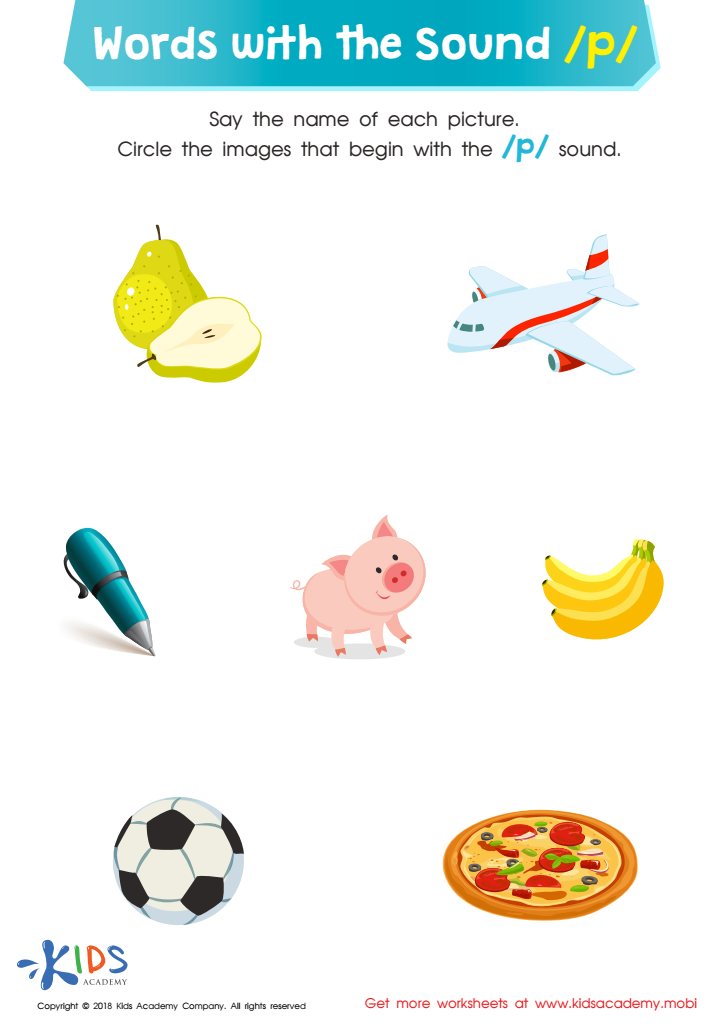
Words with sound p Reading Worksheet
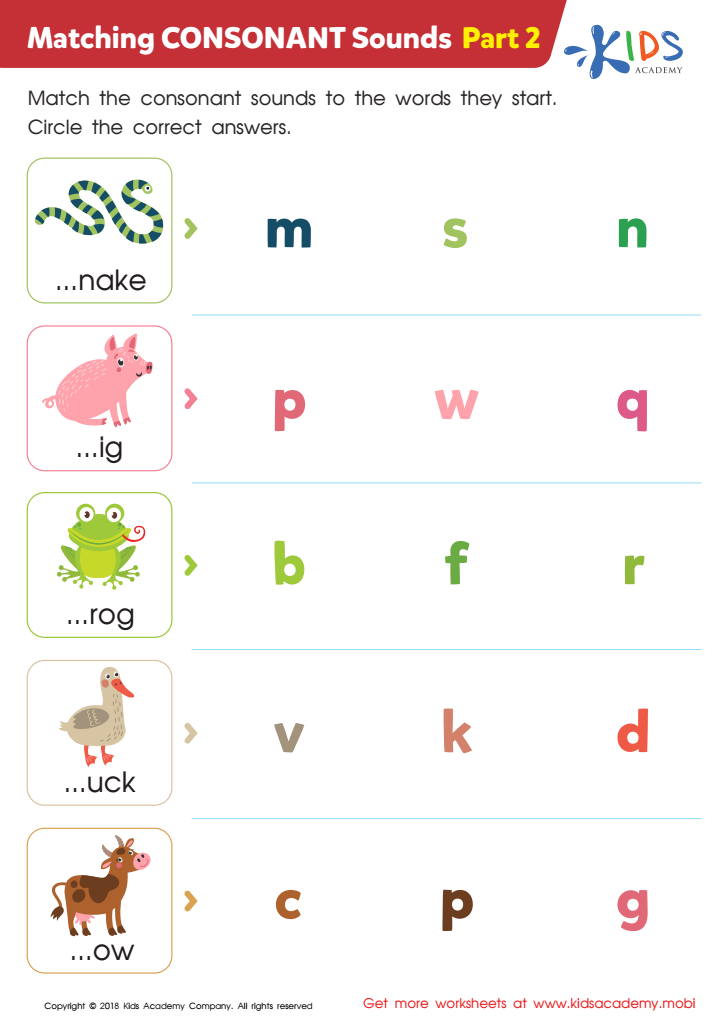
Matching Consonant Sounds: Part 2 Worksheet
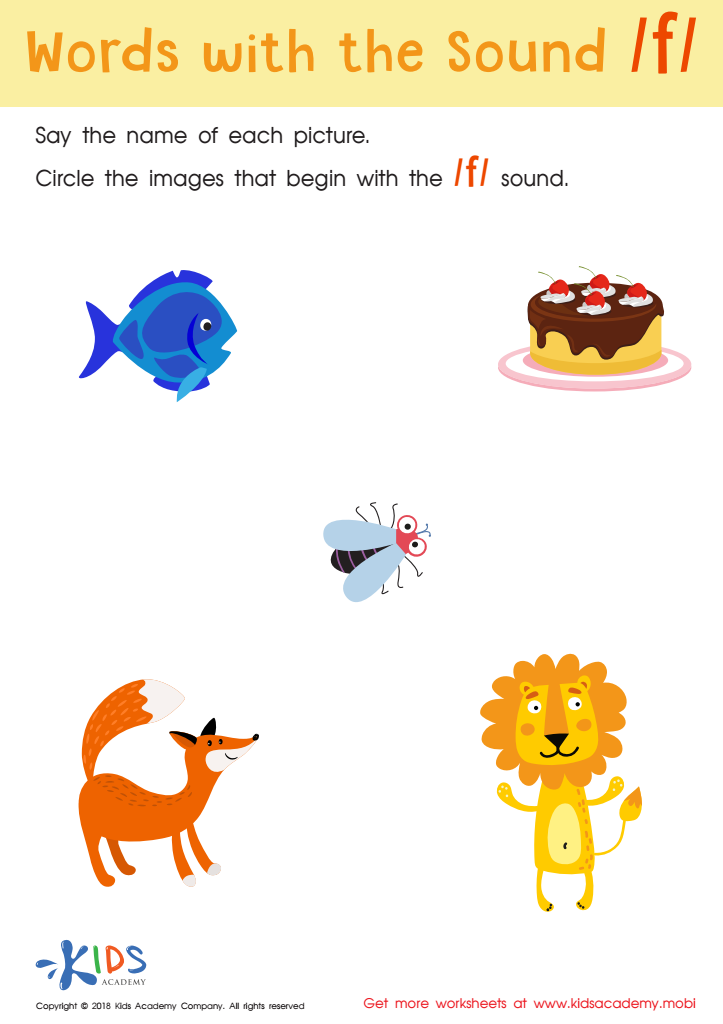
Words with sound f Reading Worksheet
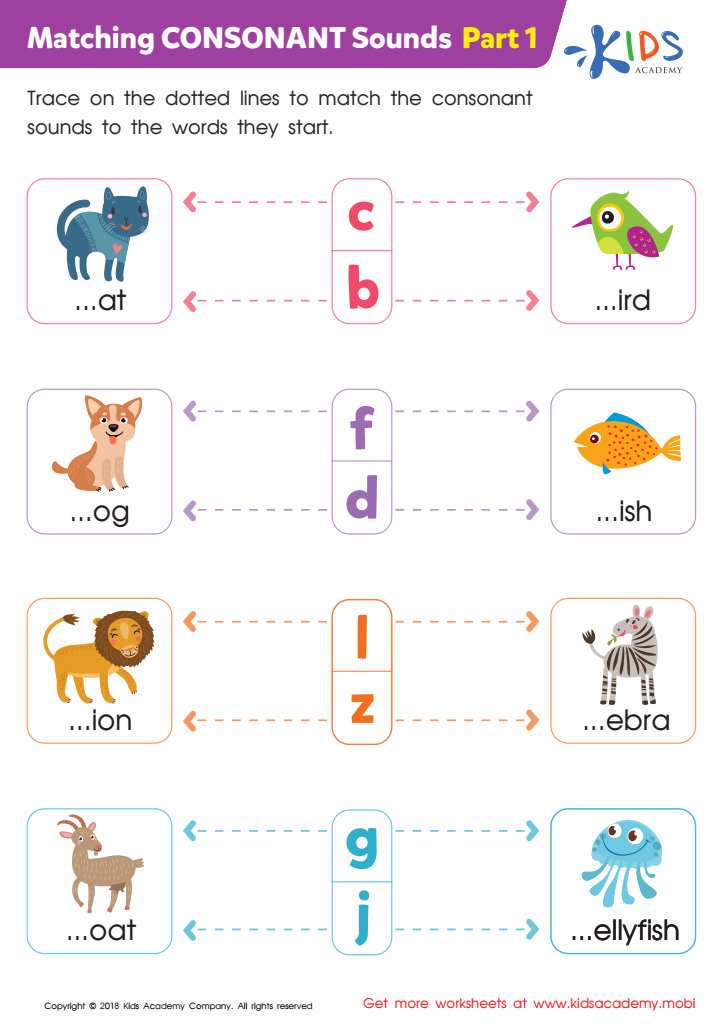
Matching Consonant Sounds: Part 1 Worksheet
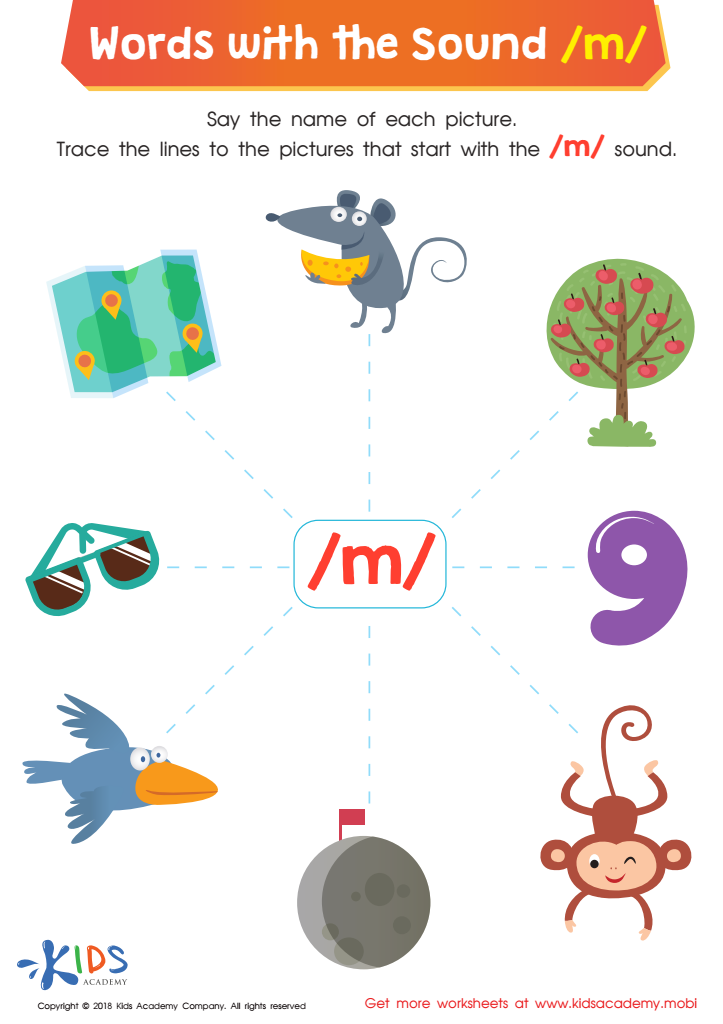
Words with Sound M Reading Worksheet


Parents and teachers should care about normal beginning consonants for children aged 3-4 because mastering these sounds is foundational for language development and literacy skills. At this age, children are typically developing their phonemic awareness, which is the understanding that words are made up of individual sounds. By focusing on beginning consonants, they learn to identify and produce sounds, facilitating early reading and writing skills.
Introducing children to consonants helps them build their vocabulary, as they start forming associations between sounds and letters. This is crucial for developing spelling and decoding abilities. Engaging children with fun activities, such as rhyming games or sound identification, makes learning enjoyable and interactive, laying the groundwork for effective communication.
Moreover, confidence in speaking and language expression grows as children increase their understanding of sounds and words. This not only enhances their pre-literacy skills but also boosts self-esteem. Parents and educators play a vital role in guiding children through this early stage of language acquisition, ensuring that they have a strong foundation that supports their future academic journey. Caring about consonants contributes to their overall cognitive development, literacy success, and love for learning, which benefits them throughout their educational lives.