Normal Long And Short Vowel Worksheets for Ages 3-4
5 filtered results
Difficulty Level
Grade
Age
-
From - To
Subject
Activity
Standards
Discover our engaging Normal Long And Short Vowel Worksheets designed especially for ages 3-4! These worksheets are perfect for young learners beginning their phonics journey. Each activity helps children differentiate between long and short vowel sounds through fun and interactive exercises. Bright, colorful visuals captivate and encourage kids, making learning enjoyable and effective. Our age-appropriate designs nurture early literacy skills, paving the way for reading success. Set the foundation for excellent phonetic understanding with these expert-crafted resources, and watch your child's confidence and skills grow. Explore now and make vowel practice a delightful adventure!
Favorites
With answer key
Interactive
The Short I Words Reading Worksheet
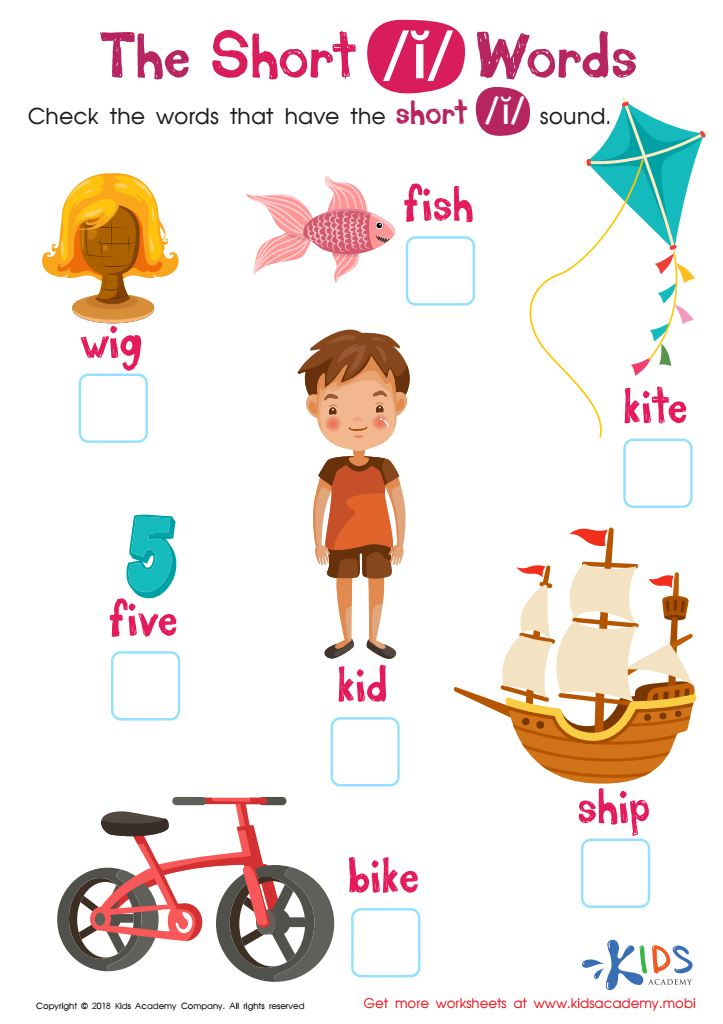
Teach your kindergartner phonics with this printout worksheet! It introduces the short «i» sound and helps them differentiate and articulate sounds and letters of the alphabet. With practice, your child will soon find it easy to classify sounds into long and short vowels.
 Assign to My Students
The Short I Words Reading Worksheet
Worksheet
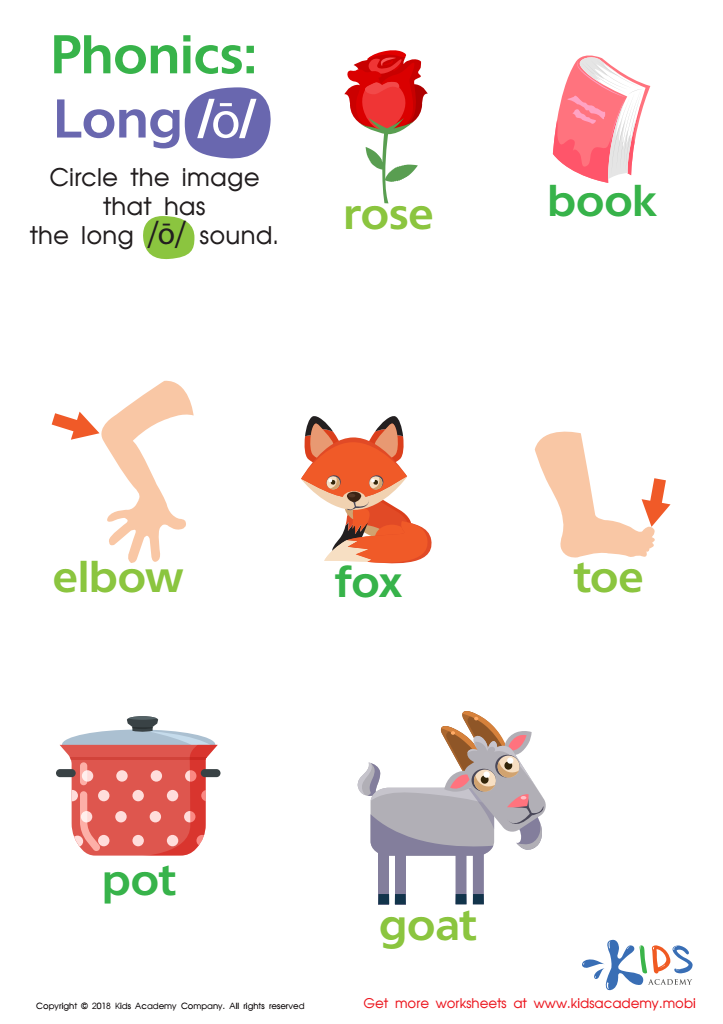
Phonics Long O Reading Worksheet
Are you ready to help your child learn the phonics long «o» sound? This worksheet is designed to aid them in getting familiar with the sound. After completing the exercise, your child should be able to differentiate letters, and recognize words with the long «o» sound. Encourage them to circle the images that have the sound.
Phonics Long O Reading Worksheet
Worksheet
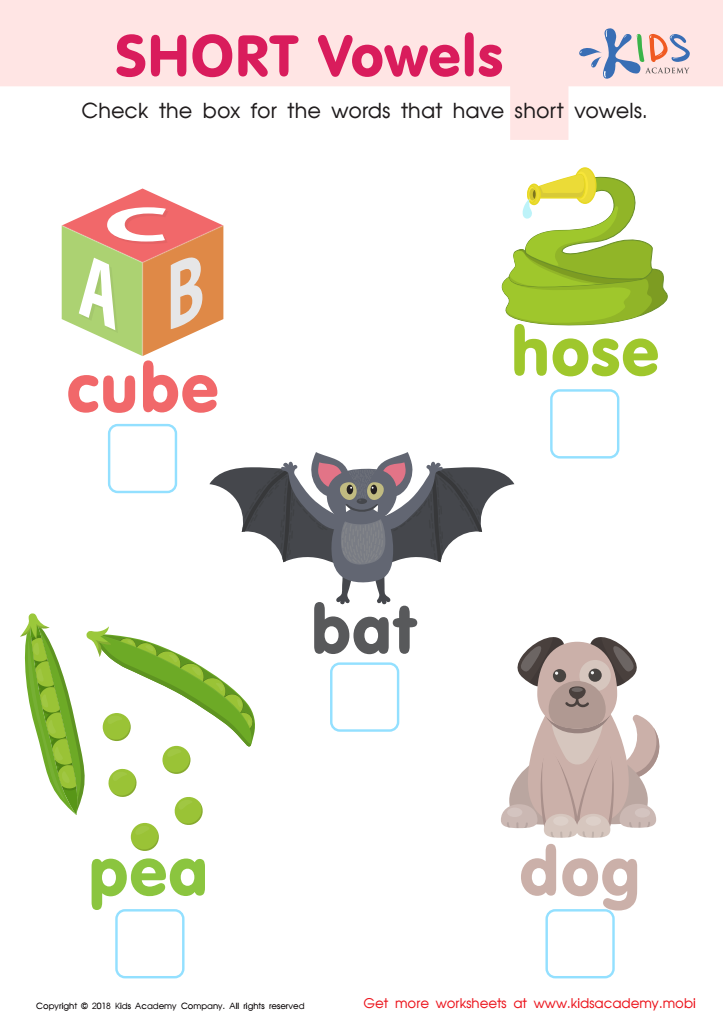
short vowels Worksheet
Say "dog" and notice how long it takes to pronounce the vowel. Is it short or long? Compare it to "pea" and use this worksheet to quickly assess your child's mastery. Have them name each picture and listen for the vowel sounds. Only check the boxes for words with short vowel sounds.
short vowels Worksheet
Worksheet
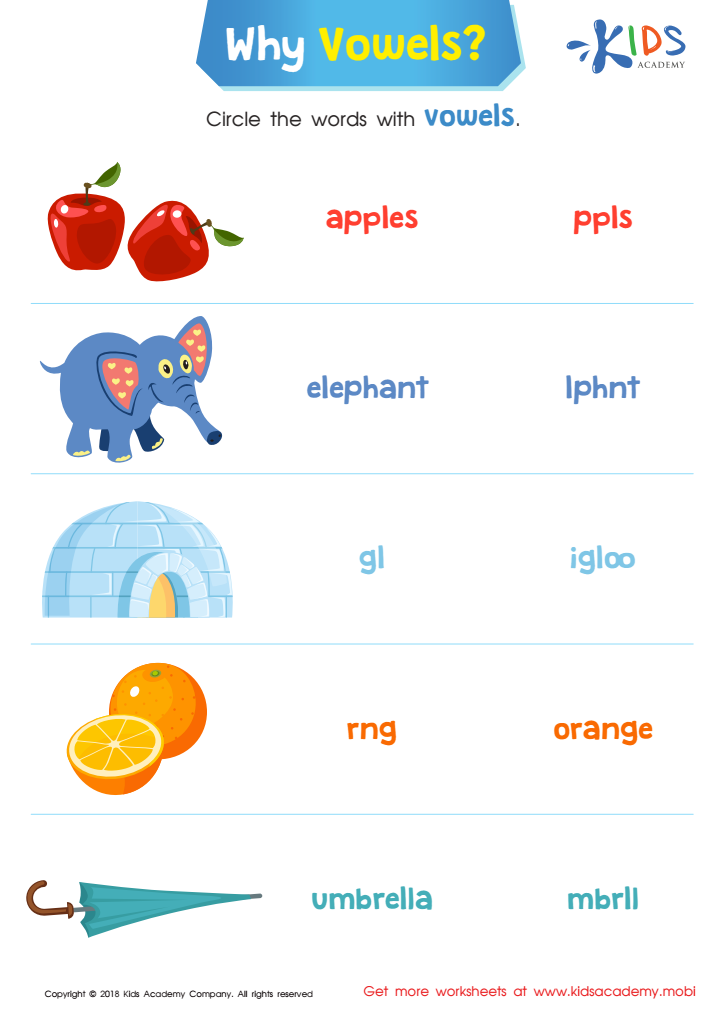
Why Vowels? Reading Worksheet
This worksheet teaches kids to spell words with vowels. It features familiar pics for them to recognize, and they practice fine motor skills by circling the correct spelling. It's an enjoyable way for kids to learn how to spell and promote reading skills.
Why Vowels? Reading Worksheet
Worksheet
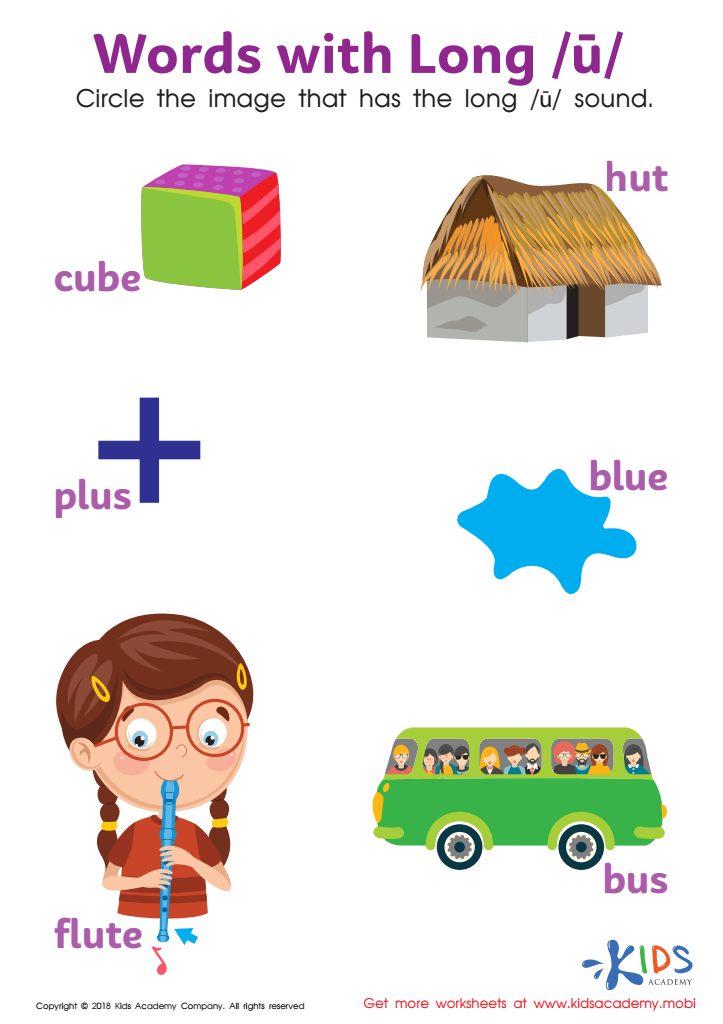
Words with Long U Reading Worksheet
Help your new reader master vowel recognition with this fun worksheet. By using picture clues and practicing fine motor skills, they'll learn to differentiate between words with the long and short «u» sound. Your learner will also get to practice vowel discrimination in high-frequency words. It's a great way to learn the importance of vowels in reading!
Words with Long U Reading Worksheet
Worksheet
Join Kids Academy for Free
Who is primarily going to use this learning content?




Understanding normal long and short vowels is crucial for children aged 3-4, as it lays the foundation for their future reading and writing skills. During these formative years, children are developing their phonemic awareness, which is the ability to hear, identify, and manipulate individual sounds in words. Recognizing the difference between long and short vowel sounds is an essential component of this skill.
For parents and teachers, nurturing this awareness helps young learners decode words more effectively, facilitating their journey in becoming proficient readers. Long and short vowel sounds are fundamental building blocks of the English language, influencing how words are pronounced and understood. When children grasp these concepts early on, they are better equipped to tackle more complex phonetic patterns later.
Furthermore, early proficiency in distinguishing between vowel sounds can boost a child's confidence and enthusiasm for learning. It enables them to engage more actively in reading activities, where they can experience the joy of discovering new words and stories. Overall, focusing on normal long and short vowel sounds at this age provides a solid linguistic foundation, making subsequent literacy education smoother and more effective. Investing time in this area helps pave the way for academic success in the years to come.