Shape Recognition Normal Worksheets for Ages 3-4 - Page 2
36 filtered results
-
From - To
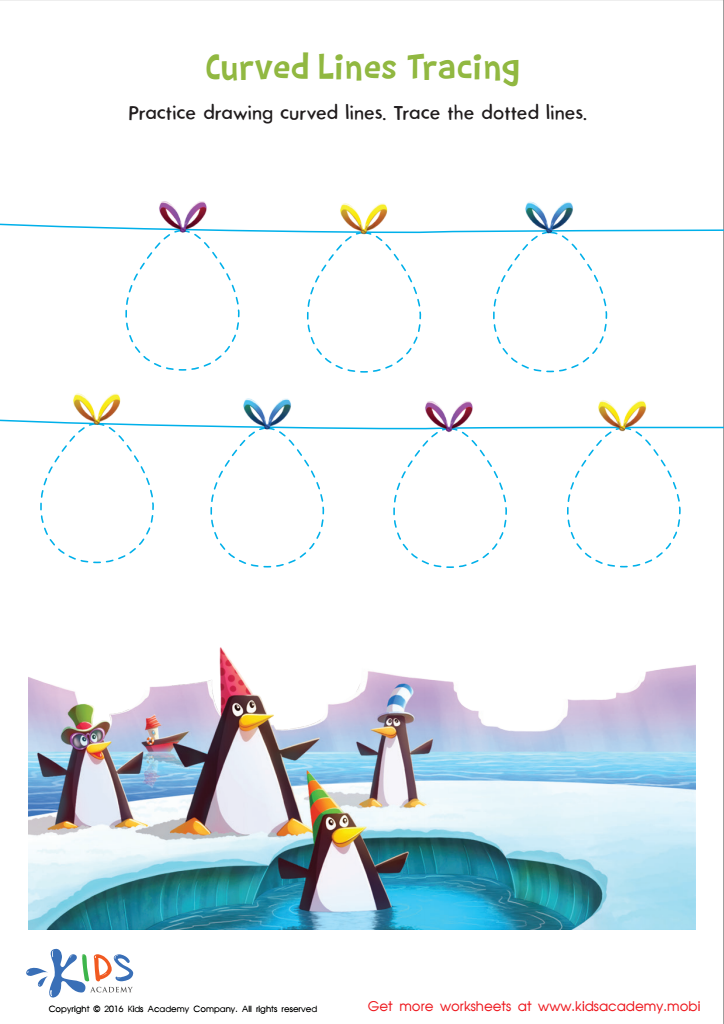
Curved Lines Tracing Worksheet
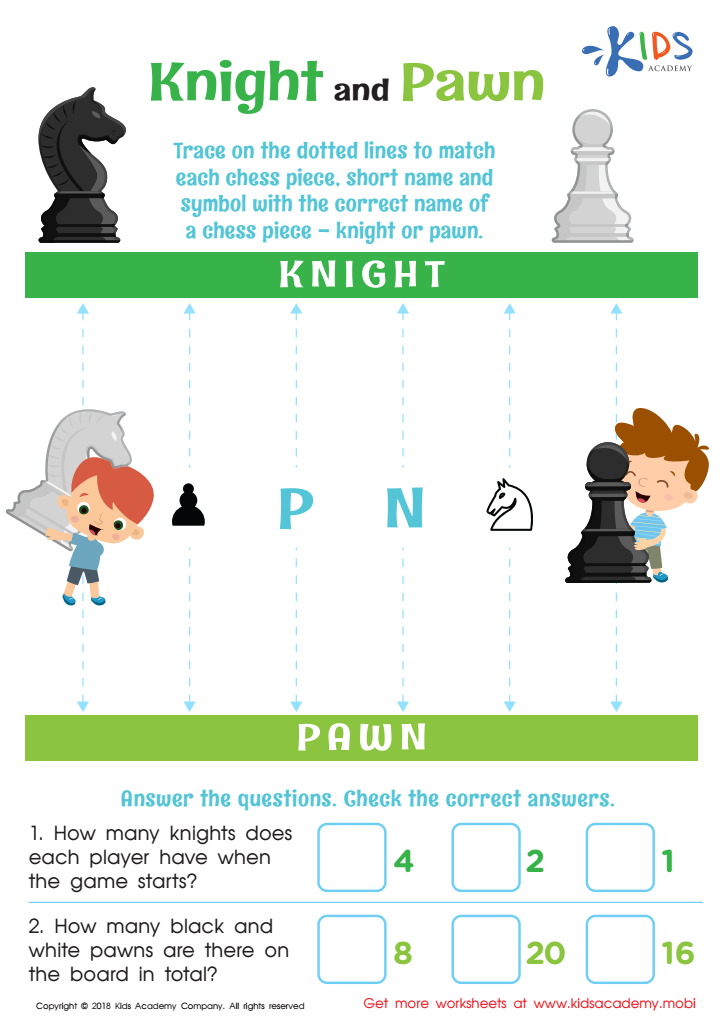
Knight and Pawn Worksheet
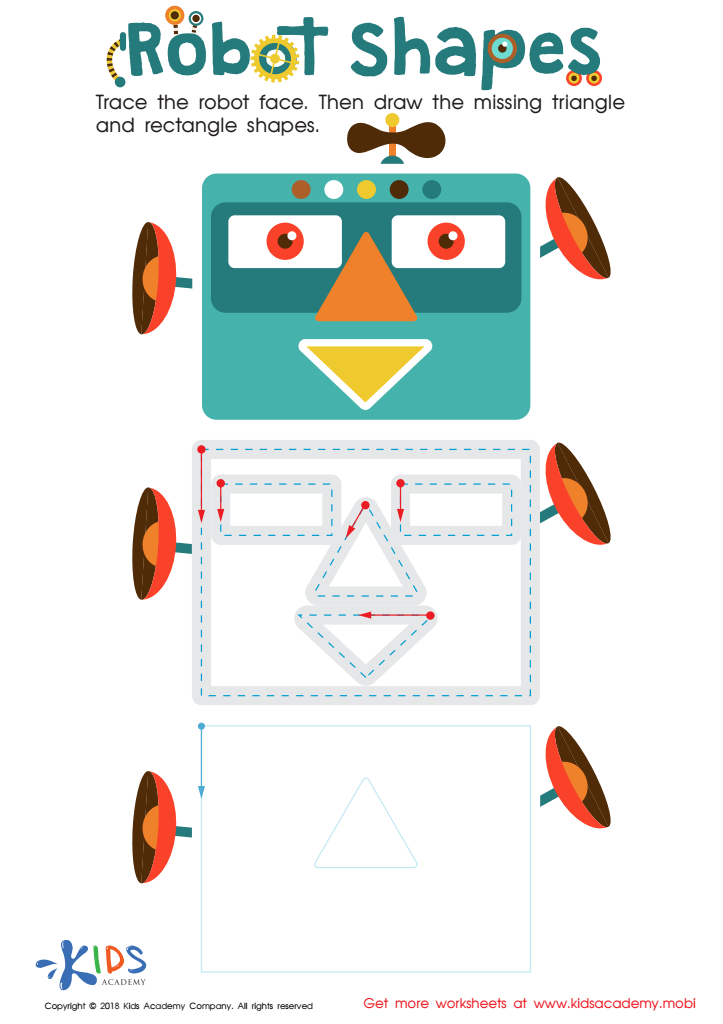
Robot Shapes Worksheet
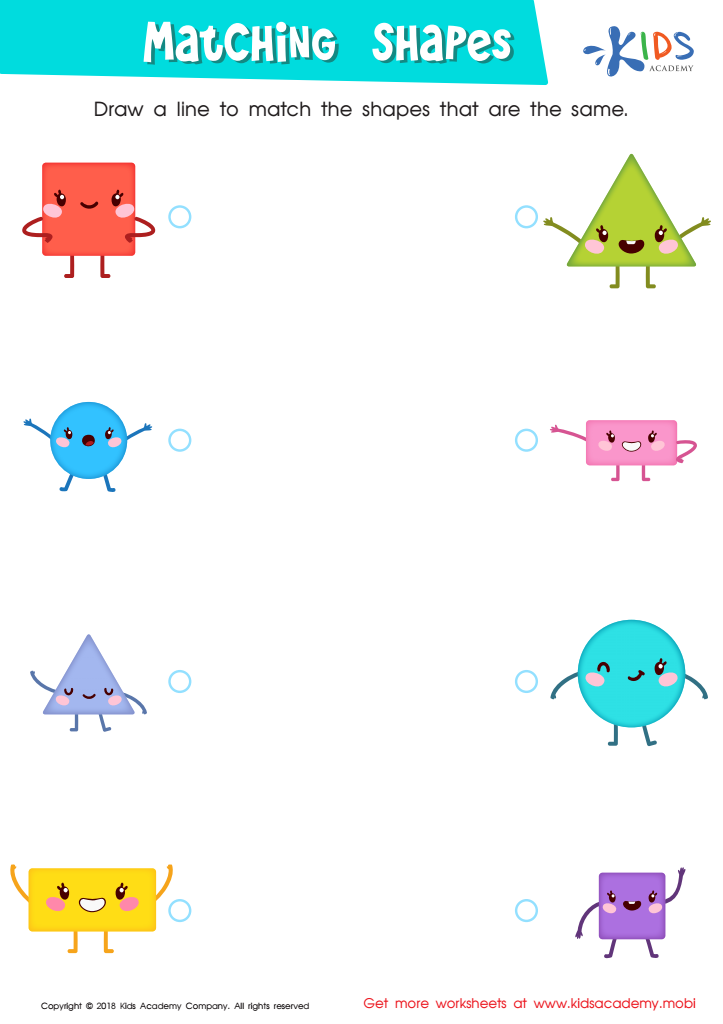
Matching Shapes Worksheet
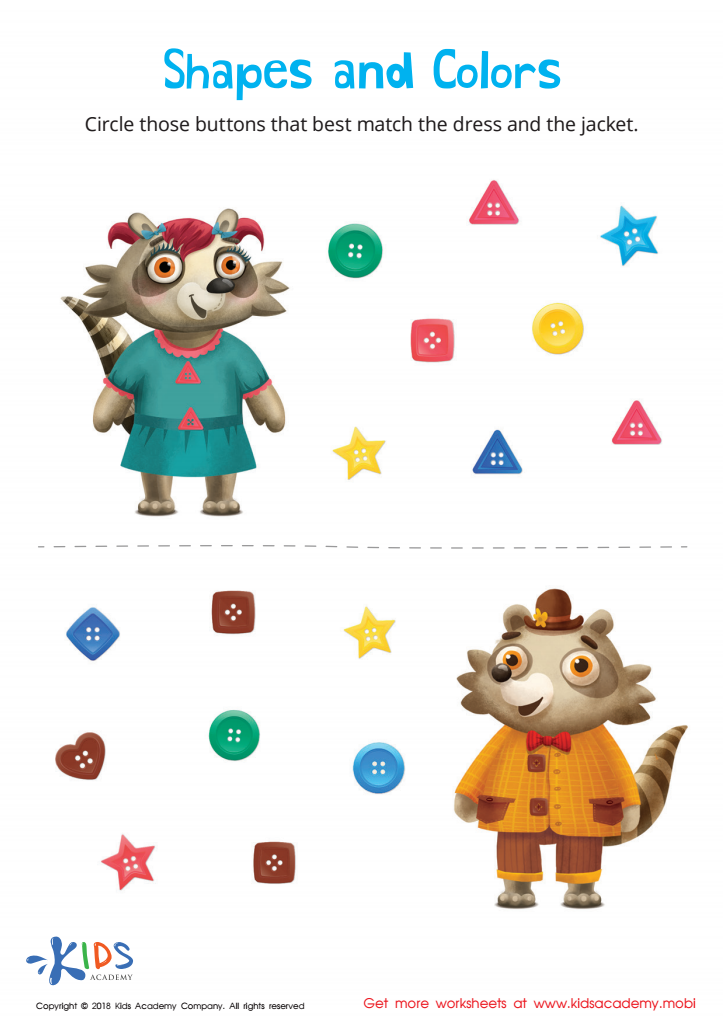
Shapes and Colors Worksheet
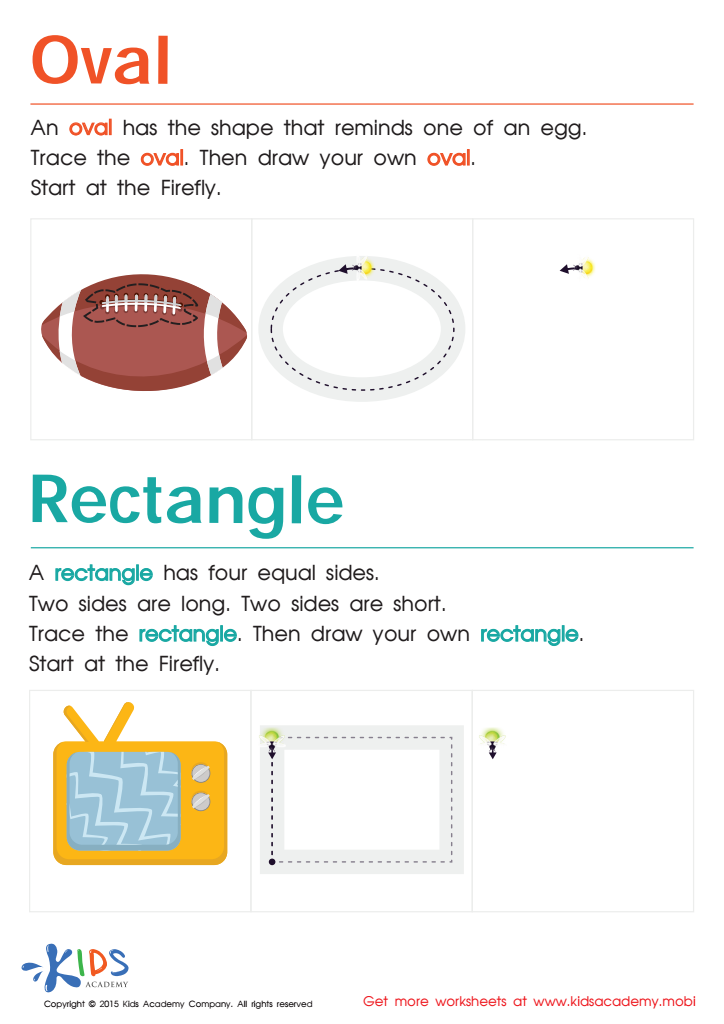
Easy Drawing of Ovals And Rectangles Worksheet

Playground Worksheet
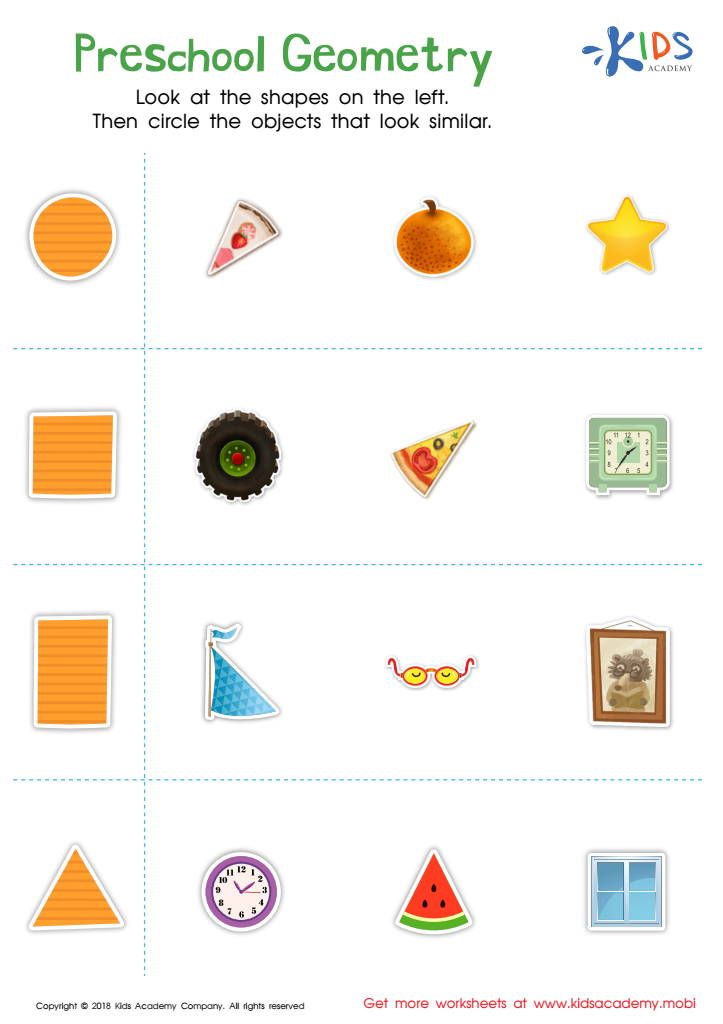
Preschool Geometry Worksheet
Turkey Thanksgiving Day Worksheet
 Assign to My Students
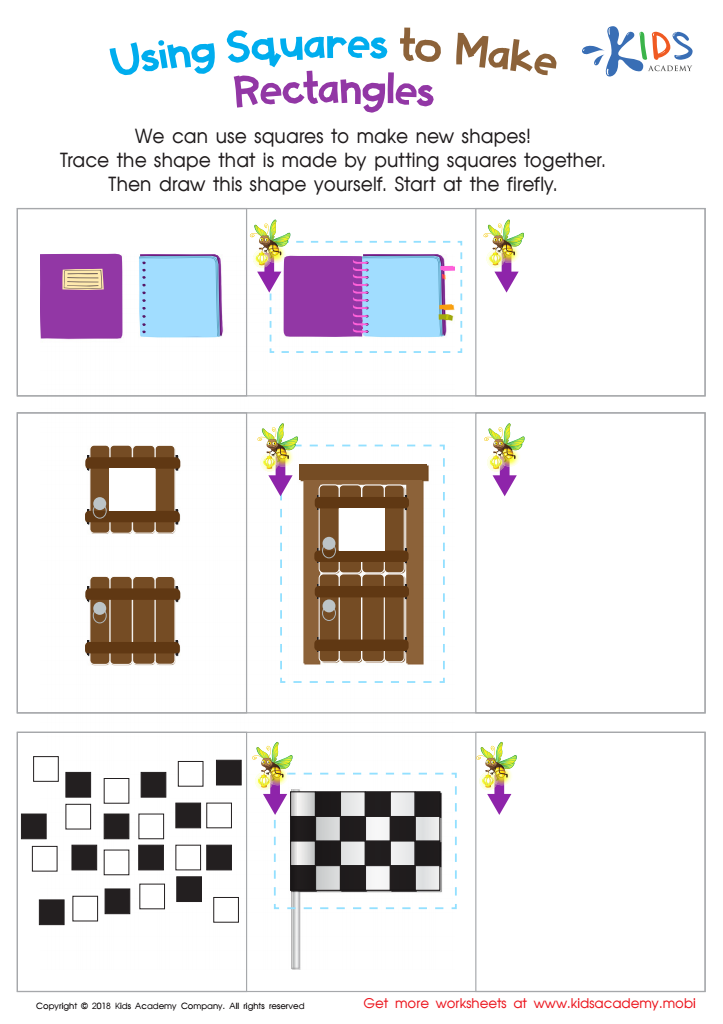
Using Squares to Make Rectangles Worksheet
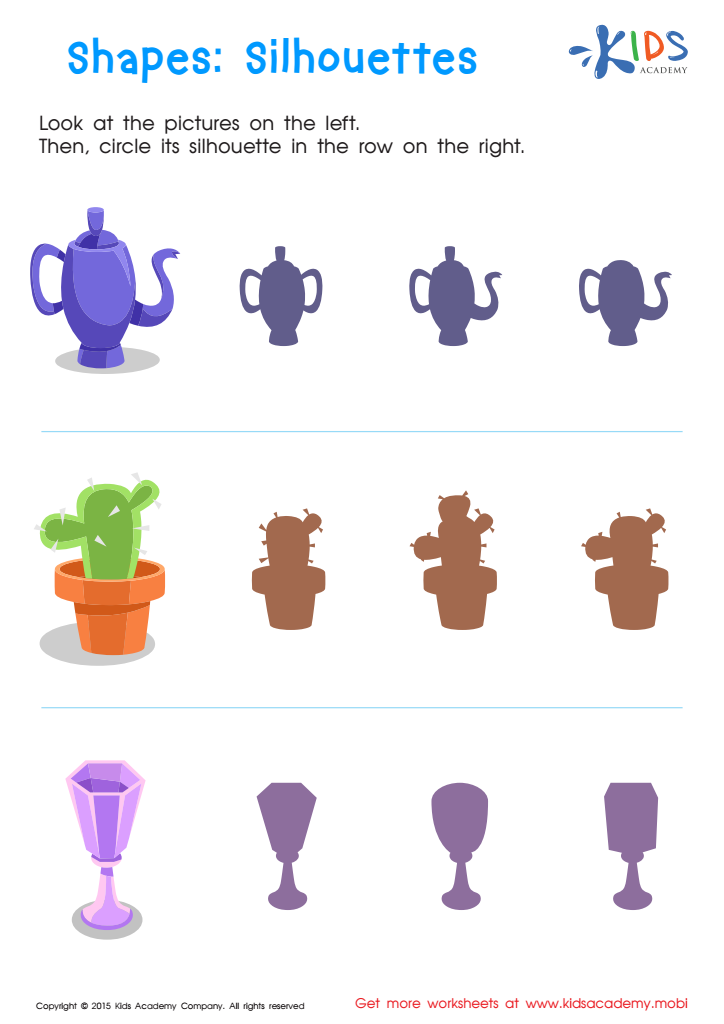
Silhouettes – Shapes Worksheet
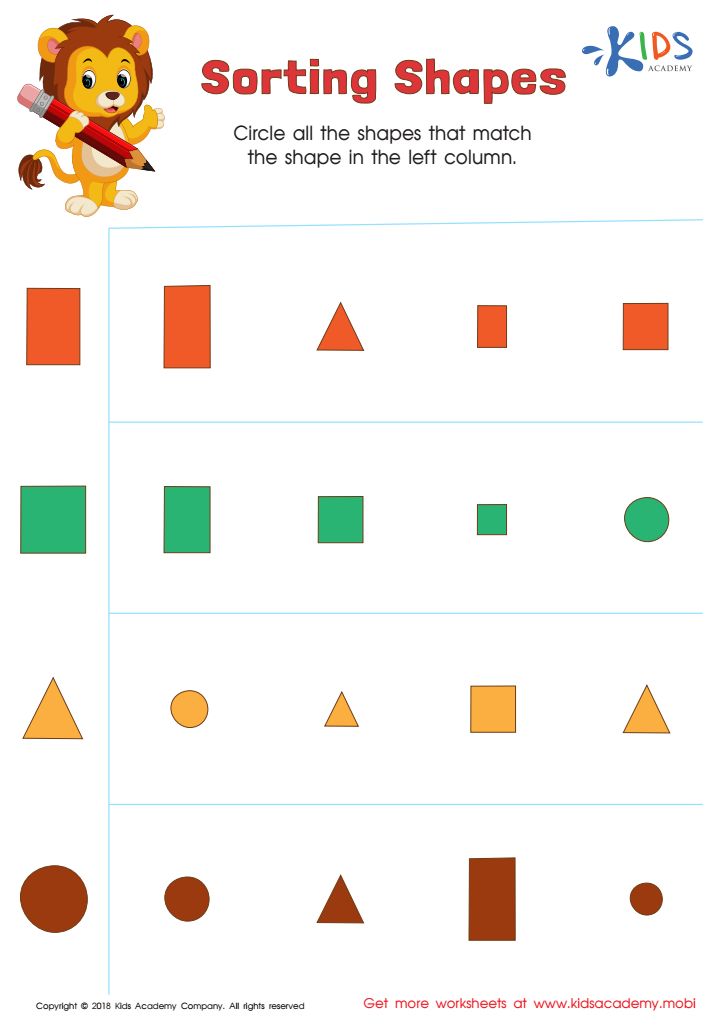
Sorting Shapes - Part 2 Worksheet







Shape recognition is a fundamental skill for children aged 3-4, serving as a cornerstone for their cognitive development. Parents and teachers should prioritize this skill because it contributes to a range of educational and developmental outcomes. First, shape recognition enhances spatial awareness, allowing children to understand their environment better, which is essential for later math and science learning.
Second, recognizing shapes fosters critical thinking and problem-solving skills. When children identify shapes, they learn to categorize and differentiate between various objects, laying the groundwork for more complex concepts like geometry.
Furthermore, engaging in shape recognition activities encourages language development. Children learn to describe shapes and their attributes, expanding their vocabulary and communication skills. It also provides opportunities for social interaction during group activities, promoting teamwork and collaboration.
Beyond academic benefits, shape recognition is linked to improved fine motor skills as children manipulate various objects. Ultimately, investing time in shape recognition helps create well-rounded individuals equipped with fundamental skills for lifelong learning. Parents and teachers positively influence not only children's early academic success but also their overall social and cognitive growth by making shape recognition a development priority.








