Visual perception Normal Worksheets for Ages 3-4
14 filtered results
-
From - To
Our free "Visual Perception Normal Worksheets for Ages 3-4" are designed to enhance young children's ability to interpret and respond to visual information. Each worksheet is thoughtfully crafted to improve perception essential for reading, writing, and overall learning. Activities include matching, sorting, and pattern recognition, aligning with early developmental milestones. Engaging and age-appropriate, these worksheets are perfect for preschoolers, offering a fun way to develop critical visual skills while playing and learning. Boost your child's cognitive abilities with our expertly developed resources, helping lay the foundation for future academic success. Download now and start the learning adventure!
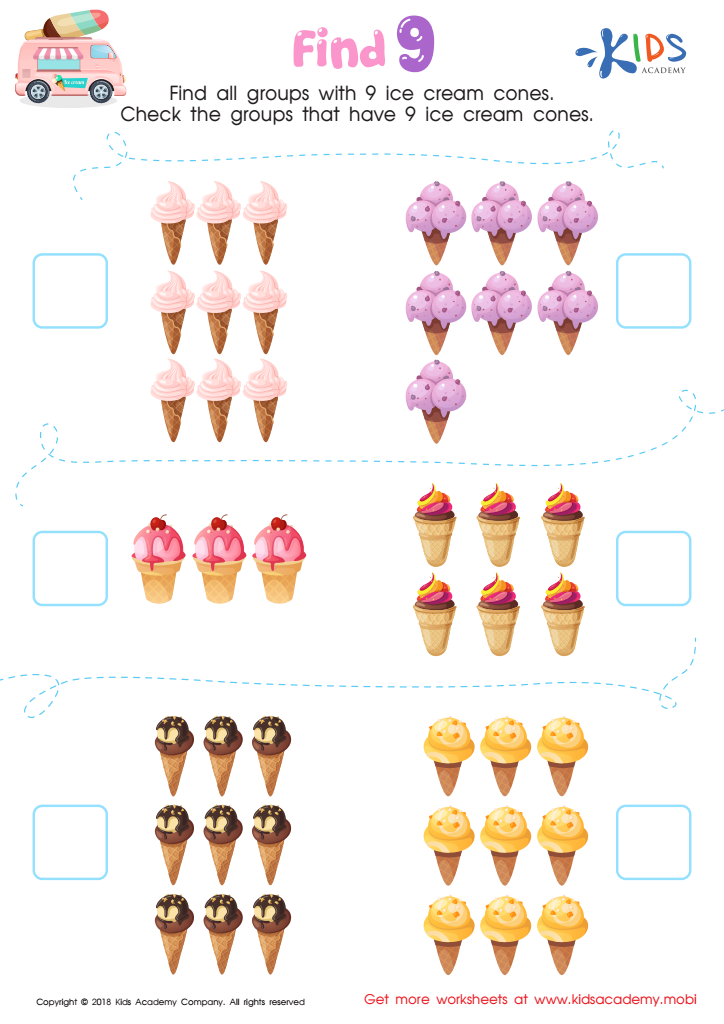
Find 9 Worksheet
 Assign to My Students
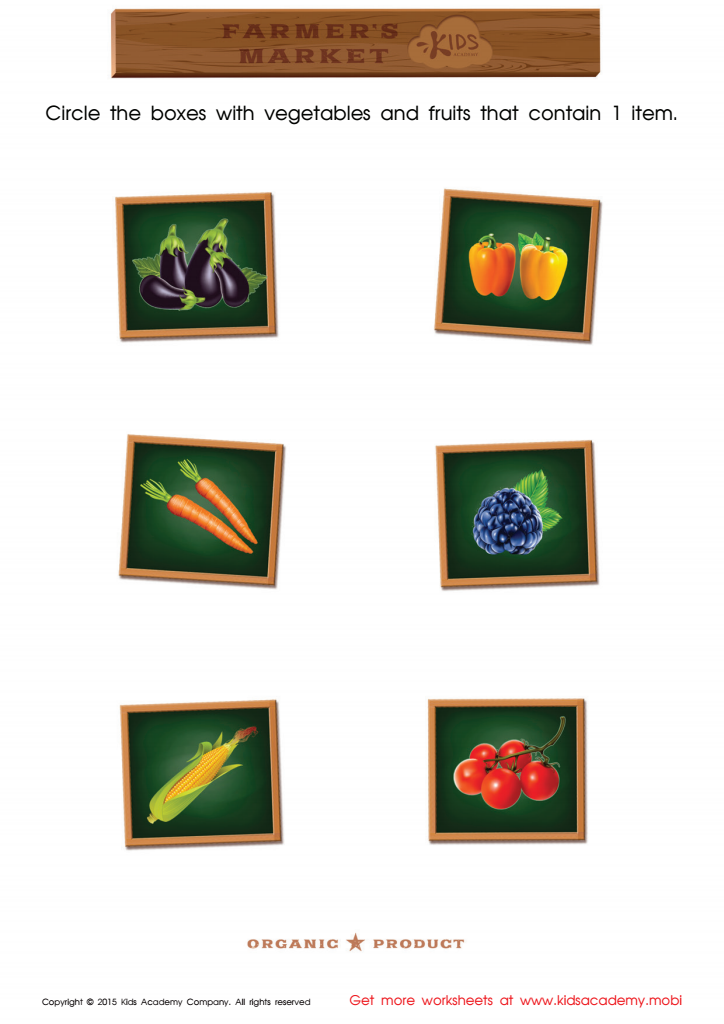
Count and Match Boxes with Vegetables
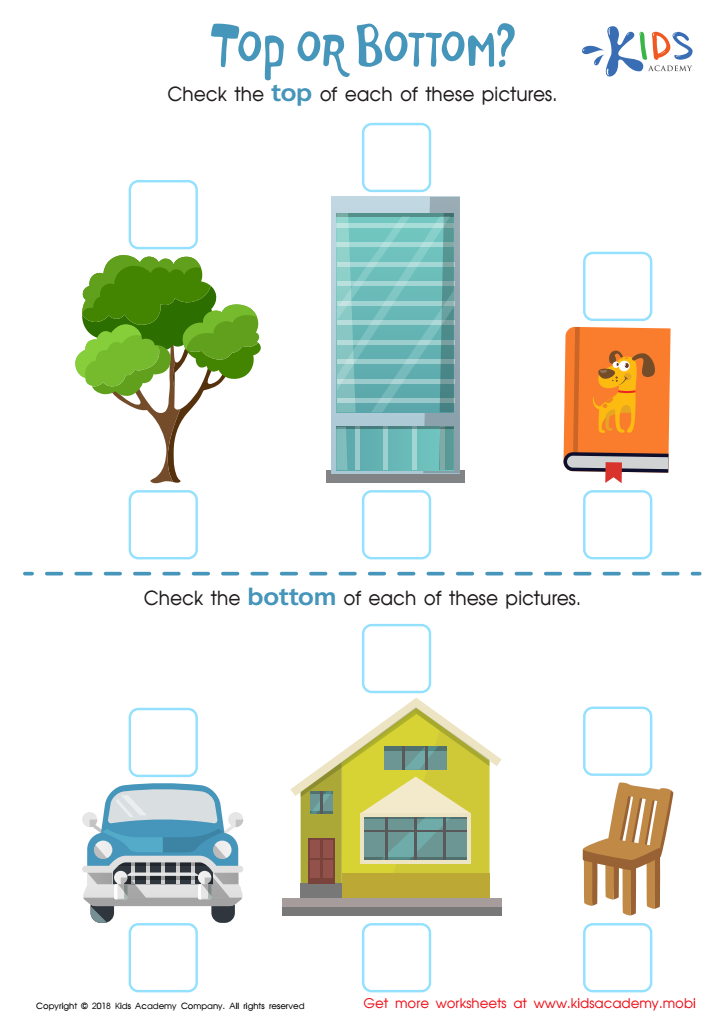
Top or Bottom Worksheet
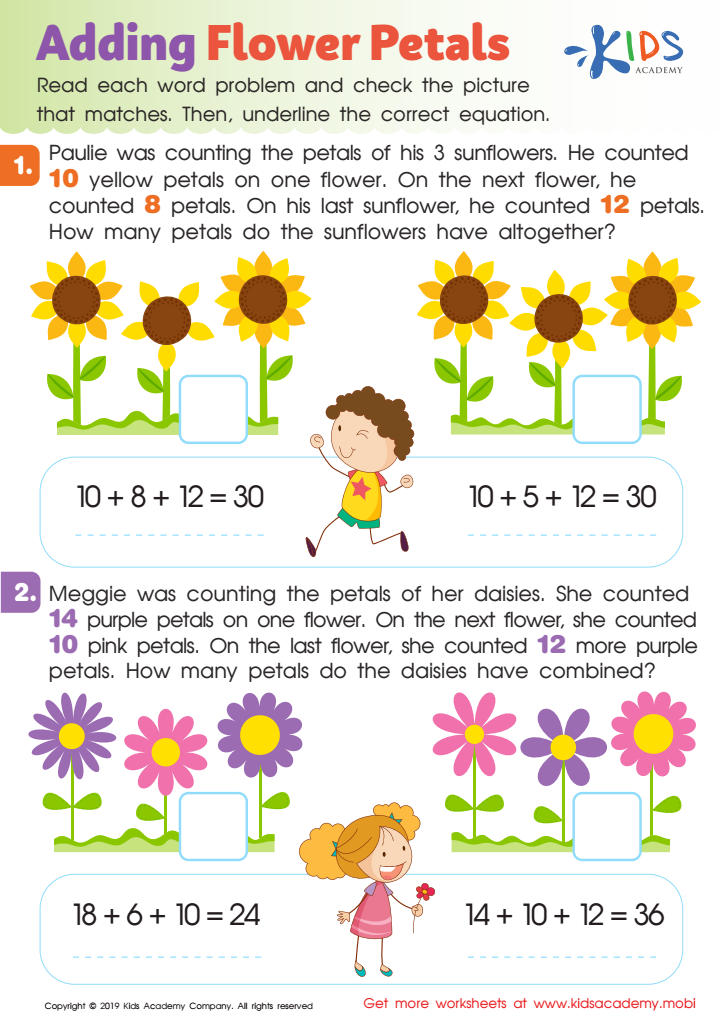
Adding Flower Petals Worksheet
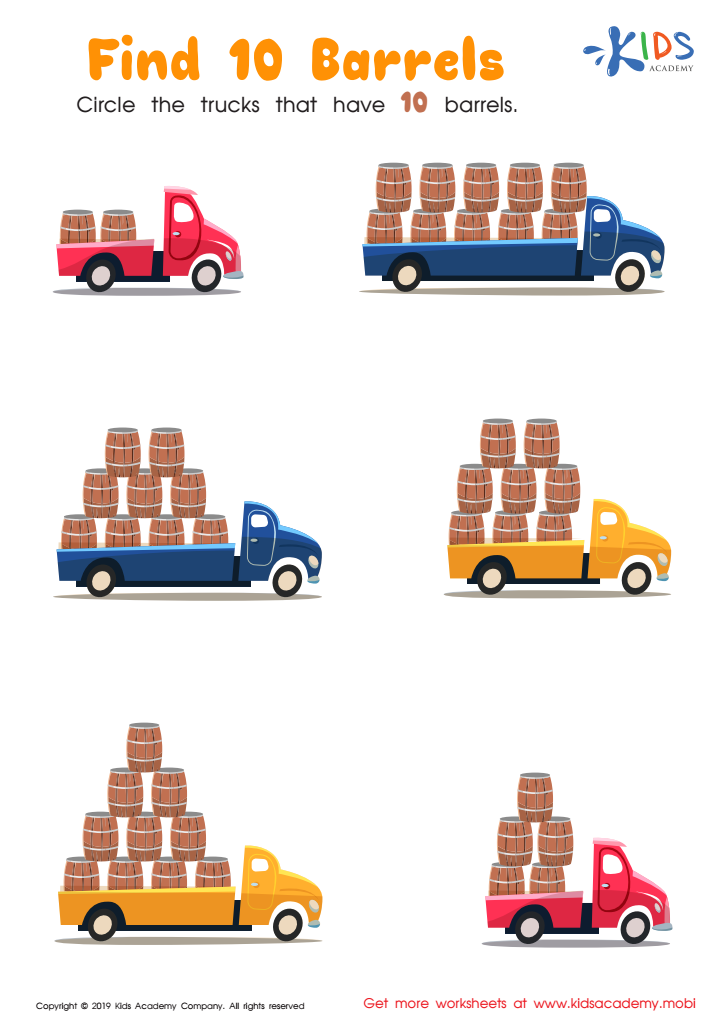
Find 10 Barrels Worksheet
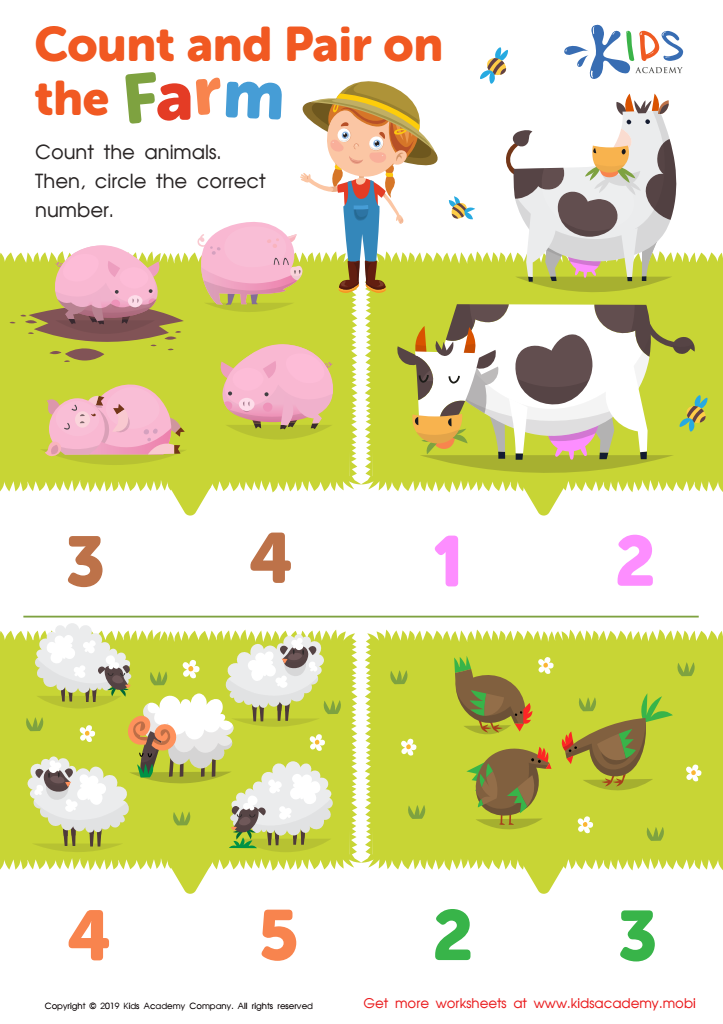
Count and Pair on the Farm Worksheet
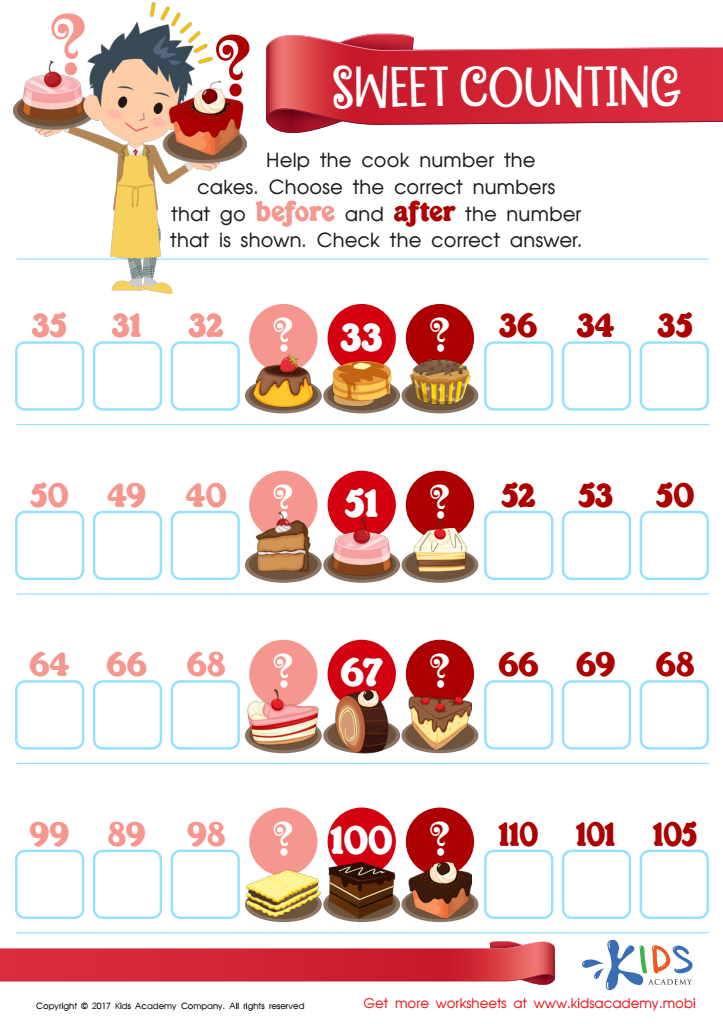
Sweet Counting - Part 1 Worksheet
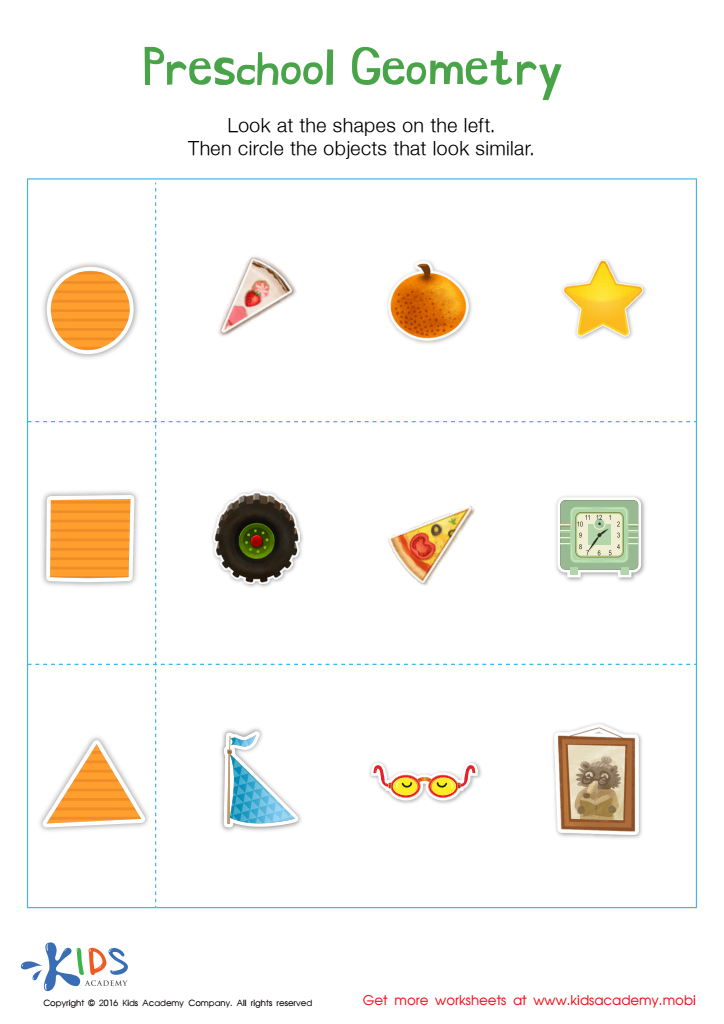
Preschool Geometry Match Up Worksheet
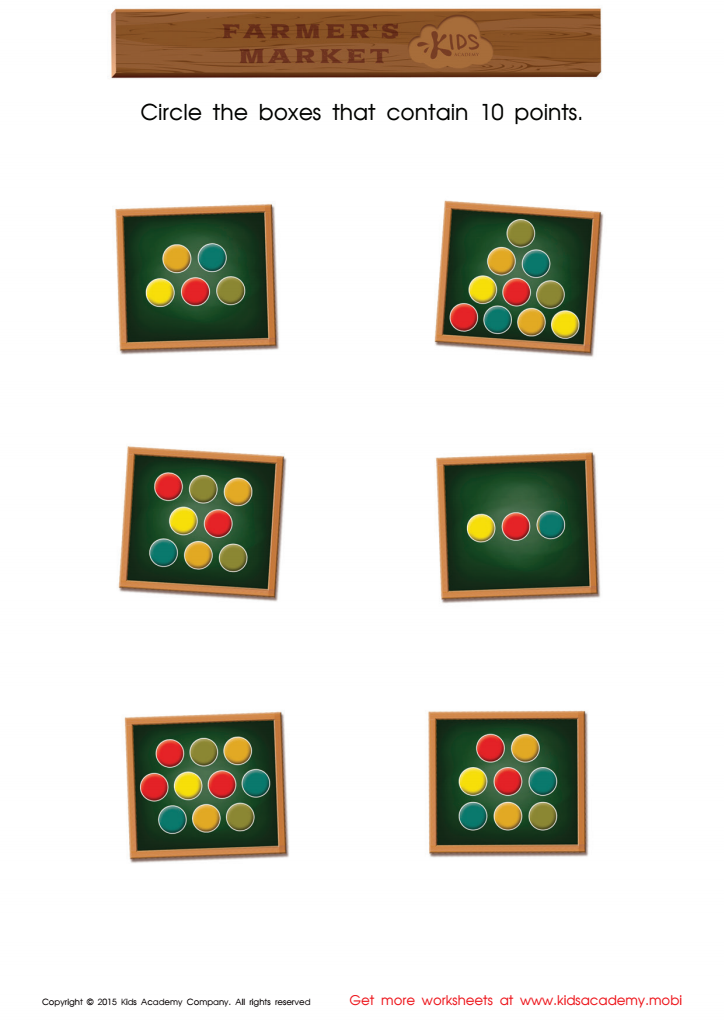
Count and Match Points 10 Math Worksheet
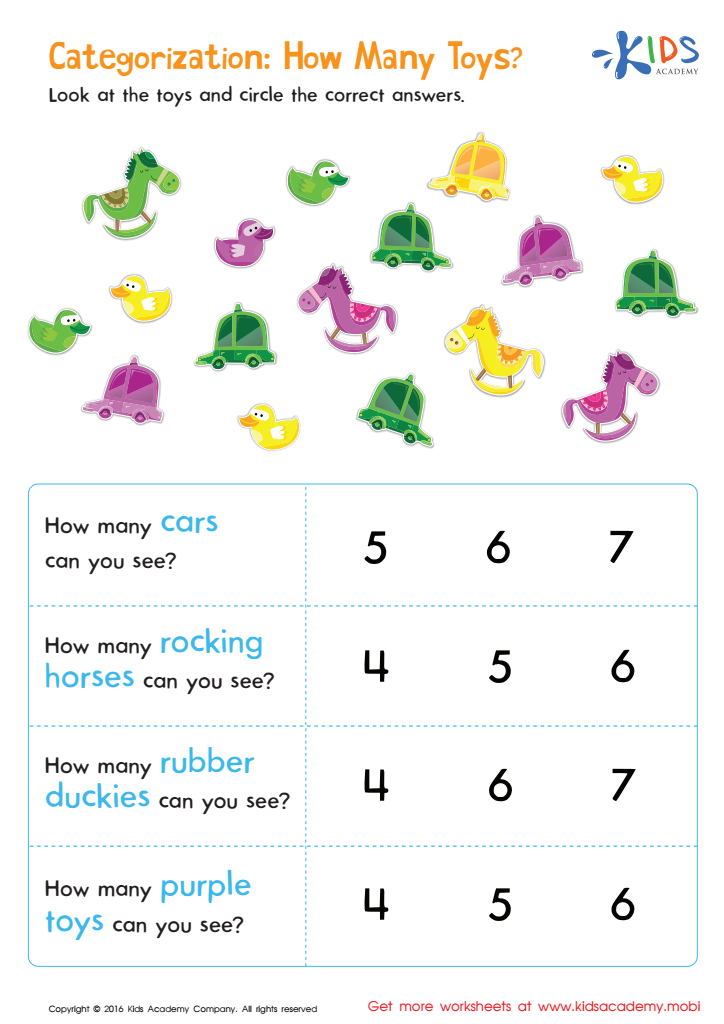
Classifying Toys by Type and Color Sorting Worksheet
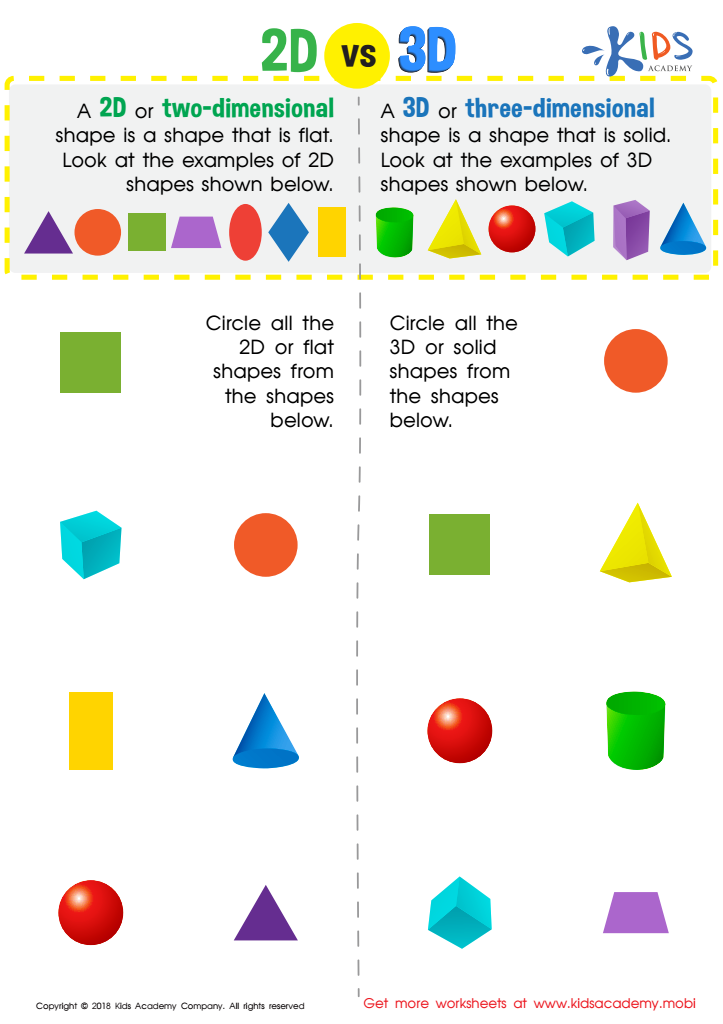
2D vs 3D Shapes Worksheet
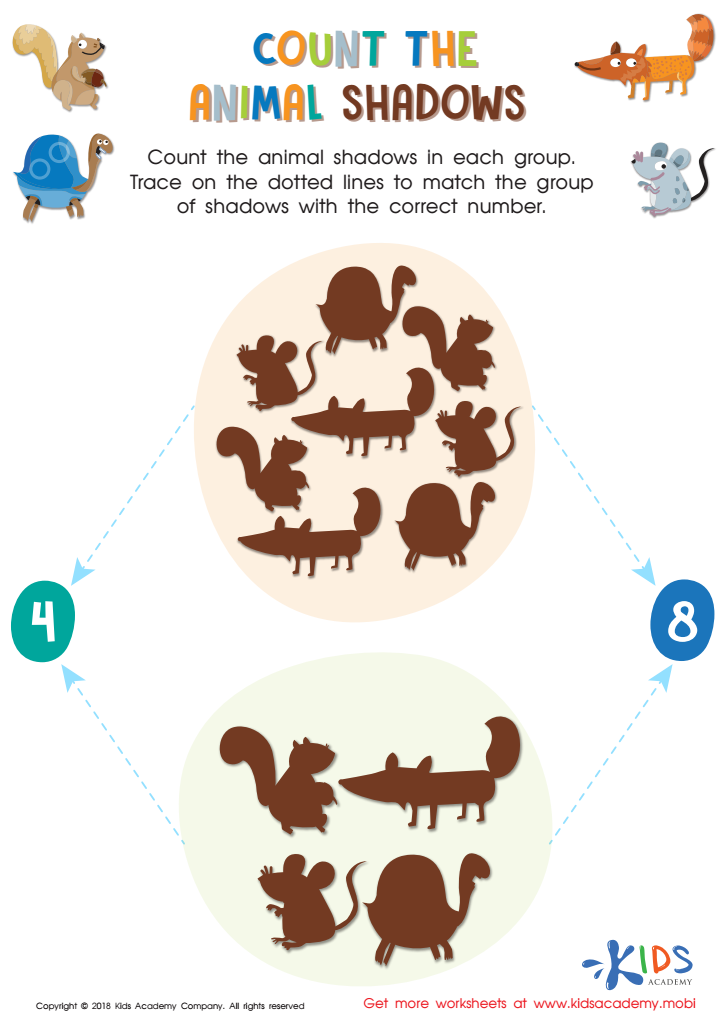
Count the Animal Shadows Worksheet
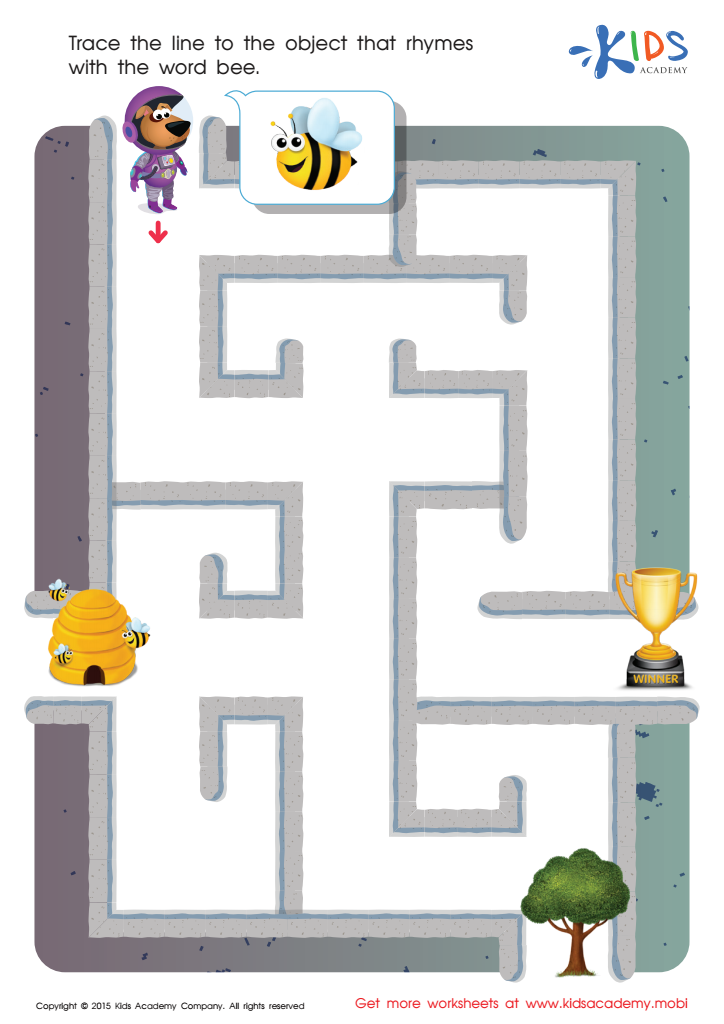
Bee Rhyming Words Worksheet
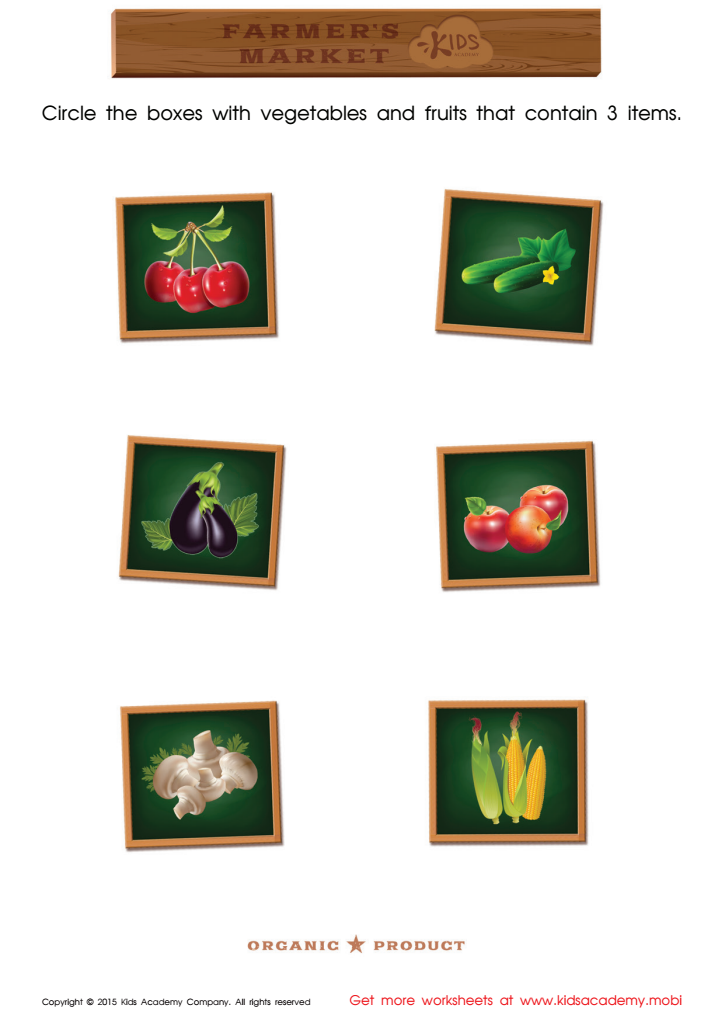
Count and Match Vegetables 1 – 5 Math Worksheet







Visual perception refers to the brain's ability to make sense of what the eyes see, and it’s crucial for children's overall development, especially around ages 3-4. This skill encompasses a range of subskills, including visual discrimination, visual memory, and spatial relationships, which are fundamental for learning and everyday functioning.
For children aged 3-4, strong visual perception is essential for recognizing letters and numbers, distinguishing between different shapes and sizes, and understanding positional concepts like "above" and "below." These abilities form the foundation for reading, writing, and mathematical skills that are critical in school settings. When children can effectively process visual information, they are better equipped to focus, follow instructions, and navigate their environment safely.
Furthermore, good visual perception supports fine motor skills development, such as coloring, cutting, and assembling puzzles. It also enhances children’s confidence and independence in practical tasks, leading to more active engagement and curiosity in their learning environment.
Parents and teachers who support and monitor the development of visual perception skills can identify early any potential problems that might interfere with a child's educational progress. Prompt intervention can lead to tailored support strategies, ensuring each child has the opportunity to thrive academically and socially. Therefore, investing in activities that strengthen visual perception from an early age is a crucial part of nurturing well-rounded, capable learners.








