Fine Motor Skills Normal 2D Shapes Worksheets for Ages 3-4
4 filtered results
-
From - To
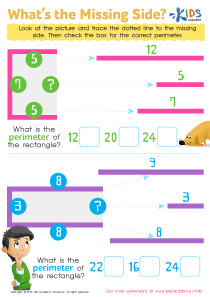
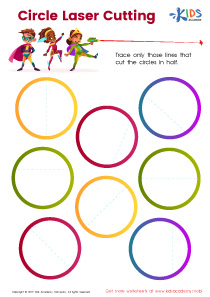
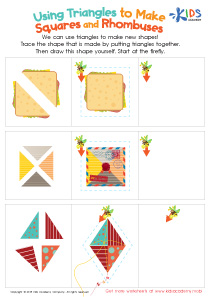
Our "Fine Motor Skills Normal 2D Shapes Worksheets for Ages 3-4" are designed to support the early development of your child's fine motor skills through interactive and engaging activities. Each worksheet features simple 2D shapes that children can trace, draw, and color.
By regularly practicing with these worksheets, young learners will improve their hand-eye coordination and pencil control. Perfect for both classroom and home use, these worksheets lay a strong foundation for future writing and drawing skills, ensuring that your little one gains confidence and dexterity through fun, hands-on learning. Download today to start your child on the path to success!
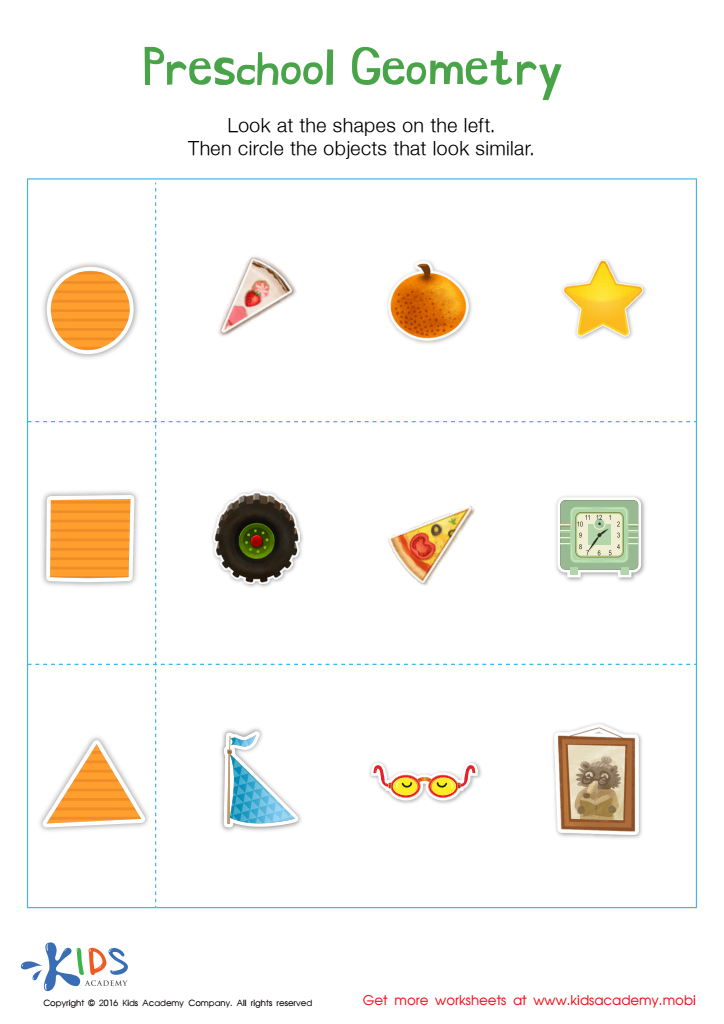
Preschool Geometry Match Up Worksheet
 Assign to My Students











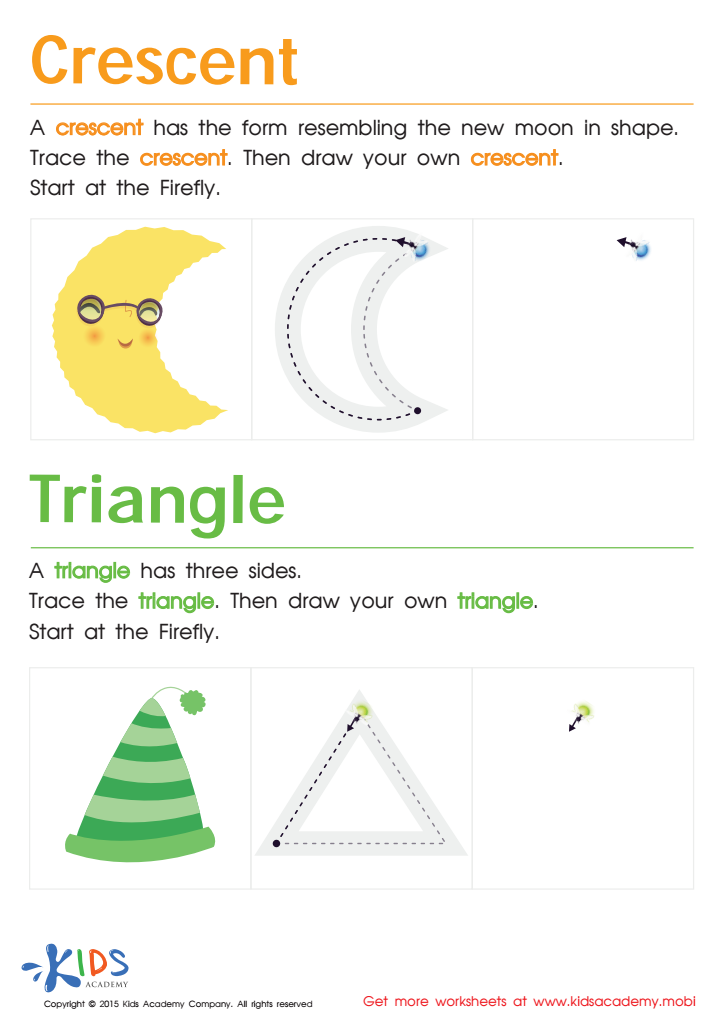
Learning to Draw Crescents And Triangles Worksheet
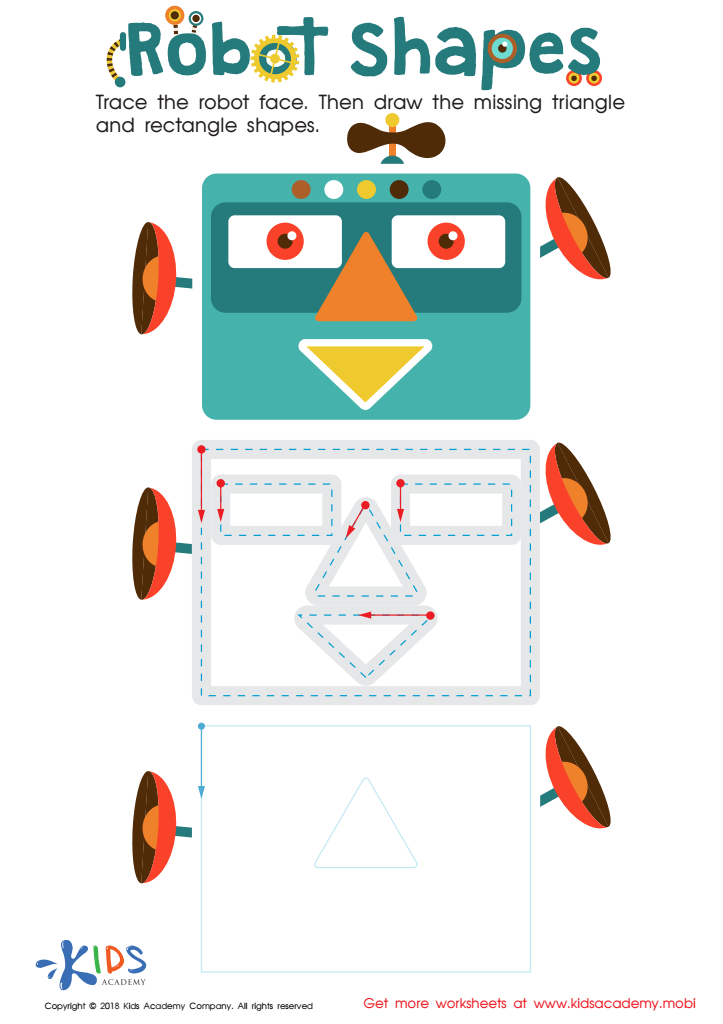
Robot Shapes Worksheet
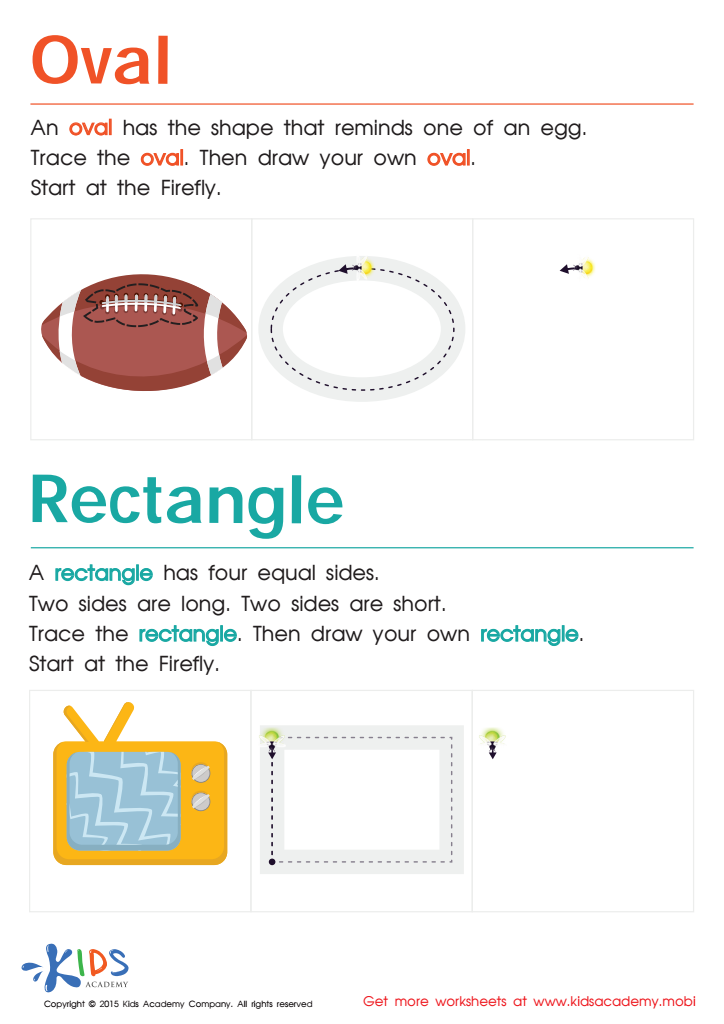
Easy Drawing of Ovals And Rectangles Worksheet








Fine motor skills and familiarity with 2D shapes are crucial developmental milestones for children aged 3-4. Fine motor skills involve the coordination of small muscles, particularly in the hands and fingers, which are essential for tasks like writing, buttoning, and using utensils. At ages 3-4, strengthening these skills allows children to develop independence in daily tasks and sets a foundation for future academic activities that require precise hand-eye coordination.
Learning normal 2D shapes such as circles, squares, and triangles is equally important. Knowledge of shapes is foundational for cognitive development, including the ability to recognize and categorize different forms in the environment. This understanding helps children make sense of more complex concepts in mathematics and geometry as they grow older. Additionally, recognizing shapes enhances visual perception and spatial awareness, aiding in activities that range from reading and organizing objects to navigating spaces.
Parents and teachers should care about these areas because supporting fine motor skills and shape recognition during this developmental period sets children up for future success. Structured play activities that encourage drawing, cutting, and shape-sorting are both effective and enjoyable ways to promote these skills, fostering a holistic developmental environment where children can thrive academically and socially.