Fine Motor Skills Normal Math Worksheets for Ages 3-4 - Page 2
29 filtered results
-
From - To
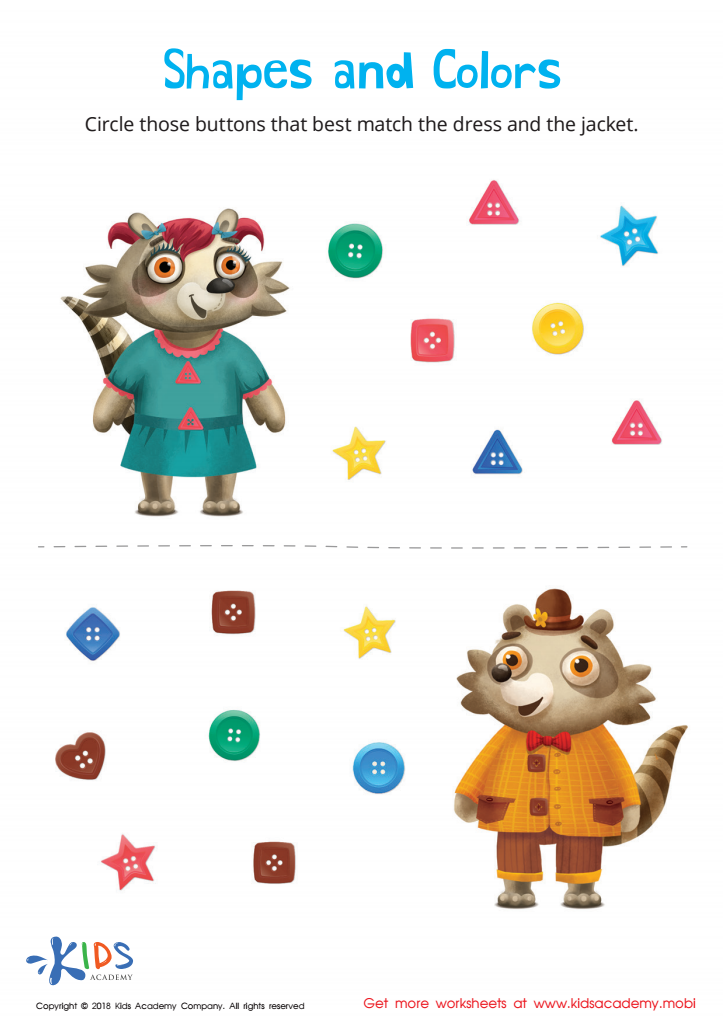
Shapes and Colors Worksheet
 Assign to My Students
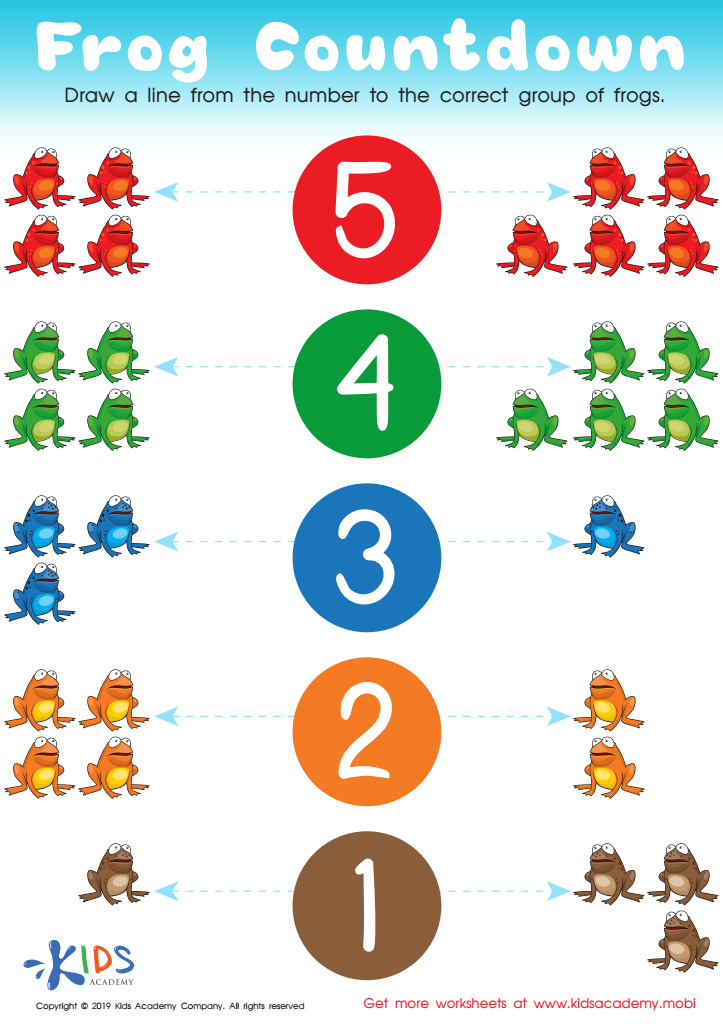
Frog Countdown Worksheet
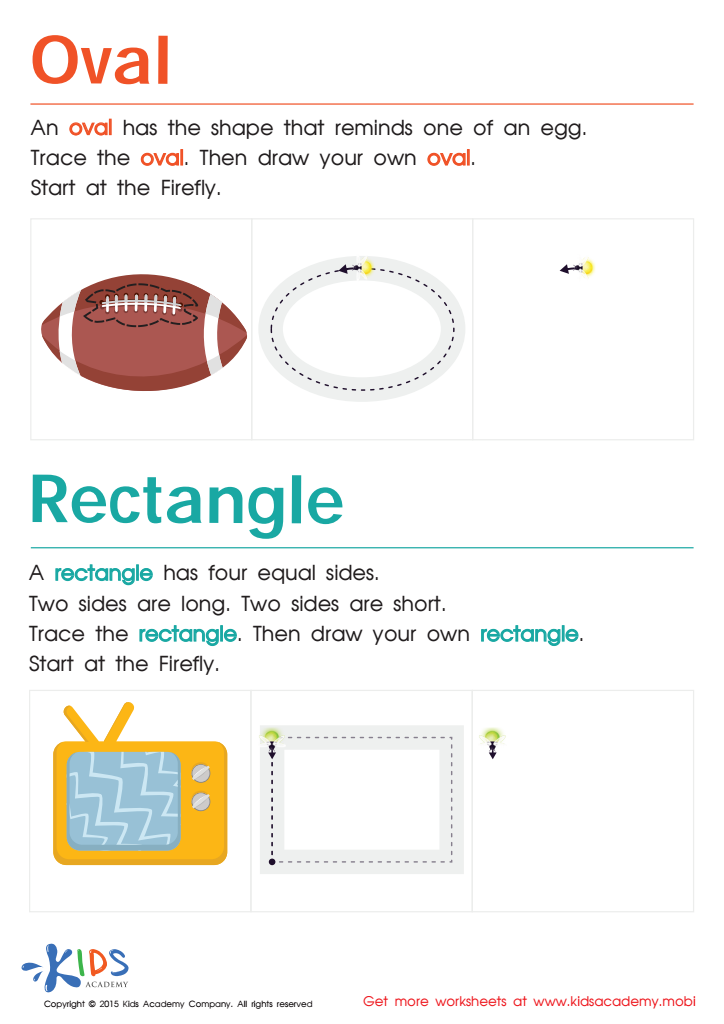
Easy Drawing of Ovals And Rectangles Worksheet
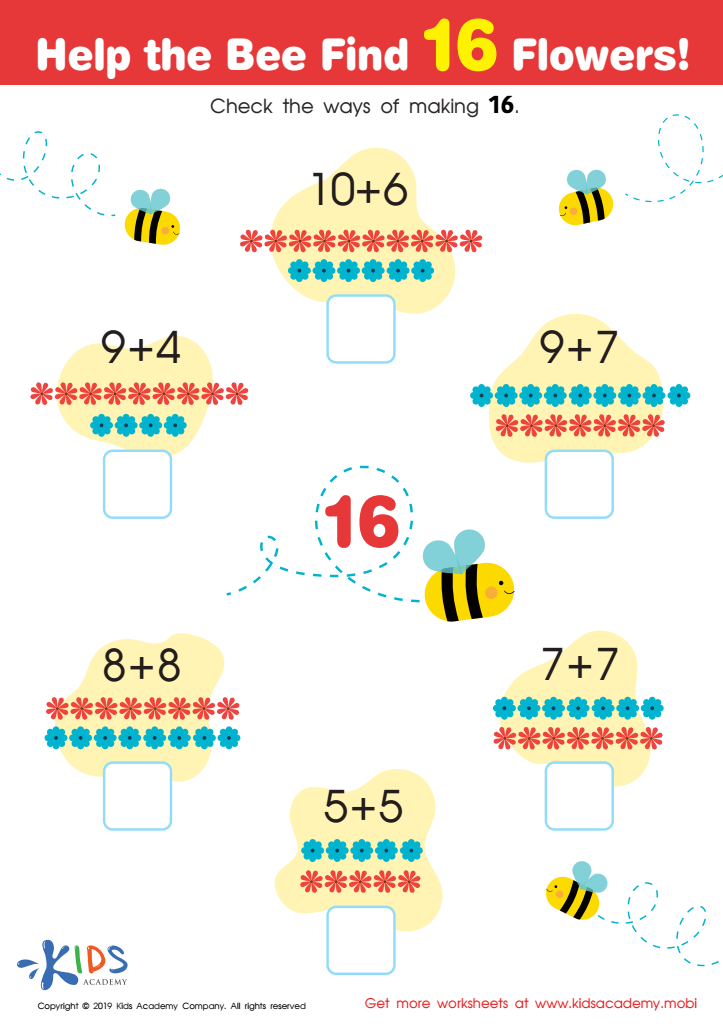
Help the Bee Find 16 Flowers Worksheet
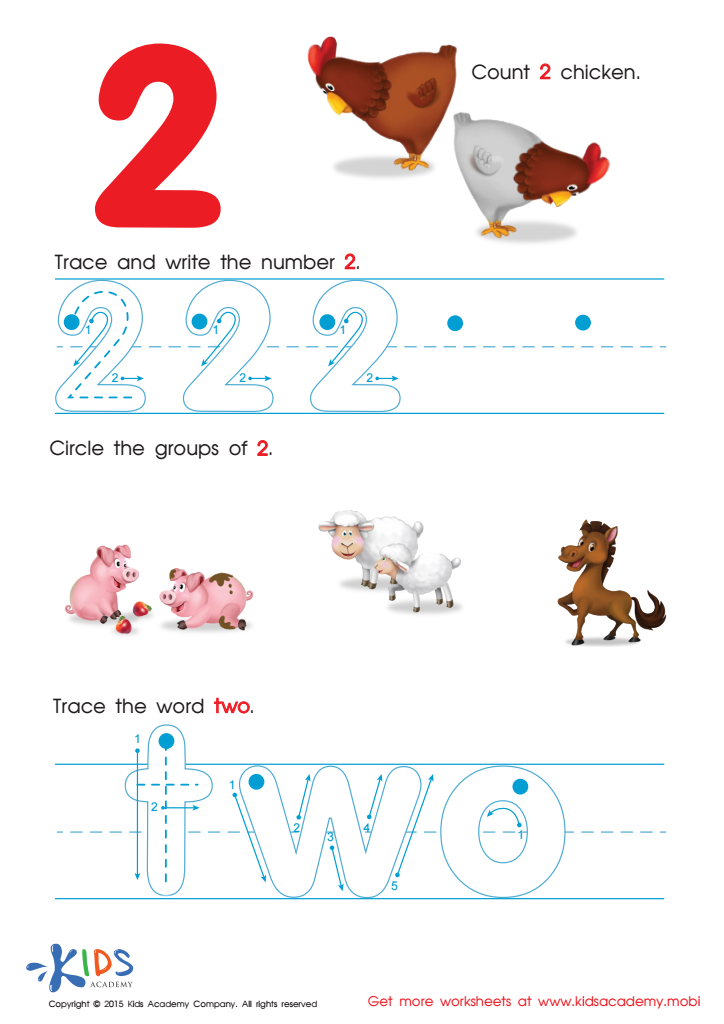
Learn to Write the Number 2 Worksheet








Fine motor skills and early math skills are crucial for children aged 3 to 4 as they lay the foundation for future learning and development. Fine motor skills involve the coordination of small muscles, particularly in the hands and fingers, which are essential for tasks such as writing, cutting, and manipulating objects. These skills help children gain control over their movements, enhancing their ability to engage with their environment effectively. Activities like drawing, coloring, and using playdough not only improve fine motor skills but also stimulate cognitive growth.
Normal math skills during this age include recognizing shapes, counting, and understanding basic concepts of more and less. Introducing math through fun, interactive methods—like counting blocks or sorting objects—makes learning enjoyable and accessible. This early exposure helps children develop confidence in their mathematical abilities, paving the way for stronger skills later on.
Parents and teachers should prioritize these areas as they are interconnected; strong fine motor skills aid in accurately performing mathematical tasks, while math engages critical thinking and problem-solving skills. By nurturing both fine motor and math skills, adults can significantly enhance children's readiness for learning, fostering a love for education and a sense of accomplishment in their early years.








