Logical thinking Normal Matching Worksheets for Ages 3-4
3 filtered results
-
From - To
Explore our engaging Logical Thinking Normal Matching Worksheets designed specifically for children ages 3-4. These worksheets are crafted to enhance cognitive skills through fun and interactive matching activities. By pairing related images, young learners develop critical thinking and reasoning while boosting their concentration and memory. Each worksheet is visually appealing, ensuring that learning remains exciting and motivating. Perfect for both classroom settings and at-home learning, these resources encourage independent exploration and creative problem-solving in early childhood education. Help your little ones embark on their developmental journey with our stimulating matching exercises that lay the foundation for future academic success!
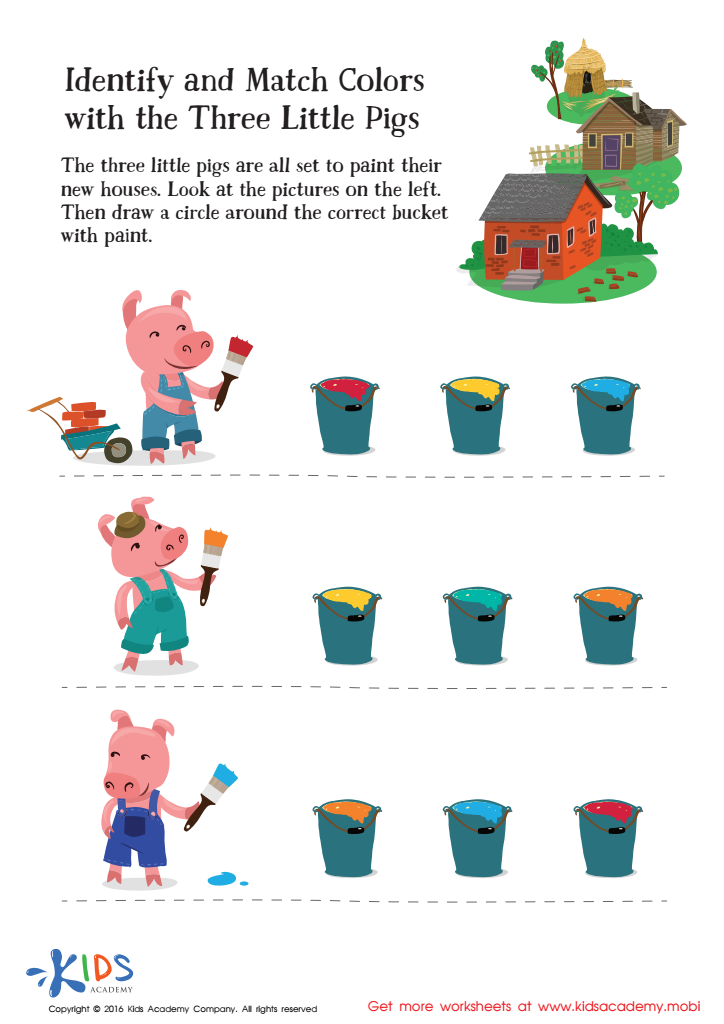
Fairy Tale Worksheet: Identify and Match Colors with Three Little Pigs
 Assign to My Students
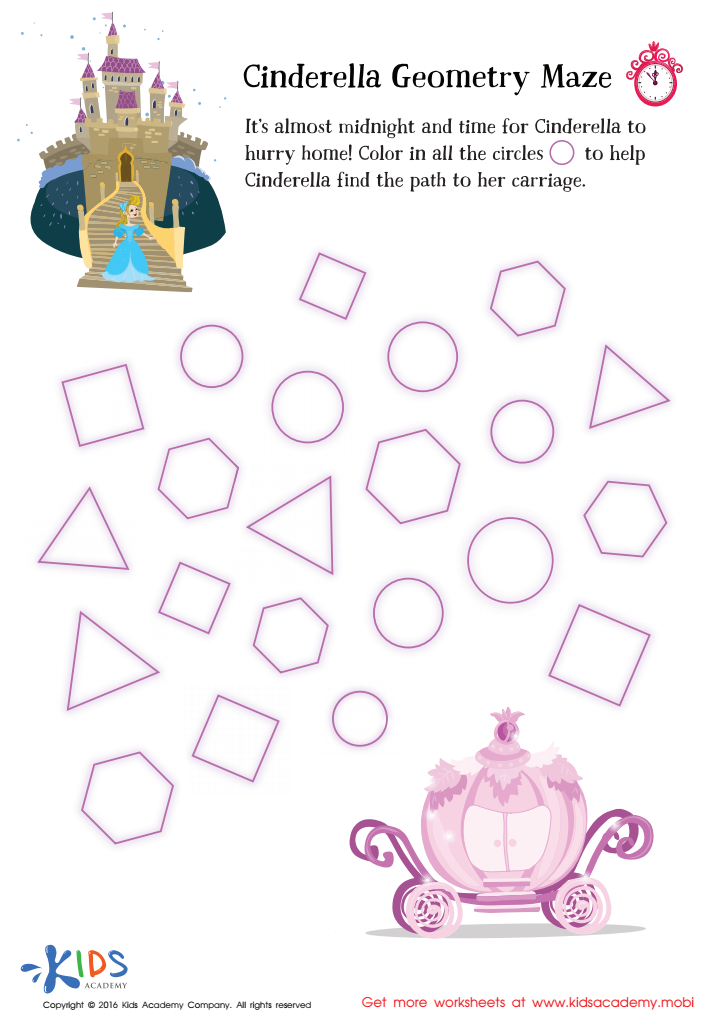
Cinderella Geometry Maze Worksheet
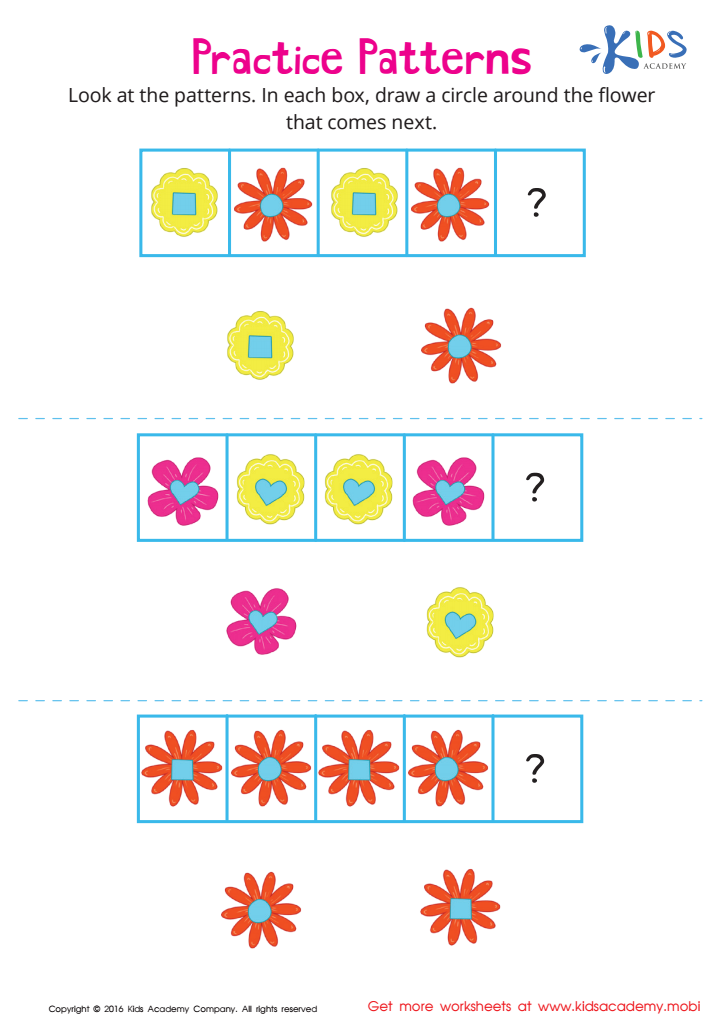








Logical thinking and normal matching skills in children aged 3-4 are crucial for their cognitive development and foundational learning. During this stage, children are naturally curious and keen to explore their environment, making it an ideal time to nurture critical thinking abilities. Engaging in activities that promote logical thinking helps children learn how to identify patterns, classify objects, and connect ideas, all of which lay the groundwork for future academic achievements.
Parents and teachers should prioritize these skills because they enhance problem-solving abilities and decision-making processes. For instance, when children match similar objects or identify differences, they practice sorting and categorizing, essential skills for math and science learning. Additionally, developing these skills fosters creativity and encourages children to think independently—attributes crucial for a lifetime of learning.
Investing time in logical thinking and matching activities can also boost social development, as children will learn to communicate, collaborate, and negotiate outcomes during group play. Ultimately, promoting logical thinking and matching among children aged 3-4 can significantly impact their overall growth, leading to not only academic success but also better social interactions and emotional intelligence in their later years.








