Cognitive Development Normal Worksheets for Ages 3-5
41 filtered results
-
From - To
Our "Cognitive Development Normal Worksheets for Ages 3-5" are expertly designed to nurture and enhance young children's intellectual skills. These worksheets engage preschoolers in age-appropriate activities that promote critical thinking, problem-solving, and memory enhancement. Through fun and stimulating exercises, kids learn to recognize patterns, differentiate shapes, and boost their reasoning abilities. Each worksheet is tailored to align with developmental milestones, ensuring a balanced and comprehensive growth in cognitive capabilities. Ideal for both classroom and at-home learning, these resources lay a strong foundation for future academic success. Foster your child's innate curiosity with our thoughtfully crafted cognitive development worksheets.
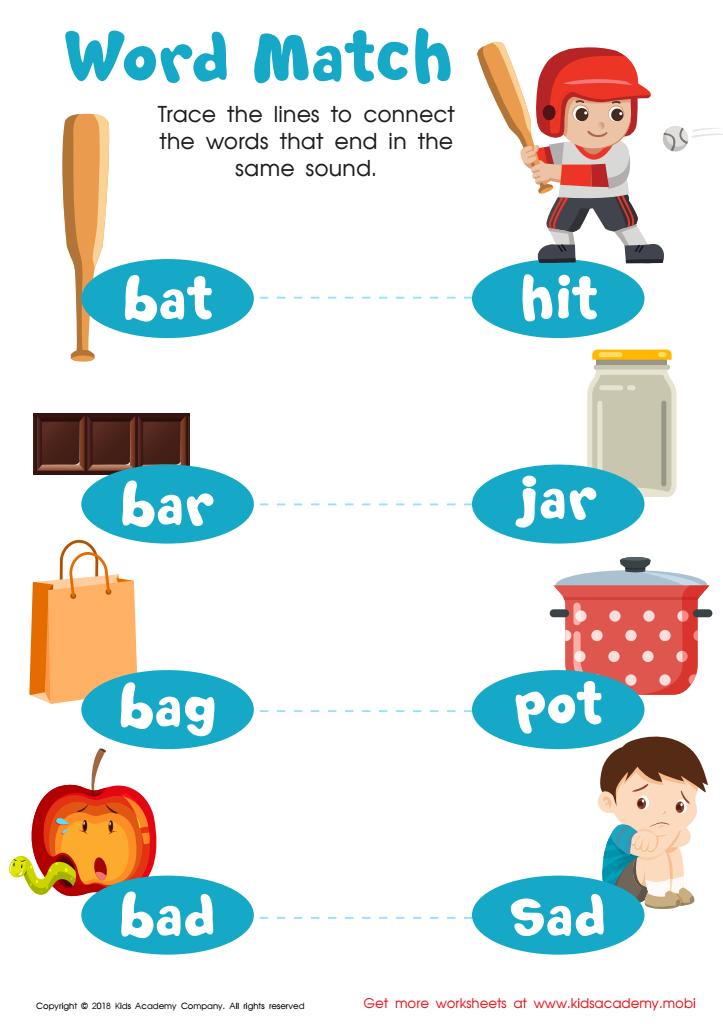
Word Match Reading Worksheet
 Assign to My Students

Count and Match Boxes with Vegetables
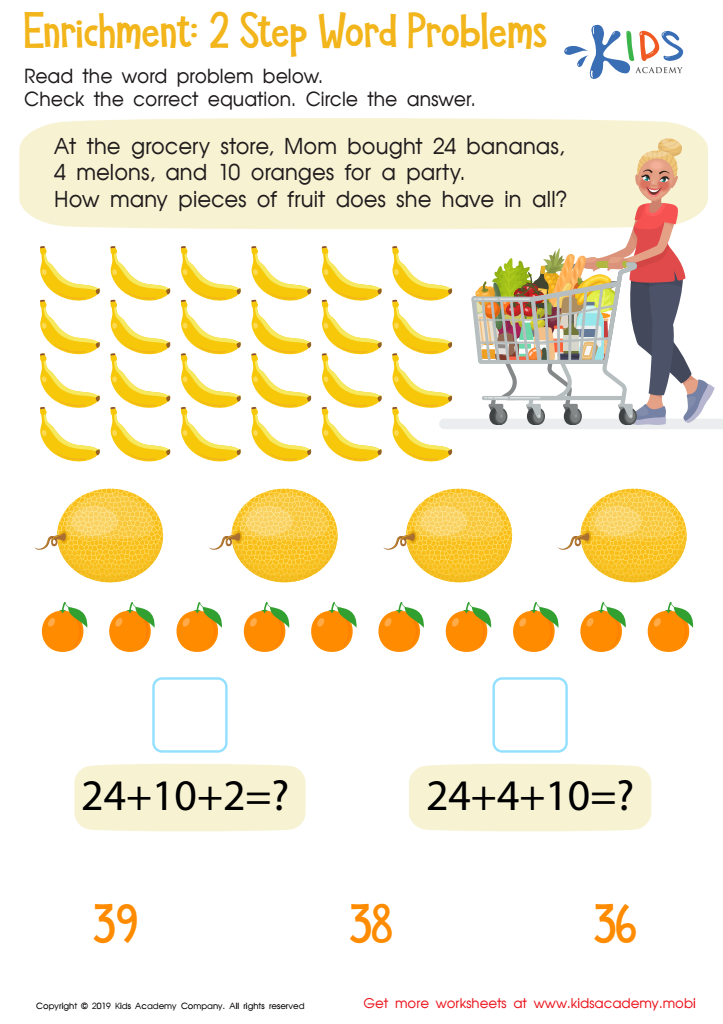
Enrichment -2 Step Word Problems Worksheet
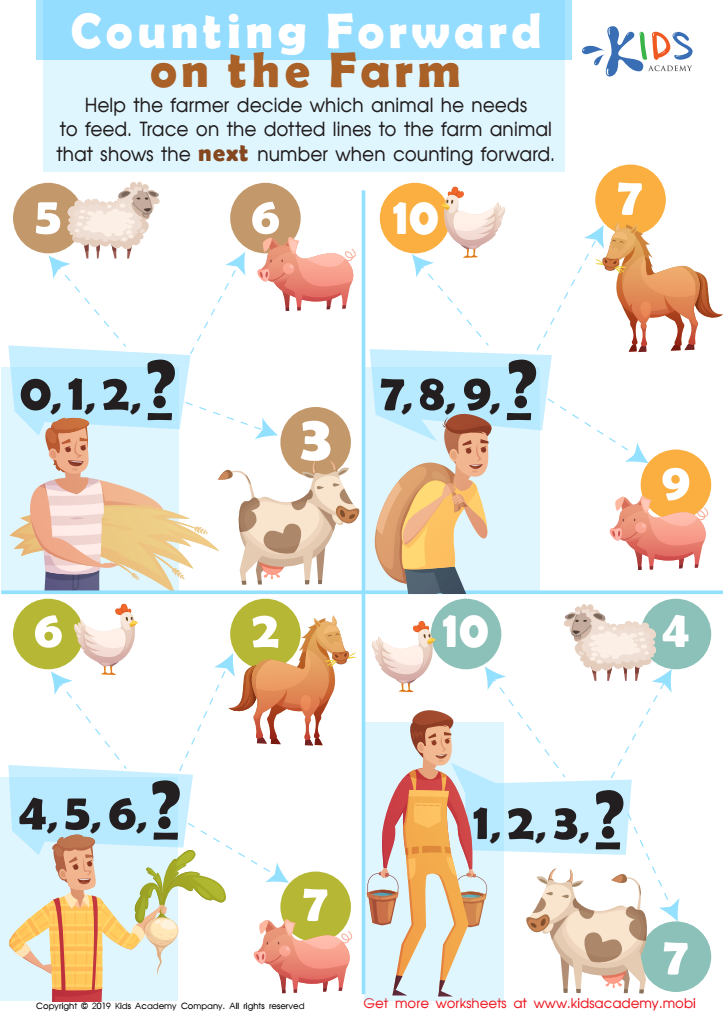
Counting Forward On the Farm Worksheet
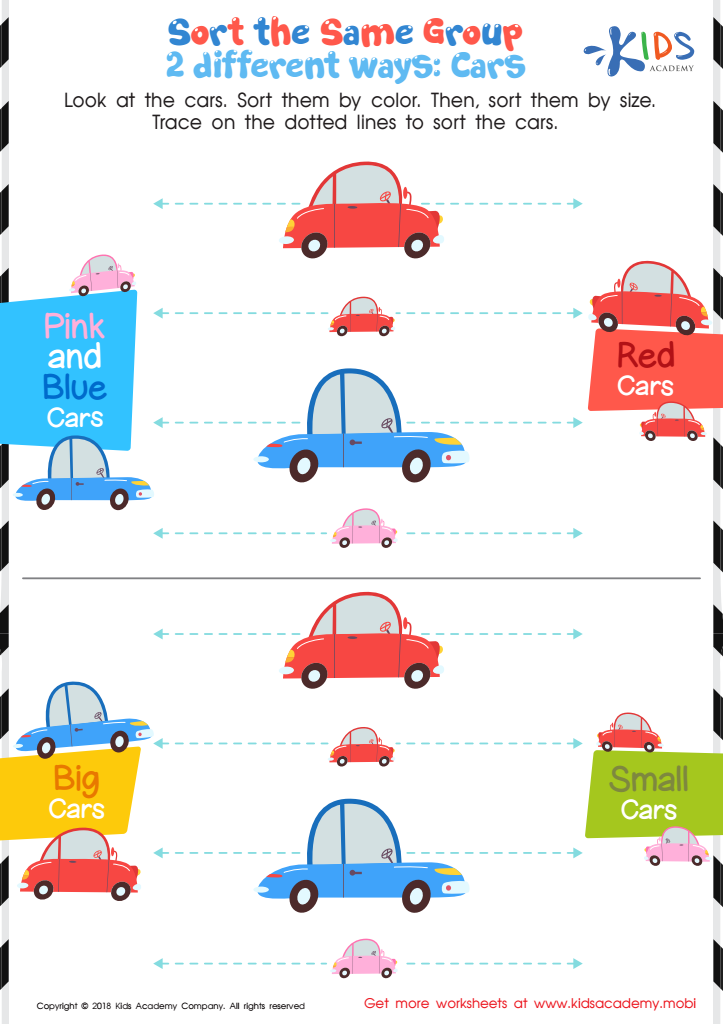
Sort the Same Group 2 Different Ways: Cars Worksheet
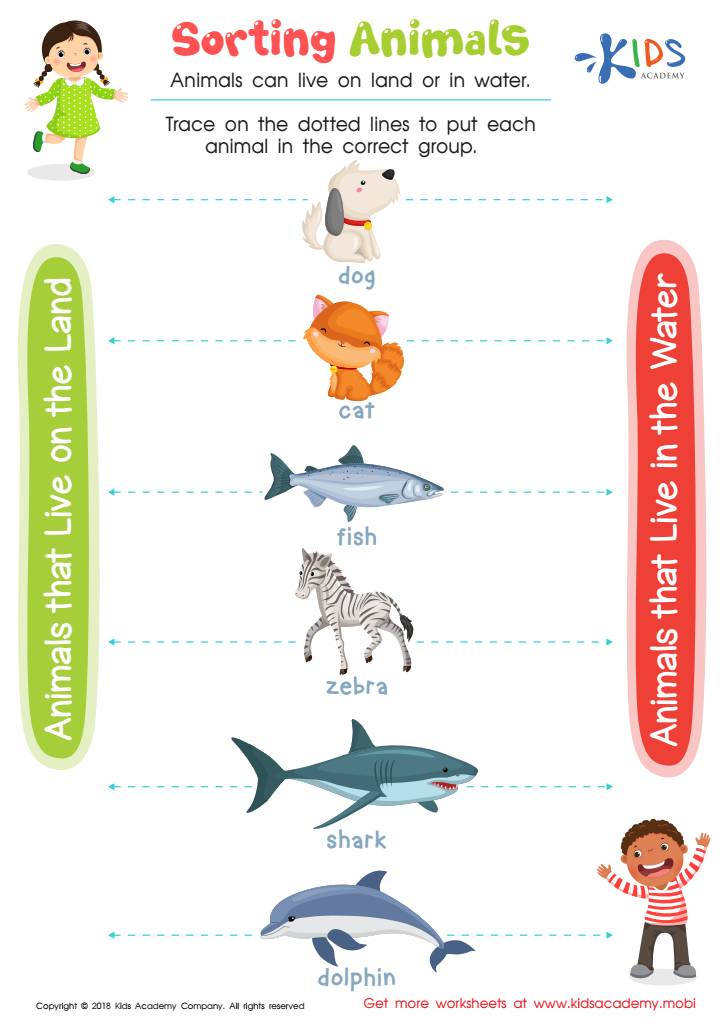
Sorting Animals Worksheet
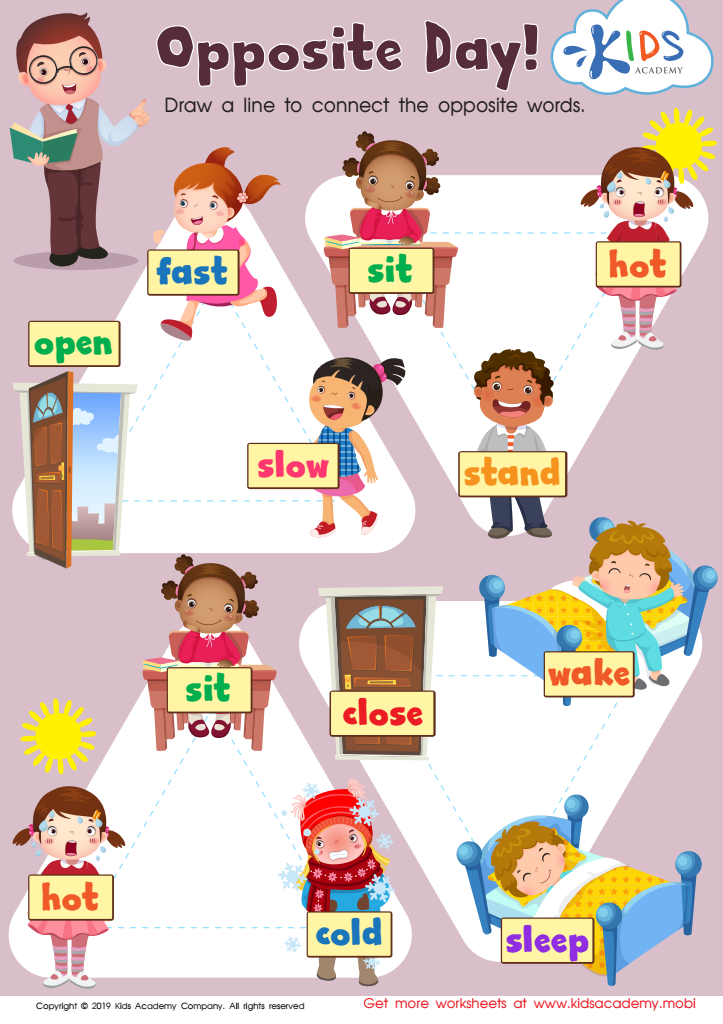
Opposite Day Worksheet
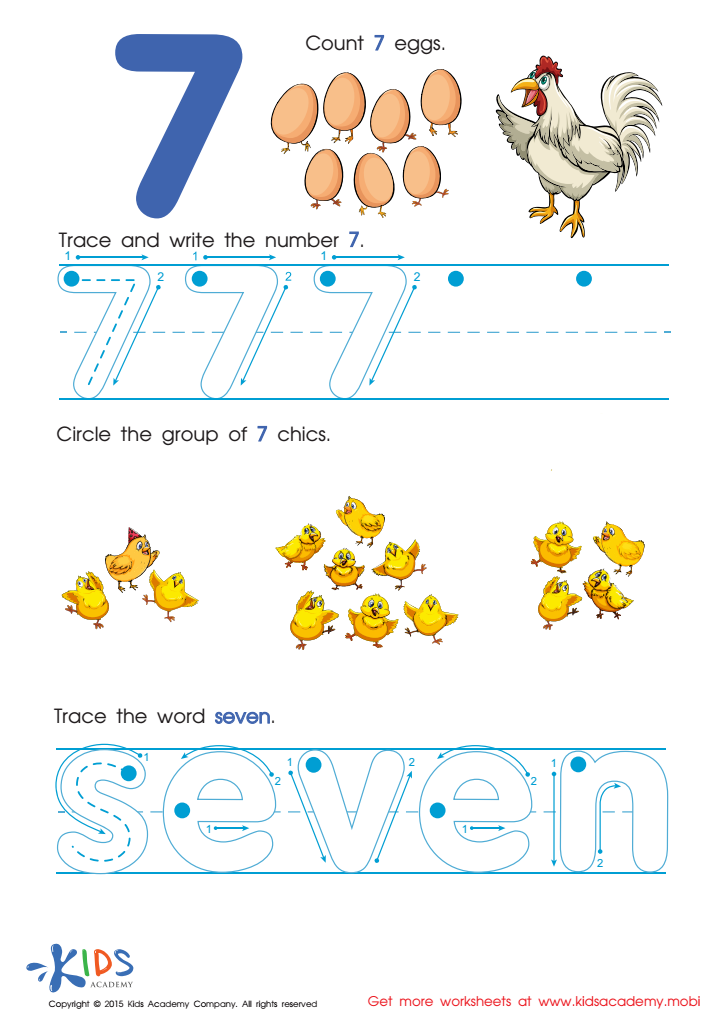
Trace And Write Number 7 with Fun Worksheet
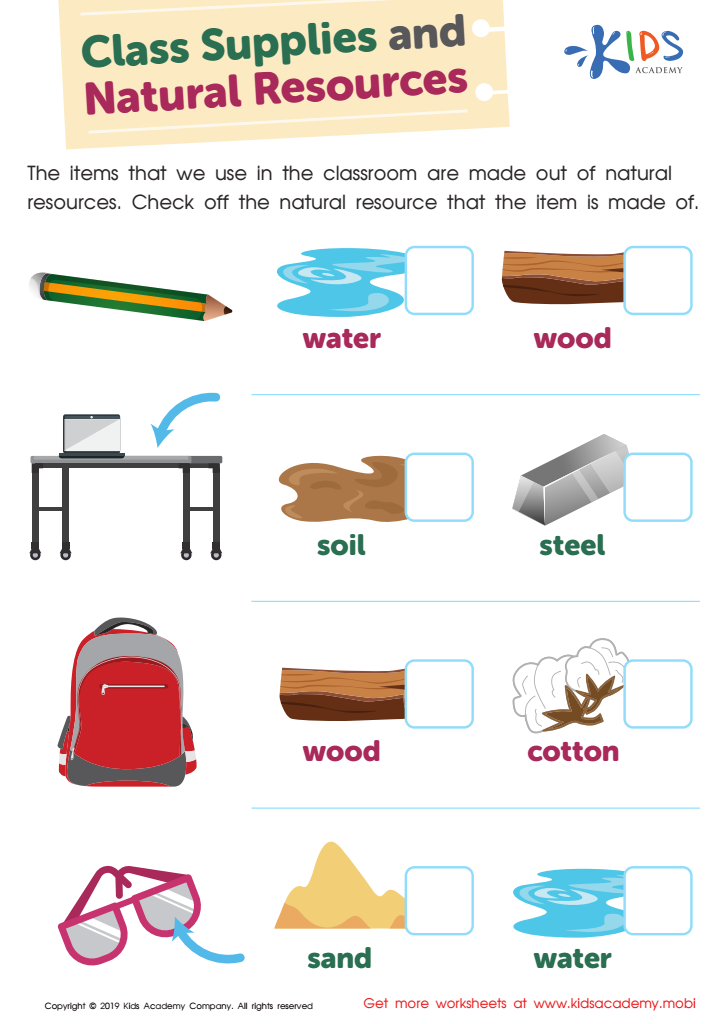
Class Supplies and Natural Resources Worksheet

Let's Look! Assessment Worksheet
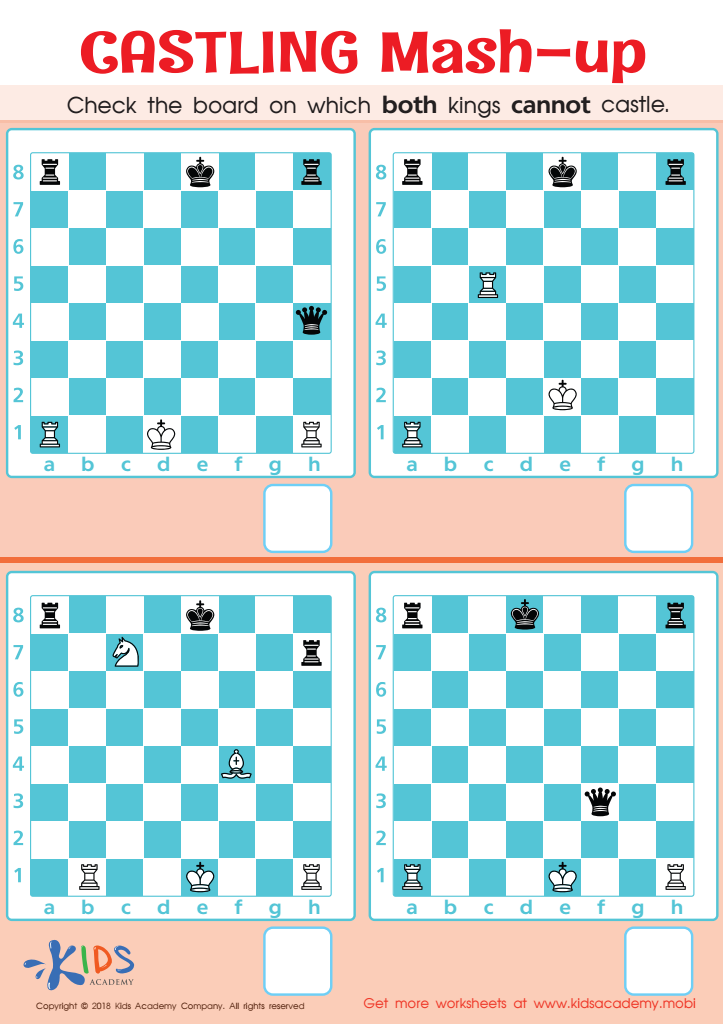
Castling Mash–up Worksheet
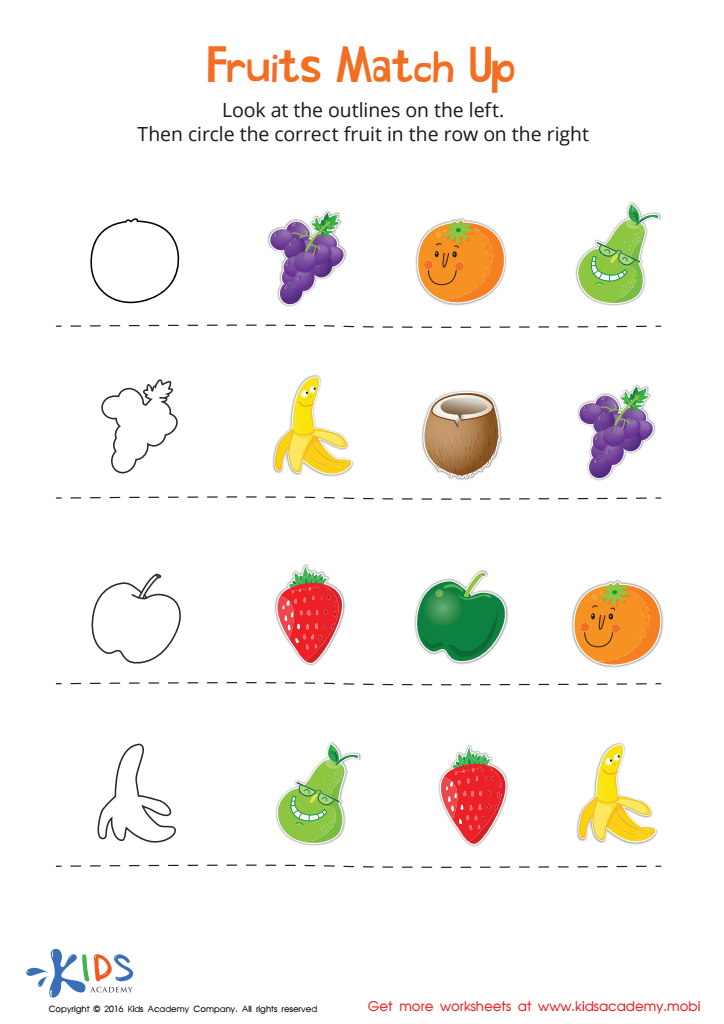
Fruits Match Up Worksheet
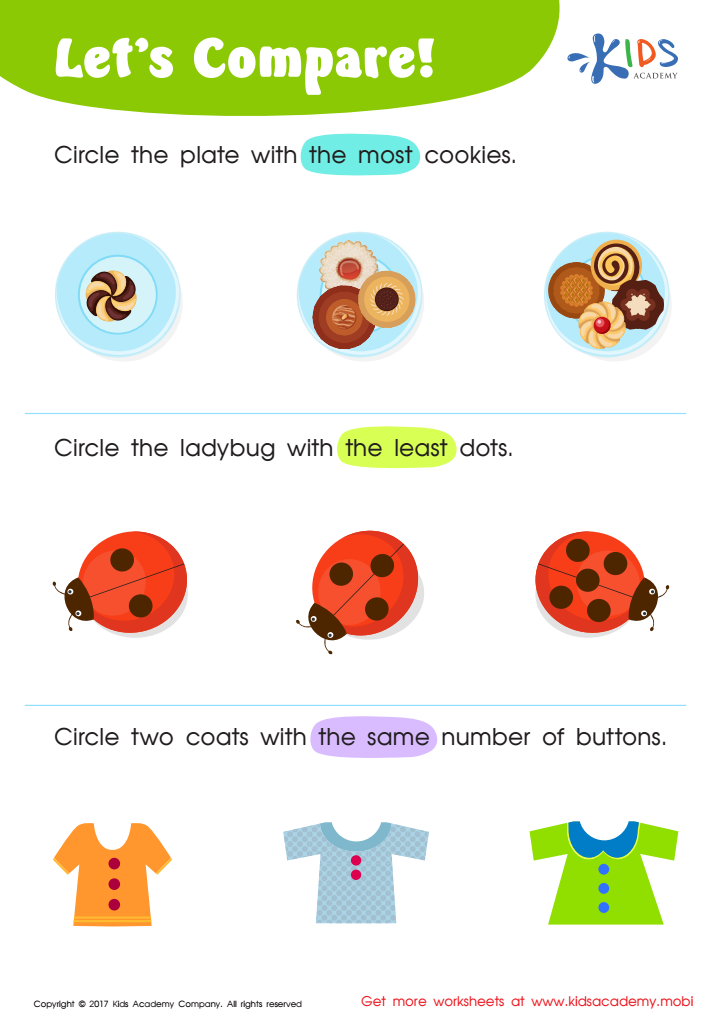
Matching: Classifying Toys by Size Worksheet

City Workers Community Helpers Worksheet
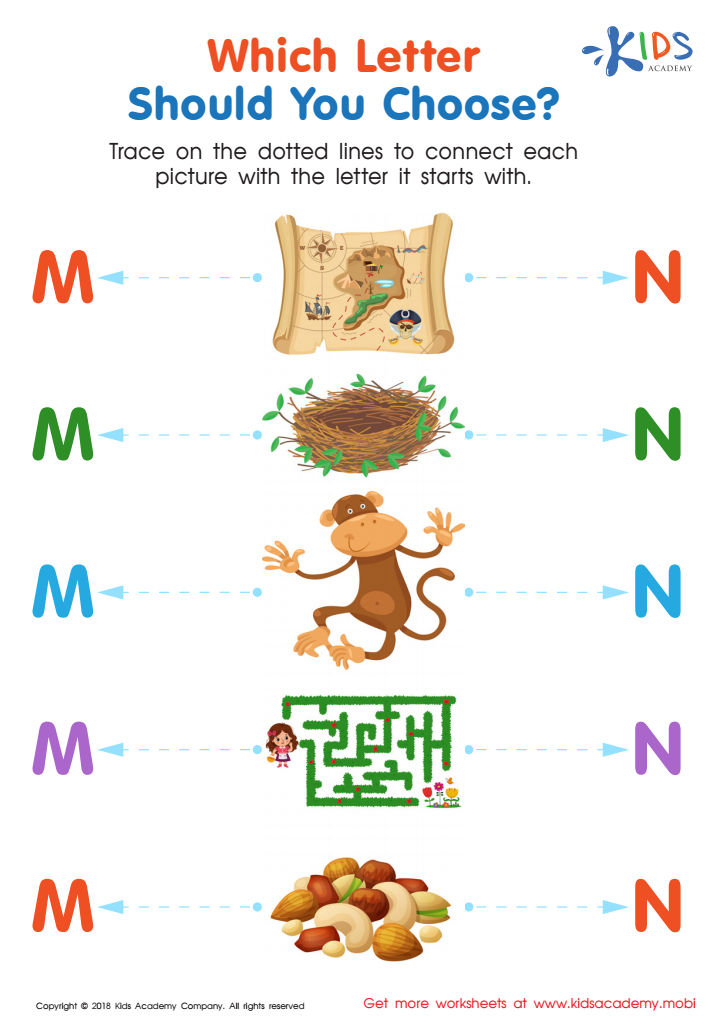
Which Letter Should you Choose? Worksheet
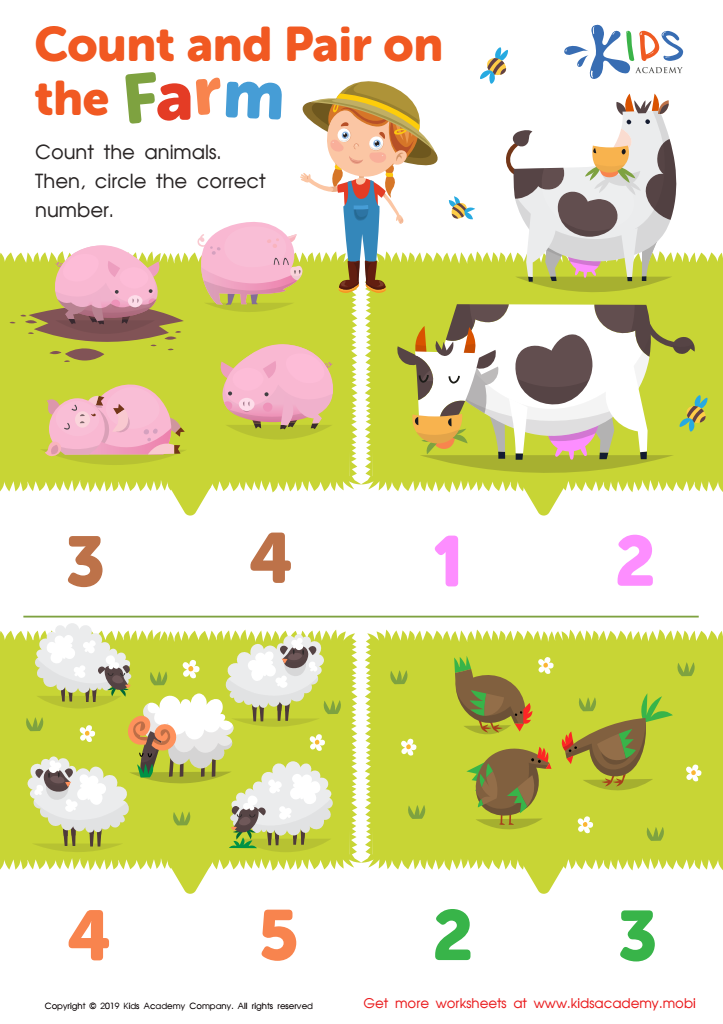
Count and Pair on the Farm Worksheet
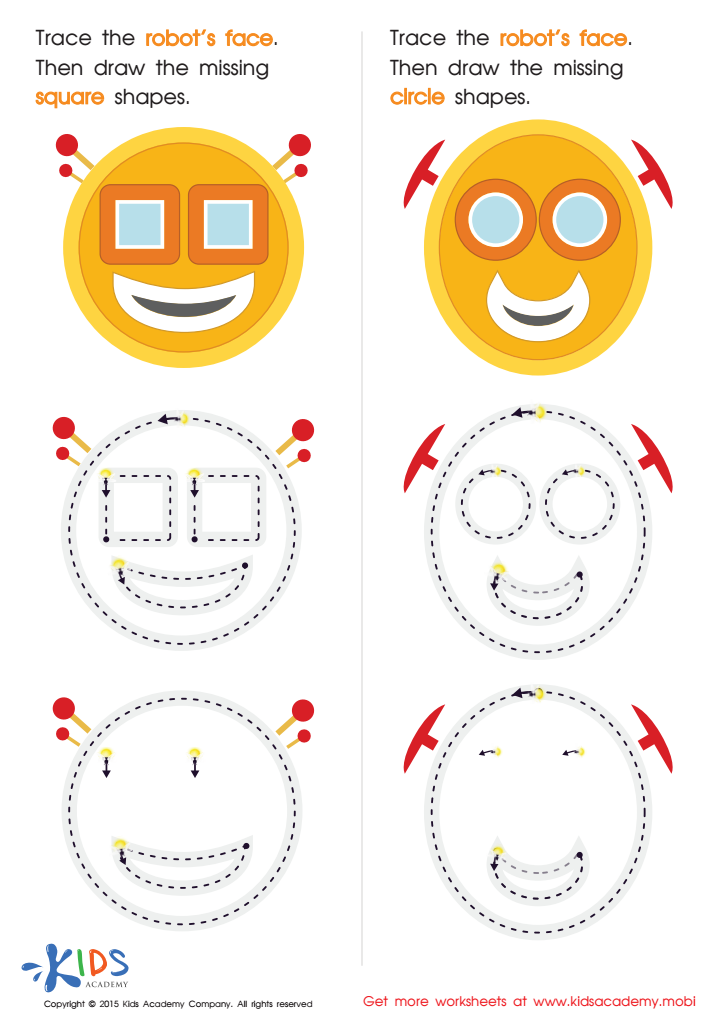
Practicing to Draw Circles And Squares Printable
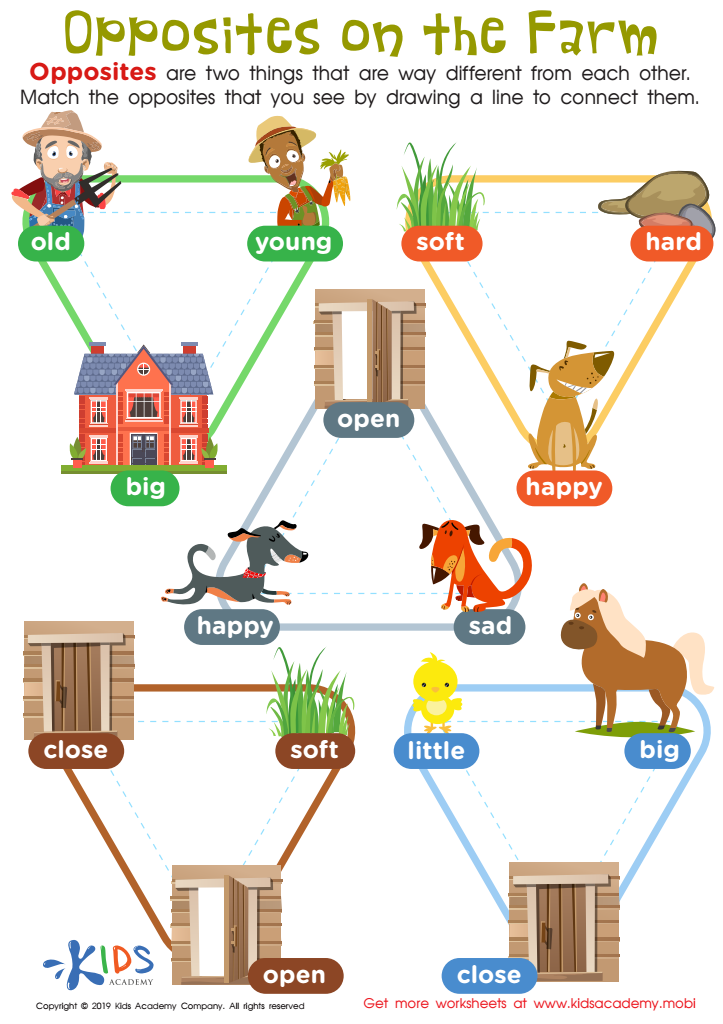
Opposites on the Farm Worksheet
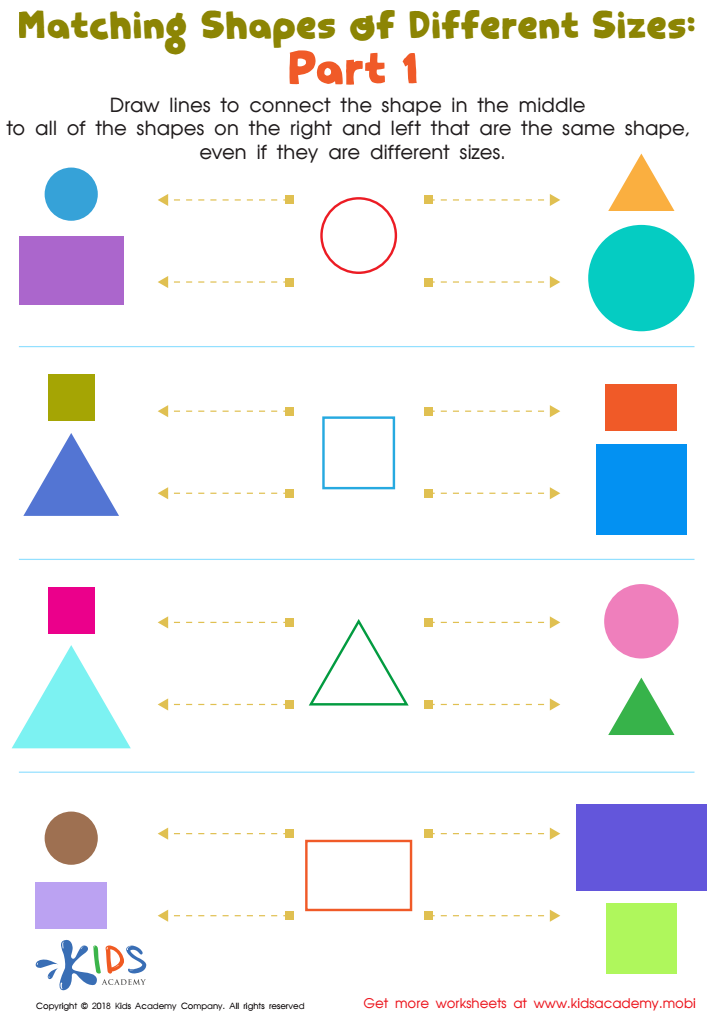
Geometry: part 1 Worksheet

Pawns Bingo Worksheet
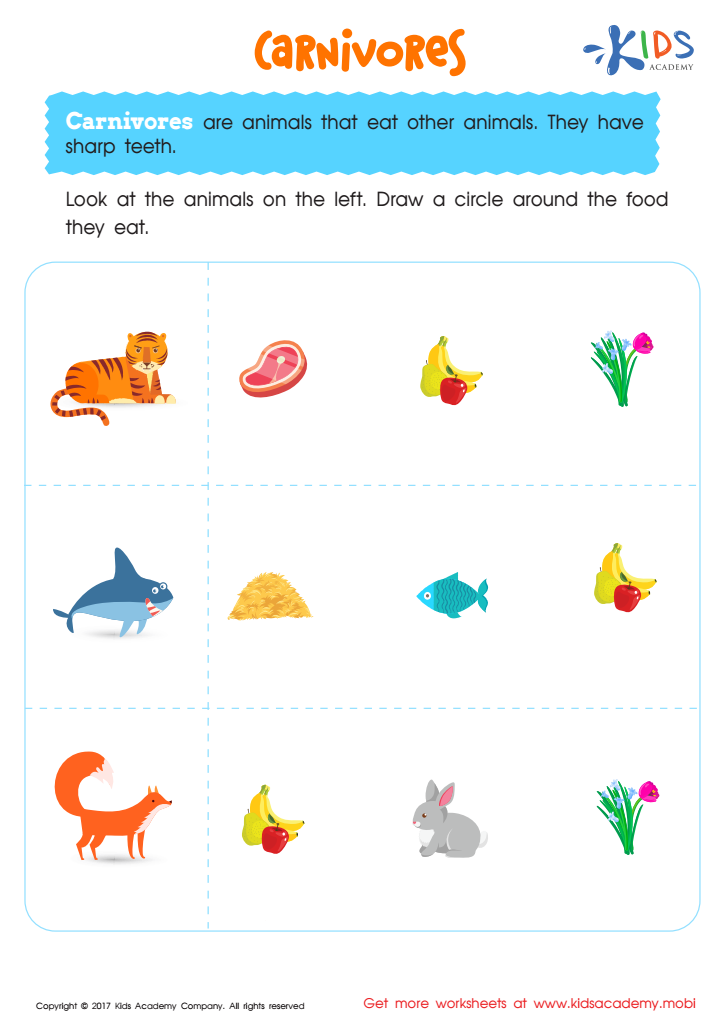
Carnivores Worksheet

Red Tracing Color Words Printable
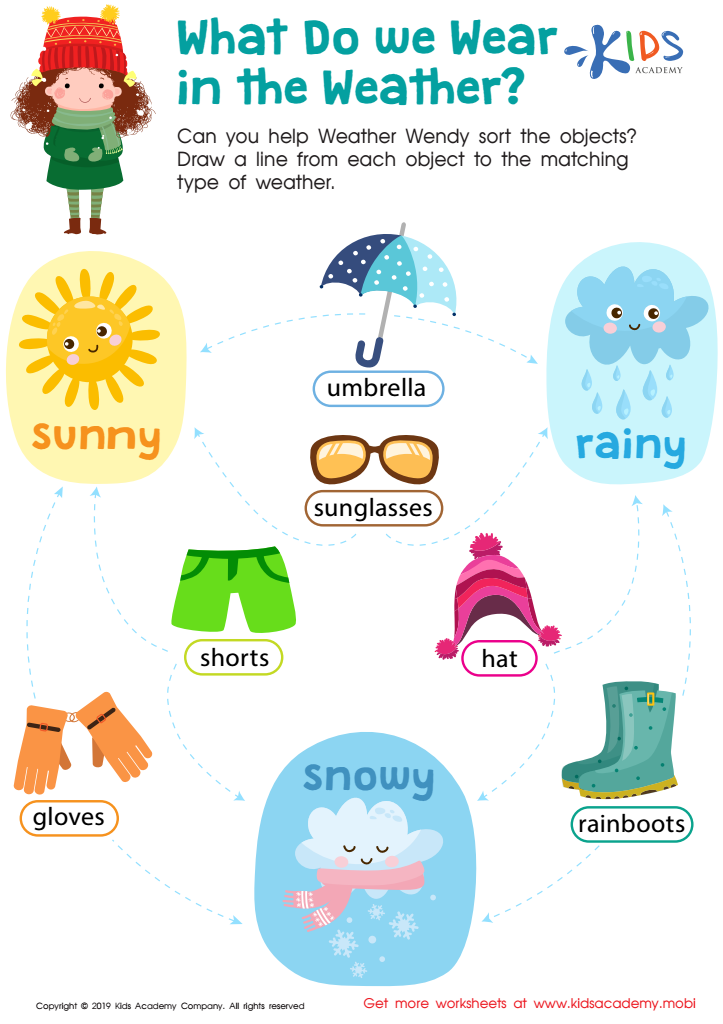
What Do We Wear in the Weather? Worksheet
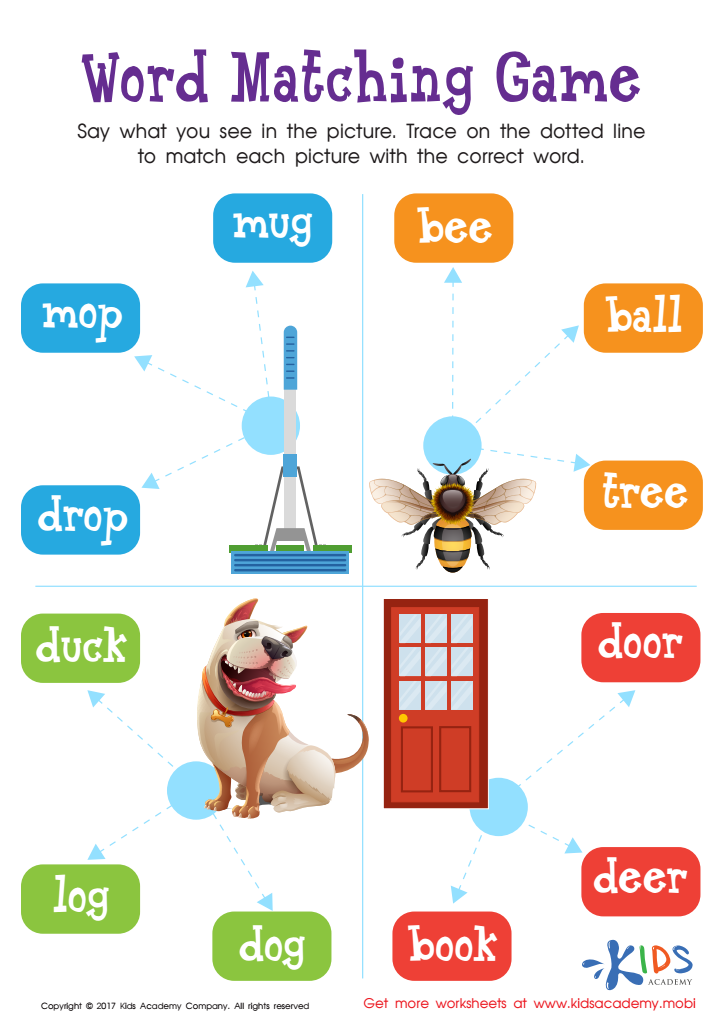
Word Matching Game Worksheet







Parents and teachers should care about cognitive development in children ages 3-5 because this period is critical for laying the foundation for lifelong learning and intellectual skills. During these years, children's brains experience rapid growth, and they begin developing essential skills such as problem-solving, language acquisition, memory, attention, and reasoning. Proper cognitive development at this stage helps children attain the necessary tools for academic success and social integration.
Encouraging healthy cognitive development fosters curiosity and creativity, enabling children to explore their environment, ask questions, and enjoy learning. Activities such as reading, puzzles, interactive play, and engaging conversations can significantly boost brain development and prepare children for formal schooling.
Moreover, early cognitive development is closely linked to emotional and social growth. Children who develop good cognitive skills are more likely to exhibit better self-control, frustration tolerance, and the ability to interact positively with peers and adults.
Recognizing the typical developmental milestones and any potential delays allows parents and teachers to intervene early, providing necessary support or therapies to address specific needs. By investing in and prioritizing cognitive development, parents and teachers can ensure that children build a solid foundation for future learning, adaptability, and overall well-being.








