Critical Thinking Normal Science Worksheets for Ages 3-5
7 filtered results
-
From - To
Unlock your child's potential with our Critical Thinking Science Worksheets designed for ages 3-5. These engaging, age-appropriate activities foster early scientific inquiry and develop foundational problem-solving skills. Each worksheet challenges young minds to observe, analyze, and draw conclusions through fun, interactive exercises. Perfectly tailored for preschoolers, these printables stimulate curiosity about the natural world while promoting cognitive development. Start your child's journey into science today and watch their critical thinking skills flourish. Ideal for parents and teachers seeking to inspire the scientists of tomorrow. Visit Kids Academy for more details.
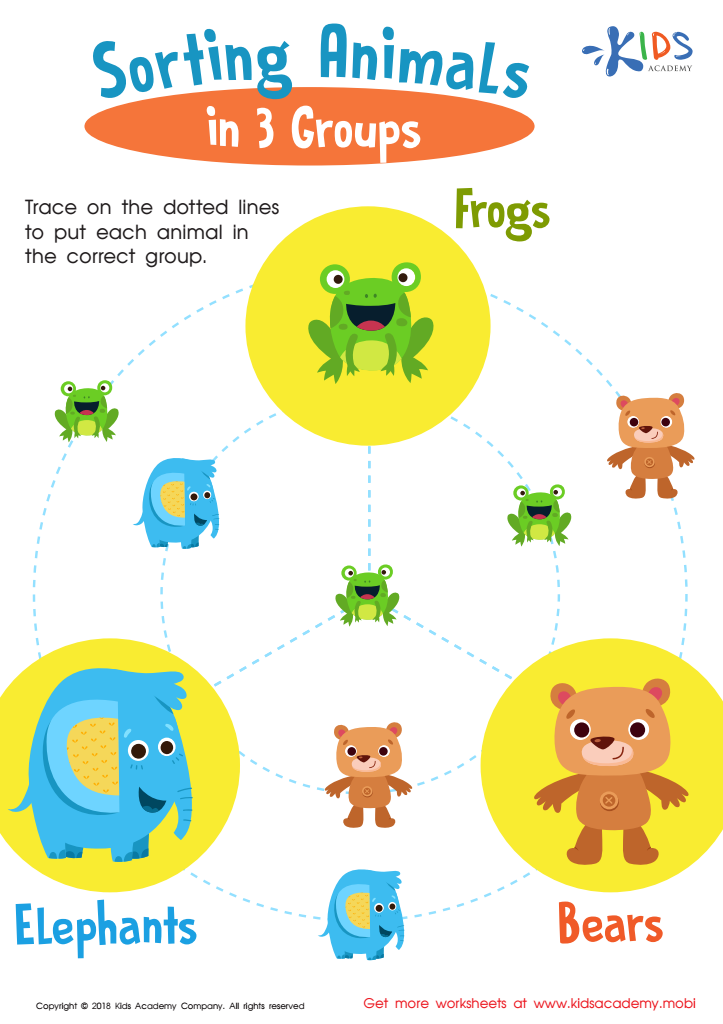
Sorting Animals in 3 Groups Worksheet
 Assign to My Students
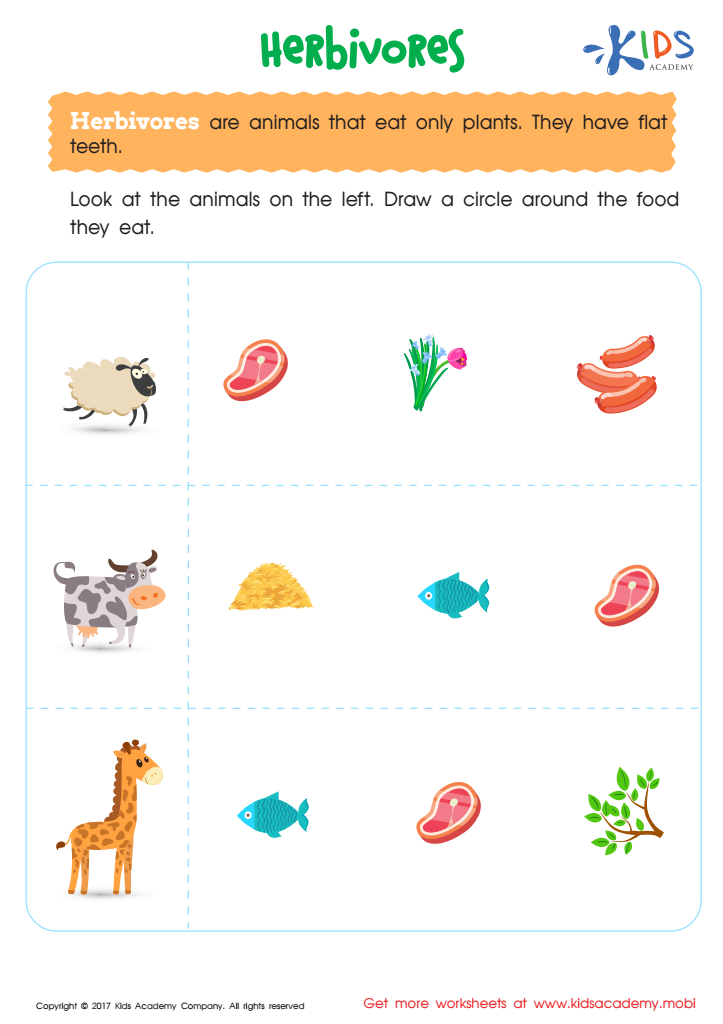
Herbivores Printable
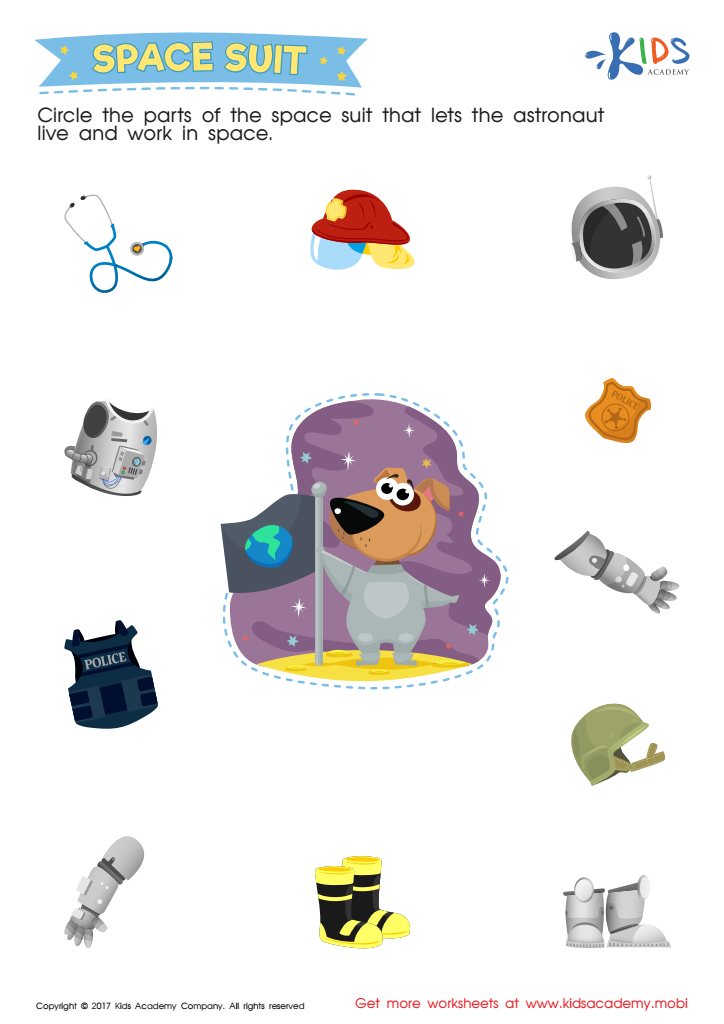
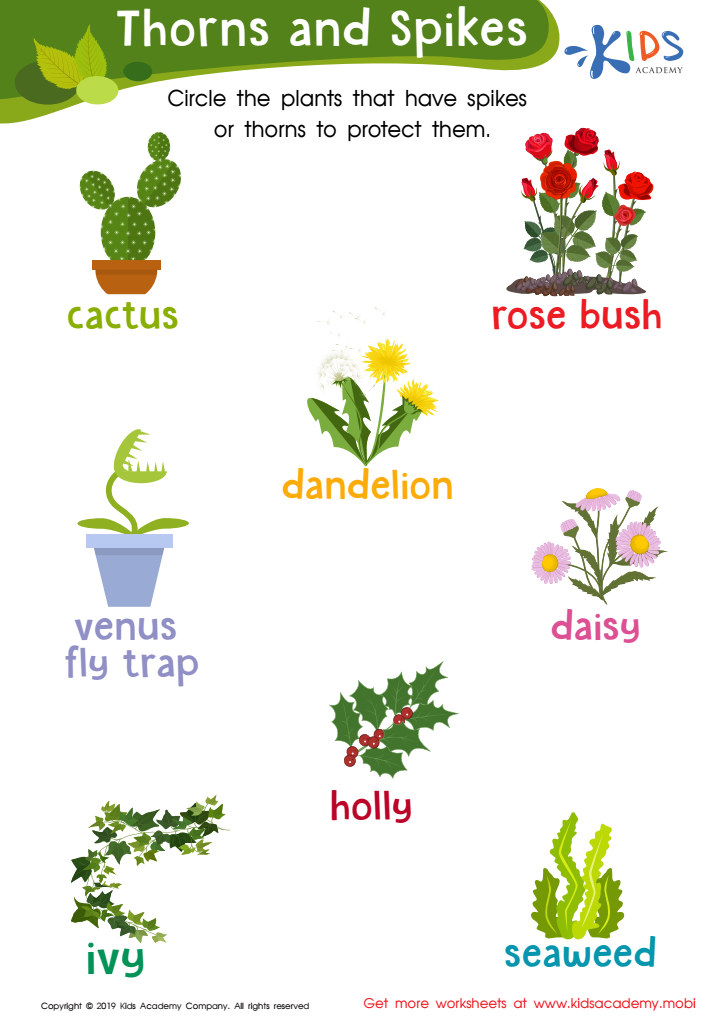
Thorns and Spikes Worksheet
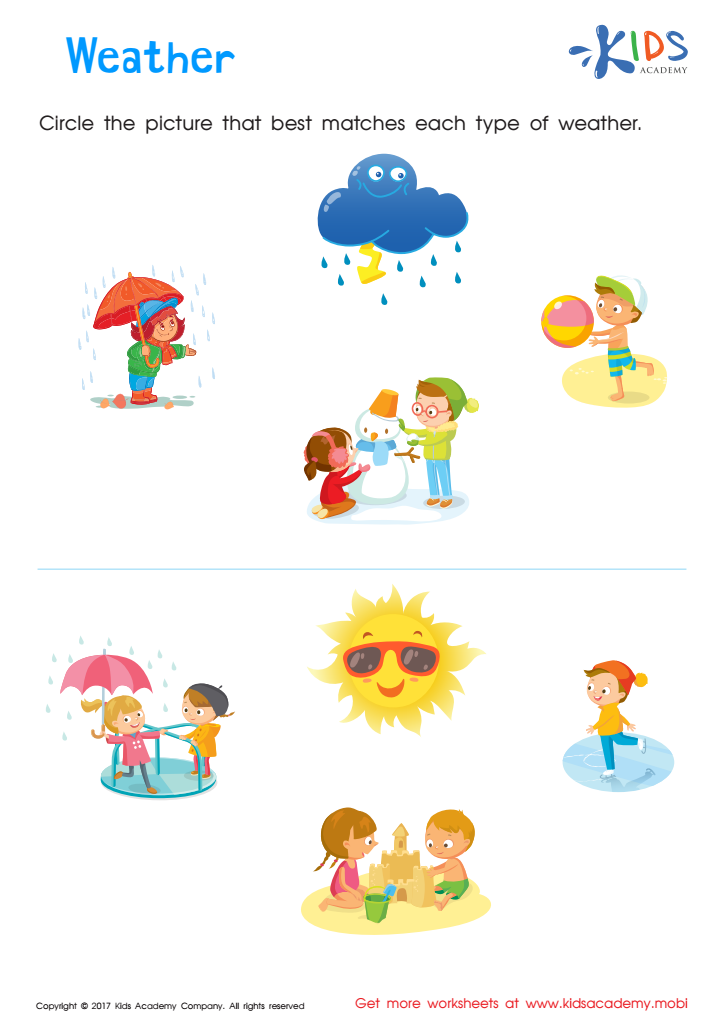
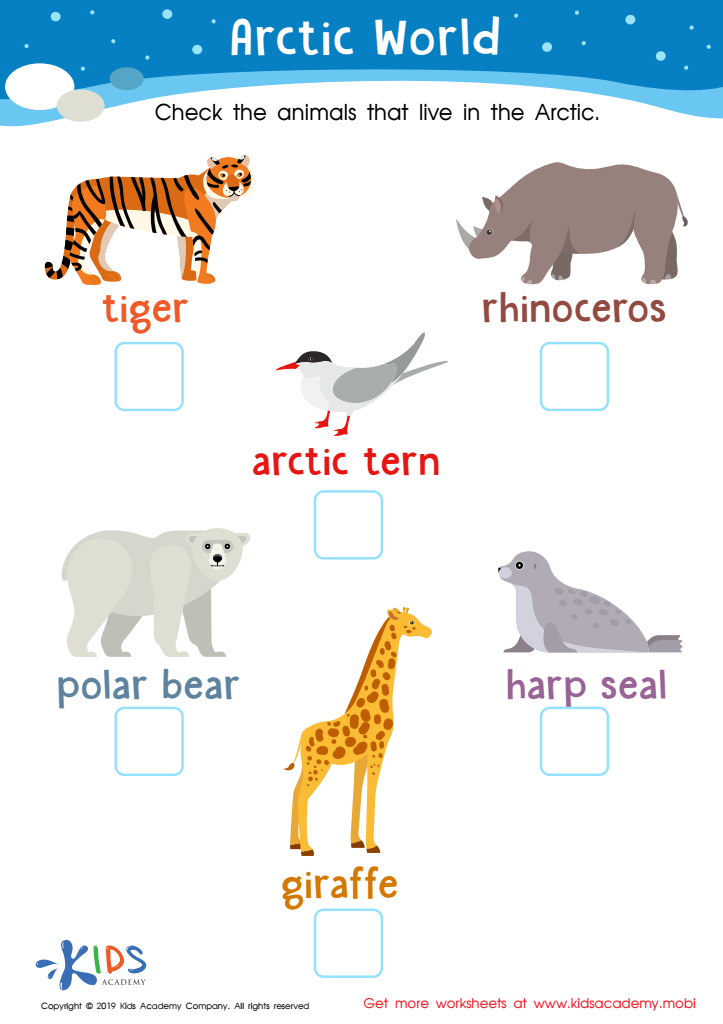
Arctic World Worksheet
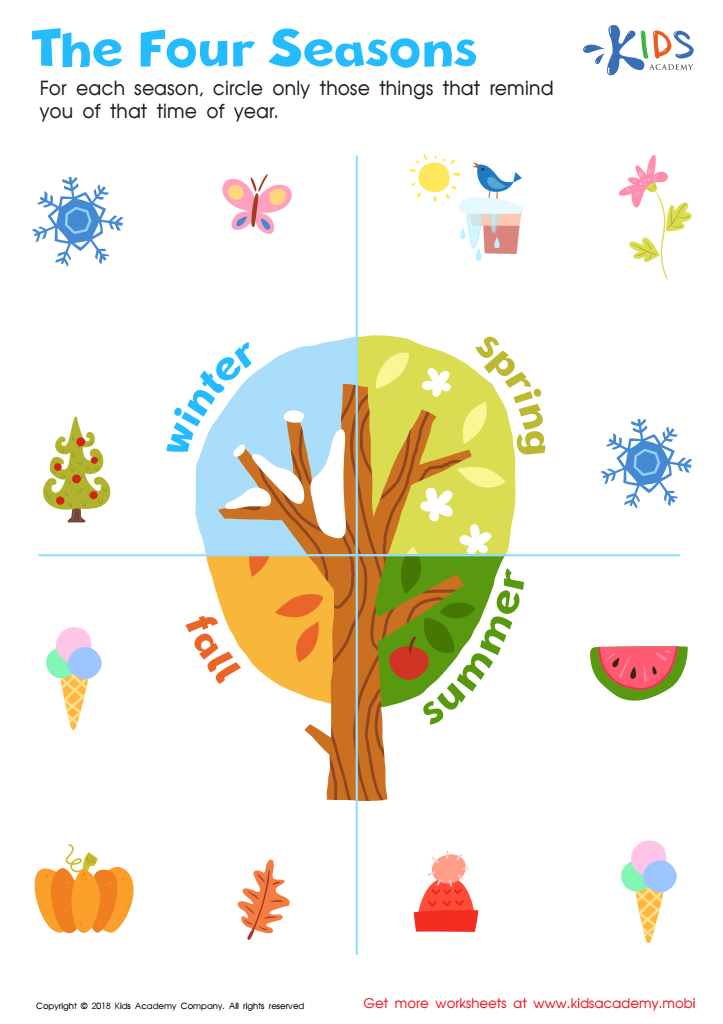
The Four Seasons Worksheet







Encouraging critical thinking and normal science in early childhood education is vital for multiple reasons. For ages 3-5, children's brains are developing rapidly, laying the groundwork for future learning and intellectual growth. During this stage, their curiosity is boundless, and they start forming fundamental cognitive skills. Teaching critical thinking helps children learn to analyze situations, recognize patterns, and solve problems creatively. These essential skills foster independence and boost their confidence, making them better learners down the road.
Exposure to basic scientific concepts and thinking skills further cultivates a child’s innate curiosity. Hands-on science activities, like observing weather changes, exploring plant growth, or experimenting with simple cause-and-effect scenarios, turn abstract ideas into understandable experiences. Engaging in such normal science tasks encourages observational skills, attention to detail, and inquisitiveness. It also helps children understand the world around them more comprehensively and nurtures a lifelong love of learning.
Moreover, these skills form the foundation for STEM education, which is critical in today’s technology-driven world. Hence, parents and teachers should prioritize incorporating critical thinking and science into early education to cultivate well-rounded, curious, and capable future learners. This holistic approach can ultimately guide children toward academic success and informed, thoughtful lives.







