Sound Association Normal Phonics Worksheets for Ages 3-6
22 filtered results
-
From - To
Discover our engaging Sound Association Normal Phonics Worksheets designed specifically for children aged 3-6! These worksheets promote early literacy by helping little learners connect sounds to letters through fun, interactive activities. Each worksheet encourages kids to recognize and associate sounds with familiar words and images, fostering phonemic awareness in a playful way. Ideal for teachers and parents, these resources enhance reading readiness and stimulate cognitive development. With vibrant visuals and simple instructions, children will enjoy exploring the world of phonics while honing essential language skills. Start your child's reading journey today with our thoughtfully crafted phonics worksheets!
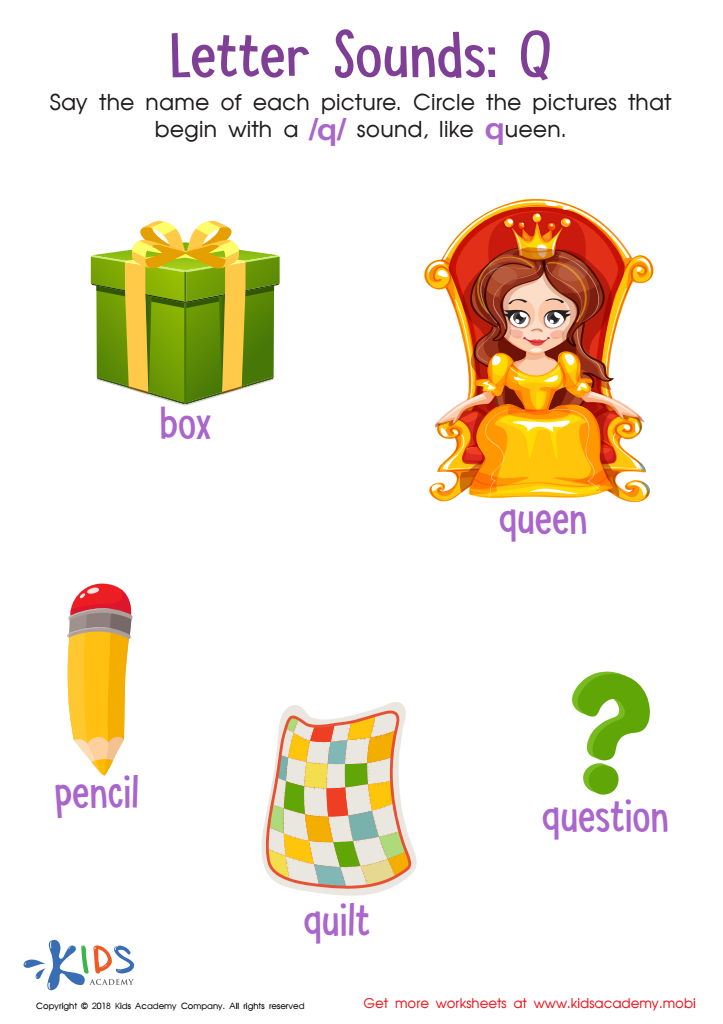
Letter Q Sounds Worksheet
 Assign to My Students
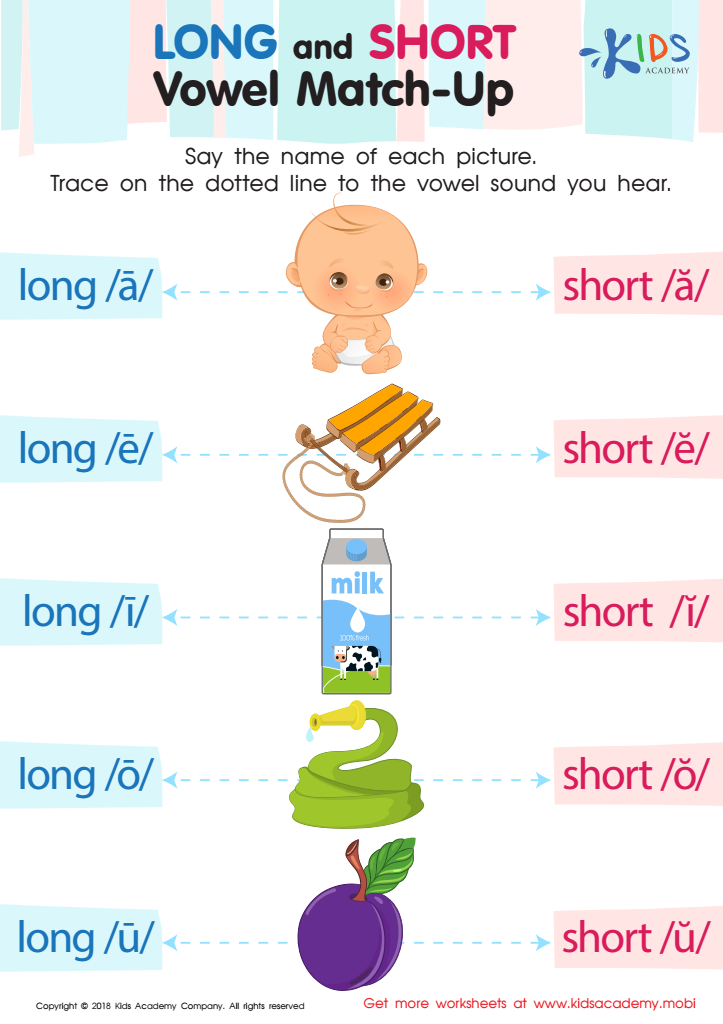
Long and Short Vowel Match up Reading Worksheet
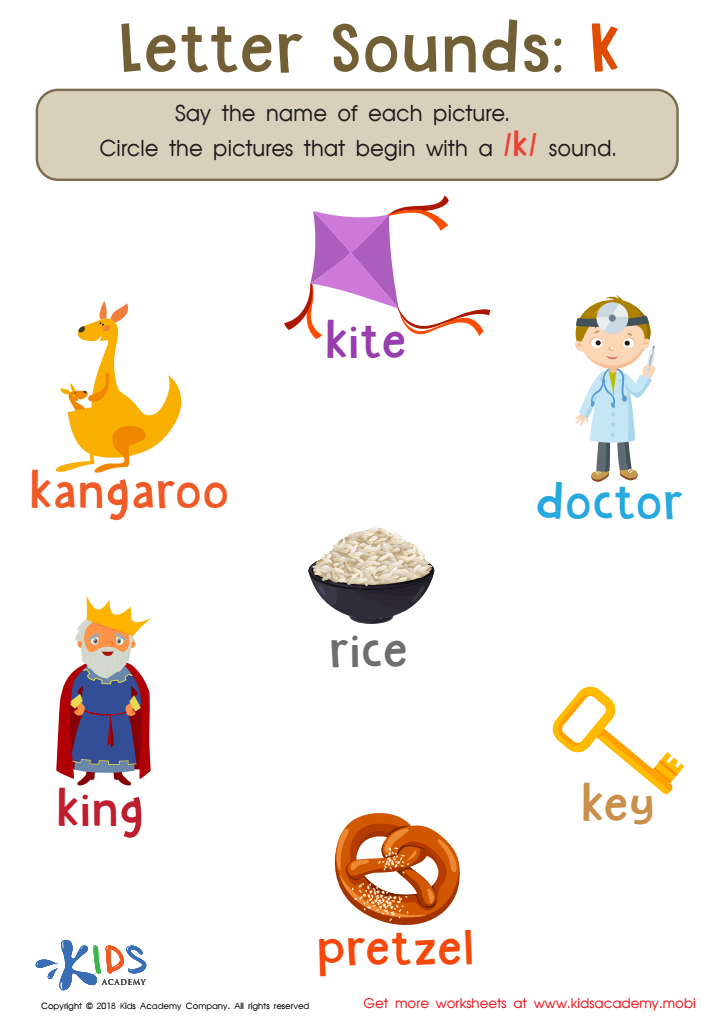
Letter K Sounds Worksheet
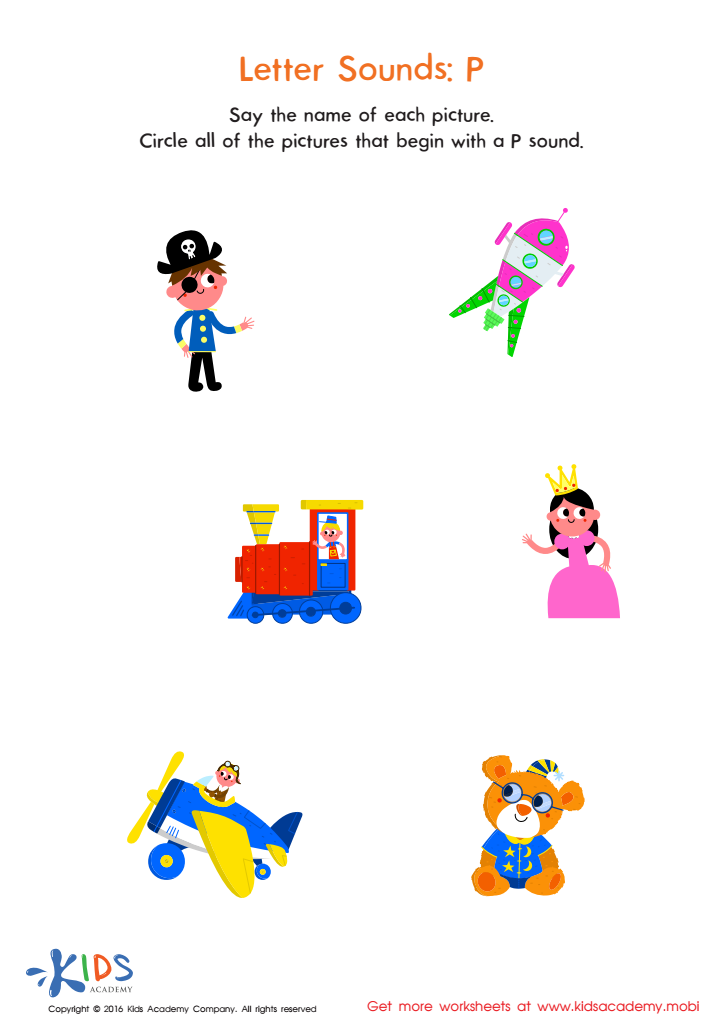
Letter P Sound Worksheet
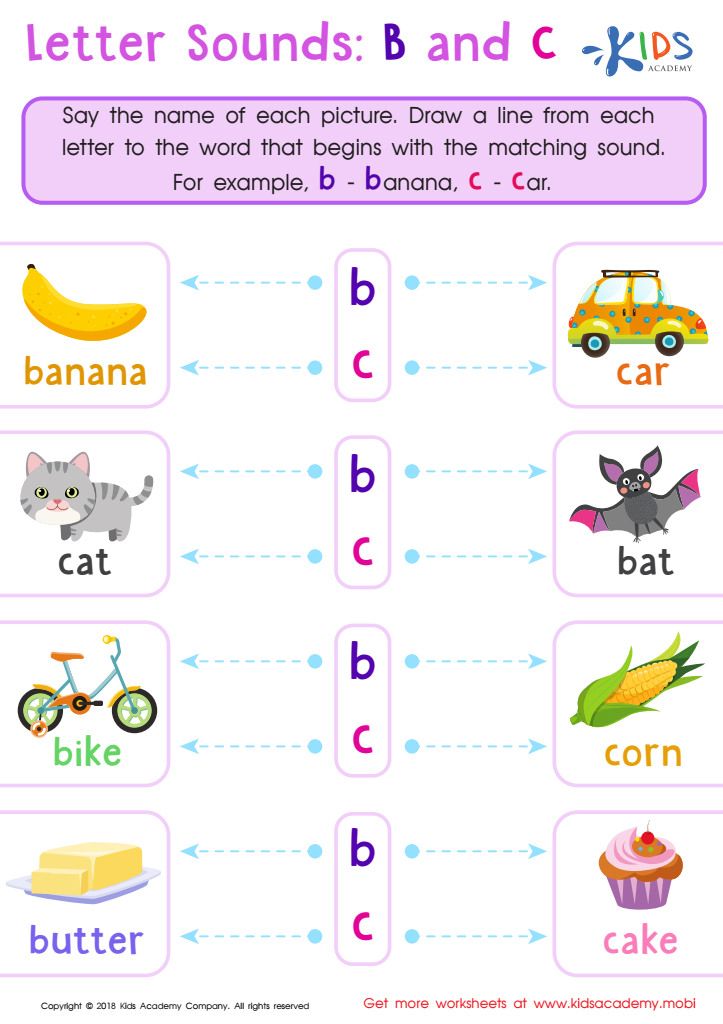
Letter B and C Sounds Worksheet
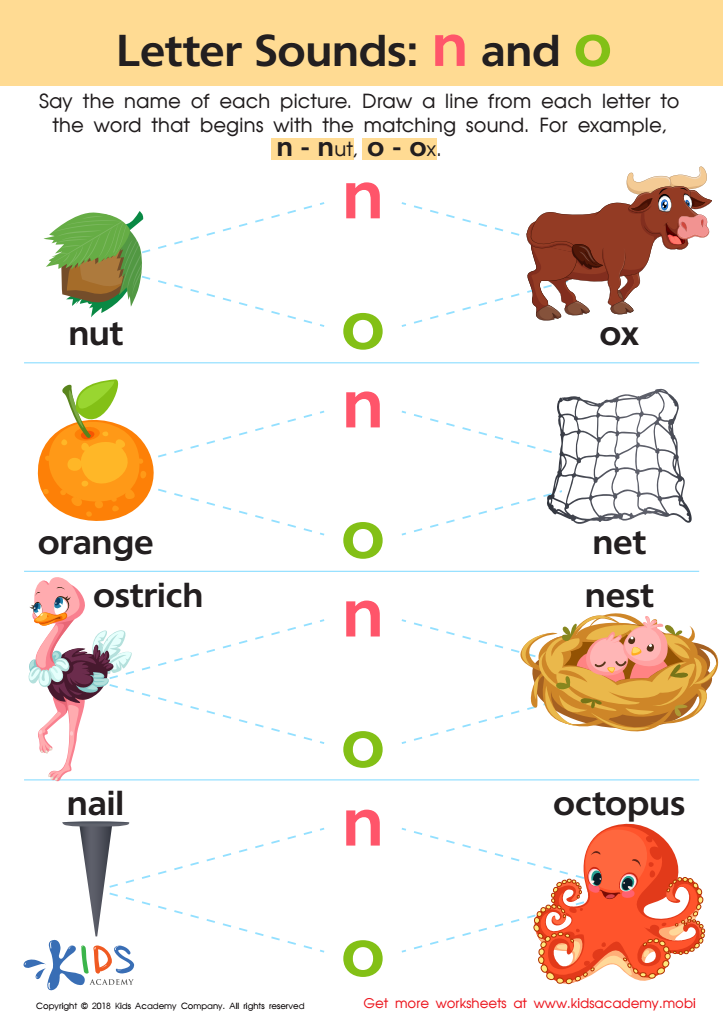
Letter N and O Sounds Worksheet
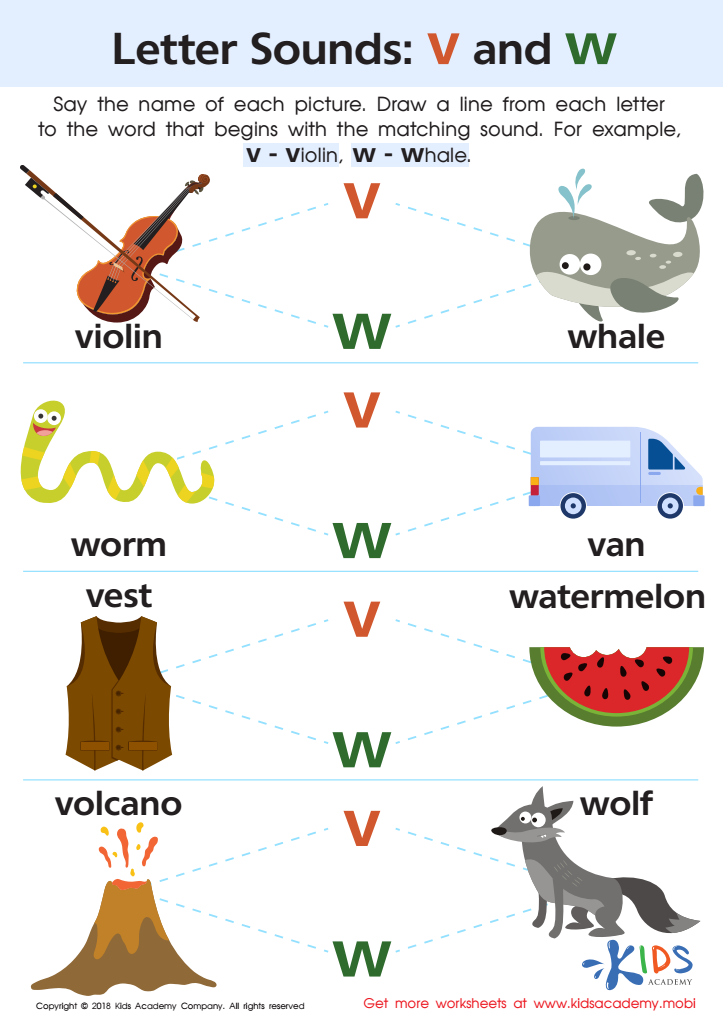
Letter V and W Sounds Worksheet
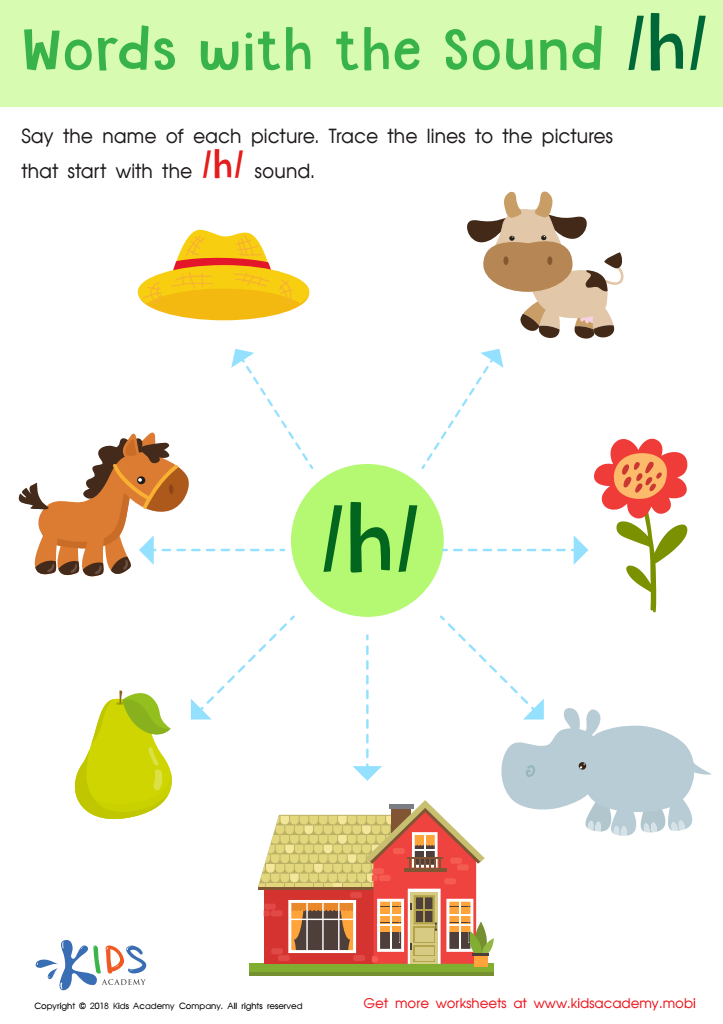
Words with sound h Reading Worksheet
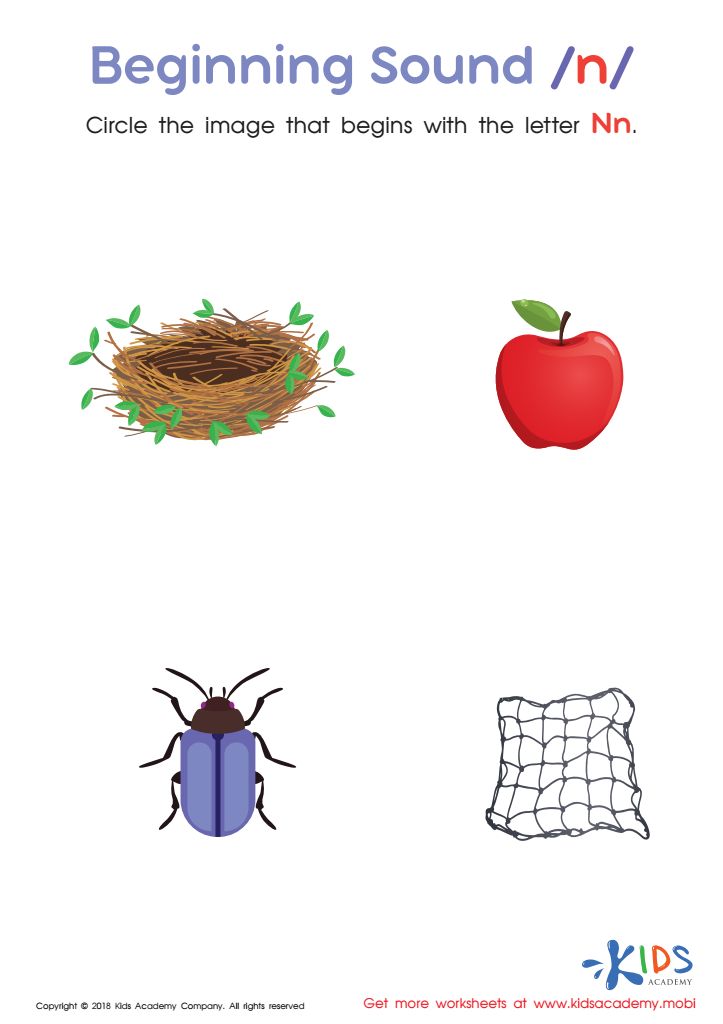
Beginning Sound «n» Worksheet
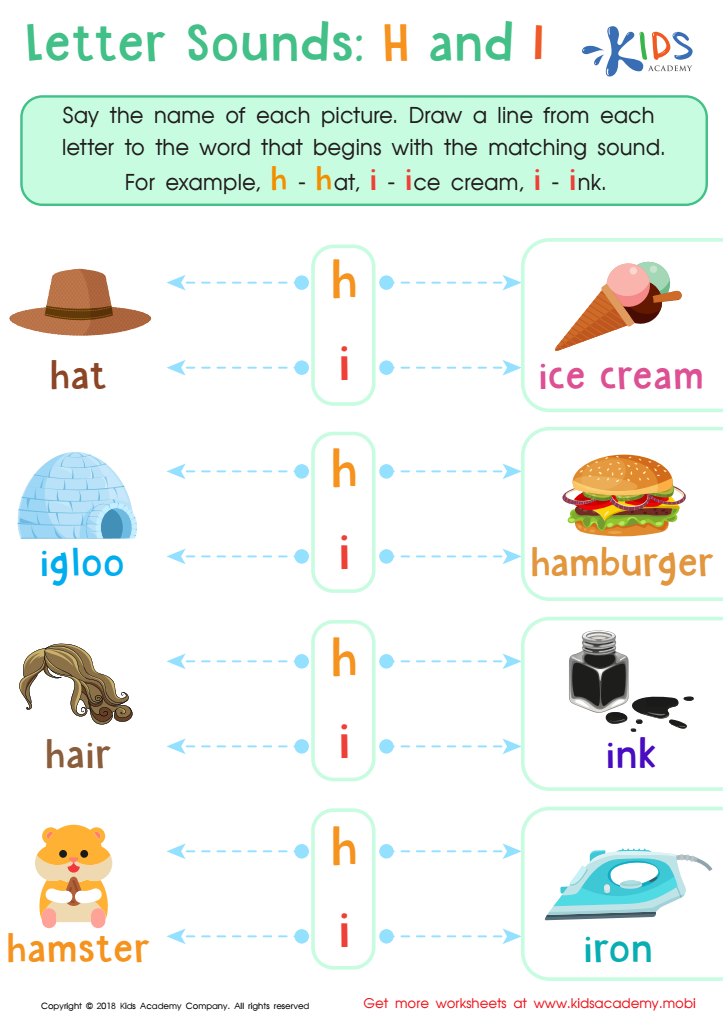
Letter H and I Sounds Worksheet
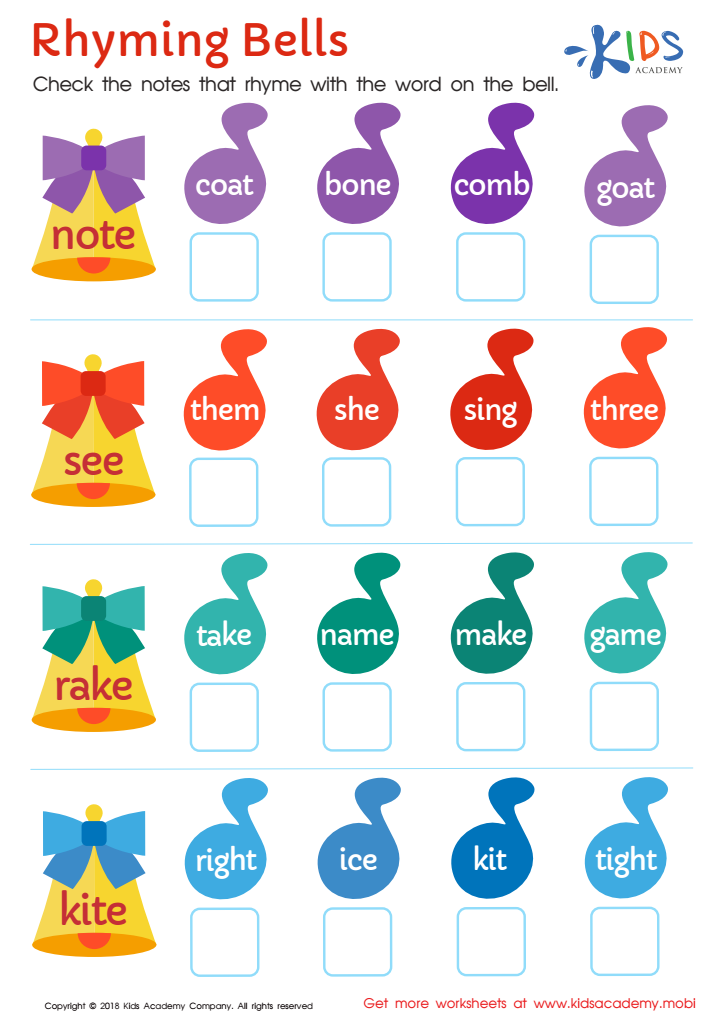
Rhyming Bells Worksheet
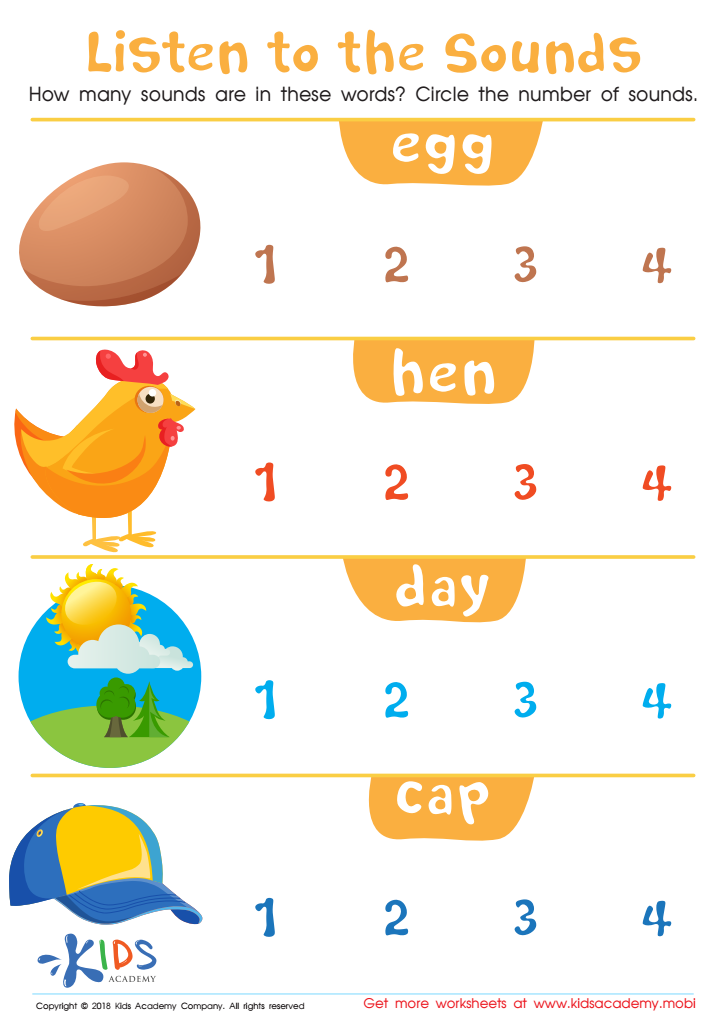
Listen to the Sounds Worksheet
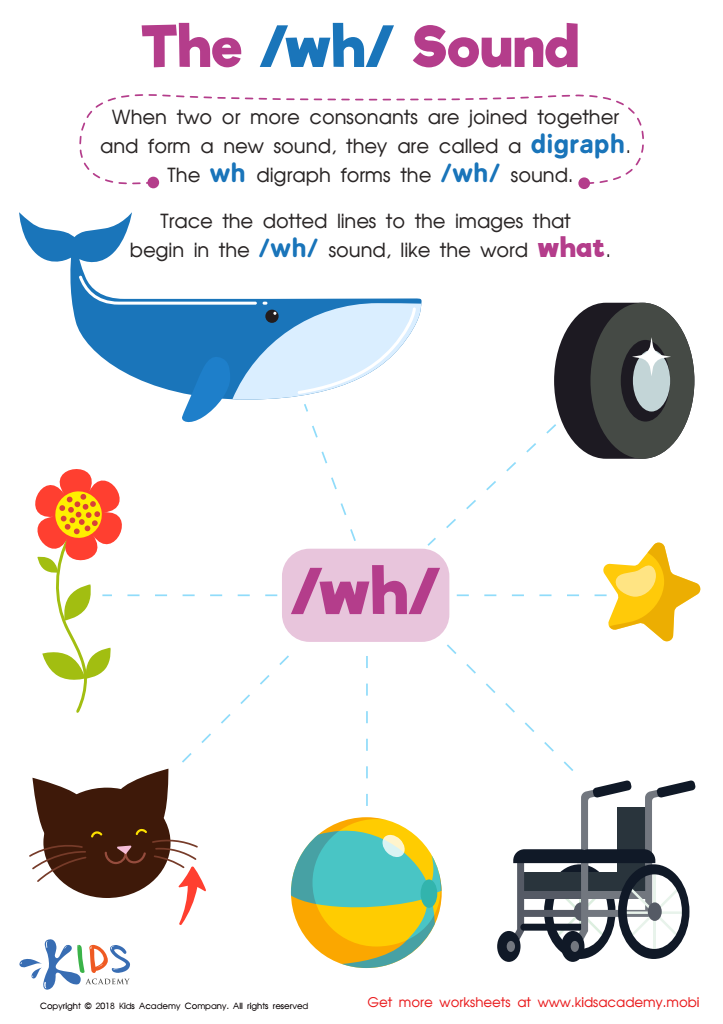
The /wh/ Sound Worksheet
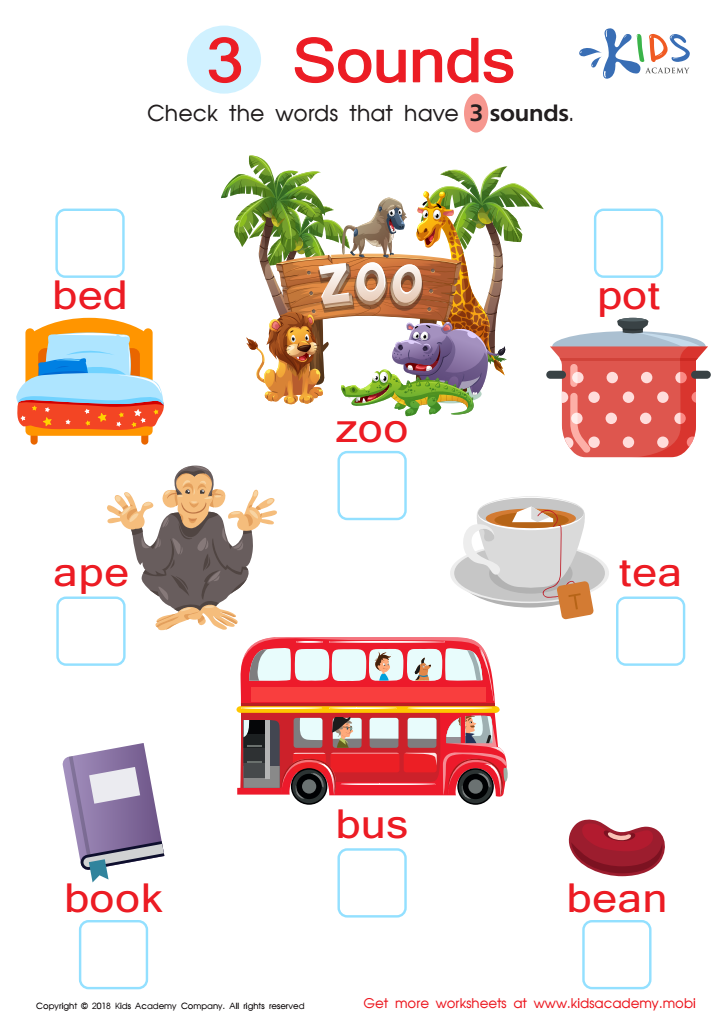
3 Sounds Worksheet
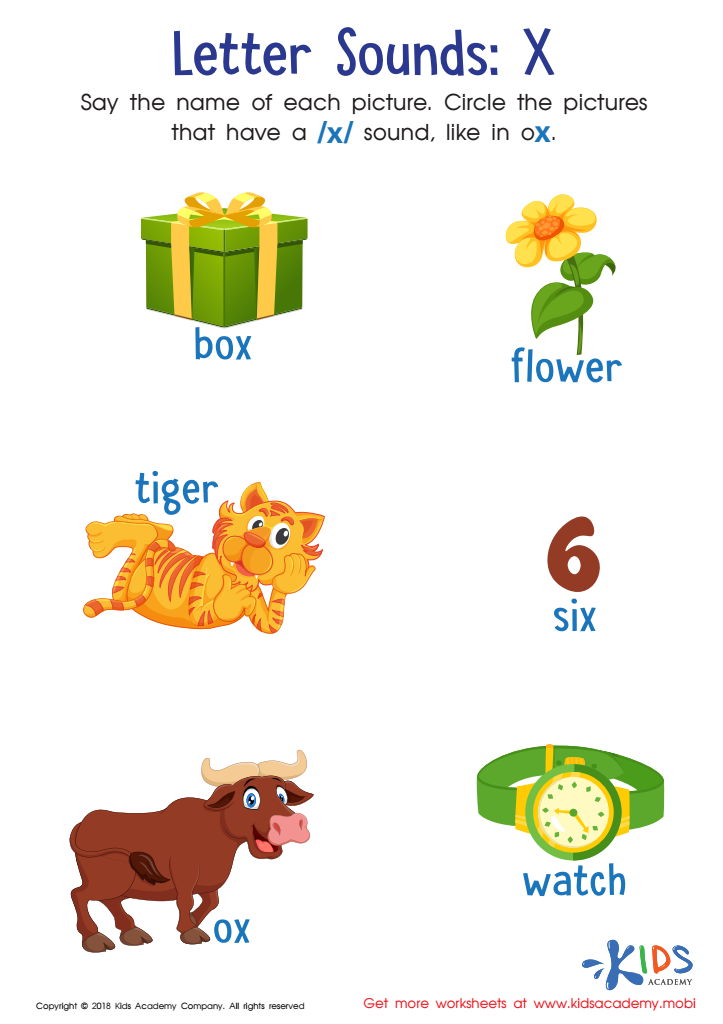
Letter X Sounds Worksheet
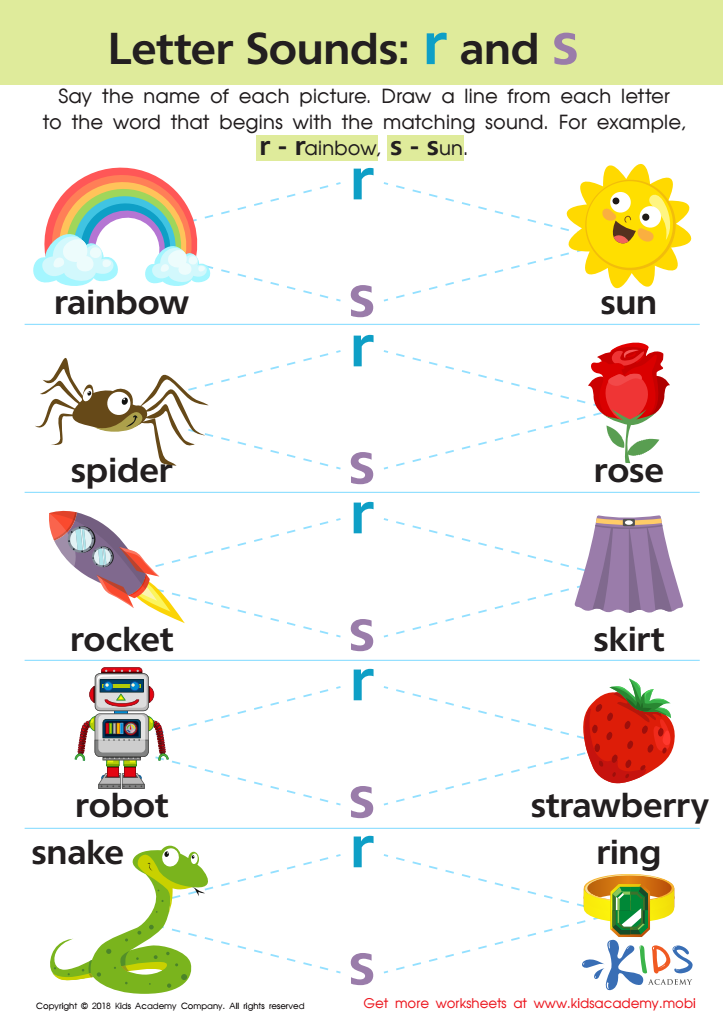
Letter R and S Sounds Worksheet
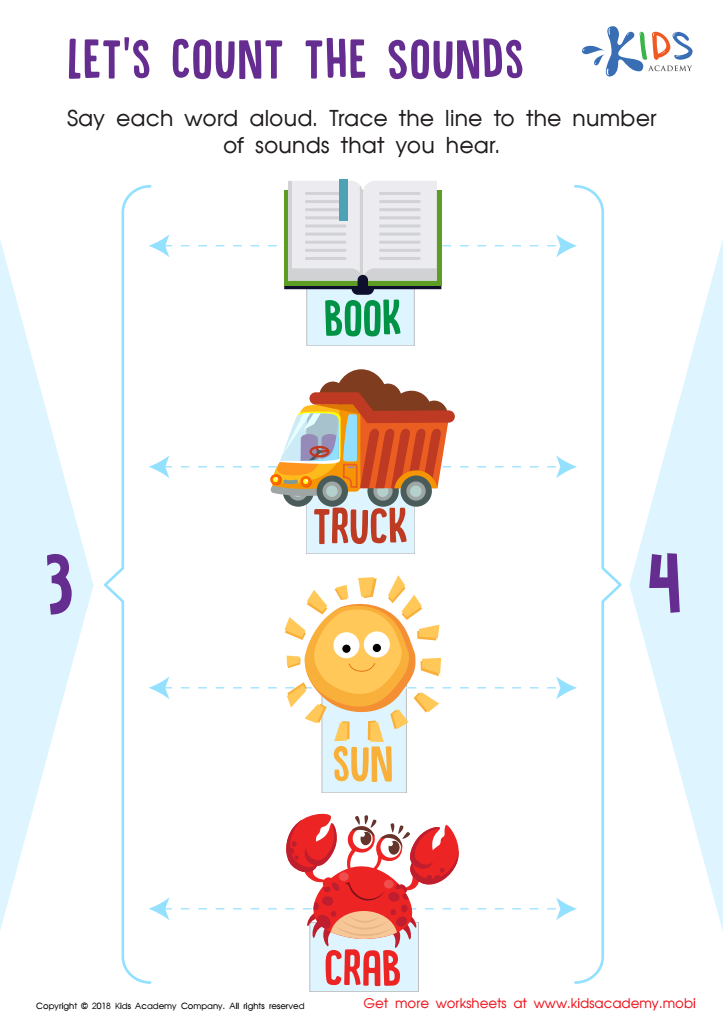
Let's Count the Sounds Worksheet
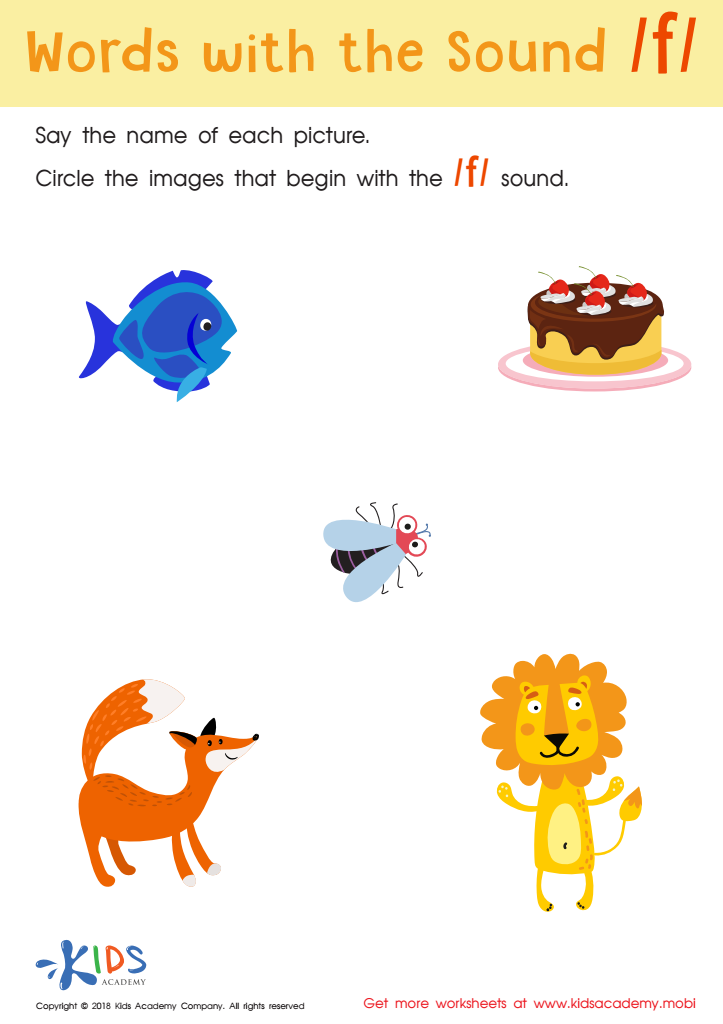
Words with sound f Reading Worksheet
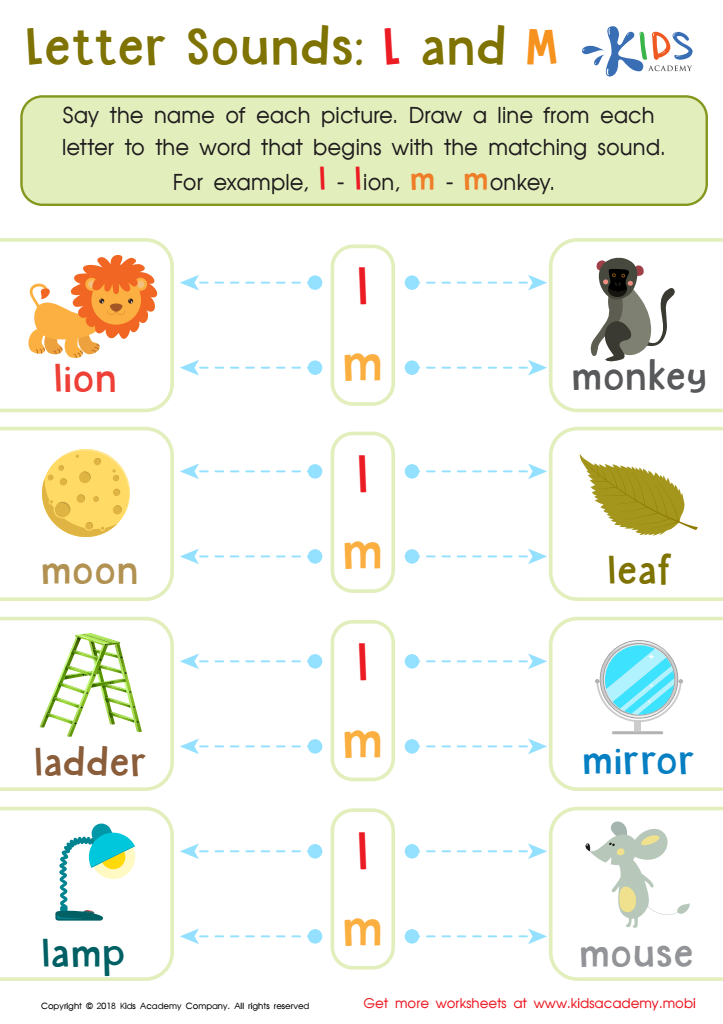
Letter l and M Sounds Worksheet
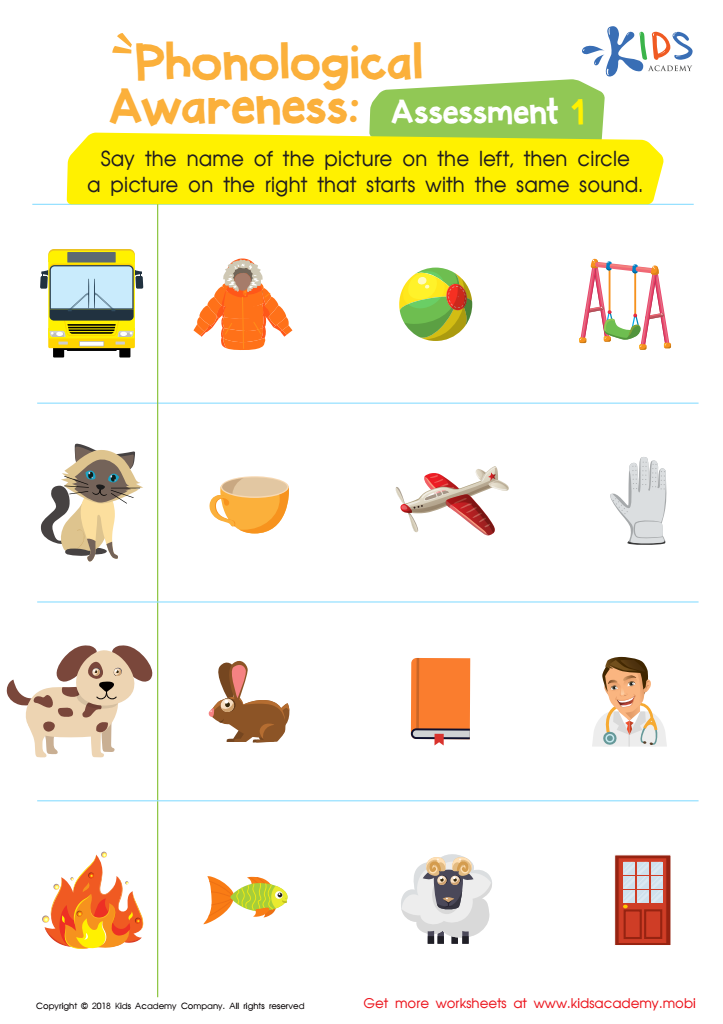
Phonological Awareness: Assessment 1 Worksheet
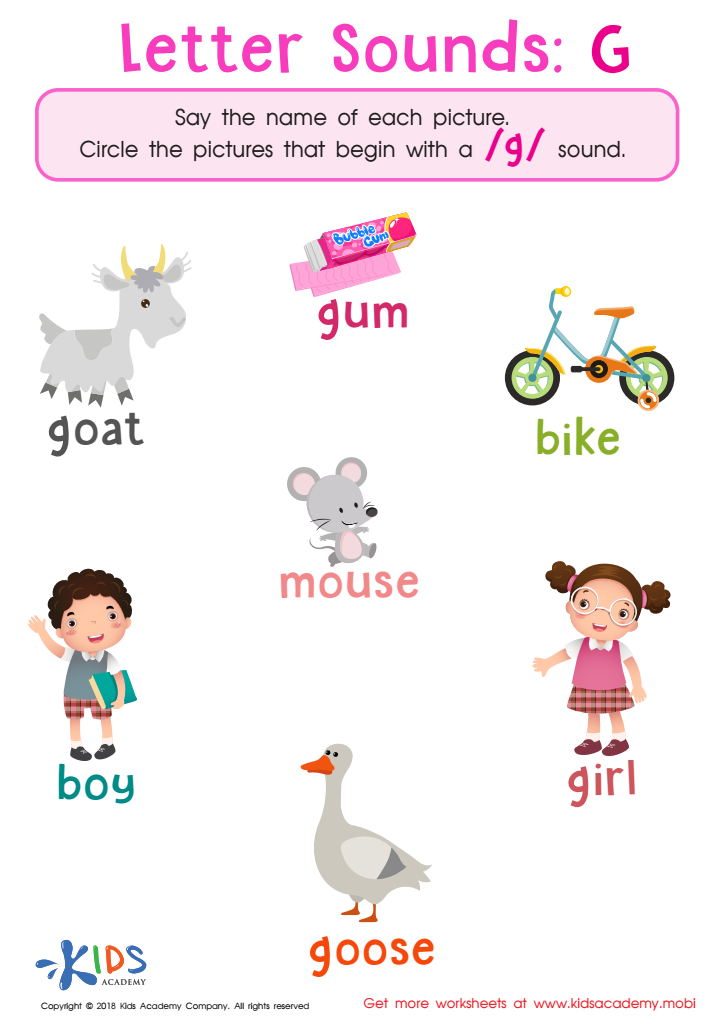
Letter G Sounds Worksheet
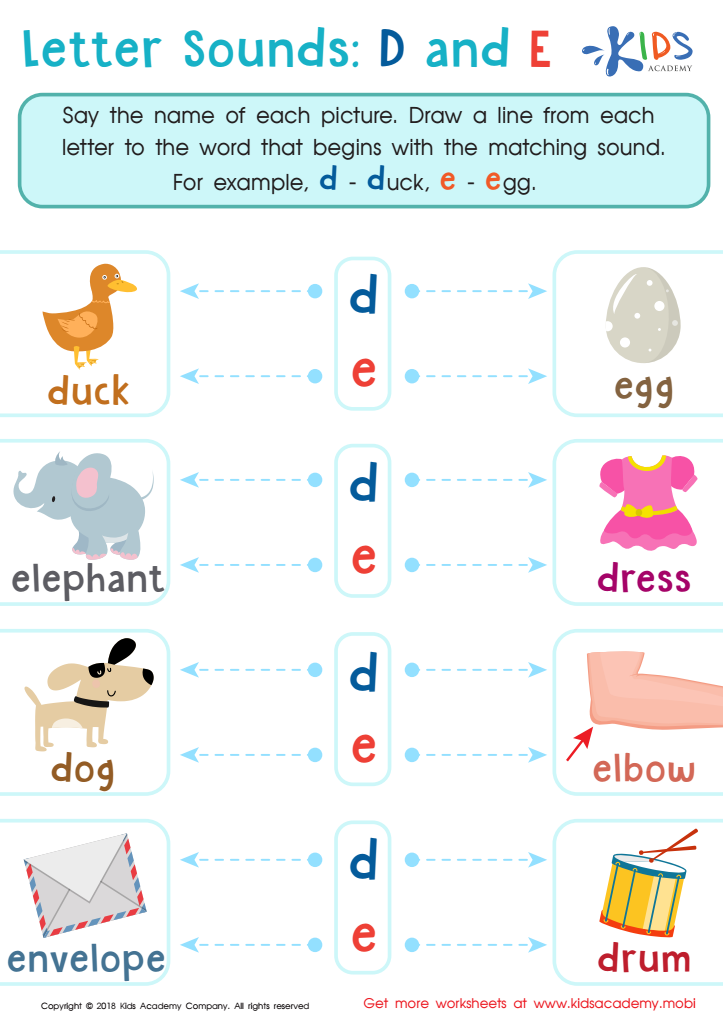
Letter D and E Sounds Worksheet








Parents and teachers should prioritize Sound Association Normal Phonics for children ages 3-6 because it lays the crucial foundation for reading and language development. At this formative stage, children’s brains are exceptionally receptive to learning sounds, which are the building blocks of language. By engaging with phonics, children learn to associate spoken sounds with letters and letter combinations, enhancing their ability to decode words.
Understanding sound-letter relationships not only promotes literacy skills but also boosts vocabulary and comprehension. As children progress, they are empowered to read independently, fostering a love for literature that can last a lifetime. Phonetics also aids in the development of effective communication skills, laying the groundwork for academic success across all subjects.
Furthermore, teaching phonics through fun and engaging activities keeps young children motivated and eager to learn. It reinforces their understanding of sound patterns, aids in mastering spelling, and encourages creative storytelling. By providing a strong phonics background, parents and teachers equip children with essential tools for effective learning, guiding them toward confident reading and writing abilities that will benefit them throughout their education. This focus on phonics ultimately prepares children for lifelong learning and forms a crucial part of their cognitive development.







