Normal Labor Day Worksheets for Ages 3-6
4 filtered results
-
From - To
Discover our engaging Normal Labor Day Worksheets designed specifically for children aged 3-6! This captivating collection includes fun-filled coloring pages that celebrate the spirit of Labor Day, helping young learners understand the importance of work and community. Each worksheet features simple illustrations and shapes to encourage creativity while developing fine motor skills. Ideal for use at home or in the classroom, our Labor Day worksheets promote hands-on learning and interactive play. Foster a sense of gratitude and appreciation in your little ones as they explore the meaning of this holiday. Download now to provide your child with an educational experience they'll love!
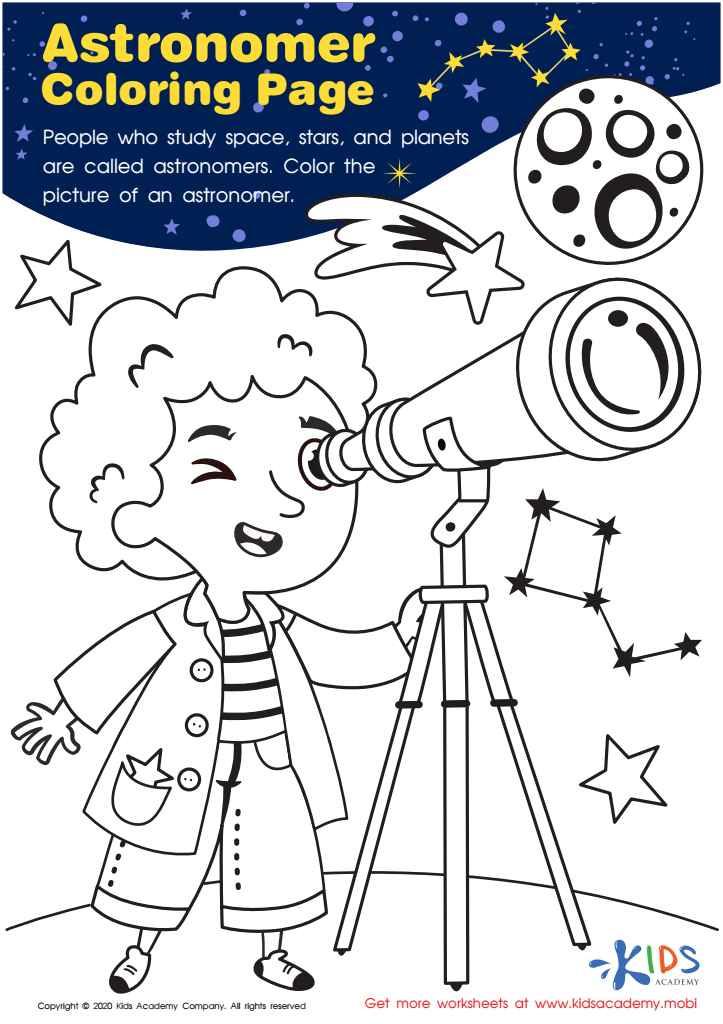
Astronomer Coloring Page Worksheet
 Assign to My Students
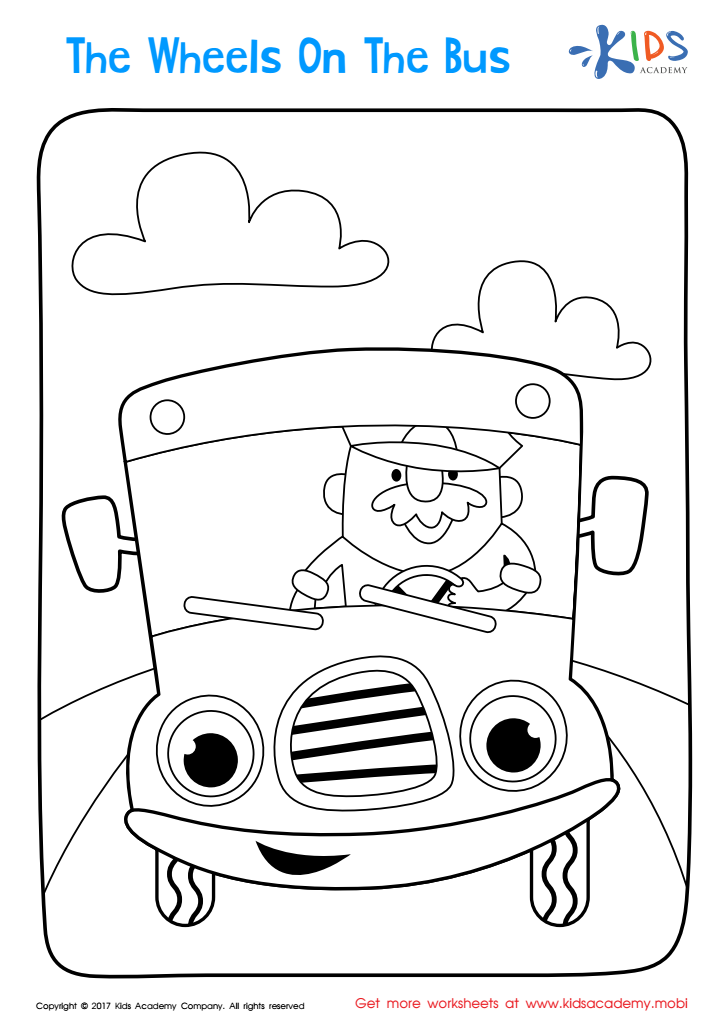
The Wheels on the Bus Coloring Page
Assign to My Students
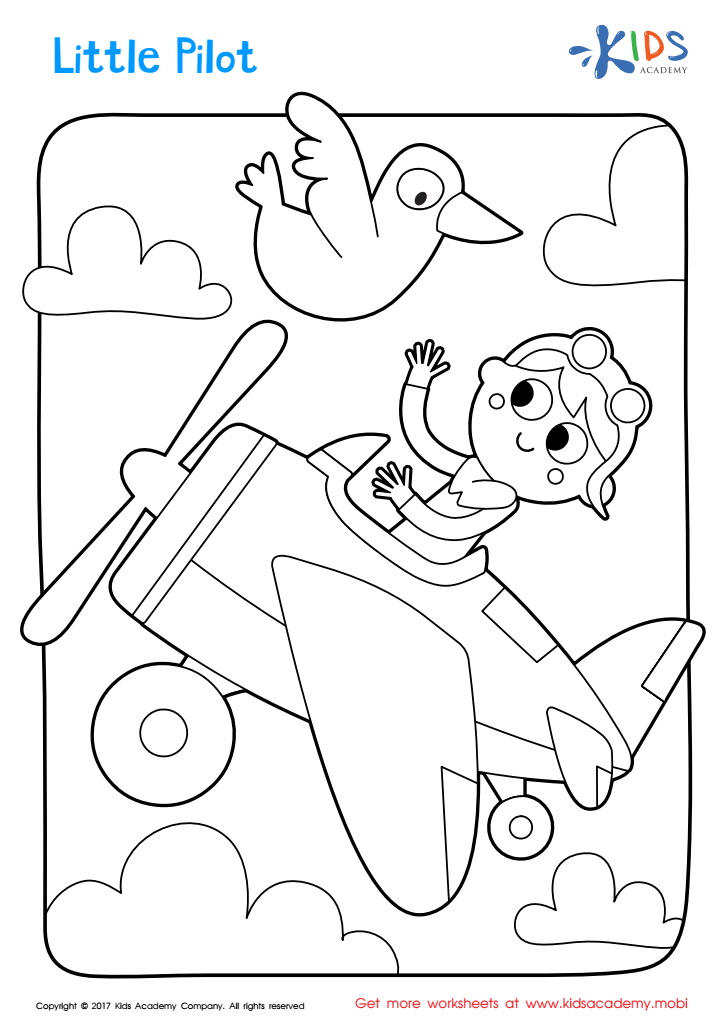
Little Pilot Coloring Page
Assign to My Students
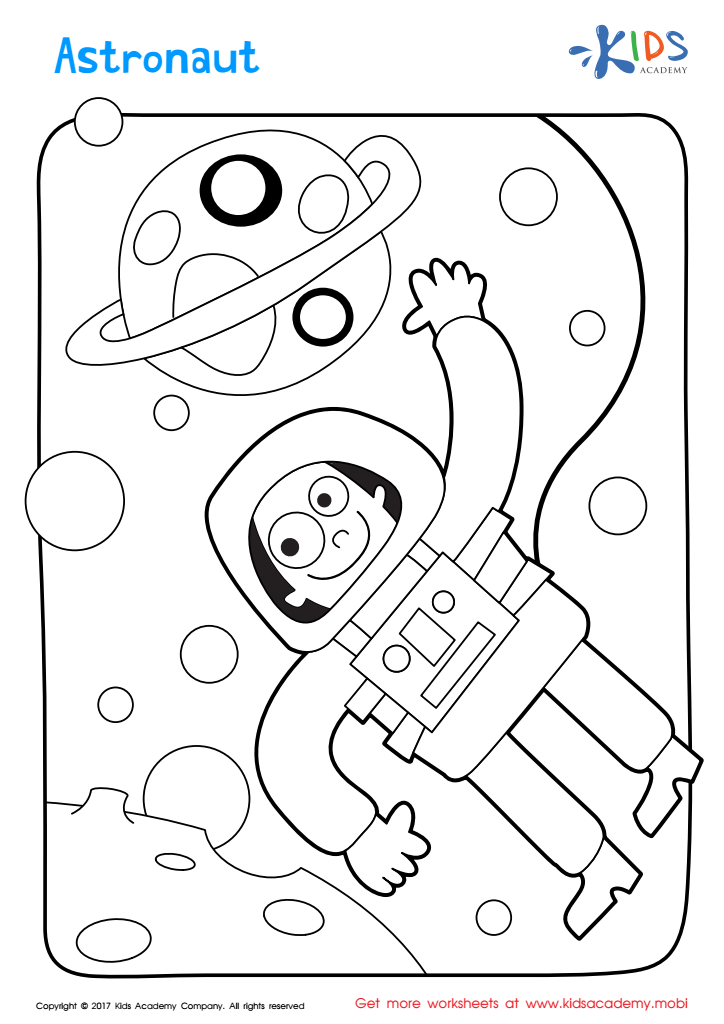
Astronaut Coloring Page
Assign to My Students


Normal Labor Day, or recognizing the significance of the labor movement and workers' contributions, is crucial for children aged 3-6 as it offers a foundational understanding of respect, appreciation, and community. During this formative stage, children develop social awareness and values, making it essential for parents and teachers to engage them in conversations about work and the efforts behind it.
Teaching young children about Labor Day can enhance their empathy and multicultural understanding. It allows them to acknowledge the diverse roles that contribute to daily life, from teachers and healthcare workers to construction workers and farmers. This understanding fosters a sense of gratitude and respect for various occupations, encouraging children to appreciate the hard work that goes into community building.
Additionally, lessons around Labor Day provide an opportunity for problem-solving and critical thinking, as discussions can include topics like teamwork and the importance of fairness and rights in the workplace. Parents and teachers can extend the learning experience through crafts, storytelling, and role-playing activities that bring these themes to life, making the conversation engaging and relevant. Ultimately, incorporating Labor Day into education lays the groundwork for socially conscious and caring individuals as they grow.








