Basic Math Skills Normal Worksheets for Ages 3-6 - Page 2
31 filtered results
-
From - To
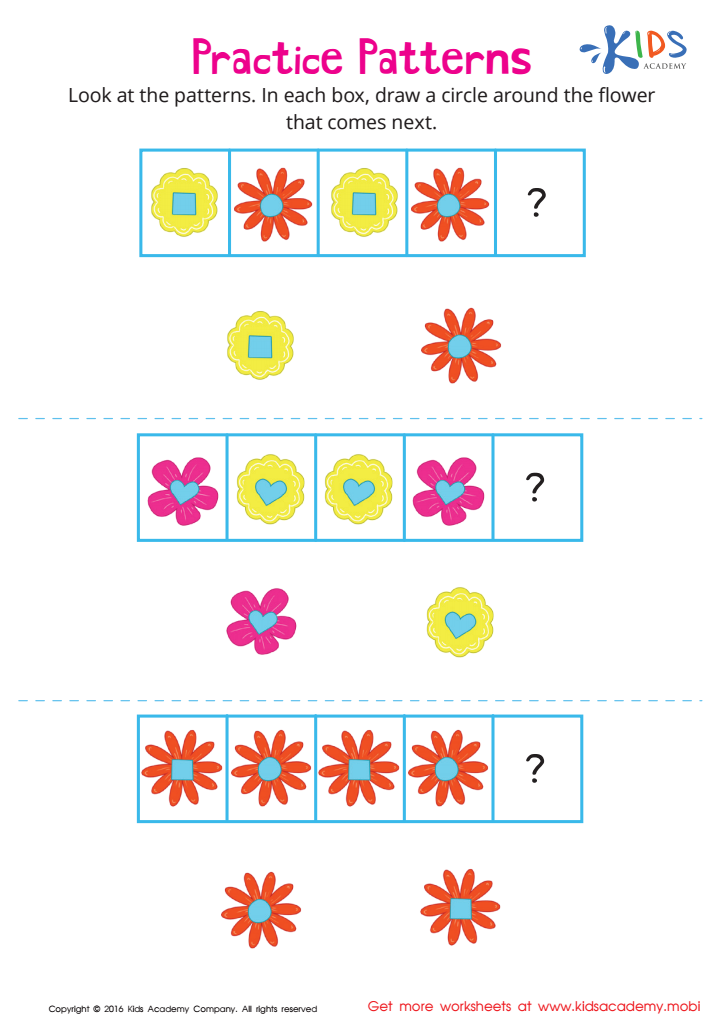
 Assign to My Students
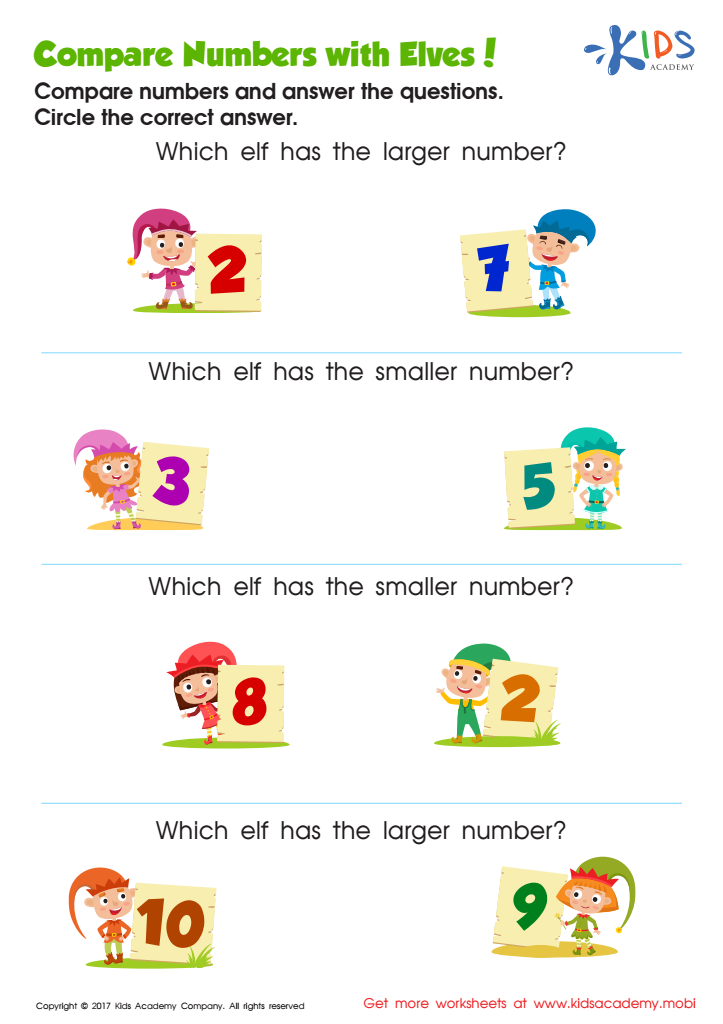
Comparing Numbers Worksheet for Kindergarten
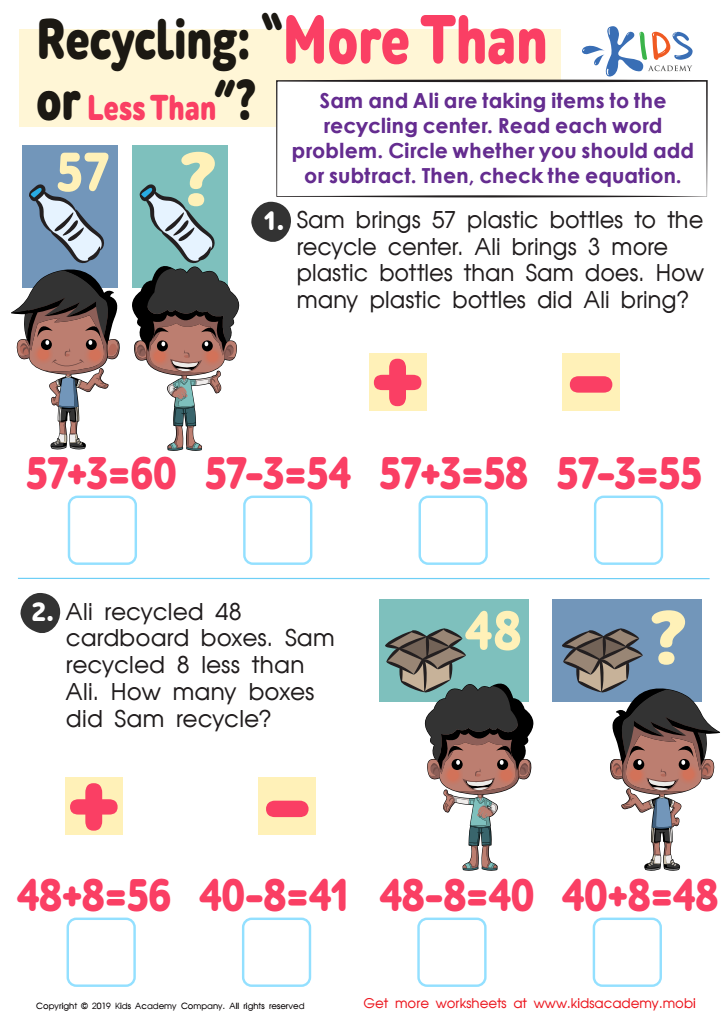
Recycling - More or Less Worksheet
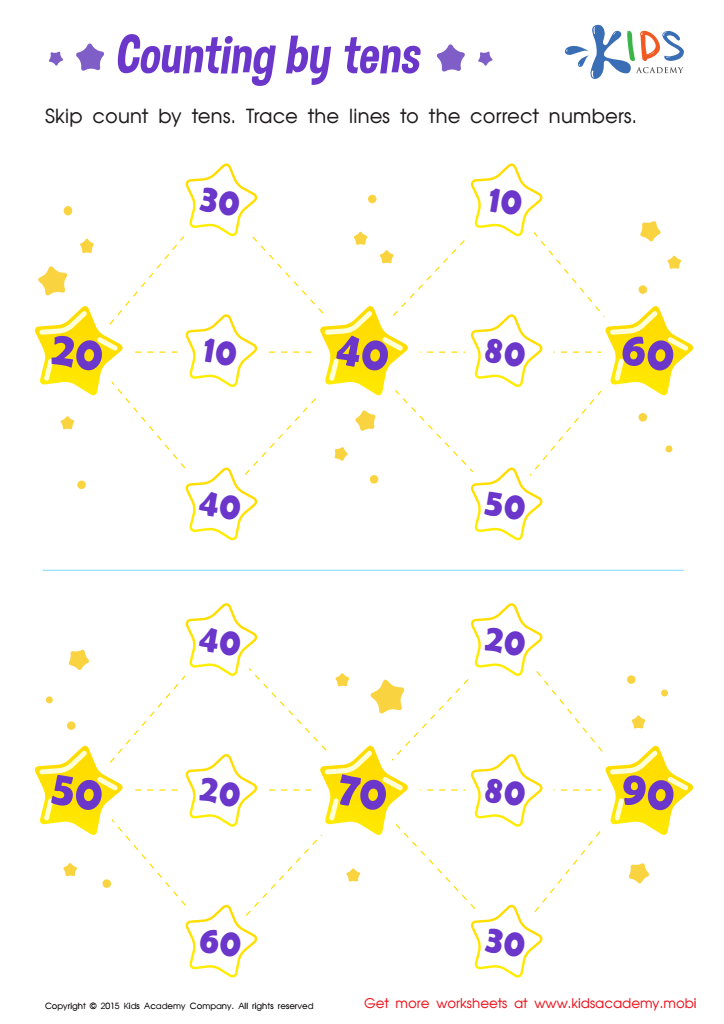
Learn Dozens: Counting by Tens Printable
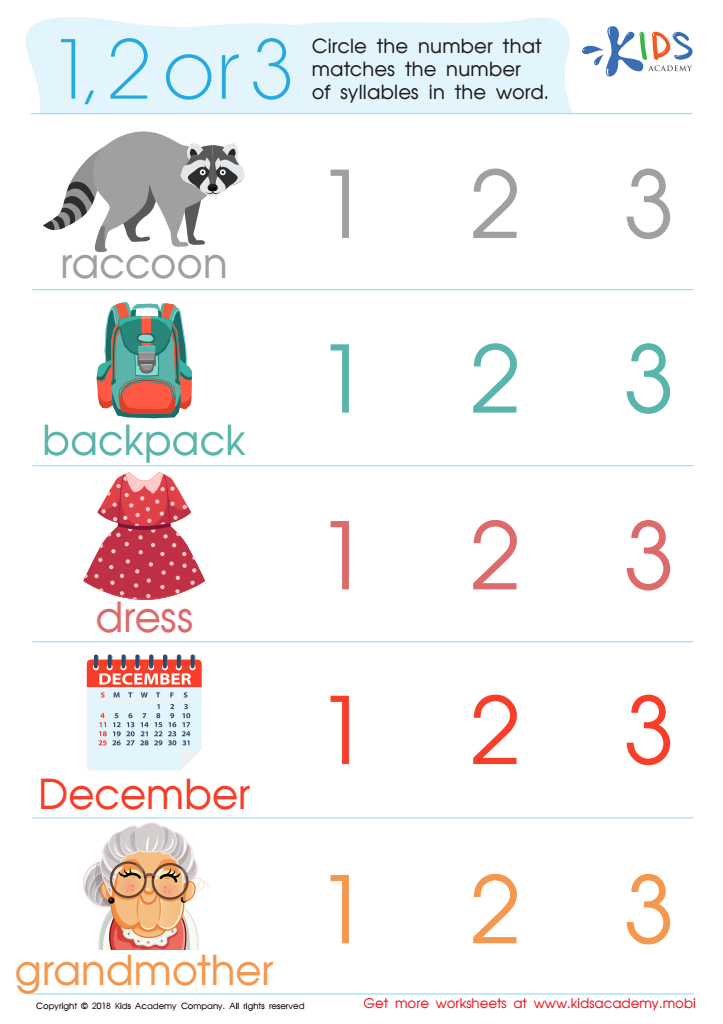
1, 2 or 3? Worksheet
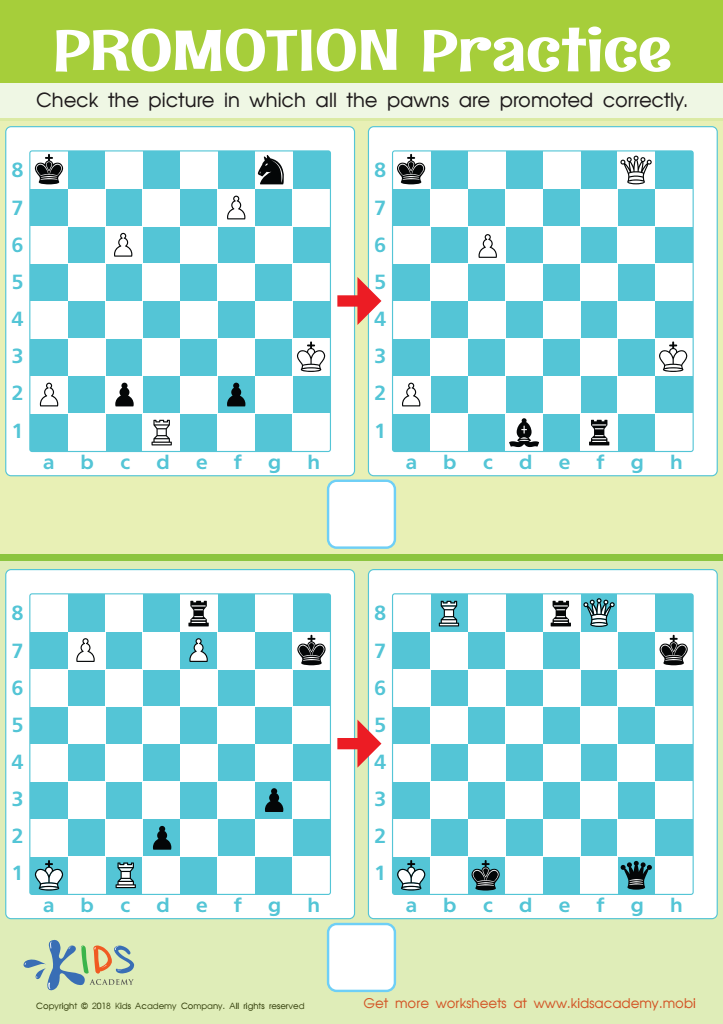
Promotion Practice Worksheet
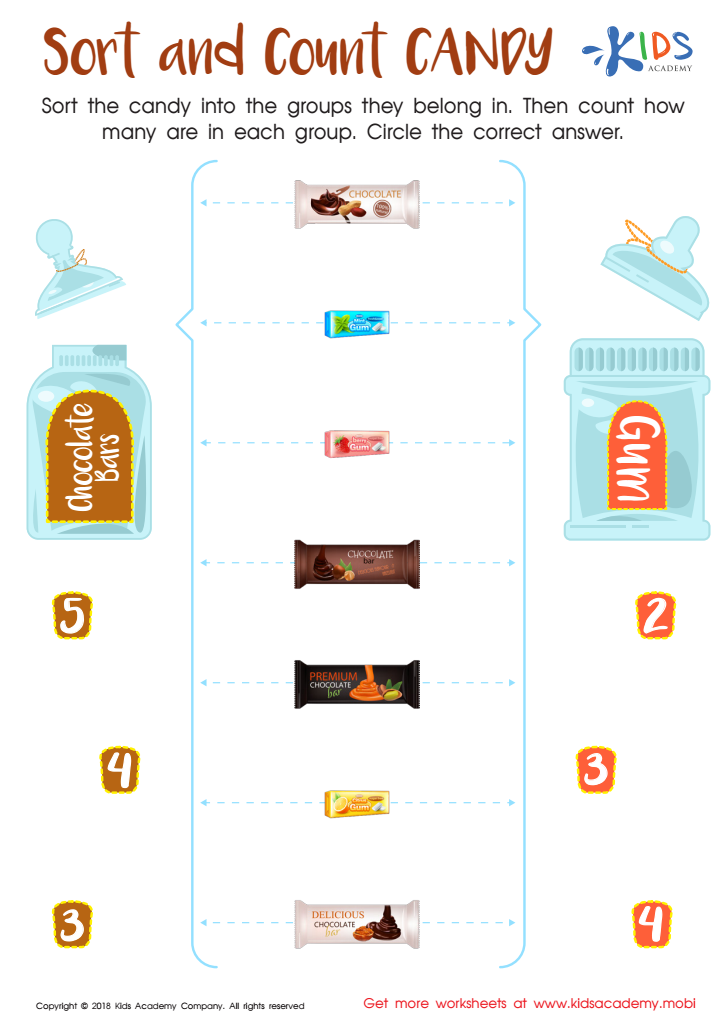
Sort and Count Candy Worksheet







Parents and teachers should care deeply about basic math skills for children aged 3-6 because these foundational abilities set the stage for future learning and cognitive development. Early math skills, such as number recognition, counting, and understanding basic patterns, stimulate critical thinking and problem-solving capabilities. At this age, children's brains are highly receptive, making it an optimal time to introduce mathematical concepts through playful experiences, such as counting objects during playtime or sorting toys by size and color.
Developing math skills early on not only aids in academic success but also fosters a sense of confidence and competency in children. Engaging with math in a fun environment reinforces a positive attitude towards learning, dispelling any future apprehension about the subject. Moreover, incorporating these skills into everyday activities helps children understand their world better, enabling them to make connections between math concepts and real-life situations.
Ultimately, the benefits of nurturing basic math skills extend beyond school success; they equip children with essential life skills such as critical thinking, spatial awareness, and logical reasoning. By prioritizing early mathematical experiences, parents and educators lay a strong foundation for lifelong learning and success.








