Categorizing objects Normal Worksheets for Ages 3-6
4 filtered results
-
From - To
Discover our engaging and educational worksheets designed for children ages 3-6, aimed at enhancing their categorization skills. These normal worksheets are perfect for young learners to practice sorting and categorizing different objects based on their attributes such as shape, color, size, and type. Through fun activities and colorful illustrations, kids will learn to recognize patterns, make connections, and improve their critical thinking. These worksheets are an excellent resource for parents and teachers to support early learning development and prepare children for future academic success. Start exploring our collection to make learning fun and effective!
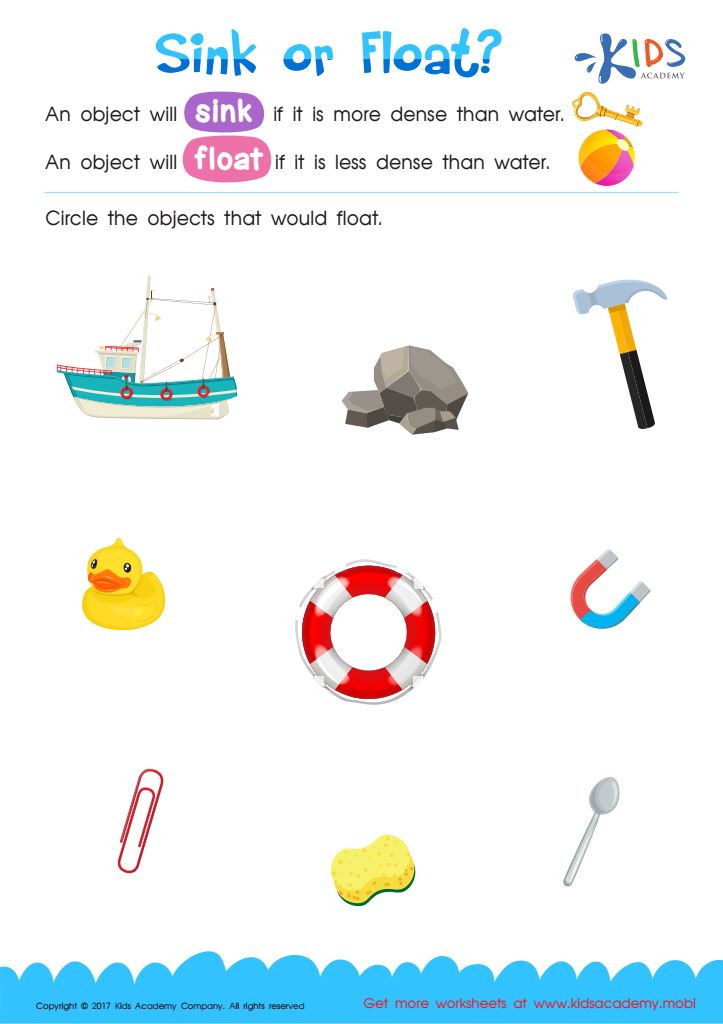
Sink or Float Printable
 Assign to My Students
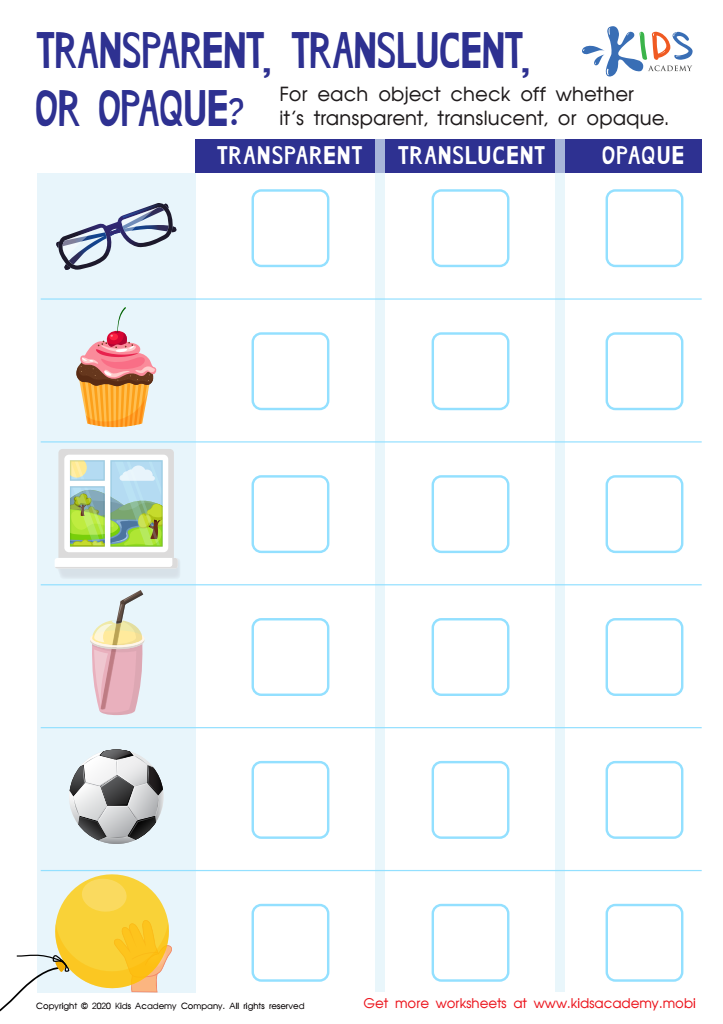
Transparent, Translucent, or Opaque Worksheet
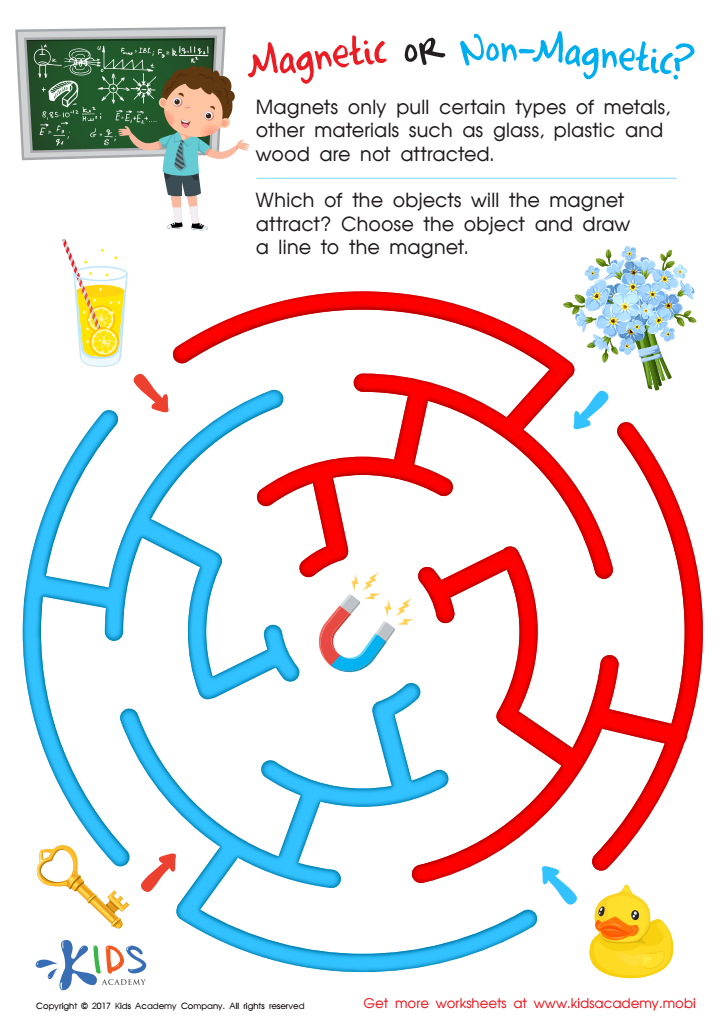
Magnetic or Non–Magnetic Worksheet
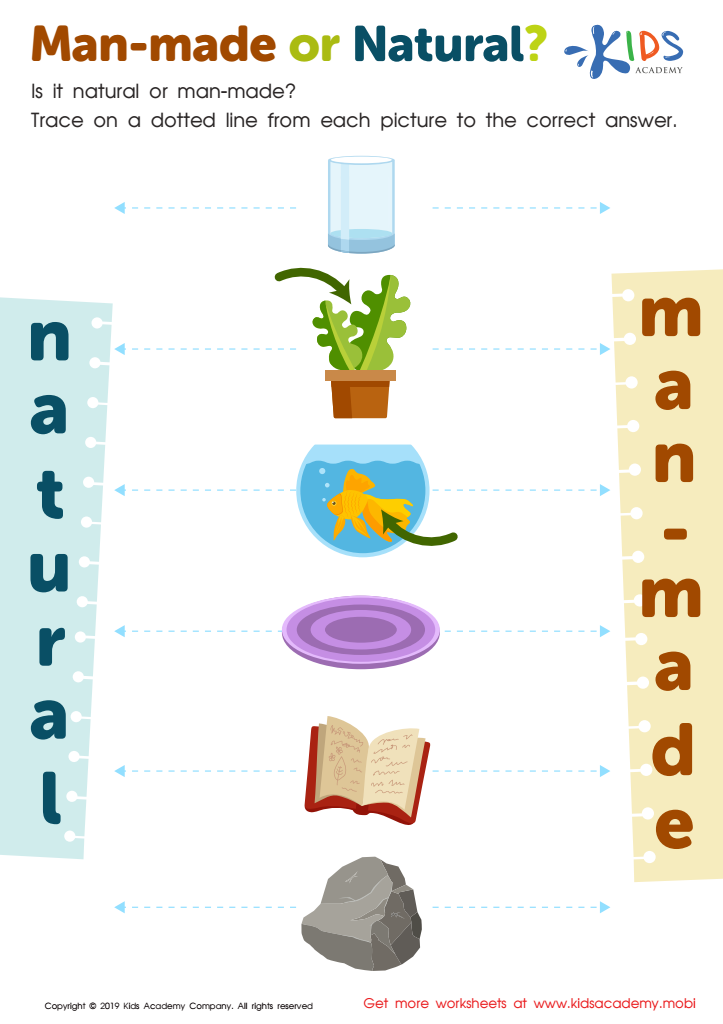
Man-Made or Natural? Worksheet




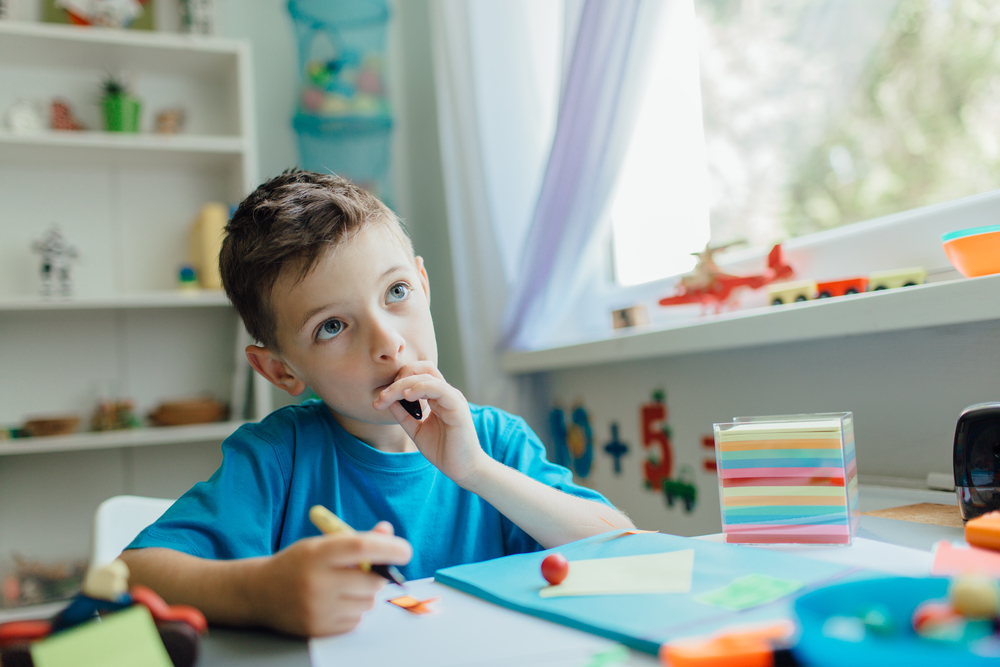

Categorizing objects is essential for children aged 3-6 because it lays the groundwork for cognitive development and academic success. By sorting items based on similarities and differences, children enhance their critical thinking and problem-solving skills. Recognizing patterns and relationships between objects allows them to make sense of the world around them in a structured way.
Developing categorization skills also aids in language acquisition. As children group objects, they learn new vocabulary related to those categories, which boosts their communication abilities. For example, understanding that apples and bananas fall under the category of "fruits" helps them learn and use these words more effectively.
Social development is another significant benefit. When children play sorting games or engage in group activities that involve categorizing, they learn to collaborate, share, and discuss their reasoning with peers. This fosters social interaction and builds teamwork skills.
Moreover, categorization is foundational for later academic subjects, such as math and science. In math, understanding sets and subsets is crucial, while in science, grouping objects based on characteristics is key for classification. Encouraging children to categorize during early years equips them with the tools they need for more complex tasks in future learning.
In summary, categorizing objects is a vital cognitive, linguistic, social, and academic skill that supports a child's overall development.








