Understanding Sequences Normal Worksheets for Ages 3-6
6 filtered results
-
From - To
Explore our "Understanding Sequences Normal Worksheets" designed specifically for children aged 3-6. These engaging and age-appropriate worksheets introduce young learners to the concept of sequences through fun activities that boost their cognitive skills and enhance their pattern recognition abilities. With vibrant illustrations and easy-to-follow exercises, your child will enjoy sorting, arranging, and identifying sequences in a playful manner. Ideal for homeschooling or classroom settings, these worksheets promote essential early learning skills, paving the way for future academic success. Download now to support your child's educational journey and foster a love for learning through interactive and enjoyable activities!
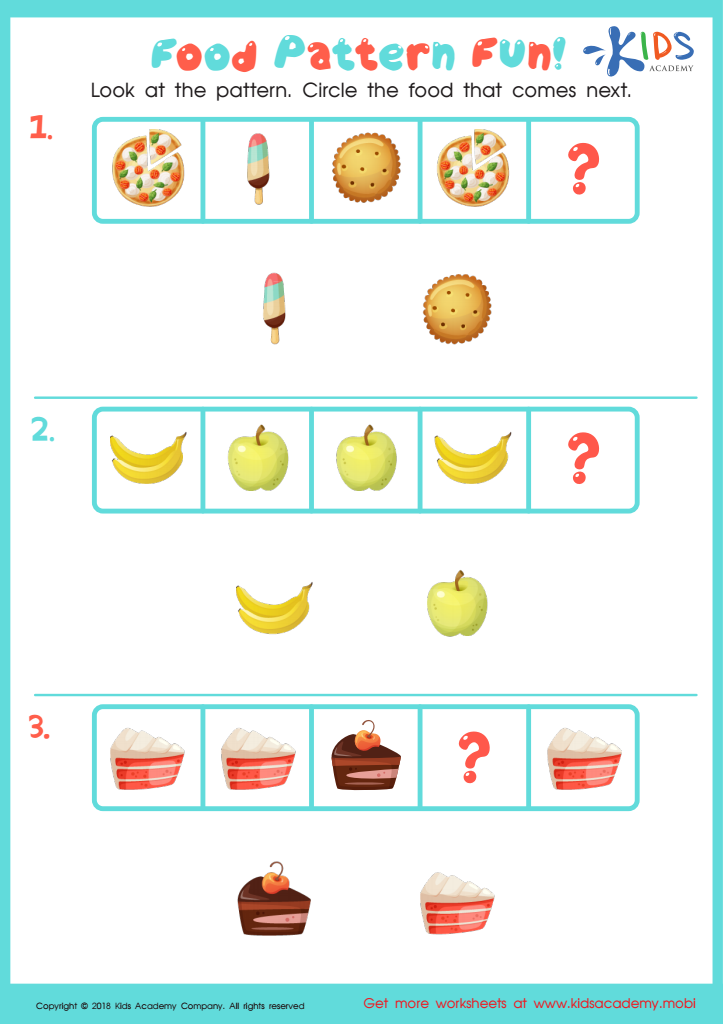
Food Pattern Fun Worksheet
 Assign to My Students
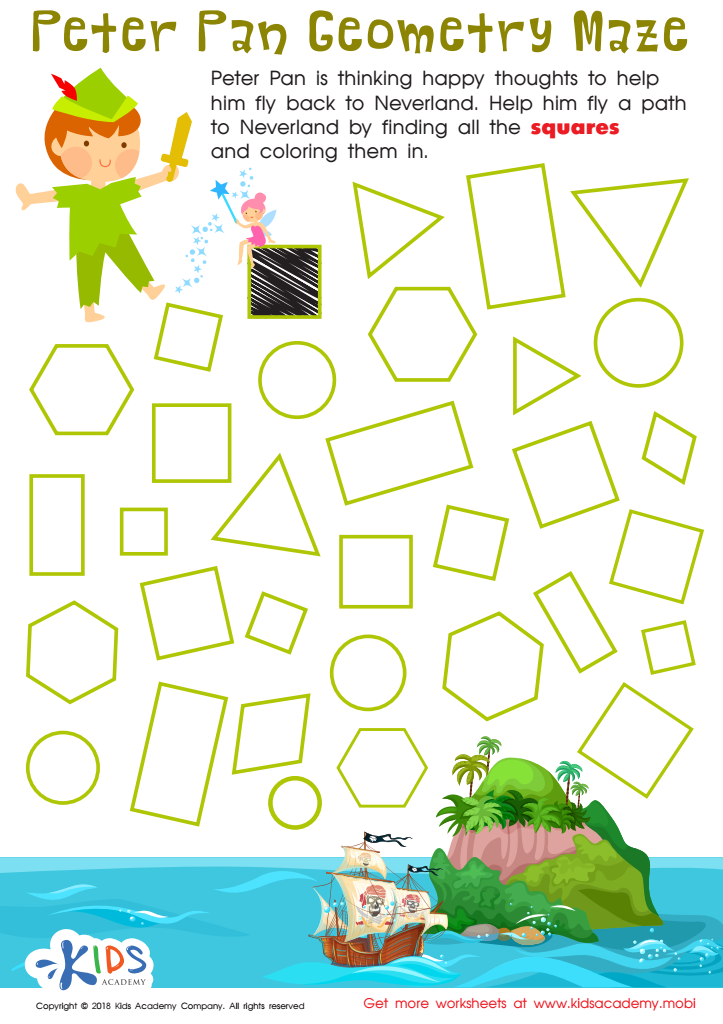
Peter Pan Worksheet
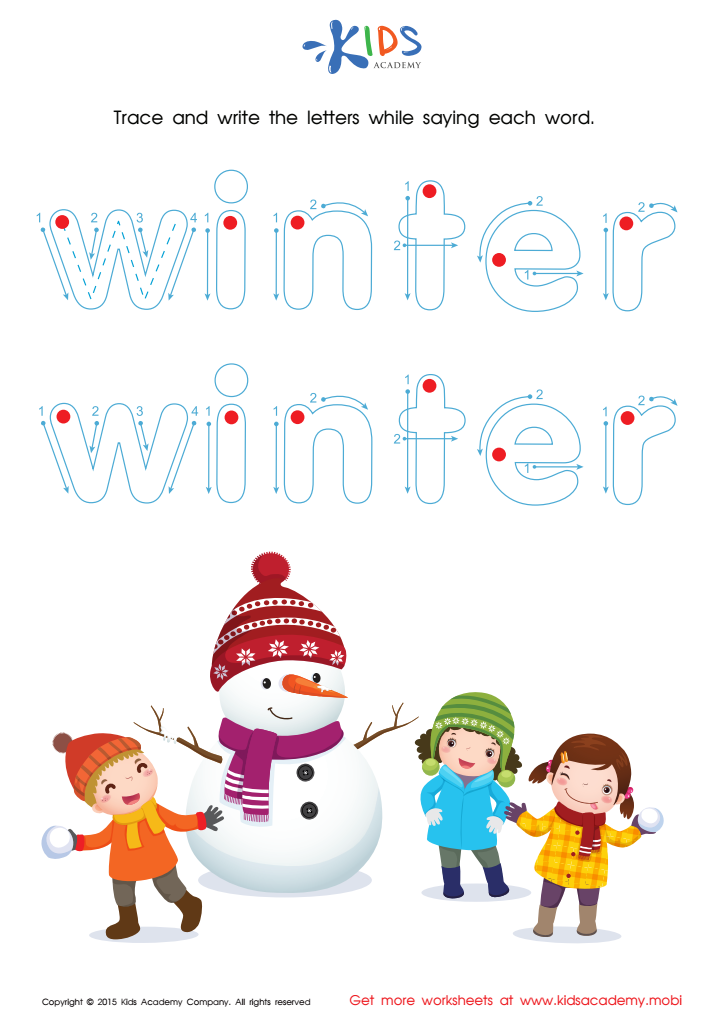
Snowman Tracing Winter Words Worksheet
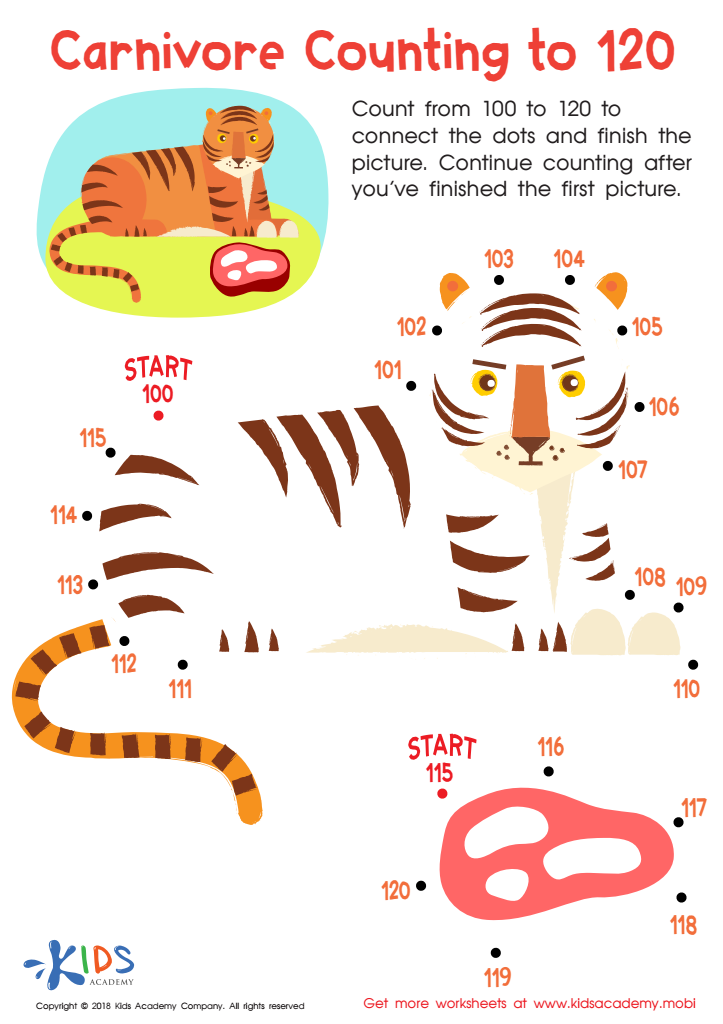
Carnivore Counting to 120 Worksheet
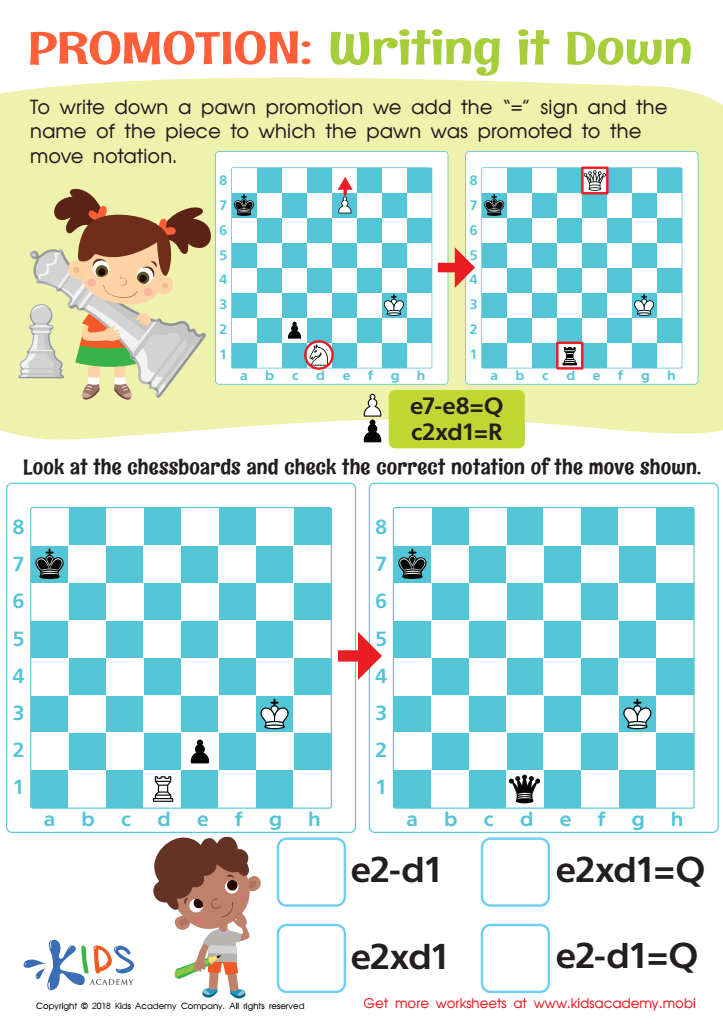
Writing it Down Worksheet
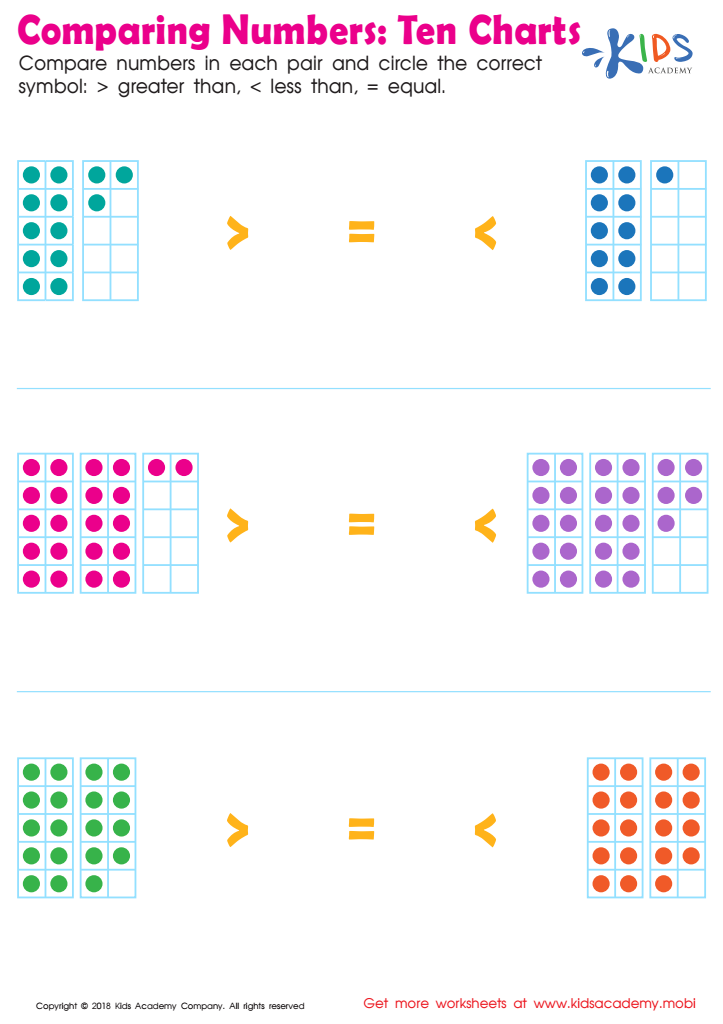
Ten Charts Worksheet



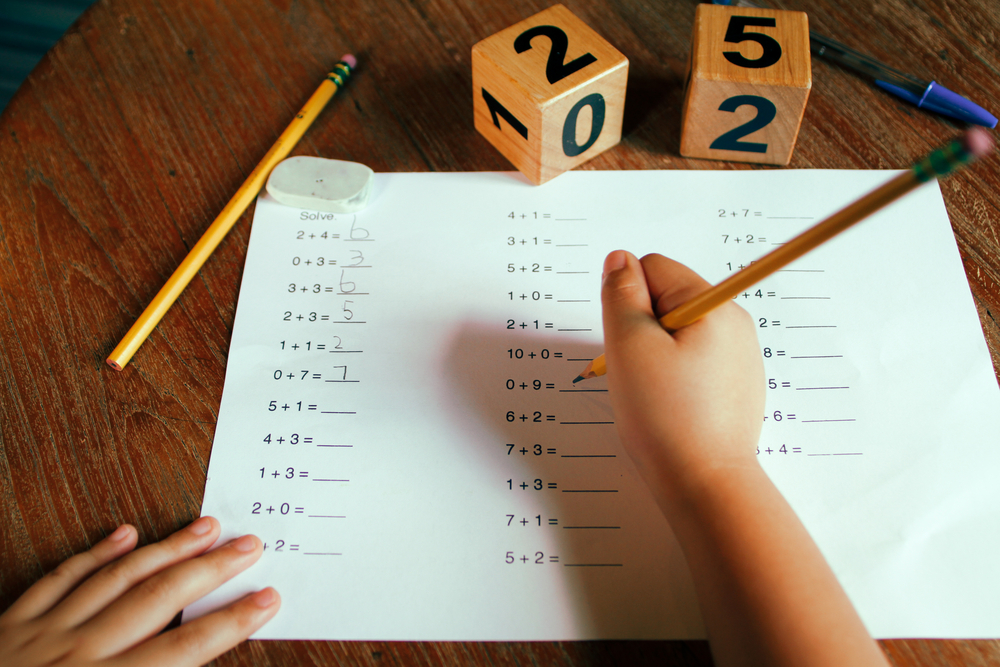



Understanding sequences is crucial for children aged 3 to 6, as it lays the foundational skills necessary for cognitive development and future learning. Teachers and parents should care about this concept because it directly impacts a child's ability to recognize patterns, which is fundamental in subjects like mathematics, language, and even science.
At this age, children begin to understand order, which helps them make sense of routines in their daily lives. Whether it’s following steps in a story, completing a task, or understanding events in a sequence, recognizing order enhances their problem-solving skills. It also promotes critical thinking by encouraging them to predict outcomes and understand the relationship between different events.
Moreover, engaging in sequence activities fosters social skills during group interactions and collaborative play. Through games and storytelling, children learn to sequence events or objects, enhancing their communication skills as they articulate their thoughts.
Lastly, the ability to comprehend sequences is a stepping stone for future academic success. When children grasp this concept early, they're better prepared for more complex tasks in mathematics, such as addition and subtraction, and improving literacy through narrative skills. Therefore, prioritizing the understanding of sequences is essential for holistic development in young learners.








