Vocabulary development Normal Worksheets for Ages 3-6 - Page 2
40 filtered results
-
From - To
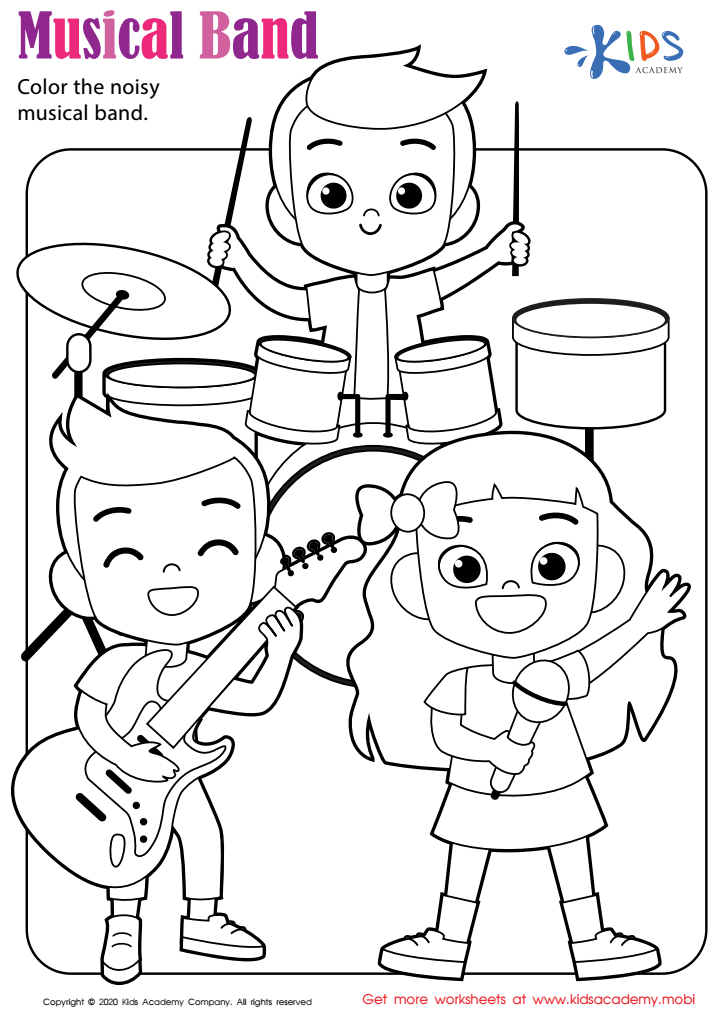
Musical Band Worksheet
 Assign to My Students
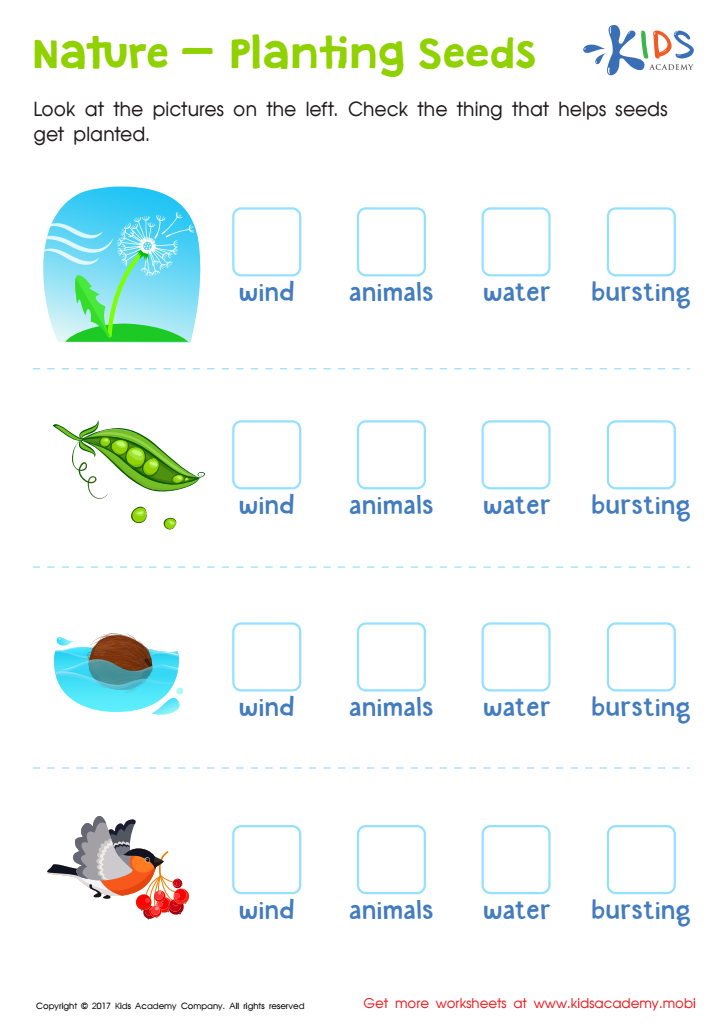
Nature Planting Seeds Worksheet
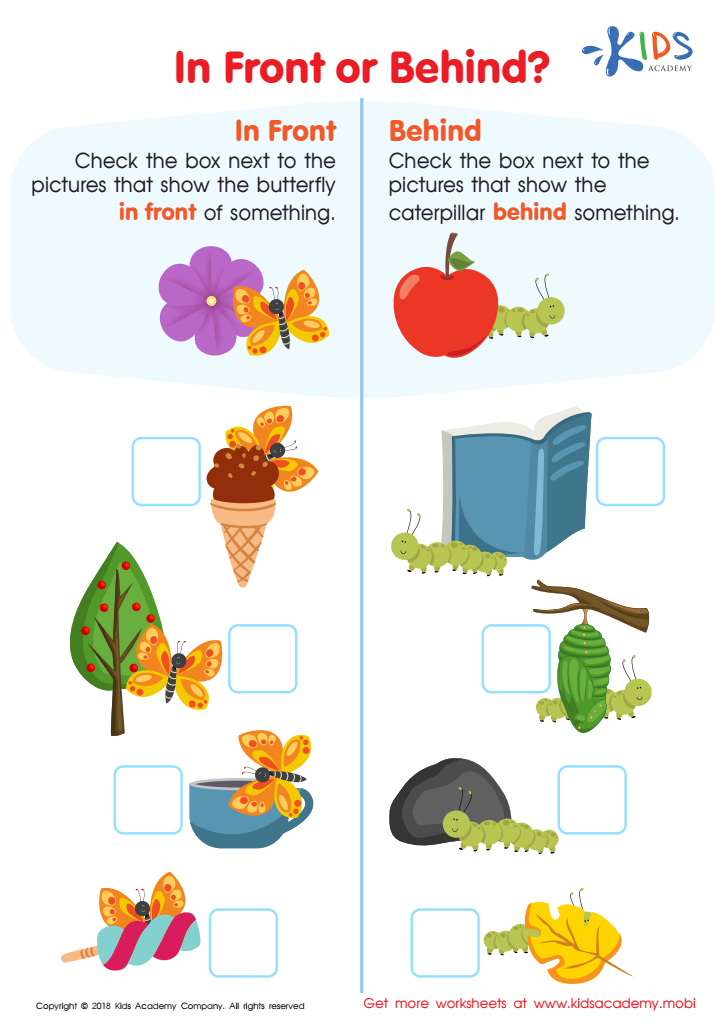
In Front or Behind Worksheet
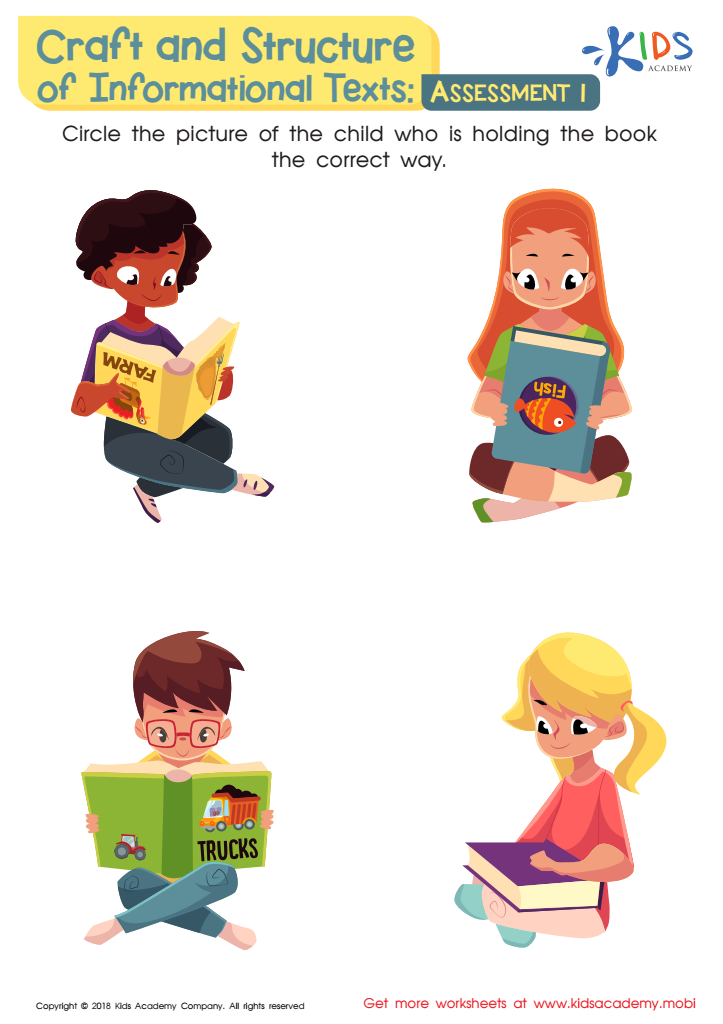
Craft and Structure of Informational Texts: Assessment 1 Worksheet

Turkey Thanksgiving Day Worksheet
Assign to My Students
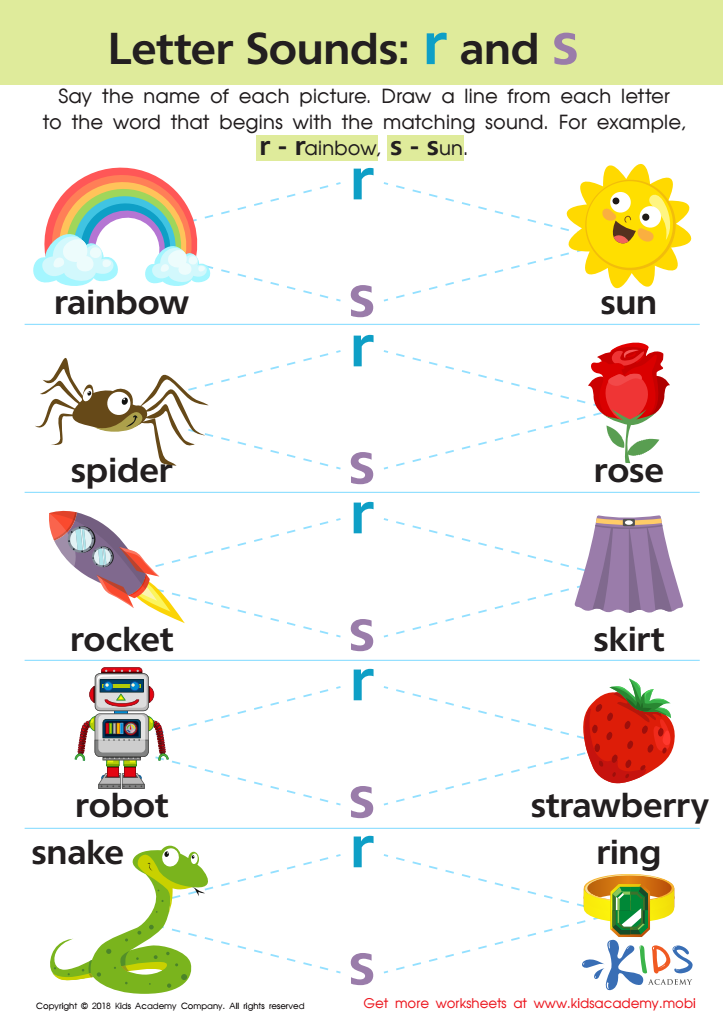
Letter R and S Sounds Worksheet
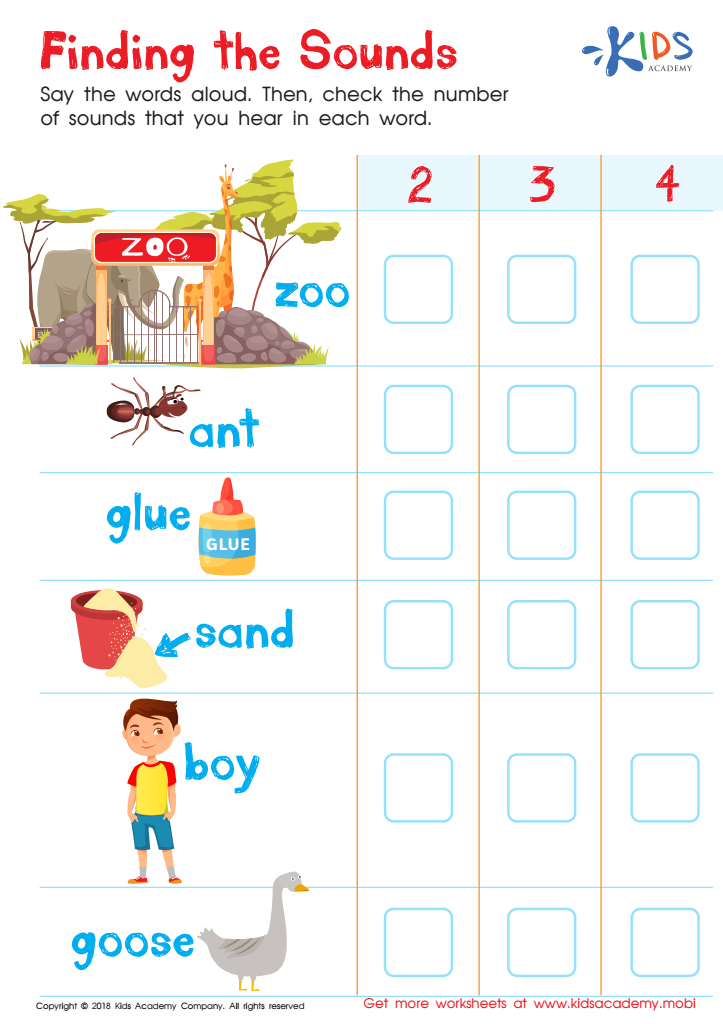
Finding the Sounds Worksheet
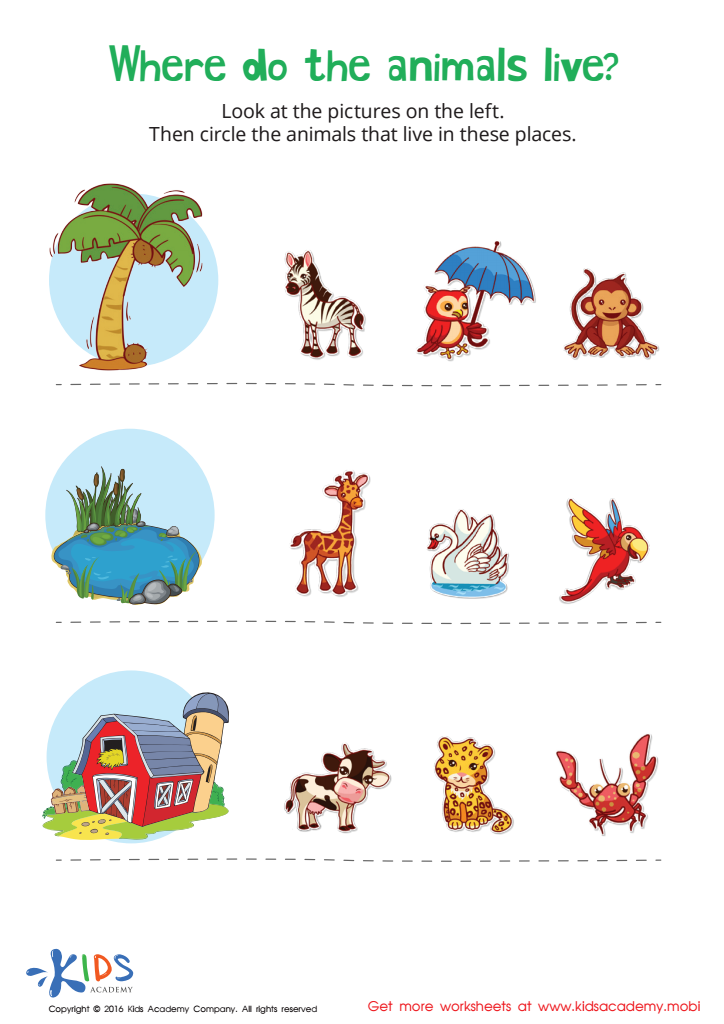
Where Animals Live Worksheet
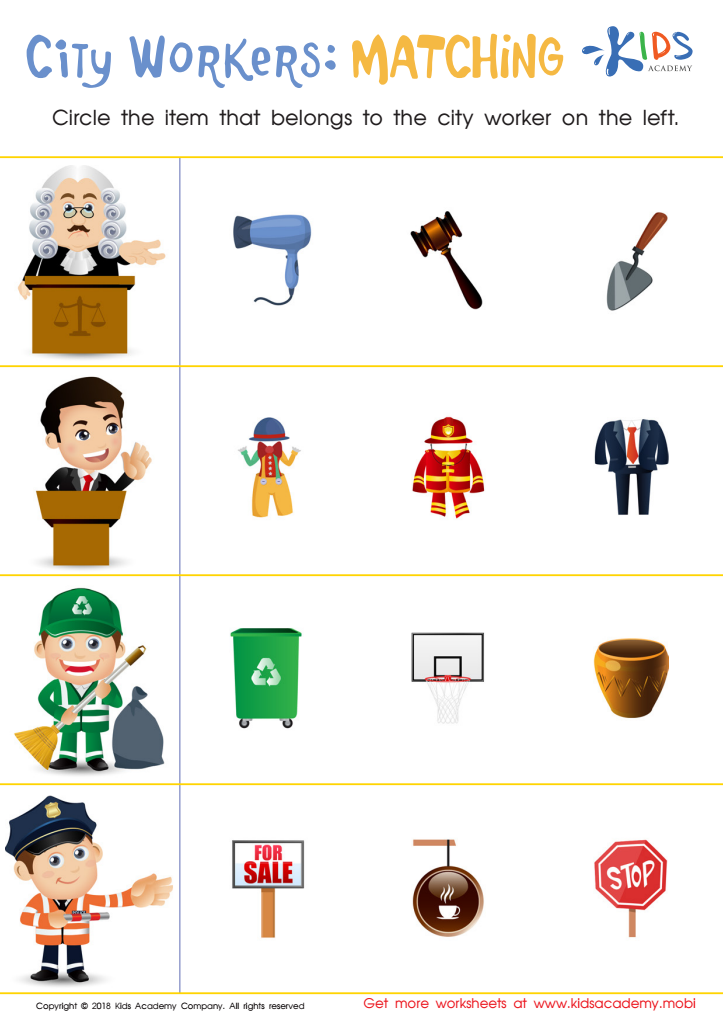
City Workers: Matching Worksheet
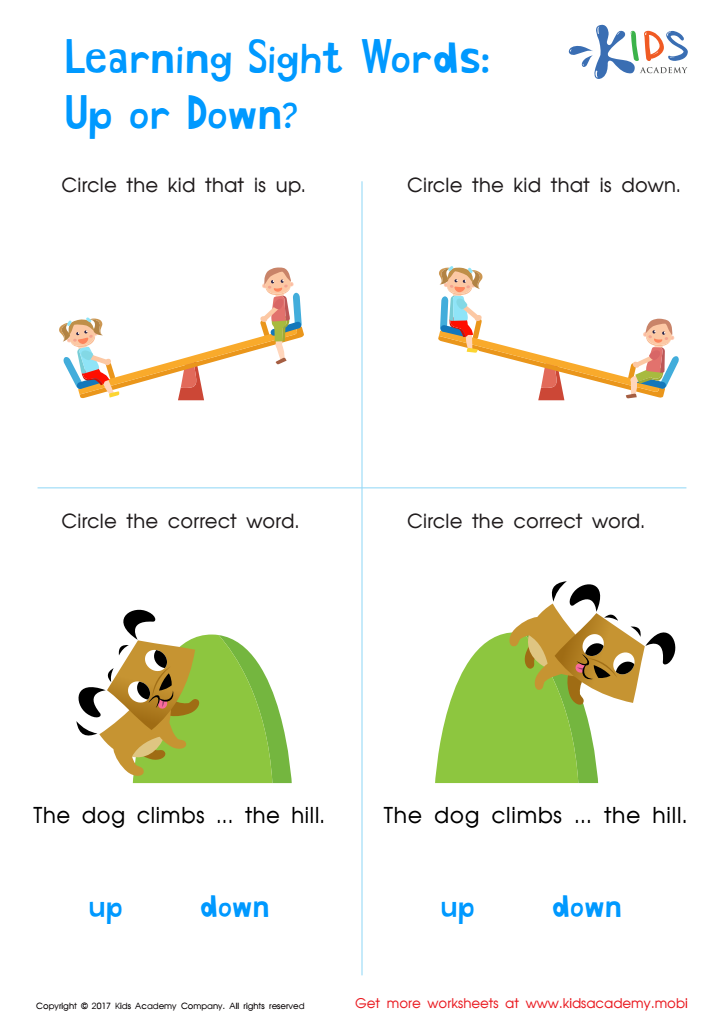
Up or Down Printable Sight Words Worksheet
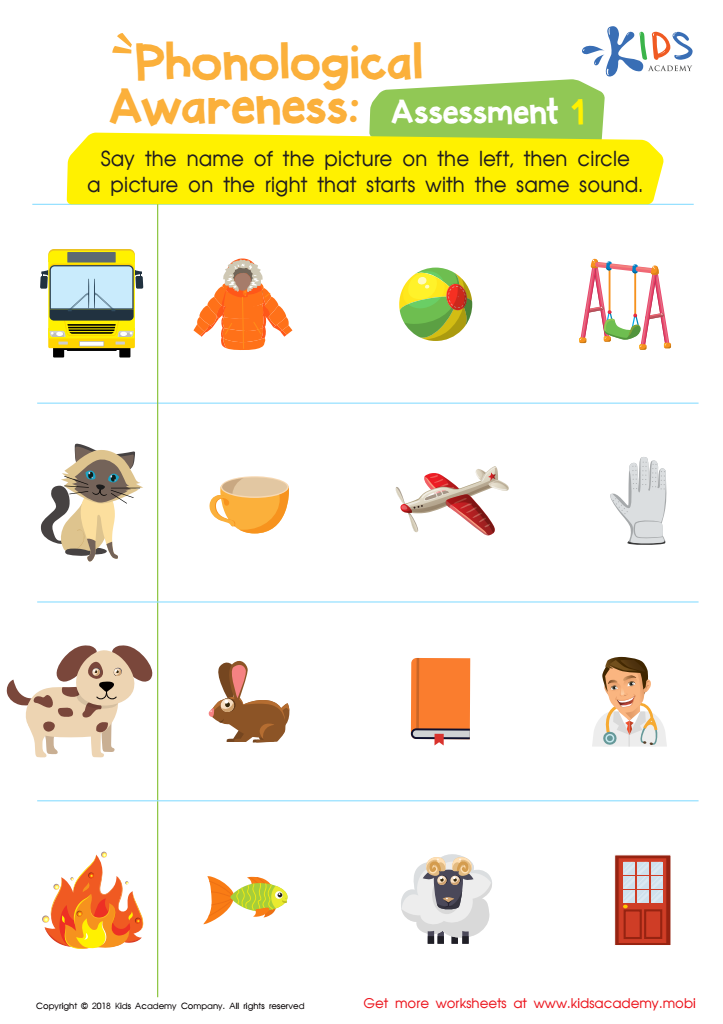
Phonological Awareness: Assessment 1 Worksheet
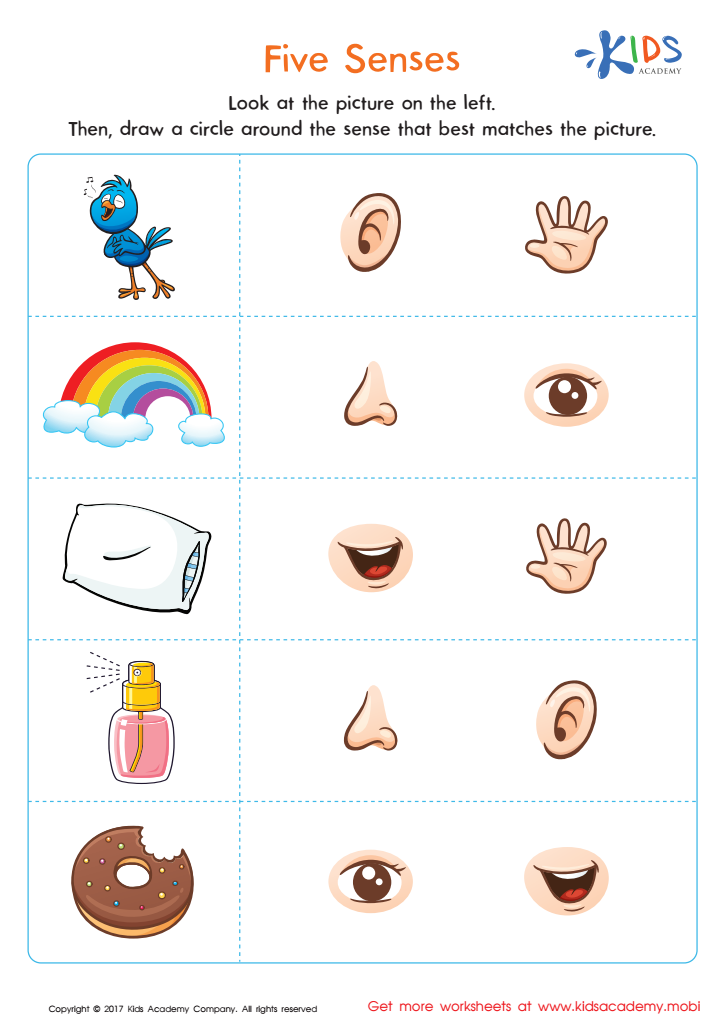
Five Senses Printable
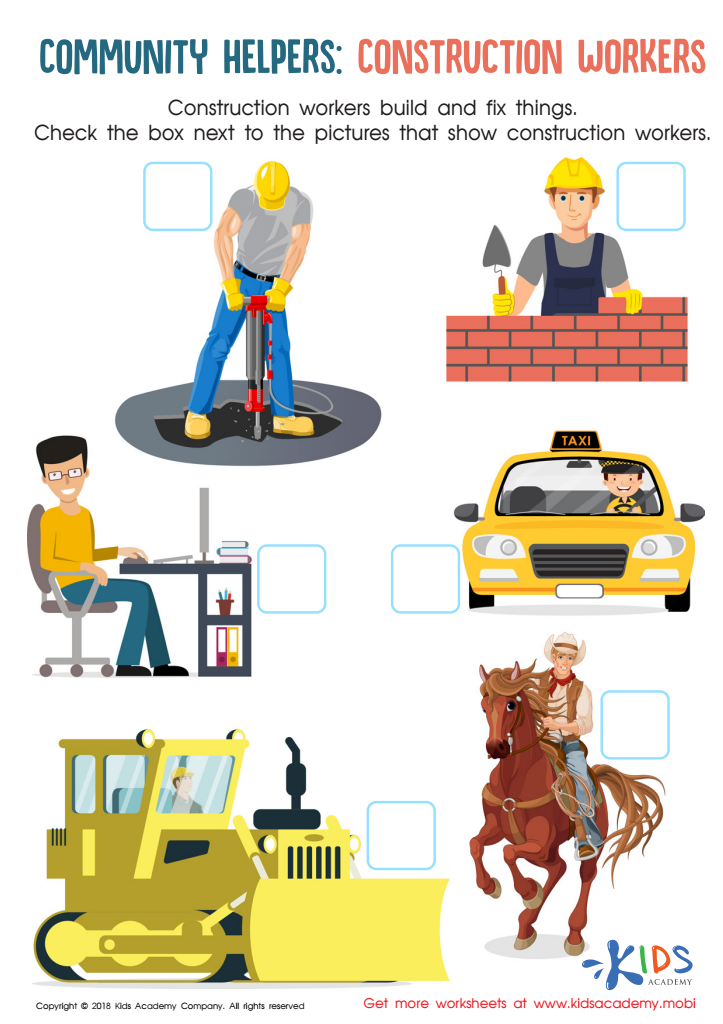
Construction Workers Community Helpers Worksheet
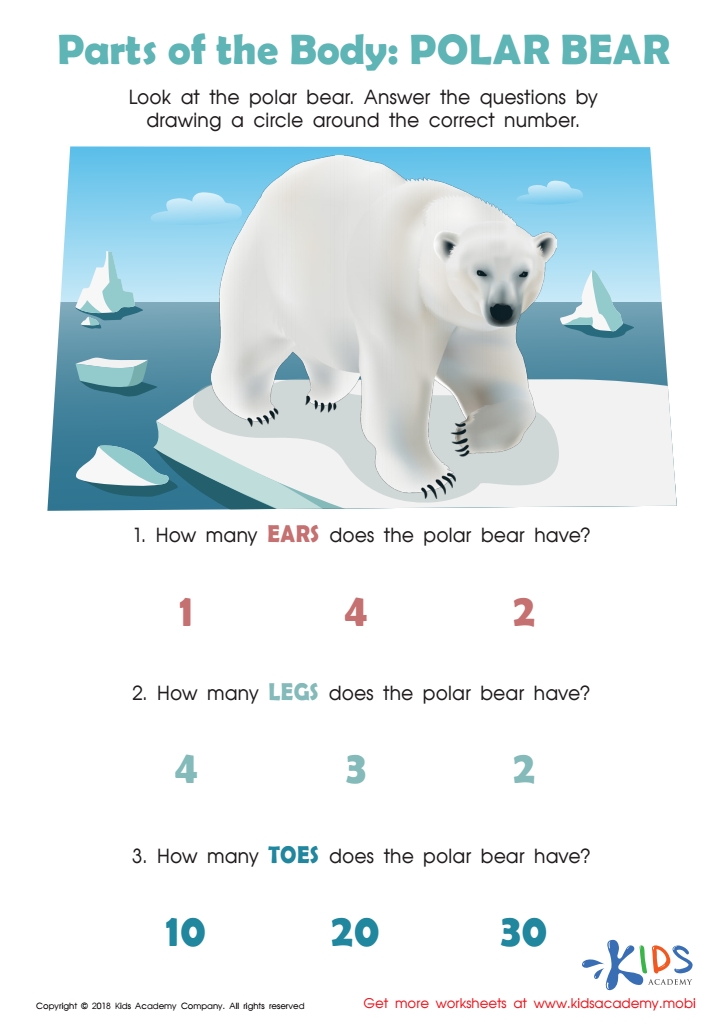
Parts of the Body: Polar Body Worksheet
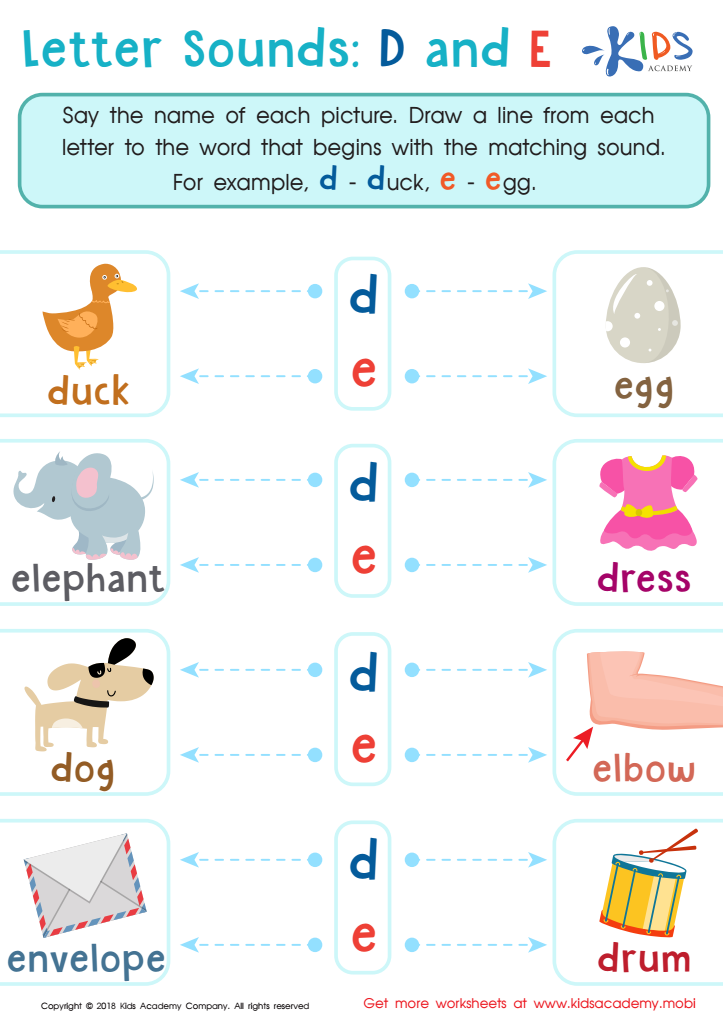
Letter D and E Sounds Worksheet








Vocabulary development is crucial for young children aged 3-6 as it lays the foundation for their future cognitive, academic, and social success. At this formative stage, children’s brains are incredibly receptive to learning new words, which not only helps them to communicate effectively but also aids in their overall understanding of the world around them. A rich vocabulary enhances reading comprehension skills; when children understand more words, they can comprehend texts better, leading to improved literacy outcomes in later schooling.
Moreover, a well-developed vocabulary is linked to higher academic performance across various subjects, including math, science, and social studies. This is because many concepts in these subjects rely on verbal explanations and a strong understanding of specific terminology. Socially, children with a better vocabulary can express their feelings, thoughts, and needs more clearly, improving their interactions with peers and adults, and fostering stronger relationships.
For parents and teachers, fostering vocabulary development doesn't just mean teaching new words, but also engaging children in conversations, reading to them regularly, and encouraging them to ask questions. Interactive and educational activities support word learning in a meaningful context. Such efforts significantly contribute to a child’s holistic development and set the stage for lifelong learning and success.








