Filters

11 filtered results

Clear all filters
Favorites
With answer key
Interactive

11 filtered results

Difficulty Level

Grade


Introducing our Cognitive Development Normal Numbers Worksheets for Ages 3-6, designed to enhance early mathematical skills through engaging activities. These worksheets provide children with an opportunity to learn and recognize numbers while developing their cognitive abilities. With a variety of fun exercises, children will practice number tracing, counting, and simple identifying tasks that lay the foundation for future learning. Tailored for young learners, our worksheets promote cognitive growth and critical thinking in an interactive way. Perfect for at-home learning or classroom use, these resources are a great way to ensure your child builds both confidence and competence in math.

Check out this FREE Trial Lesson on Numbers for age 3-6!

Farm Animals and Pets

Favorites
With answer key
Interactive
  • 3-6
  • Cognitive Development
  • Numbers
  • Normal
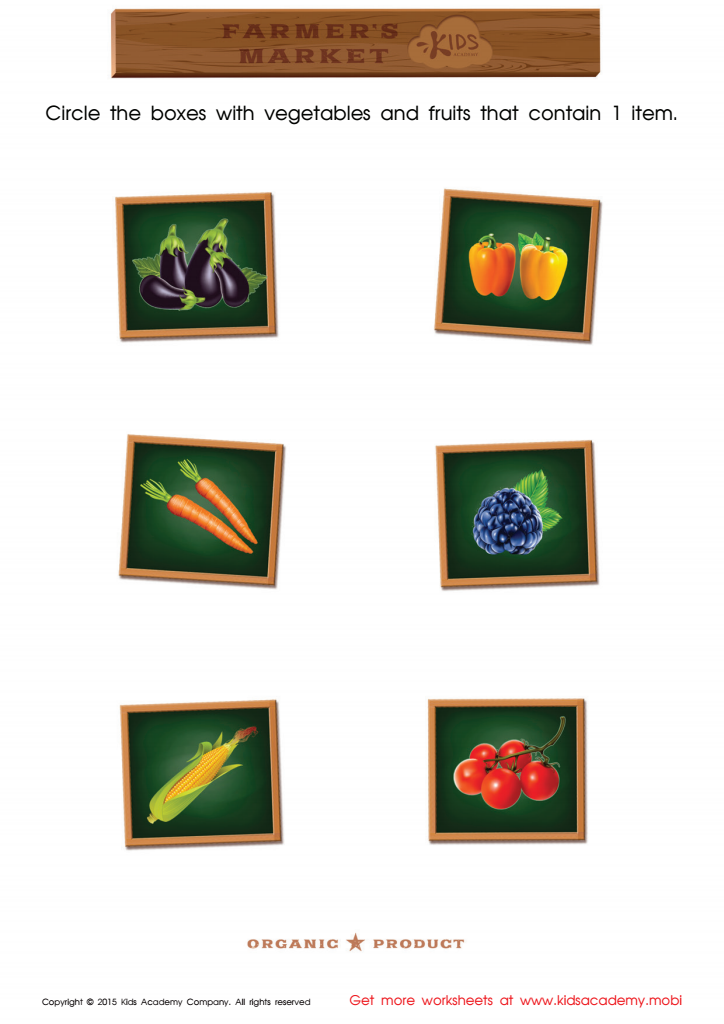
Math PDF Worksheets - Count and Match Boxes with Vegetables

Count and Match Boxes with Vegetables

Print one and help your kid sharp his counting skills. With a variety of veggies to count, such as raspberries and eggplants, your little mathematician will have lots of fun.
Count and Match Boxes with Vegetables
Worksheet
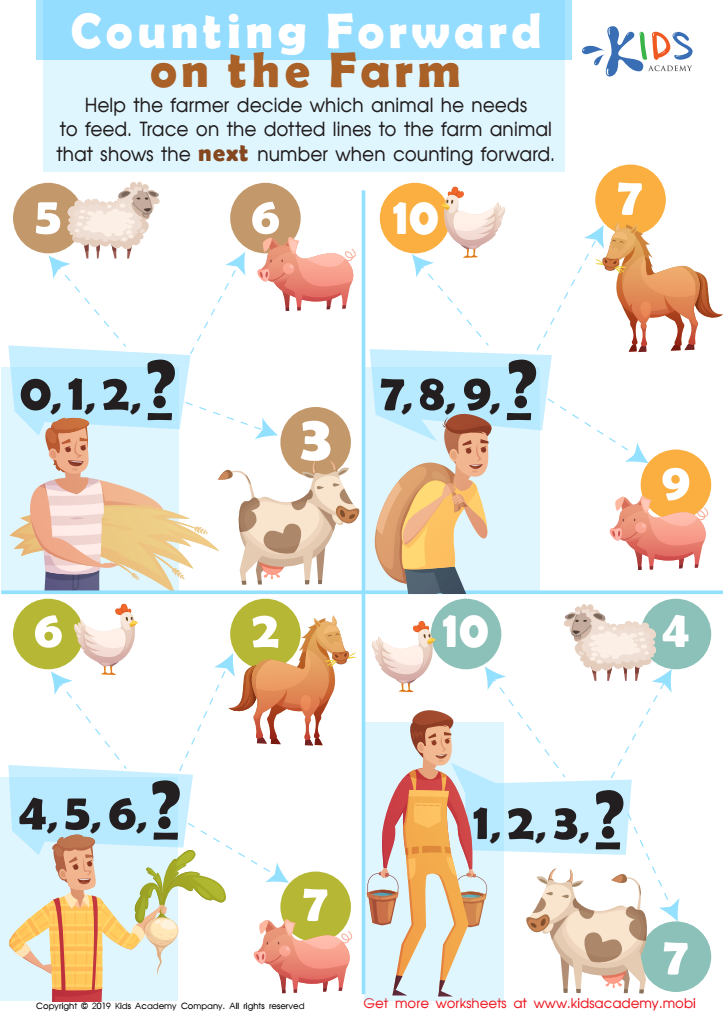
Counting Forward On the Farm Worksheet

Counting Forward On the Farm Worksheet

Help your child practice counting with this fun worksheet. Have them help a farmer feed the right animal by counting on from a starting point. This activity will help them build number line thinking and refine fine motor skills.
Counting Forward On the Farm Worksheet
Worksheet
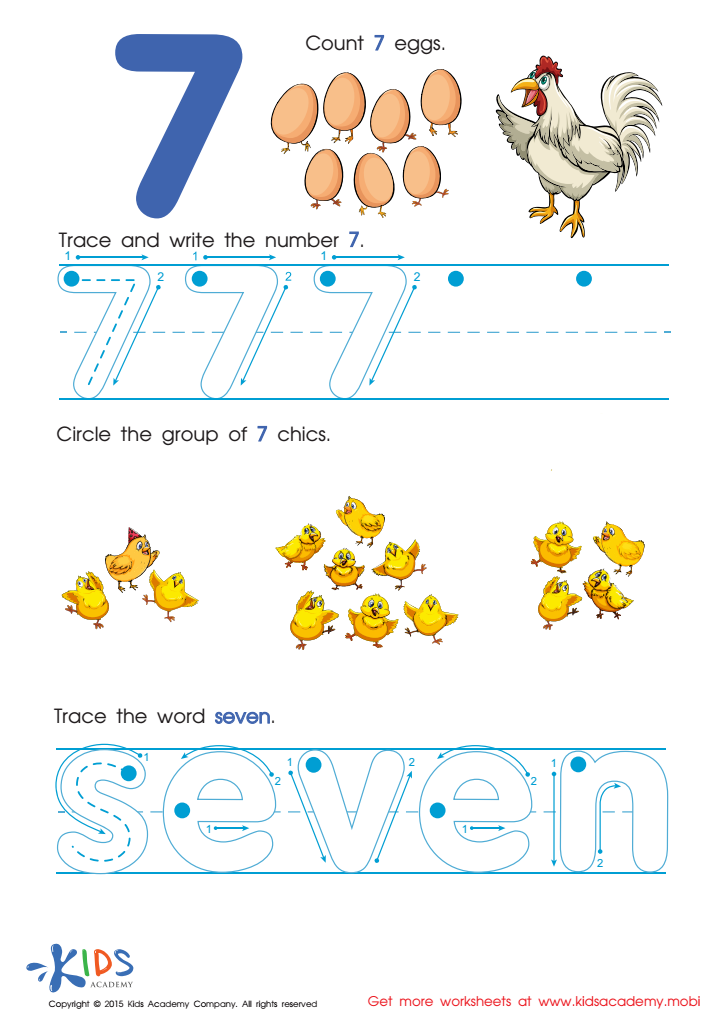
Learning Numbers Worksheets: Trace And Write Number 7 with Fun

Trace And Write Number 7 with Fun Worksheet
Try one with a cute hen and its seven eggs! Trace and write the number 7, circle the group of seven chicks, and trace the word "seven". Fun and educational!
Trace And Write Number 7 with Fun Worksheet
Worksheet
Matching: Classifying Toys by Size Worksheet

Matching: Classifying Toys by Size Worksheet

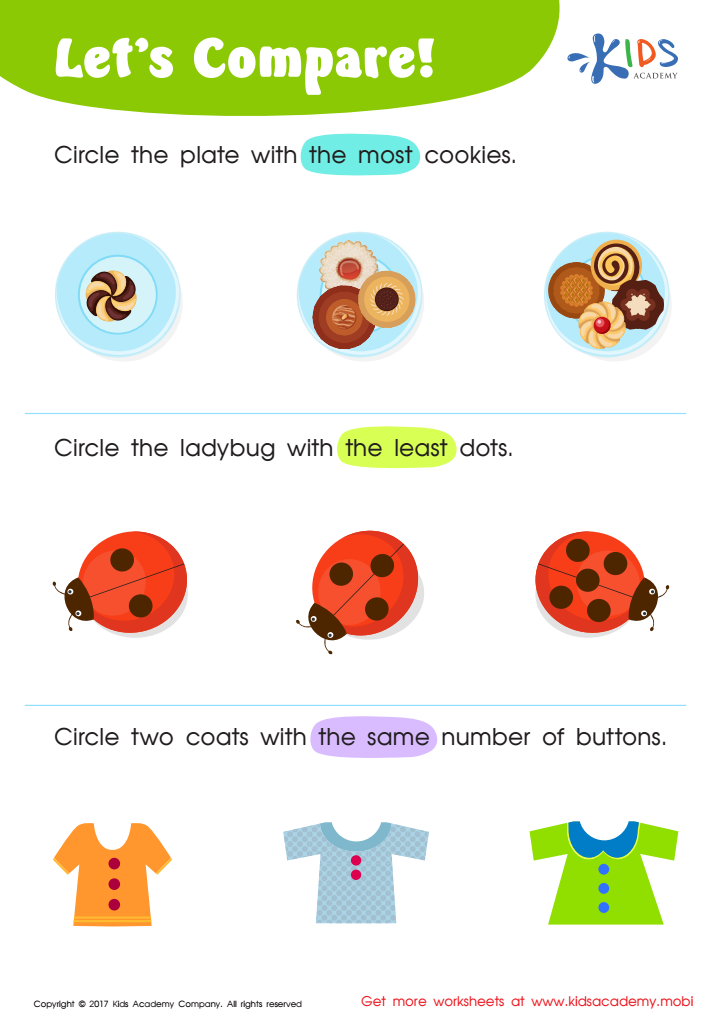
. Have your young one's observation and counting skills ready for this worksheet; carefully look through the images and count the objects, then circle the plates with the least, most or equal number of patterns. Pay attention and have good counting abilities to make this task easy.
Matching: Classifying Toys by Size Worksheet
Worksheet
Count and Pair on the Farm Worksheet

Count and Pair on the Farm Worksheet

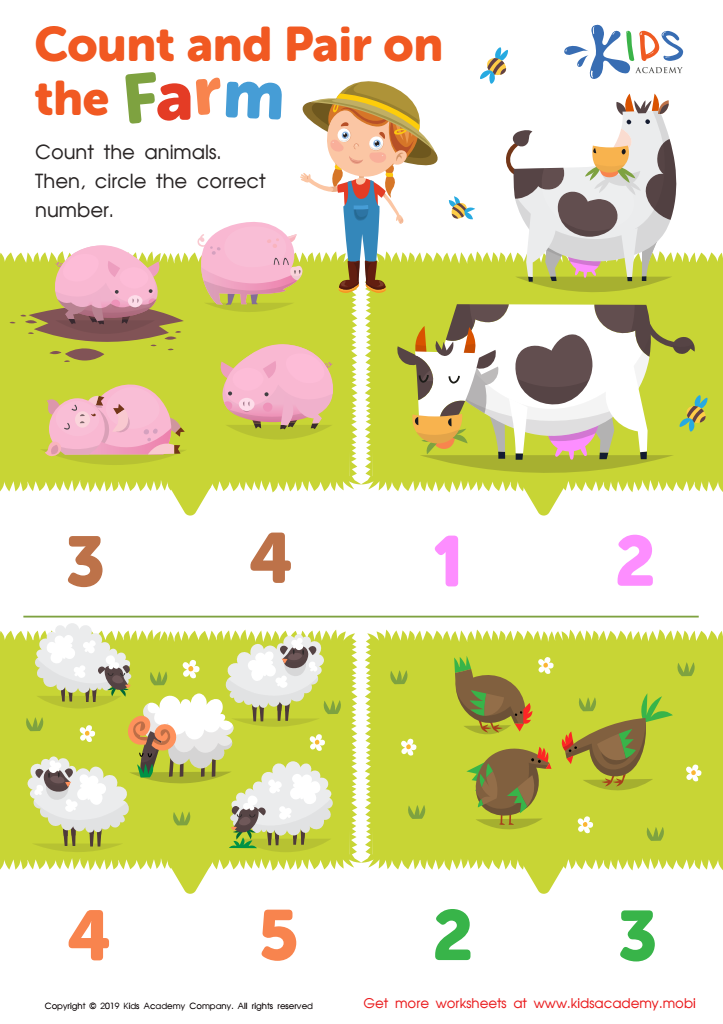
Farms are essential to our society: they grow food and crops, and raise animals for us to use. Kids can have a great time at a farm, engaging in activities like identifying animals, counting them, and circling the correct number. On this worksheet, ask your kids to try all three!
Count and Pair on the Farm Worksheet
Worksheet
Adding With Longs and Cubes Worksheet

Adding With Longs and Cubes Worksheet

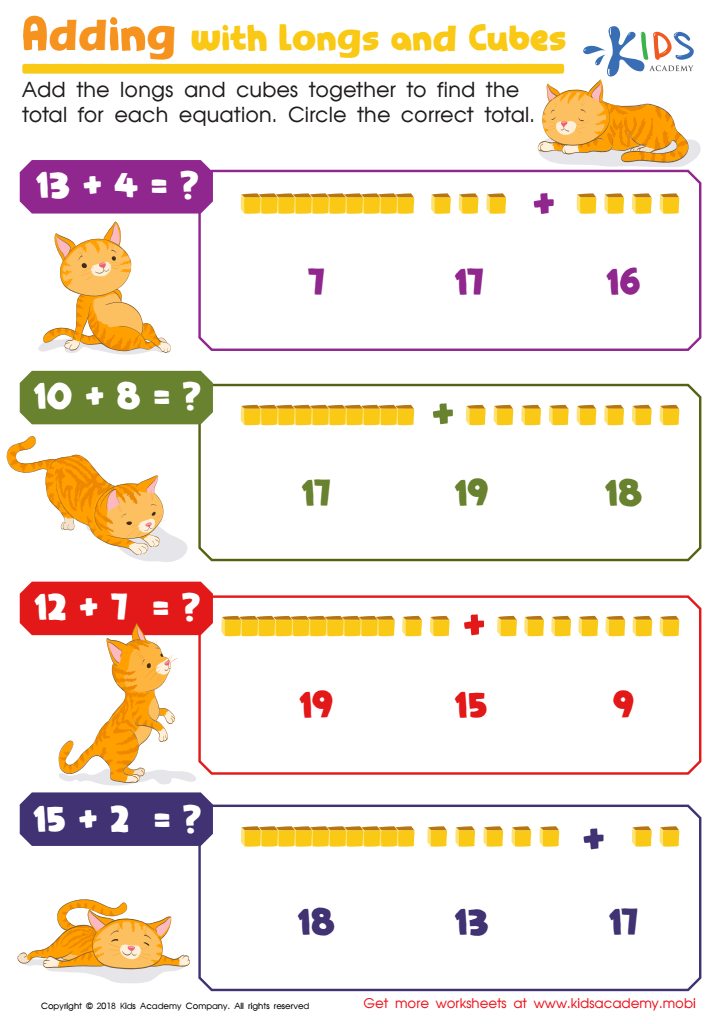
Math might not be your child's favorite, but they must master it to advance. If they're having difficulties or don't like it, use this worksheet to make it easier. Have them add longs and cubes together to find the total for each question, then circle the correct answer. This exercise can help make math experiences better.
Adding With Longs and Cubes Worksheet
Worksheet
Match and Solve: Butterfly Problem Worksheet

Match and Solve: Butterfly Problem Worksheet

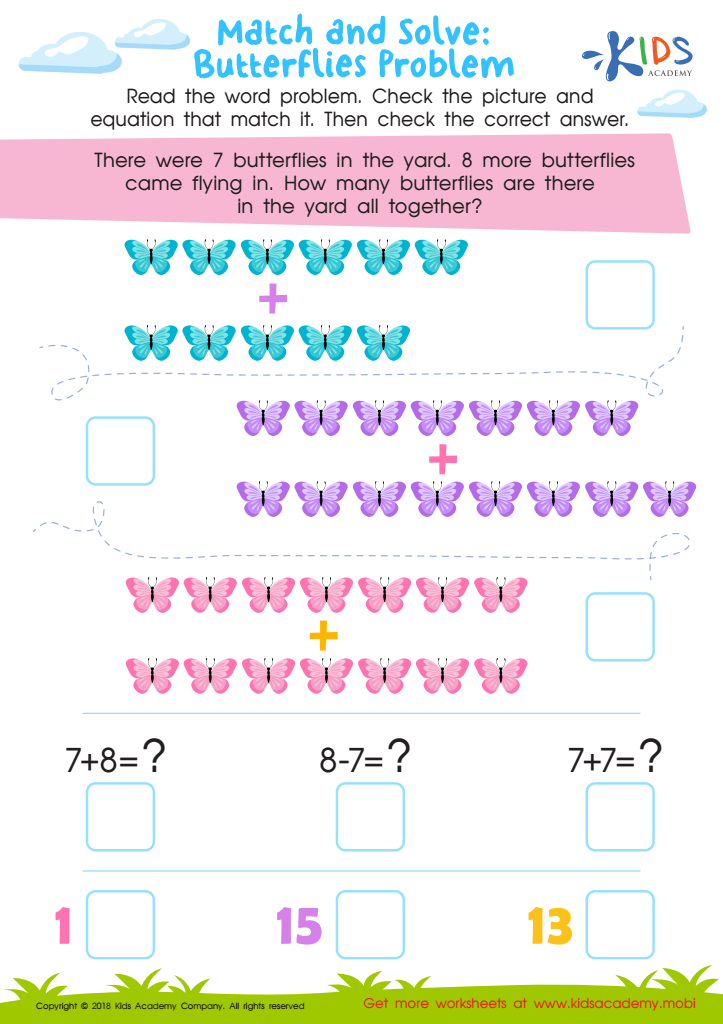
Kids should practice math problems in different ways. This fun worksheet uses butterflies to represent numbers in word problems. Help your child read the problem and count the butterflies to find the correct illustration. Then, pick the equation with the correct answer and find the solution. Tick the box to complete! (80 words)
Match and Solve: Butterfly Problem Worksheet
Worksheet
Free Math Worksheets for Kids

Classifying Toys by Type and Color Sorting Worksheet
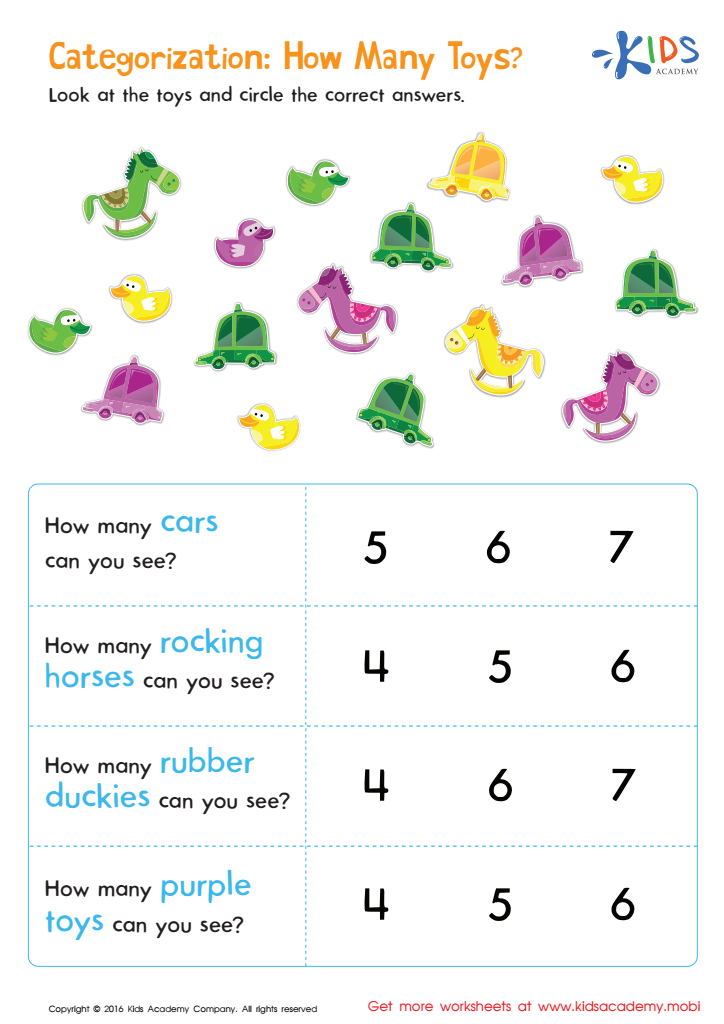
Kids Academy offers free math worksheets to help practice counting, categorization & recognition skills. Kids will enjoy counting by color & type while strengthening problem-solving & literacy skills.
Classifying Toys by Type and Color Sorting Worksheet
Worksheet
Learning Numbers Worksheets: Learn Number 8 Easily

Learn Number 8 Easily Worksheet

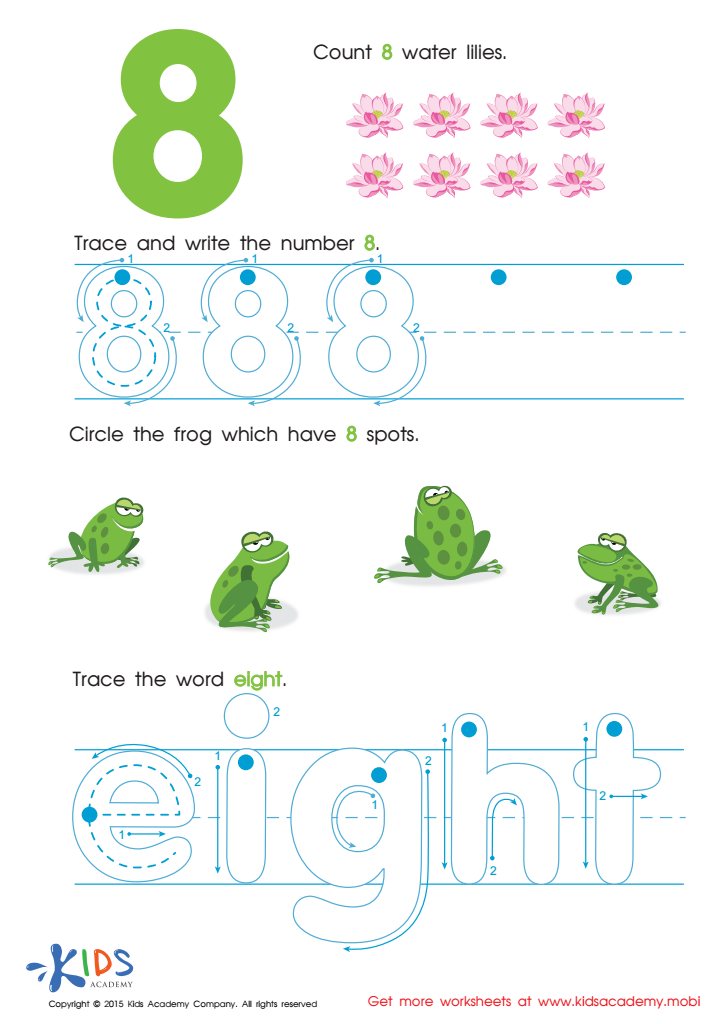
Kids can trace, write numbers and learn to pronounce them through exciting activities and games. Try our number worksheets for preschoolers to make learning fun!
Learn Number 8 Easily Worksheet
Worksheet
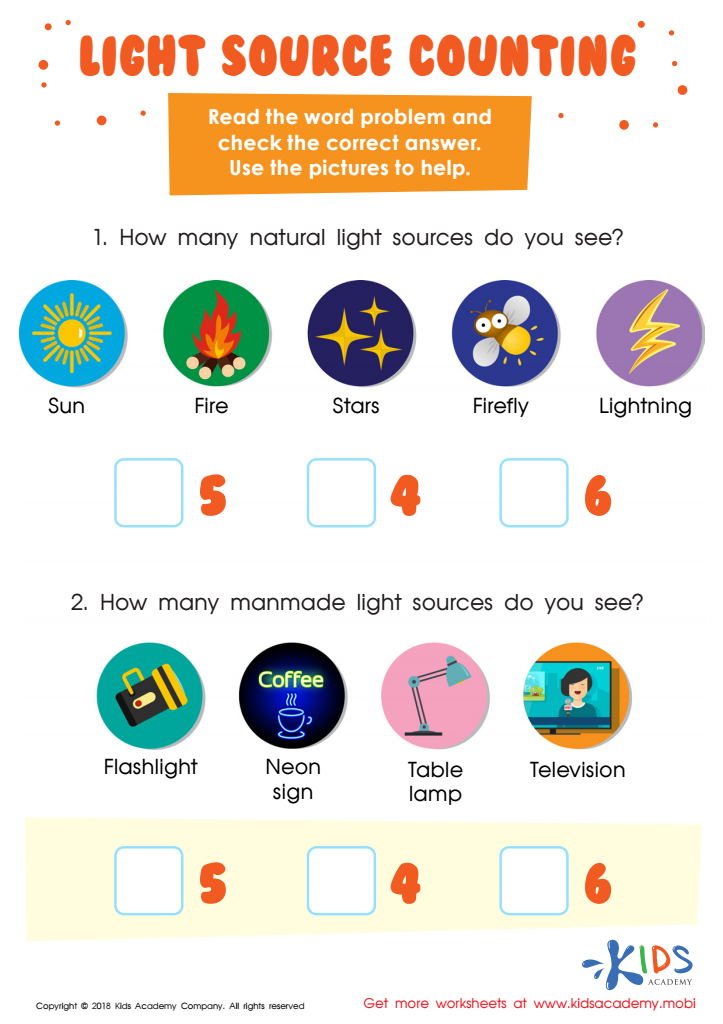
Light Source Counting Worksheet

Light Source Counting Worksheet

Help your students properly understand and interpret word problems with this worksheet. Read each problem aloud and have them check the correct answers. Pictures are included to aid in problem-solving. If they're still struggling, be sure to provide guidance and support.
Light Source Counting Worksheet
Worksheet
Learning Numbers Worksheets: Learn to Write the Number 2 PDF

Learn to Write the Number 2 Worksheet

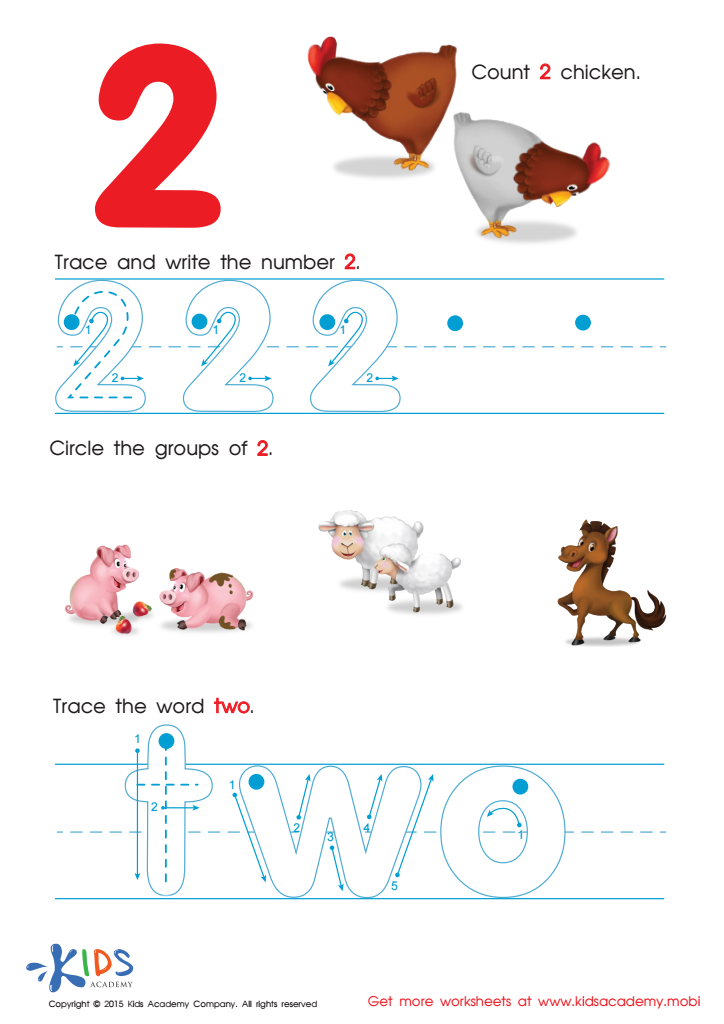
Teaching numbers should be fun! Ask your kids to count the two chicks, circle the groups of two among the animals, then trace and write the number and word. Get more fun worksheets from Kids Academy.
Learn to Write the Number 2 Worksheet

Worksheet


Parents and teachers play a crucial role in the cognitive development of children aged 3-6, particularly concerning their understanding of normal numbers. Cognitive development during these formative years is foundational for later learning and problem-solving abilities. By understanding the typical milestones of number recognition, counting, and basic arithmetic concepts, adults can support children more effectively.

For instance, children in this age range typically develop the ability to count up to 20, recognize numbers up to 10, and begin to understand simple addition and subtraction. When parents and teachers are aware of these milestones, they can create a stimulating environment with appropriate activities that nurture these skills, such as counting objects during playtime, engaging in number songs, and using visual aids.

Moreover, caregivers can identify when a child may be falling behind or excelling, allowing for early intervention or enrichment opportunities. Pay attention to a child’s number-related preferences and challenges fosters a supportive atmosphere conducive to growth. By reinforcing positive attitudes towards math and numbers, caregivers can help build a strong mathematical foundation that benefits children well beyond these critical years, ultimately promoting a lifelong love of learning.