Filters

7 filtered results

Clear all filters
Favorites
With answer key
Interactive

7 filtered results

Difficulty Level

Grade


Unlock your child's potential with our Color Recognition Normal Math Worksheets designed for ages 3-6! These engaging worksheets provide a fun and interactive way for young learners to identify, match, and categorize colors while developing essential math skills. Aligned with early childhood education standards, our resources foster creativity and cognitive growth through colorful activities. Children will not only enhance their color recognition abilities but also strengthen their problem-solving skills as they explore numbers and patterns. Ideal for classroom use or at-home learning, these worksheets ensure an enjoyable learning experience that builds a solid foundation for future academic success. Start the colorful journey today!

Check out this FREE Trial Lesson on Math for age 3-6!

Find 2 Objects that Share a Trait

Favorites
With answer key
Interactive
  • 3-6
  • Color recognition
  • Math
  • Normal
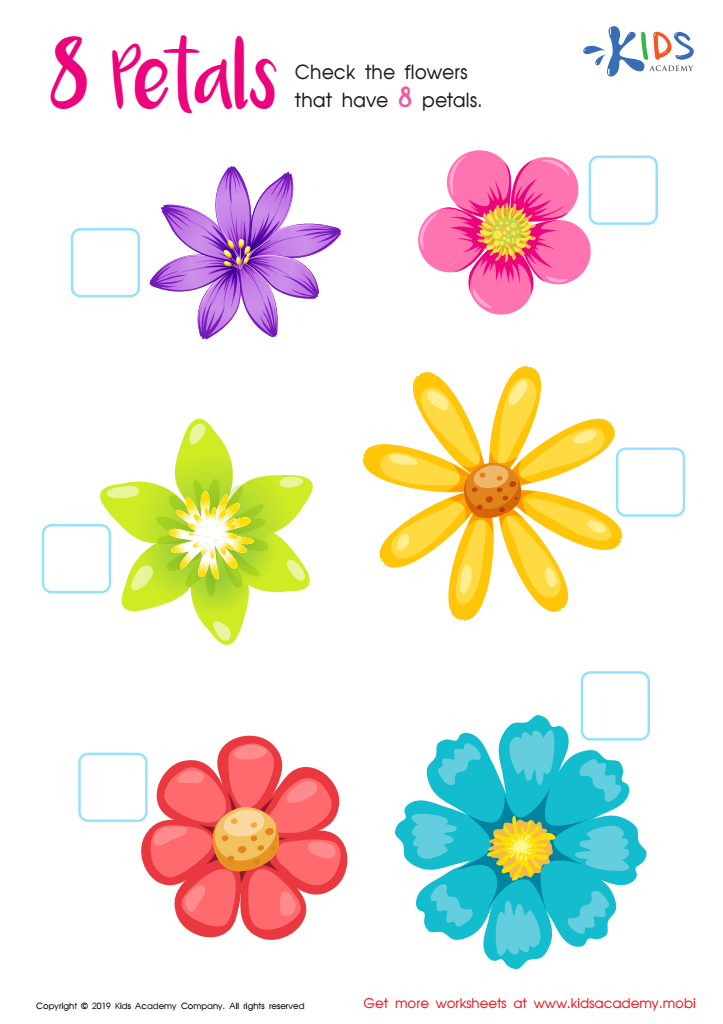
8 Petals Worksheet
8 Petals Worksheet

8 Petals Worksheet

Help your children master counting with this fun worksheet. It's filled with colorful flowers and they must count the petals and check the flowers with 8 petals. It's a great way to practice their counting skills and have some fun too!
8 Petals Worksheet
Worksheet
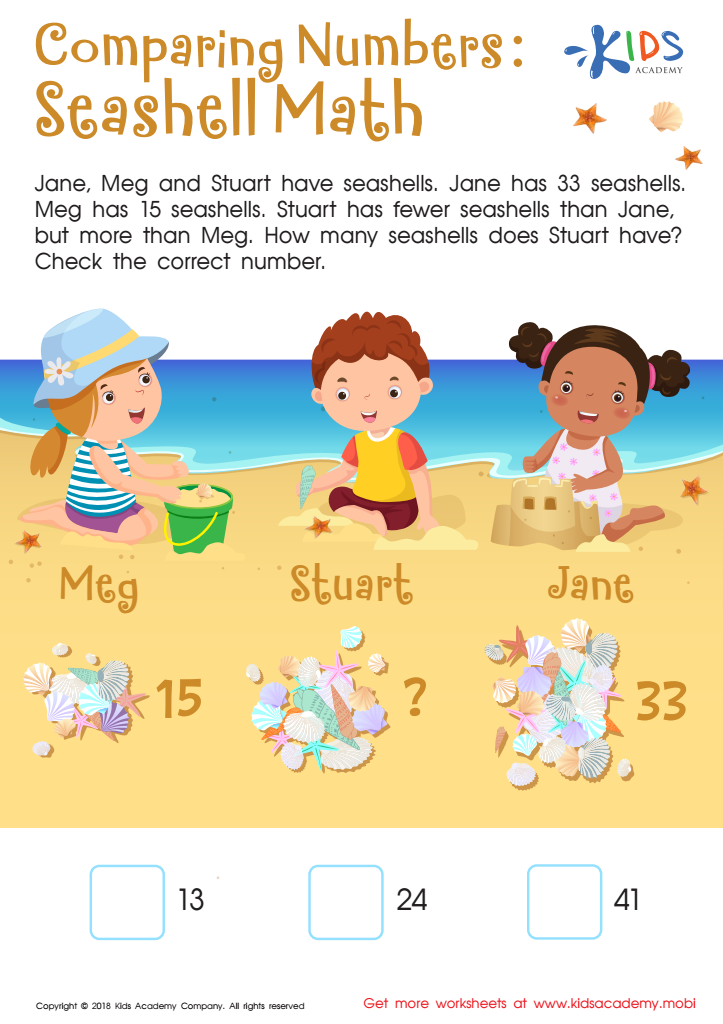
Seashell Collectors Worksheet

Seashell Collectors Worksheet

Bring beach fun into math with this printable worksheet! Carefully read the text with your child and figure out how many seashells Stuart has - more than Meg's, less than Jane's. Forget boring indoor math; your child won't want to miss out on this fun activity!
Seashell Collectors Worksheet
Worksheet
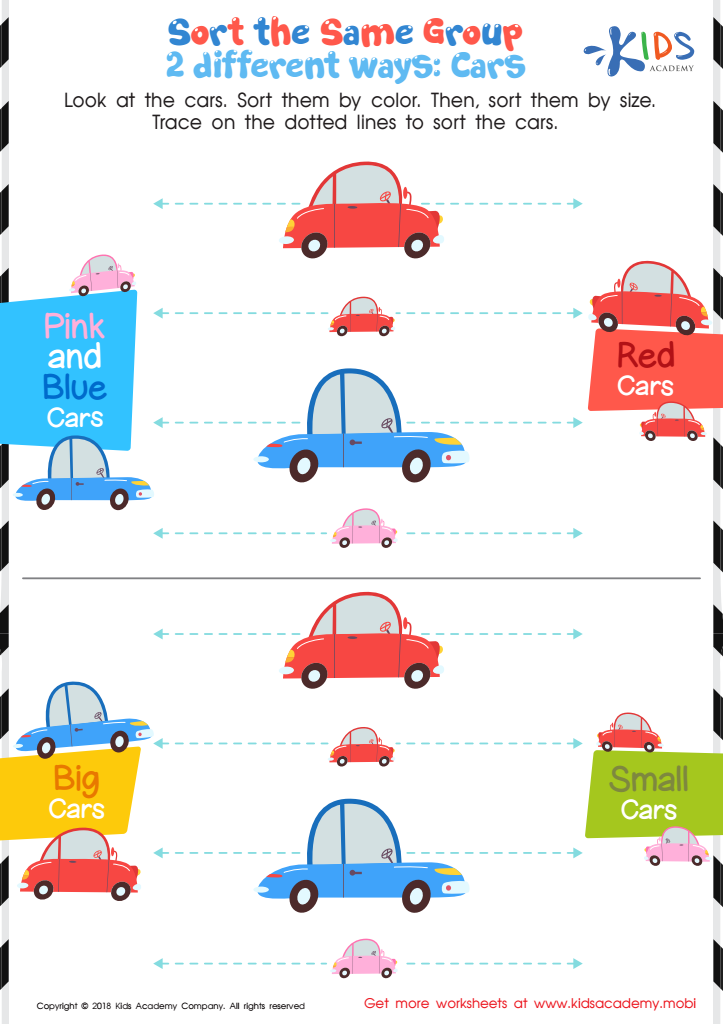
Sort the Same Group 2 Different Ways: Cars Worksheet
Sort the Same Group 2 Different Ways: Cars Worksheet

Look at the pictures with your child. Can they identify the objects? Ask them to sort the cars first by color and then size. Assist them to trace the dotted lines to sort the cars by color and size. This worksheet lets you easily assess your child's color and size organization skills.
Sort the Same Group 2 Different Ways: Cars Worksheet
Worksheet
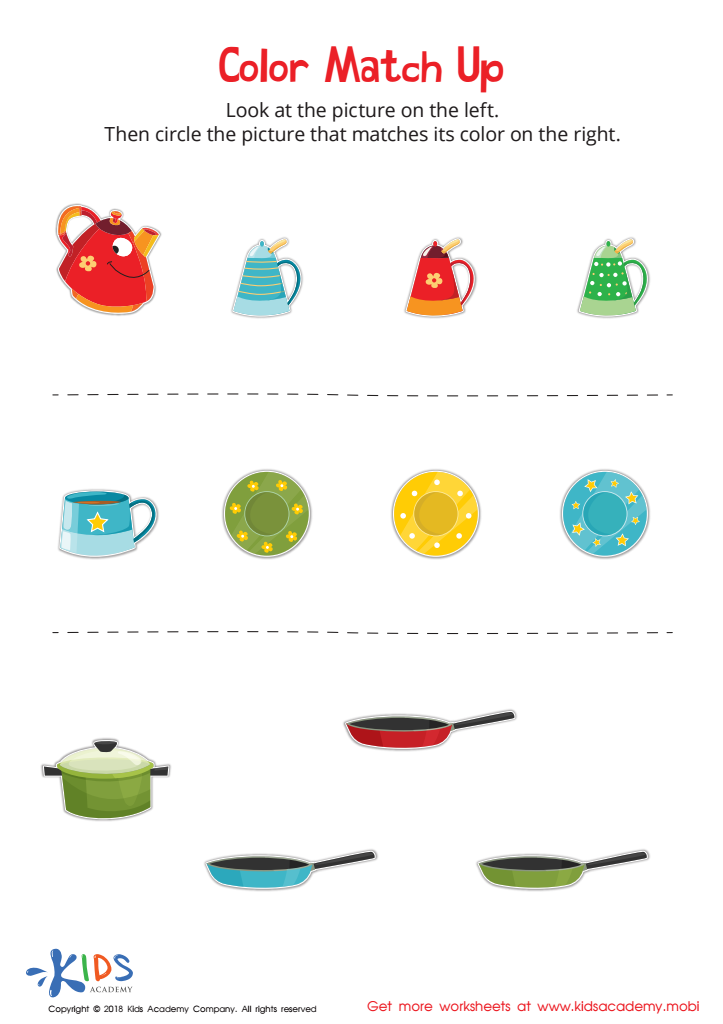
Free Preschool Color Matching Worksheet

Color Match Up Worksheet

Color Match Up Worksheet
Worksheet
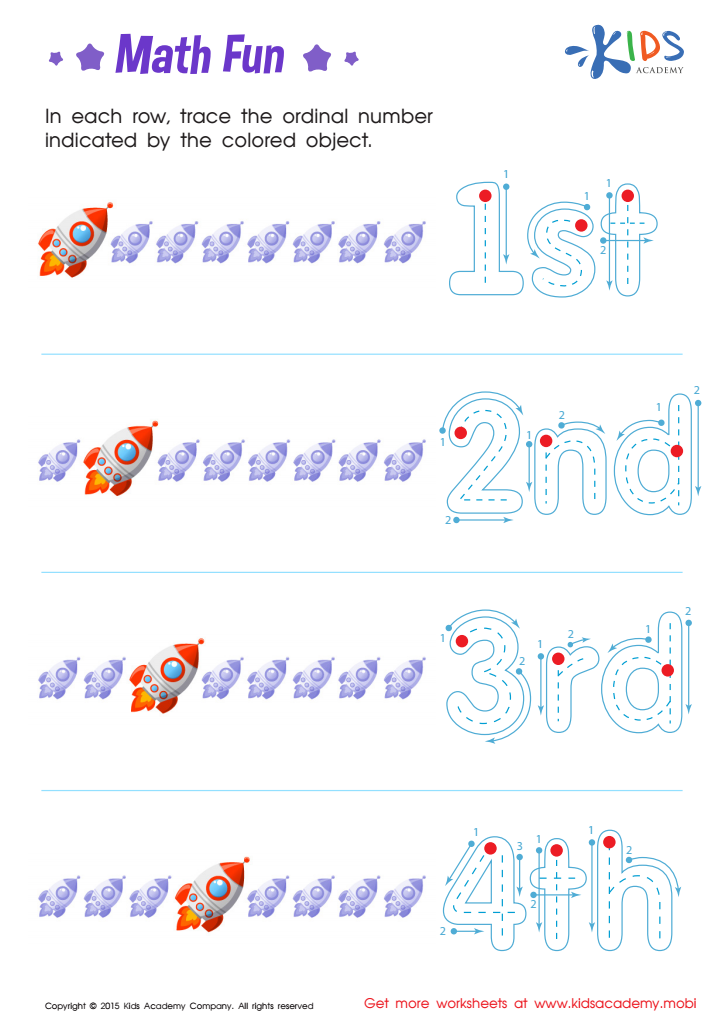
Ordinal Numbers Worksheet for Kids

Ordinal Numbers: Math Fun Worksheet

Have fun learning ordinal numbers with our spaceship worksheet! Kids learn best while having fun and with repetition. Featuring vibrant spaceships, your child will understand placement, recognize and write ordinal numbers, and make connections. Understanding ordinal numbers leads to more advanced math concepts. Get your math whiz ready for preschool with our addition/subtraction worksheets! Have fun learning ordinal numbers and master them in no time!
Ordinal Numbers: Math Fun Worksheet
Worksheet
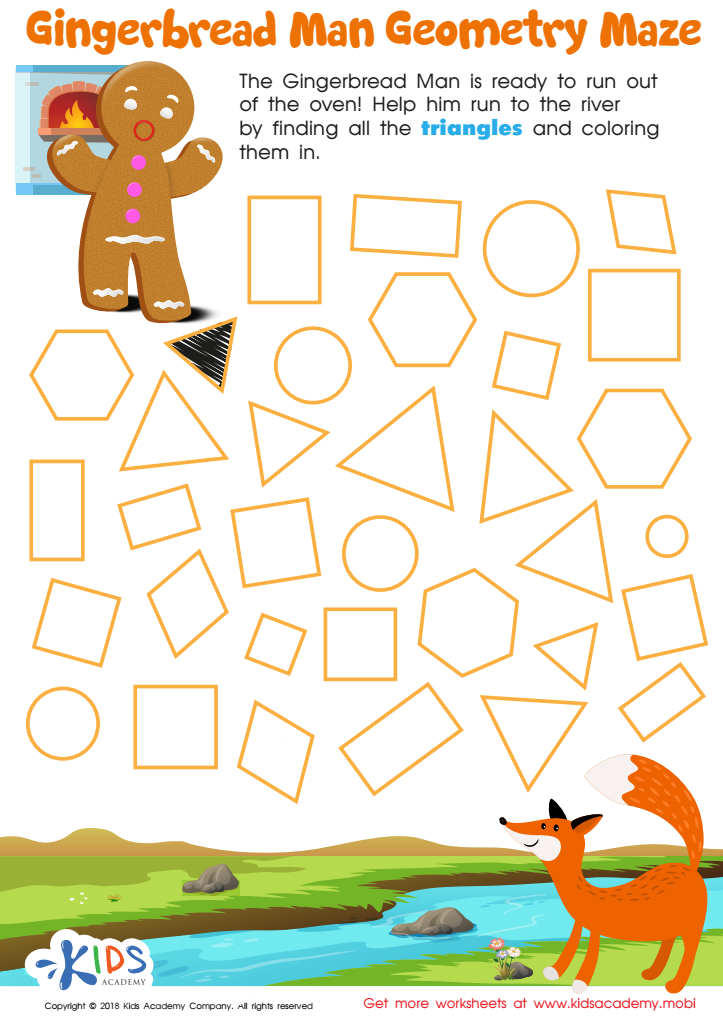
Gingerbread Man Geometry Maze Worksheet

Gingerbread Man Geometry Maze Worksheet

Help a beloved character escape the oven! Kids race through a sea of geometrical shapes, searching for triangles of various sizes. With this free worksheet, they can have fun while learning about similarity of geometrical shapes concepts. Run, run, run as fast as they can!
Gingerbread Man Geometry Maze Worksheet
Worksheet
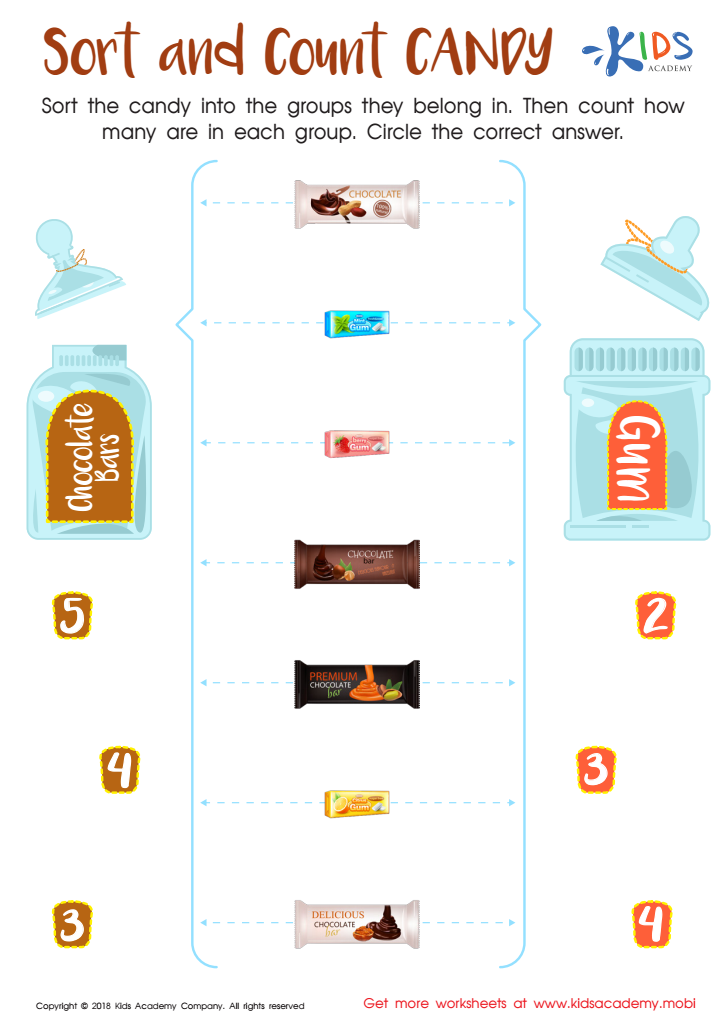
Sort and Count Candy Worksheet


Sort and Count Candy Worksheet

Sort chocolate and candy with your kids! Help them use recognizable items and pictures to sort, practice counting with one-to-one representation, and develop their fine motor skills with the traceable lines. Download this free worksheet to get started. Yum!
Sort and Count Candy Worksheet

Worksheet


Color recognition and basic math skills are foundational aspects of early childhood education that significantly impact a child's development. For children ages 3-6, understanding colors helps enhance their cognitive skills, as it encourages observation, categorization, and language development. When children identify colors, they engage in vital brain processes that pave the way for more complex concepts later.

In terms of learning basic math, these young learners begin to grasp patterns, shapes, and counting. Engaging in activities related to math—such as sorting colorful objects or counting different colored blocks—promotes critical thinking and problem-solving abilities. Incorporating math through play not only makes learning enjoyable but also provides essential skills they'll use throughout their education.

Parents and teachers should care deeply about these early learning foundations because they help build confidence and a love for learning. The playful engagement with colors and numbers fosters an environment where children can thrive academically and socially. Recognizing that these foundational skills are stepping stones to future academic success, adults must prioritize color recognition and normal math in early childhood education to set children on a path to lifelong learning and curiosity.