Reading comprehension Normal Social Studies Worksheets for Ages 3-6 - Page 2
34 filtered results
-
From - To
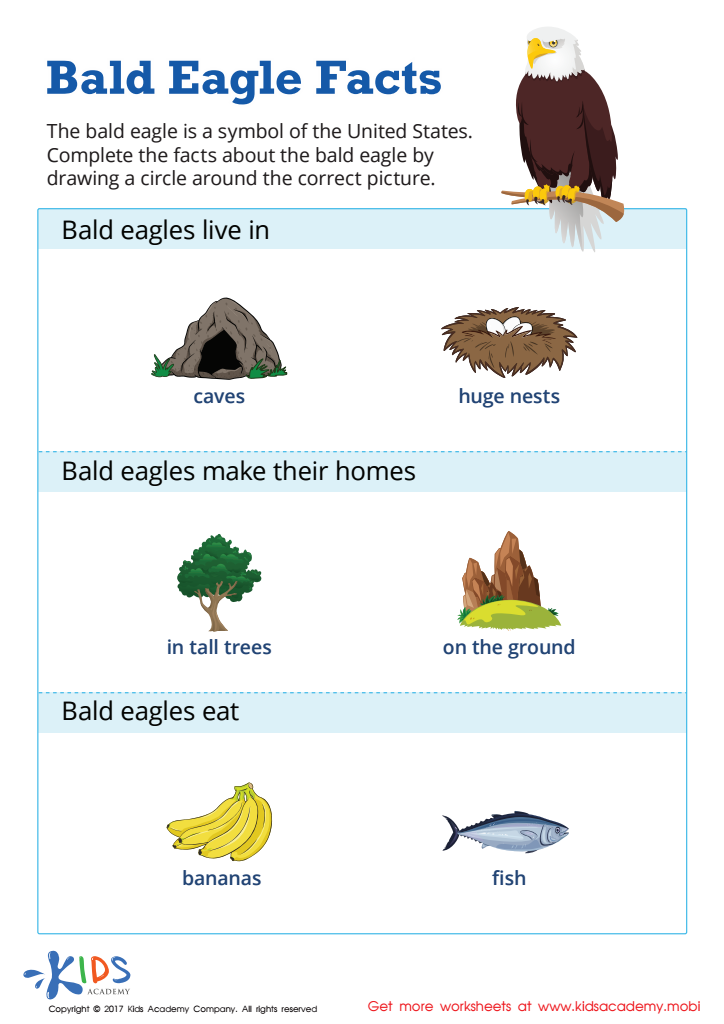
Bald Eagle Facts Worksheet
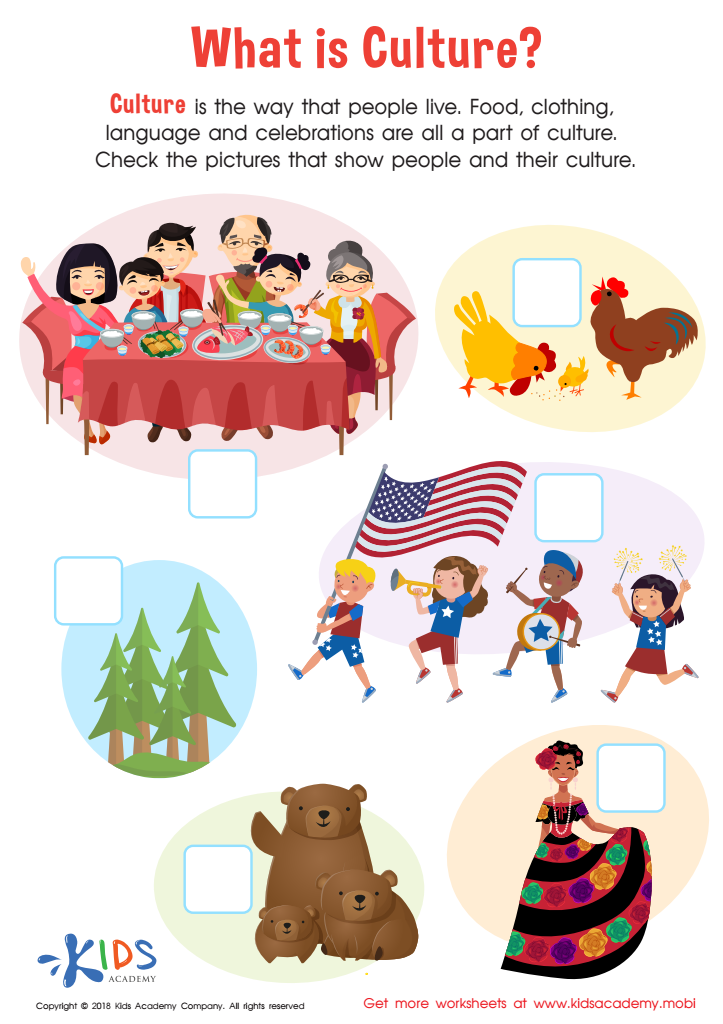
What Is Culture? Worksheet
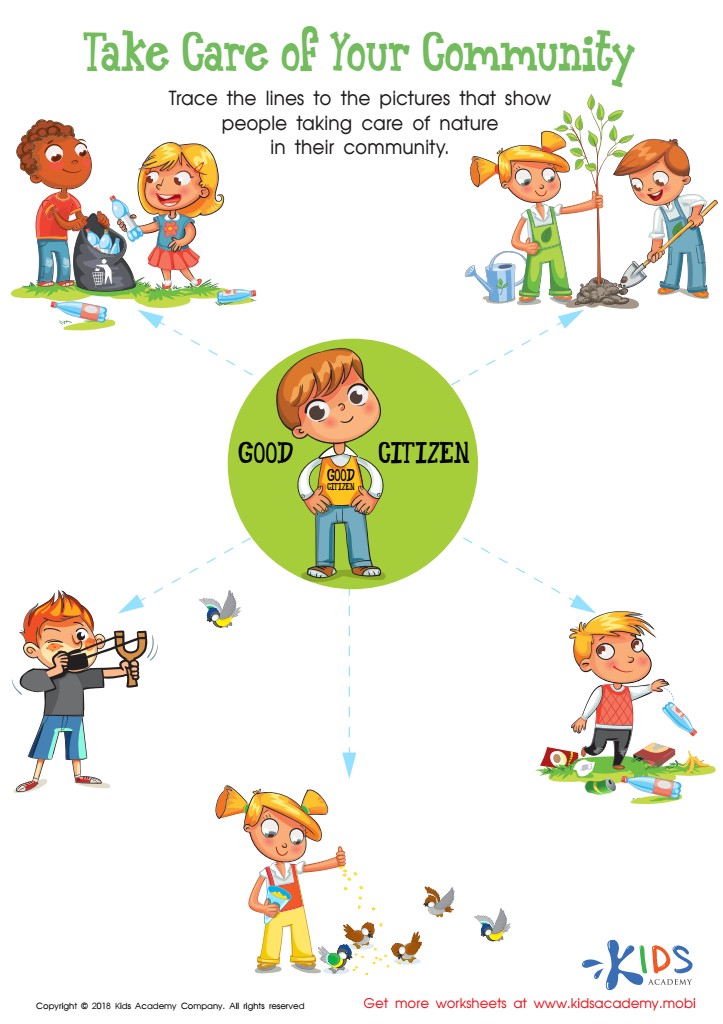
Take Care of your Community Worksheet
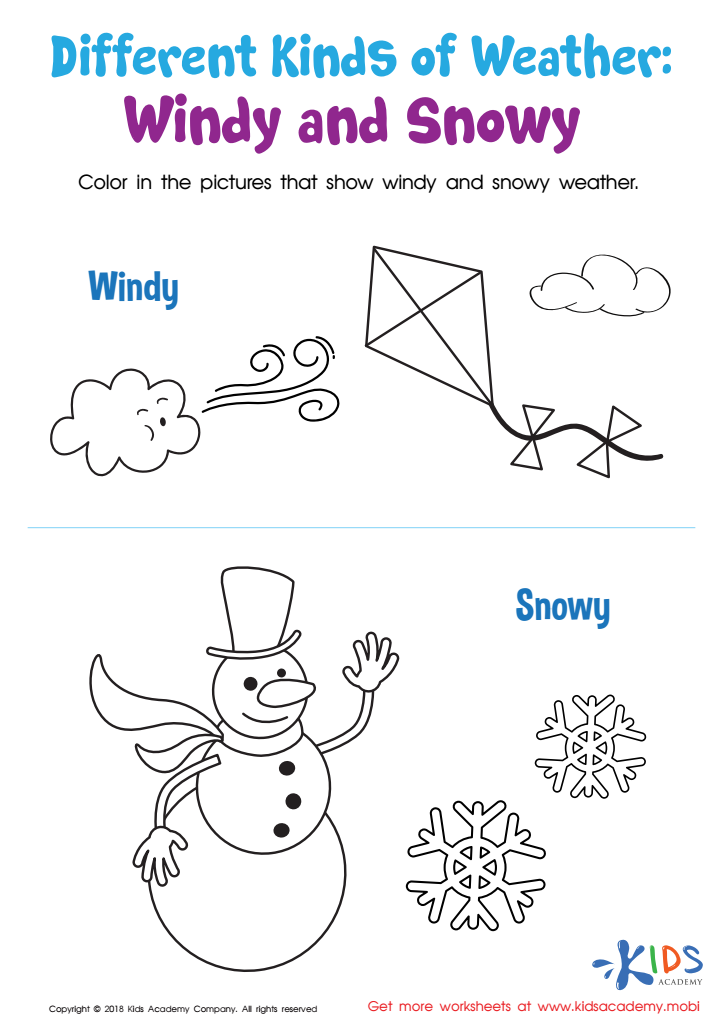
Different Kinds of Weather: Windy and Snowy Worksheet
 Assign to My Students
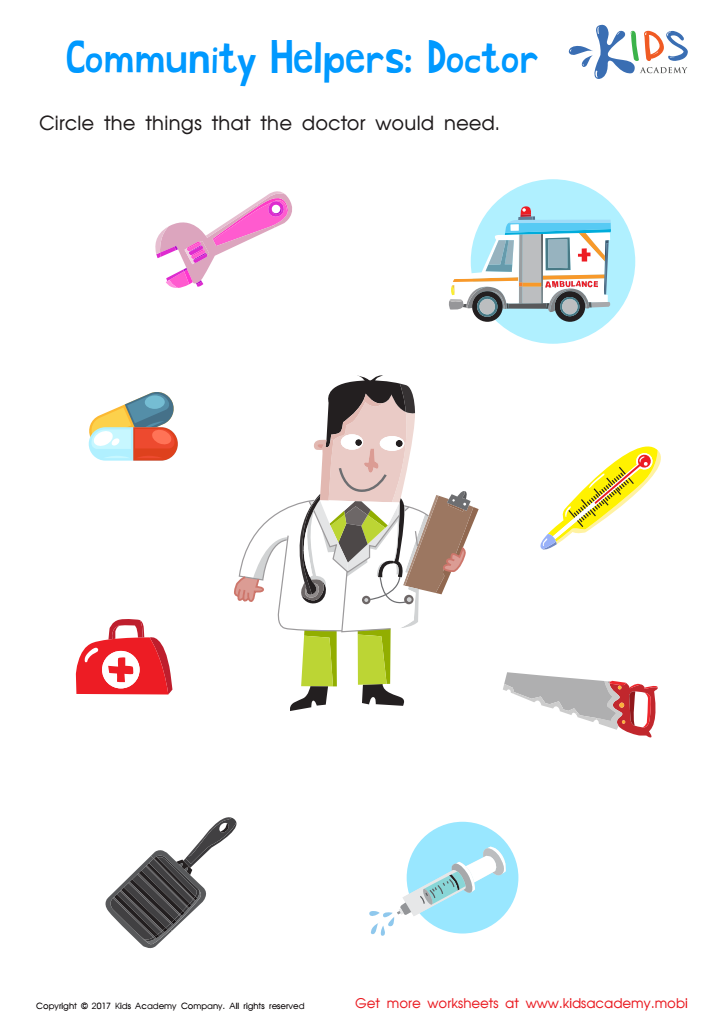
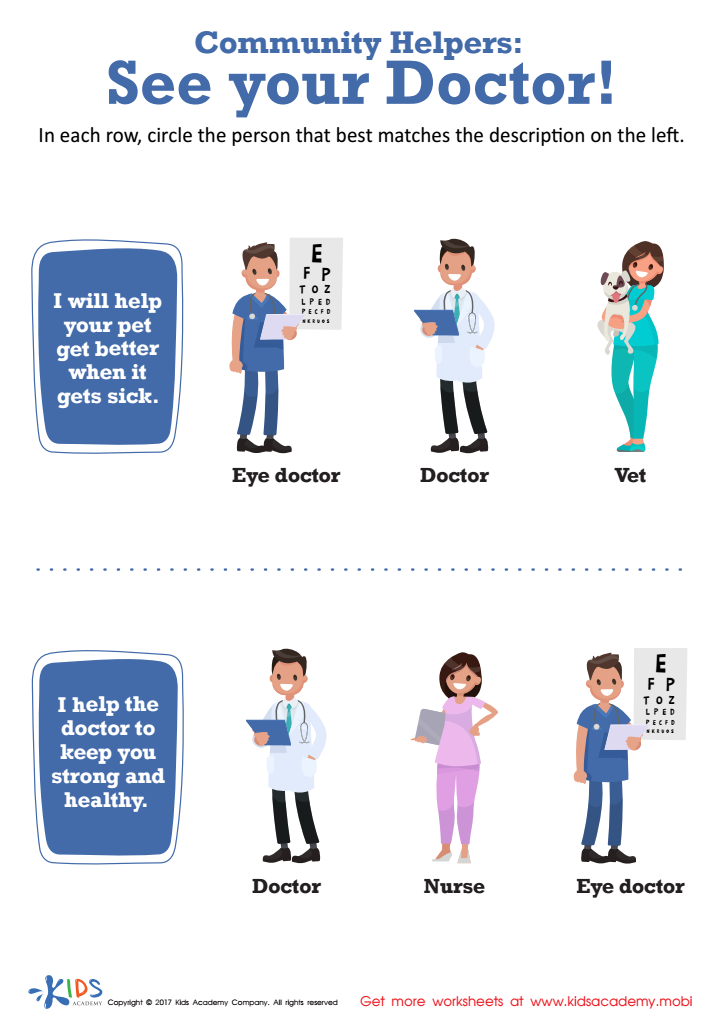
See Your Doctor (Part 2) Printable
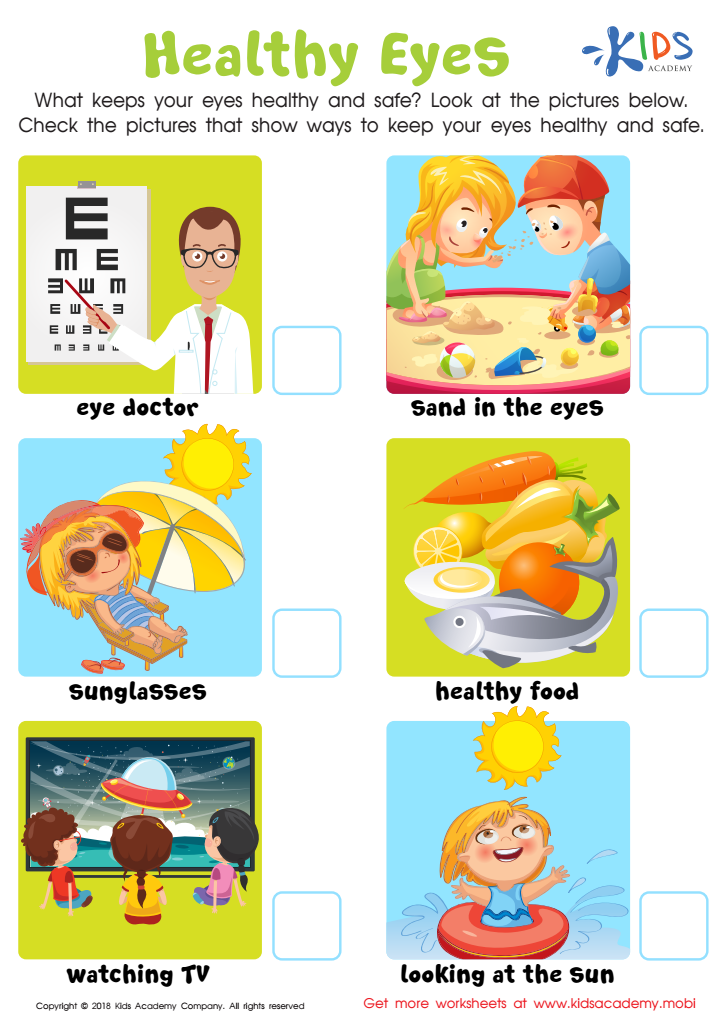
Healthy Eyes Worksheet
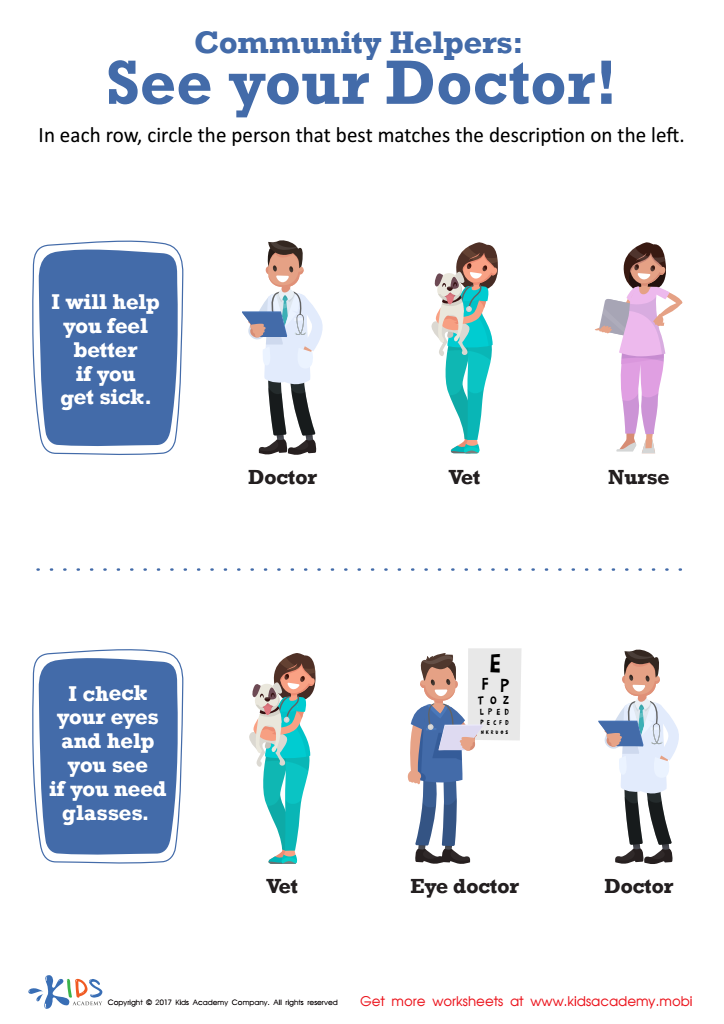
See Your Doctor (Part 1) Printable
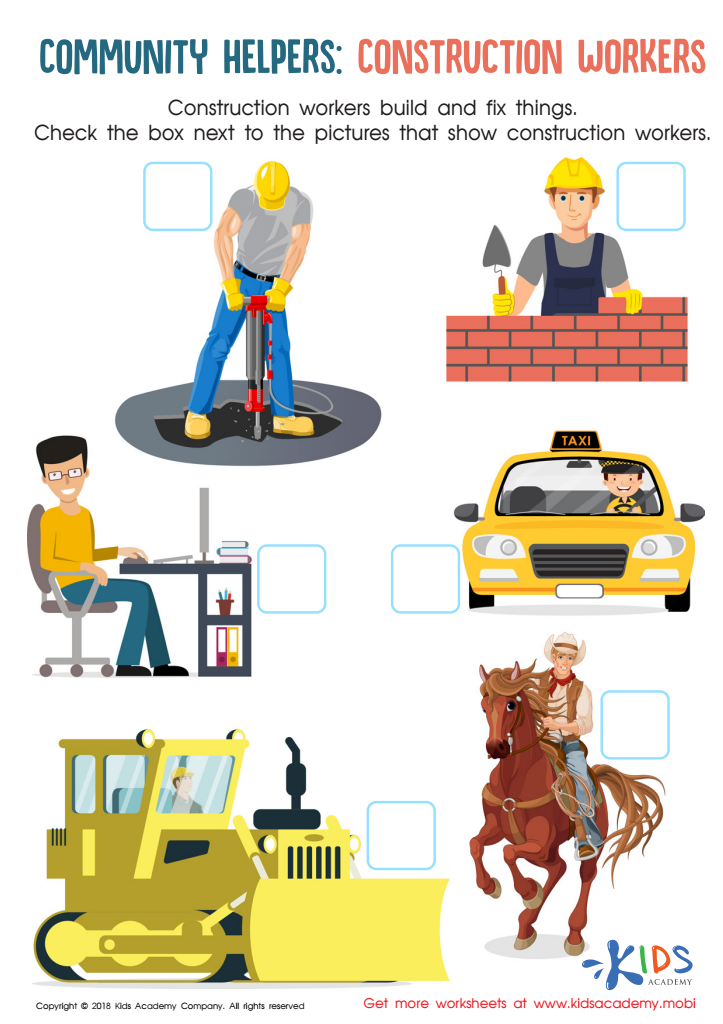
Construction Workers Community Helpers Worksheet
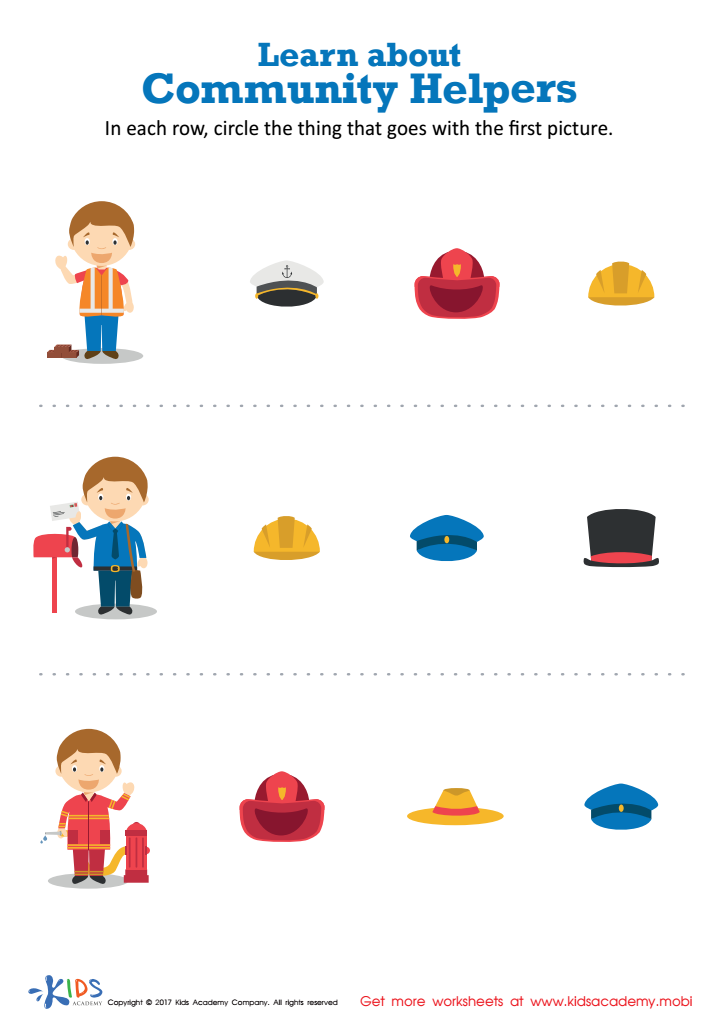
Learn about Community Helpers Printable







Reading comprehension in young children, ages 3-6, sets a foundational basis not only for literacy across subjects, including social studies, but also for their overall cognitive development. During these formative years, children's brains are extraordinarily malleable and primed to absorb new information. Ensuring that reading comprehension is integrated into normal social studies can play a crucial role in shaping their understanding of the world and how they fit within it.
At this age, grasping basic social studies concepts—like understanding community roles, diversity, and fundamental historical stories—helps children develop social awareness and critical thinking skills. By anchoring these lessons through engaging stories, teachers and parents can foster both a love for reading and an understanding of social context.
Good reading comprehension facilitates better retention of material and encourages curiosity and questioning, critical components for effective learning. As children experience new stories, their vocabulary expands, which aids language development and communication skills. Importantly, early success and enjoyment in reading can boost self-esteem and a sense of mastery.
Involving young learners in discussions about what they read enhances their conversational skills and emotional intelligence, further preparing them for future schooling. Thus, embedding these comprehension exercises within enjoyable social studies content paves the way for well-rounded, curious, and empathetic future citizens.