Normal Upper & Lowercase Letters Worksheets for Ages 3-7 - Page 2
44 filtered results
-
From - To

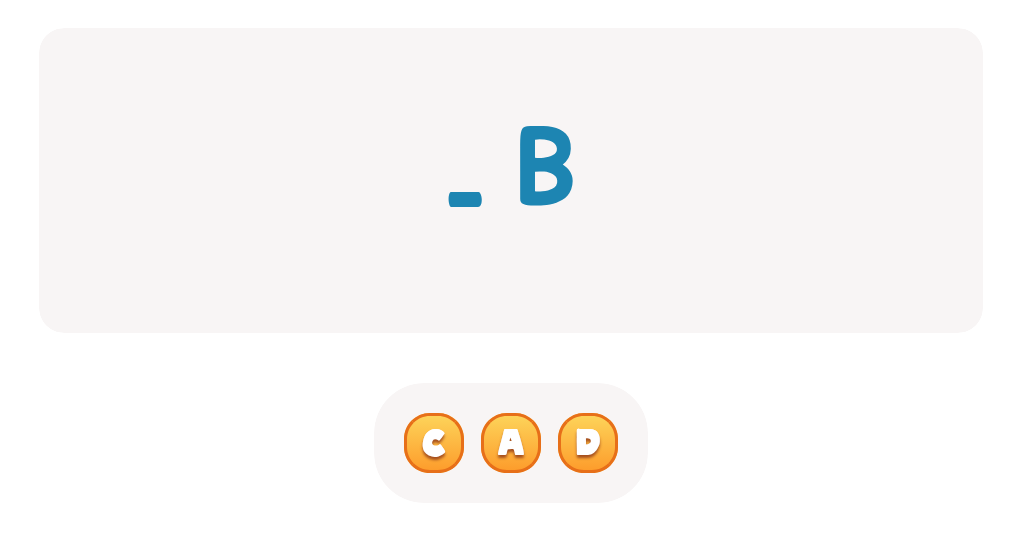
Find Uppercase Letters A, B, and C Worksheet
 Assign to My Students

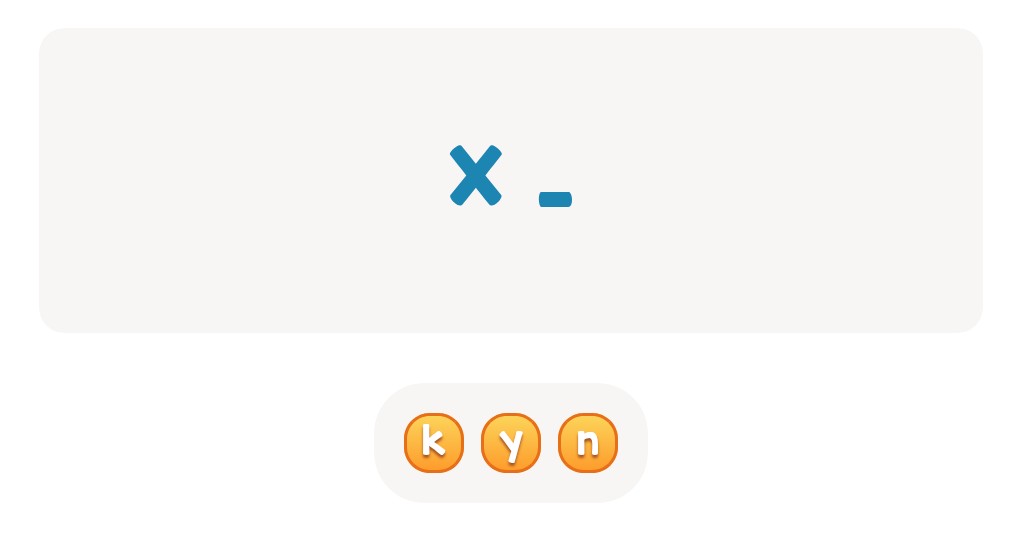

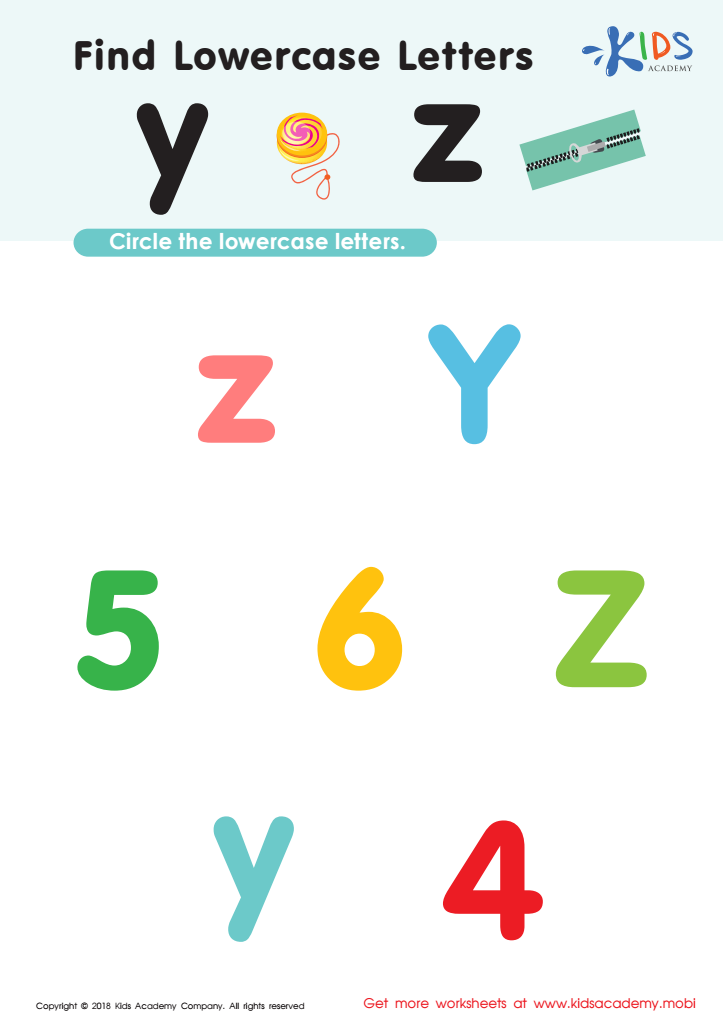
Find Lowercase Letters y z Worksheet
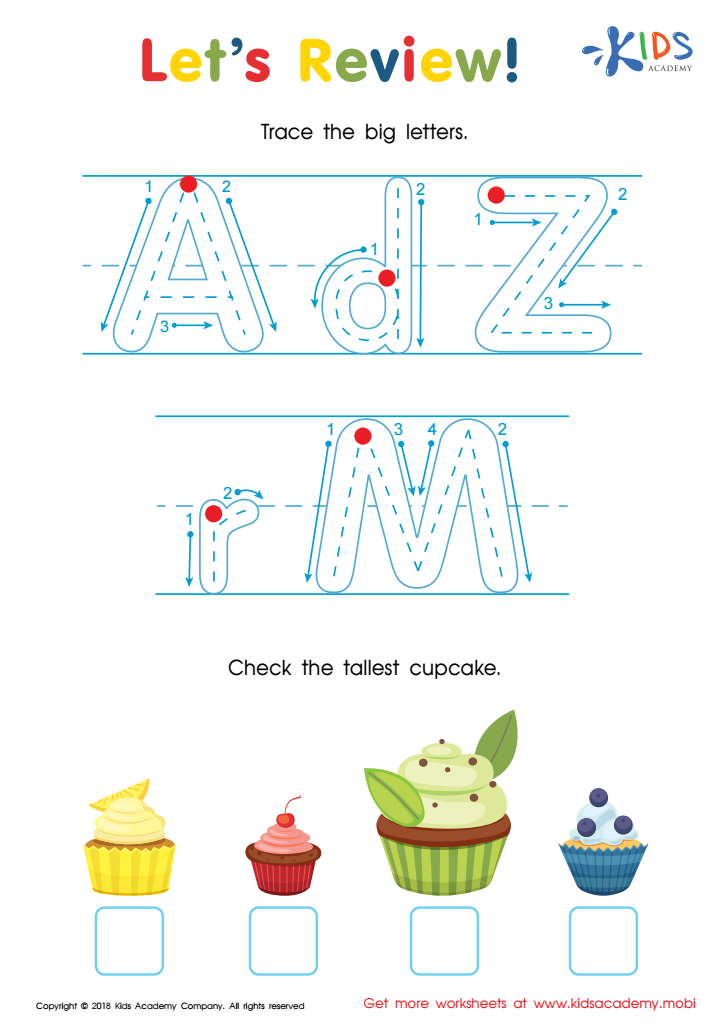
Let's Review! Big Letters Worksheet
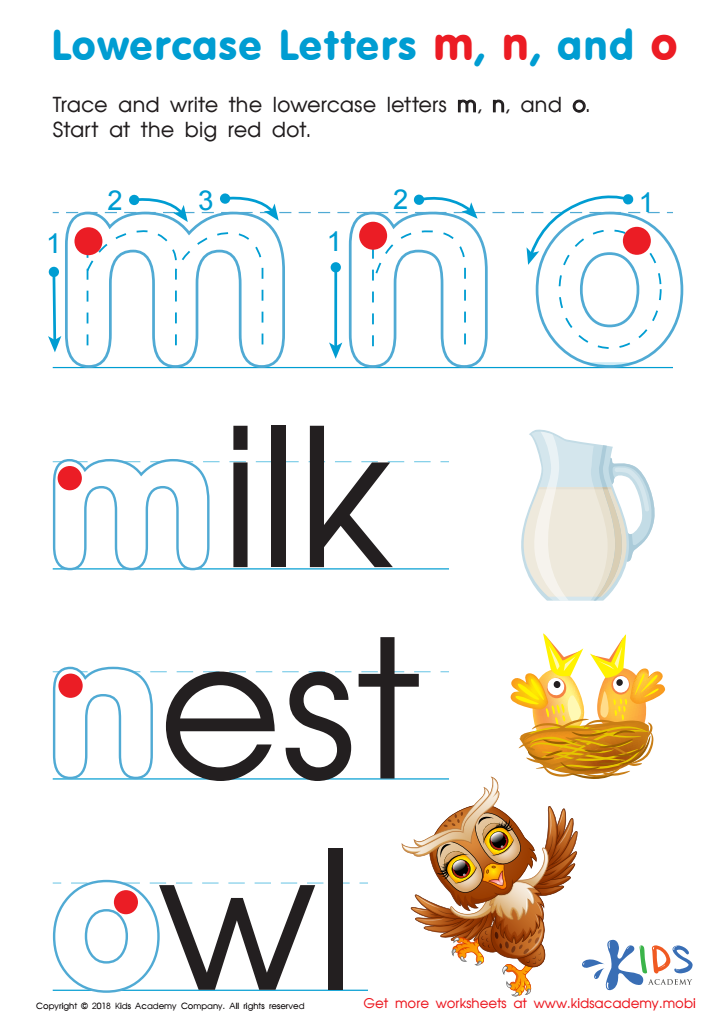
Lowercase Letters m n o Worksheet
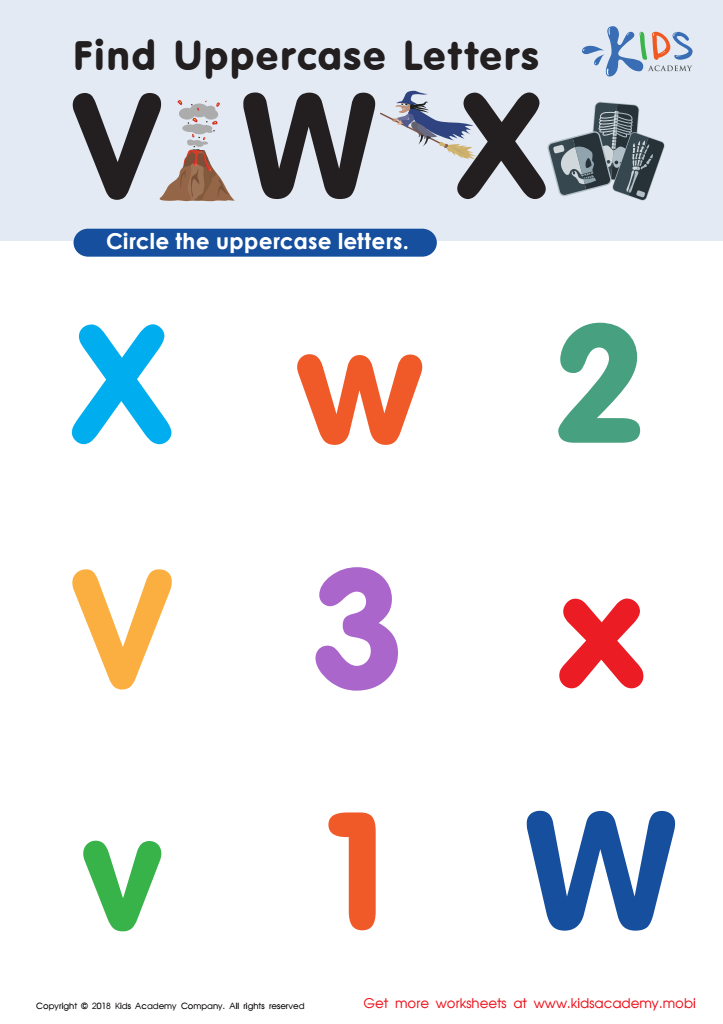
Find Uppercase Letters V, W, X Worksheet
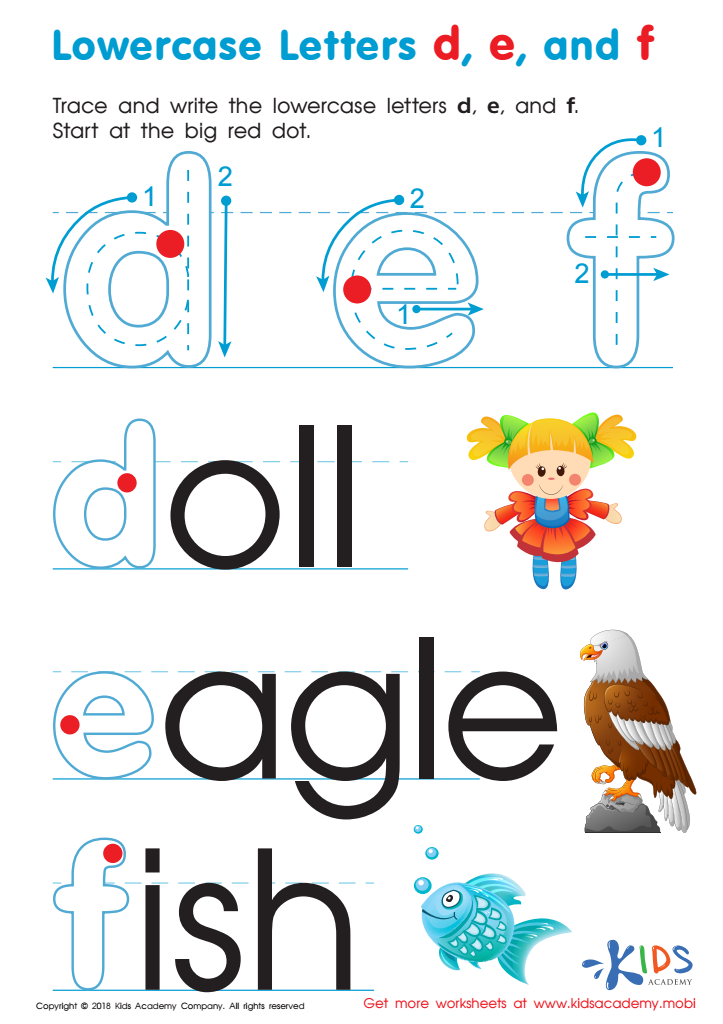
Lowercase Letters d e f Worksheet
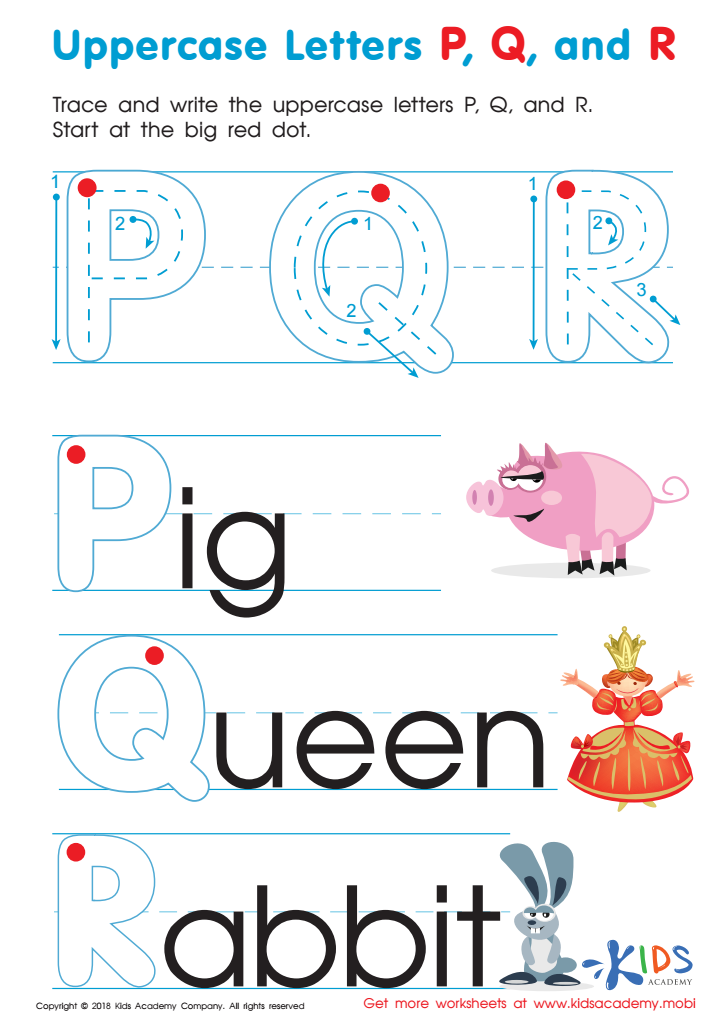
Uppercase Letters P, Q, and R Worksheet
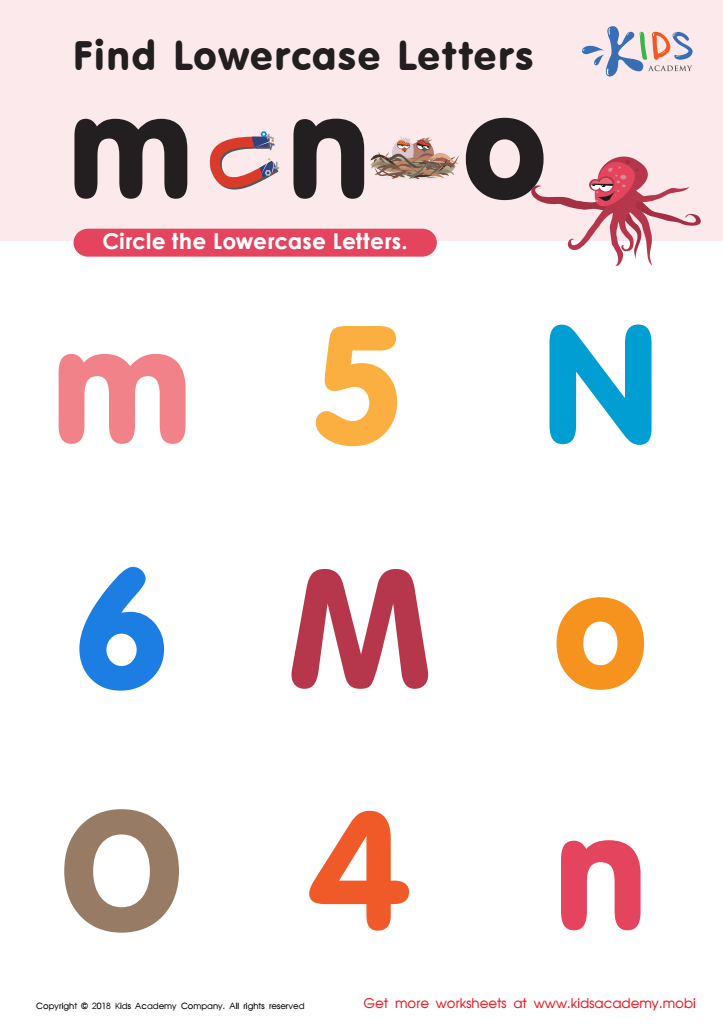
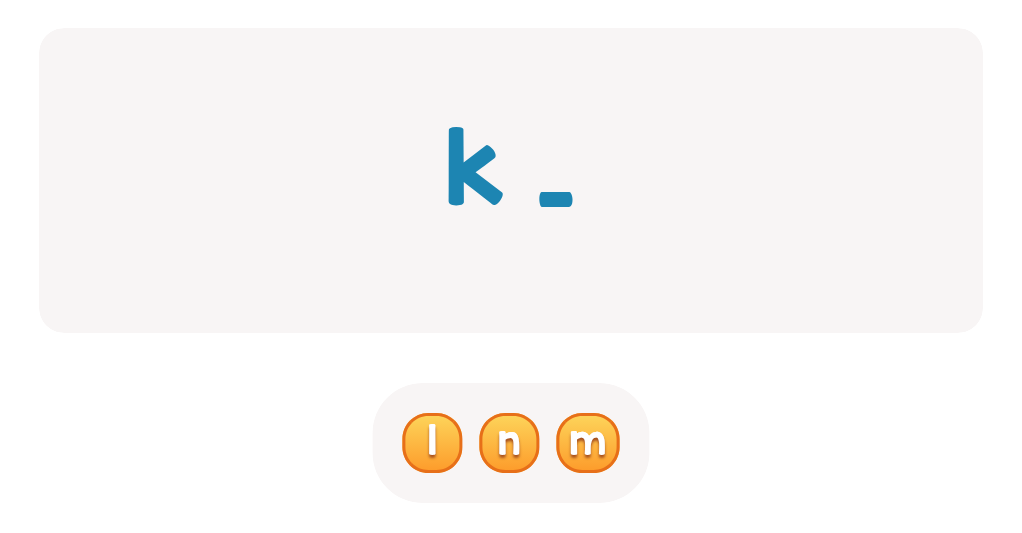
Find Lowercase Letters m n o Worksheet
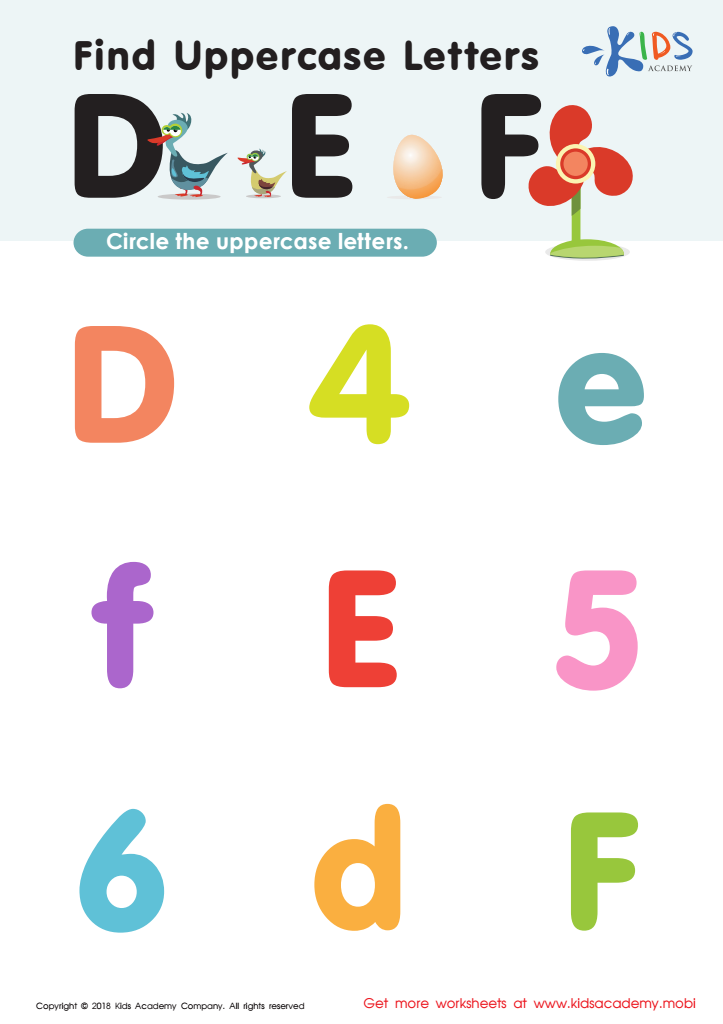
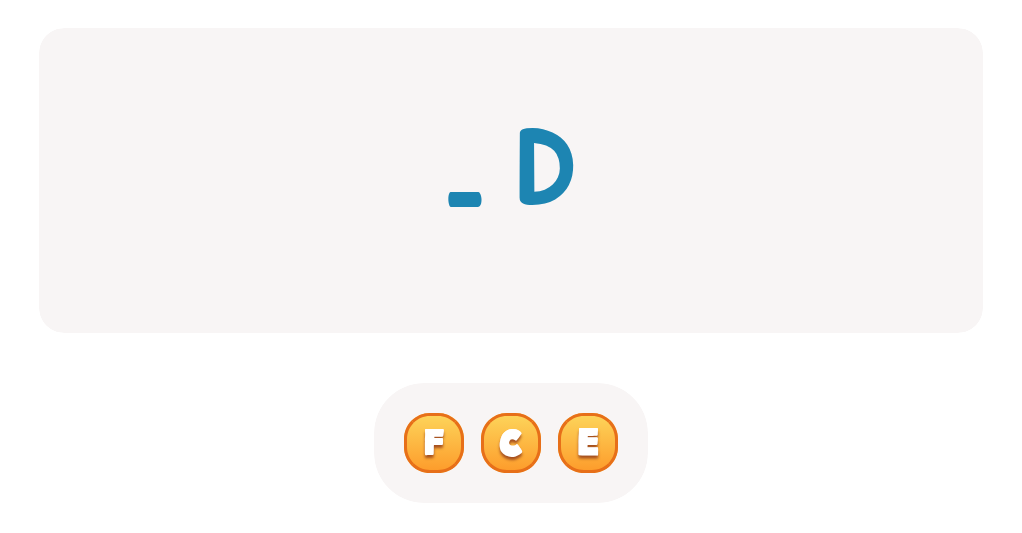
Find Uppercase Letters D, E, and F Worksheet
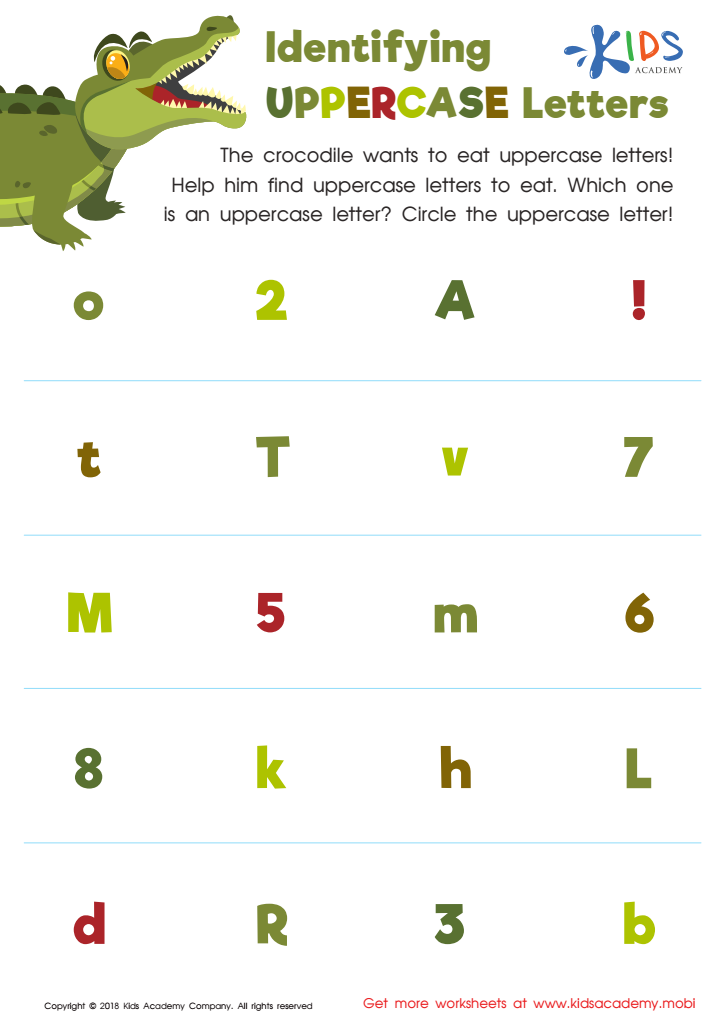
Identifying Uppercase Letters Worksheet
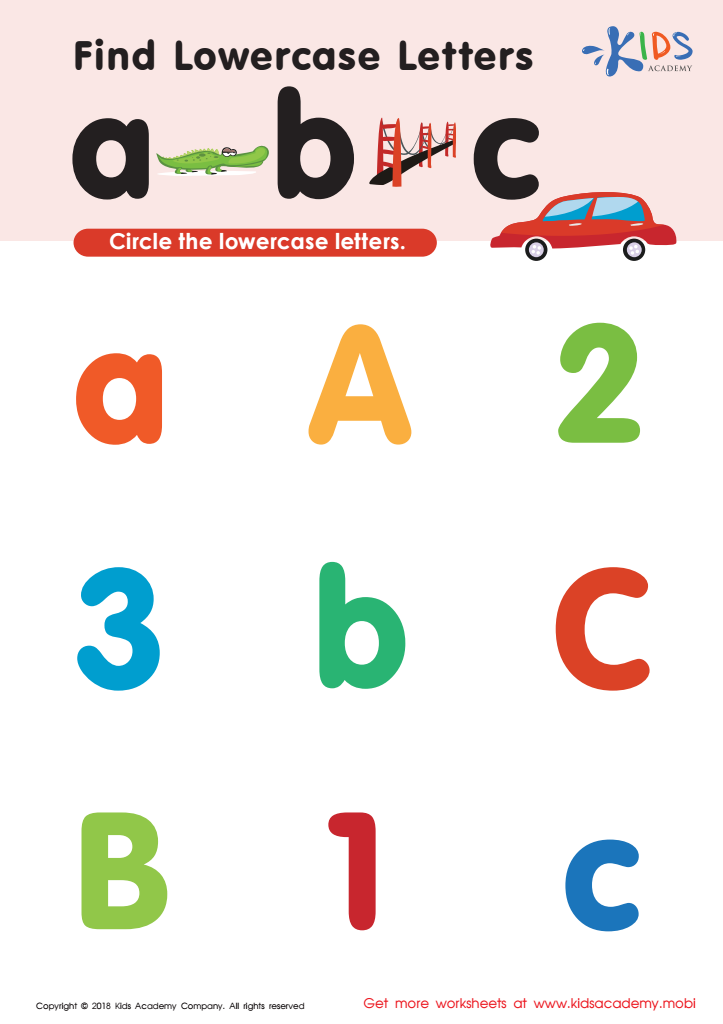
Find lowercase letters a b c Worksheet
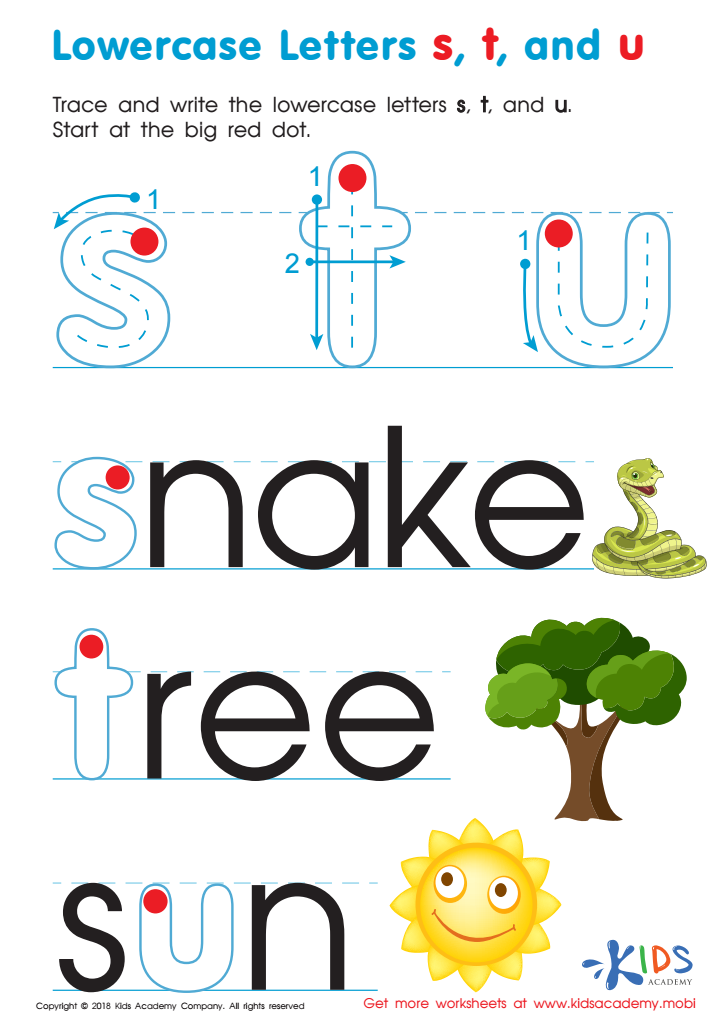
Lowercase Letters s t u Worksheet
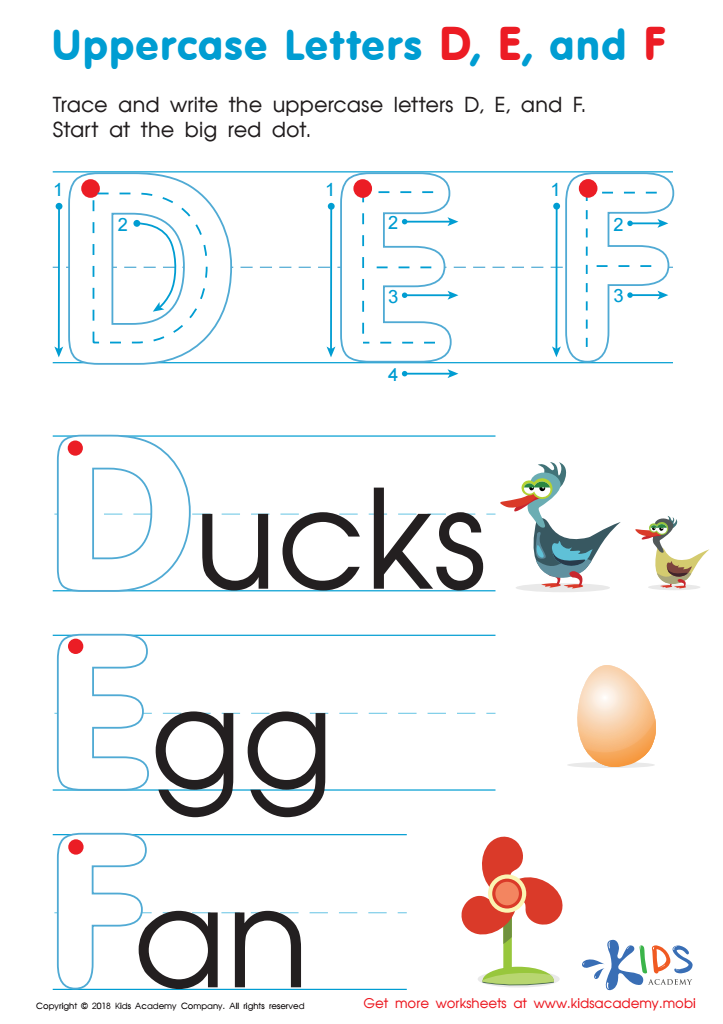
Uppercase Letters D, E, and F Worksheet
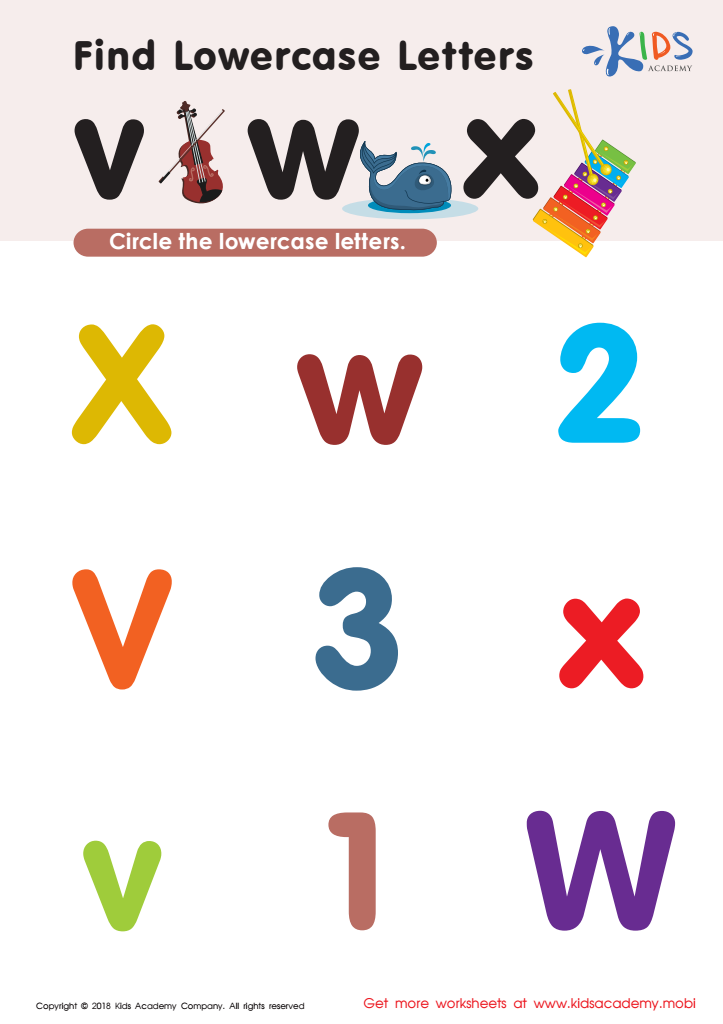
Find Lowercase Letters v w x Worksheet
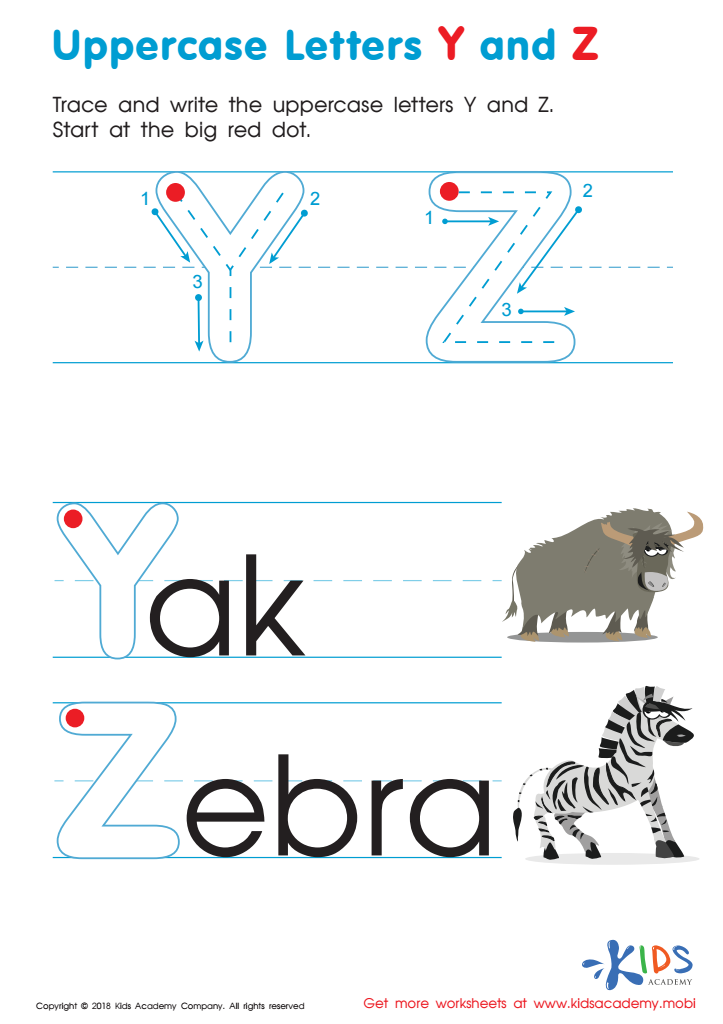
Uppercase Letters Y Z Worksheet
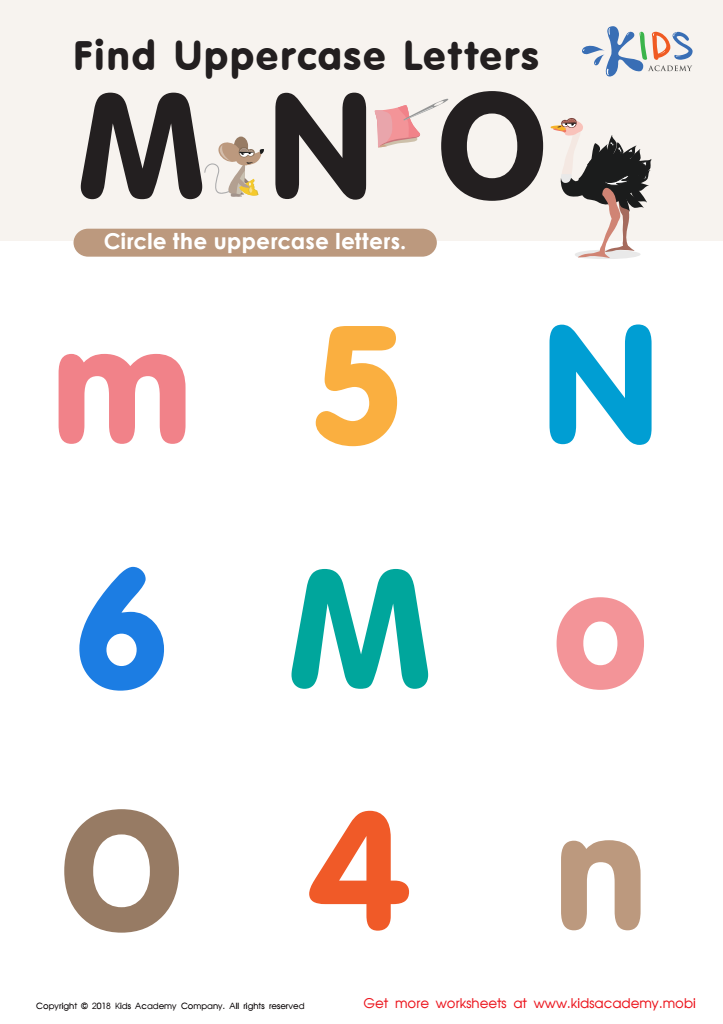
Find Uppercase Letters M, N, and O Worksheet
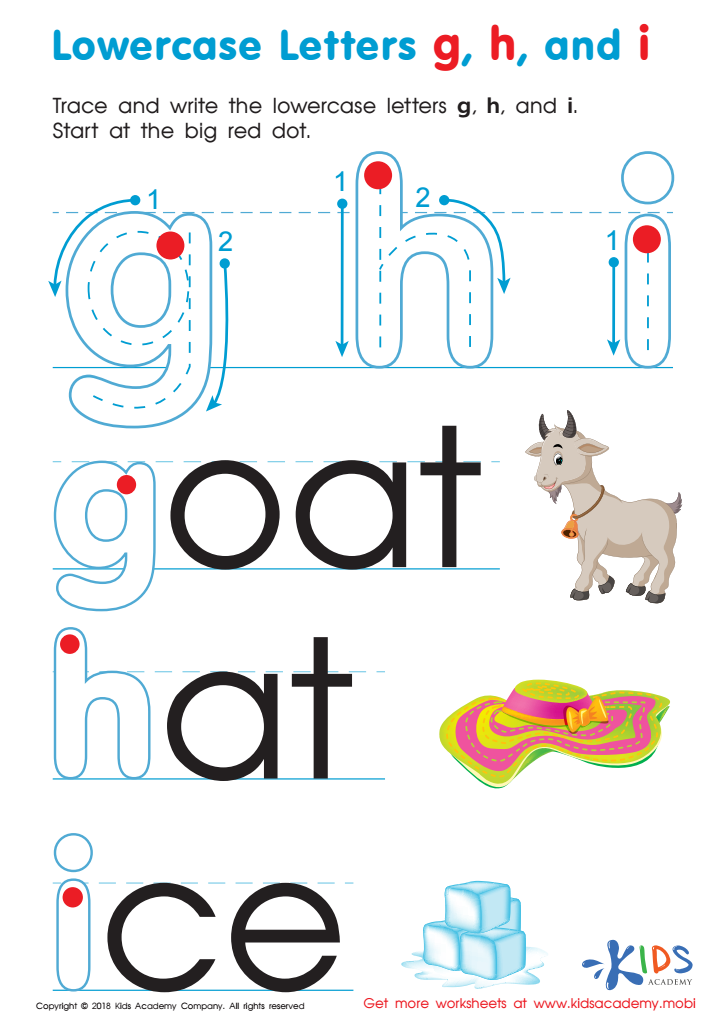
Lowercase Letters g h i Worksheet
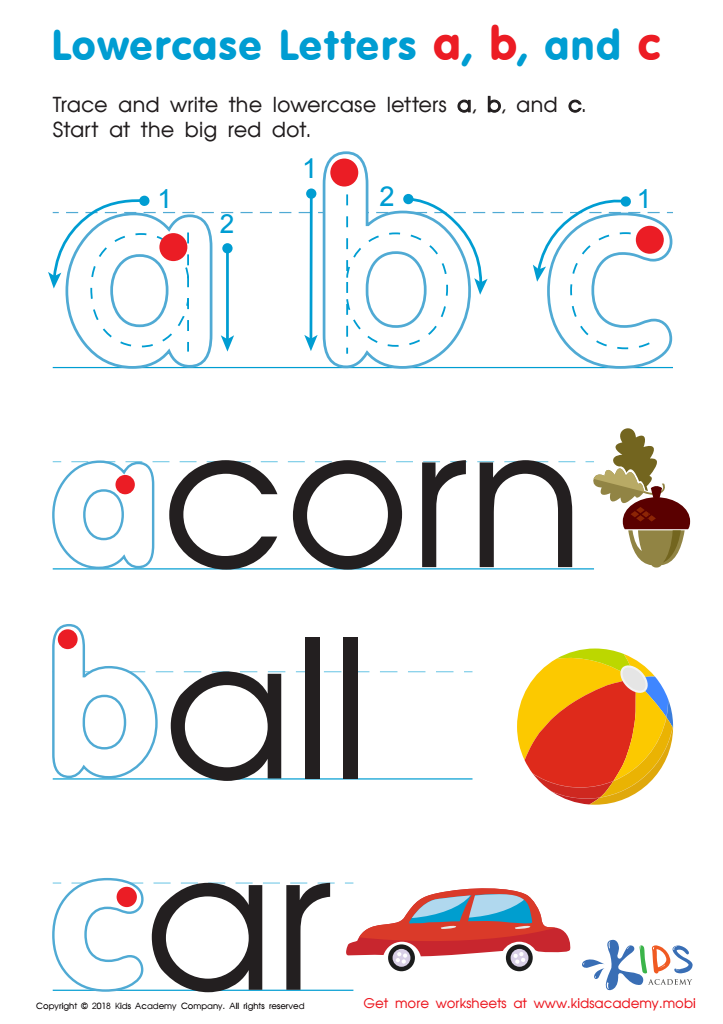
Lowercase Letters a b c Worksheet
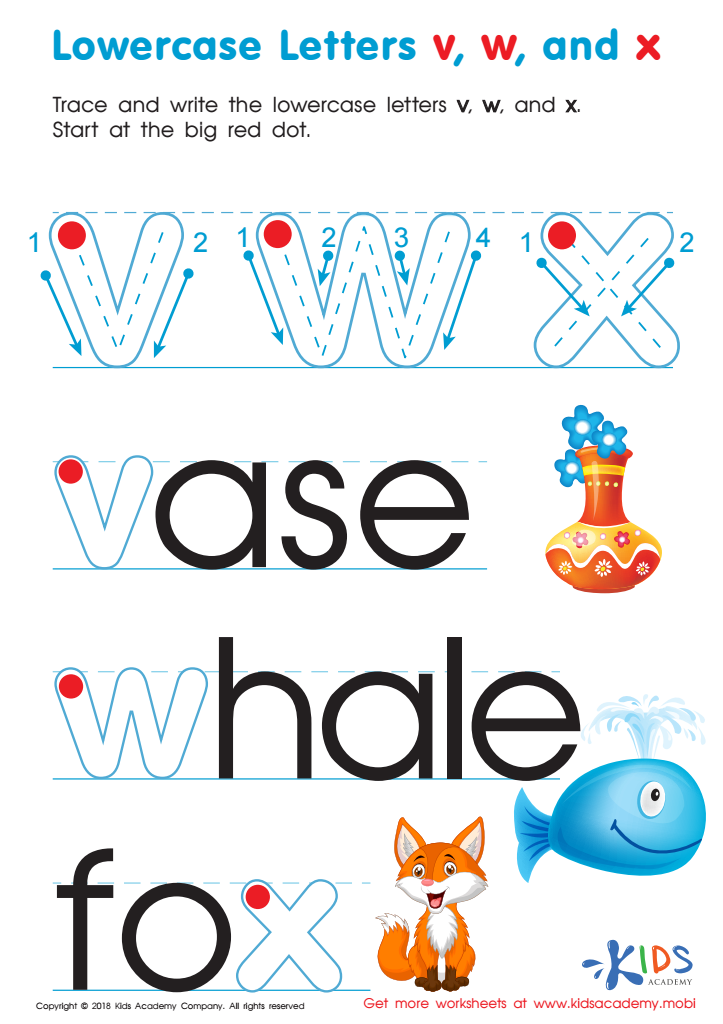
Lowercase Letters v w x Worksheet
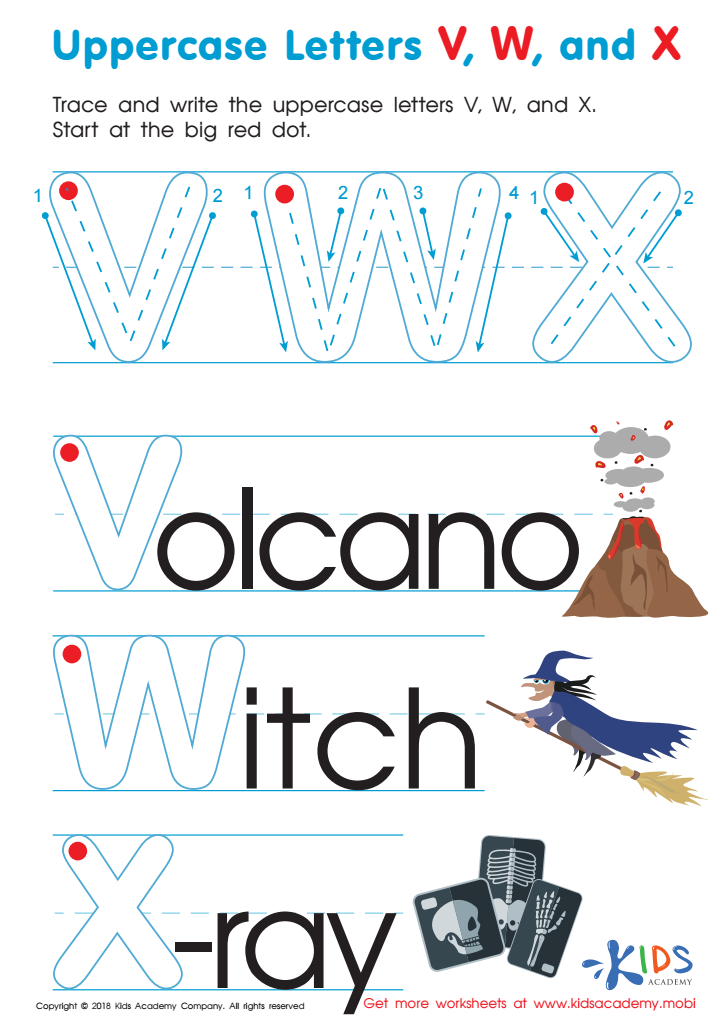
Uppercase Letters V, W, and X Worksheet






Understanding normal uppercase and lowercase letters is crucial for children ages 3-7 as it lays the foundation for literacy and effective communication. At this developmental stage, children are rapidly acquiring language skills, and recognizing letters is a key milestone in their journey towards reading and writing.
Proper differentiation between uppercase and lowercase letters is essential for various reasons. First, uppercase letters are often used at the beginning of sentences and for names, establishing grammatical structure in writing. This knowledge not only aids in reading comprehension but also helps children communicate ideas clearly.
Moreover, mastering letter recognition fosters confidence in children as they begin to explore writing on their own. When parents and teachers emphasize the importance of these letters through engaging activities, it enhances the child's learning experience and encourages a love for reading and writing.
Lastly, a strong grasp of uppercase and lowercase letters contributes to future academic success. As children progress through school, they will encounter more complex texts requiring the ability to interpret different letter forms. By investing time in this foundational skill, parents and teachers play a pivotal role in nurturing lifelong literate individuals.







