
Letter Tracing Normal Worksheets for Ages 3-7
6 filtered results
Difficulty Level
Grade
Age
-
From - To
Subject
Activity
Standards
Letter Tracing Normal Worksheets for Ages 3-7 help early learners master the alphabet in an engaging way. Designed by Kids Academy, these worksheets guide children in tracing uppercase and lowercase letters, bolstering fine motor skills and hand-eye coordination. Perfect for preschoolers and kindergarteners, these printables make alphabet learning fun and interactive. With colorful illustrations and a variety of tracing activities, young students develop confidence in their writing abilities while recognizing and memorizing letter shapes. Ideal for classrooms or home use, these worksheets provide a solid foundation for lifelong literacy skills. Download now and watch your child’s writing skills blossom!
Favorites
With answer key
Interactive
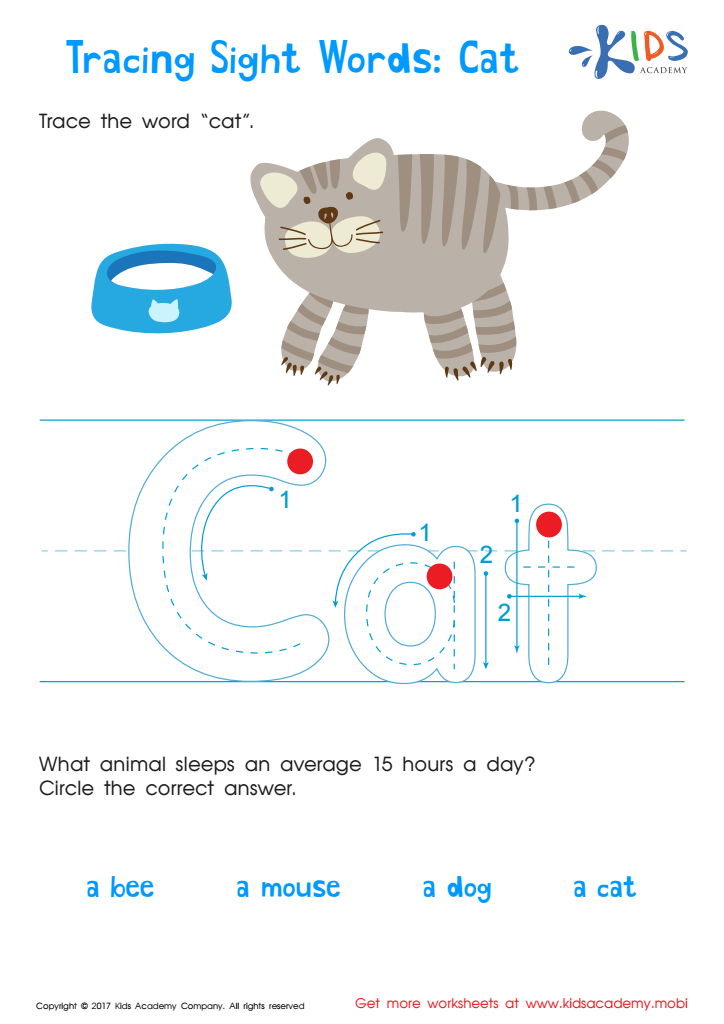
Cat Printable Sight Words Worksheet
Encourage your child's literacy with this fun sight words worksheet: cat PDF! It helps build a solid foundation for reading, featuring activities such as reading and tracing the word cat, and finding it amongst other sight words. With its cute cat, Kids Academy makes learning to read a delight!
Cat Printable Sight Words Worksheet
Worksheet
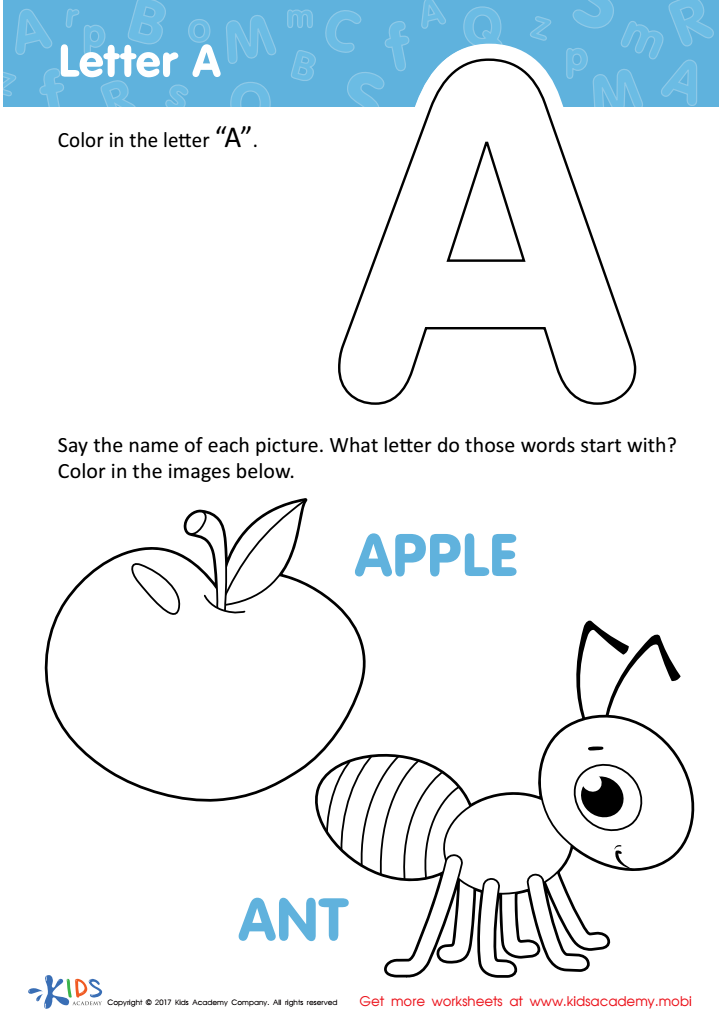
Letter A Coloring Sheet
This letter "A" coloring page is great for introducing kids to the alphabet! Let them exercise their creativity while they learn to recognize letters and sounds - it's a fun and easy way to help them get started.
Download (PDF)
 Assign to My Students
Assign to My Students
Letter A Coloring Sheet
Worksheet
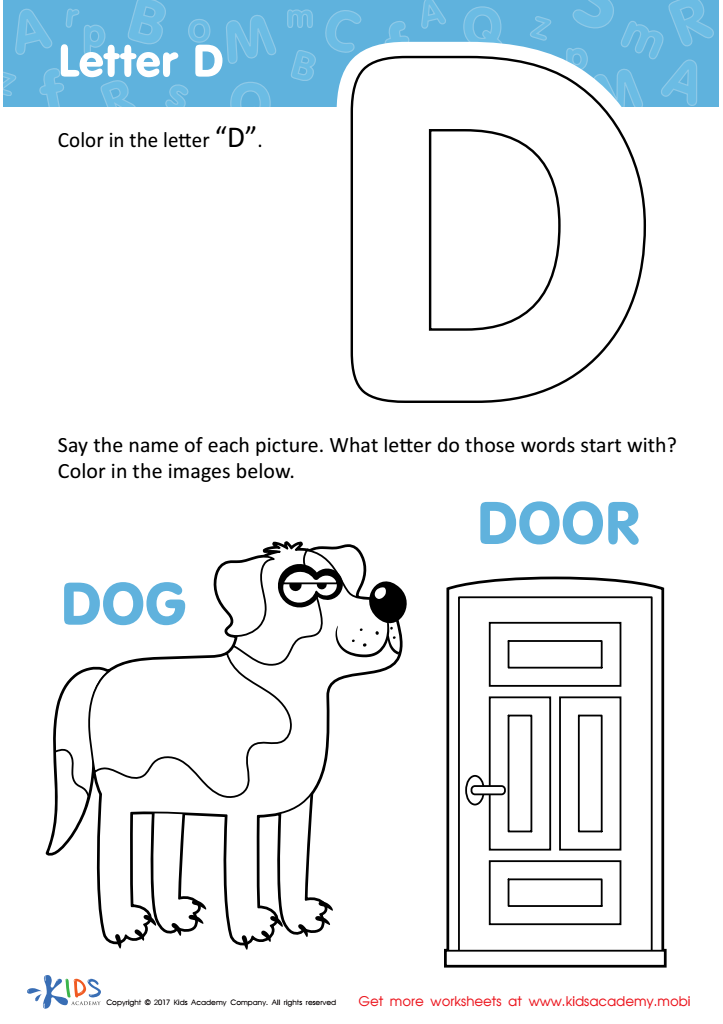
Letter D Coloring Sheet
Coloring with this letter "D" page is a great way to encourage your child's creativity while they learn the letter "D" and its sound. It's a fun activity to stimulate their imagination!
Download (PDF)
Assign to My Students
Assign to My Students
Letter D Coloring Sheet
Worksheet
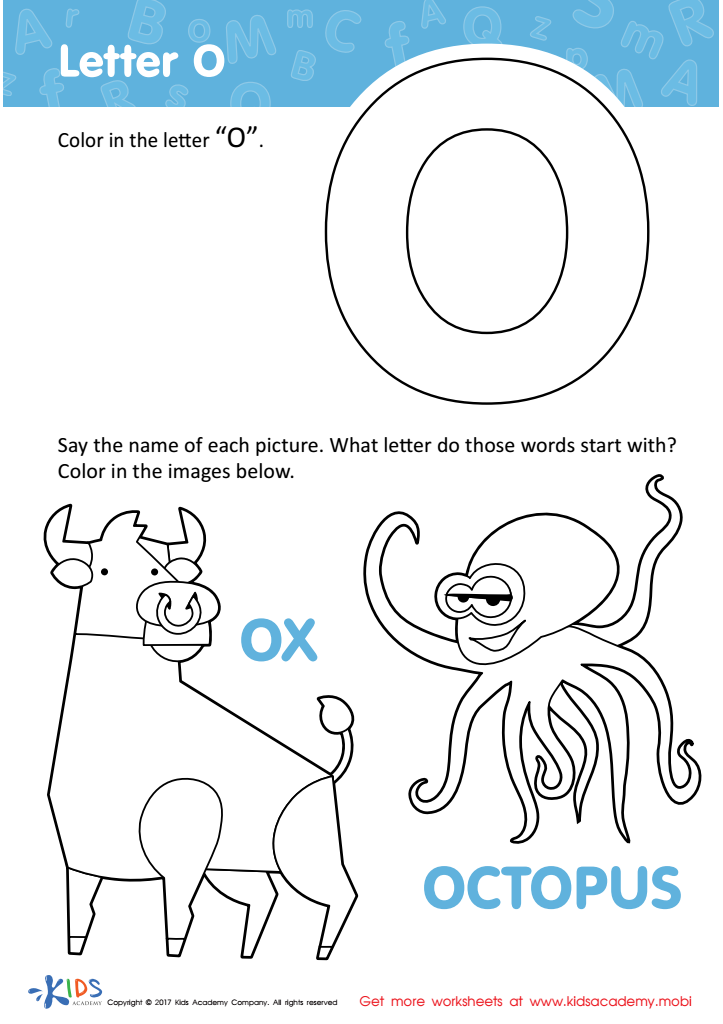
Letter O Coloring Sheet
Oh my! The letter "O" is so much fun. Coloring in the octopus and ox on this delightful letter "O" coloring page can help your child have fun while strengthening their recognition of the letter and sound.
Download (PDF)
Assign to My Students
Assign to My Students
Letter O Coloring Sheet
Worksheet
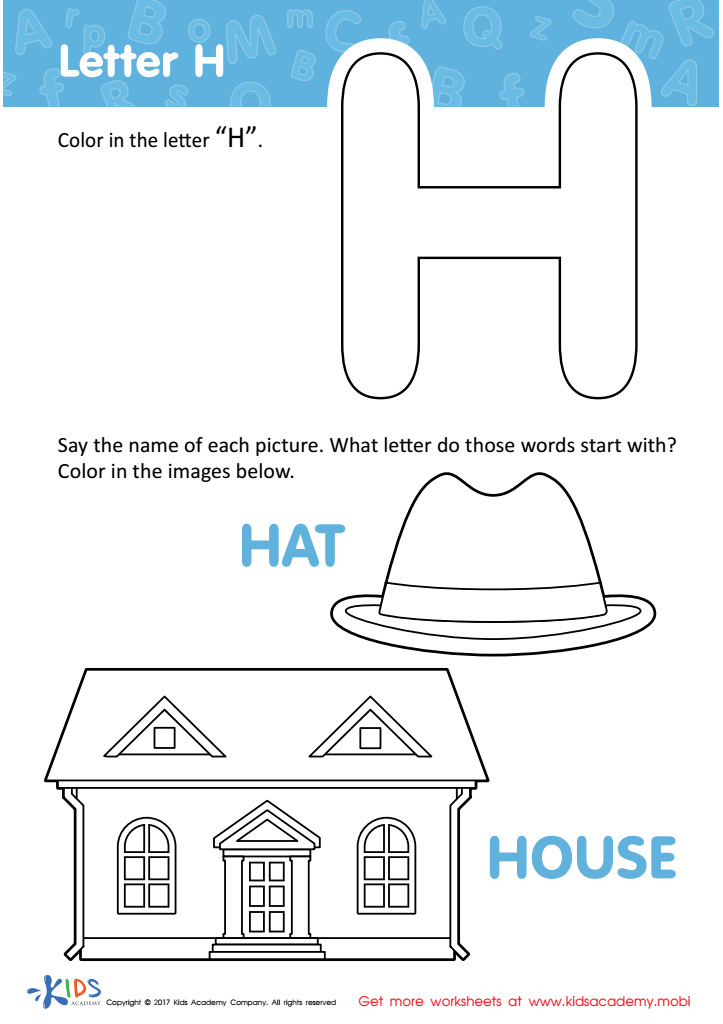
Letter H Coloring Sheet
This fun "H" coloring page will help your child recognize the letter and sound of "H"! With a hat and house to color, your little learner will have a blast picking colors and creating designs, all while learning about the letter "H"!
Download (PDF)
Assign to My Students
Assign to My Students
Letter H Coloring Sheet
Worksheet
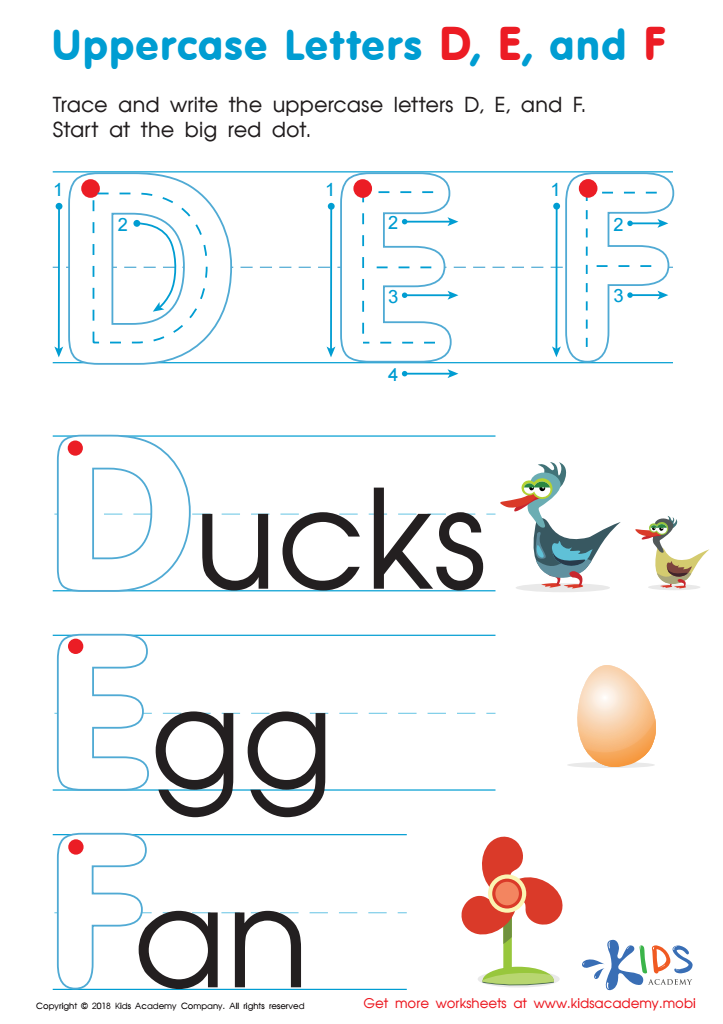
Uppercase Letters D, E, and F Worksheet
A-F are important letters! Get kids tracing with this free printable worksheet. Help them learn the right pencil strokes by following the tracing lines, starting at the big red dot. Reinforce letter sounds with the colorful pictures. 80 words.
Uppercase Letters D, E, and F Worksheet
Worksheet
Join Kids Academy for Free
Who is primarily going to use this learning content?






.jpg)

Letter tracing is a foundational activity for young children, primarily between the ages of 3-7, as it plays a crucial role in their early literacy and motor skill development. Firstly, engaging in letter tracing helps children become familiar with the shapes and forms of letters. This visual and kinesthetic practice establishes the basic framework for reading and writing, making future literacy skills easier to acquire.
Moreover, letter tracing aids in the development of fine motor skills. As children carefully trace the lines and curves of each letter, they cultivate hand-eye coordination and strengthen the small muscles in their hands and fingers. These motor skills are not only essential for writing but also for other everyday tasks like buttoning clothes or tying shoelaces.
In addition to motor and literacy benefits, letter tracing activities often boost children's confidence and academic enthusiasm. Successfully tracing letters can provide a sense of achievement and encourage persistence. The repetitive nature of tracing also reinforces memory and retention of letter shapes, leading to greater ease in recognizing and writing letters independently.
Hence, parents and teachers should prioritize letter tracing for young children. It lays a critical foundation for literacy, fine motor skills, and cognitive development, setting the stage for academic success and more independent functional skills in the future.








