Logical Reasoning Normal Worksheets for Ages 3-7 - Page 2
28 filtered results
-
From - To
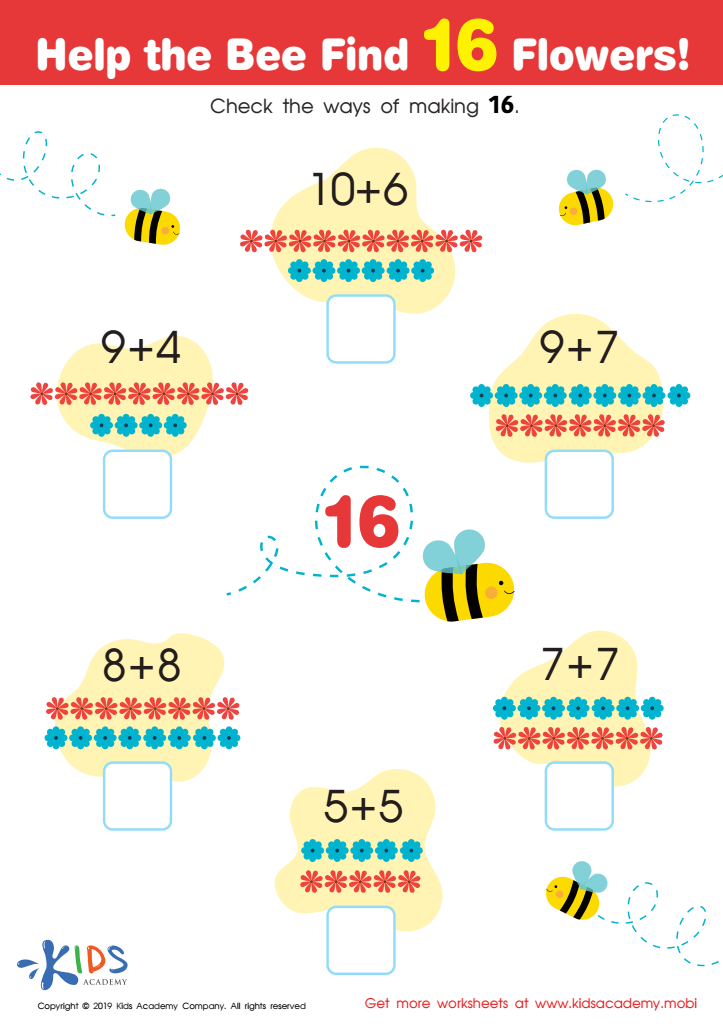
Help the Bee Find 16 Flowers Worksheet
 Assign to My Students
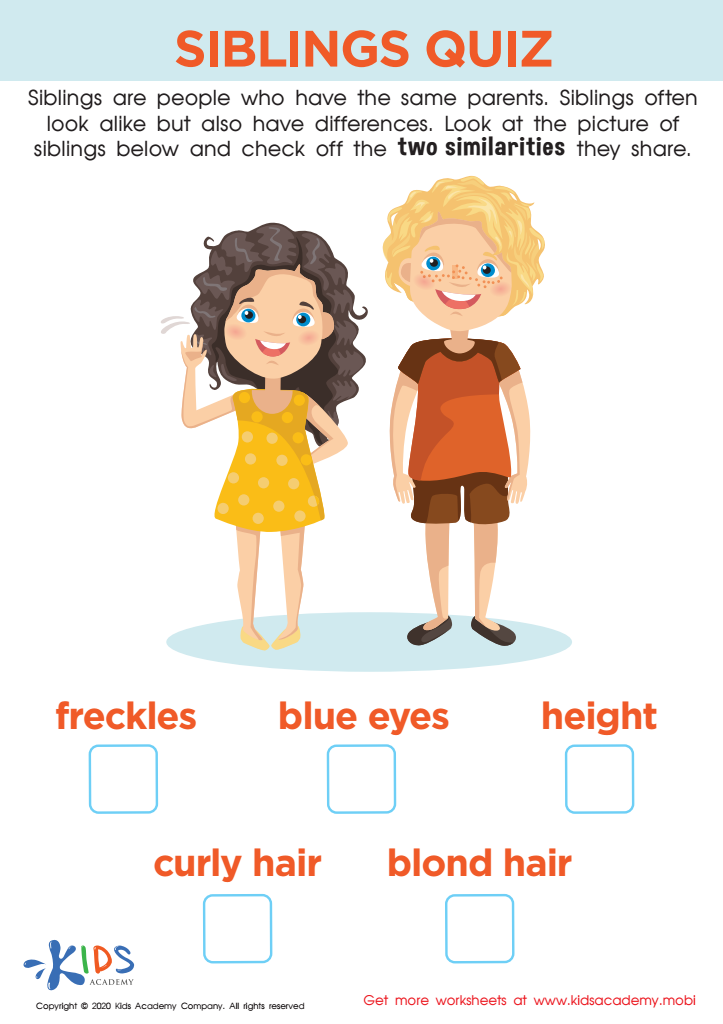
Siblings Quiz Worksheet
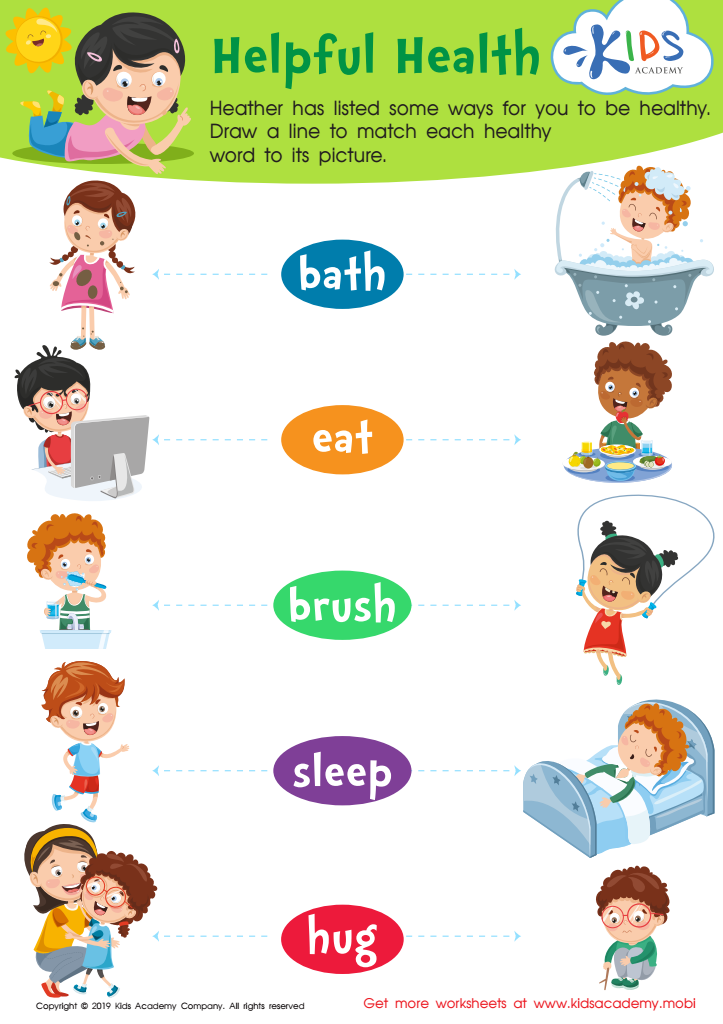
Helpful Health Worksheet
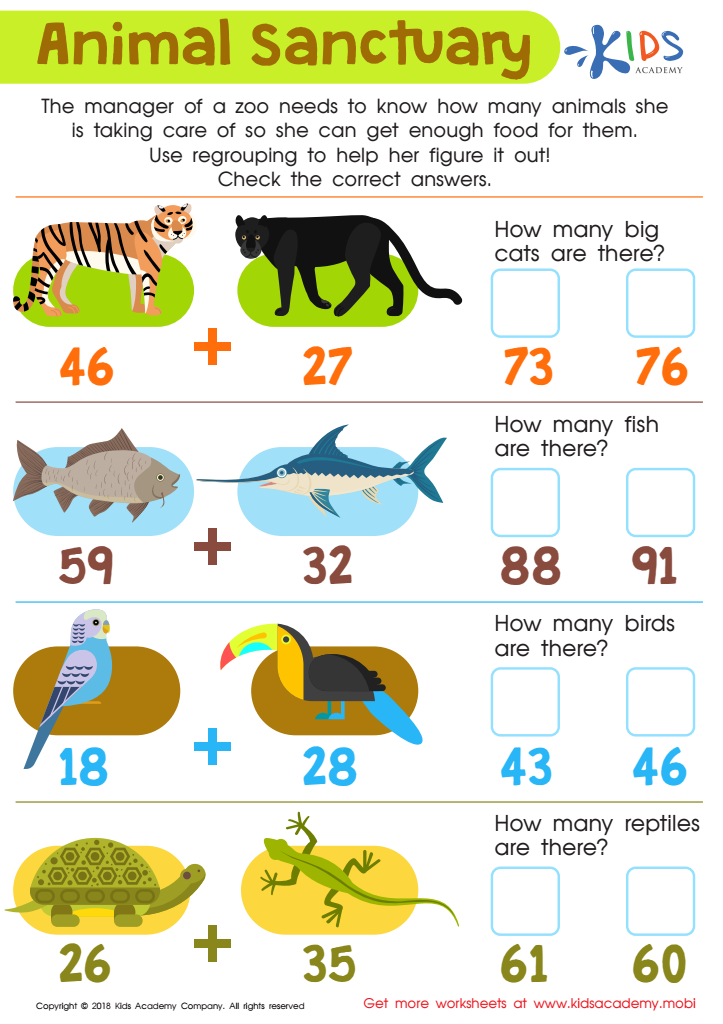
Animal Sanctuary Worksheet







.jpg)
Logical reasoning is a foundational skill that significantly impacts a child’s cognitive development and overall academic success. For parents and teachers of children ages 3-7, fostering logical reasoning is crucial because it forms the basis for problem-solving and critical thinking, skills essential for lifelong learning.
At this age, children are naturally curious and eager to understand the world around them. Activities that promote logical reasoning—such as puzzles, sorting games, and sequencing tasks—help them develop the ability to make connections, draw conclusions, and recognize patterns. These skills are not just vital for math and science but also enhance reading comprehension and writing abilities.
Moreover, logical reasoning supports emotional and social growth. As children learn to reason and evaluate situations, they become better equipped to navigate social interactions and resolve conflicts. Engaging in conversations that encourage reasoning helps them articulate their thoughts and understand others' perspectives.
By prioritizing activities that nurture logic, parents and teachers can create a rich learning environment that lays the groundwork for future educational achievement. This early investment in logical thinking will not only enrich children's minds but also boost their confidence and encourage a love for learning that lasts a lifetime.








