Sight word recognition Normal Worksheets for Ages 3-7
13 filtered results
-
From - To
Unlock your child's reading potential with our Sight Word Recognition Worksheets for ages 3-7! Designed to cultivate early literacy skills, these engaging worksheets help young learners recognize and master essential sight words through fun activities, including tracing, matching, and coloring. Each worksheet is tailored to meet the developmental needs of early learners, making reading enjoyable and effective. Our captivating graphics and age-appropriate exercises inspire confidence as children progress in their reading journey. Perfect for homeschool, daycare, or supplementary practice at home, these normal worksheets provide the foundation for your child's love of reading. Start their journey to literacy today!
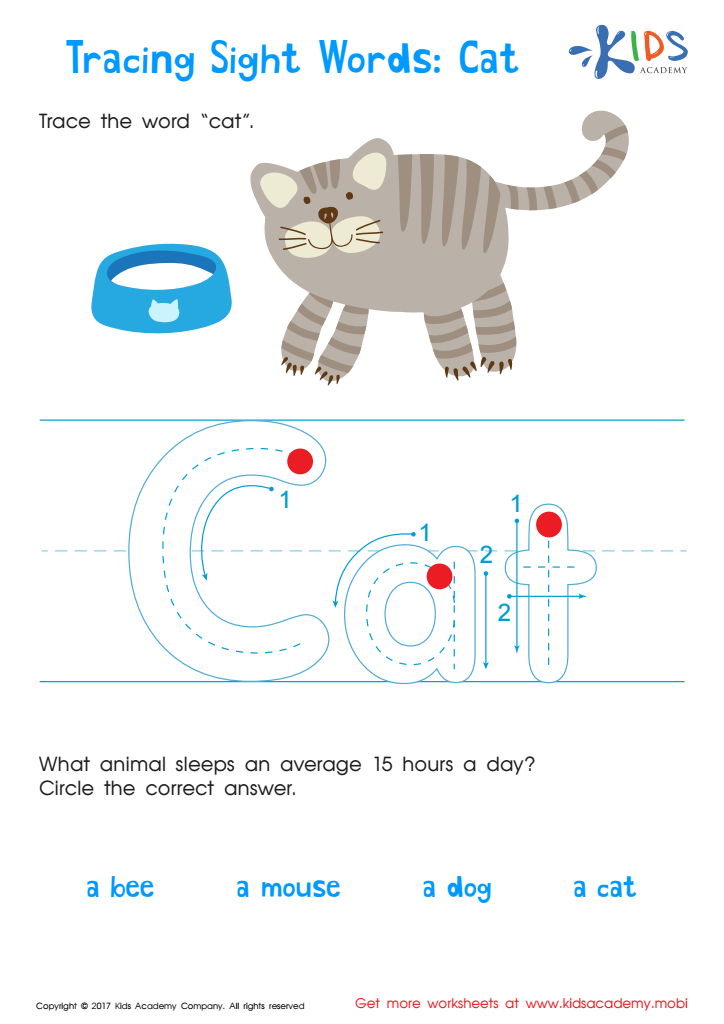
Cat Printable Sight Words Worksheet
 Assign to My Students
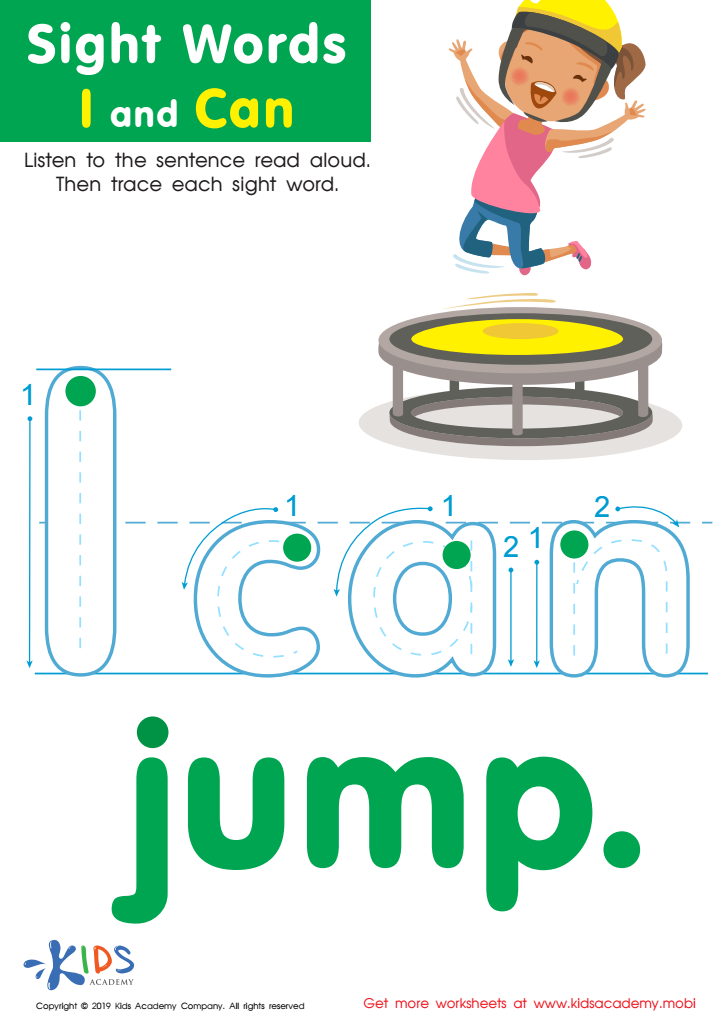
Sight Words I Can Worksheet
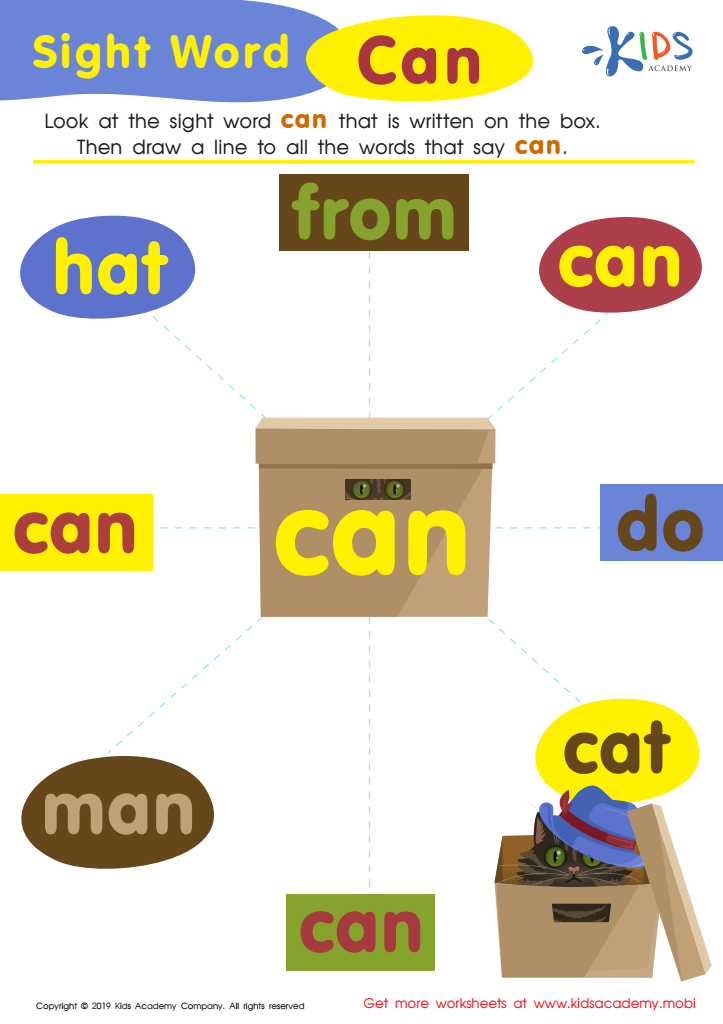
Sight Word Can Worksheet
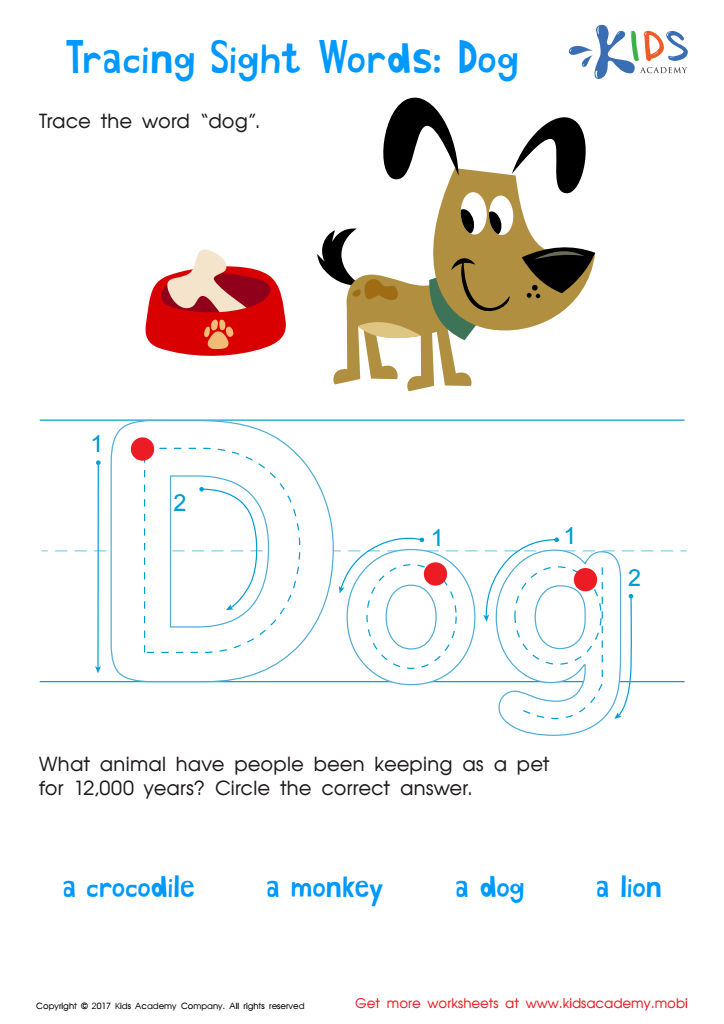
Dog Worksheet Sight Words Worksheet
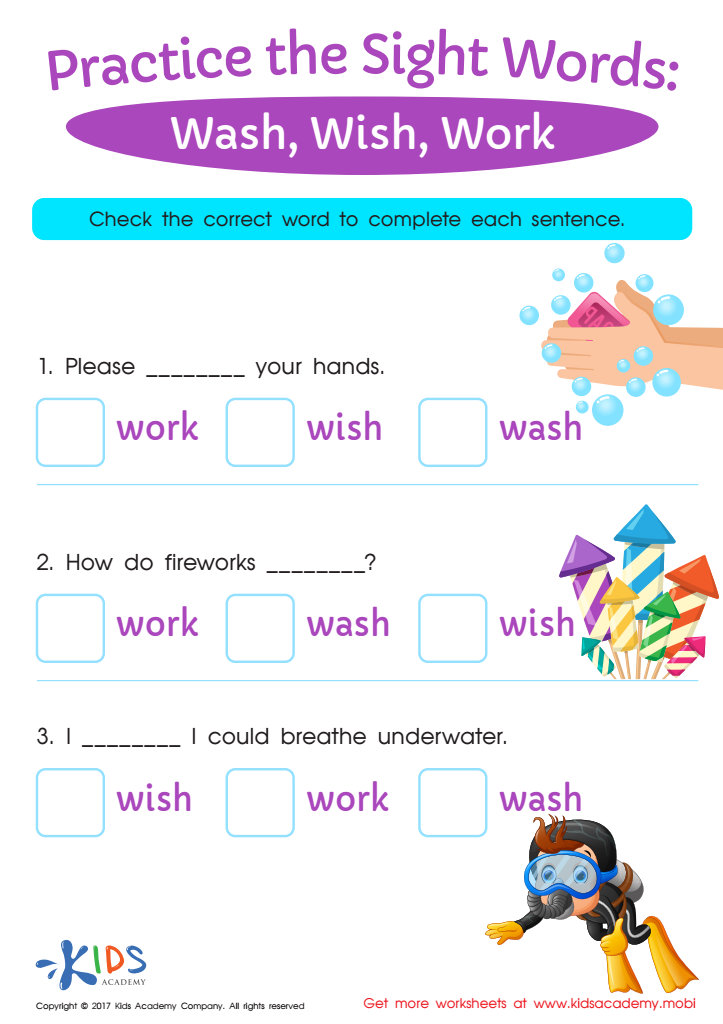
Wash, Wish, Work Sight Words Worksheet
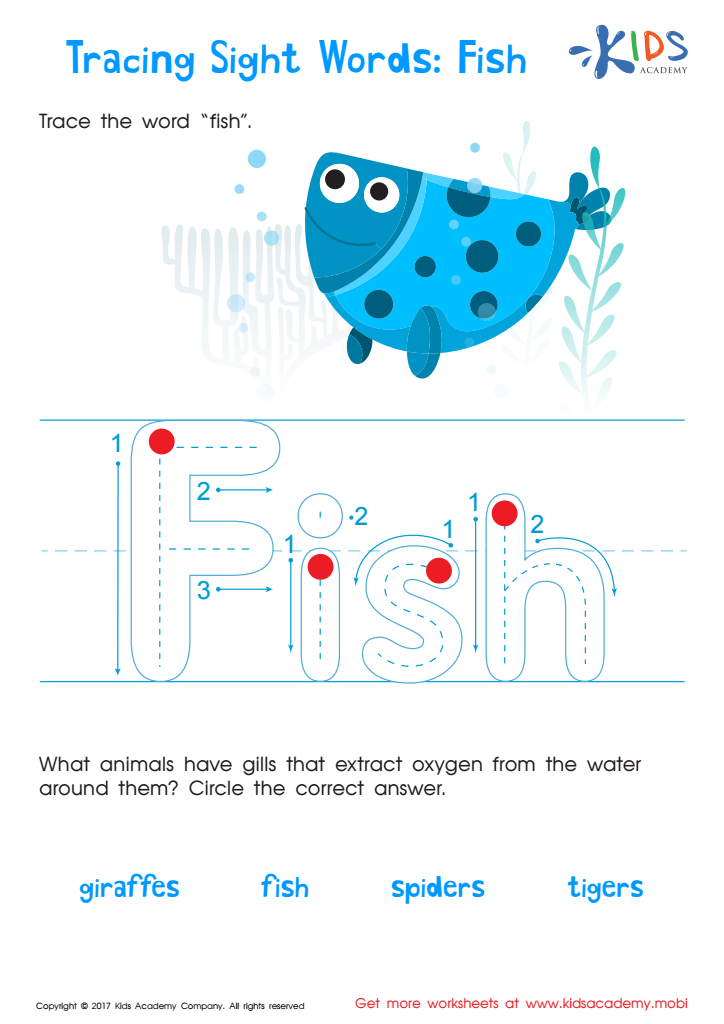
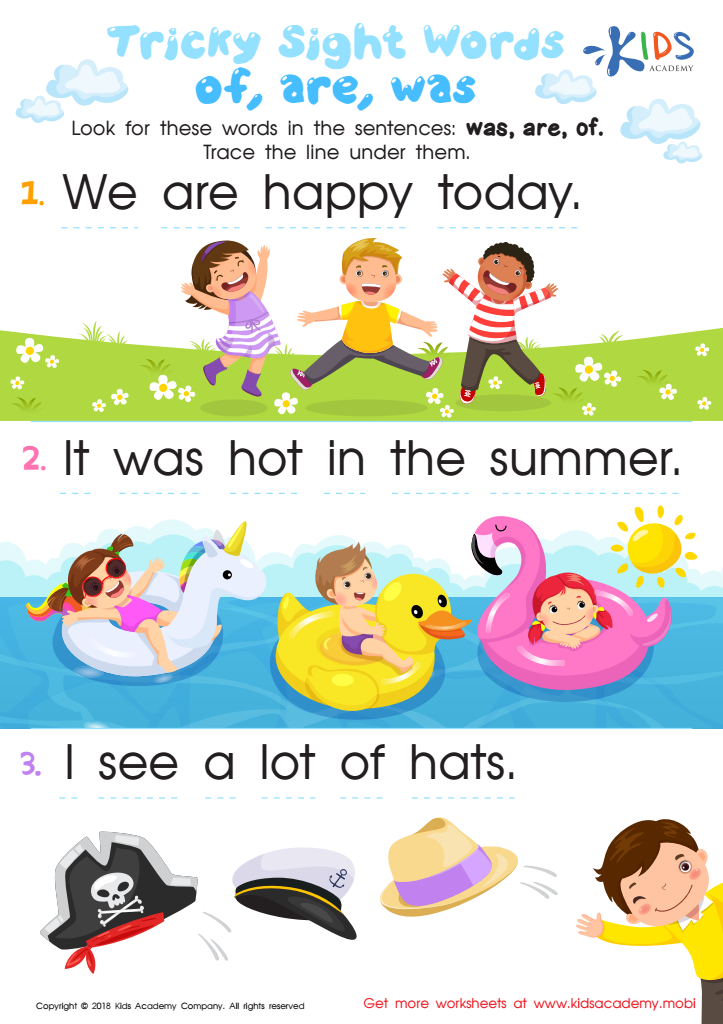
Tricky Sight Words Worksheet
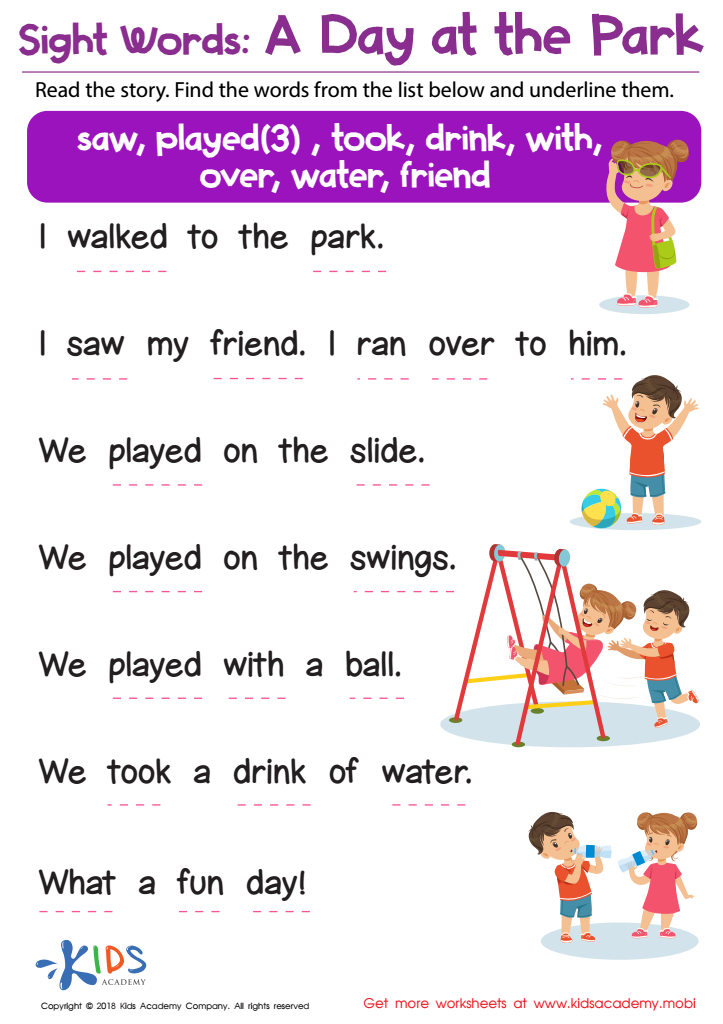
Sight Words: A Day at the Park Worksheet
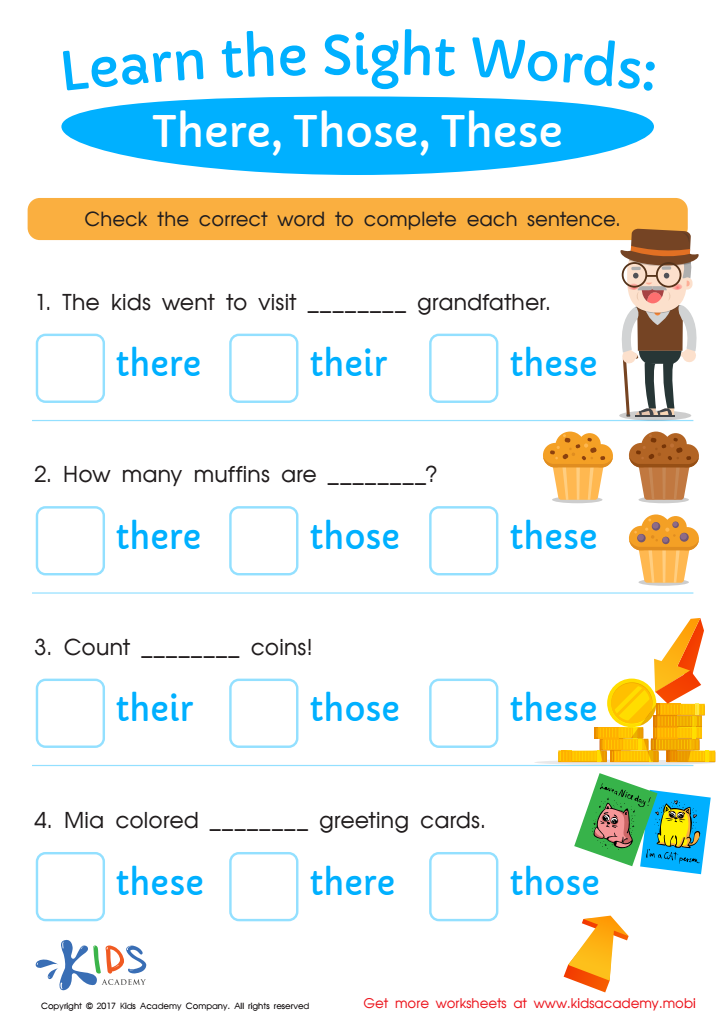
There, Those and These Sight Words Worksheet
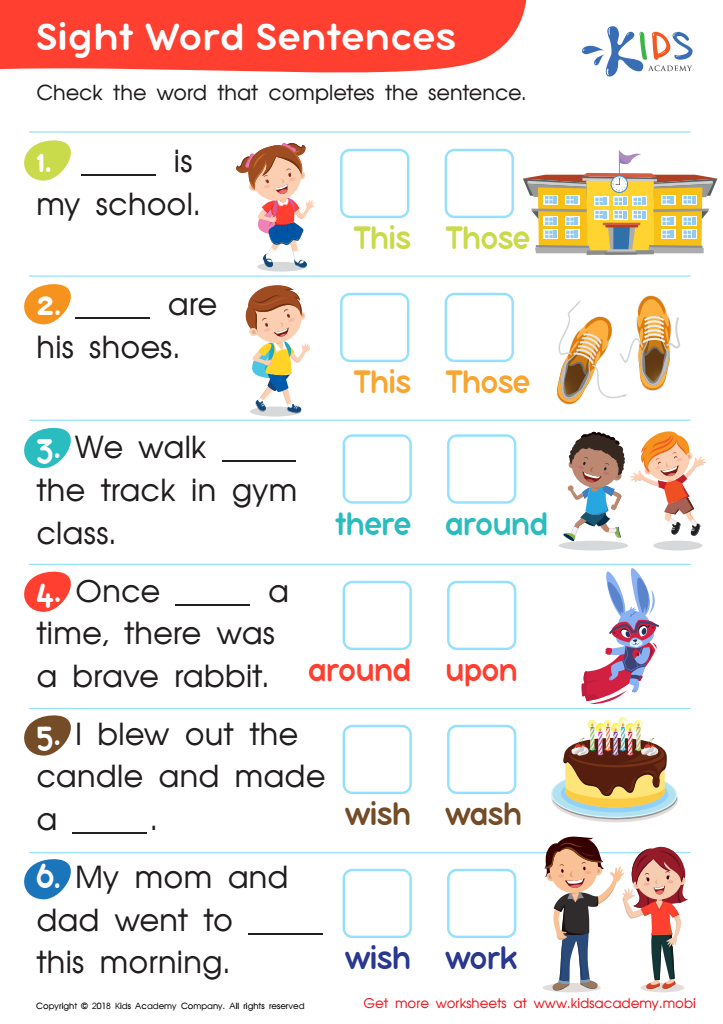
Sight Word Sentences Worksheet
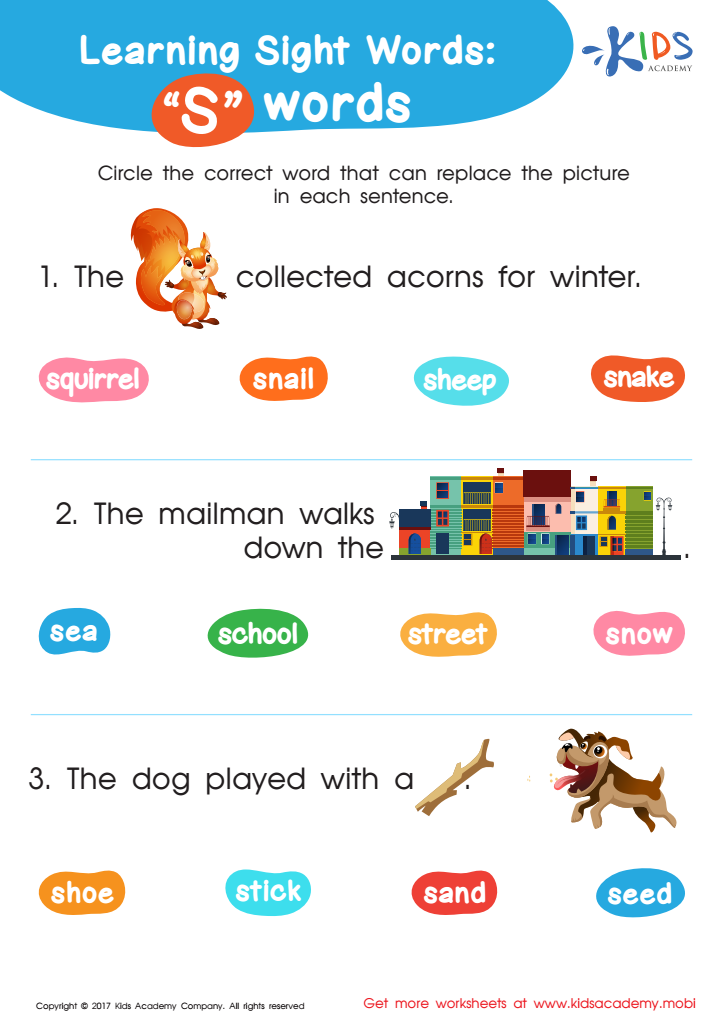
S Words Sight Words Worksheet
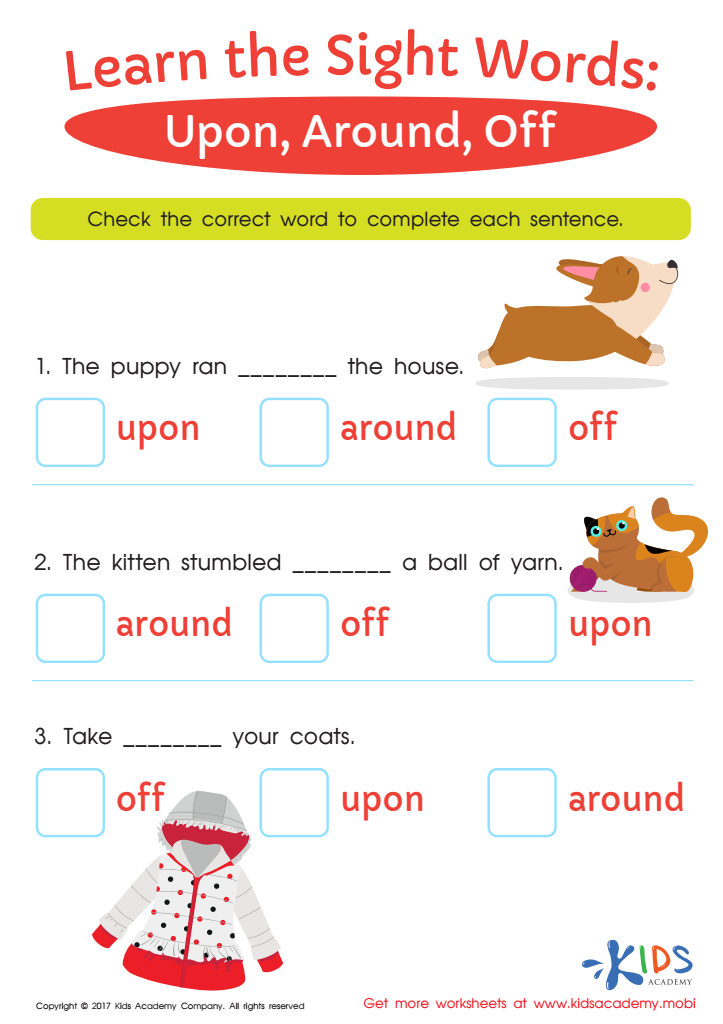
Upon, Around, Off Sight Words Worksheet
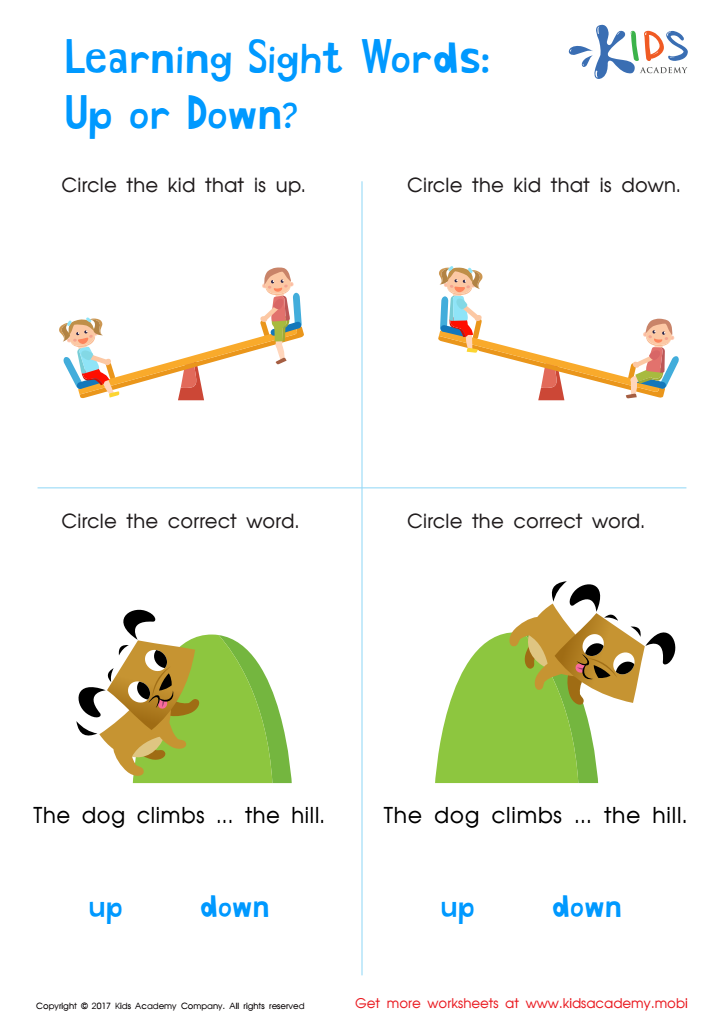
Up or Down Printable Sight Words Worksheet




Sight word recognition is essential for children aged 3 to 7 as it lays the foundation for successful reading, writing, and overall literacy development. At this stage, children are typically learning to associate letters with sounds and begin recognizing words by sight, rather than phonetically decoding each one. Familiarity with sight words facilitates smoother reading, allowing young learners to focus on comprehension and fluency instead of struggling with basic words.
By mastering sight words, children can enhance their vocabulary and improve their confidence in reading, making it an enjoyable experience rather than a daunting task. This boosts their motivation to explore books and engage with texts, thereby fostering a love for reading that can last a lifetime.
Parents and teachers play a pivotal role in supporting sight word recognition through engaging activities like flashcards, games, and reading together. They can help create a print-rich environment that encourages children to see and interact with words in their everyday lives. When educators and families emphasize sight word recognition, they contribute significantly to a child’s academic success and cognitive development, ultimately helping them become proficient, independent readers ready for future learning challenges. Understanding and prioritizing sight word recognition are key to building positive literacy experiences for young learners.








