Sound recognition Normal Worksheets for Ages 3-7
13 filtered results
-
From - To
Discover our engaging "Sound Recognition Normal Worksheets" designed for children ages 3-7! These interactive worksheets promote auditory skills essential for early literacy development. Each worksheet includes fun activities that motivate young learners to identify and differentiate sounds, enhancing their listening abilities in a playful way. Our selection features colorful illustrations and age-appropriate exercises that make sound recognition enjoyable. Perfect for both classroom and home use, these worksheets encourage creativity while building foundational skills for future reading success. Explore the fun of sound with your little ones and support their learning journey with our carefully crafted resources!
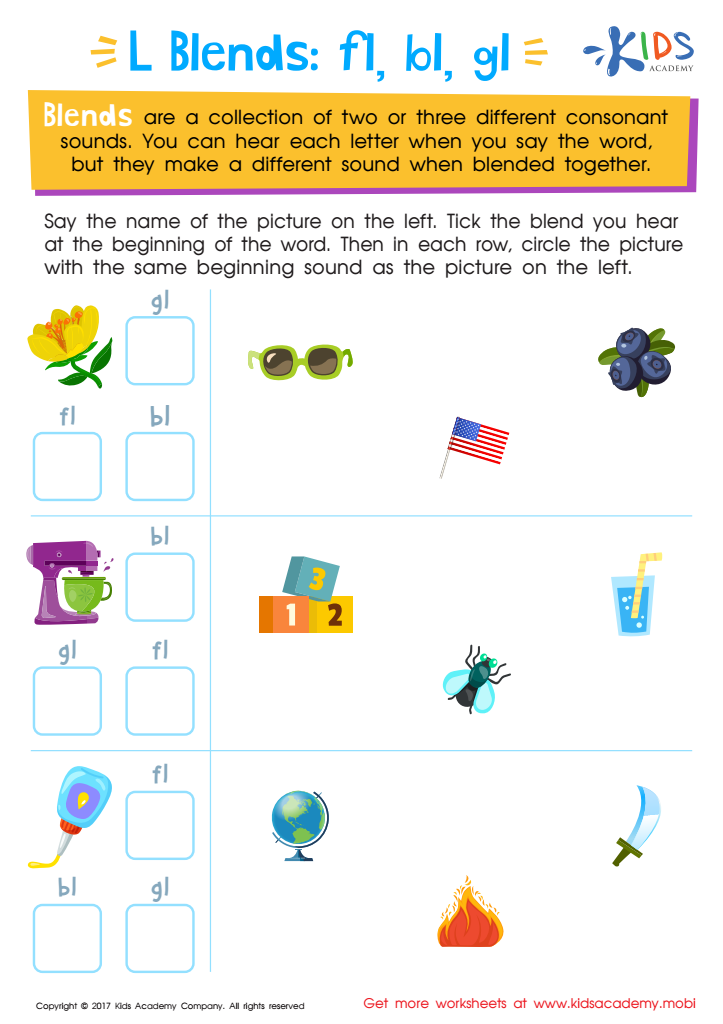
Blending Consonants: "Fl", "Bl" and "Gl" Printable
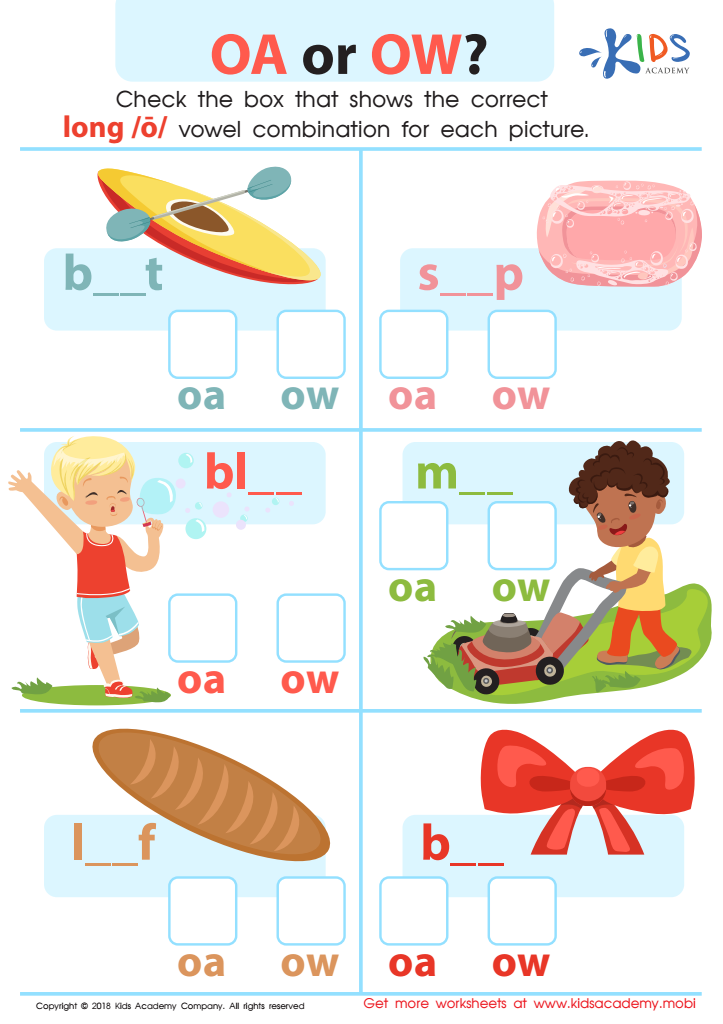
Reading: OA or OW Worksheet
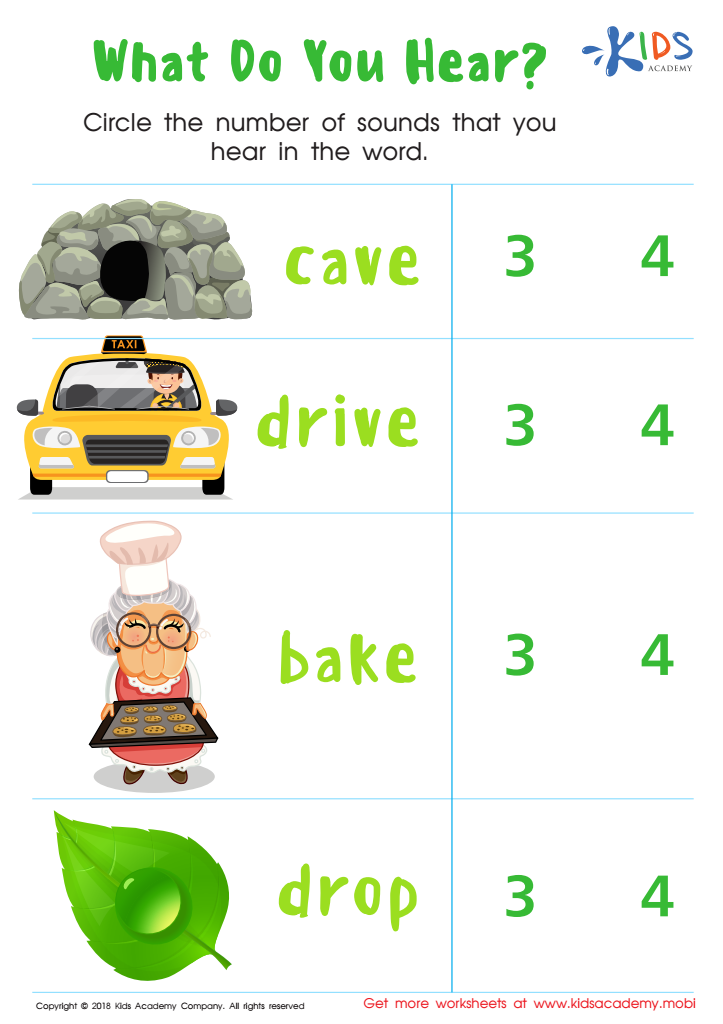
What Do You Hear? Worksheet
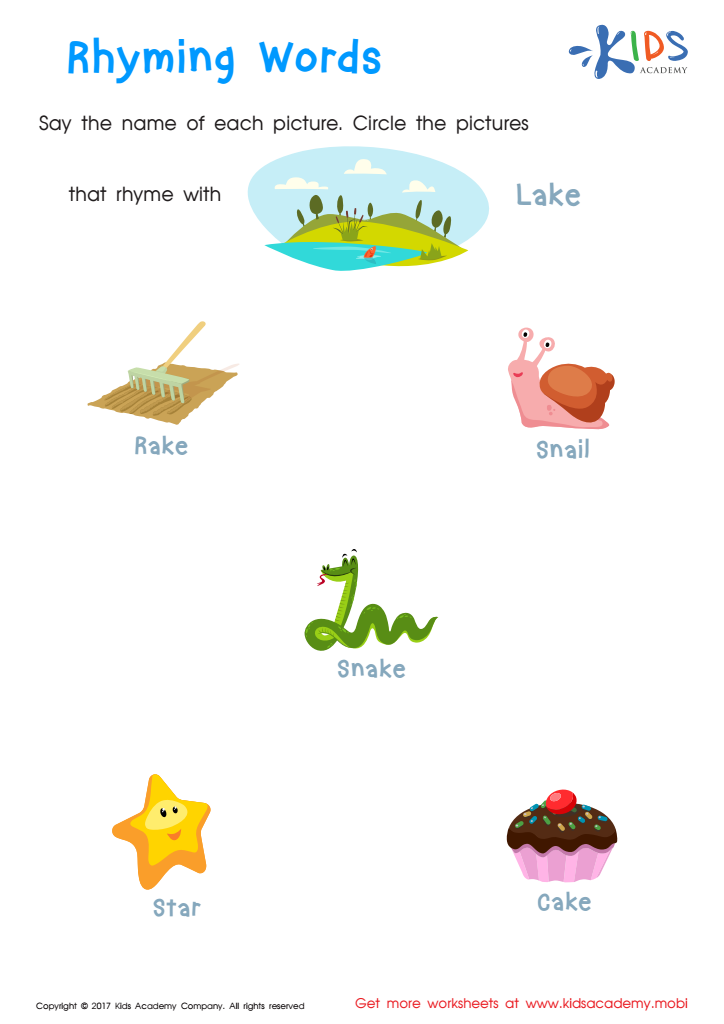
Rhyming Words Rhyming Worksheet
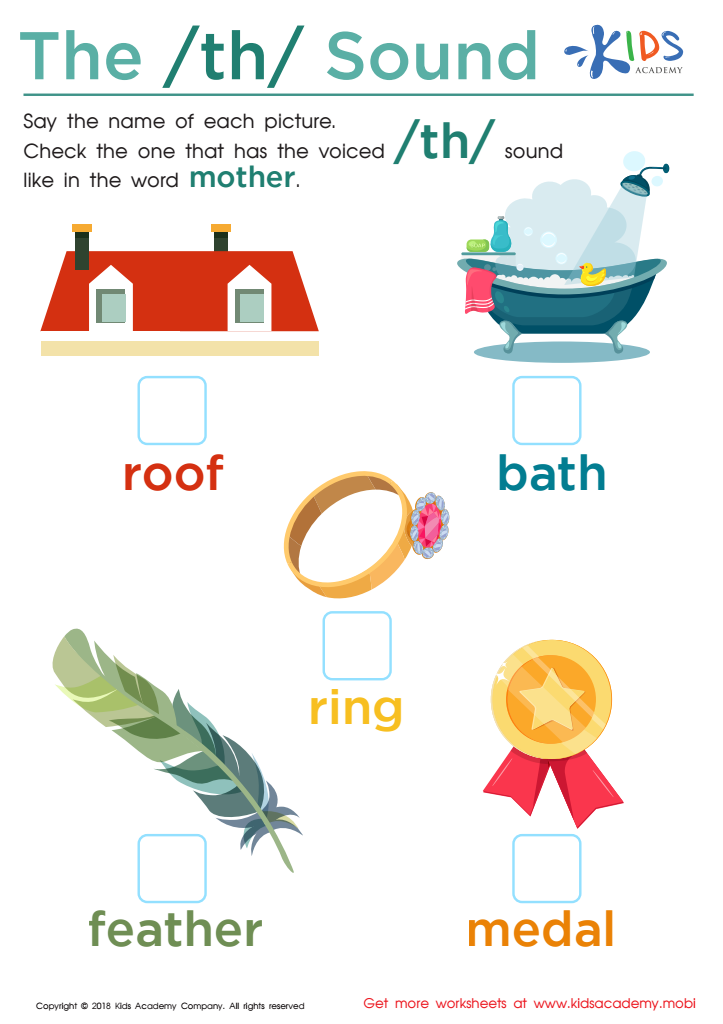
The /th/ Sound Worksheet
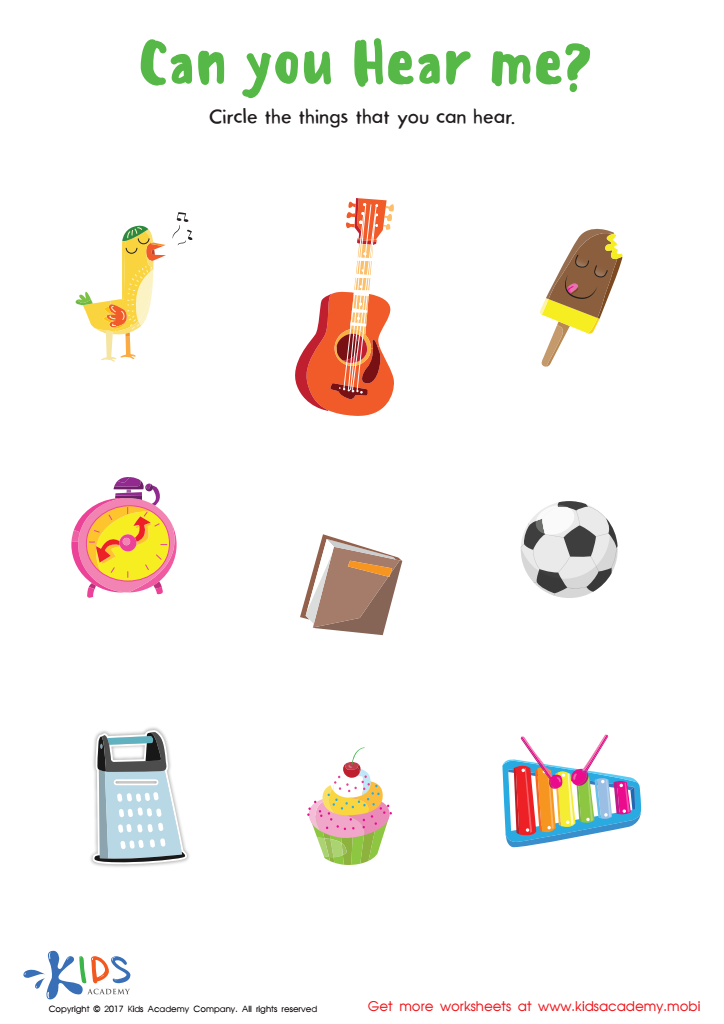
Can You Hear Me Worksheet
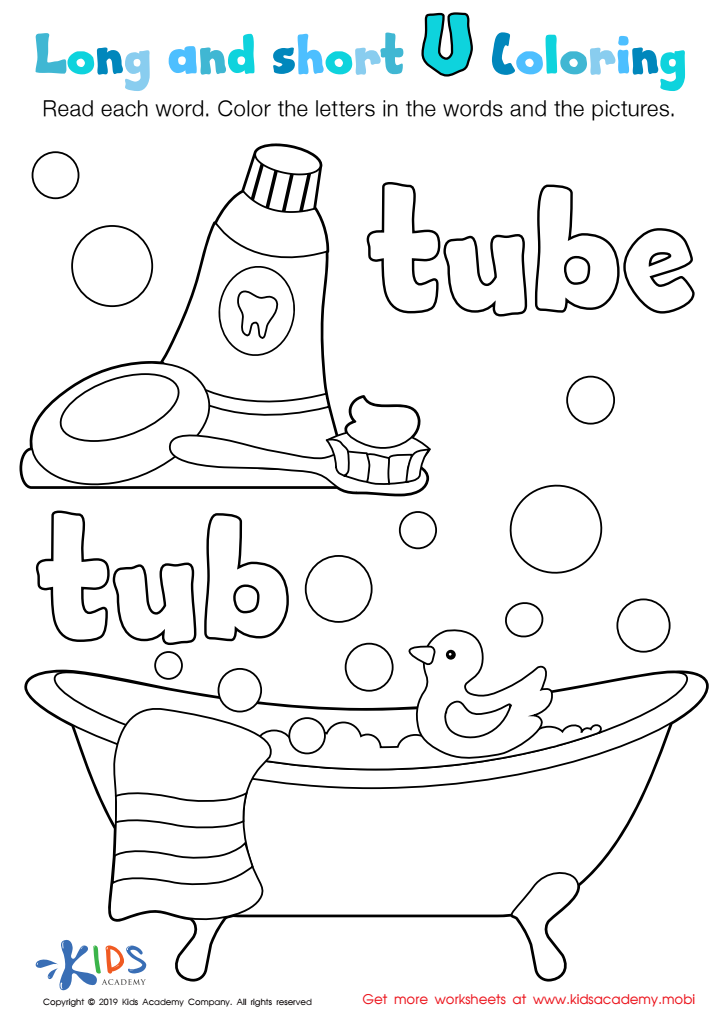
Long and Short U Worksheet
 Assign to My Students
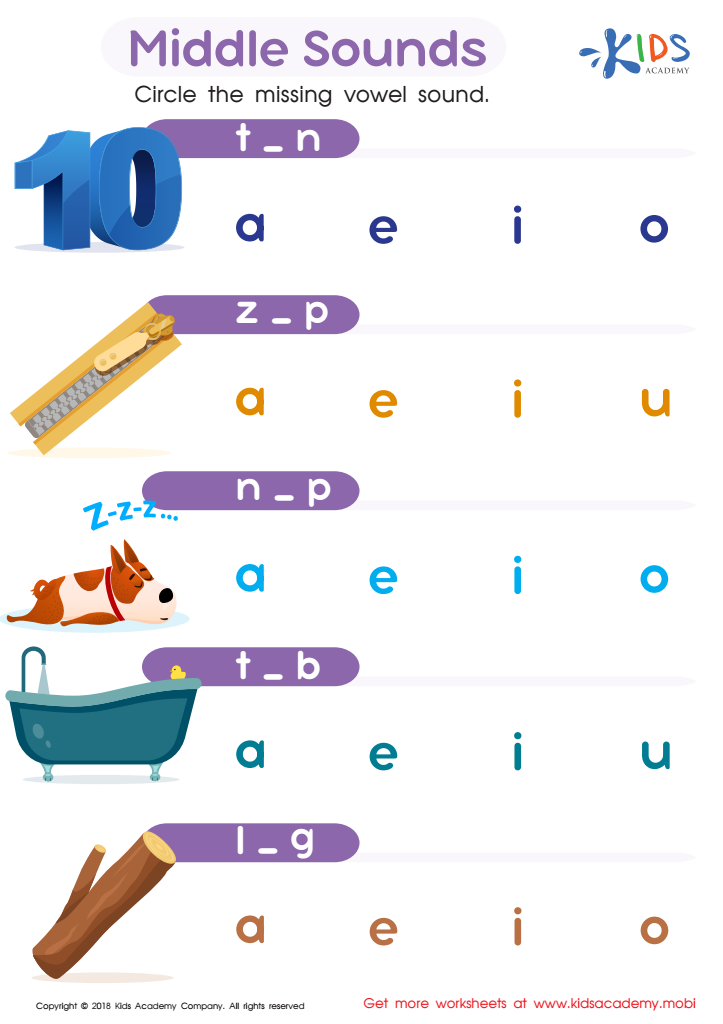
Middle Sounds Worksheet
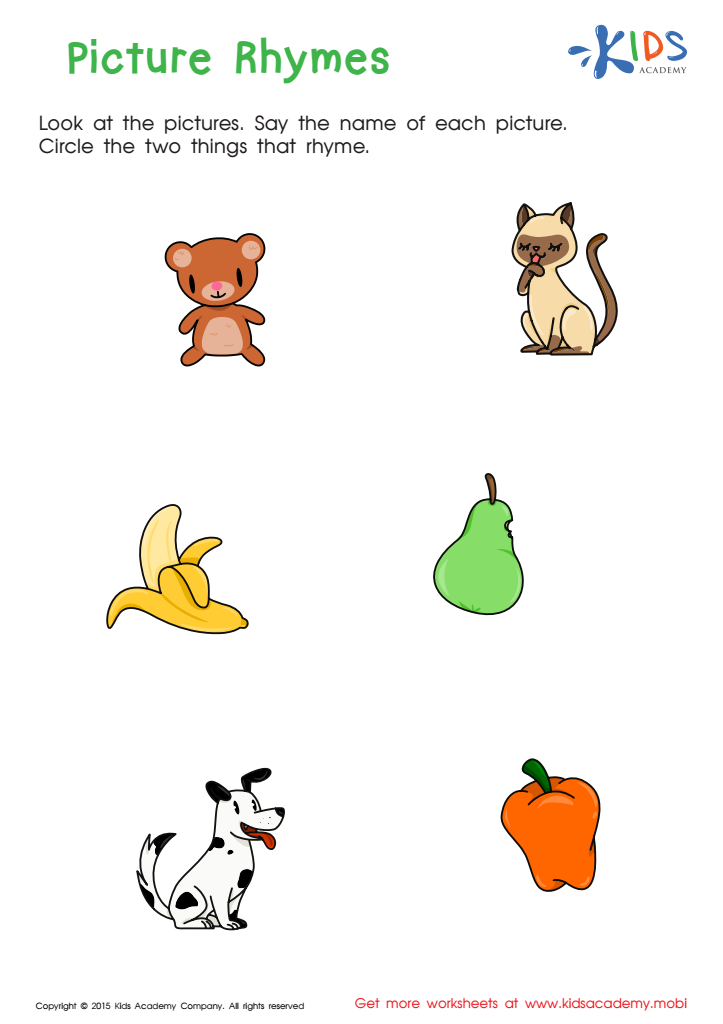
First Words: Picture Rhymes Worksheet
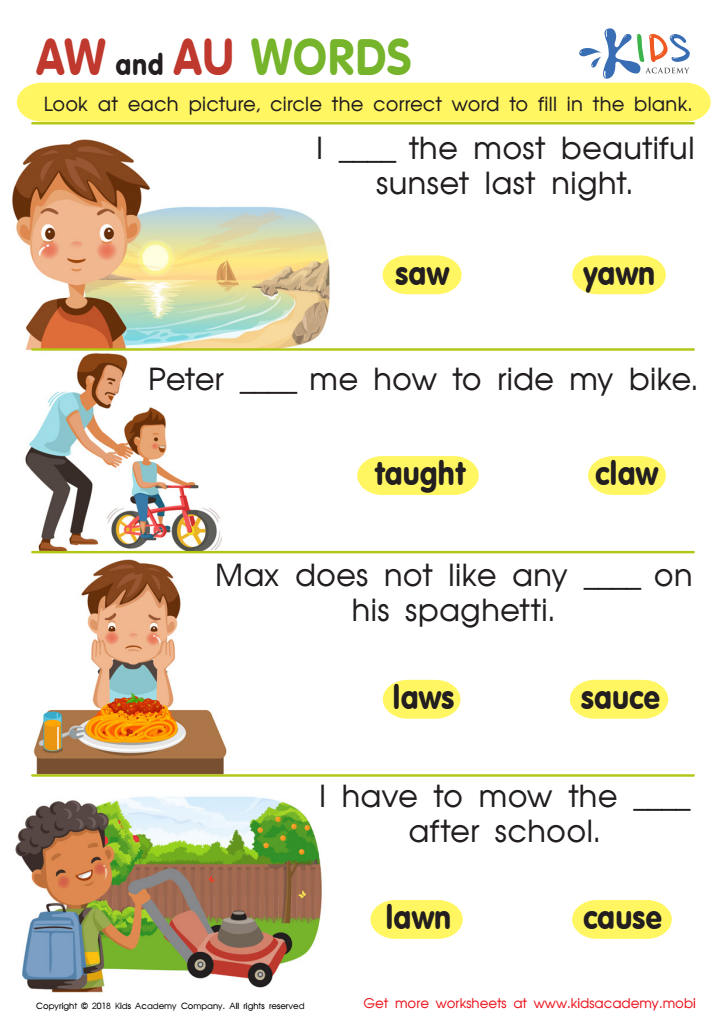
Reading: AW and AU Words Worksheet
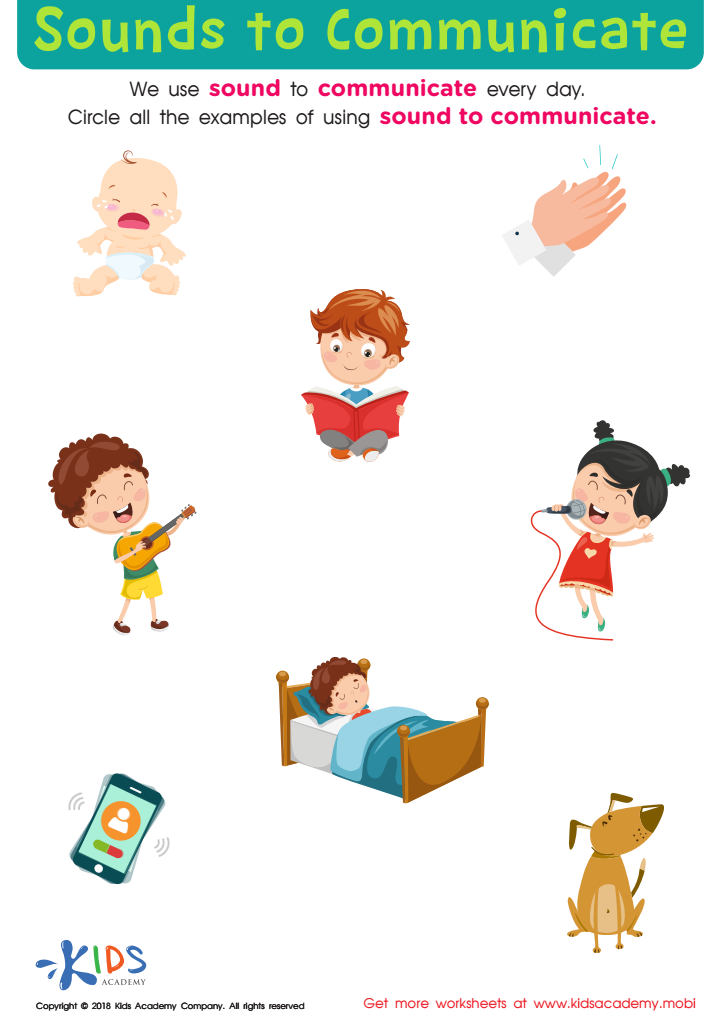
Sounds to Communicate Worksheet
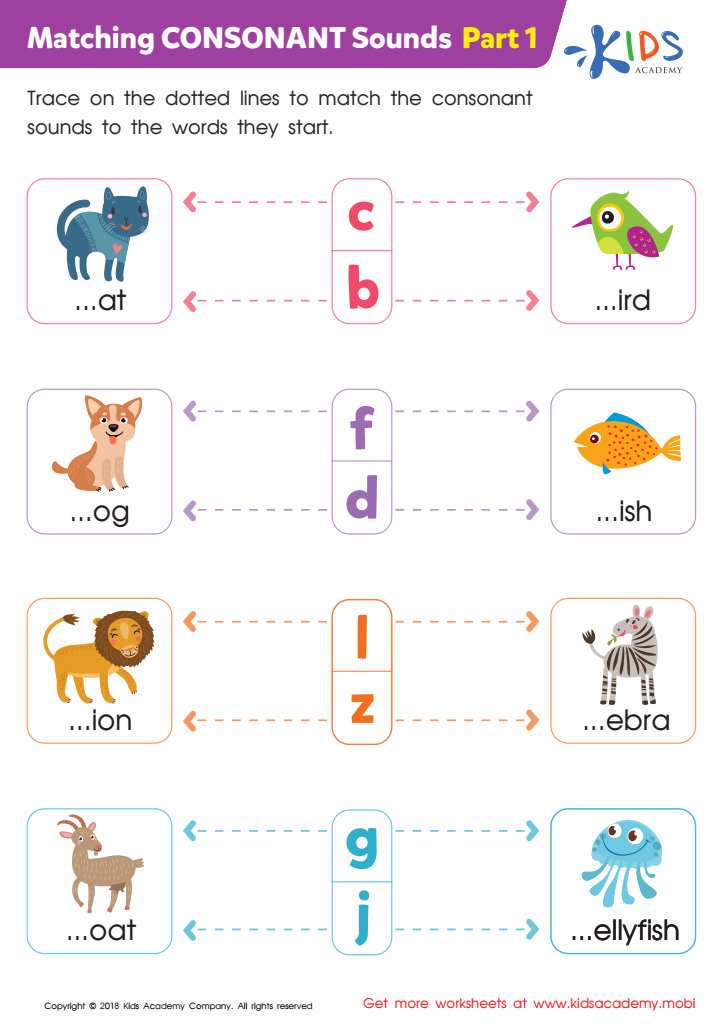
Matching Consonant Sounds: Part 1 Worksheet
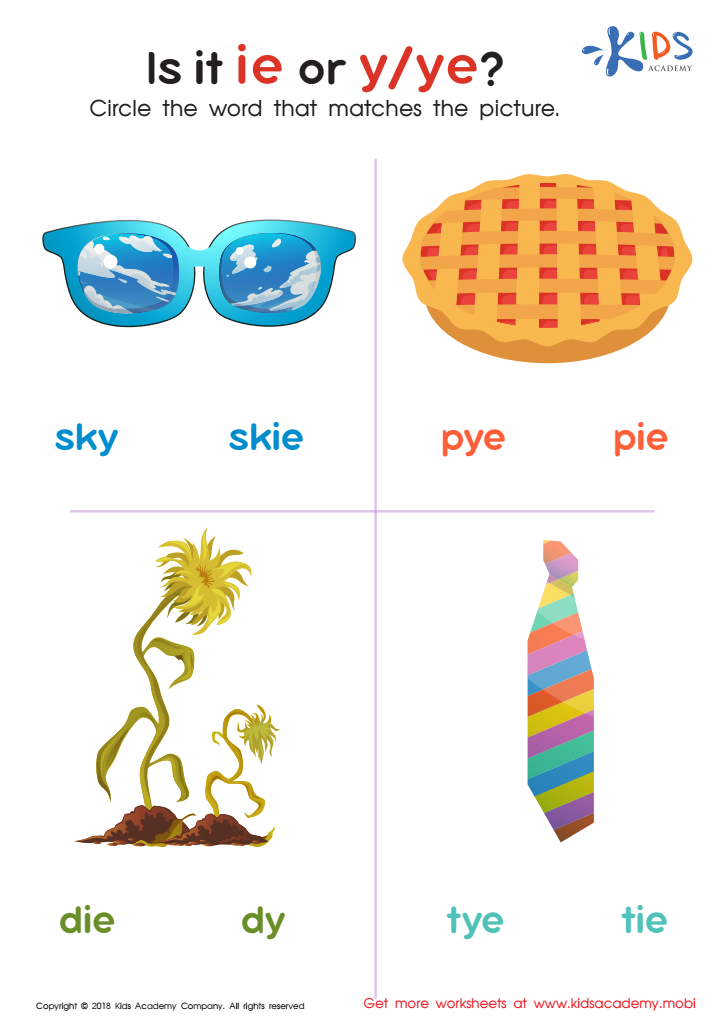
Is It IE or Y/Ye? Worksheet






Sound recognition is a crucial skill for children aged 3-7, impacting their overall development in numerous ways. For parents and teachers, fostering sound recognition is essential as it lays the foundation for effective communication and literacy skills. At this developmental stage, children's brains are highly receptive to auditory input, making it an ideal time to enhance their ability to identify and differentiate sounds.
Sound recognition aids in reading readiness; children who can discern phonetic sounds are better equipped to decode words and attach meanings while reading. Moreover, it enriches their vocabulary, enabling them to express themselves more clearly and interact proficiently with peers and adults.
In addition to literacy, sound recognition plays a role in cognitive development. Recognizing various environmental and expressive sounds helps children understand their surroundings, enhancing observation and critical thinking skills. Furthermore, these auditory skills are linked to social emotional learning, as children become more attuned to nuances in speech such as tone and emotion.
Ultimately, investing time and resources in sound recognition activities fosters a child's multi-dimensional growth, establishing a solid foundation for future learning, self-expression, and social interaction. Therefore, it’s imperative for parents and teachers to prioritize this essential developmental milestone.








