Spatial Orientation Normal Worksheets for Ages 3-7
3 filtered results
-
From - To
Enhance your child’s spatial orientation skills with our engaging worksheets designed for ages 3 to 7. These carefully crafted activities help young learners develop critical skills in understanding space, direction, and positioning. Our free printable worksheets feature fun illustrations and interactive exercises that keep kids actively involved in their learning journey. From identifying shapes in different orientations to solving simple spatial puzzles, each worksheet inspires curiosity and boosts cognitive abilities. Perfect for early education at home or in the classroom, our resources create a solid foundation for future academic success. Download now and watch your child's spatial awareness grow!
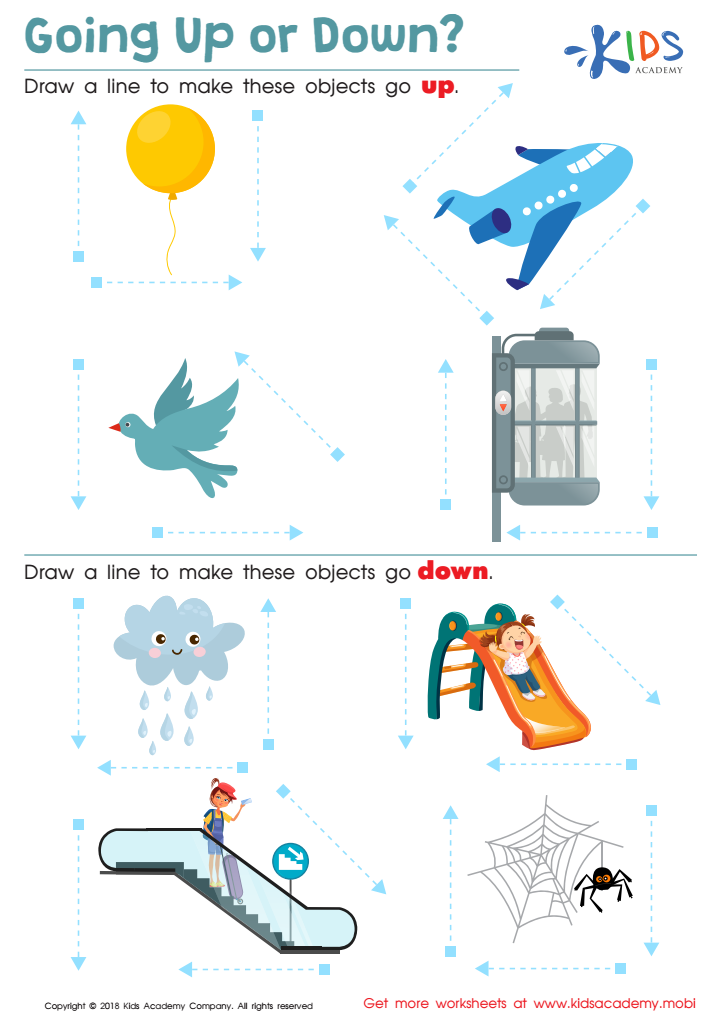
Going up or Down? Worksheet
 Assign to My Students
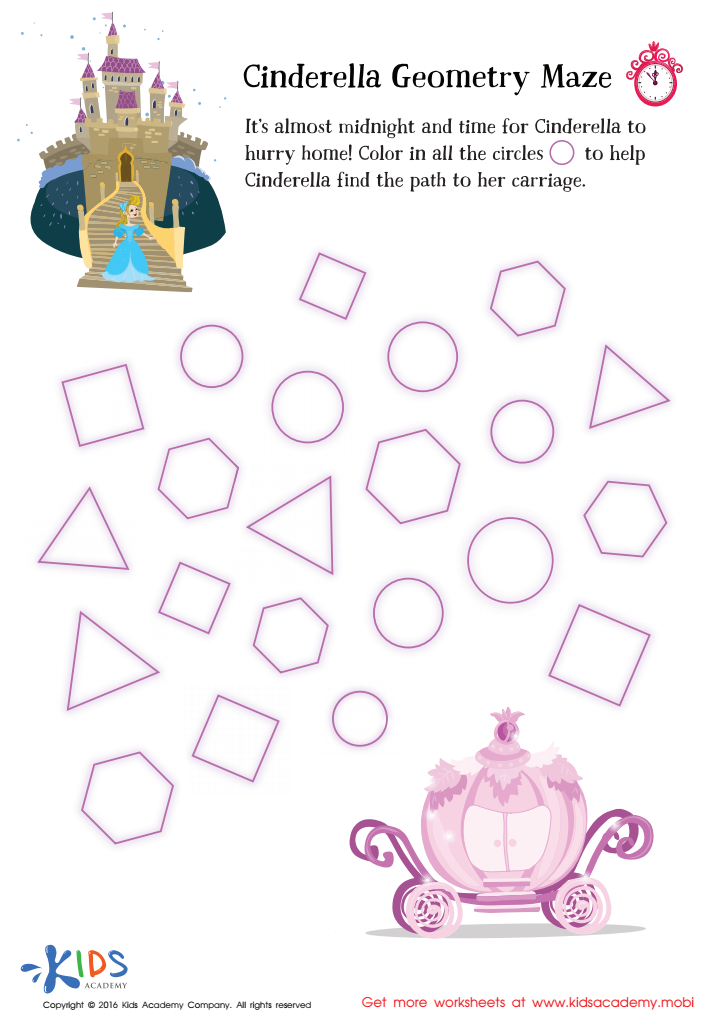
Cinderella Geometry Maze Worksheet
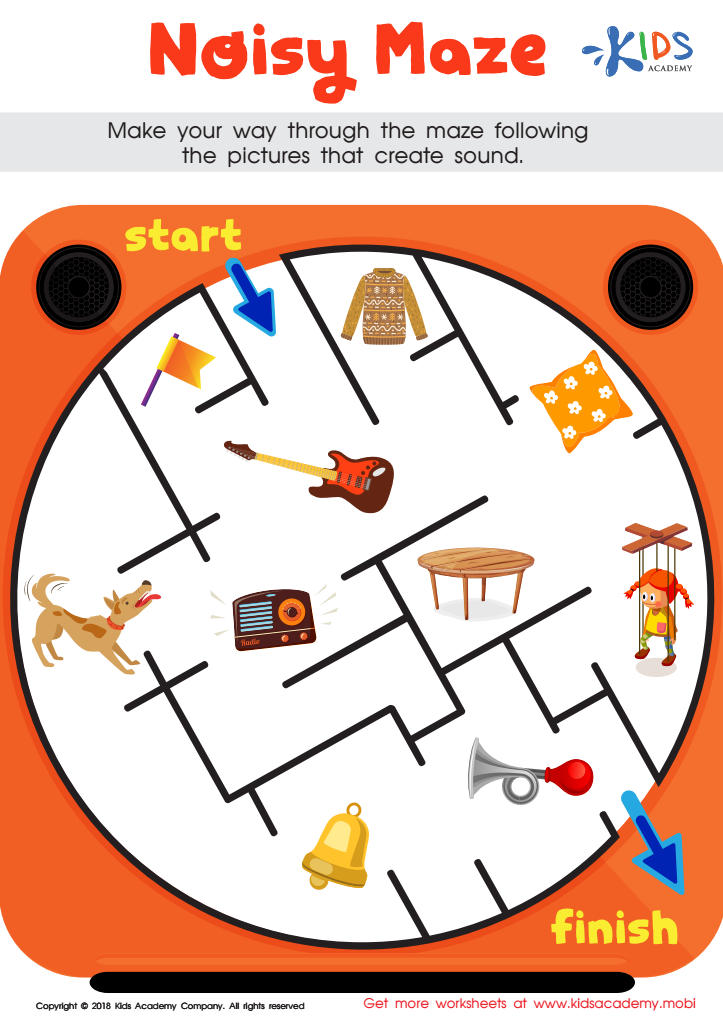
Noisy Maze Worksheet








Spatial orientation is crucial for children aged 3-7 as it forms the foundation for a variety of cognitive and motor skills essential for everyday functioning and learning. This skill allows children to understand where they and objects are in space, which influences their ability to navigate their environment safely and effectively.
From a developmental perspective, spatial orientation helps children comprehend concepts such as up/down, left/right, and near/far. These concepts are fundamental in early math, science, and literacy – for instance, recognizing shapes, understanding positions of letters, or even solving simple geometry problems. Early mastery of spatial orientation can lead to stronger problem-solving abilities and creative thinking, which are pivotal in academic success.
Moreover, fostering spatial awareness enhances motor skills as it enables children to coordinate their movements with their environment. It encourages active play, exploration, and social interaction, allowing parents and teachers to observe and guide developmental milestones. Involving spatial learning activities, like puzzles, building blocks, or outdoor games, reinforces these skills in engaging ways. In sum, nurturing spatial orientation in young children not only supports their immediate learning and safety but also lays the groundwork for their future academic and social endeavors.








