Counting practice Normal Addition & Subtraction Worksheets for Ages 3-7
8 filtered results
-
From - To
Welcome to our engaging Counting Practice worksheets for children ages 3-7! Designed to enhance foundational math skills, these printable resources provide a delightful way for young learners to practice normal addition and subtraction. With colorful illustrations and age-appropriate exercises, kids will develop their counting abilities while having fun. Each worksheet encourages hands-on learning, fostering a love for math that lasts a lifetime. Whether at home or in the classroom, our Counting Practice worksheets are perfect for reinforcing essential skills. Start your child’s math journey today and watch their confidence grow as they master addition and subtraction with ease!
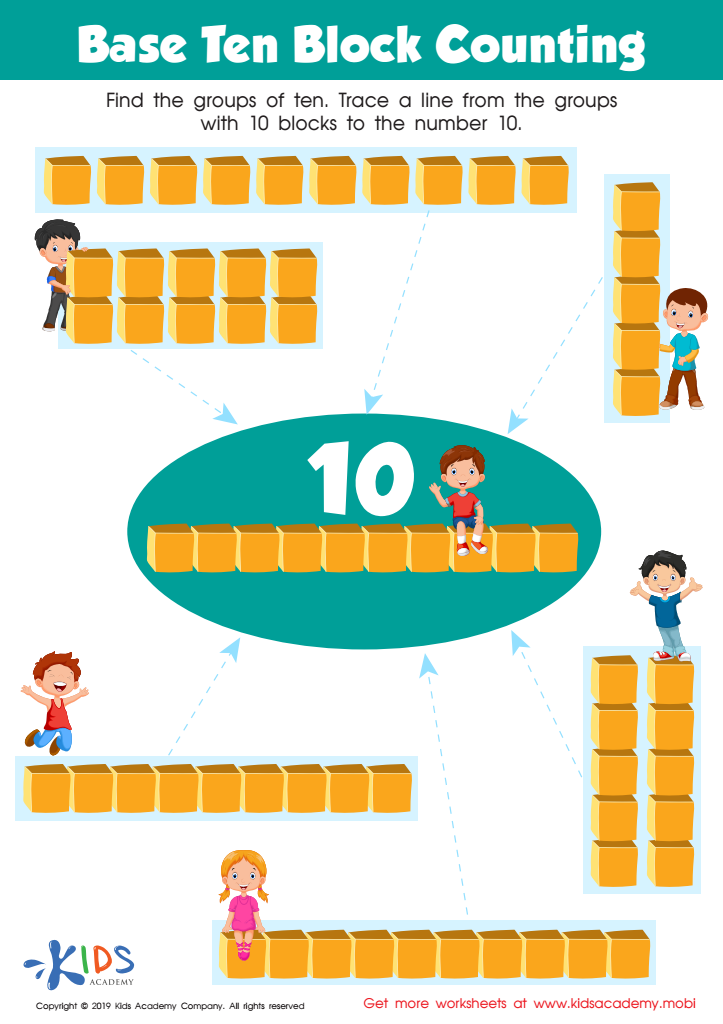
Base Ten Block Counting Worksheet
 Assign to My Students
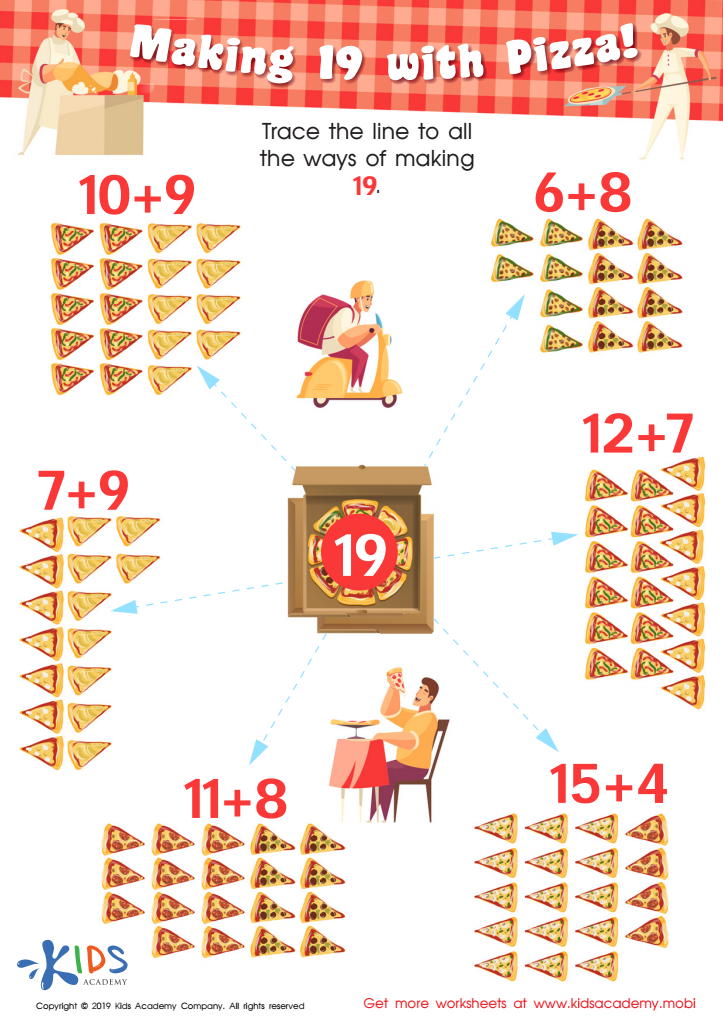
Making 19 with Pizza! Worksheet
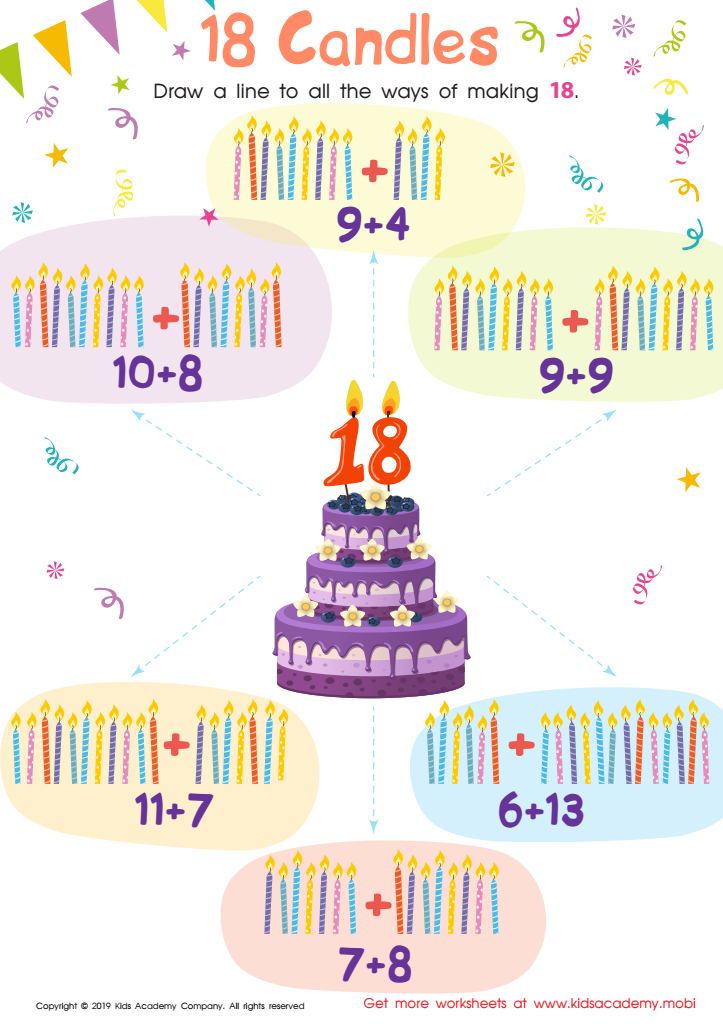
18 Candles Worksheet
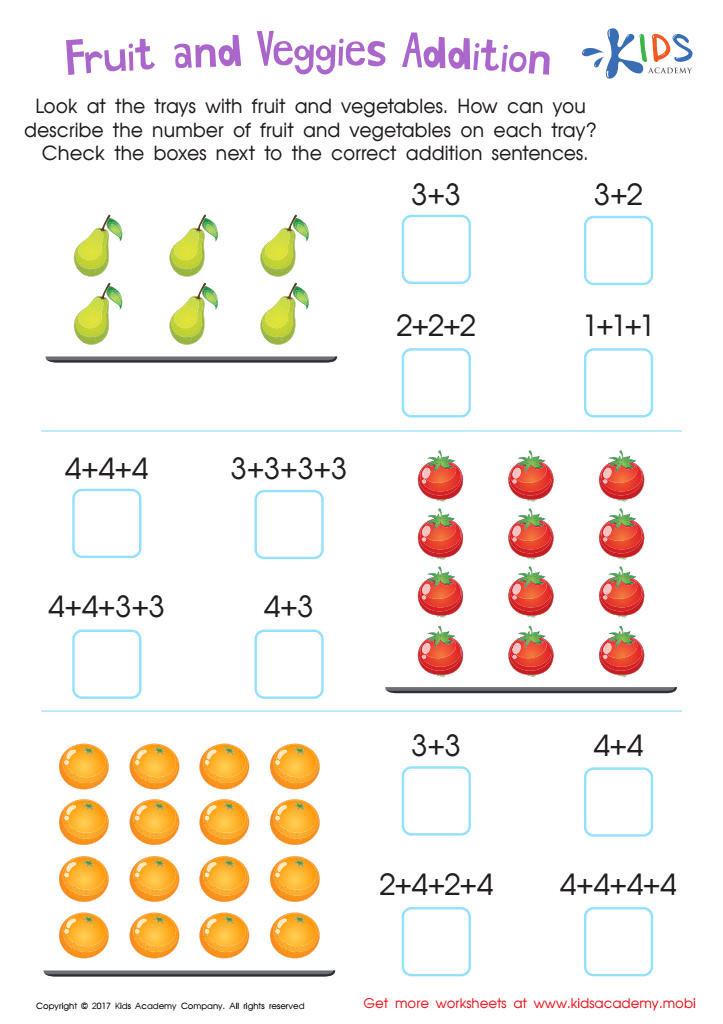
Fruit and Veggies Worksheet
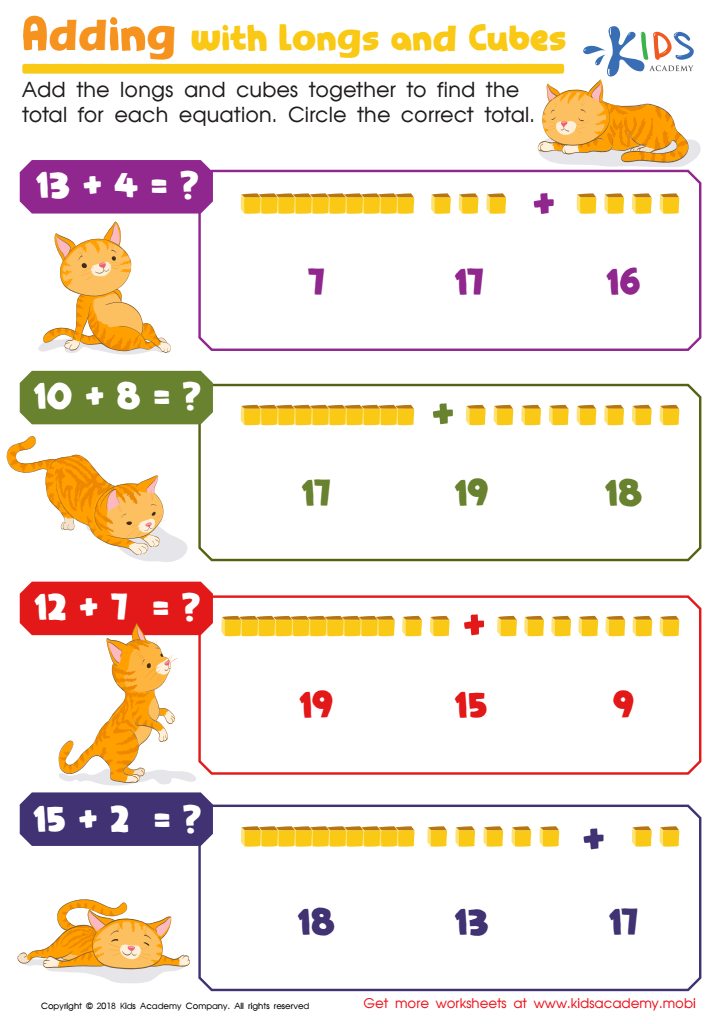
Adding With Longs and Cubes Worksheet
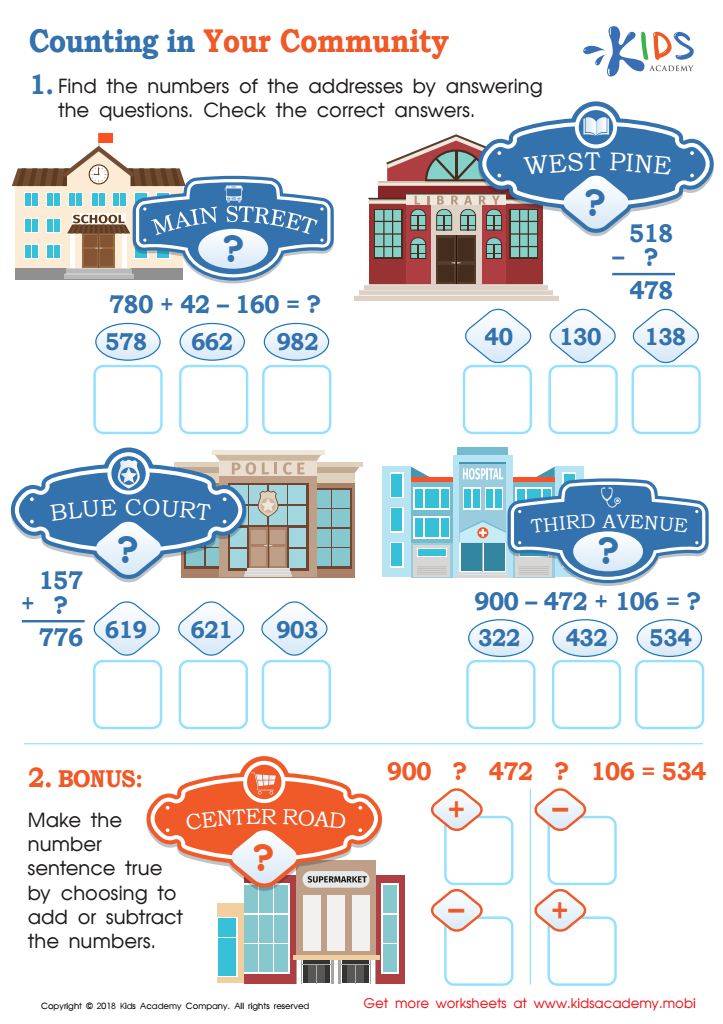
Counting in Your Community Worksheet
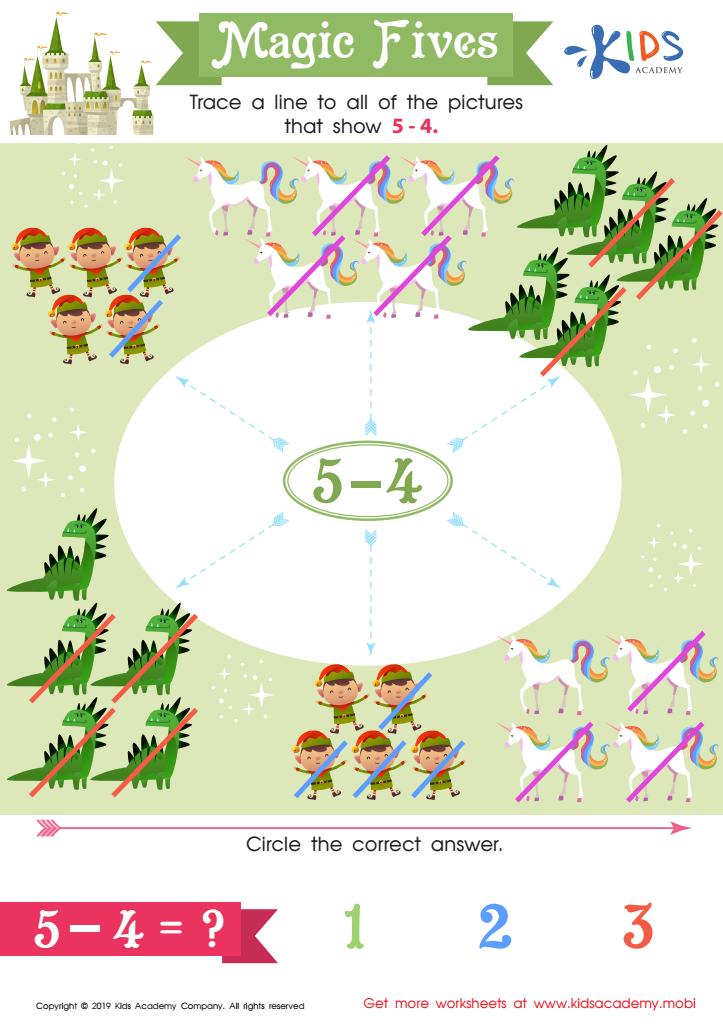
Magic Fives Worksheet
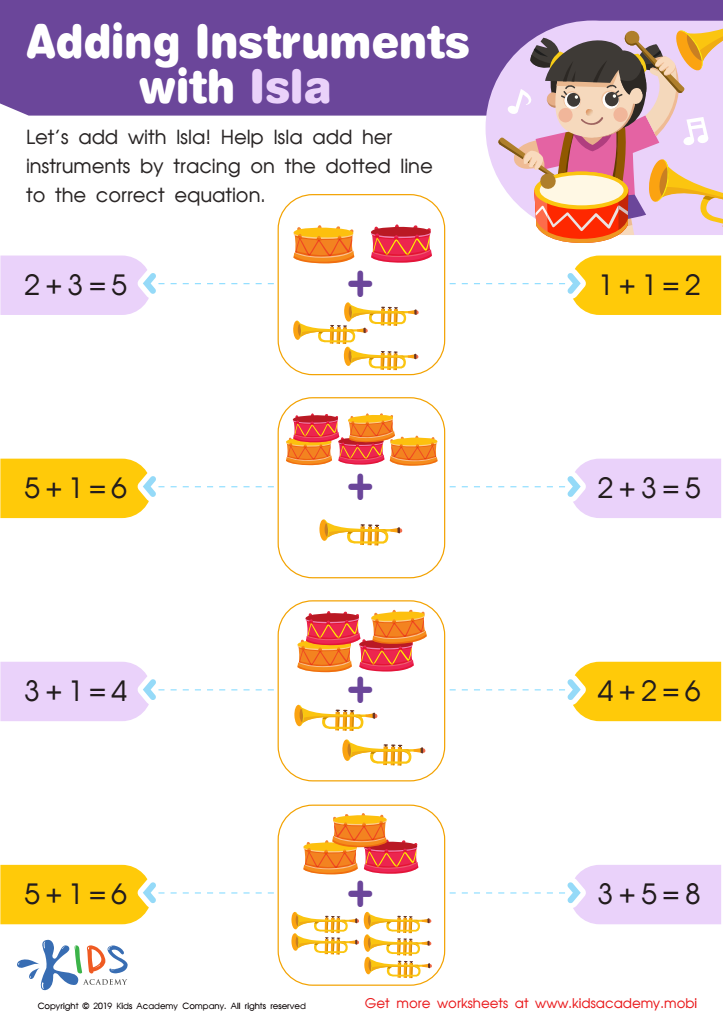
Adding Instruments with Isla Worksheet








Counting practice and normal addition and subtraction for children aged 3-7 are fundamental building blocks of early mathematics education. Parents and teachers should prioritize these skills as they foster cognitive development and enhance a child's understanding of numerical concepts. During these formative years, children develop essential mathematical foundations that not only aid in academic success but also contribute to critical thinking and problem-solving skills later in life.
By engaging in counting activities, children learn to recognize numbers, understand quantities, and begin to grasp the relationship between numbers and their values. Mastering basic addition and subtraction, in turn, helps them make sense of everyday situations, such as sharing, measuring, and comparing, laying the groundwork for more complex mathematical concepts in the future.
Additionally, counting and simple operations promote fine motor skills through hands-on activities, and reinforce language development as children learn to articulate numbers and their relationships. These practices encourage a positive attitude towards math, transforming it from a daunting subject into an engaging and rewarding experience. Ultimately, fostering counting, addition, and subtraction skills is crucial for holistic development, ensuring children are equipped not just academically, but also socially and emotionally as they transition into primary education and beyond.








