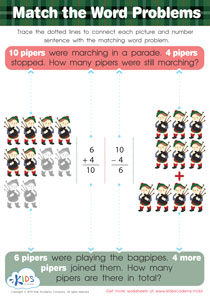
Normal Addition Worksheets for Ages 3-7 - Page 3
53 filtered results
-
From - To
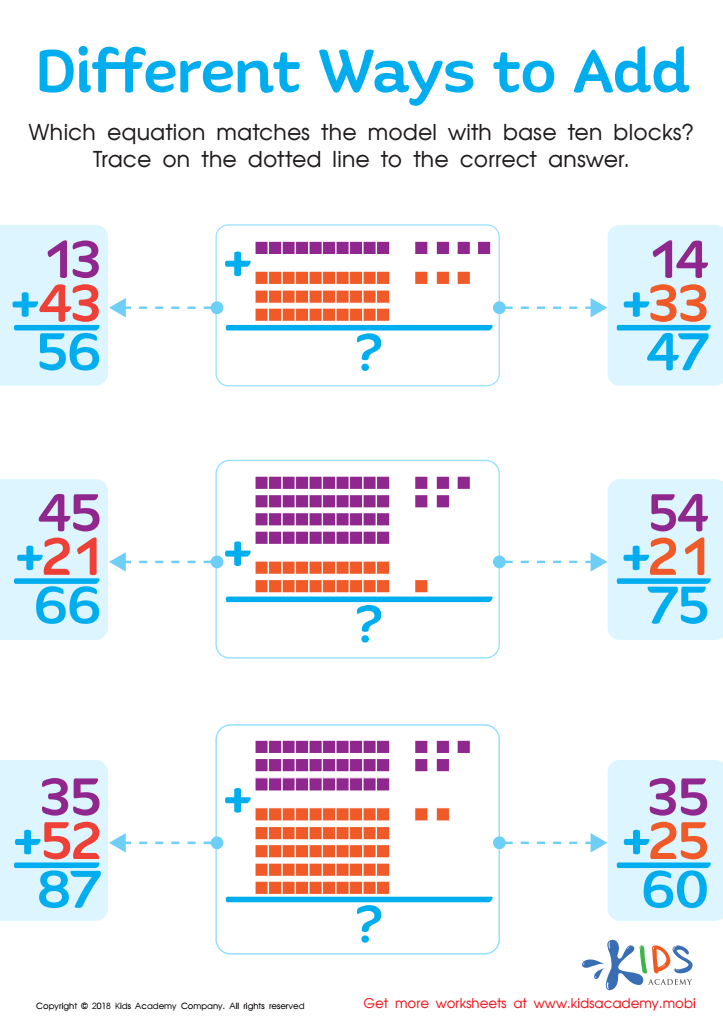
Different Ways to Add Worksheet
 Assign to My Students
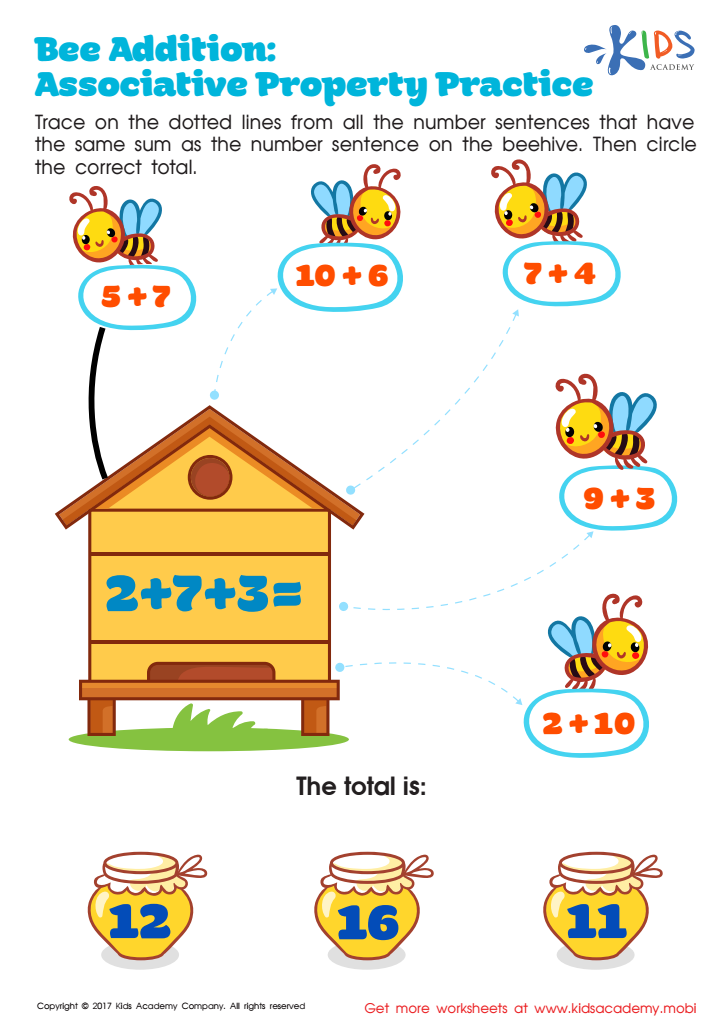
Bee Addition: Associative Property Practice Worksheet
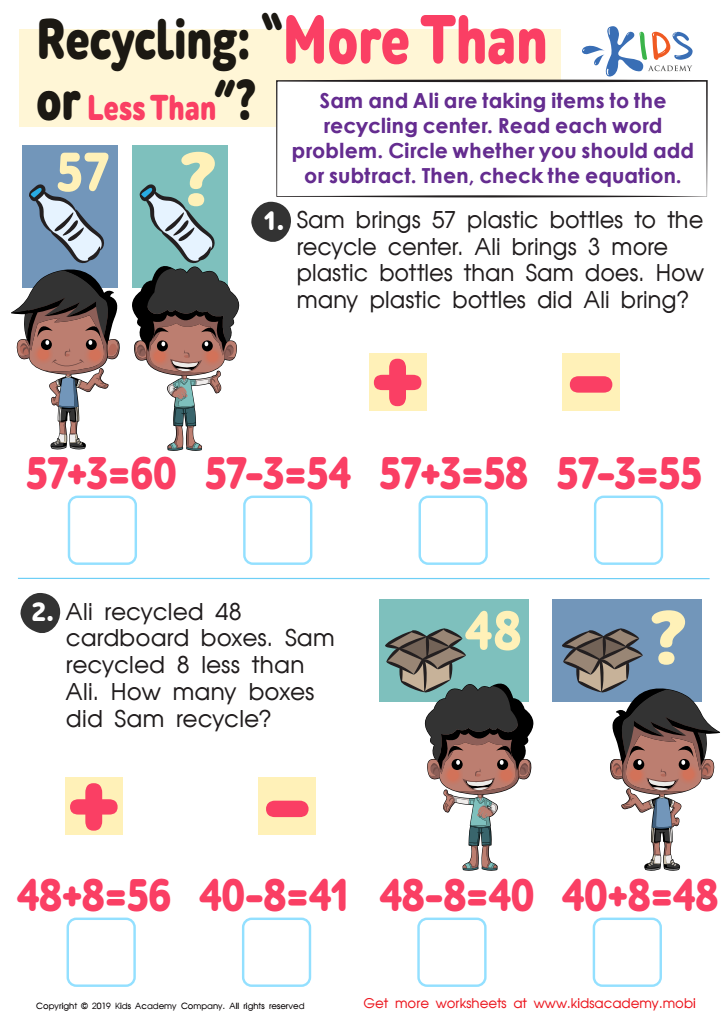
Recycling - More or Less Worksheet
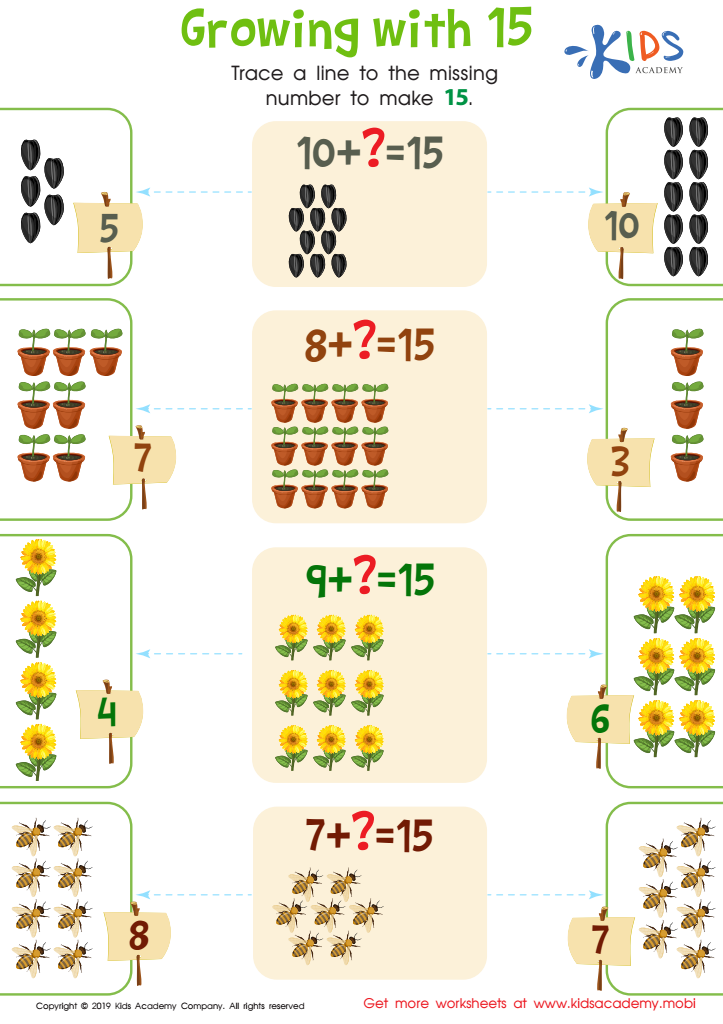
Growing with 15 Worksheet
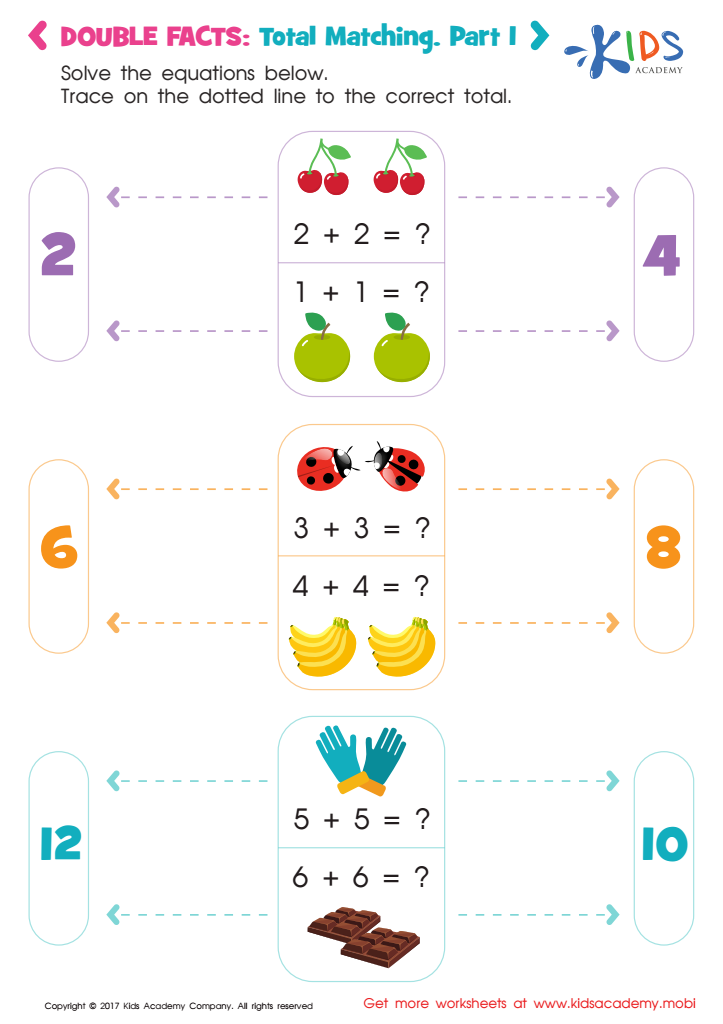
Double Facts: Total Matching Worksheet: Part 1






.jpg)

Normal Addition is a crucial foundational skill for children aged 3-7, and both parents and teachers should prioritize its development. At this age, children are naturally curious and eager to learn, making it the perfect time to introduce the concepts of counting and simple arithmetic. Normal Addition lays the groundwork for more complex mathematical concepts, such as subtraction, multiplication, and problem-solving, that they will encounter later in their education.
Moreover, mastering Normal Addition not only fosters essential cognitive skills but also boosts a child’s confidence and self-esteem. Children who grasp basic addition are more likely to engage positively with math, a subject that often presents challenges for learners. Parents and teachers can use fun activities—like counting objects, playing number games, or incorporating math into daily routines—to reinforce these skills and make learning enjoyable.
Additionally, strong early math skills can have a lasting impact on overall academic performance and career opportunities. Research shows a correlation between early math competency and success in later years. Therefore, by emphasizing Normal Addition, parents and teachers can set children on a path toward lifelong learning and success, ensuring they don’t just grow academically, but also thrive in their future endeavors.