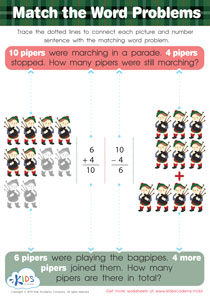
Addition Practice Normal Addition Worksheets for Ages 3-7
12 filtered results
-
From - To
Welcome to our Addition Practice Normal Addition Worksheets designed specifically for children aged 3-7! Our interactive worksheets provide a fun and engaging way for young learners to build essential addition skills. With colorful illustrations and age-appropriate exercises, these worksheets make learning math enjoyable. Perfect for home or classroom use, they cater to different learning paces while reinforcing basic addition concepts. Encourage your child's confidence in math as they complete various activities, from simple number problems to visual aids. Explore our collection today and help your little ones master the art of addition in a stress-free and enjoyable way!
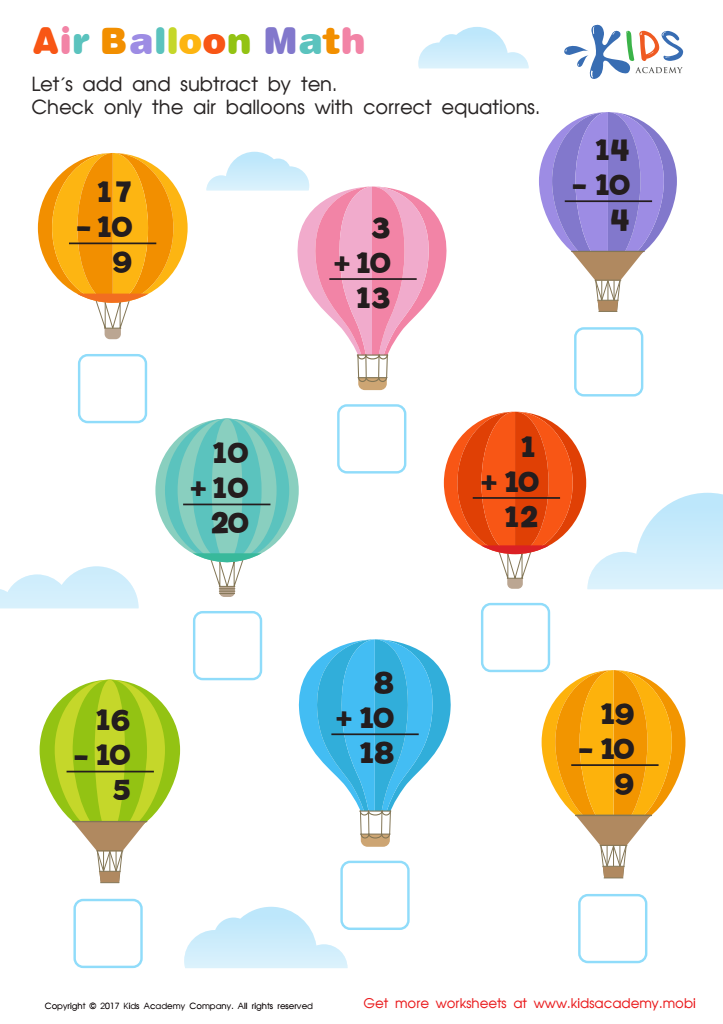
Air Balloon Math Worksheet
 Assign to My Students
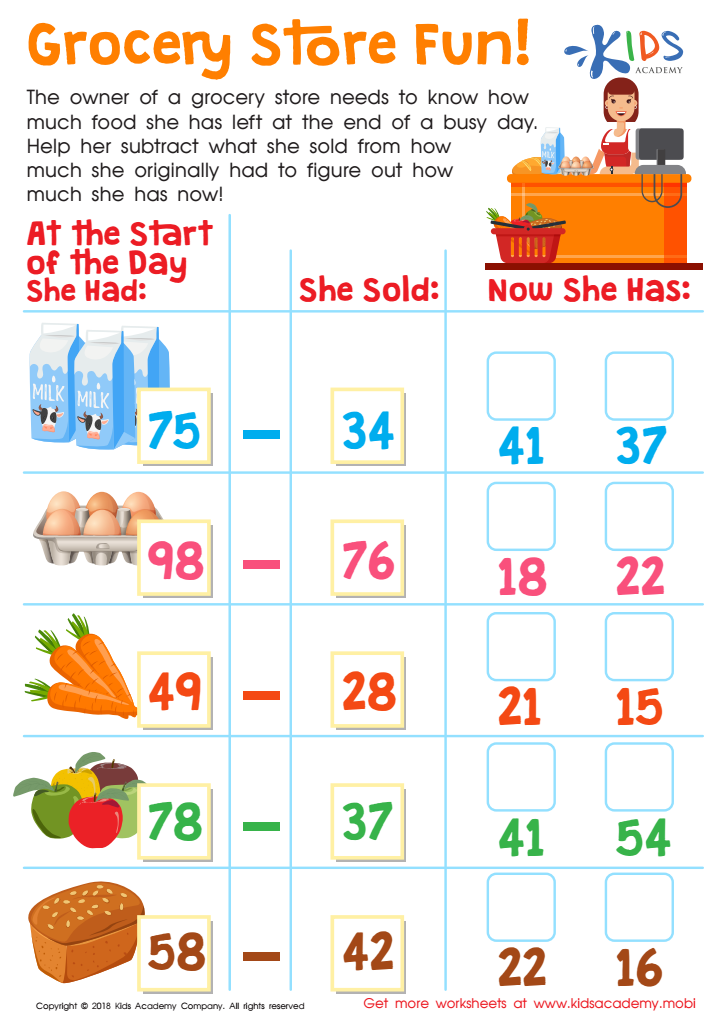
Grocery Store Fun! Worksheet
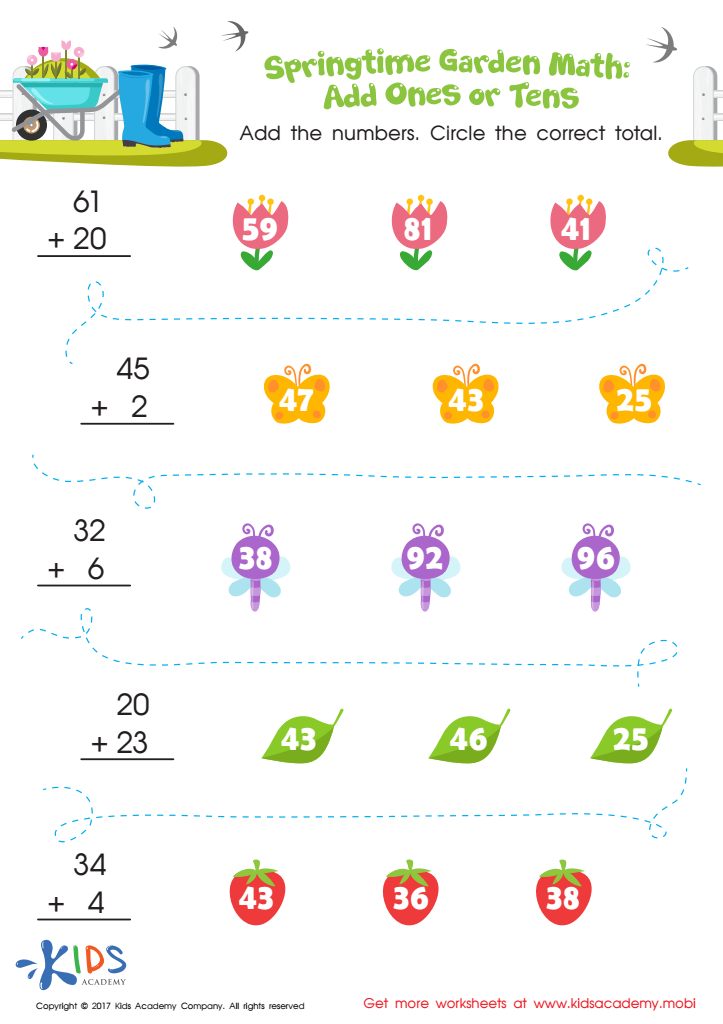
Springtime Garden Math Worksheet
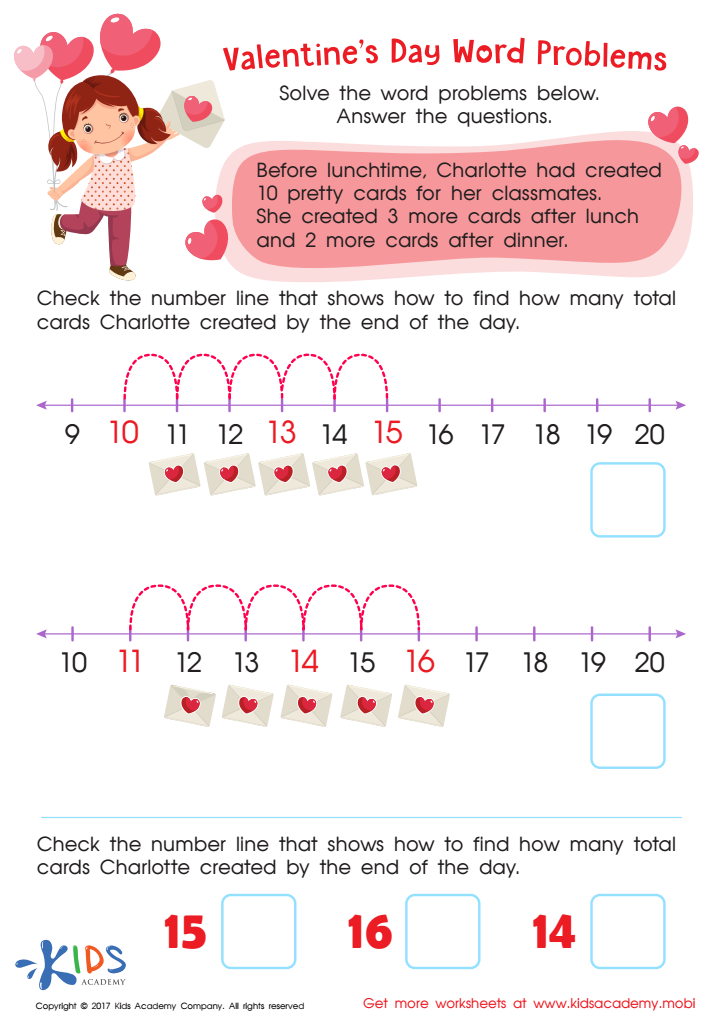
Valentines Day Word Problem Worksheet
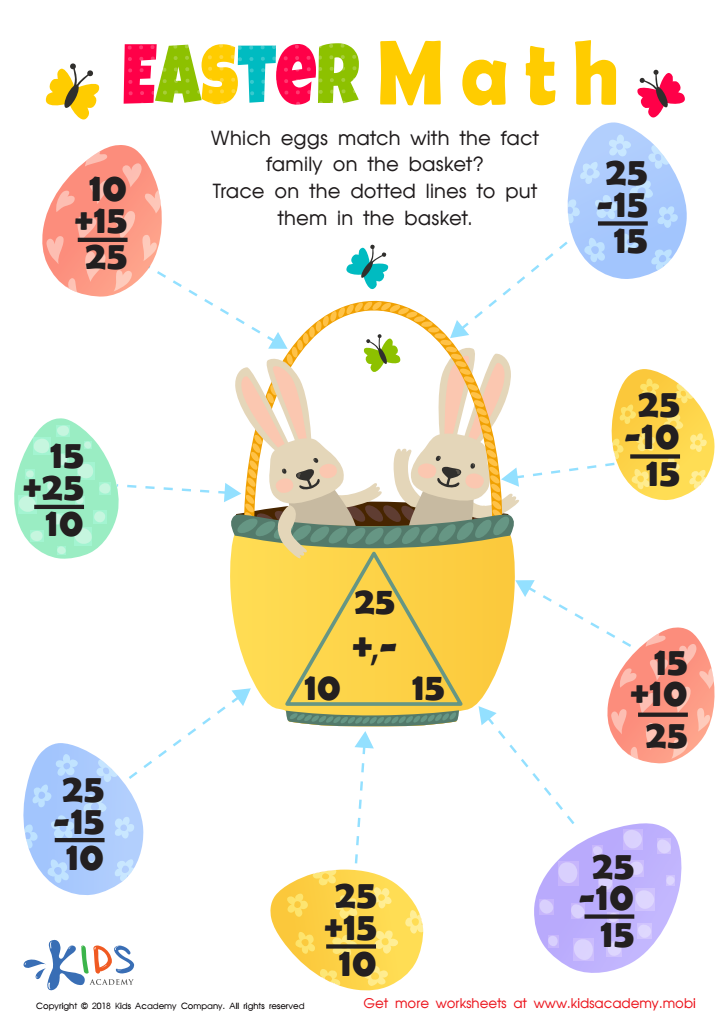
Fact Families: Easter Math Worksheet
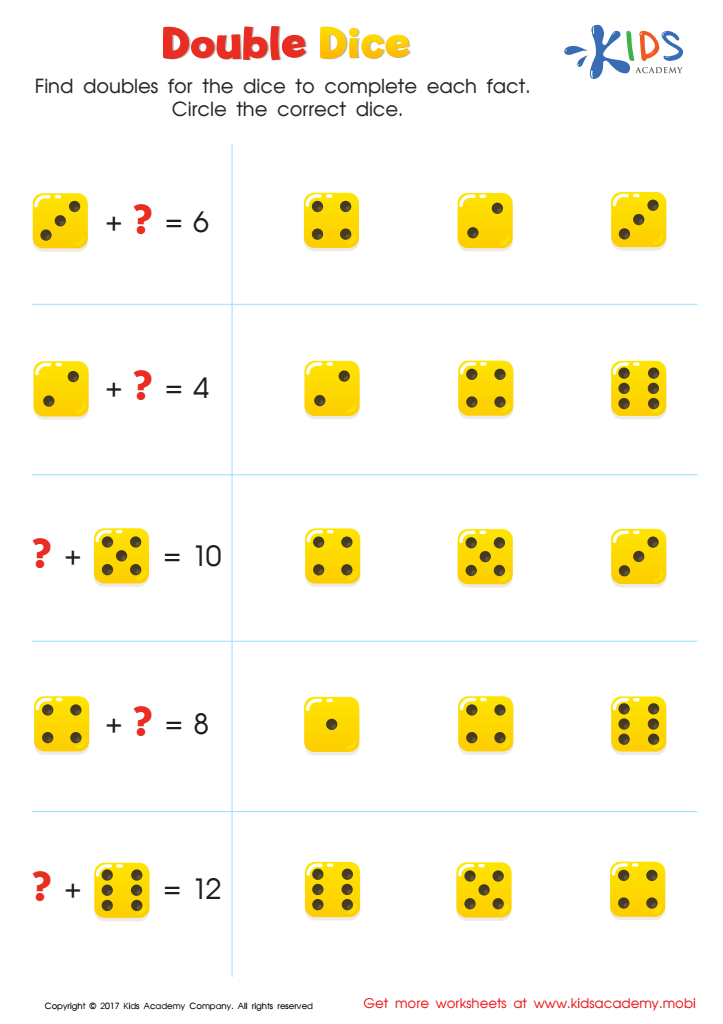
Addition Facts: Double Dice Worksheet
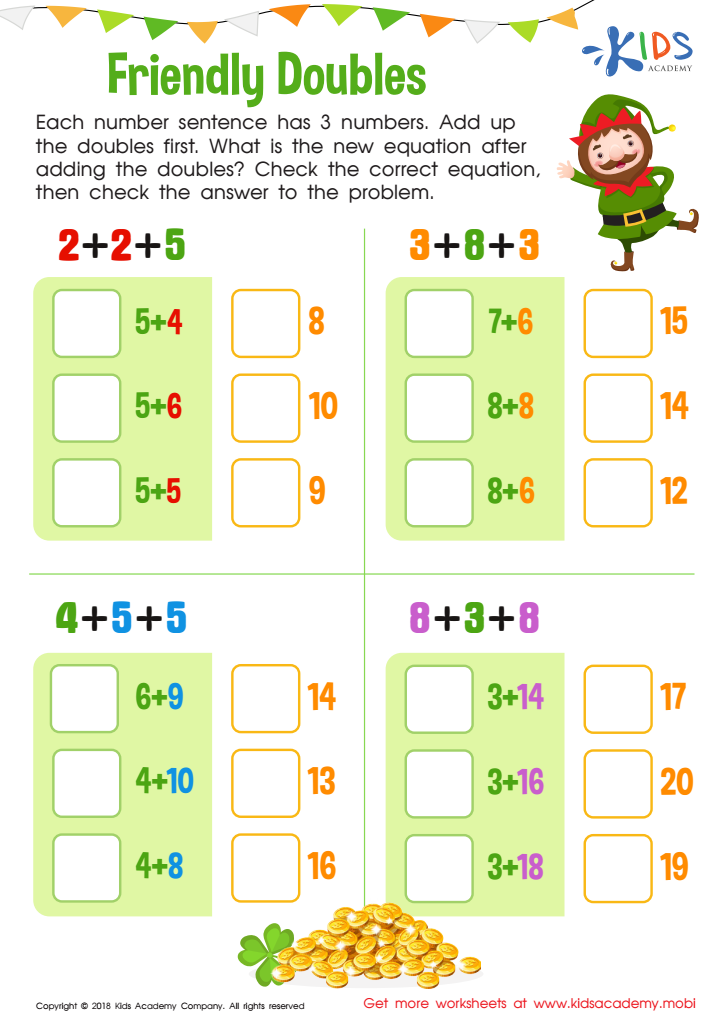
Friendly Doubles Worksheet
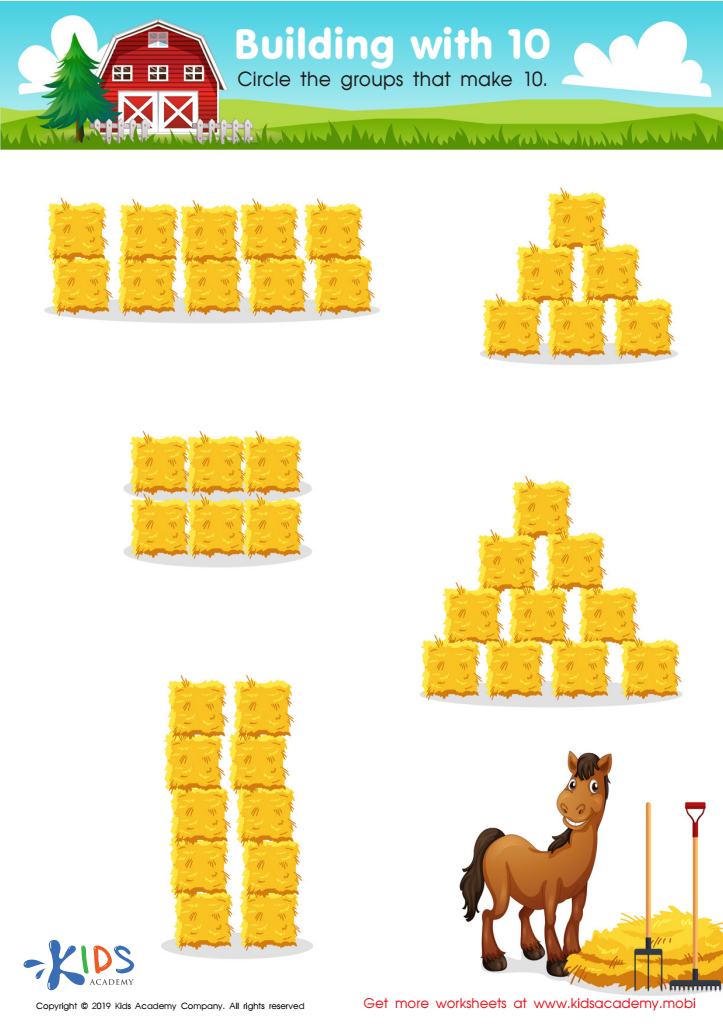
Building with 10 Worksheet
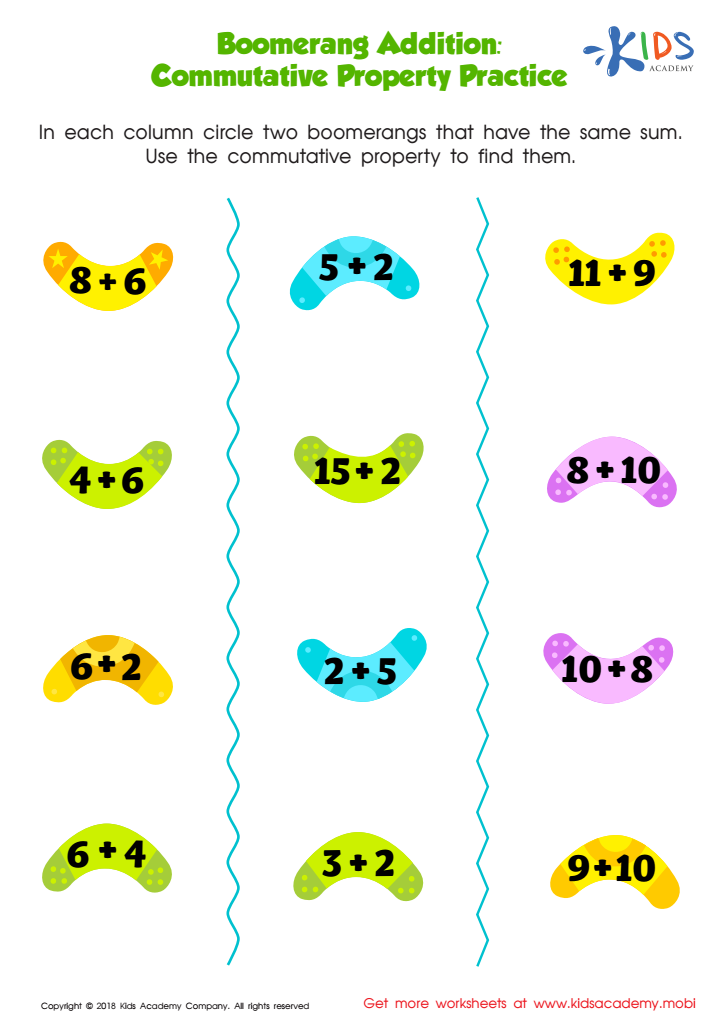
Boomerang Addition Worksheet
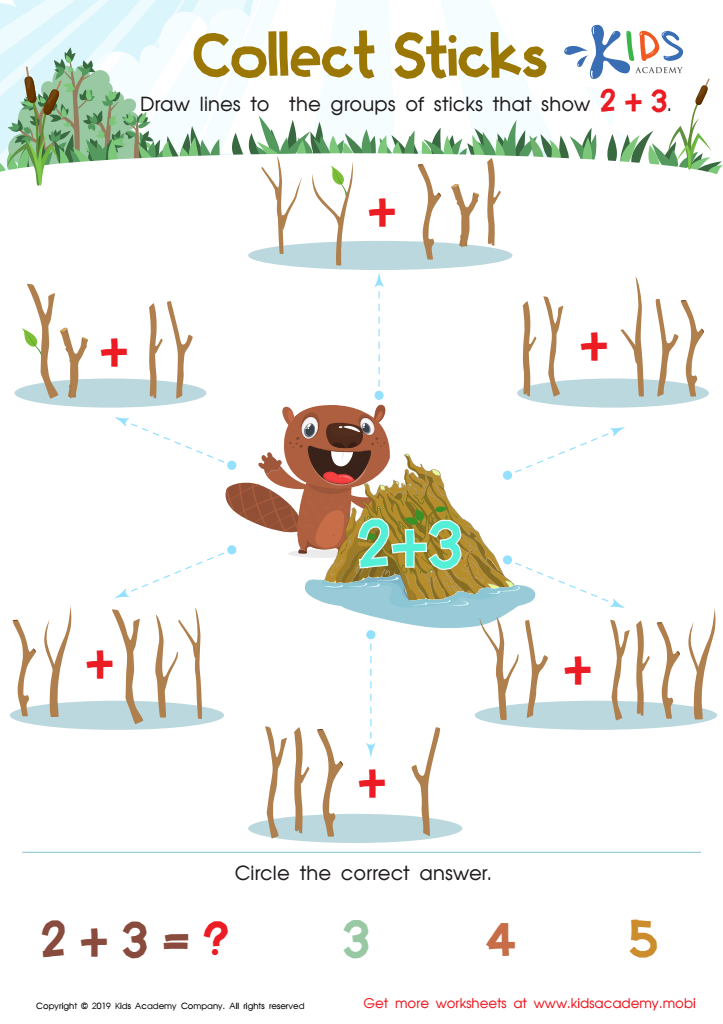
Collect Sticks Worksheet
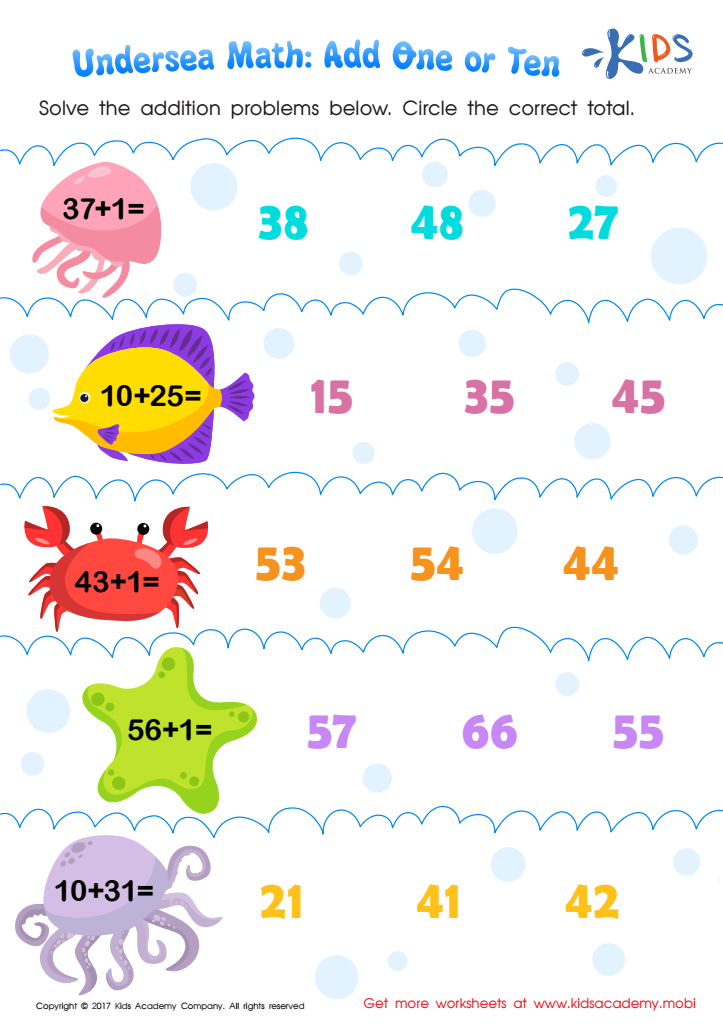
Undersea Math Worksheet
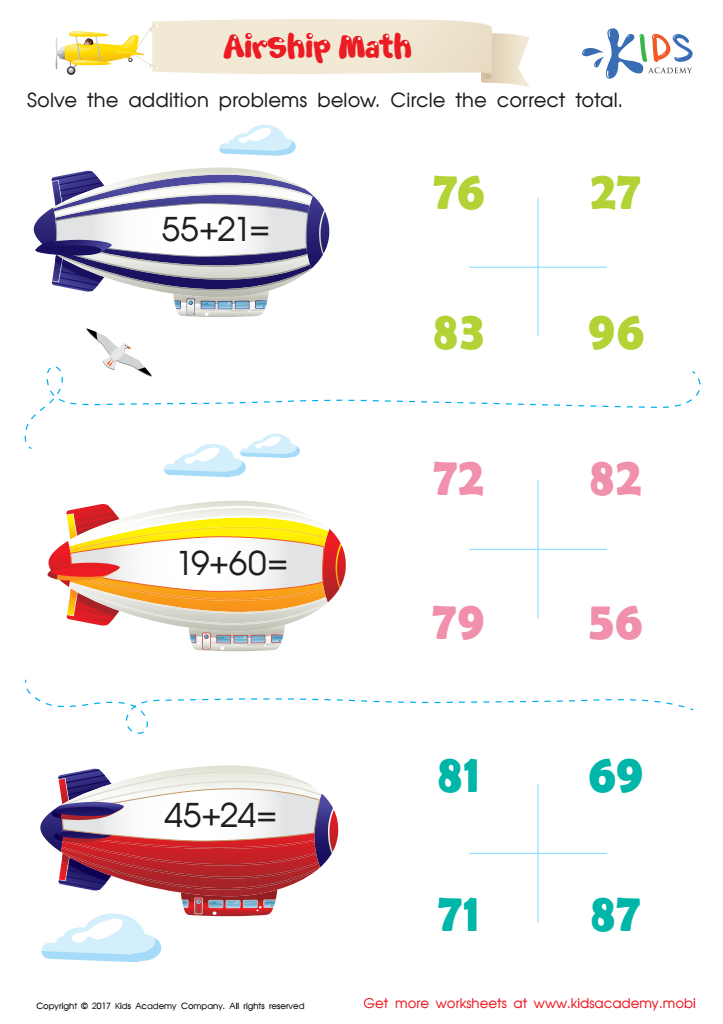
Airship Math Addition Printable







.jpg)
Addition practice for children ages 3-7 is crucial in building foundational math skills that will support their overall academic journey. At this developmental stage, children are particularly receptive to learning basic concepts, and mastering addition lays the groundwork for more complex mathematical operations later on. Early exposure to addition helps children understand number relationships and develop problem-solving abilities, essential competencies for their future education.
Additionally, practicing addition fosters critical cognitive skills, including logical reasoning and pattern recognition. Engaging in addition games allows children to interact with numbers in a fun, supportive environment, promoting a positive attitude towards mathematics. This early positive experience can significantly influence their confidence and willingness to tackle math challenges as they grow.
Moreover, proficiency in basic addition enhances a child's ability to navigate everyday situations, from sharing snacks to counting toys, bridging the gap between academic learning and real-world applications. As parents and teachers, encouraging regular addition practice not only cultivates mathematical skills but also contributes to the child's overall cognitive development, leading to enhanced learning potential across various subjects. By investing time and effort in addition practice, we can empower young learners to build a strong numeric foundation, fostering lifelong mathematical success.