Following instructions Normal Math Worksheets for Ages 3-7
10 filtered results
-
From - To
Introduce your child to the world of math with our "Following Instructions Normal Math Worksheets" for ages 3-7. These engaging worksheets are meticulously designed to enhance your child's ability to follow instructions while building foundational math skills. Through a variety of fun activities, children will develop their ability to count, recognize shapes, and understand basic measurements. Perfect for early learners, these worksheets blend learning and play, making math a delightful adventure. Start building essential math skills today with Kids Academy and watch your child's confidence grow! Explore our collection now and make learning an exciting journey.
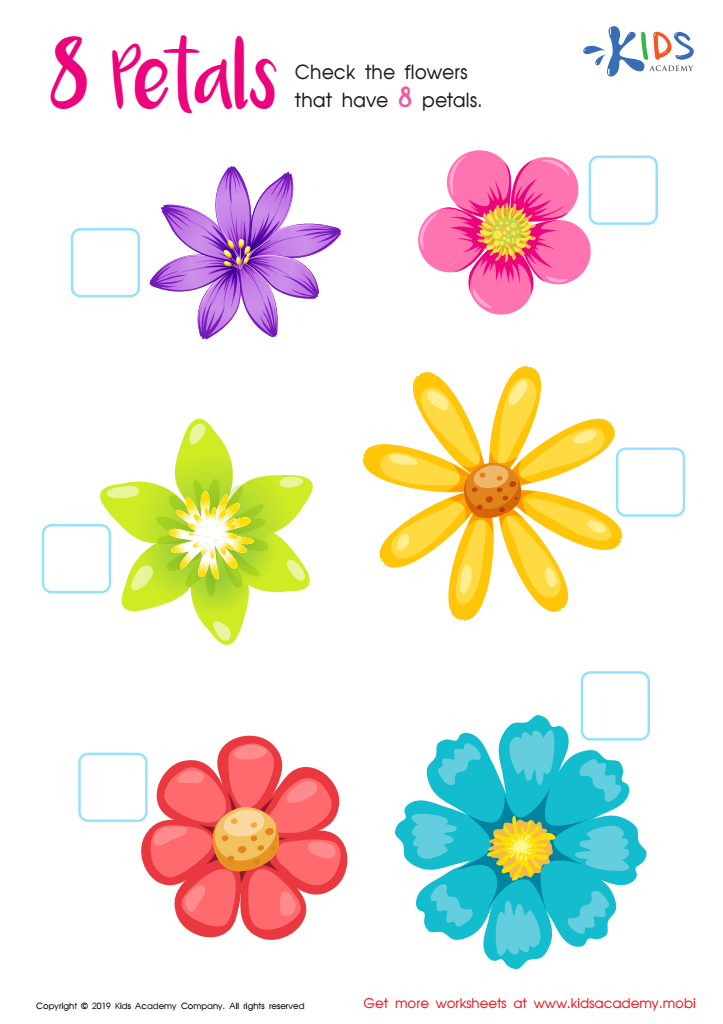
8 Petals Worksheet
 Assign to My Students
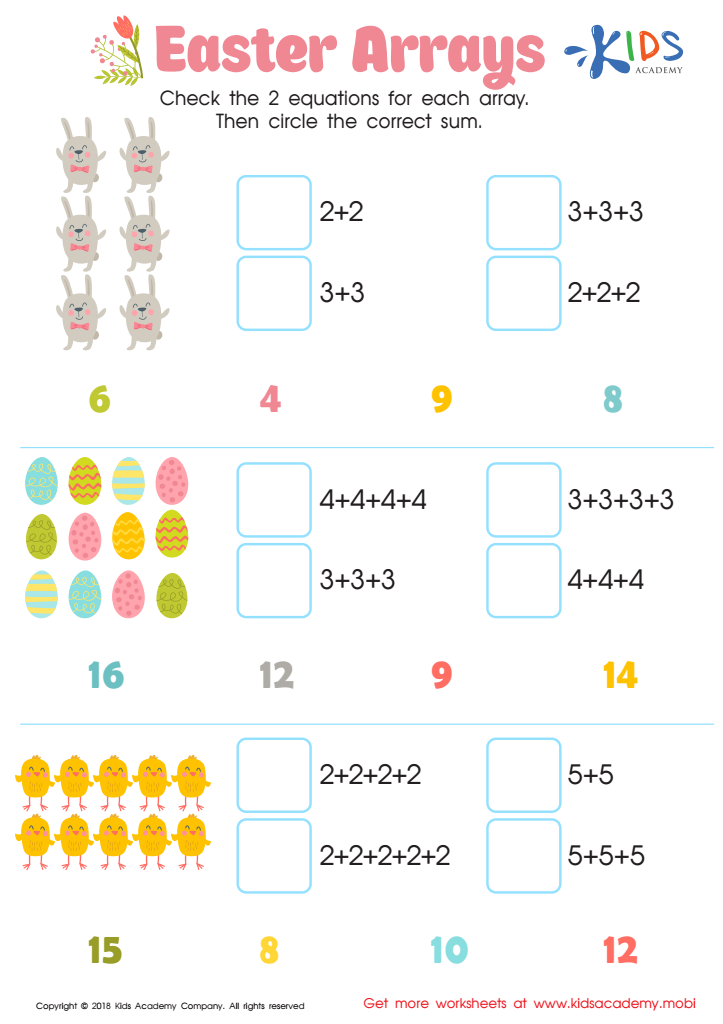
Easter Arrays Worksheet
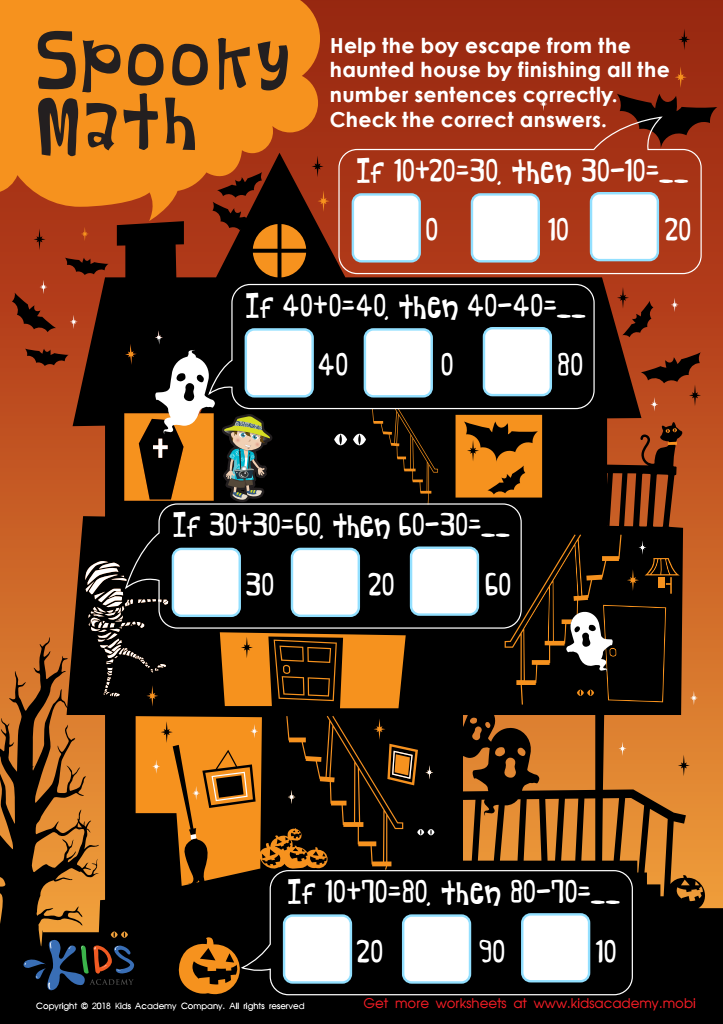
Subtract Tens: Spooky Math Worksheet
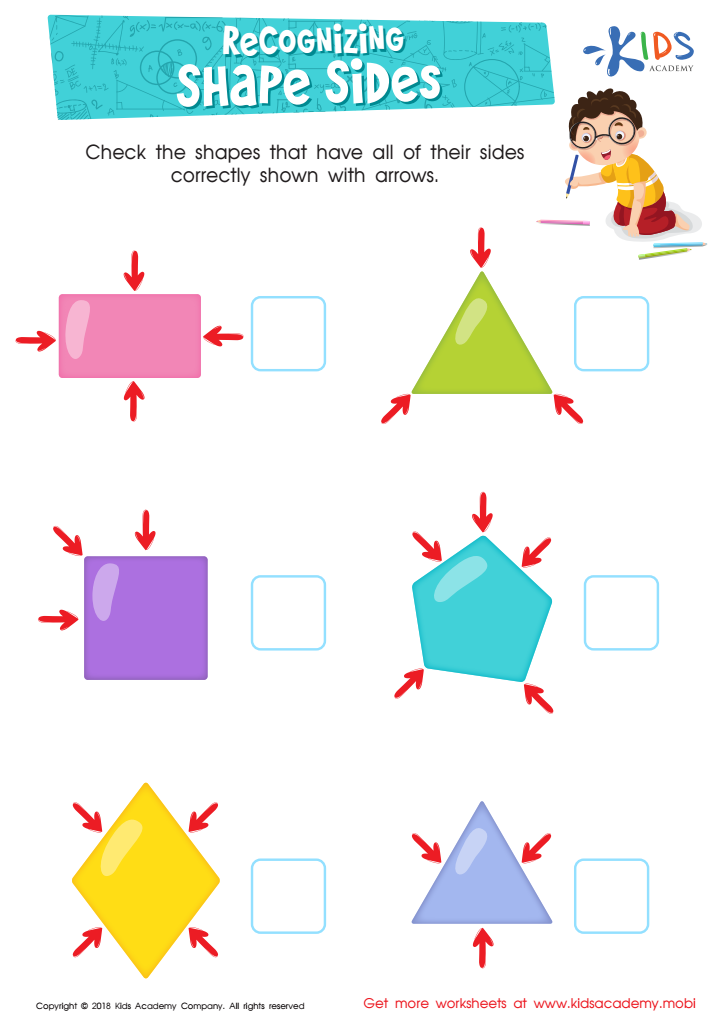
Recognizing Shape Sides Worksheet
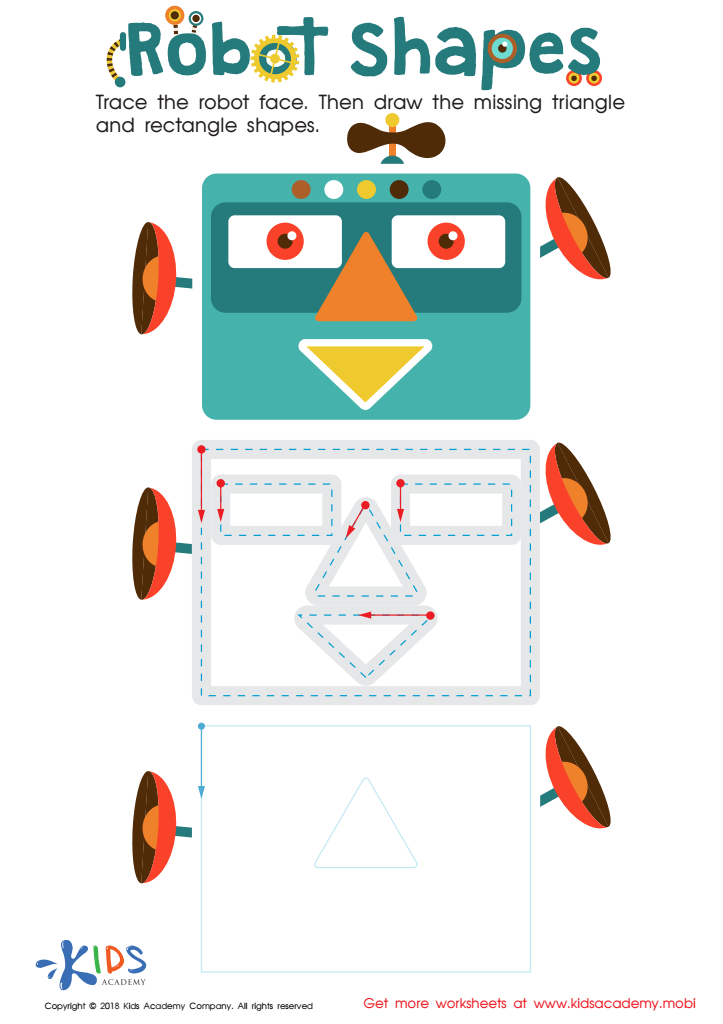
Robot Shapes Worksheet
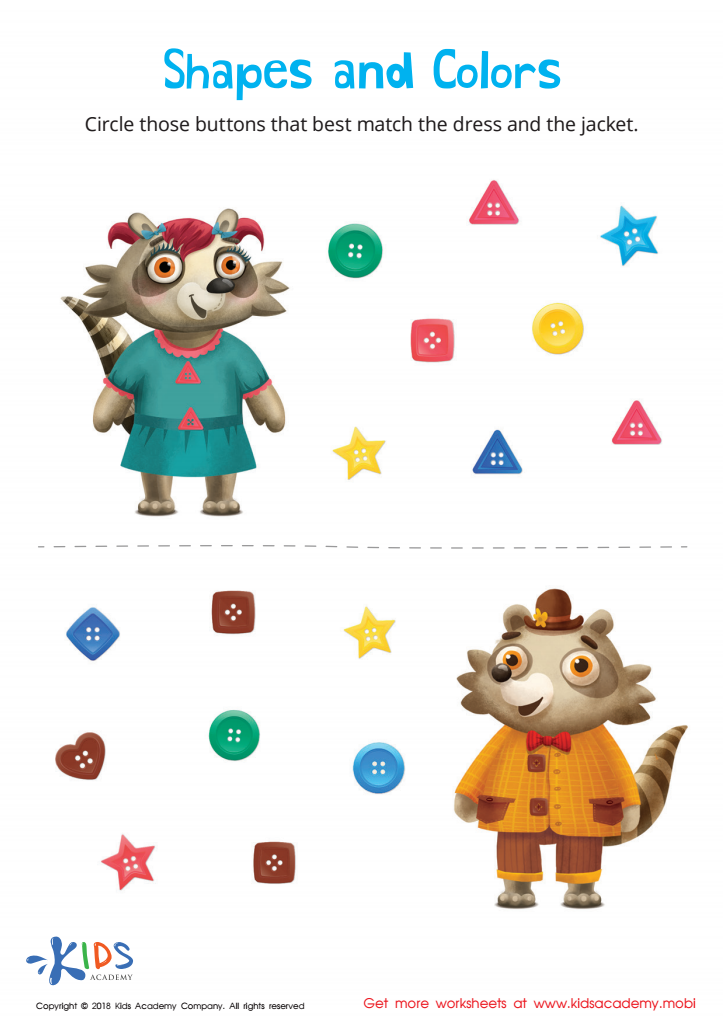
Shapes and Colors Worksheet
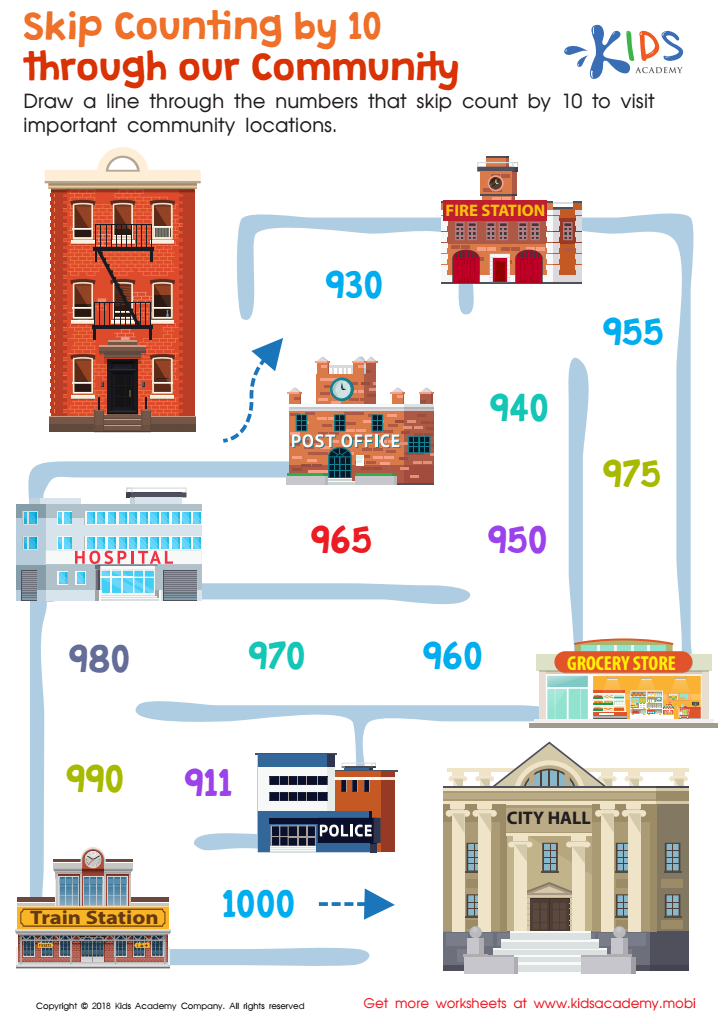
Skip Counting by 10 Through Our Community Worksheet
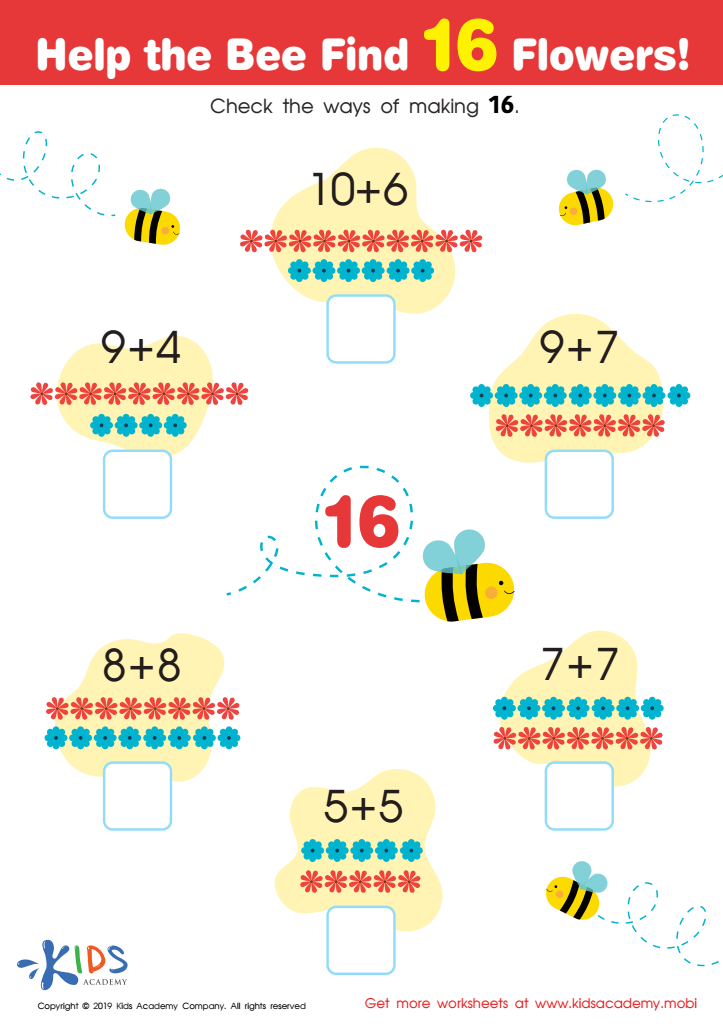
Help the Bee Find 16 Flowers Worksheet
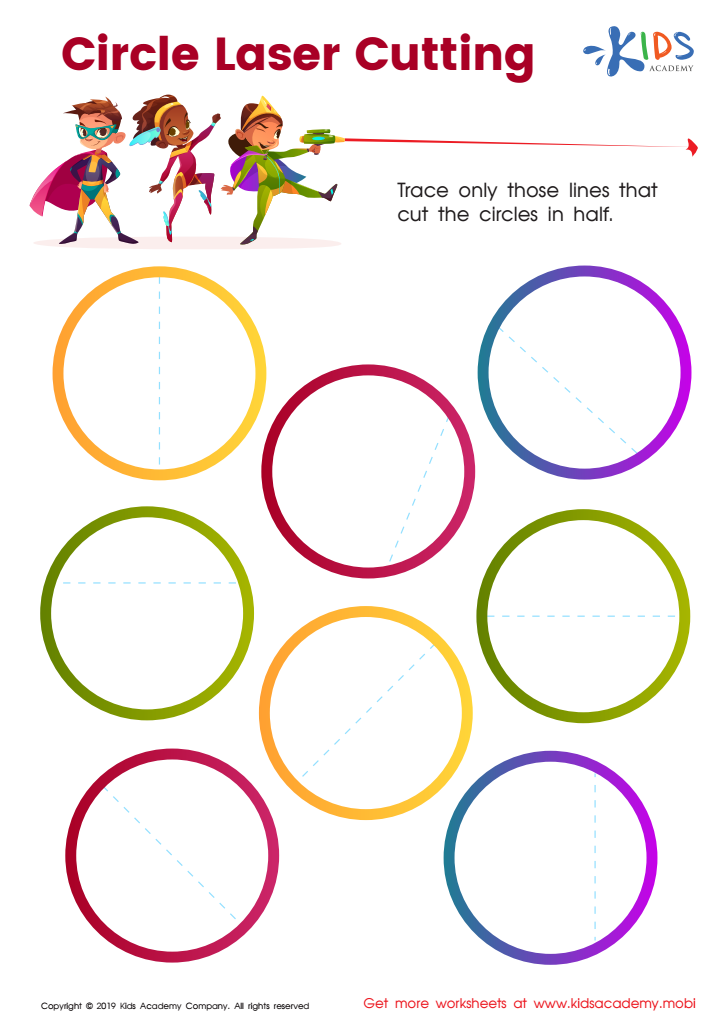
Circle Laser Cutting Worksheet
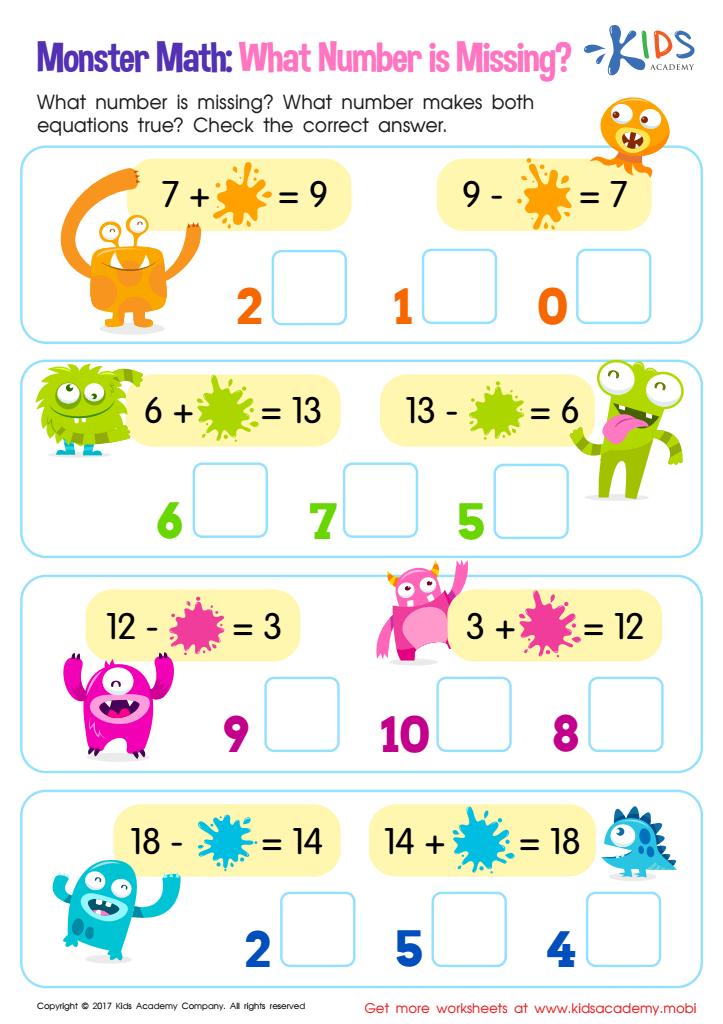
Missing Number: Monster Math Worksheet




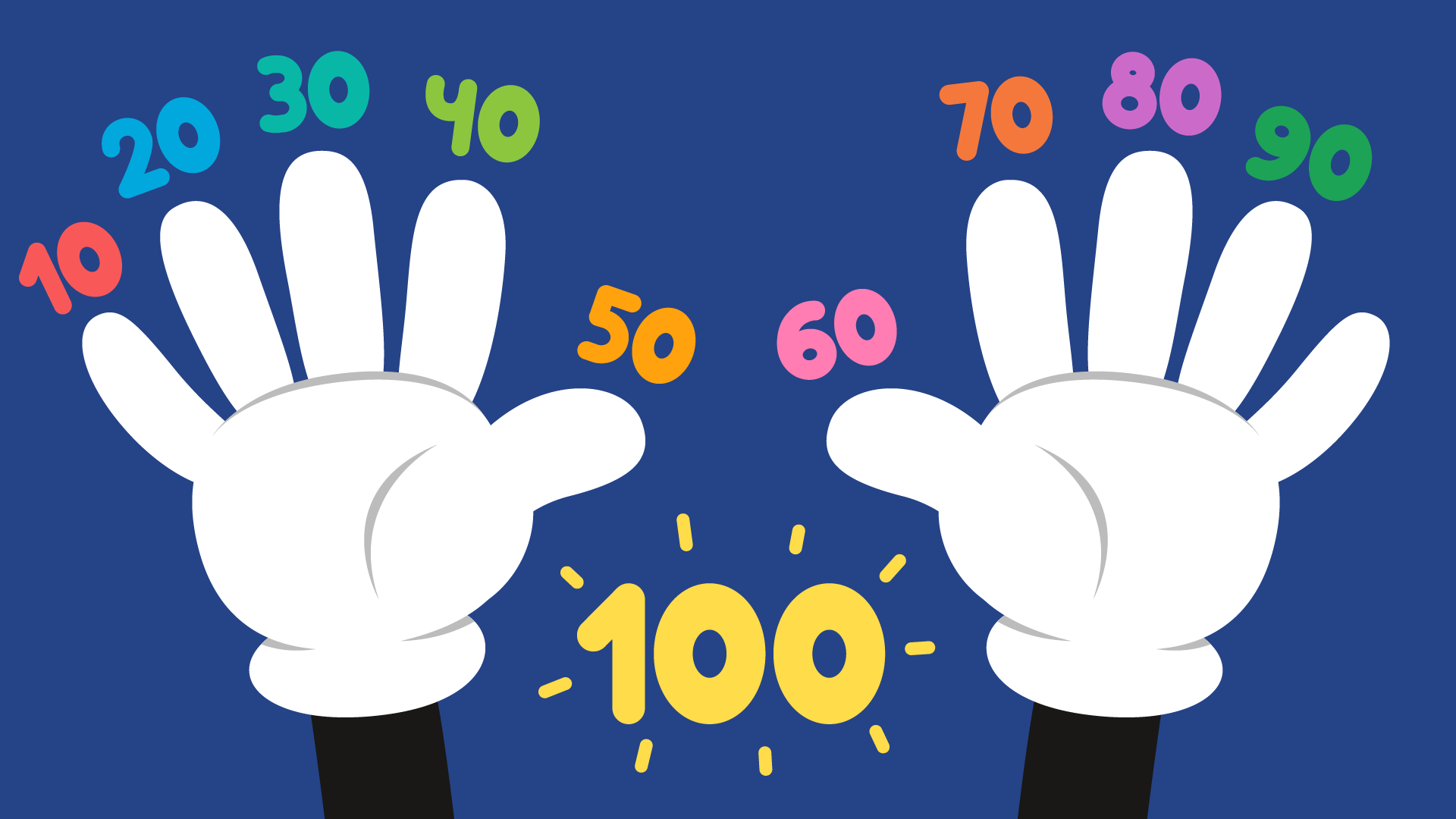


%20(1).jpg)
Introducing children to following instructions and basic math concepts at an early age is crucial for their cognitive and social development. Parents and teachers should care about these skills because they lay the groundwork for future academic success and everyday problem-solving abilities.
Learning to follow instructions helps young children develop self-discipline and attention to detail. These skills are essential not just for academic achievement, but for all aspects of life. When children understand the importance of following directions, they can complete tasks more efficiently and correctly, leading to a sense of accomplishment and confidence.
Basic math skills, such as counting, recognizing numbers, and simple addition and subtraction, are foundational for more advanced mathematical concepts. Early mastery of these skills helps children develop logical thinking and problem-solving abilities. For 3- to 7-year-olds, engaging in math through fun, hands-on activities like counting objects, simple puzzles, or interactive games makes learning enjoyable and memorable.
Consistent practice in following instructions and learning math fosters a sense of curiosity and a positive attitude toward learning. These experiences establish a strong base, enhancing critical thinking abilities that students will use throughout their academic careers. Thus, by prioritizing these learning areas, parents and teachers equip children with the necessary tools to navigate their education and future challenges successfully.








