Shape Recognition Normal Math Worksheets for Ages 3-7 - Page 2
32 filtered results
-
From - To
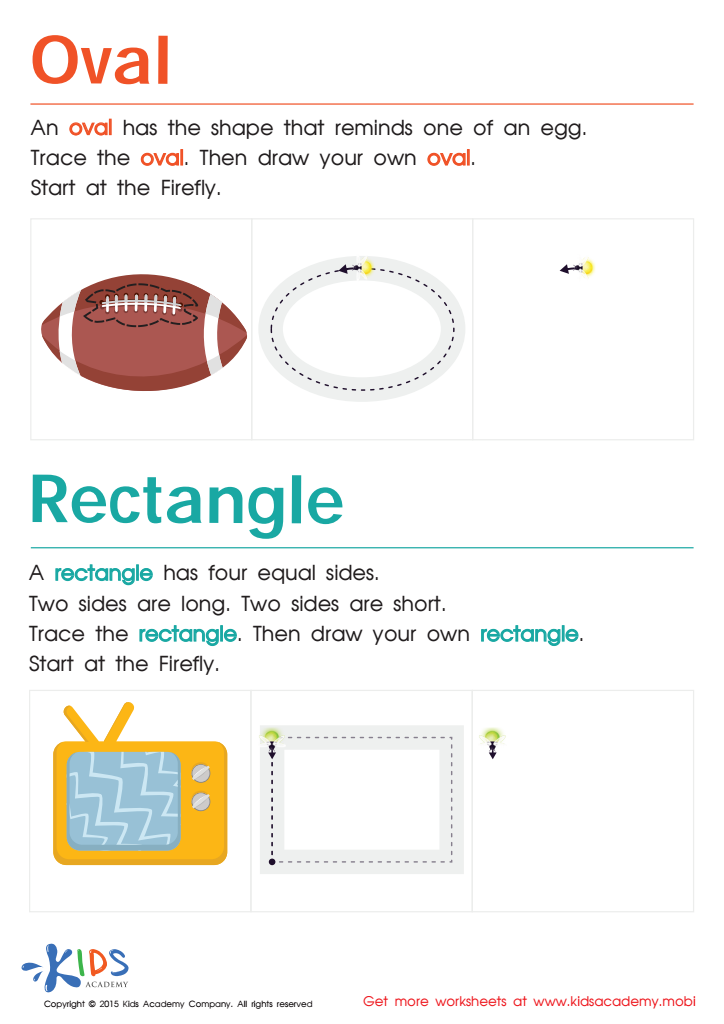
Easy Drawing of Ovals And Rectangles Worksheet
 Assign to My Students
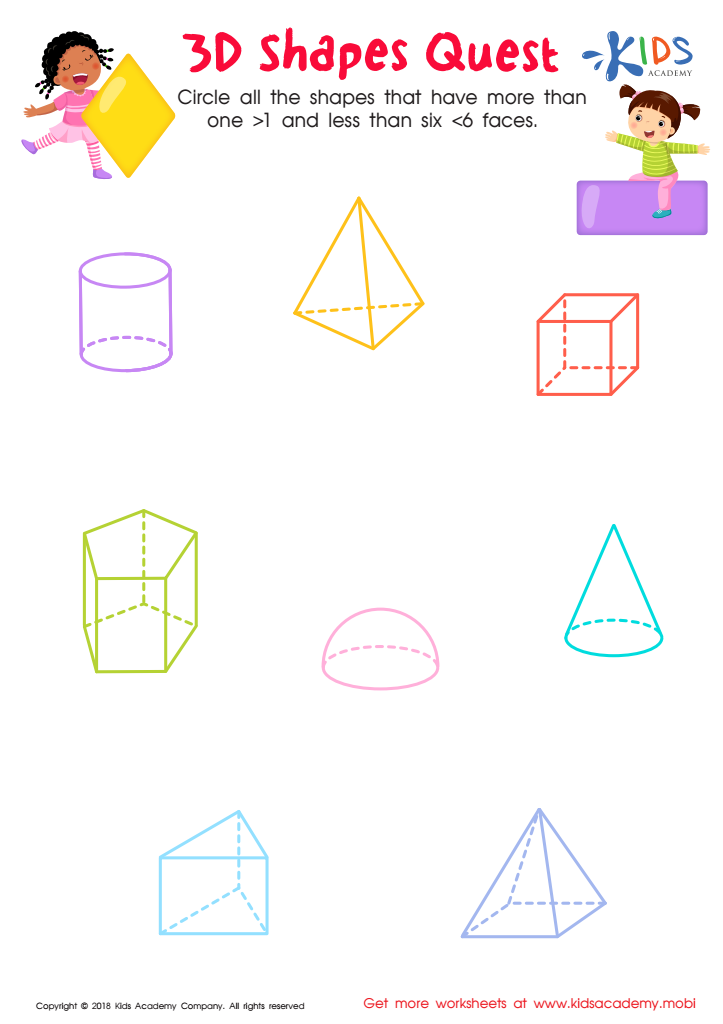
3D Shapes Quest Worksheet
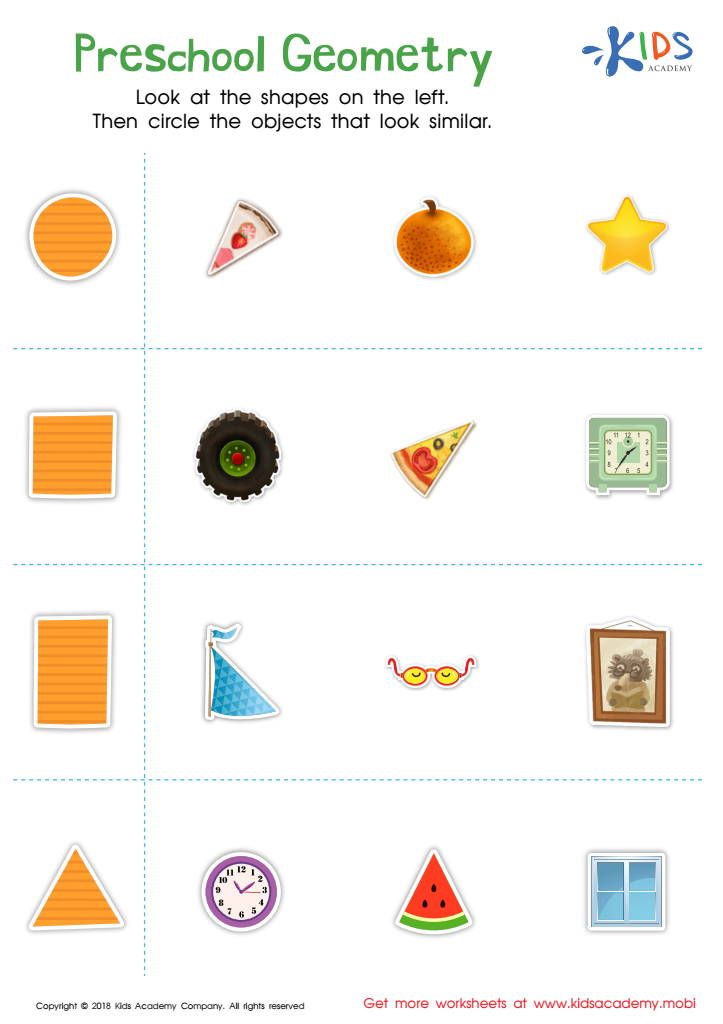
Preschool Geometry Worksheet
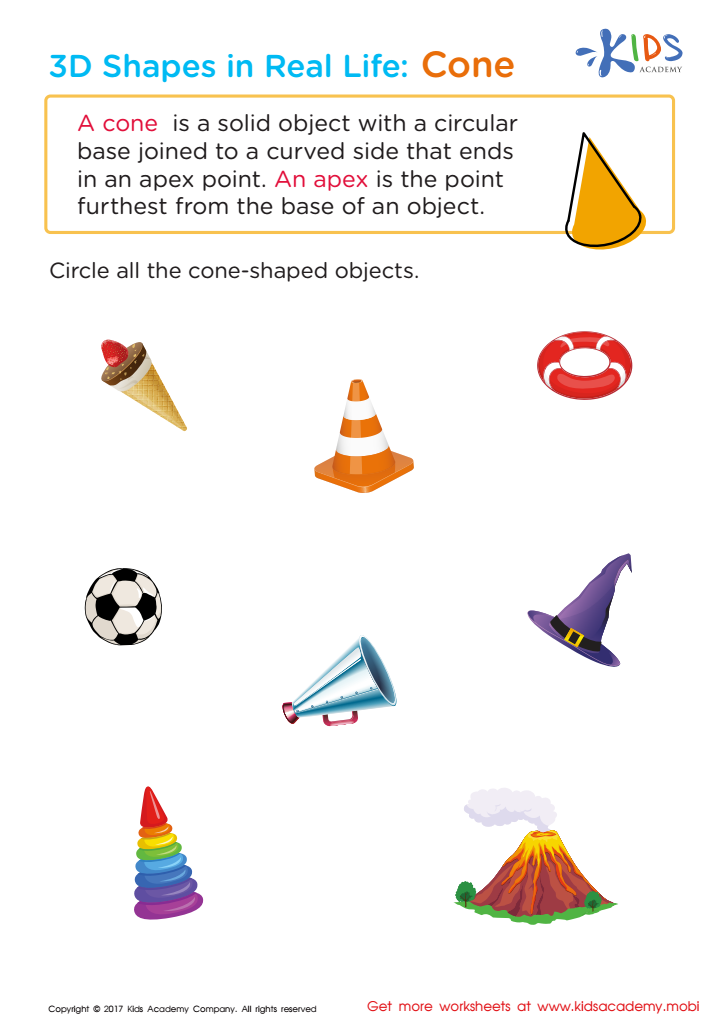
Shapes in Real Life: Cone Worksheet
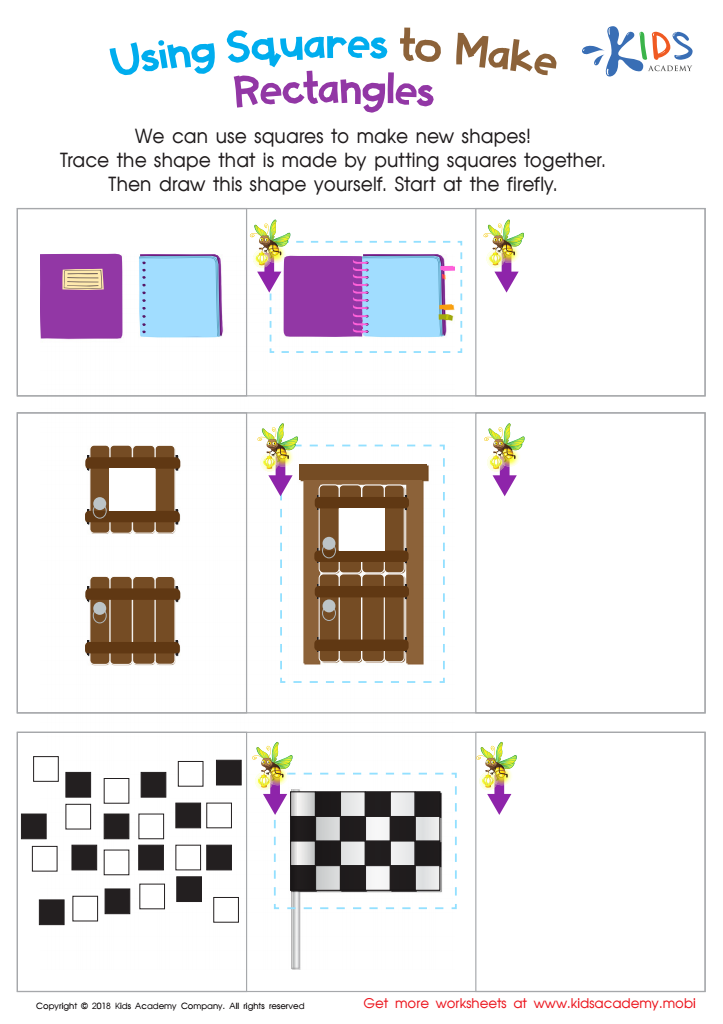
Using Squares to Make Rectangles Worksheet
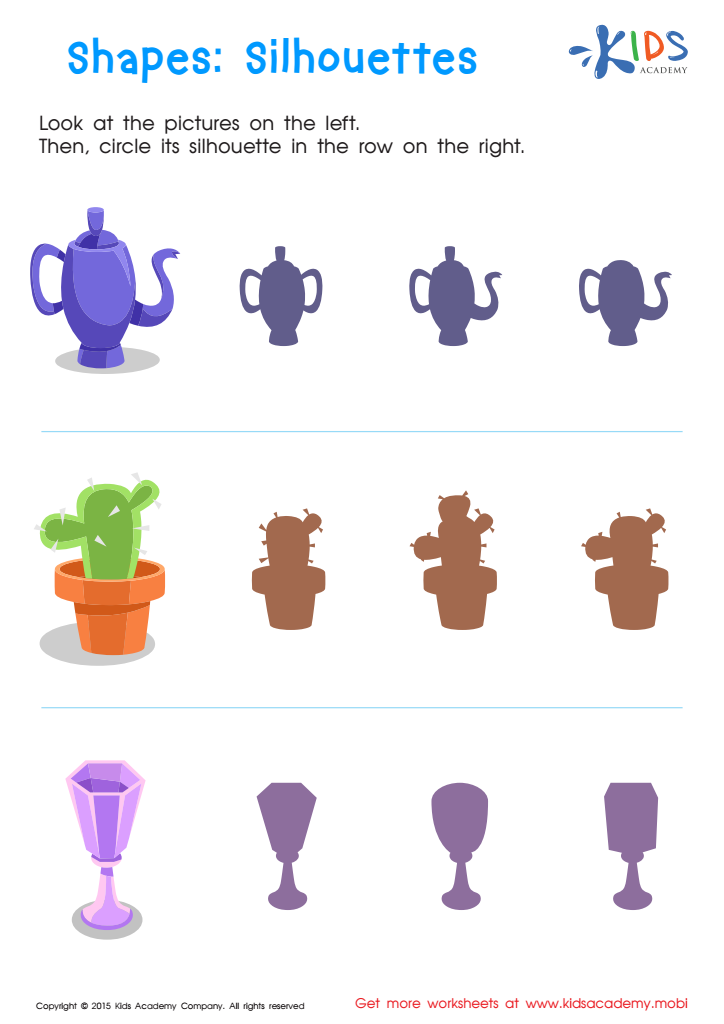
Silhouettes – Shapes Worksheet
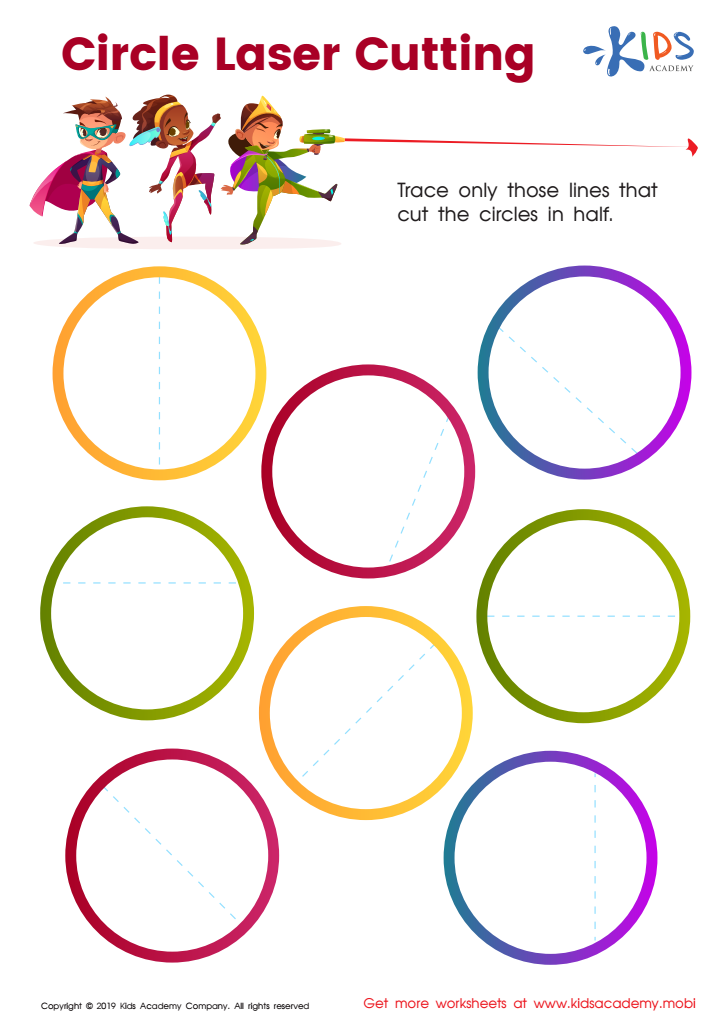
Circle Laser Cutting Worksheet
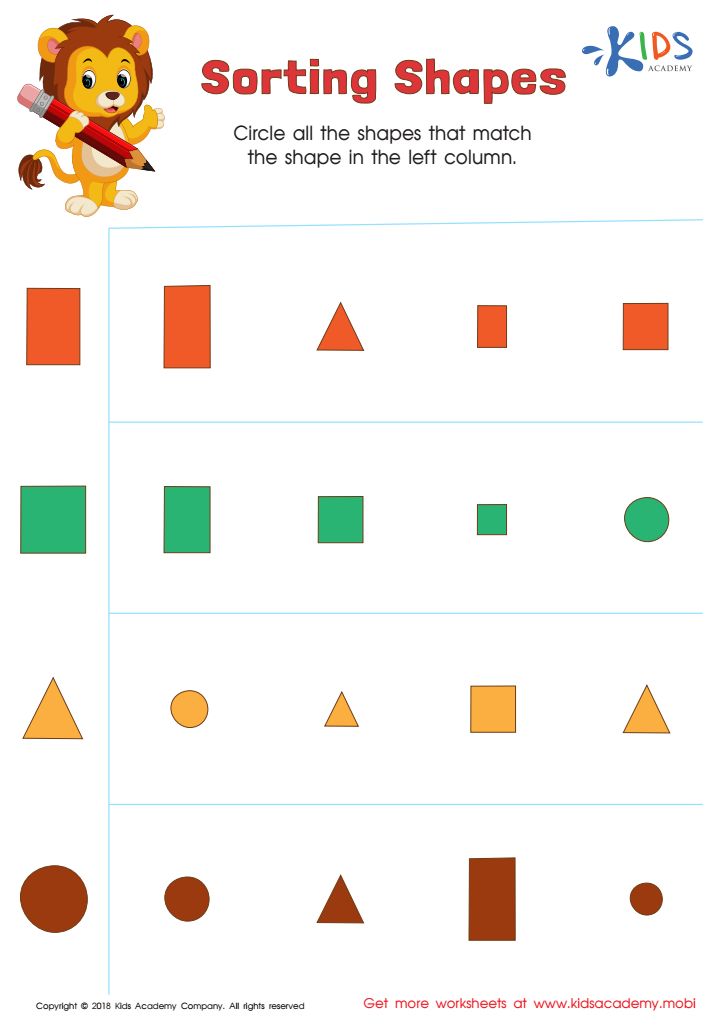
Sorting Shapes - Part 2 Worksheet








Shape recognition is a crucial foundational skill in early childhood education, particularly for children ages 3-7. Parents and teachers should prioritize this developmental stage for several reasons. Firstly, recognizing shapes helps children develop essential cognitive skills. It improves their ability to categorize and differentiate objects, which is fundamental for logical thinking and problem-solving.
Moreover, shape recognition enhances spatial awareness, an essential element for later learning in subjects such as mathematics and science. Children begin to understand concepts like dimensions and geometry, setting a strong foundation for more complex mathematical ideas later on.
Additionally, engaging with shapes through play—using blocks, crafts, or sorting games—fosters fine motor skills and hand-eye coordination. These activities promote active learning, encouraging curiosity and creativity, which are vital for holistic development.
Furthermore, shape recognition has practical life applications. Understanding shapes in everyday objects enhances children's ability to identify and describe the world around them, leading to enriched vocabulary and communication skills.
In summary, by supporting shape recognition, parents and teachers lay the groundwork for academic success, cognitive development, and essential life skills, helping children become confident learners and problem solvers as they grow.








