Understanding addition Normal Math Worksheets for Ages 3-7
12 filtered results
-
From - To
Welcome to our "Understanding Addition" Normal Math Worksheets for ages 3-7! Designed to make learning fun and engaging, these worksheets introduce young learners to the basics of addition through colorful illustrations and interactive activities. With a focus on building foundational math skills, children will practice simple math problems that enhance their understanding of combining numbers. Each worksheet is tailored to encourage critical thinking and promote a love for learning in early childhood. Ideal for parents and teachers, these resources support classroom activities or home learning, ensuring that kids grasp the essentials of addition in an enjoyable way. Start exploring today!
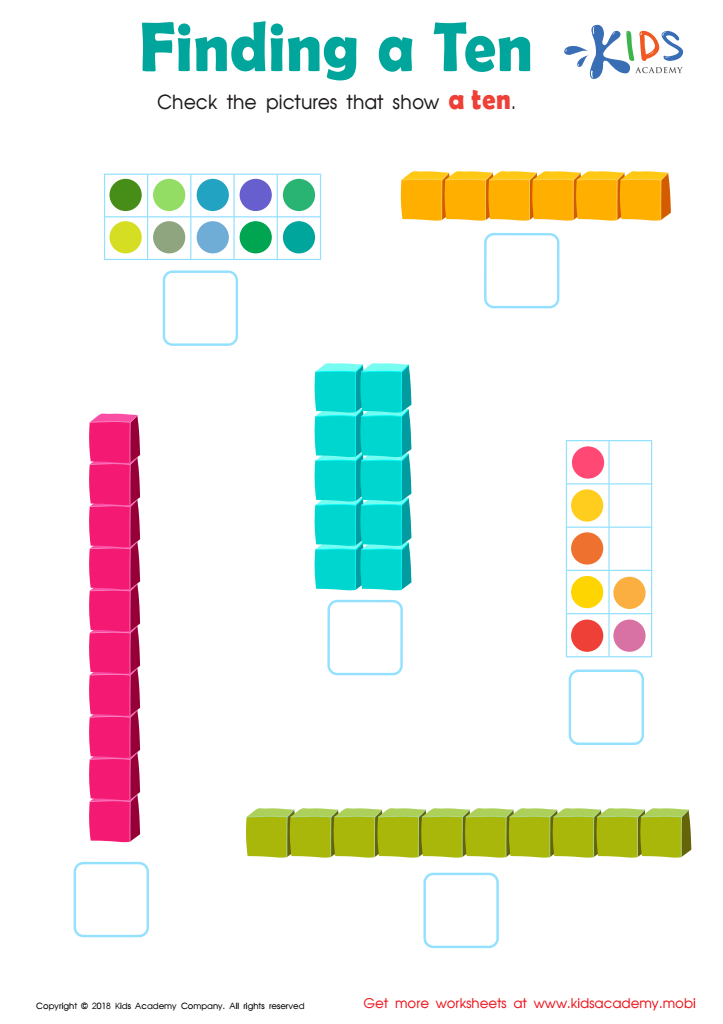
Finding a Ten Worksheet
 Assign to My Students
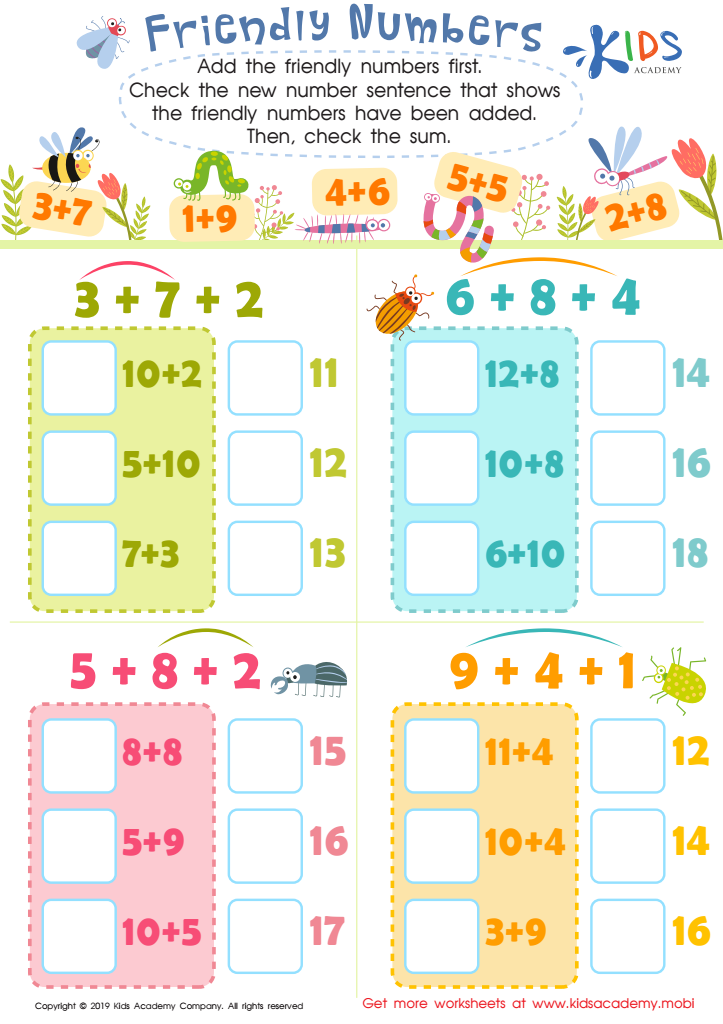
Friendly Numbers Worksheet
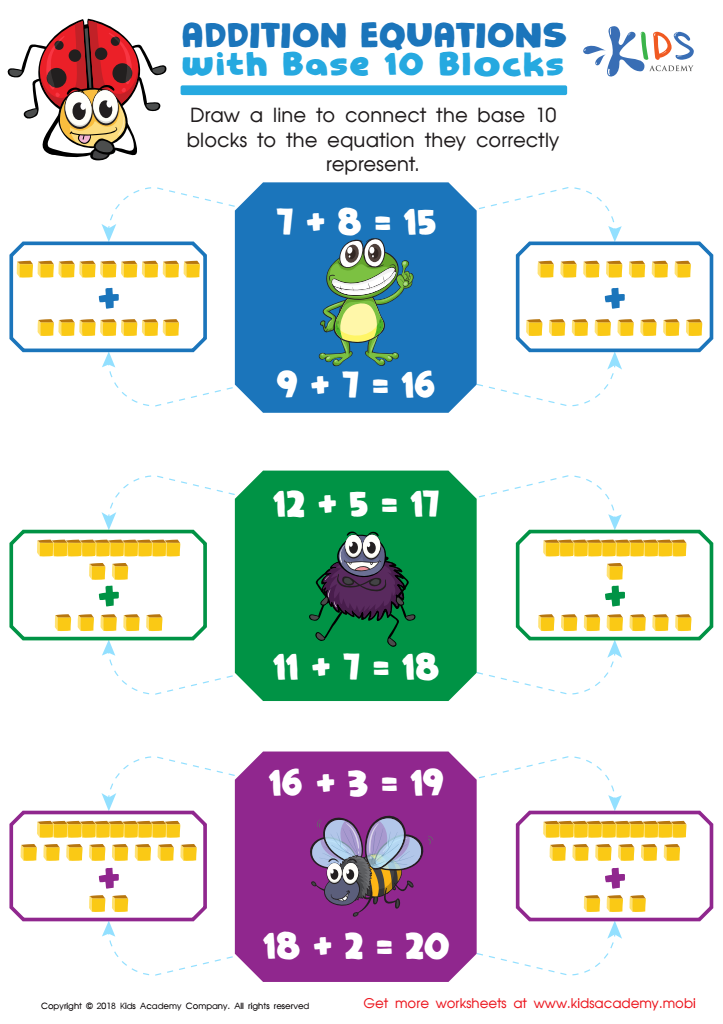
Addition Equations With Base 10 Blocks Worksheet
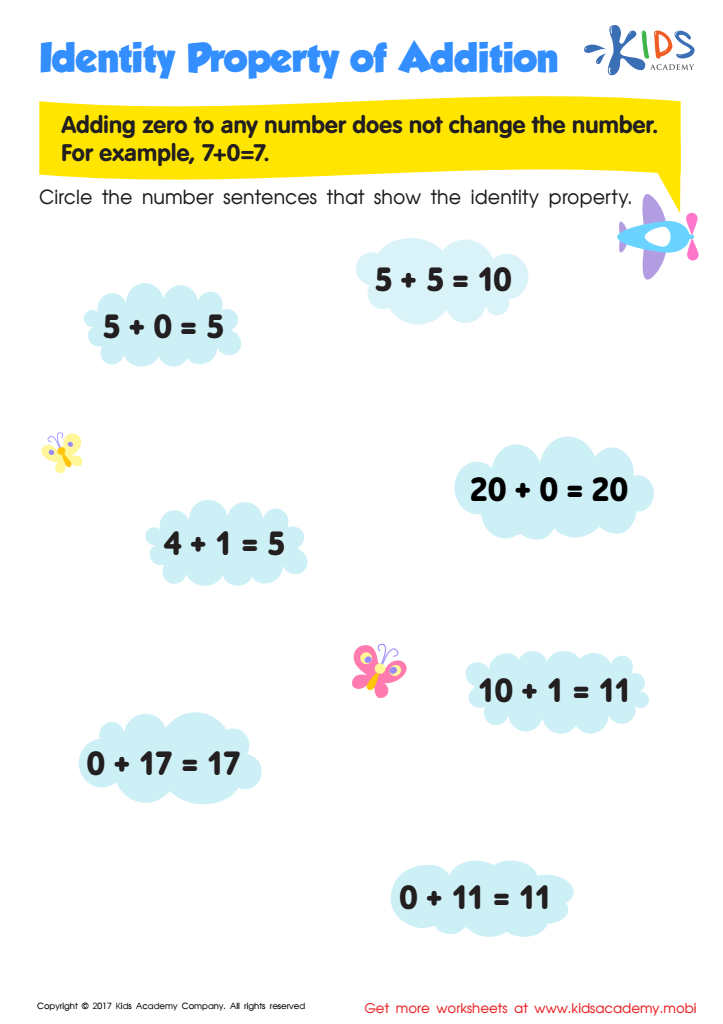
Identity Property of Addition Worksheet
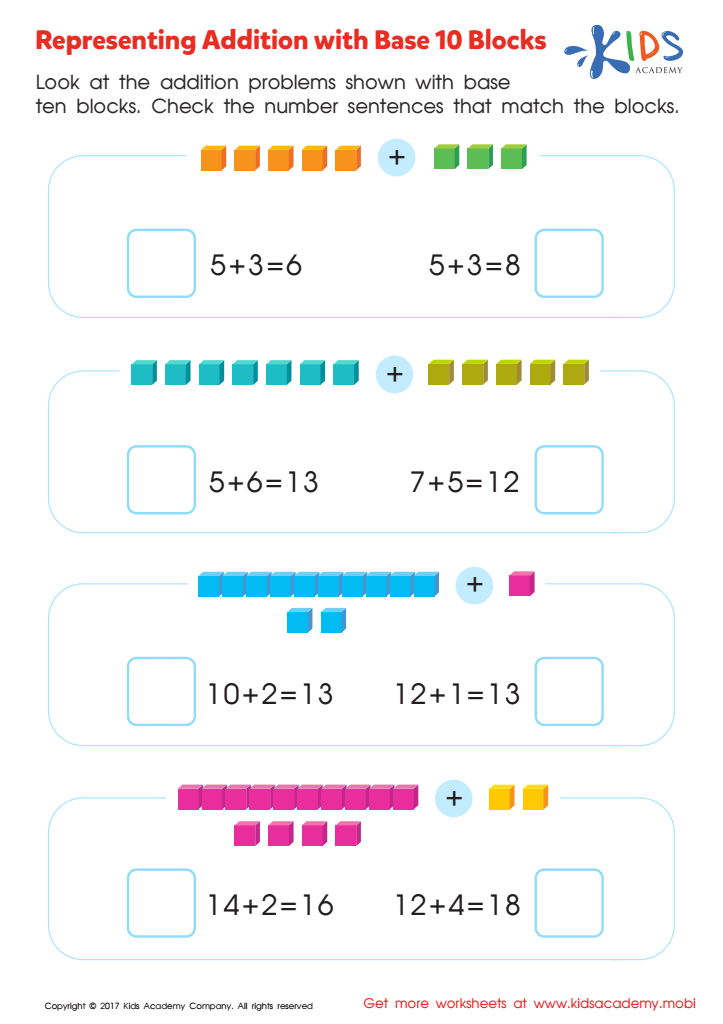
Representing Addition with Base 10 Blocks Worksheet
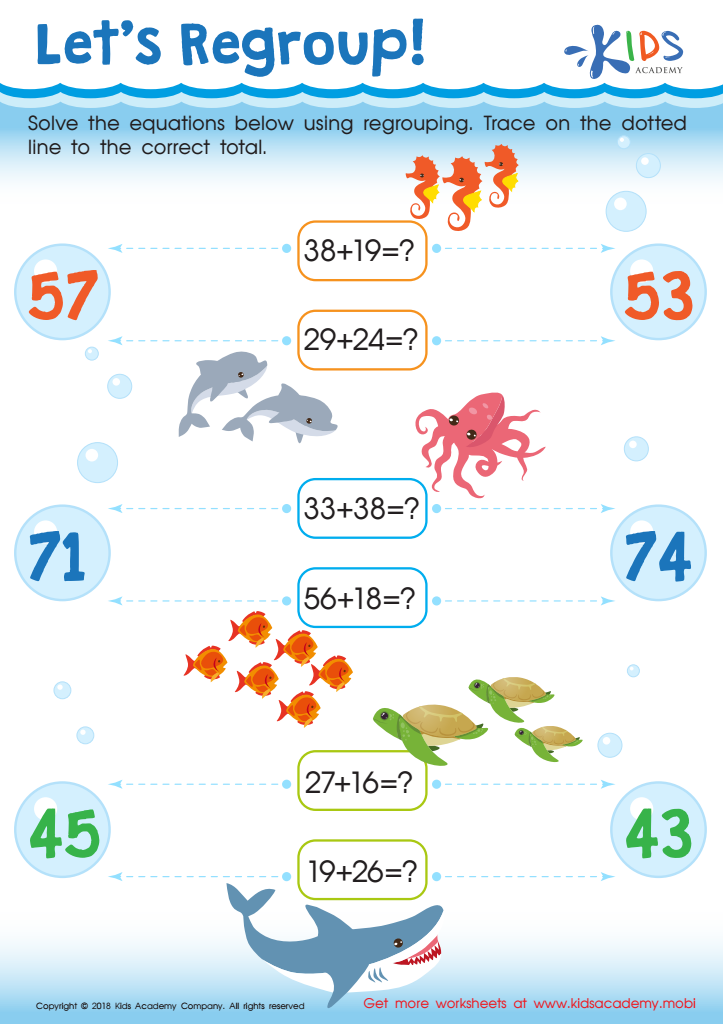
Let's Regroup! Worksheet
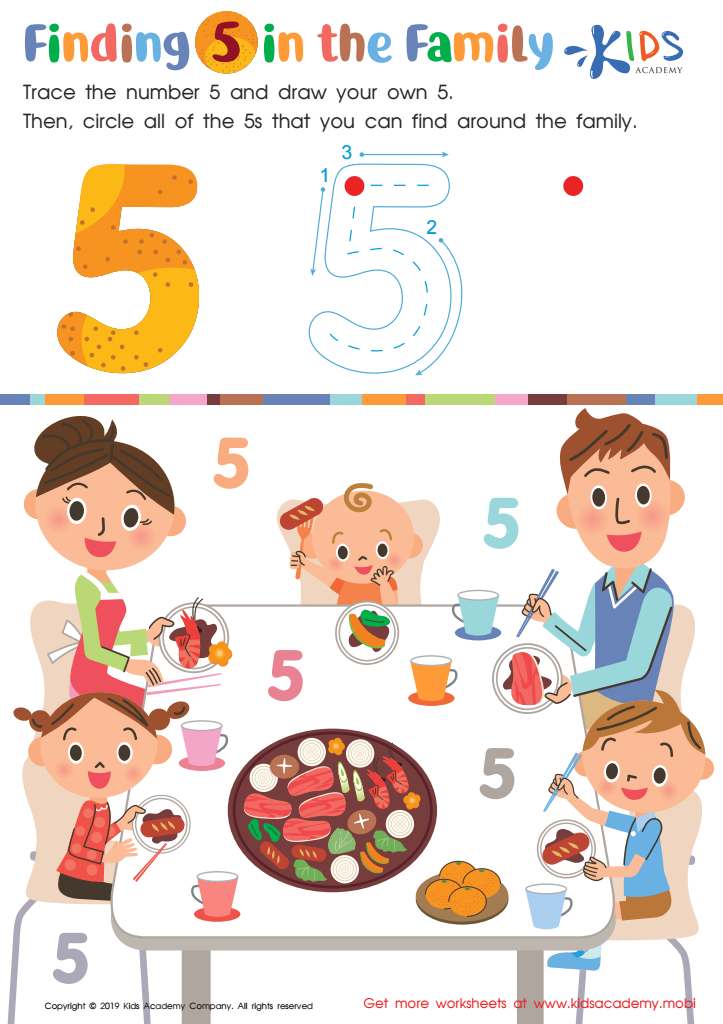
Finding 5 in the Family Worksheet
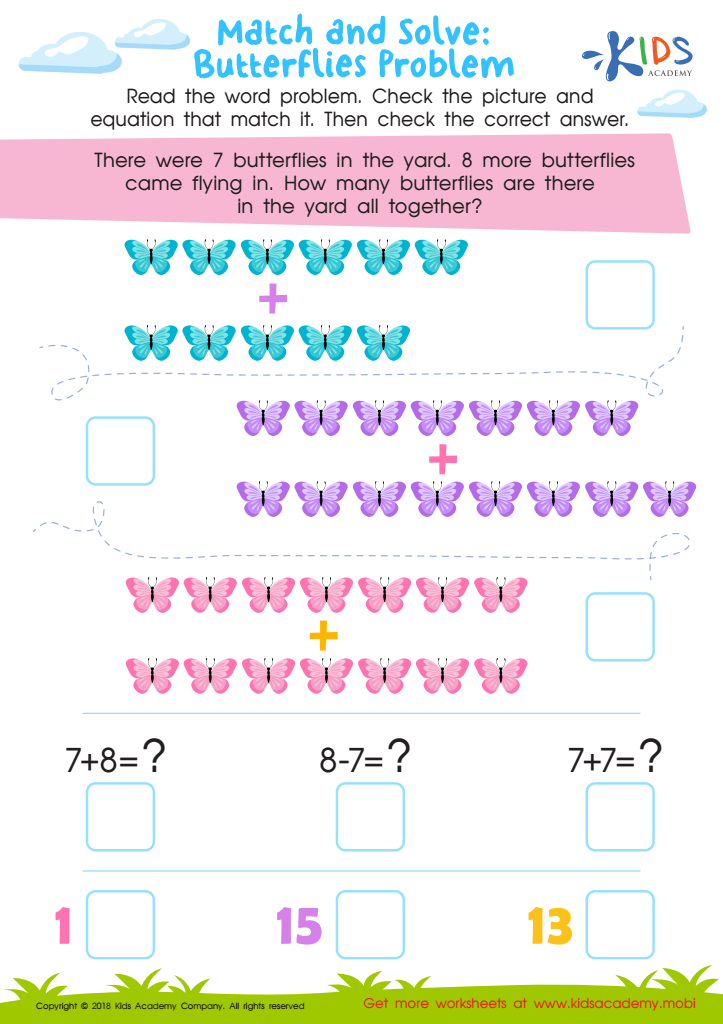
Match and Solve: Butterfly Problem Worksheet
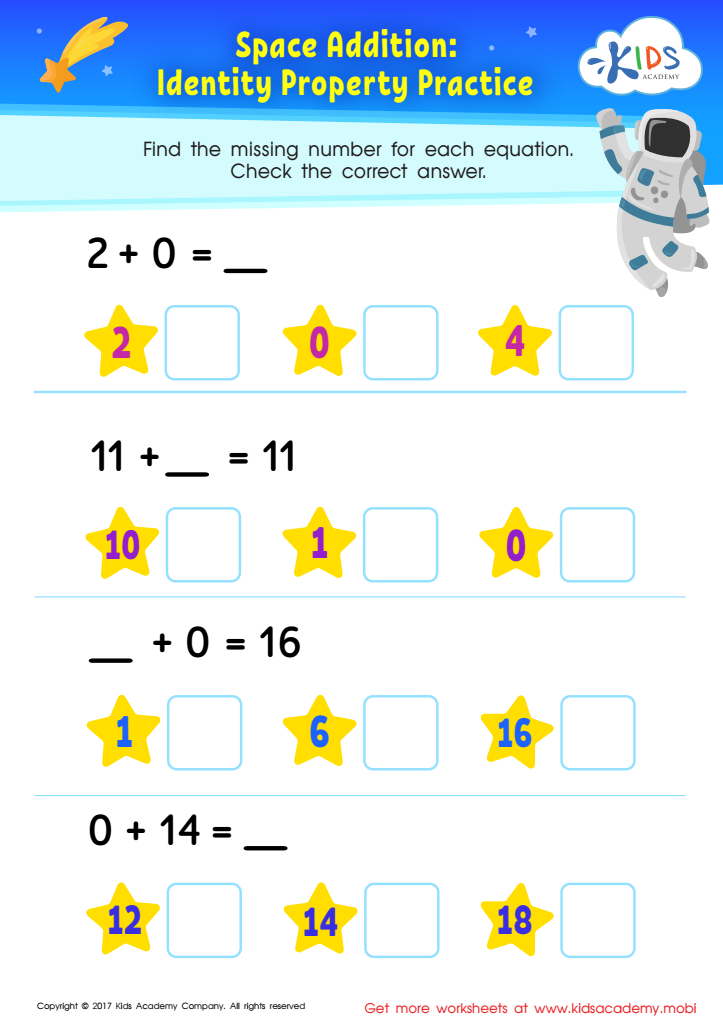
Space Addition: Identity Property Practice Worksheet
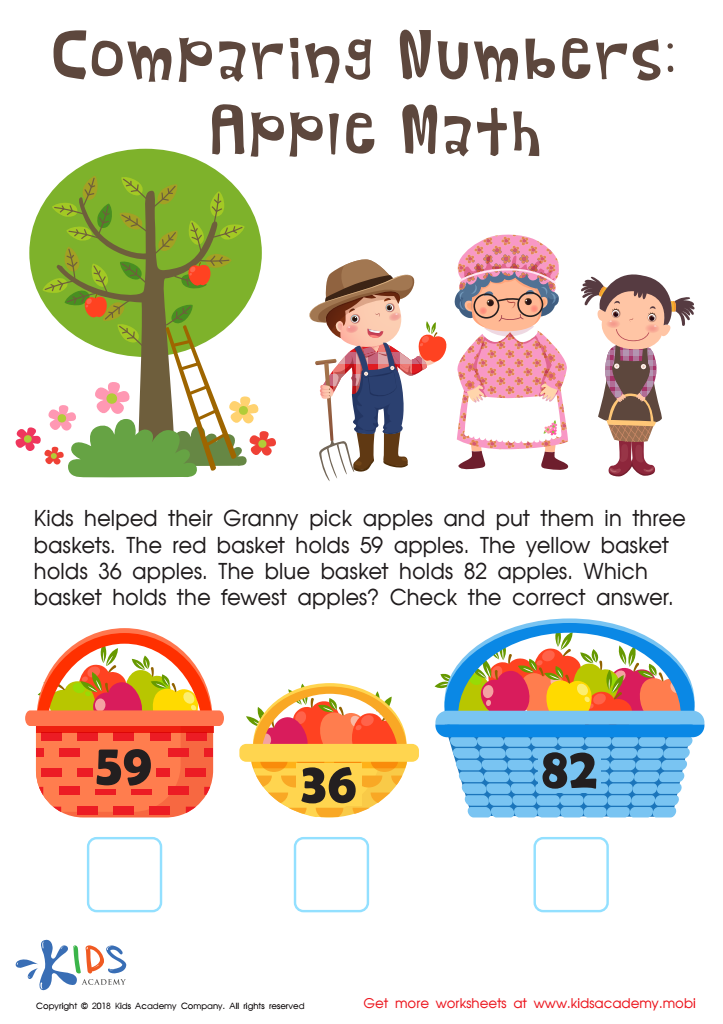
Apple Math Worksheet
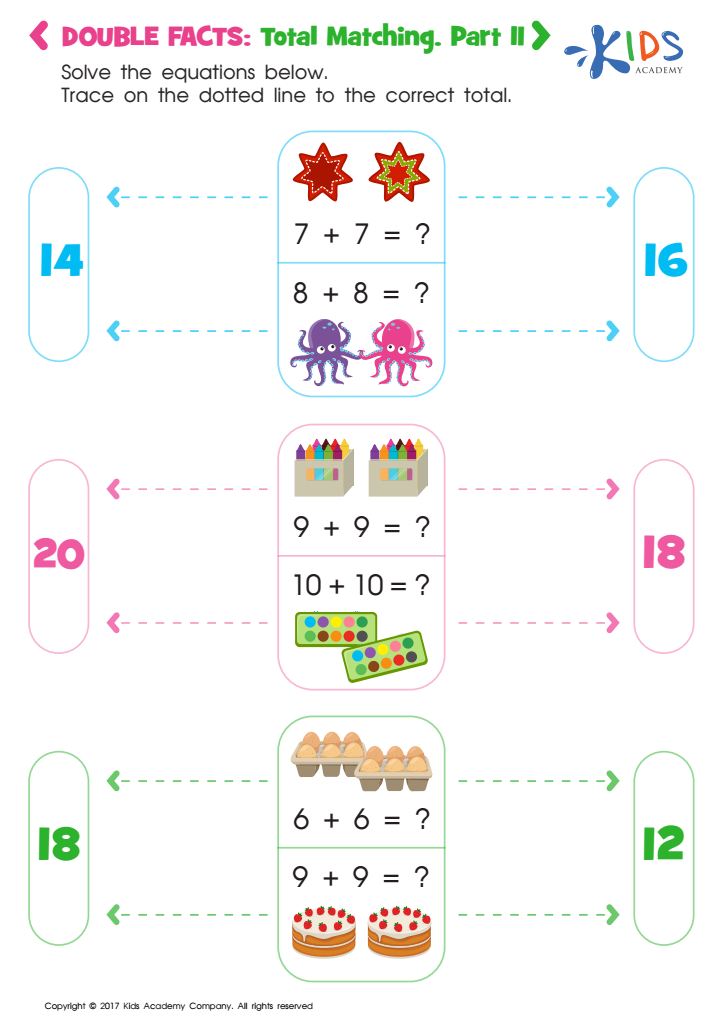
Double Facts: Total Matching 2 Worksheet
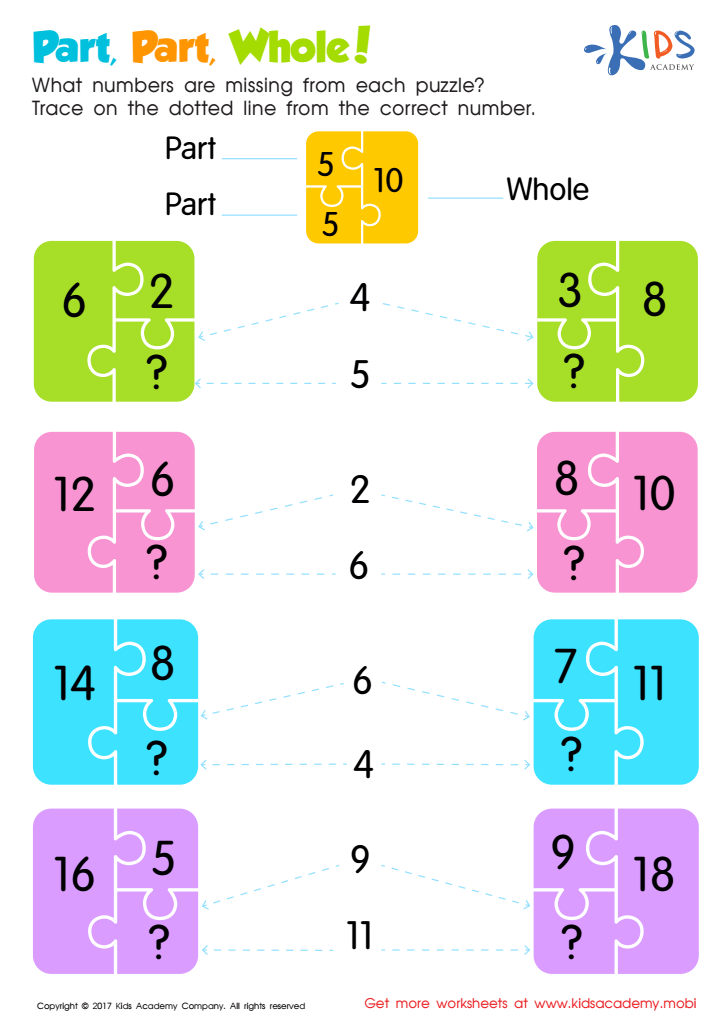
Part, Part, Whole Worksheet








Understanding addition in early childhood is crucial for laying a strong foundation for mathematical development. For children aged 3-7, mastering the concept of addition promotes critical thinking and problem-solving skills. During these formative years, children develop their cognitive abilities, and a firm grasp of addition paves the way for more complex mathematical concepts, such as subtraction, multiplication, and division, in later grades.
Parents and teachers should recognize that early math skills help to enhance a child's overall academic success. Engaging children in playful addition activities, everyday scenarios, and interactive games can transform math from a daunting subject into a fun experience that fosters a positive attitude toward learning. This early exposure cultivates confidence, which is essential as children progress in their education.
Furthermore, understanding addition supports a child's emotional and social development. Collaborative math games encourage teamwork and communication, helping children learn to work together. In addition, math literacy prepares them for real-world situations, enabling them to make sense of their surroundings. Ultimately, a strong foundation in addition sets children up for future academic triumphs and lifelong learning, making it vital for parents and teachers to prioritize this essential skill in early education.








