Critical Thinking Normal Reading Worksheets for Ages 3-7
36 filtered results
-
From - To
Our "Critical Thinking Normal Reading Worksheets for Ages 3-7" are meticulously designed to spark curiosity and cultivate essential reading and critical thinking skills in young learners. These engaging worksheets offer a plethora of activities that challenge children to analyze, reflect, and comprehend texts in an interactive manner. Ideal for early grade students, each worksheet emphasizes understanding story elements, distinguishing facts from opinions, and making inferences. Perfect for both classroom and at-home learning, these resources pave the way for a lifelong love of reading and critical analysis. Empower your child to think independently and elevate their reading comprehension skills today.
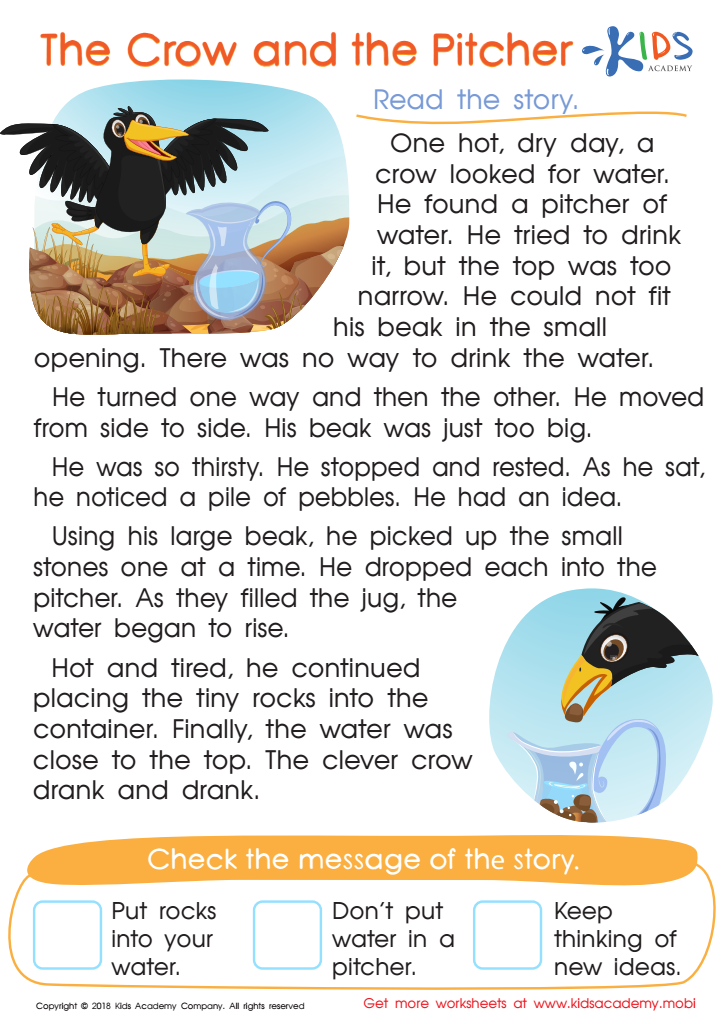
The Crow and the Pitcher Worksheet
 Assign to My Students
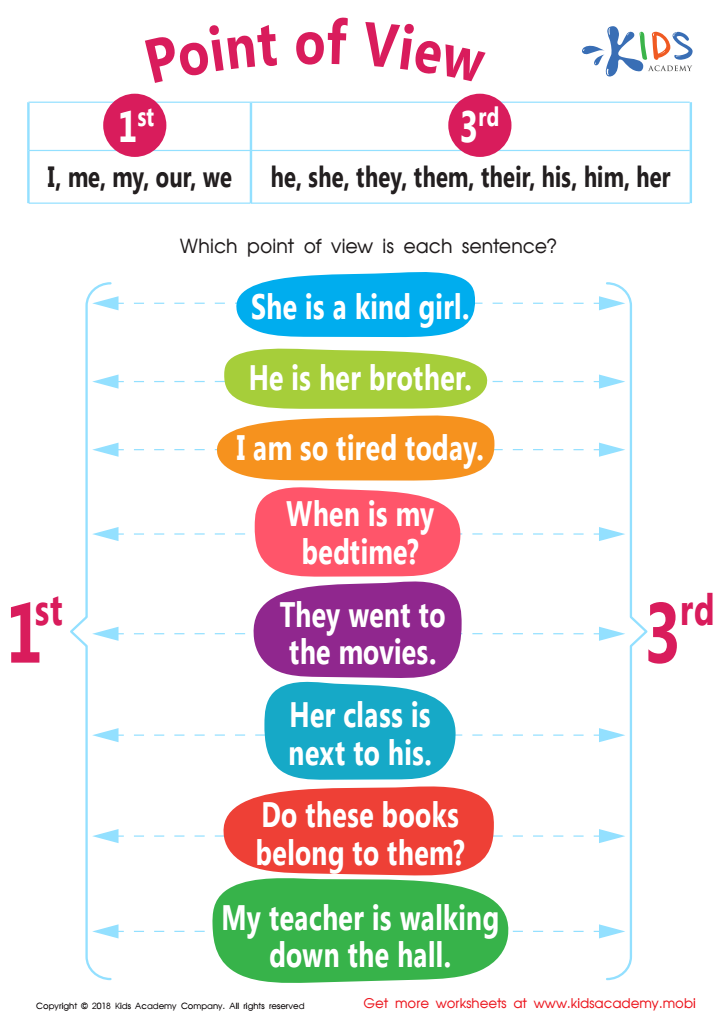
Point of View Worksheet
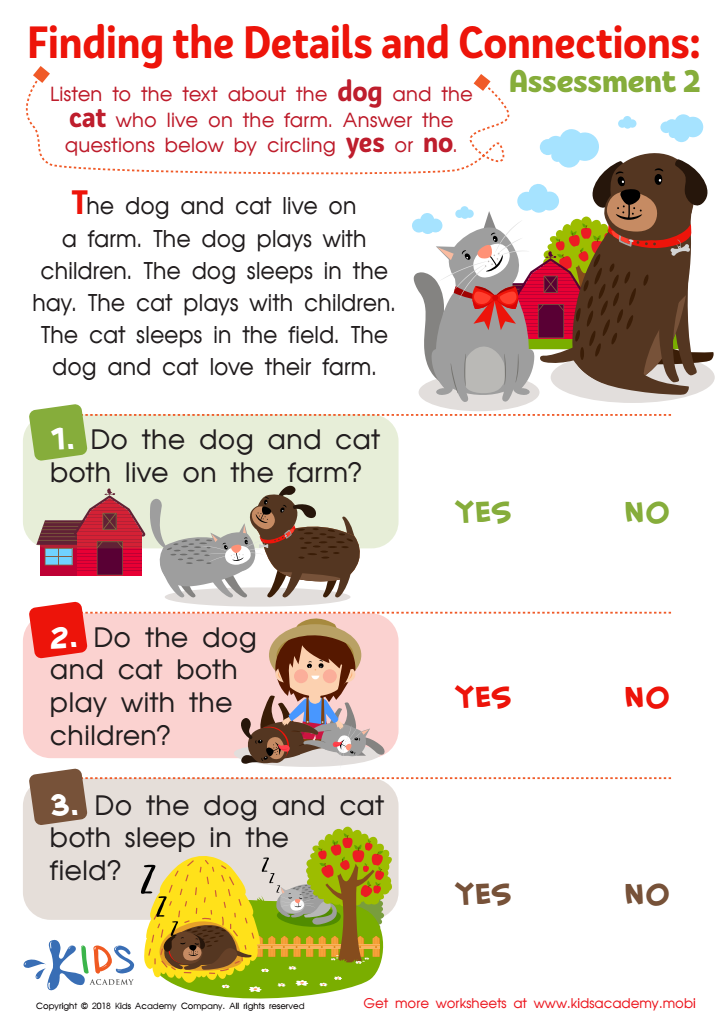
Finding the Details and Connections: Assessment 2 Worksheet
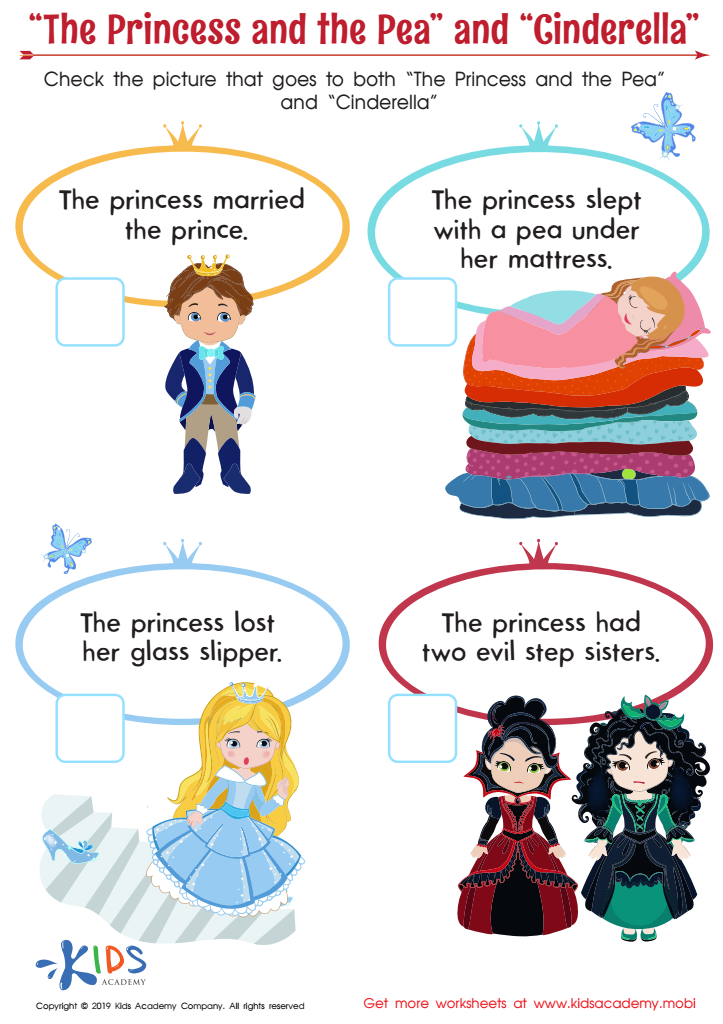
“The Princess and the Pea” and “Cinderella” Worksheet
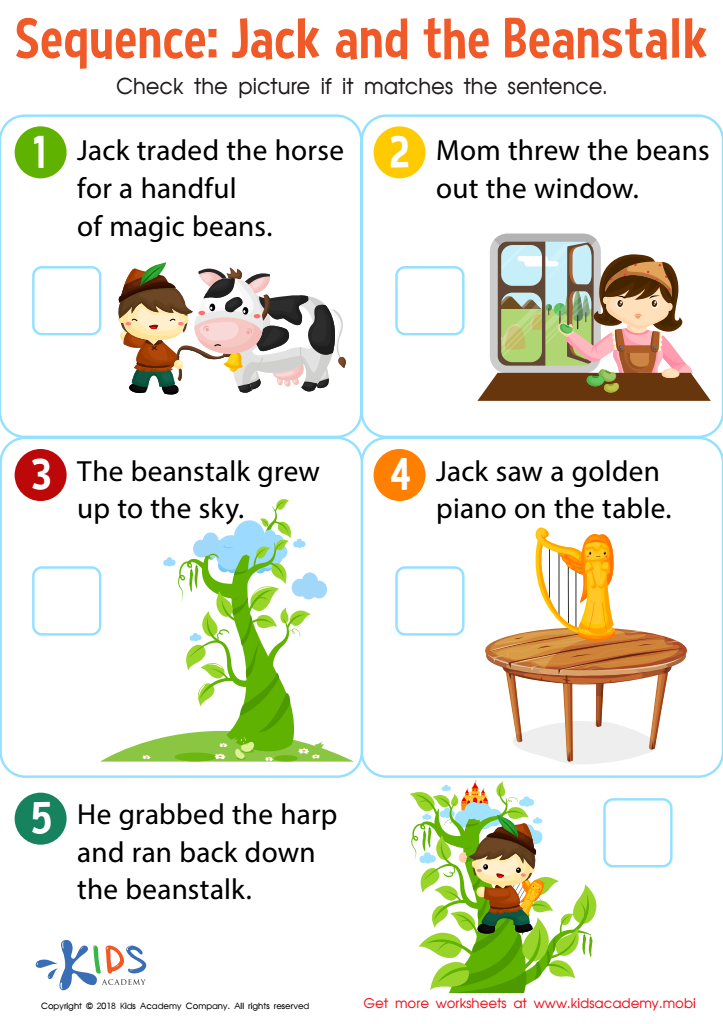
Sequence: Jack and The Beanstalk Worksheet
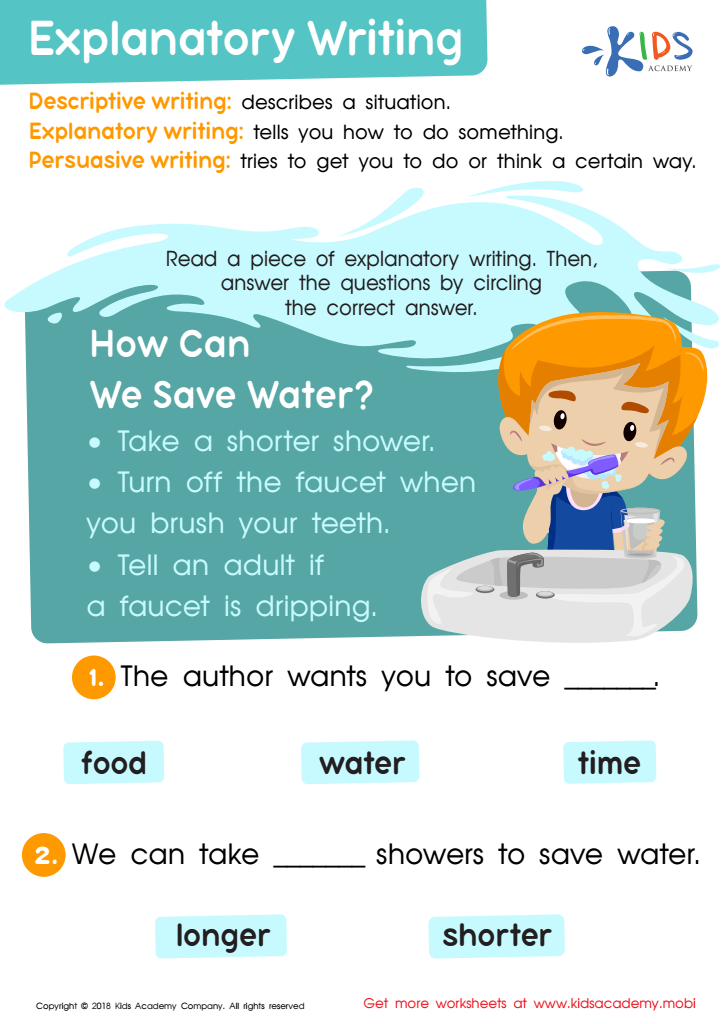
Explanatory Writing Worksheet
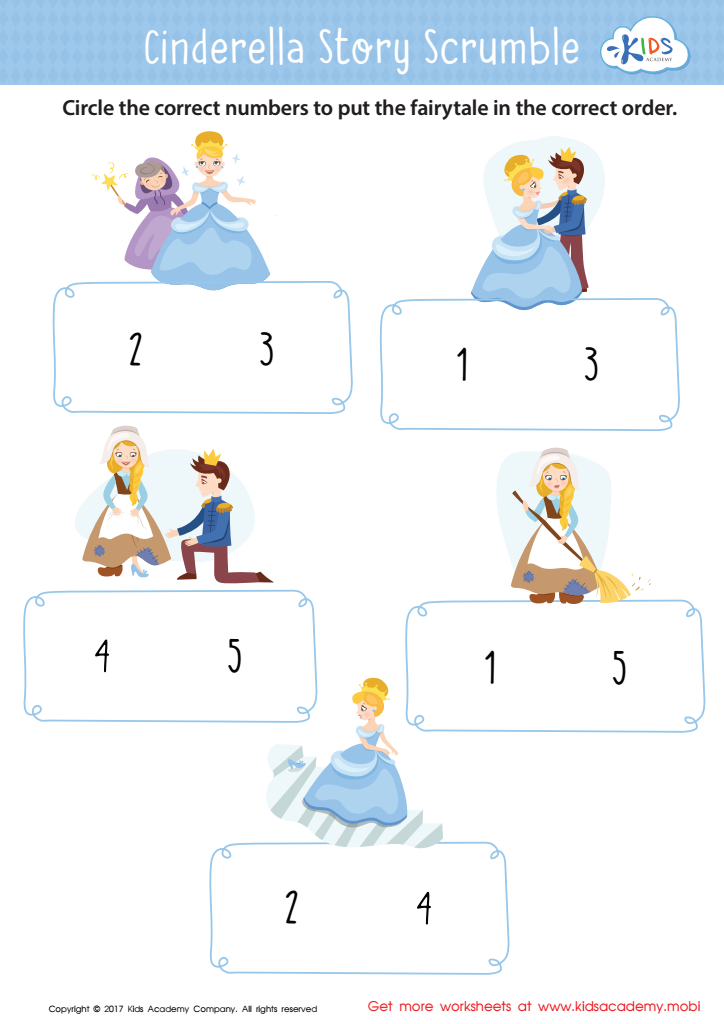
Cinderella Story Sequencing Worksheet
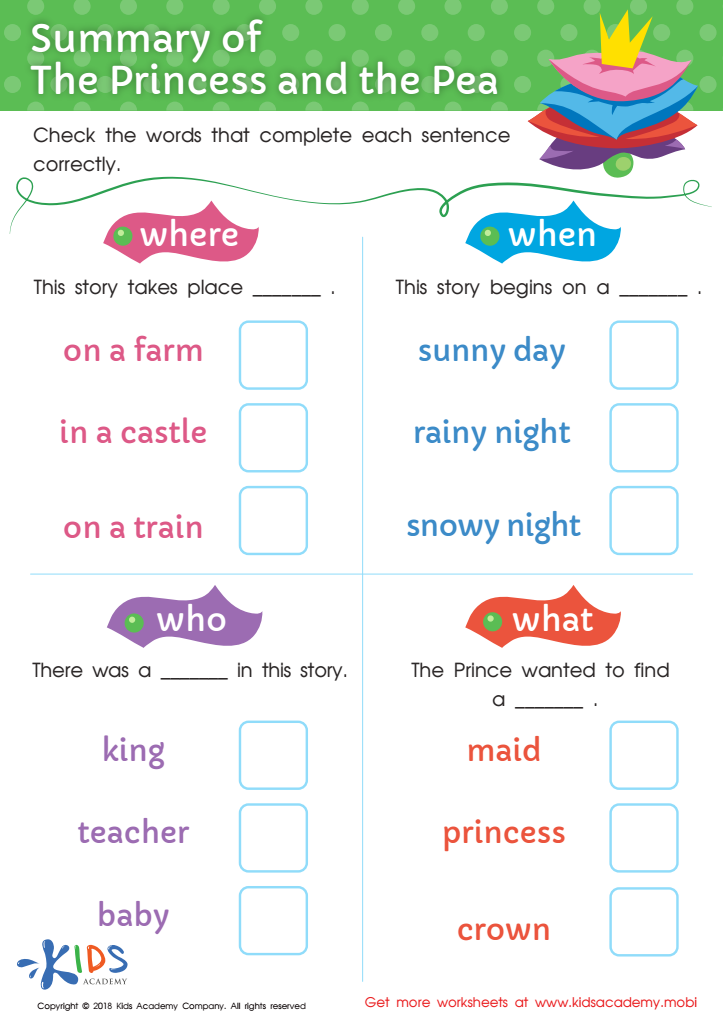
The Summary of the Princess and the Pea Worksheet
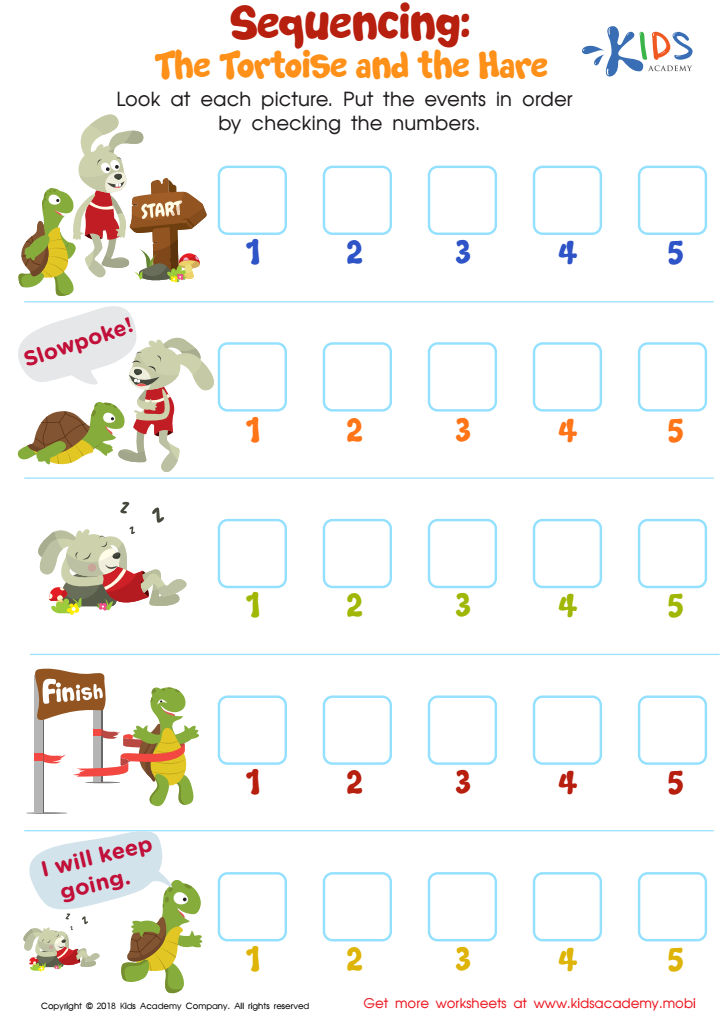
Sequencing: The Tortoise and the Hare Worksheet
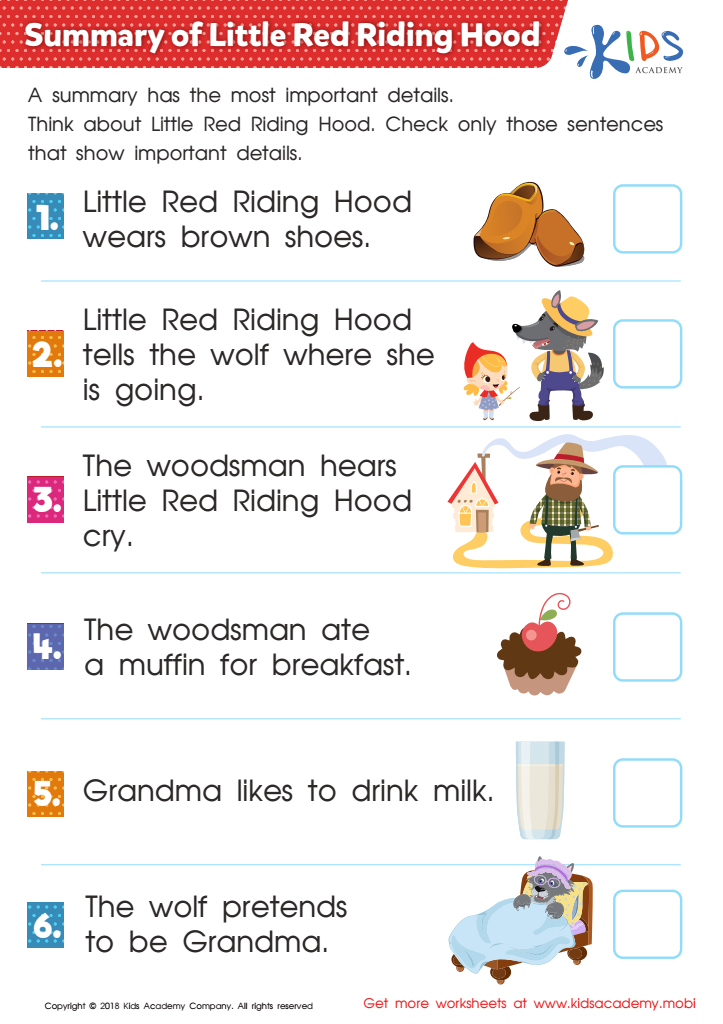
Summary of Little Red Riding Hood Worksheet
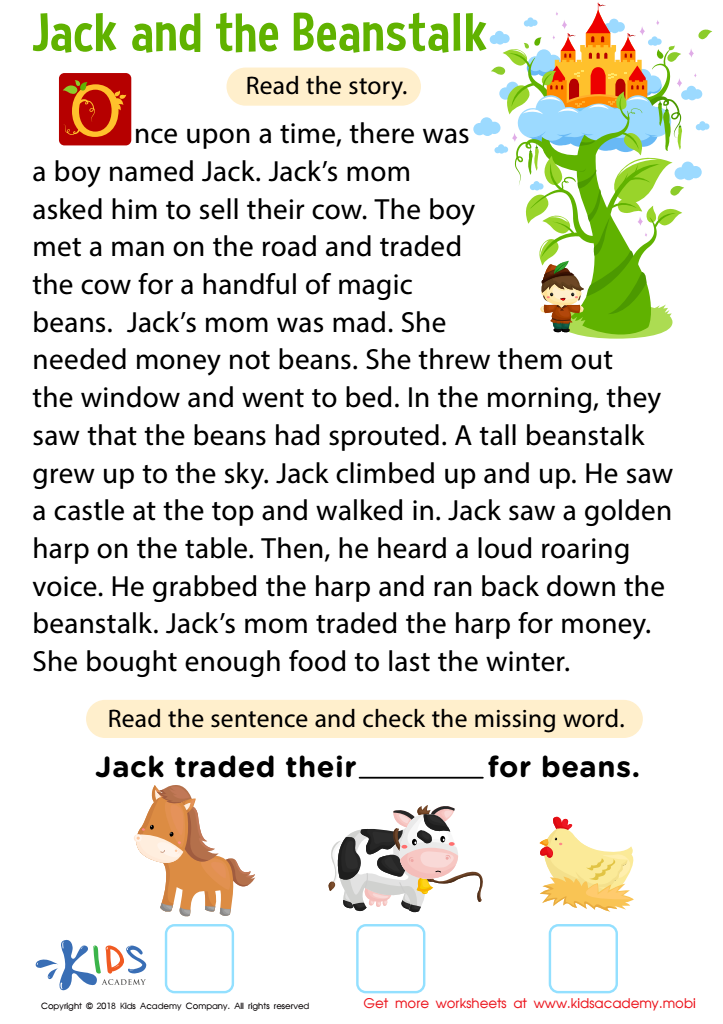
Jack and Beanstalk Worksheet
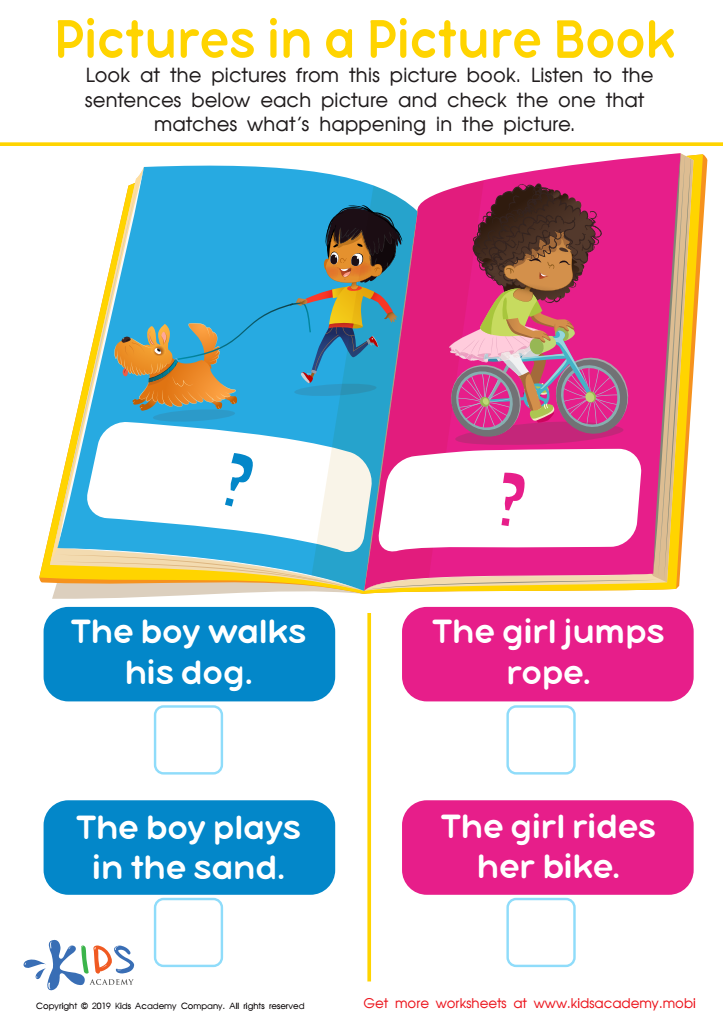
Picture in Books Worksheet
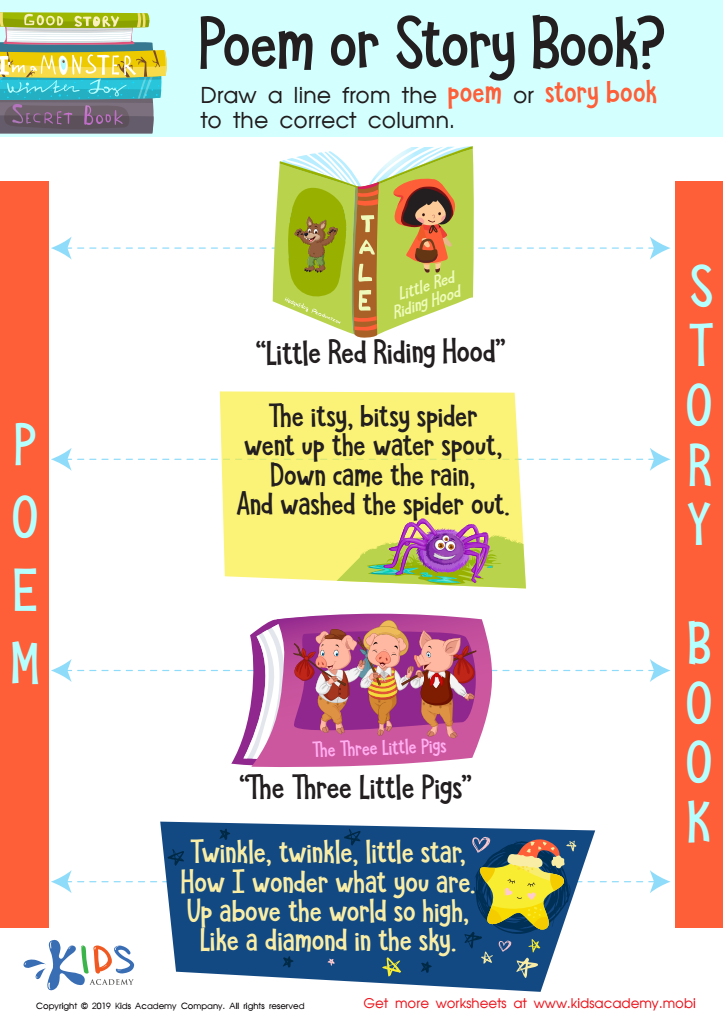
Poem or Story Book? Worksheet
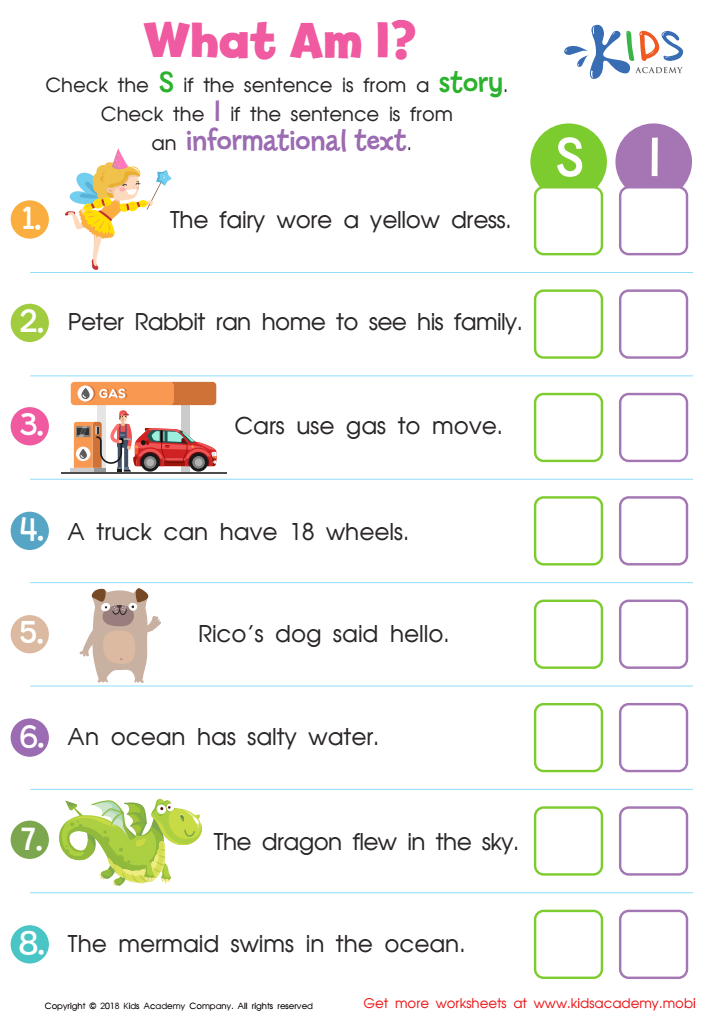
What Am I? Worksheet
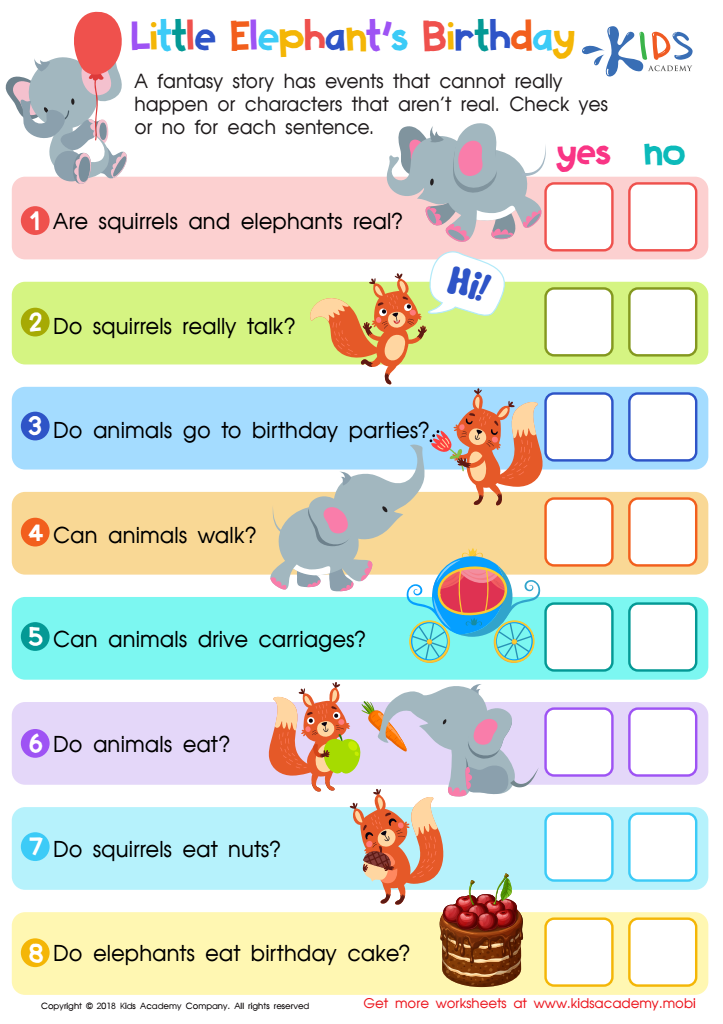
Little Elephant's Birthday Worksheet
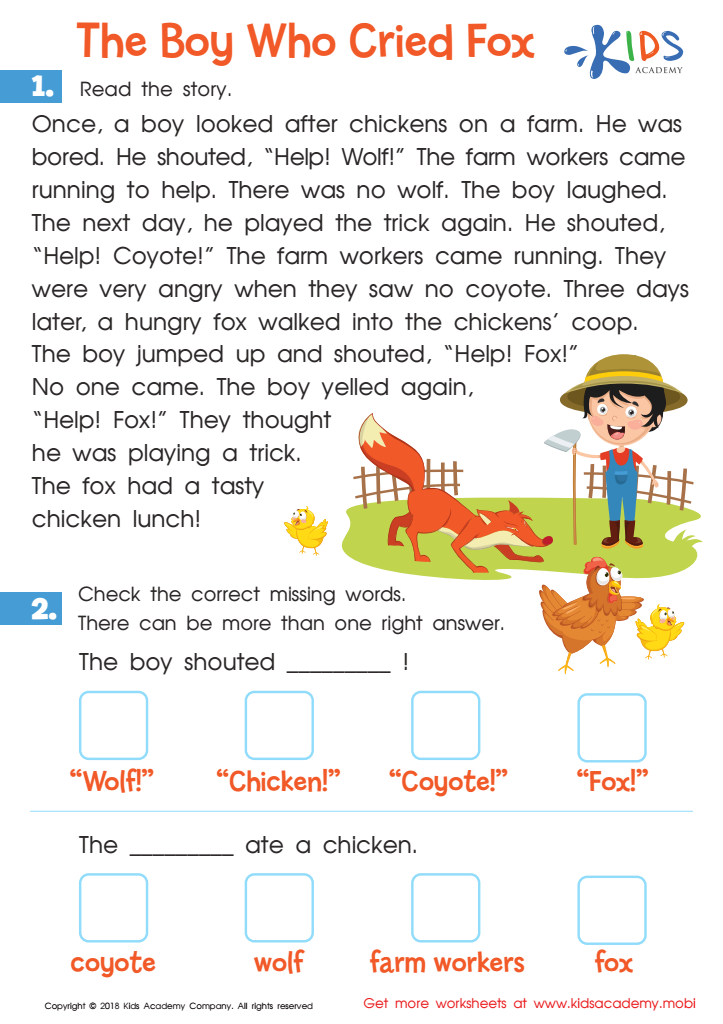
The Boy Who Cried Fox Worksheet
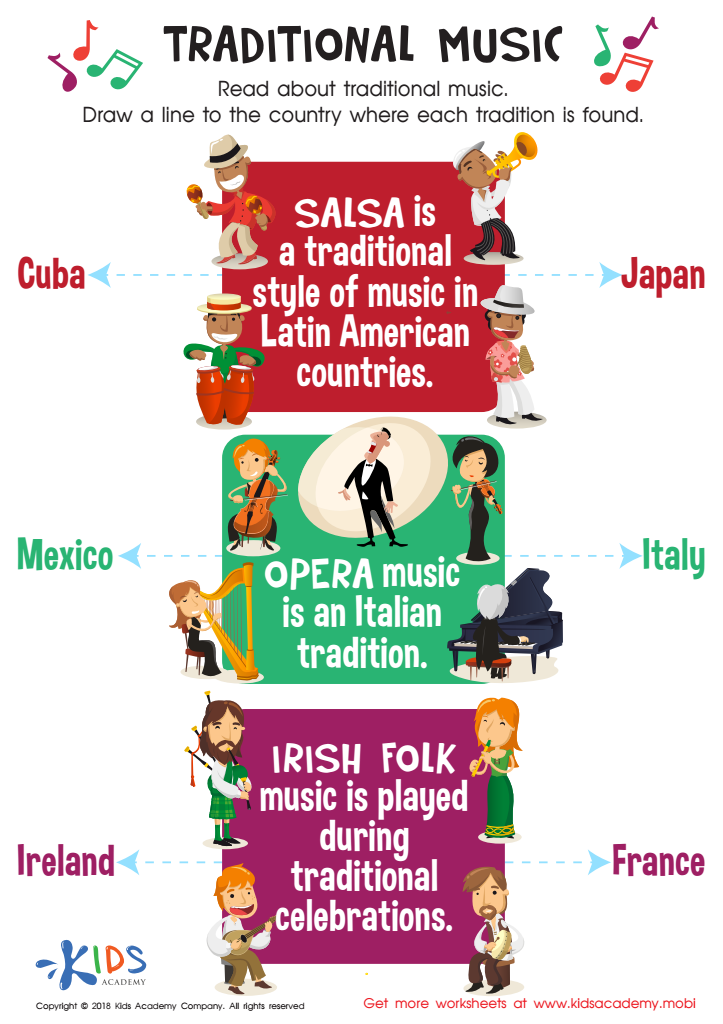
Traditional Music Worksheet
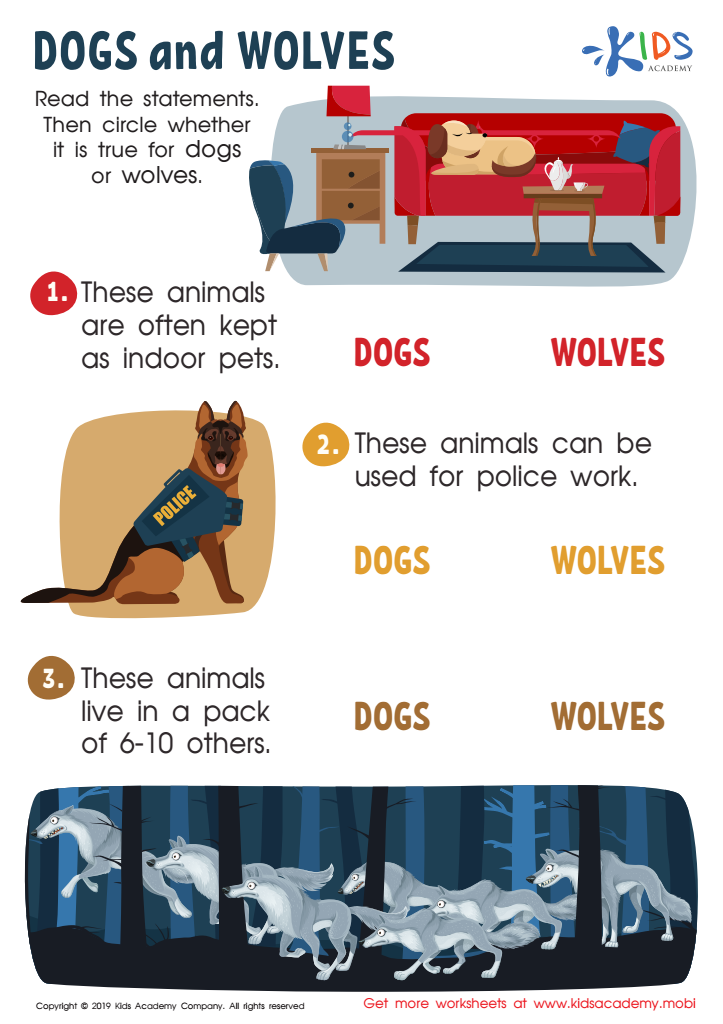
Dogs and Wolves Worksheet
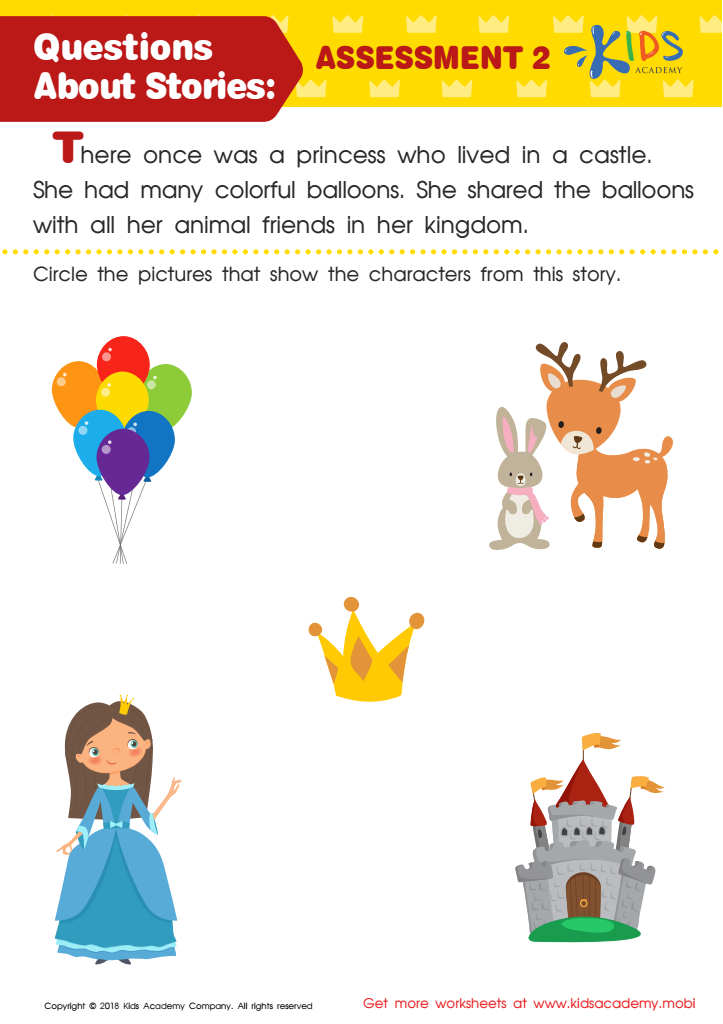
Questions About Stories: Assessment 2 Worksheet
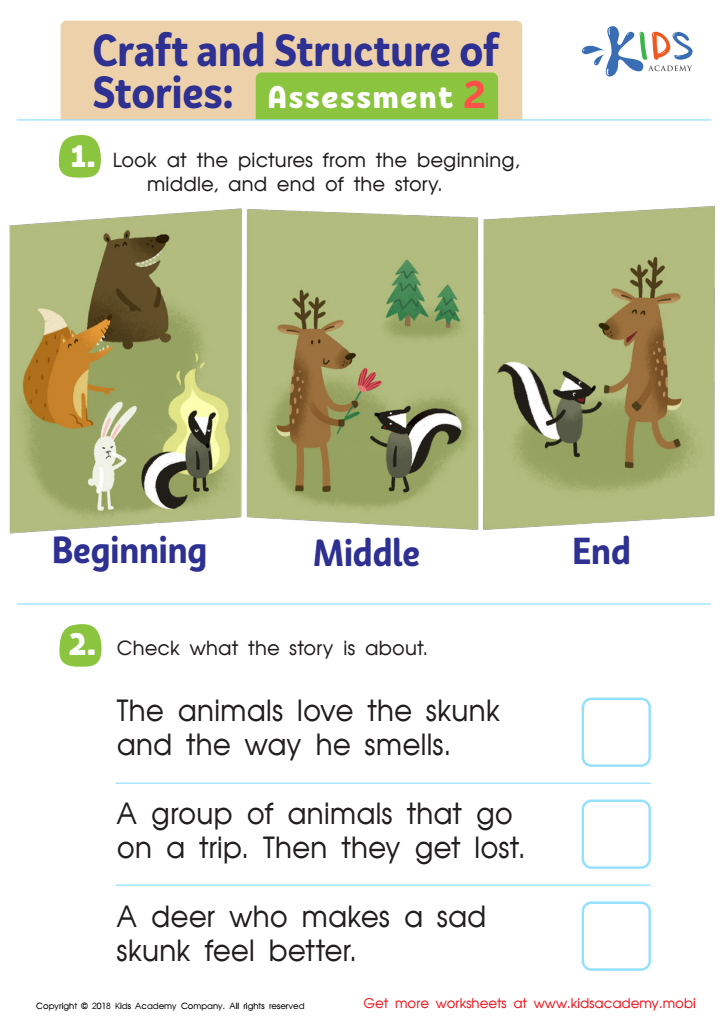
Craft and Structure of Stories: Assessment 2 Worksheet
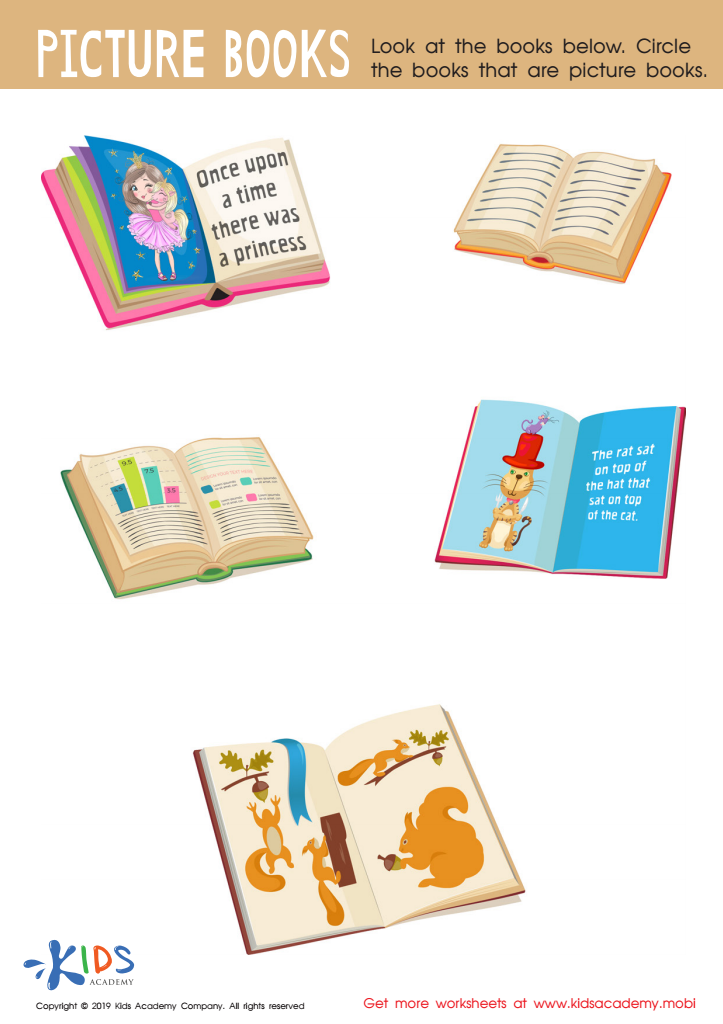
Picture Books Worksheet
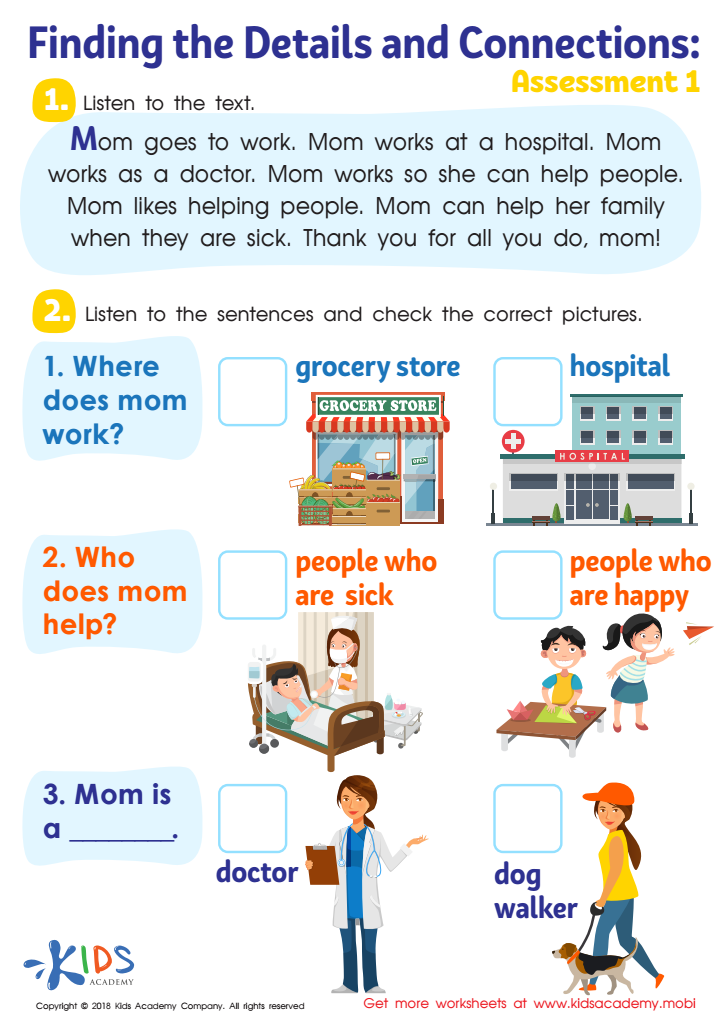
Finding the Details and Connections: Assessment 1 Worksheet
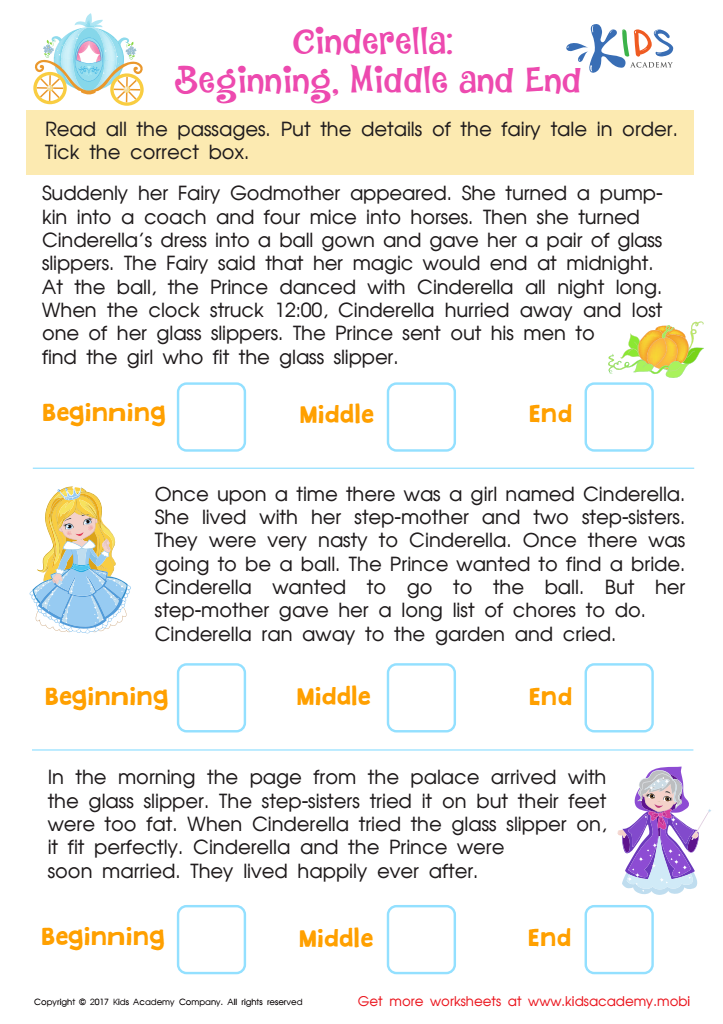
Cinderella: Beginning, Middle and End Worksheet
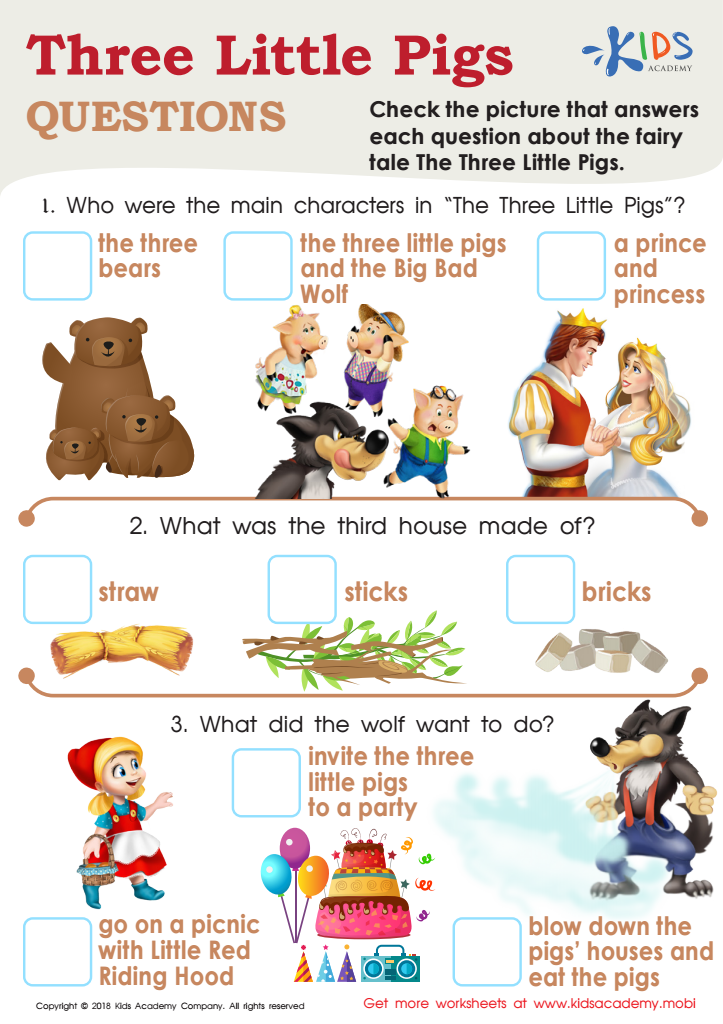
Three Little Pigs Questions Worksheet








Fostering critical thinking and normal reading skills in children aged 3-7 is essential for their holistic development and future success. During these formative years, children's brains are exceptionally malleable, making it a prime time for developing foundational skills that influence lifelong learning. Critical thinking nurtures independent problem-solving abilities, encouraging children to question, analyze, and make reasoned decisions. This skill is crucial not only for academic success but also for navigating everyday challenges and becoming competent, self-reliant individuals.
Parallelly, early reading enhances cognitive development, language acquisition, and comprehension skills. When children engage with normal reading activities, they expand their vocabulary, improve communication, and develop a love for learning. Reading stories enriches their imagination and cultural awareness, while also promoting empathy by exposing them to diverse perspectives.
Parents and teachers play a pivotal role in this process by providing a stimulating environment, rich in language and thought-provoking activities. Including interactive reading sessions, open-ended questioning, and problem-solving tasks can effectively balance the development of these skills. Prioritizing critical thinking and reading from an early age sets the foundation for academic achievement and equips children with essential tools to thrive in a complex world, making it a critical aspect of early education.








