
Reading comprehension Normal Animals Worksheets for Ages 3-7
12 filtered results
Difficulty Level
Grade
Age
-
From - To
Subject
Activity
Standards
Enhance your child's reading skills with our engaging "Reading Comprehension Normal Animals Worksheets for Ages 3-7." Specially designed to captivate young learners, these age-appropriate worksheets introduce children to various animals, enhancing their knowledge while improving their reading comprehension. Through fun and interactive activities, kids will read simple passages, answer questions, and develop a love for learning. Perfect for home or classroom use, these resources support literacy development and scientific curiosity, ensuring children gain a solid foundation in both reading and animal science. Start your educational adventure today with our expertly crafted materials!
Favorites
With answer key
Interactive
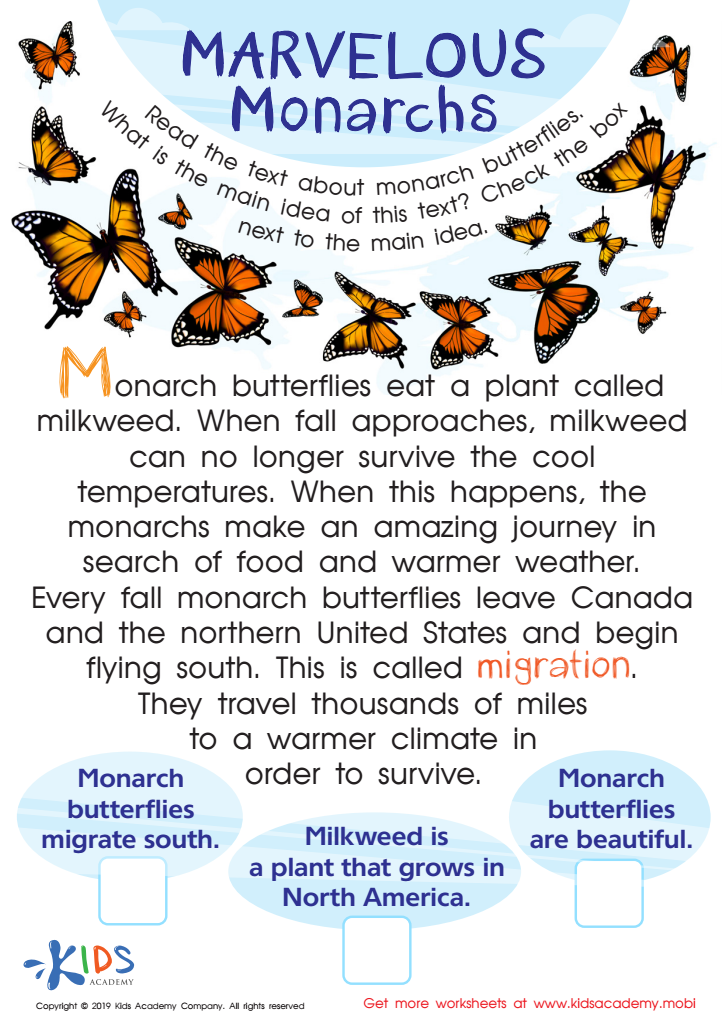
Marvelous Monarchs Worksheet
Help your kids have fun while reading - start with small words and short sentences. This worksheet can test your kids' reading and comprehension skills. Ask them to read the text about Monarch butterflies and help them locate the main idea.
 Assign to My Students
Marvelous Monarchs Worksheet
Worksheet
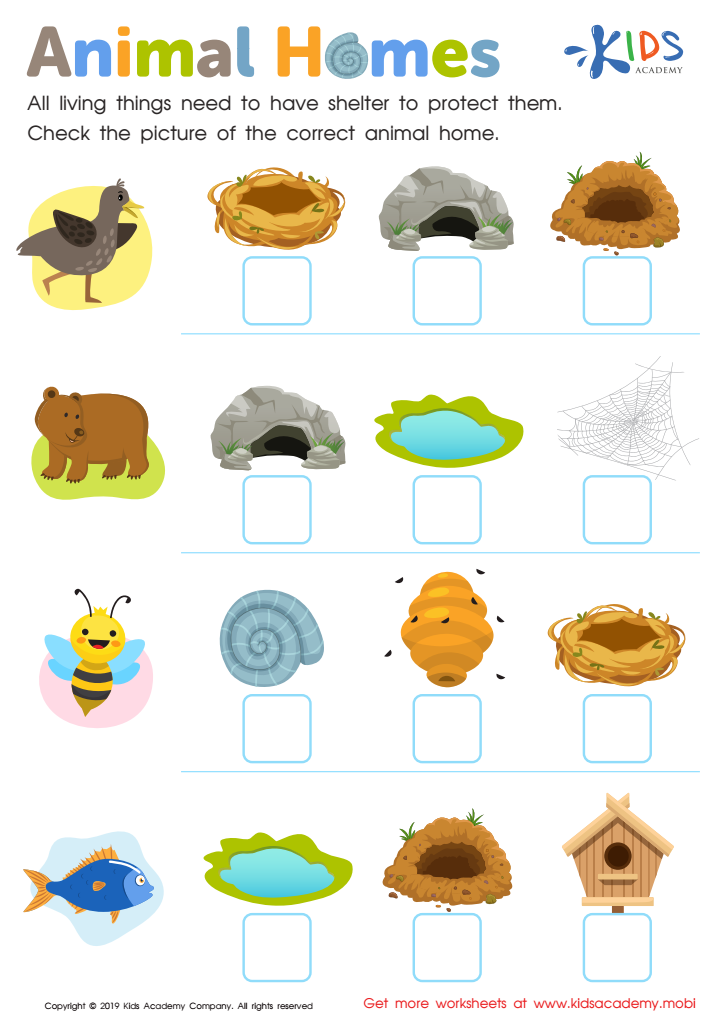
Animal Homes Worksheet
Students have homes where they can do things they love, sleep and stay safe from bad weather. Check the worksheet for animals and their shelters. Ask your kids to identify each and match the animal home to the picture. (80 words)
Animal Homes Worksheet
Worksheet
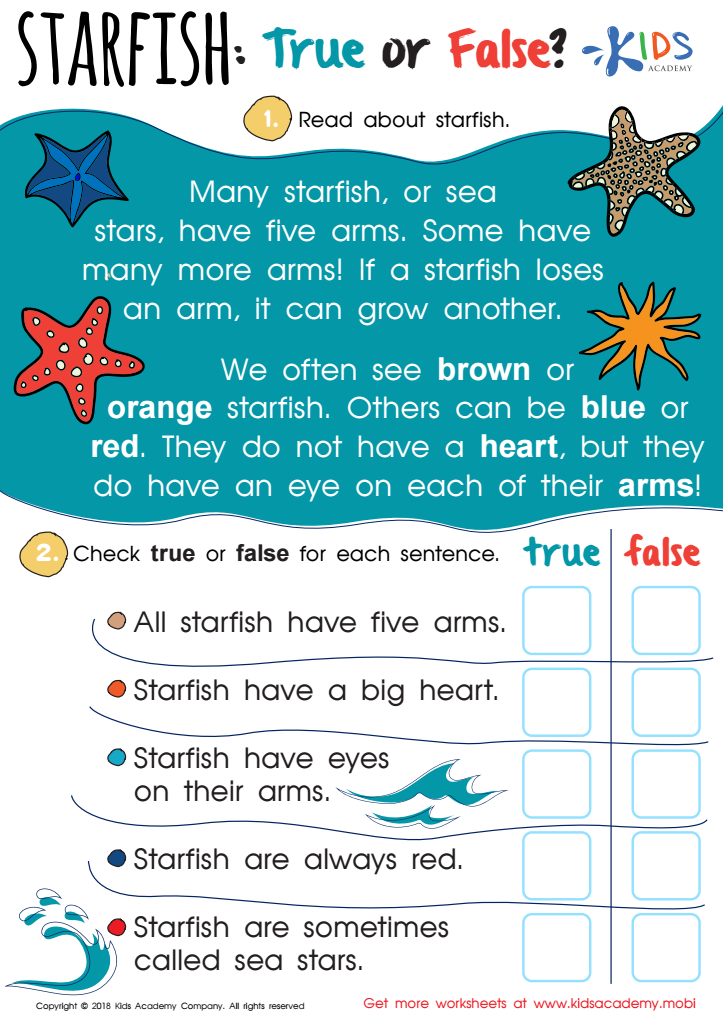
Starfish: True or False Worksheet
This worksheet helps kids learn more about starfish. Ask them what they know and read the text; it explains the creature's arms, color, and sight. At the end, read the questions and help them check true or false for each sentence.
Starfish: True or False Worksheet
Worksheet
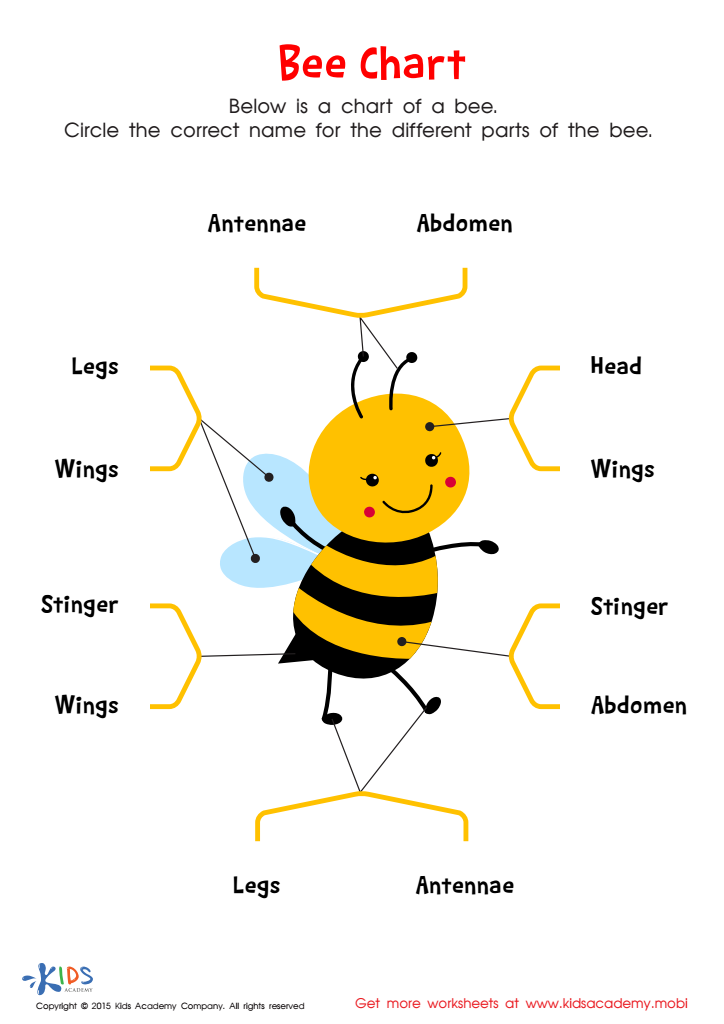
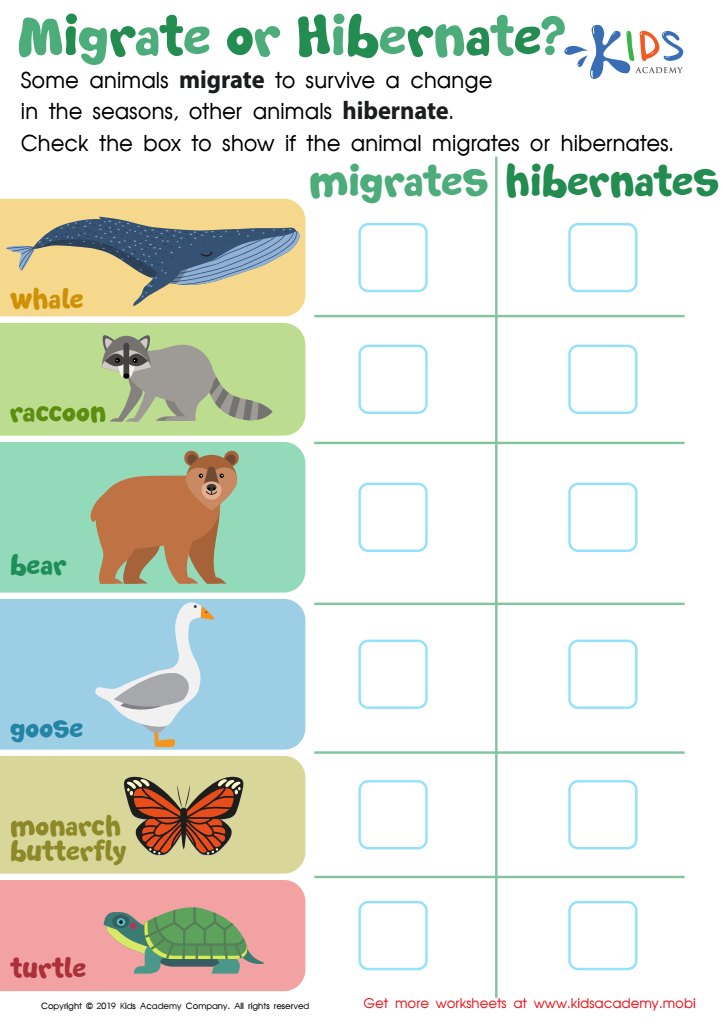
Migrate or Hibernate? Worksheet
Many animals survive by either migrating or hibernating when the weather changes. Migration involves traveling in flocks or herds to a more temperate climate, while hibernation is when animals stay in their homes and eat and sleep for a long period of time. Show your kids this worksheet and help them decide which strategy animals use to cope with the changing weather.
Migrate or Hibernate? Worksheet
Worksheet
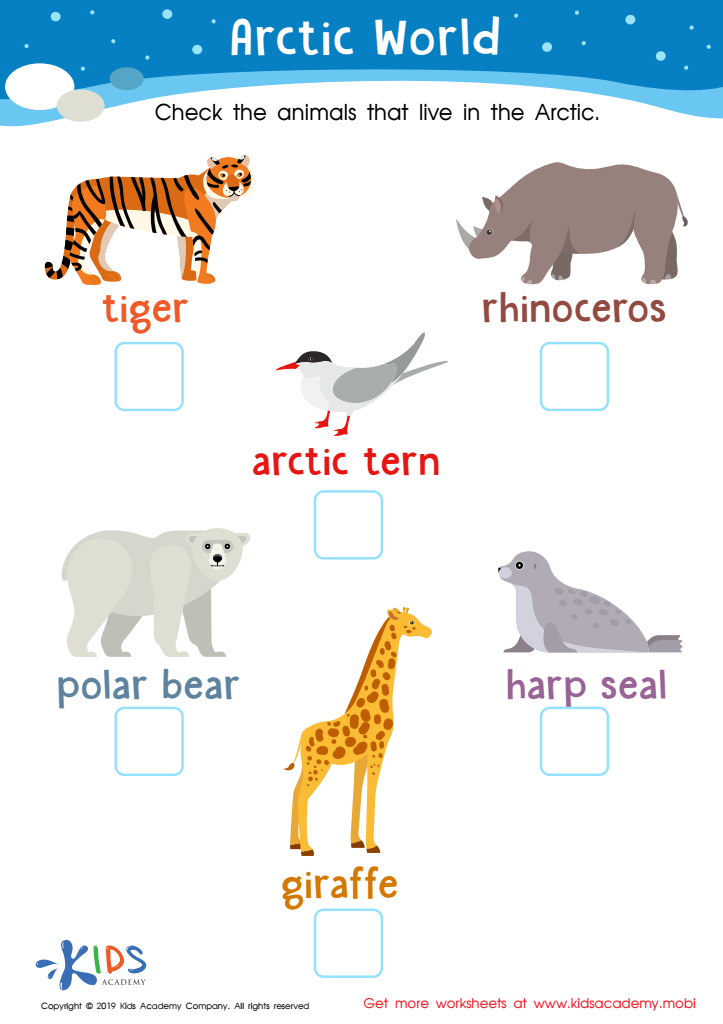
Arctic World Worksheet
Ask your students if they know where the Arctic is located and what lives there. If not, use a world atlas to show them. The Arctic is very cold and snow-covered; native animals have adapted to survive the harsh conditions. Look at the animals in the worksheet and help your students decide which ones live in the Arctic.
Arctic World Worksheet
Worksheet
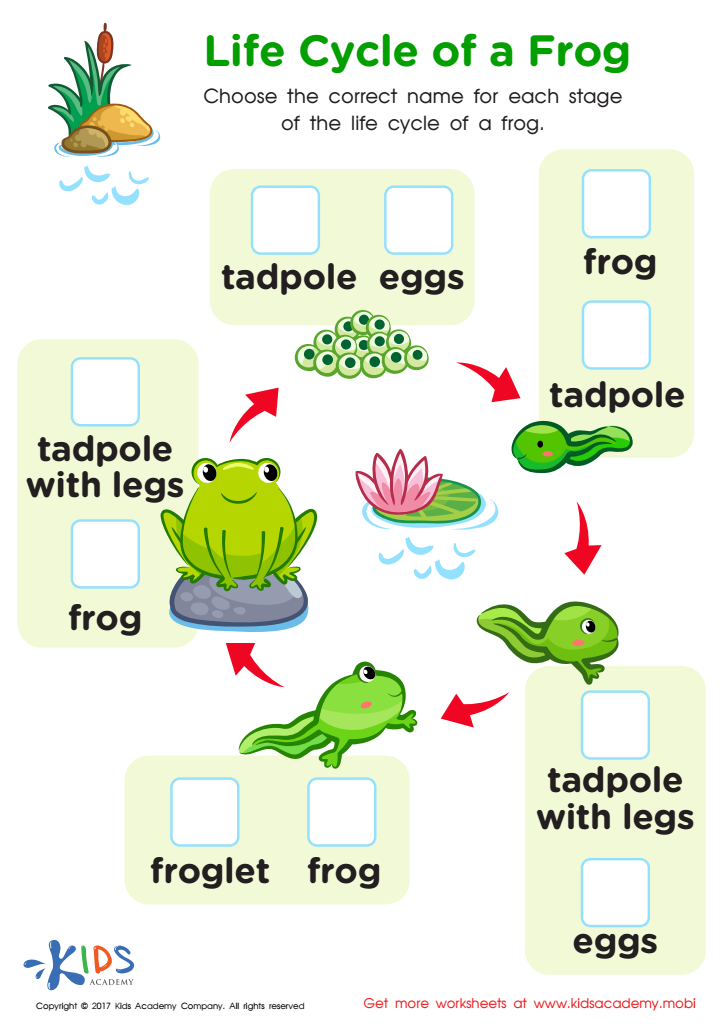
Life Cycle Frog Printable
Kids can explore the life cycle of frog with this fun worksheet! Draw lines from one stage to the next to follow the transformation from tadpole to frog and learn about the cycle of life.
Life Cycle Frog Printable
Worksheet
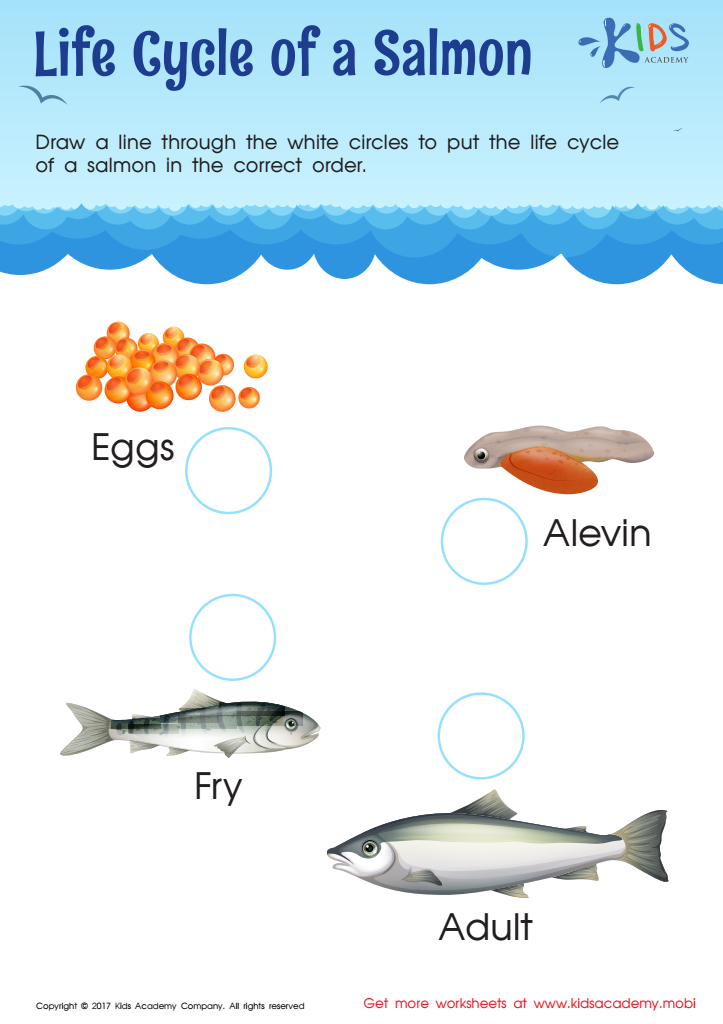
Cycle Of Salmon Worksheet
Explore the life cycle of a salmon with this grade 2 worksheet! Kids will learn by arranging the stages of the salmon's lifecycle in order. Science activities in this set cover a wide range of lifecycles in nature.
Cycle Of Salmon Worksheet
Worksheet
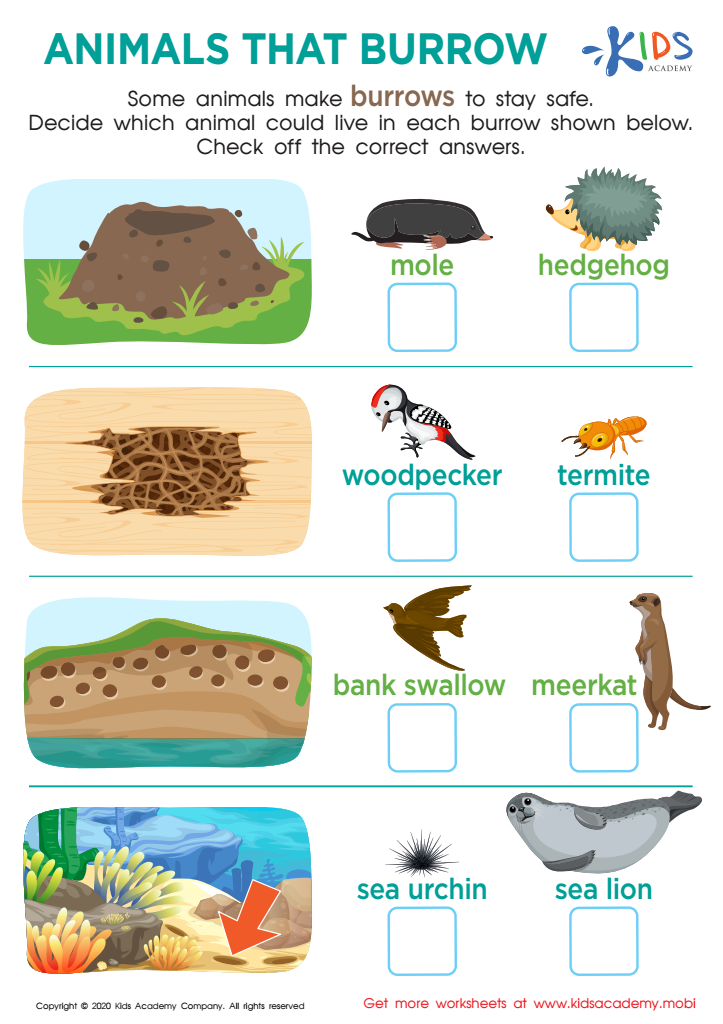
Animals That Burrow Worksheet
Teach your little one about animal protection with this Kids Academy PDF worksheet! Help them read the description of burrowing animals, then check off the pictures to discover which ones hide in holes. It's an exciting way to learn about the fascinating ways animals keep themselves safe from predators.
Animals That Burrow Worksheet
Worksheet
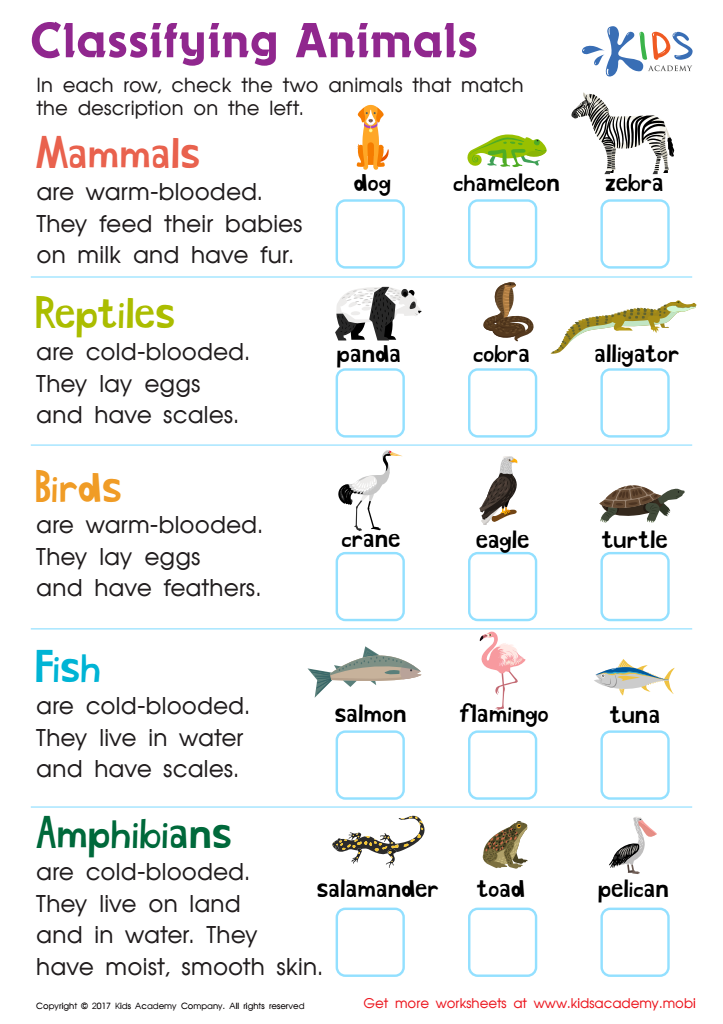
Classifying Animals Worksheet
Print the 2nd grade animal classification worksheet and help kids study the differences between mammals, reptiles, birds, fish and amphibians. Let them pick two examples from the options given.
Classifying Animals Worksheet
Worksheet
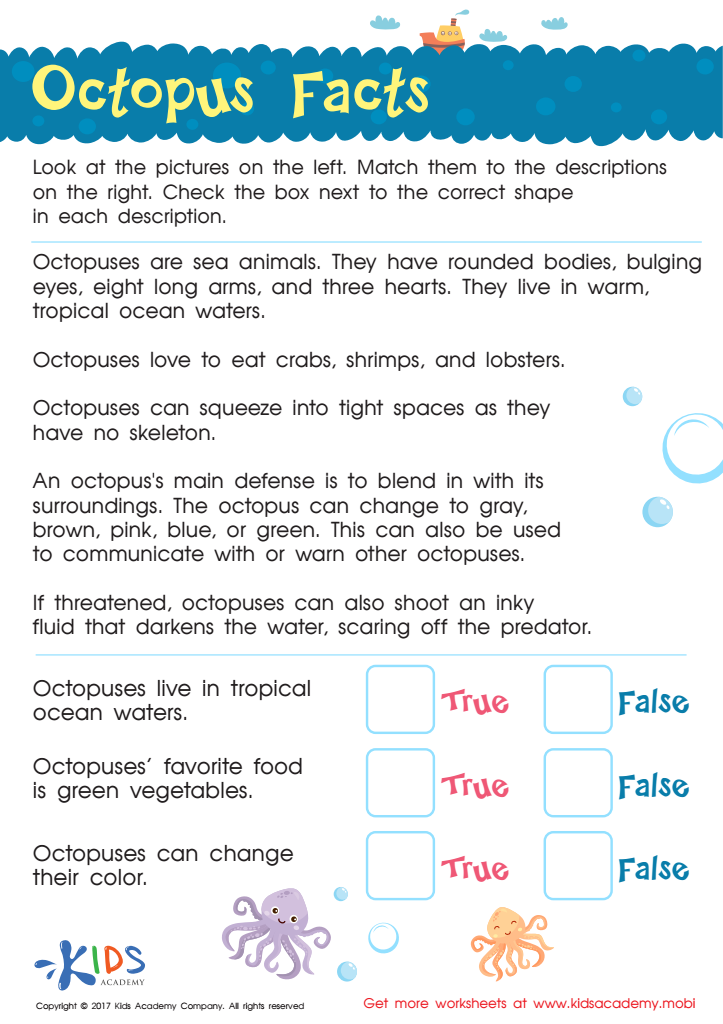
Octopus Facts Worksheet For Kids
Let your child dive into the world of octopuses with this fun worksheet. It offers invaluable practice in reading non-fiction texts, while they learn interesting facts about these strange sea creatures. It's a great way to help them hone their skills in reading comprehension.
Octopus Facts Worksheet For Kids
Worksheet
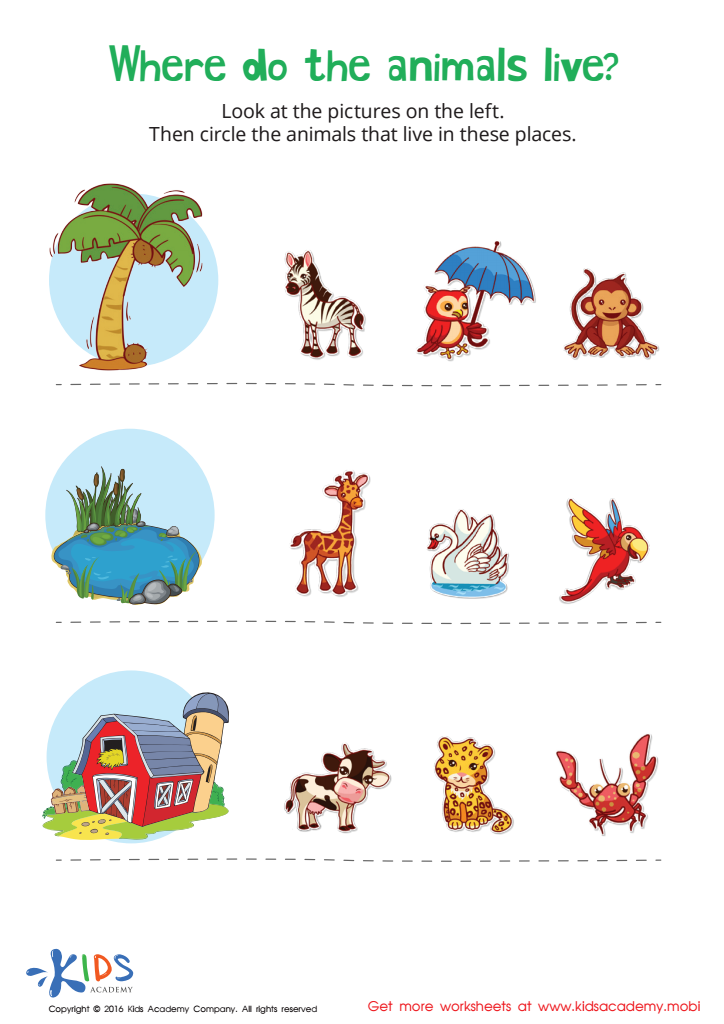
Where Animals Live Worksheet
Teaching early reading and math skills is important, but don't forget about science. With the Where Animals Live PDF worksheet, kids can identify their favorite animals and the environments they live in. Ask them what type of environment the animals like and introduce them to geography. It's great for logical reasoning and classification skills. Your kid will practice with their favorite animals and love the trip to the zoo afterwards!
Where Animals Live Worksheet
Worksheet
Join Kids Academy for Free
Who is primarily going to use this learning content?




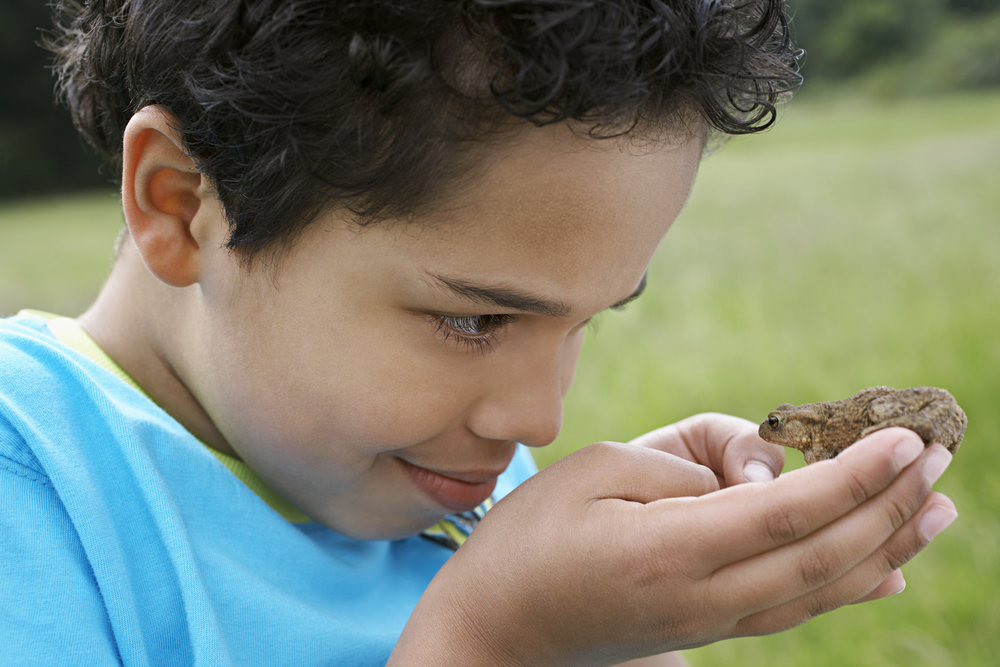



Reading comprehension in young children, particularly in the age range of 3-7, forms the foundation for future learning and academic success. Parents and teachers should care deeply about fostering these skills using texts about normal animals (everyday animals children see or hear of) because they provide a relatable and foundational context for understanding. At this age, children are naturally curious about the world around them, and stories involving animals can captivate their attention and imagination.
Introducing children to reading with familiar animal characters enhances their ability to decode words and understand simple narratives, which are critical early reading skills. Comprehension exercises involving animals help children practice making inferences, predicting outcomes, and recalling information — all essential components of reading comprehension. Discussing animal behaviors, habitats, and interactions not only builds a child's vocabulary but also broadens their general knowledge.
Engaging with familiar contexts, such as animals they might encounter in their day-to-day life or in picture books, makes the reading experience enjoyable and less intimidating. This positive early start is crucial, as it sets up a child's attitude towards reading and learning in a favorable manner, increasing their motivation to read independently in the future. Therefore, parents and teachers should support and pay close attention to reading comprehension activities centered around animals, as they are both educational and appealing to young learners.








