Normal Our Planet and Environment Worksheets for Ages 3-7 - Page 3
50 filtered results
-
From - To
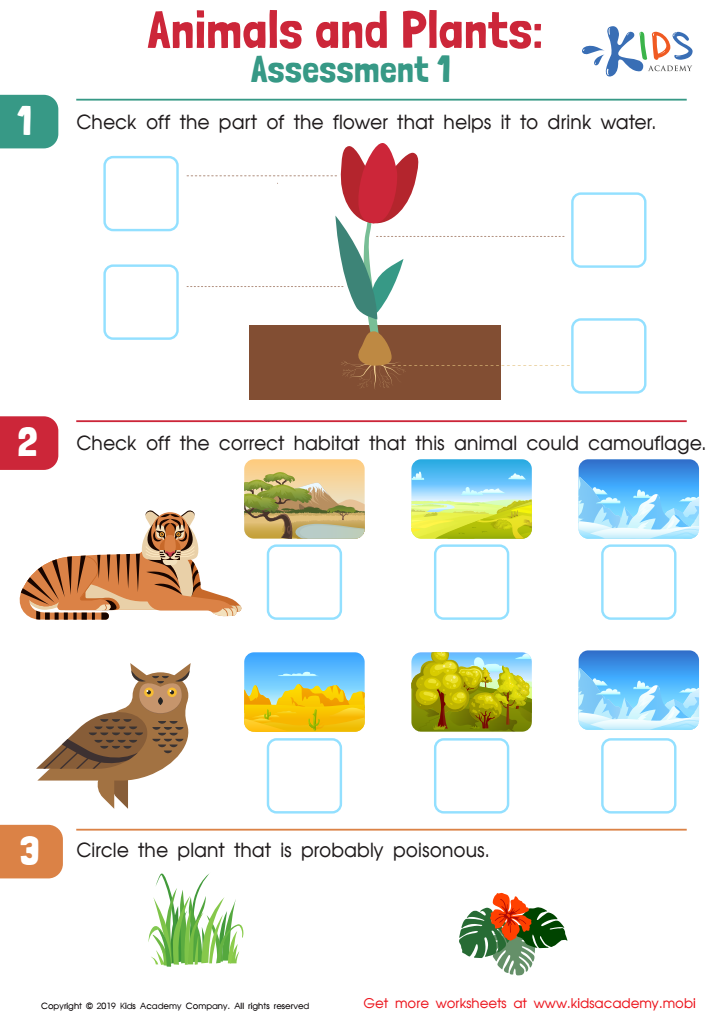
Animals and Plants: Assessment 1 Worksheet
 Assign to My Students
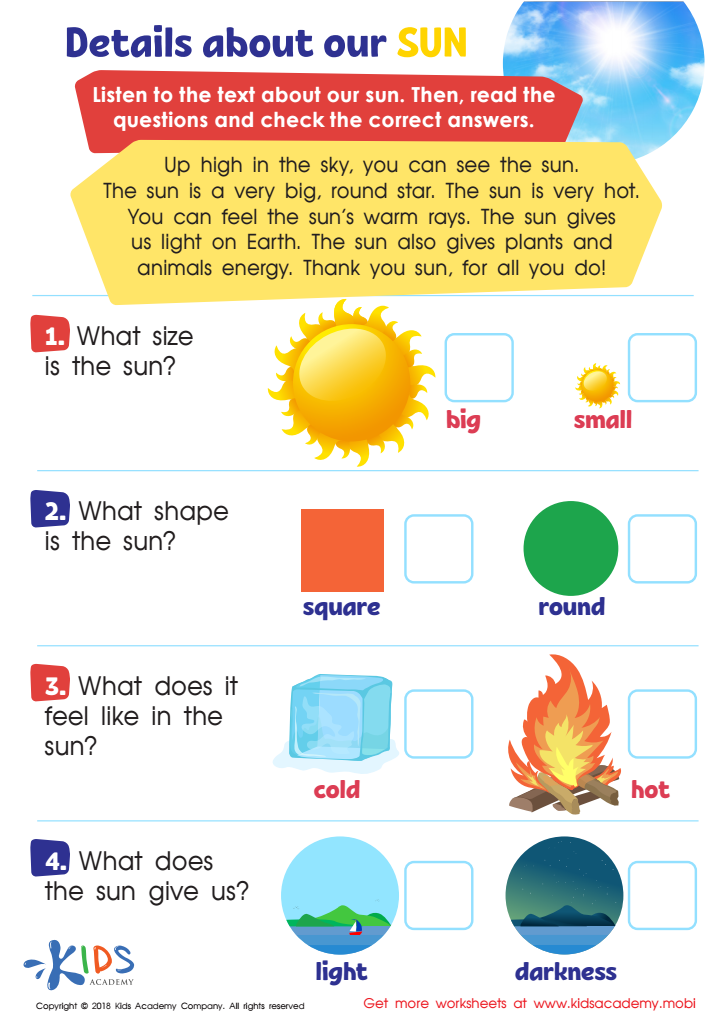
Details About Our Sun Worksheet


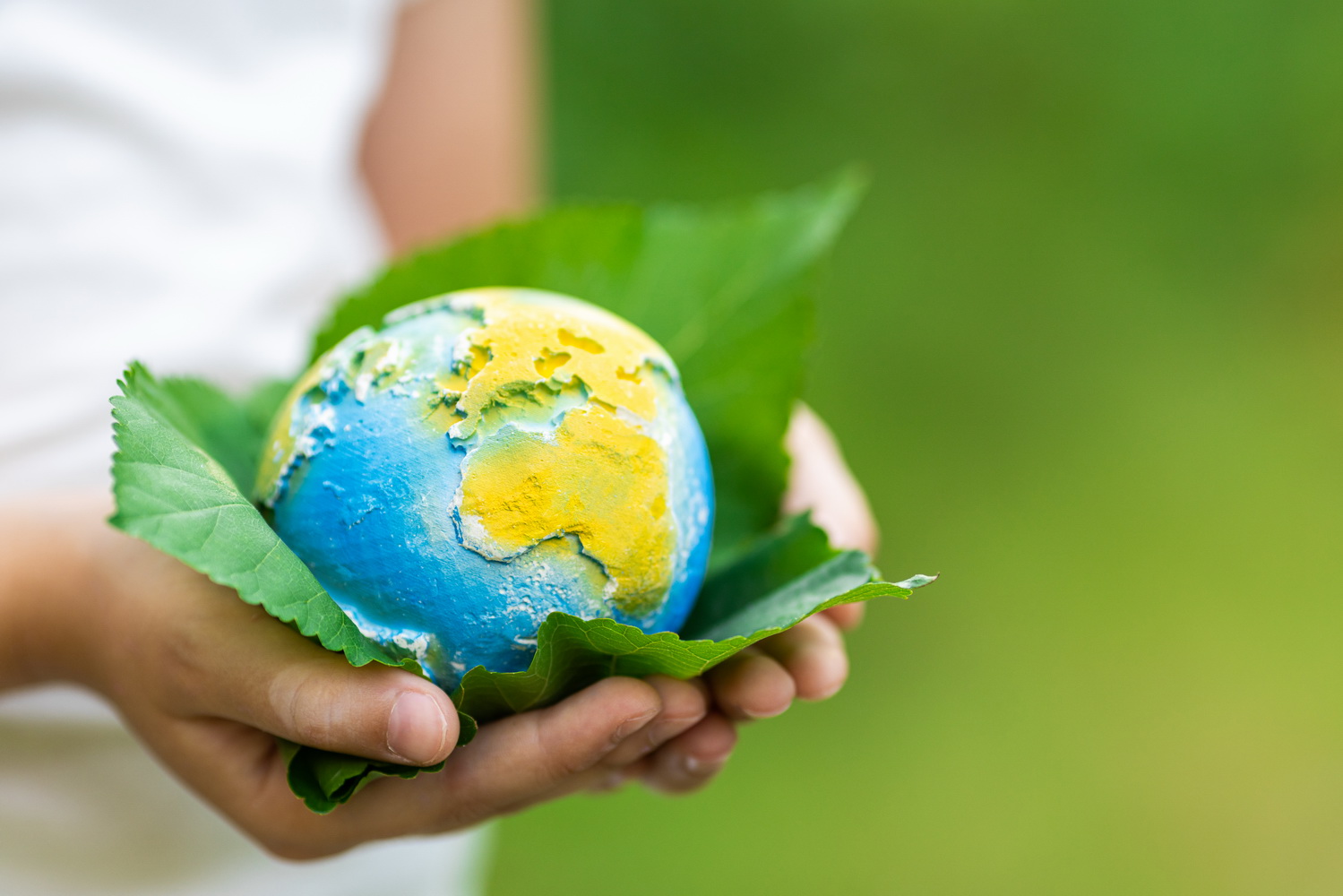


Teaching young children about the environment through initiatives like Normal Our Planet is crucial for several reasons. At ages 3-7, children are naturally curious and eager to learn about the world around them. This developmental stage is an ideal time to instill a sense of respect and responsibility for the Earth. Understanding environmental concepts early can foster lifelong eco-conscious habits.
By incorporating discussions about nature, recycling, and conservation into daily activities, parents and teachers can help children recognize the significance of their actions on the planet. Engaging activities like planting trees, playing outdoors, or crafting with recyclable materials make learning enjoyable and memorable. This hands-on approach integrates play with essential lessons about sustainability.
Moreover, advocating for the environment cultivates empathy in children. When they learn about the impact of pollution, deforestation, and climate change, they become more empathetic towards other living beings. Encouraging discussions about why we need to protect our planet enhances critical thinking and problem-solving skills among young learners.
Ultimately, by caring about initiatives like Normal Our Planet, parents and teachers can nurture a generation that values and protects the Earth, ensuring a healthier environment for the future.







