Normal Tracing Words Worksheets for Ages 3-7
34 filtered results
-
From - To
Discover engaging Normal Tracing Words Worksheets designed for children aged 3-7 at Kids Academy. Our expertly crafted worksheets subtly blend learning with fun, encouraging young learners to develop their fine motor skills and handwriting abilities. Each worksheet features age-appropriate tracing activities that help children recognize and write letters and simple words, laying a strong foundation for future literacy success. With vibrant imagery and kid-friendly content, your child will enjoy practicing essential handwriting skills. Support your child's educational journey with our top-quality tracing words worksheets, perfectly tailored for early learners. Visit Kids Academy for more enriching resources.
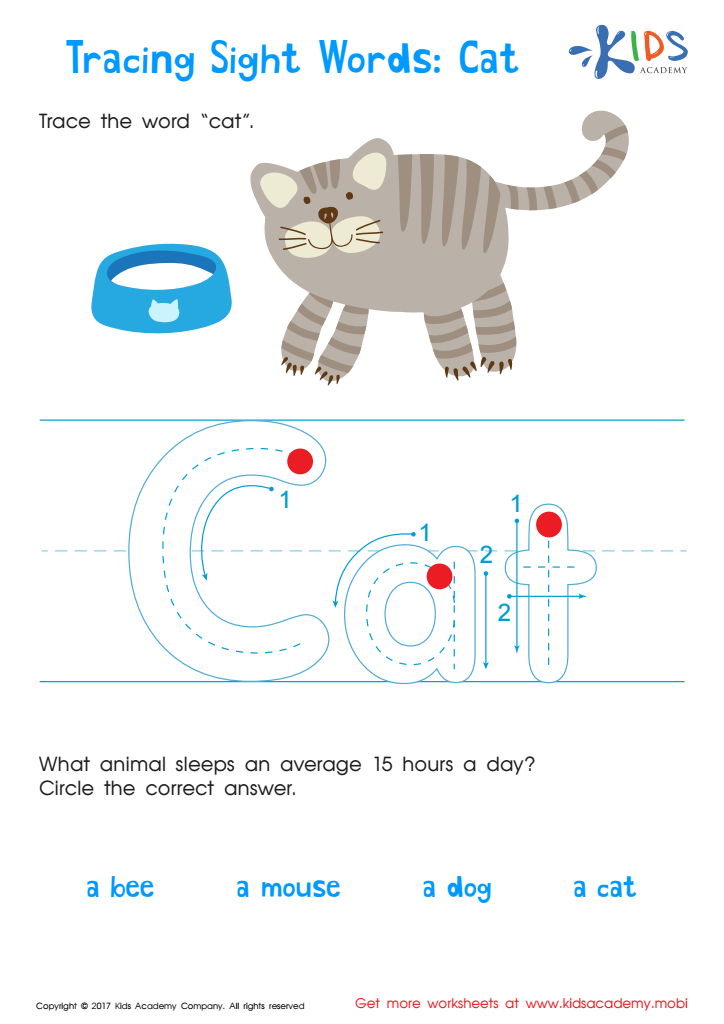
Cat Printable Sight Words Worksheet
 Assign to My Students
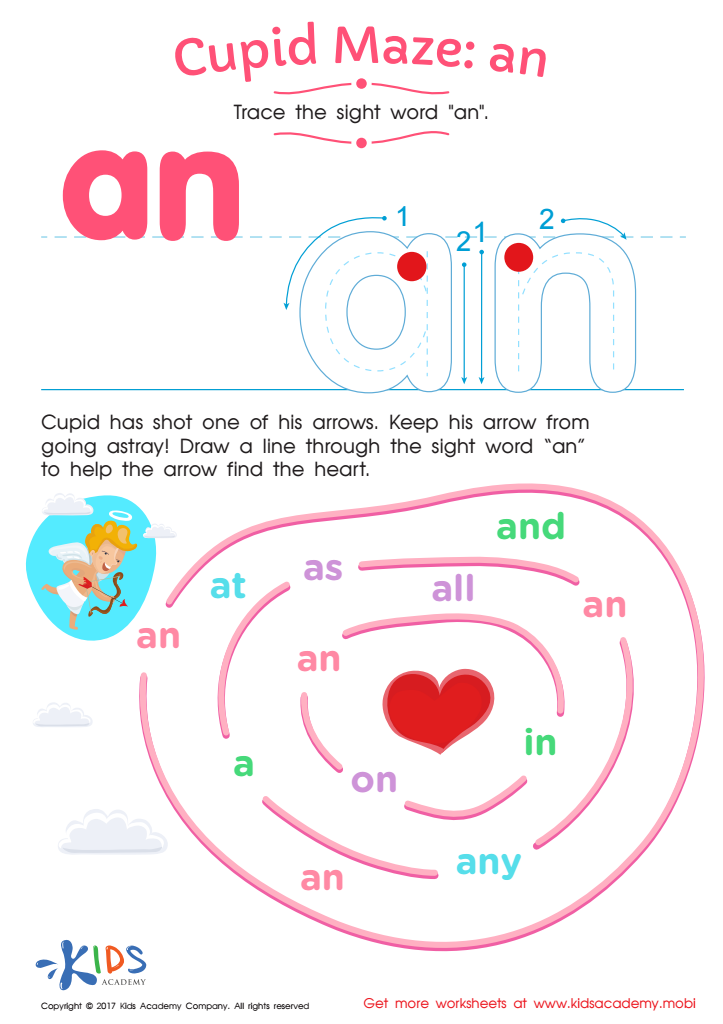
Cupid Maze: An Printable
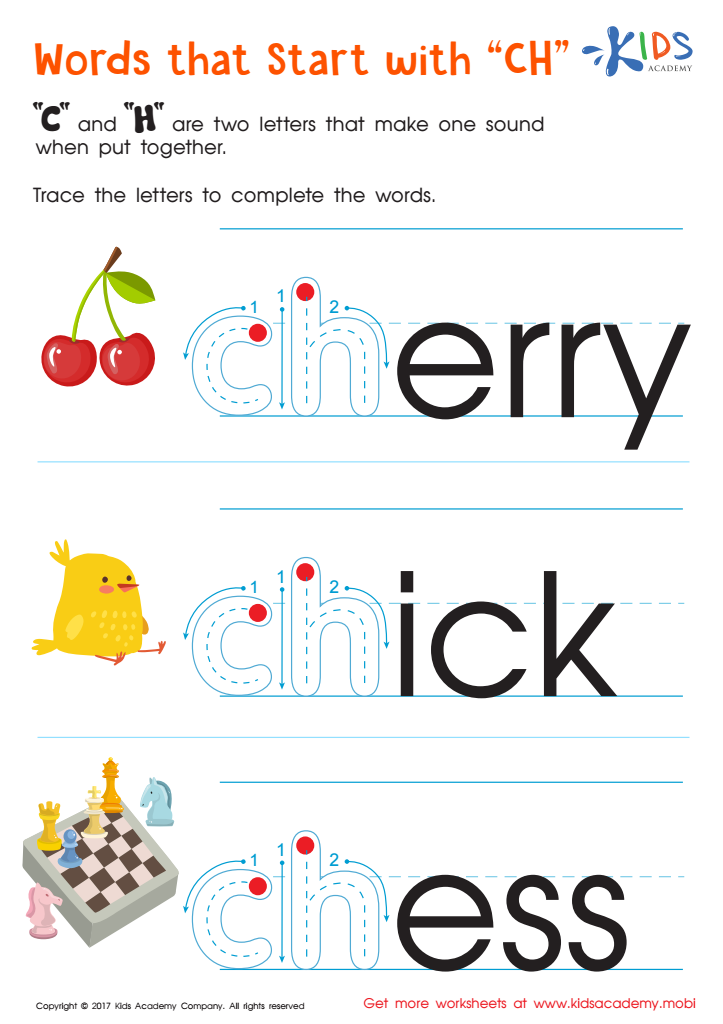
Words That Start with "ch" Spelling Worksheet
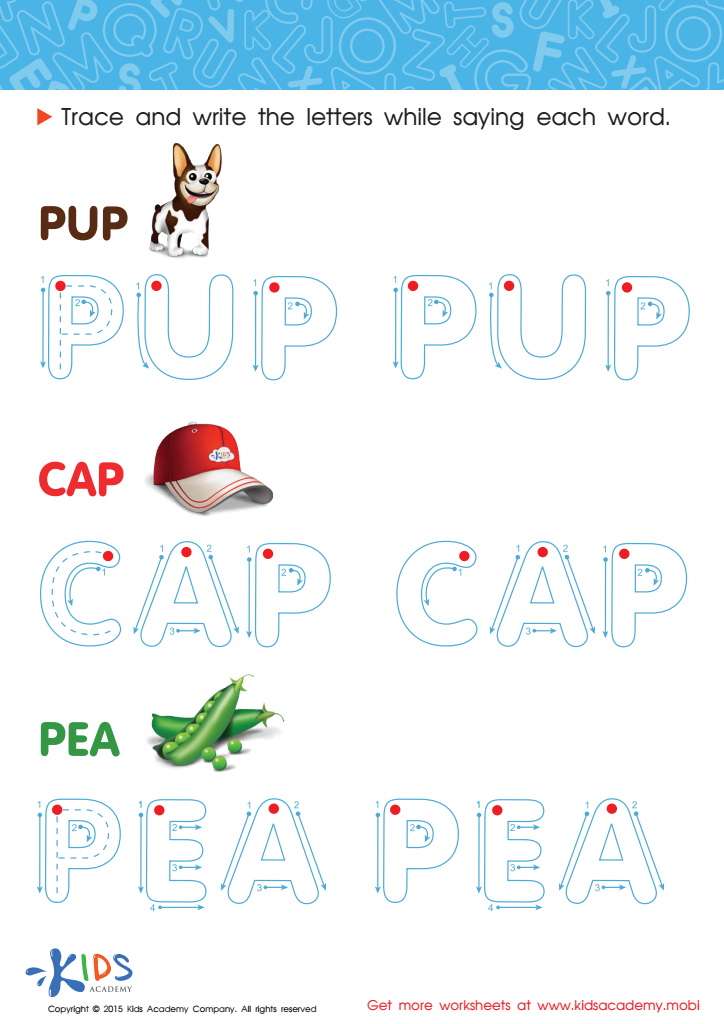
A Pup, a Cap and a Pea Spelling Worksheet
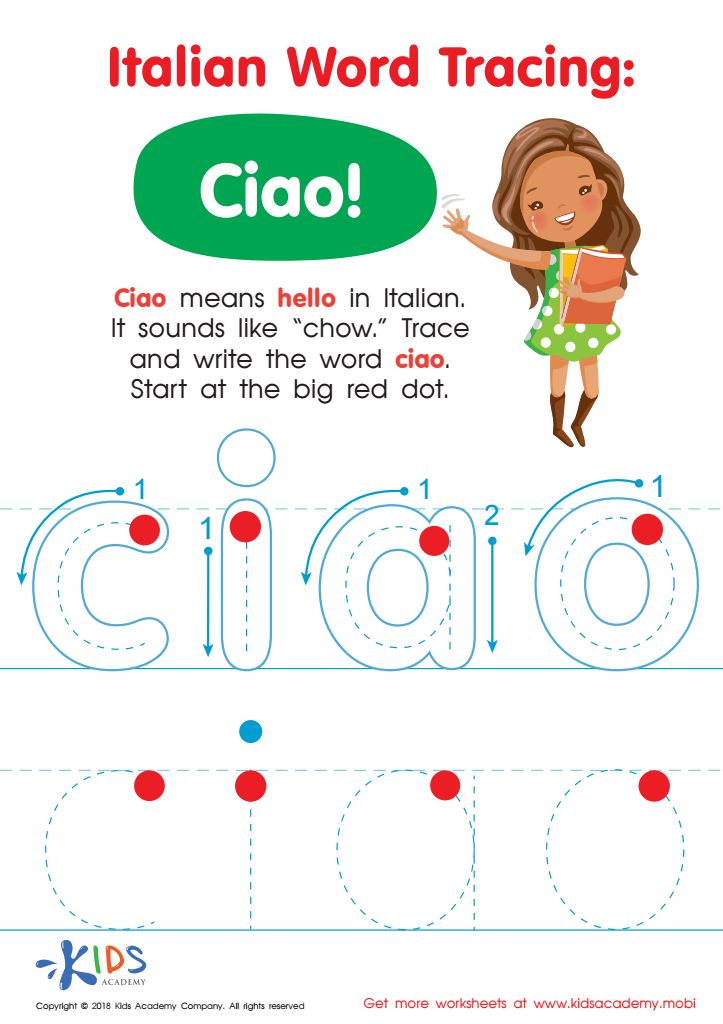
Italian Word Tracing: Ciao Worksheet
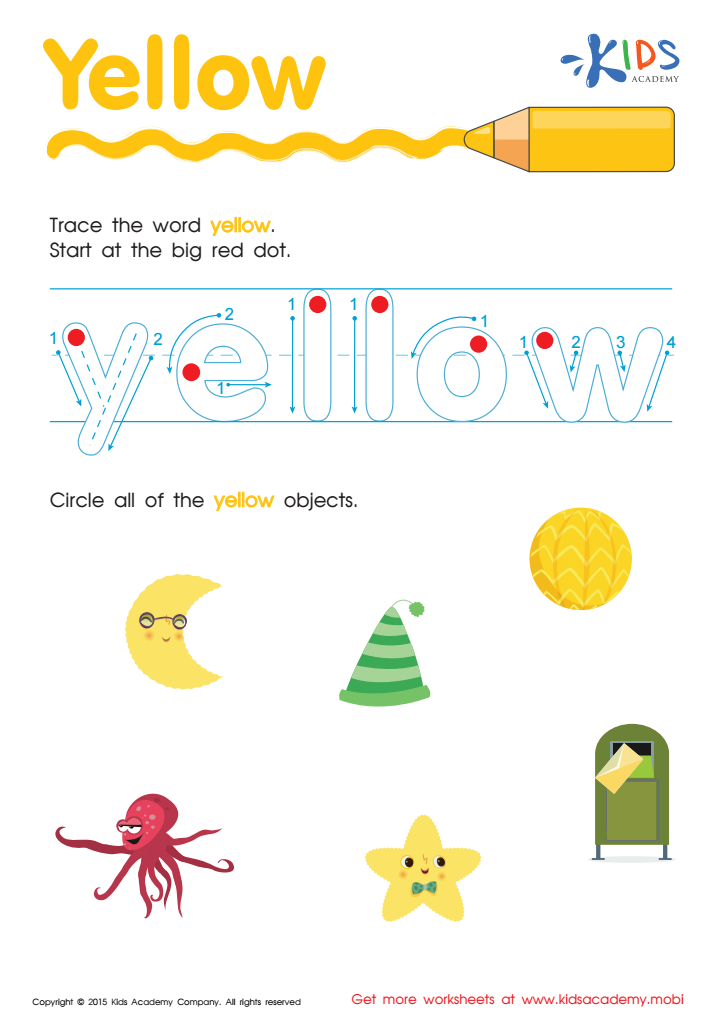
Yellow Tracing Color Words Worksheet
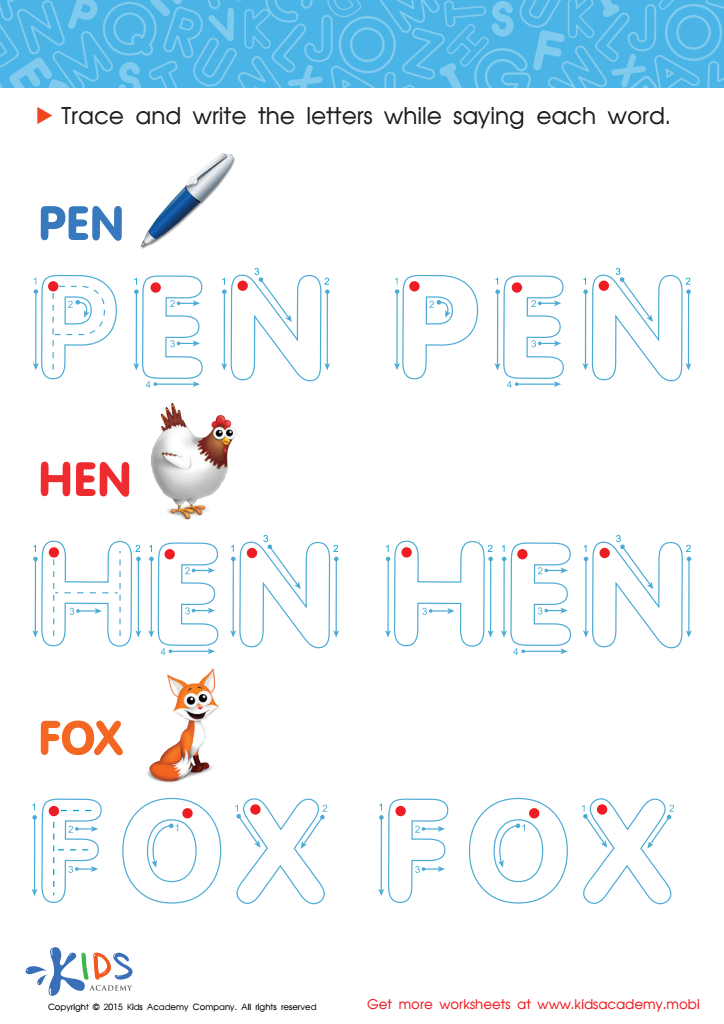
A Pen, a Hen and a Fox Spelling Worksheet
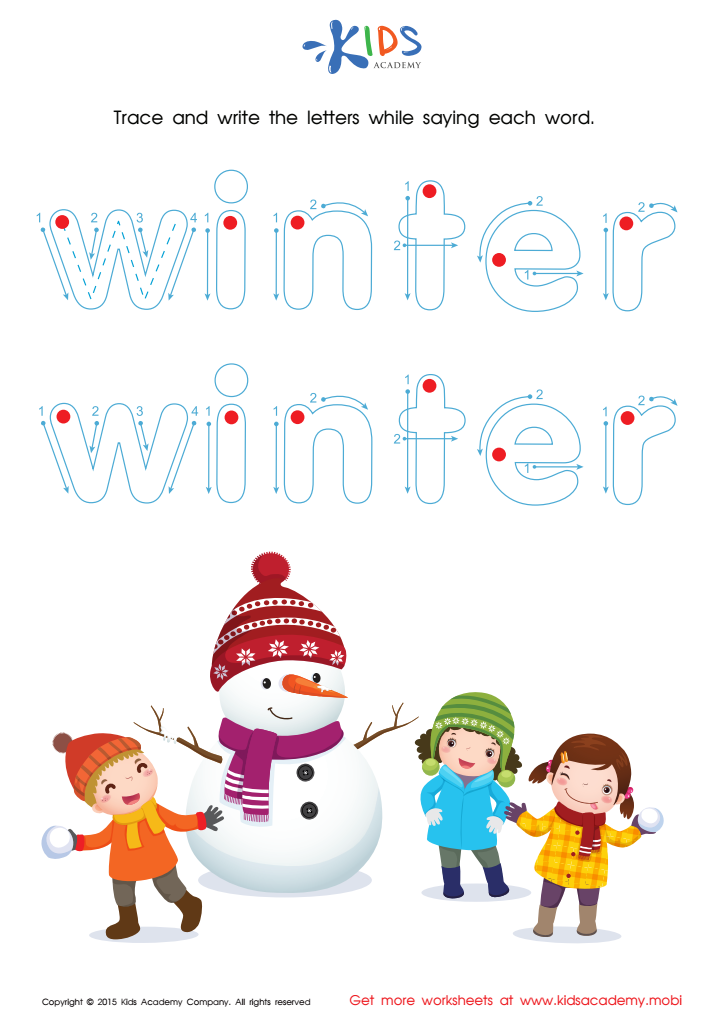
Snowman Tracing Winter Words Worksheet
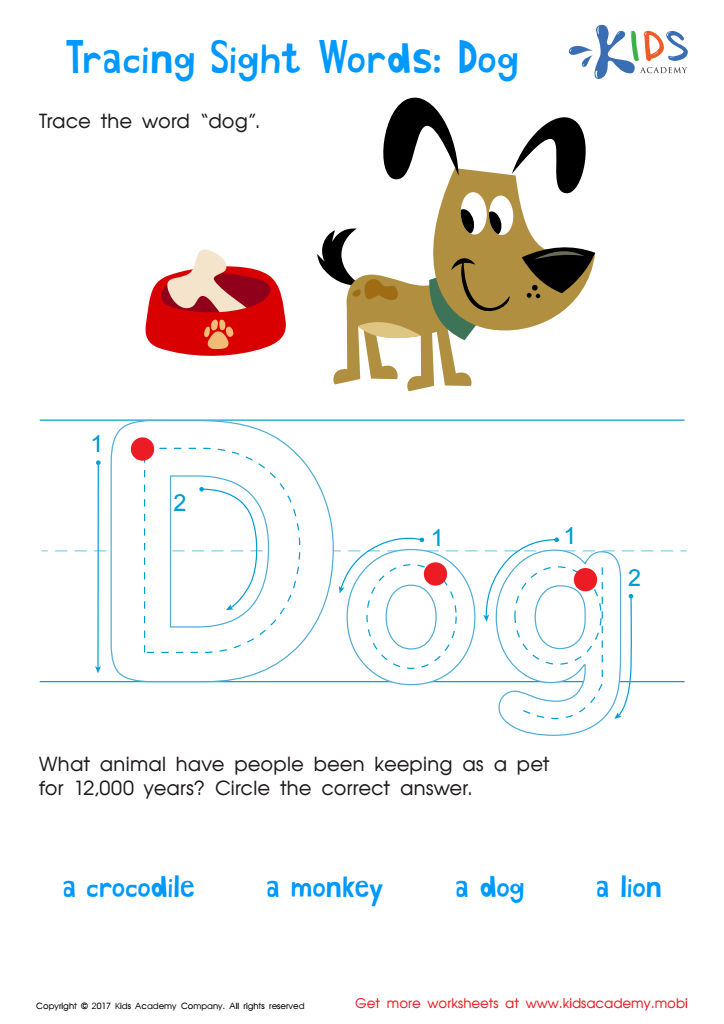
Dog Worksheet Sight Words Worksheet
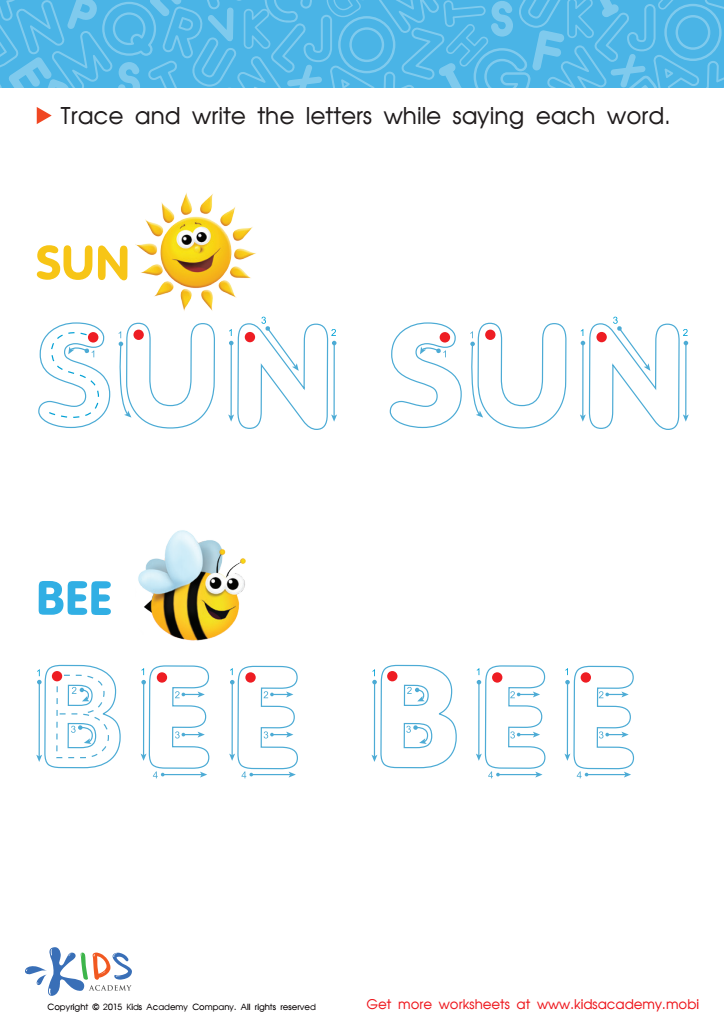
The Sun and a Bee Spelling Worksheet
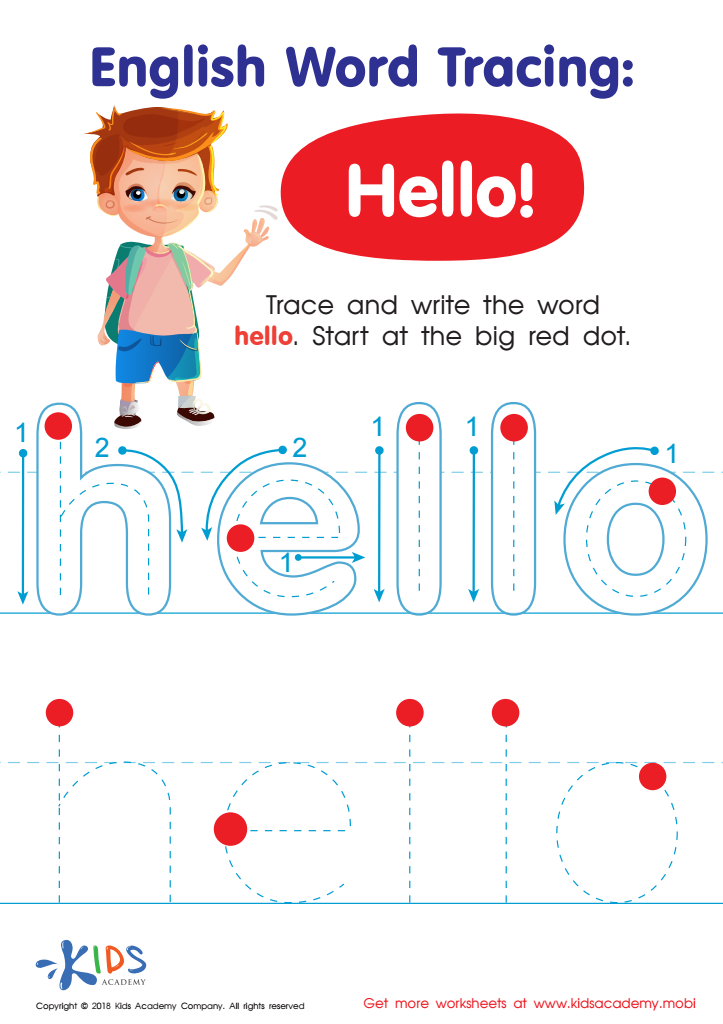
English Word Tracing: Hello Worksheet
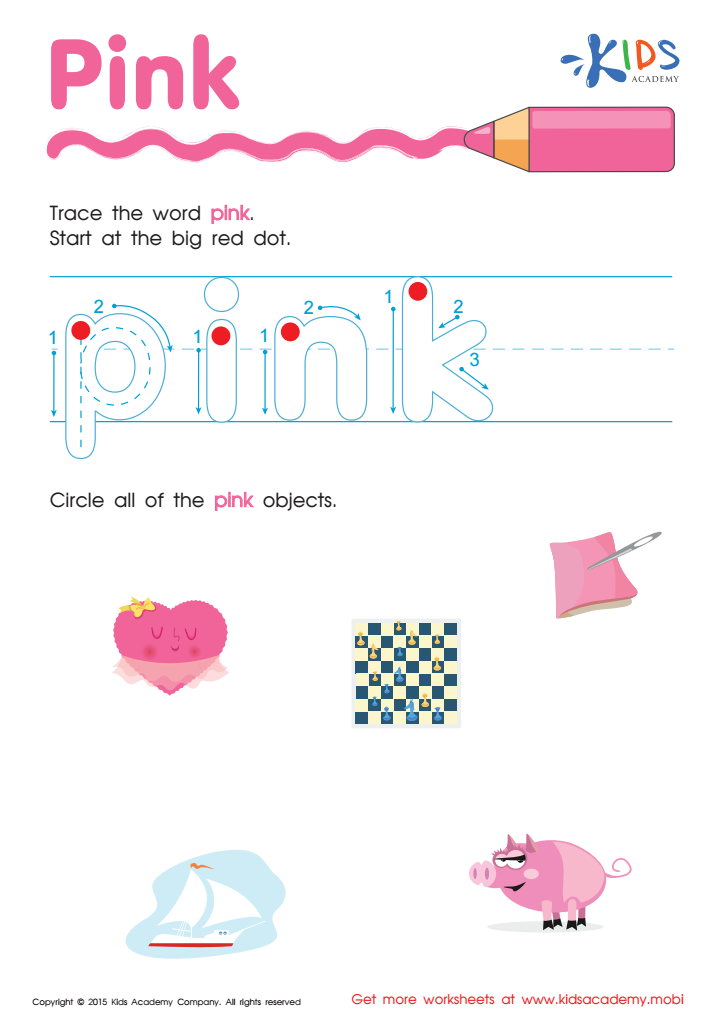
Pink Tracing Color Words Worksheet
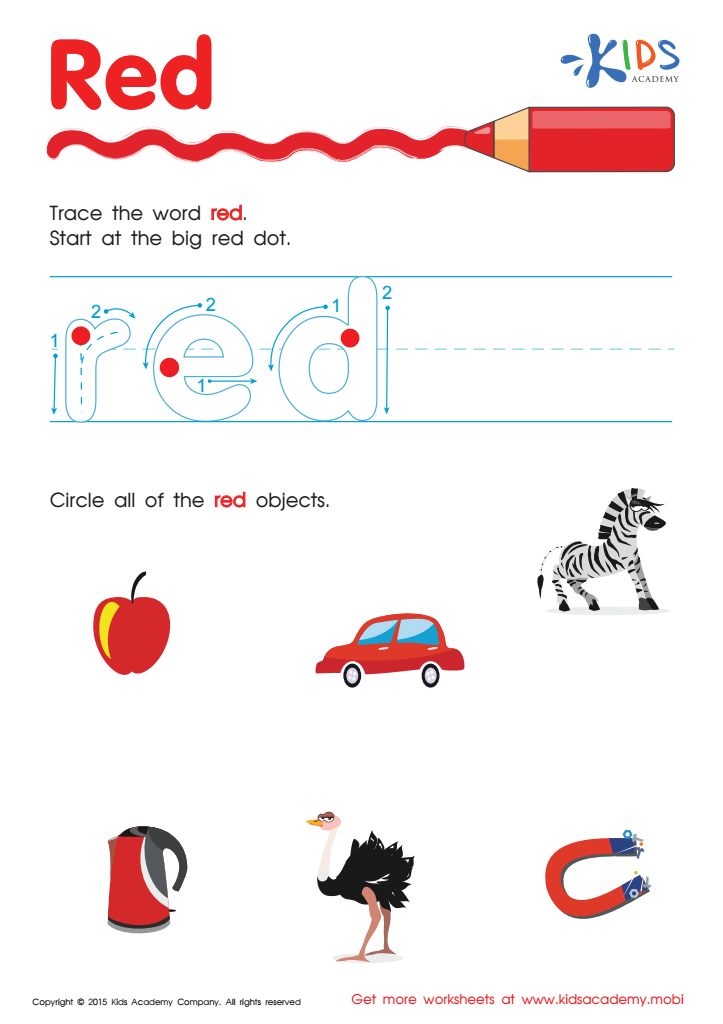
Red Tracing Color Words Printable
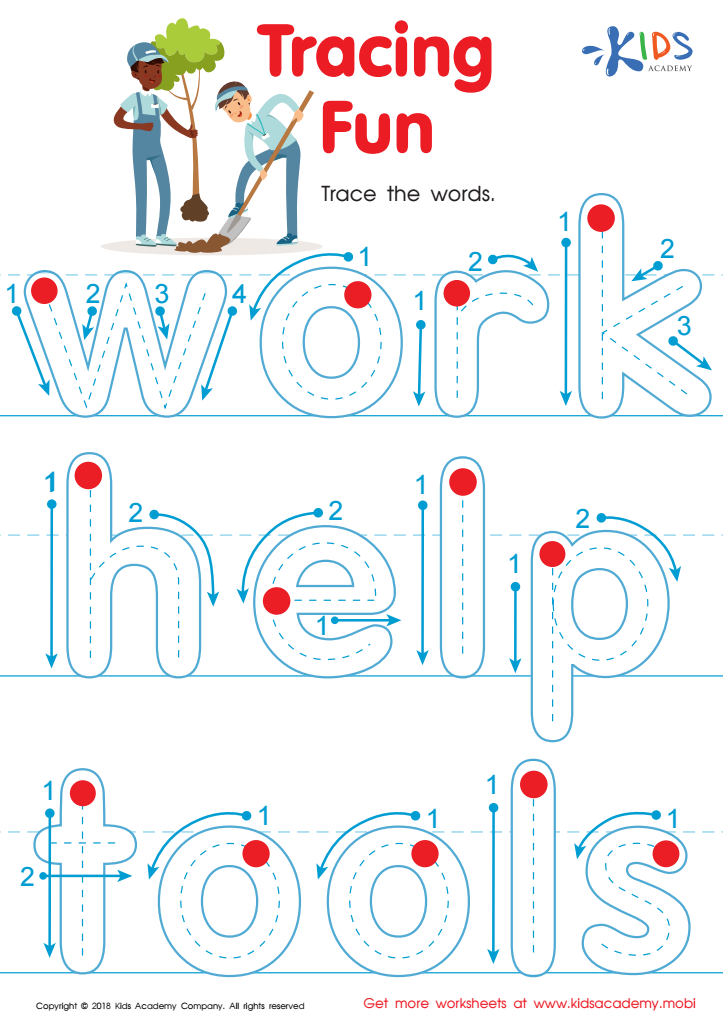
Tracing Fun Worksheet
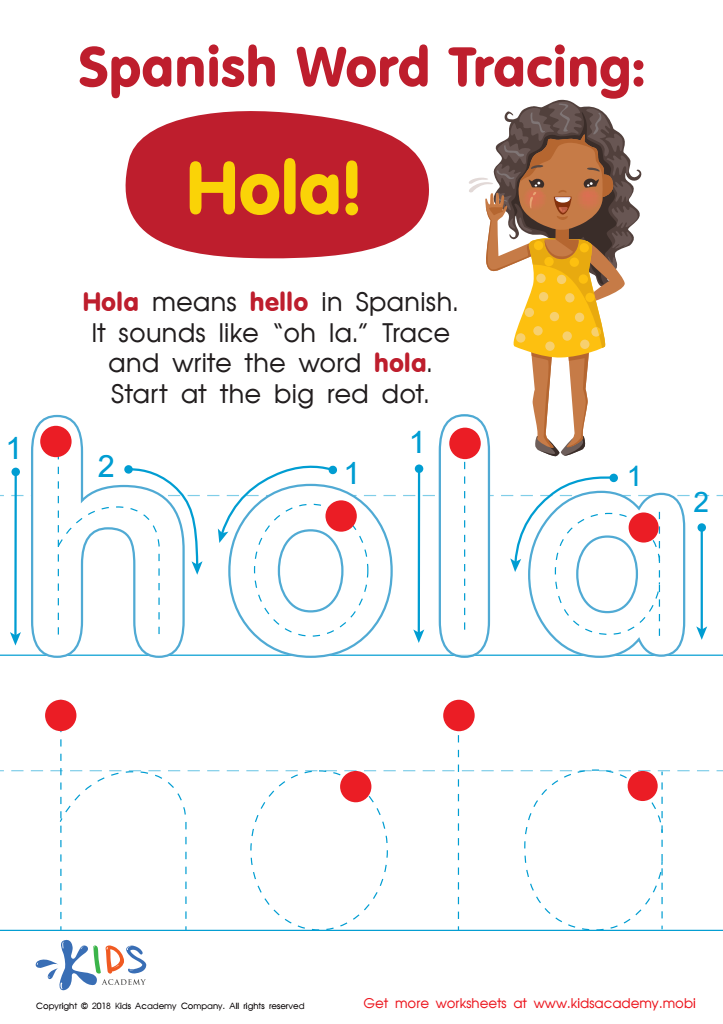
Spanish Word Tracing: Hola Worksheet
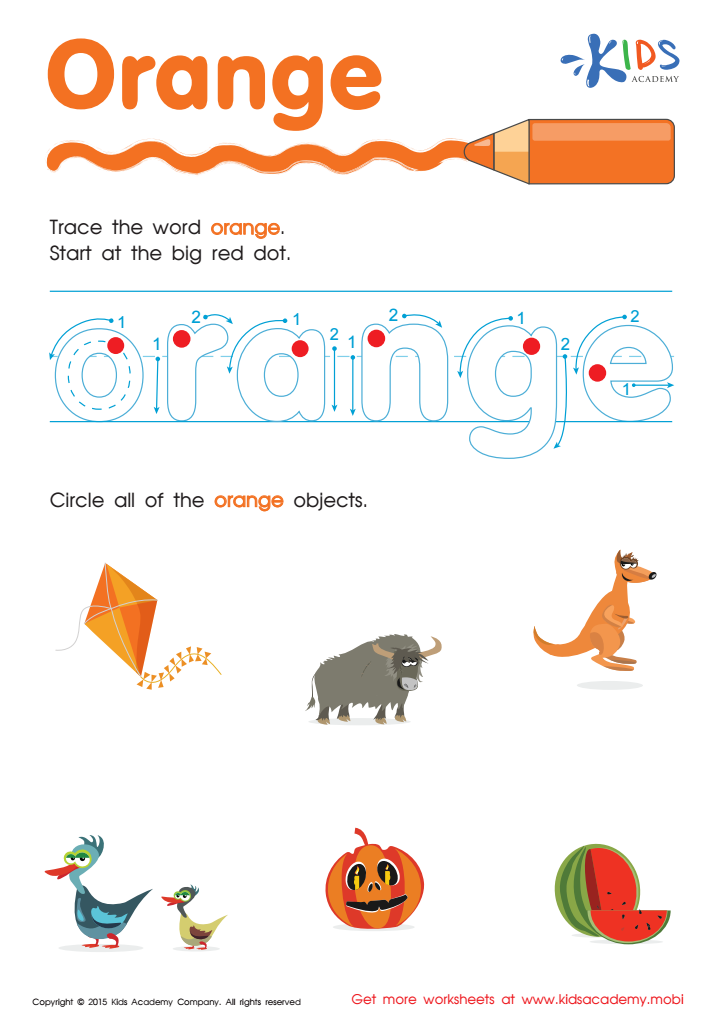
Orange Tracing Color Words Worksheet
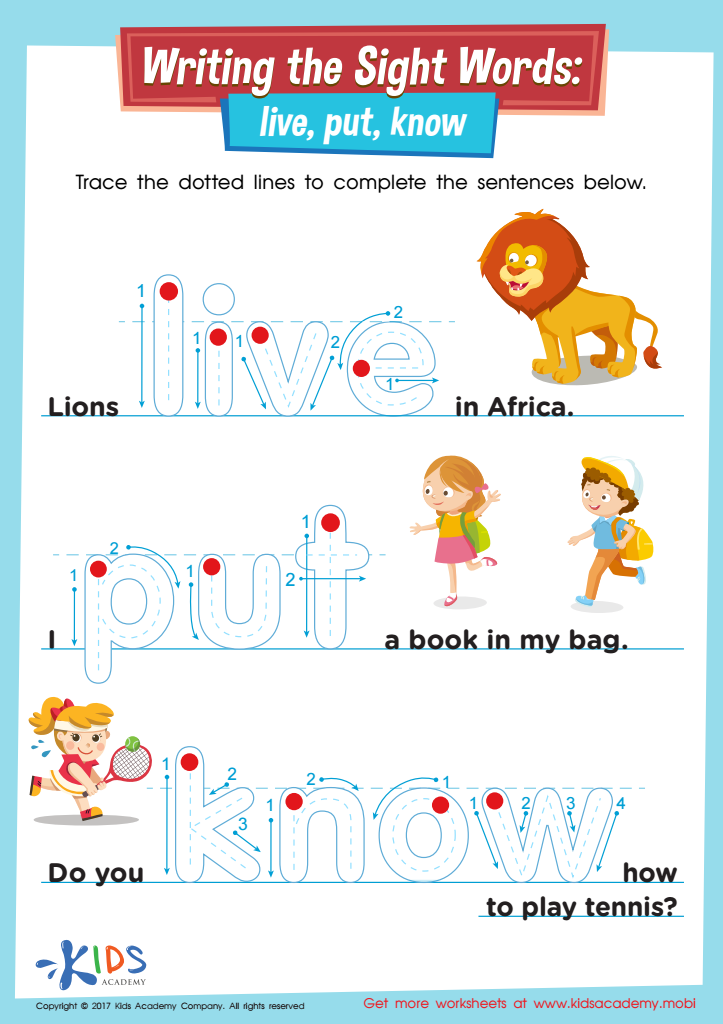
Live, Put, Know Printable Sight Words Worksheet
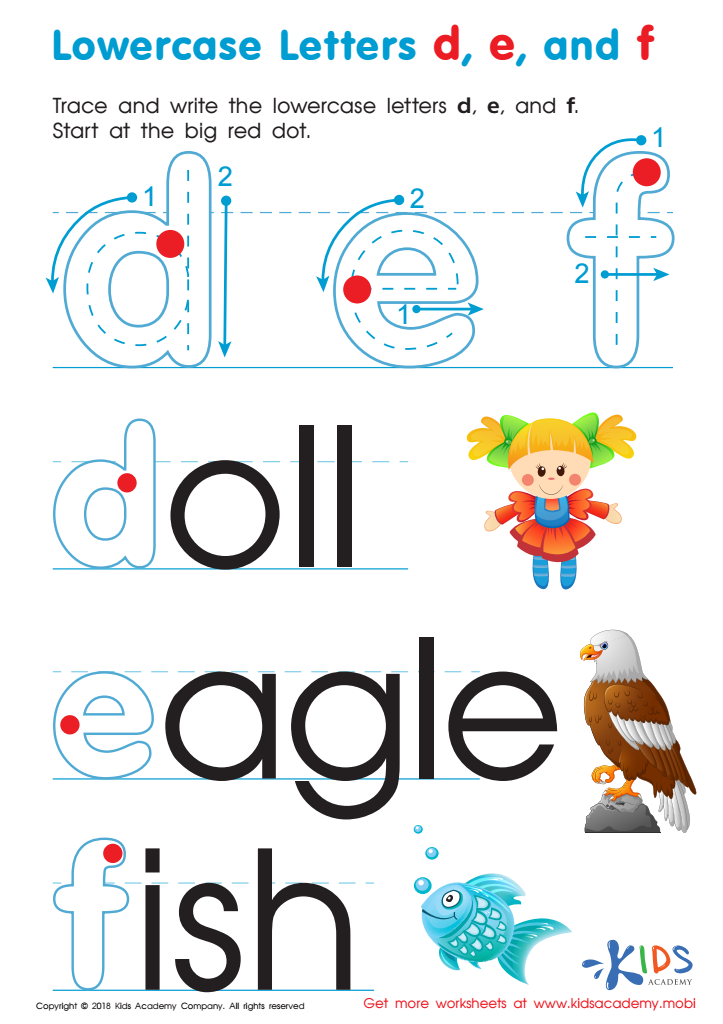
Lowercase Letters d e f Worksheet
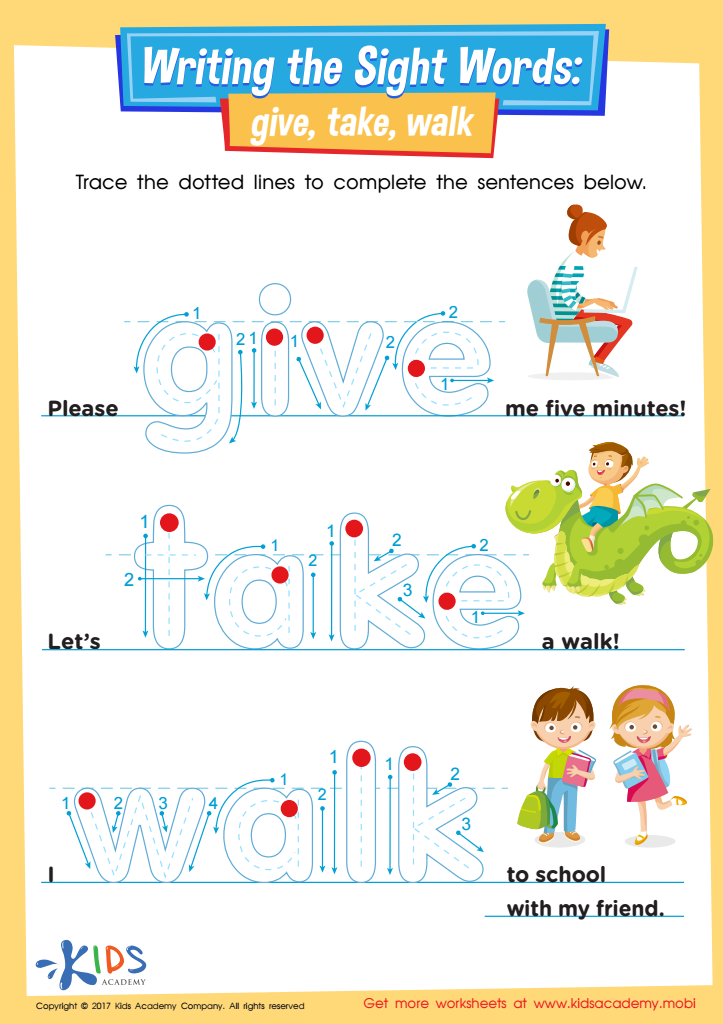
Give, Take, Walk Printable Sight Words Worksheet
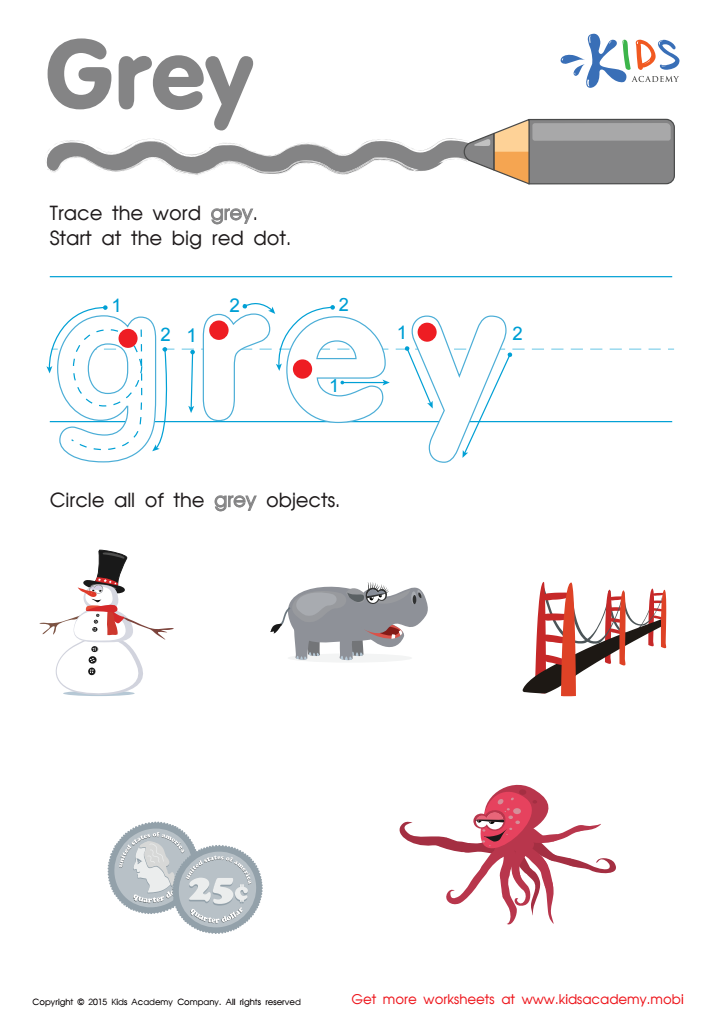
Grey Tracing Color Words Worksheet
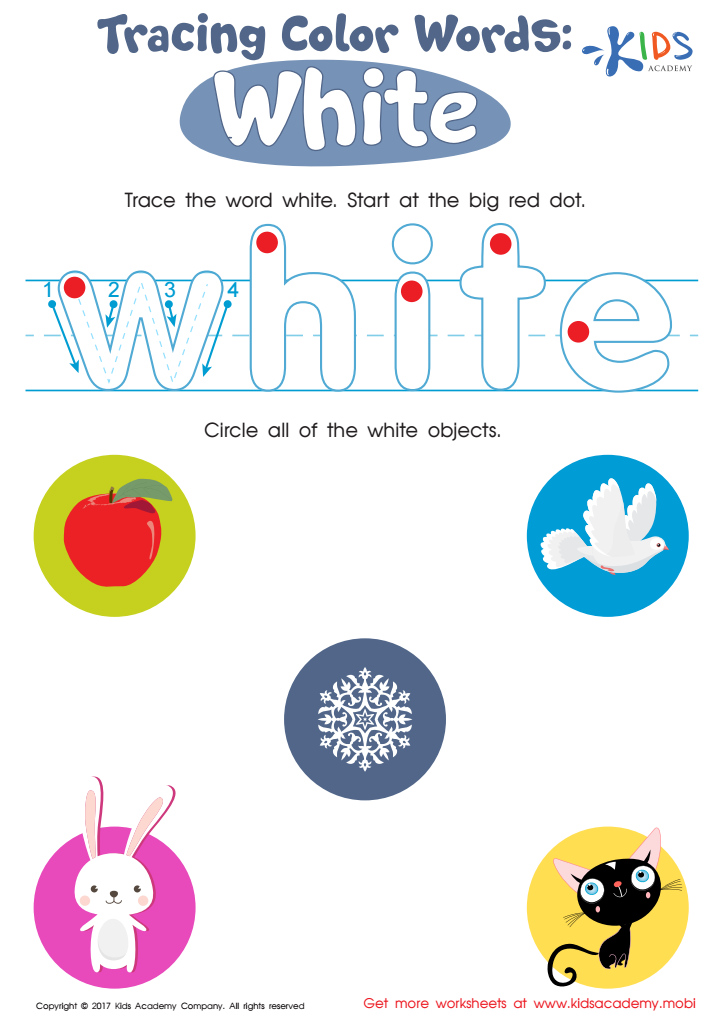
White Tracing Color Words Worksheet
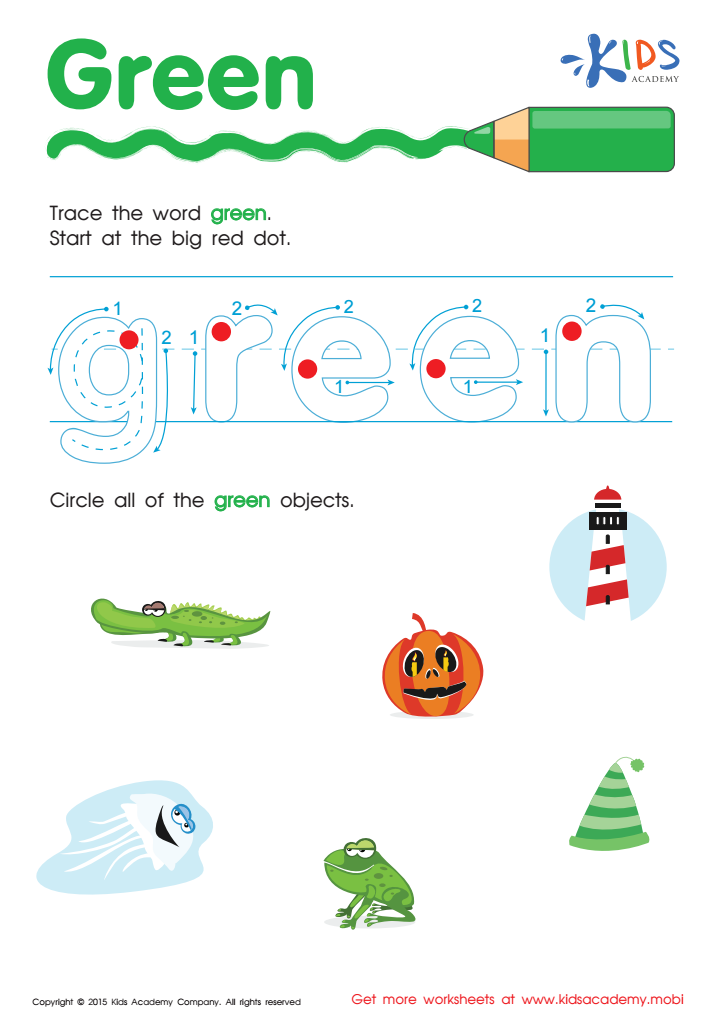
Green Tracing Color Words Worksheet
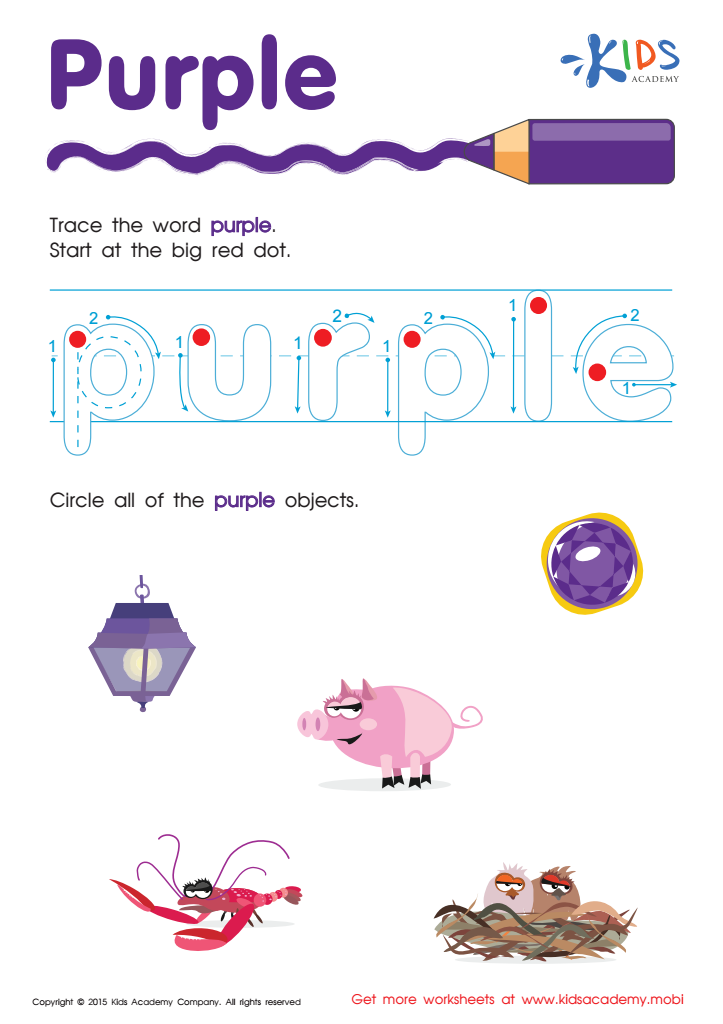
Purple Tracing Color Words Worksheet








Normal tracing words are an essential tool for early literacy development in children aged 3-7. First and foremost, at this age, children are in critical stages of fine motor skills development, and pencil control is foundational. Tracing words facilitates hand-eye coordination and strengthens the muscles needed for writing independently. This practice also encourages proper letter formation, setting the stage for neat handwriting in the future.
Beyond motor skills, tracing words helps with cognitive development. It introduces young learners to the alphabet and phonics softly, gradually bridging the gap between recognizing letters and understanding them as the building blocks of words. This act strengthens memory through repetition, as children begin to internalize the shape and structure of various words.
Moreover, tracing exercises enhance attention to detail, patience, and concentration. These skills are pertinent not only to writing but also to numerous life tasks requiring focus. For teachers and parents, it is an intuitive way to engage children in educational activities, making learning seamless and enjoyable through interactive participation.
Investing time in tracing activities at this formative stage provides a dual benefit by laying solid academic foundations and fostering a love for learning. It aligns perfectly with educational strategies aimed at holistic child development, ensuring that both physical and cognitive abilities are nurtured harmoniously.