Spelling practice Normal Phonics Worksheets for Ages 3-8 - Page 2
47 filtered results
-
From - To
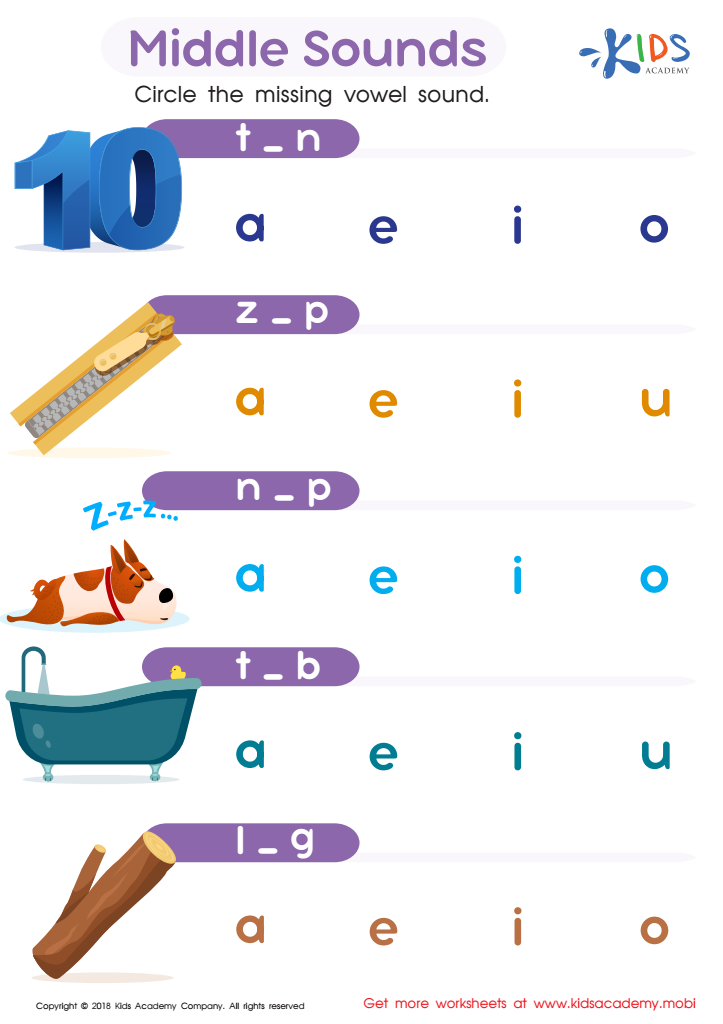
Middle Sounds Worksheet
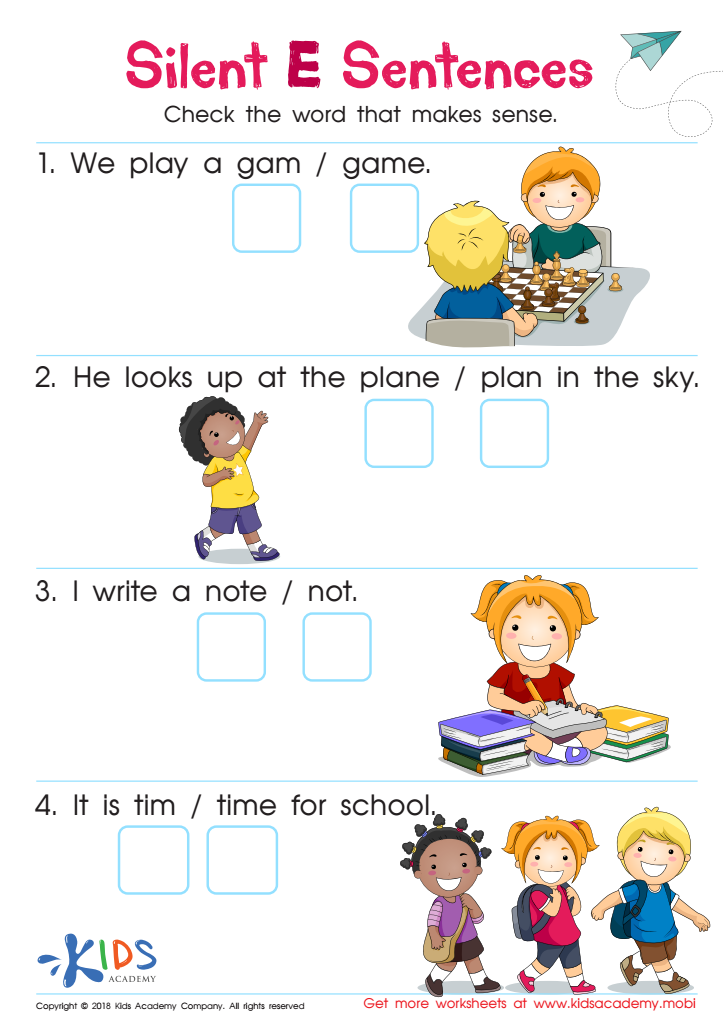
Silent E Sentences Worksheet
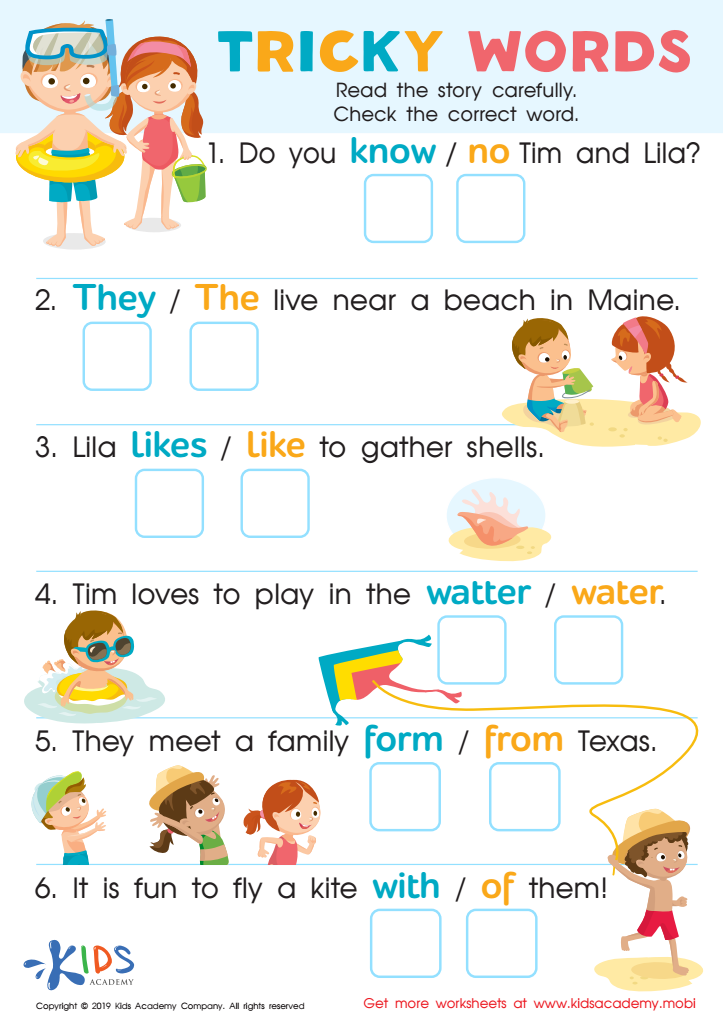
Tricky Words Worksheet
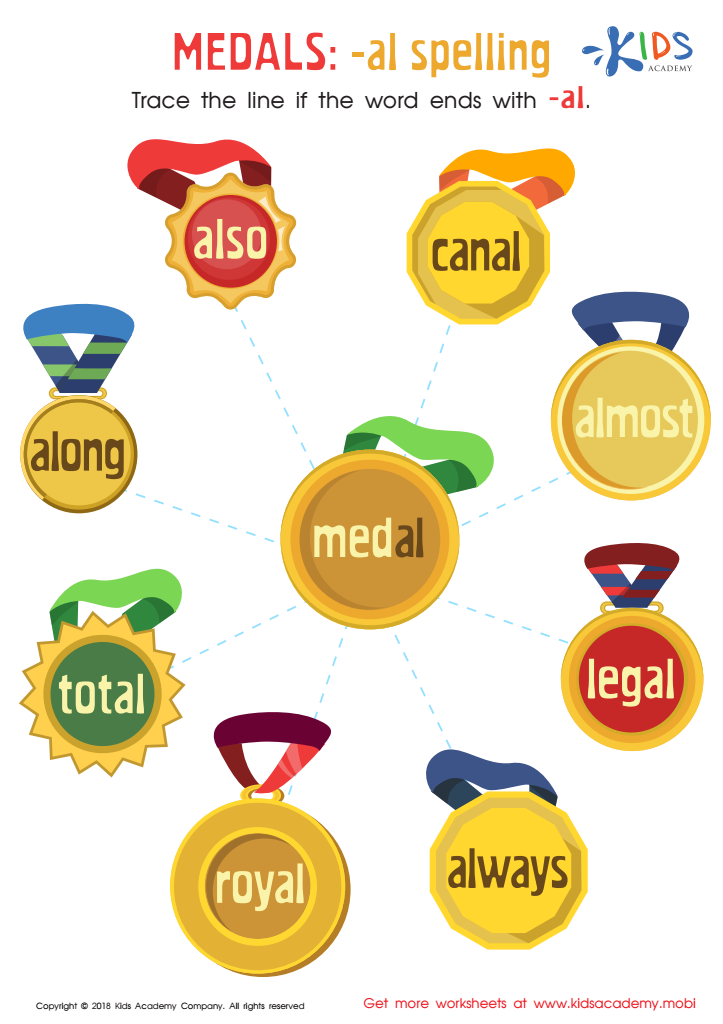
Medals: Al Spelling Worksheet
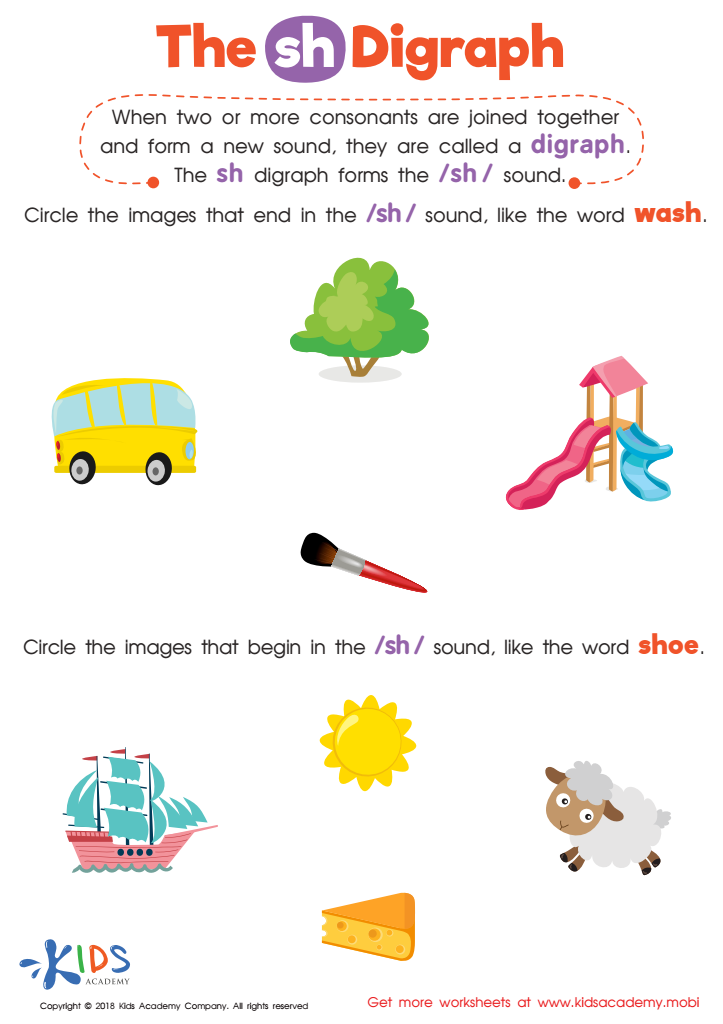
The SH Digraph Worksheet
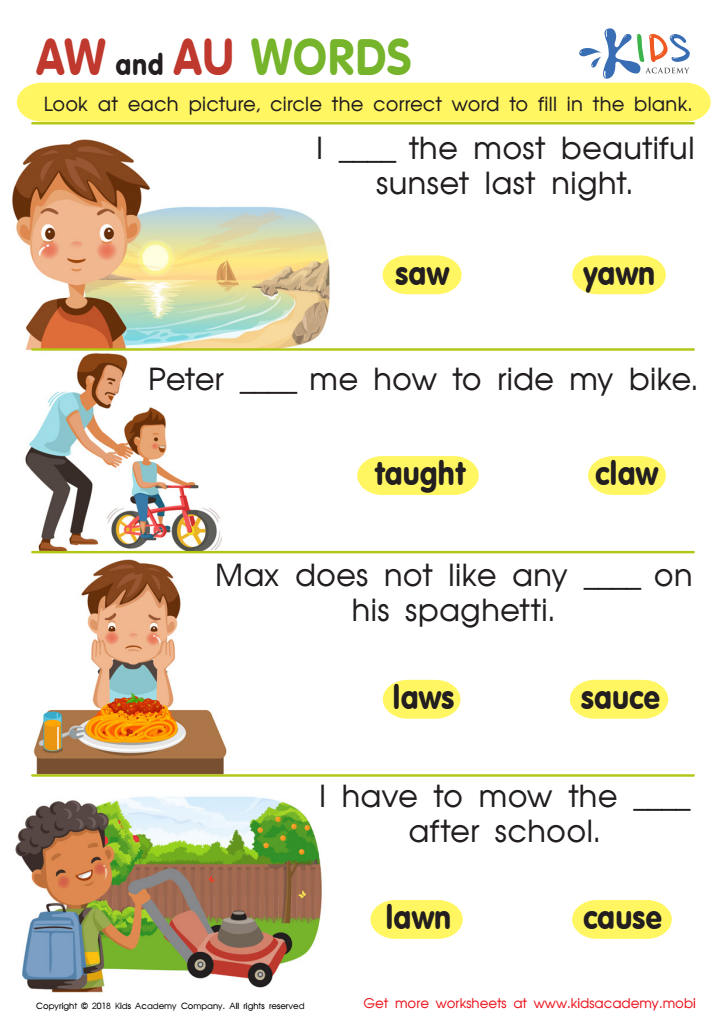
Reading: AW and AU Words Worksheet
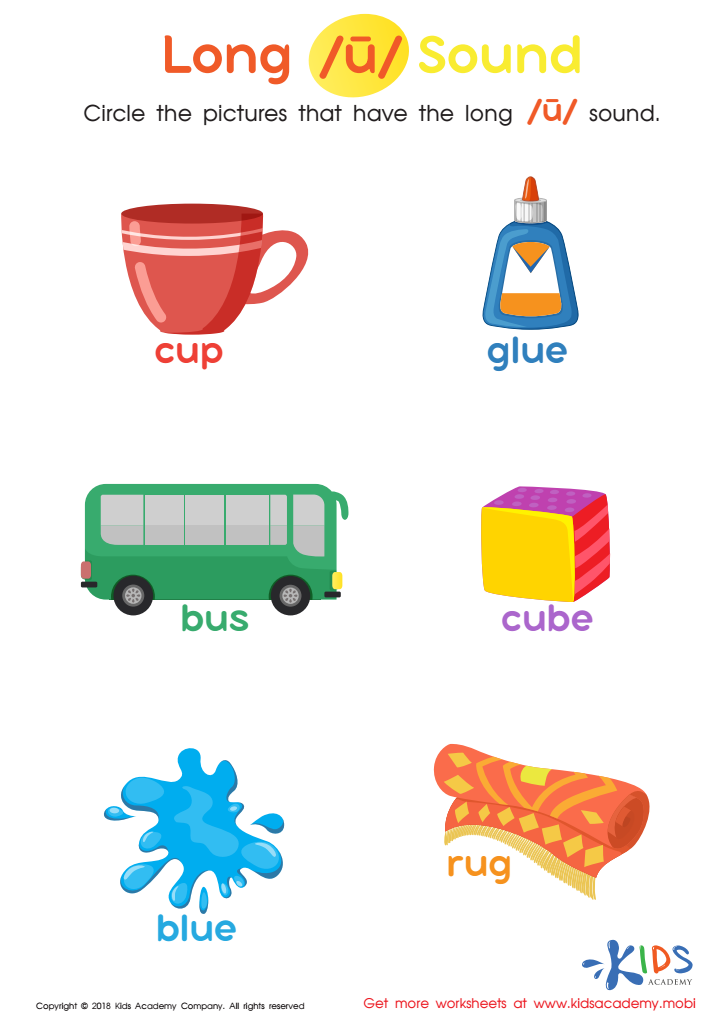
Long «u» Sound Worksheet
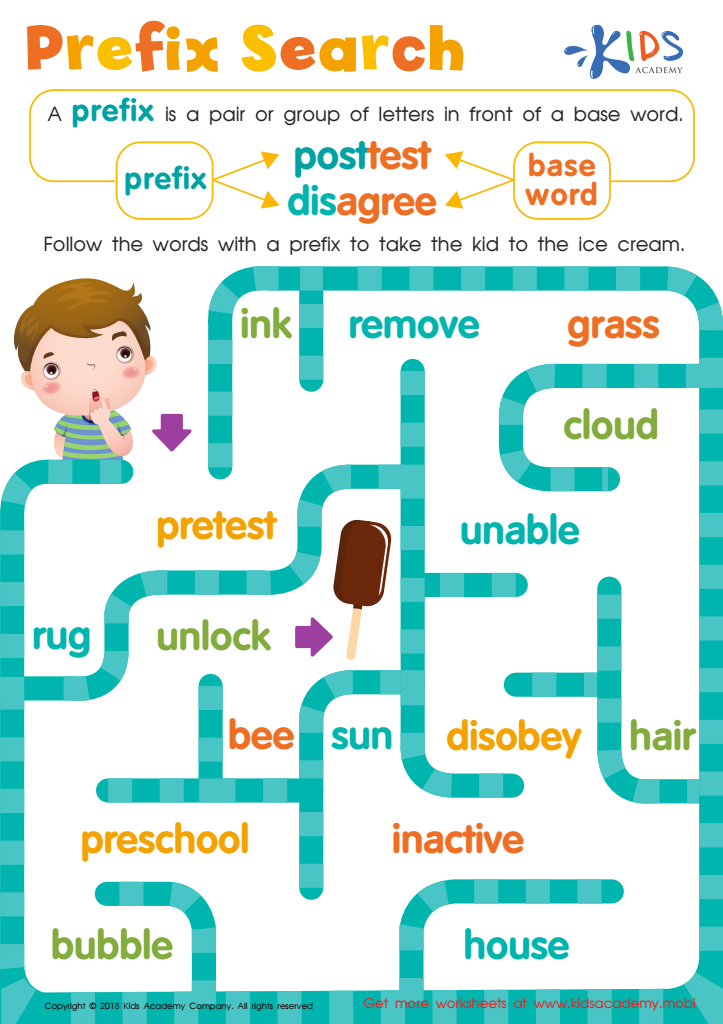
Reading: Prefix Search Worksheet
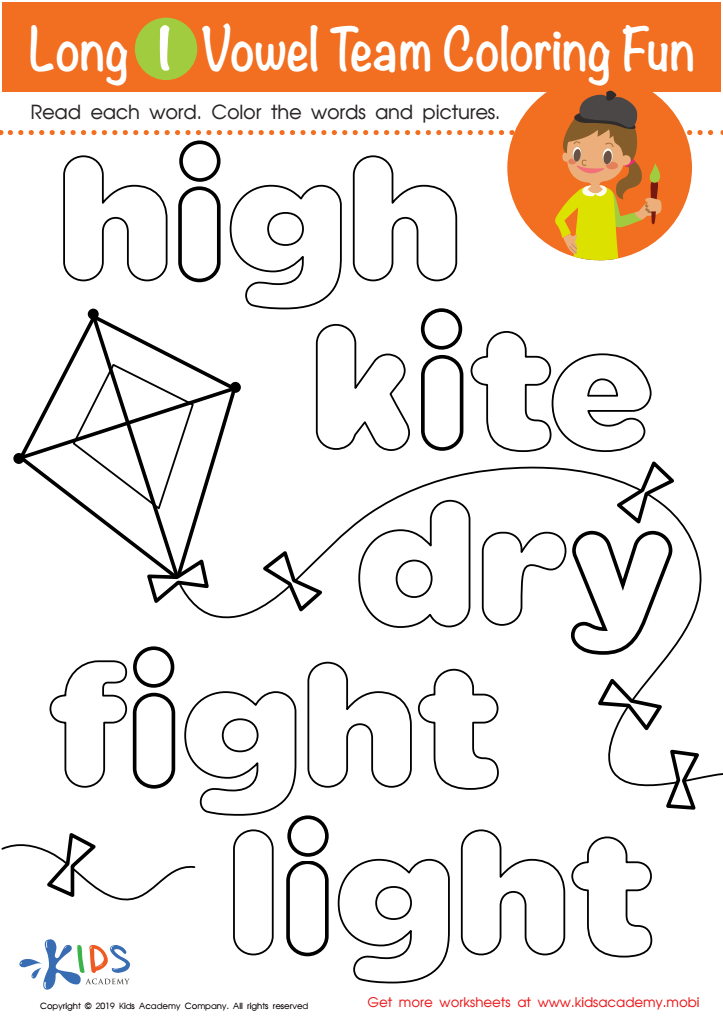
Long I Vowel Team Coloring Worksheet
 Assign to My Students
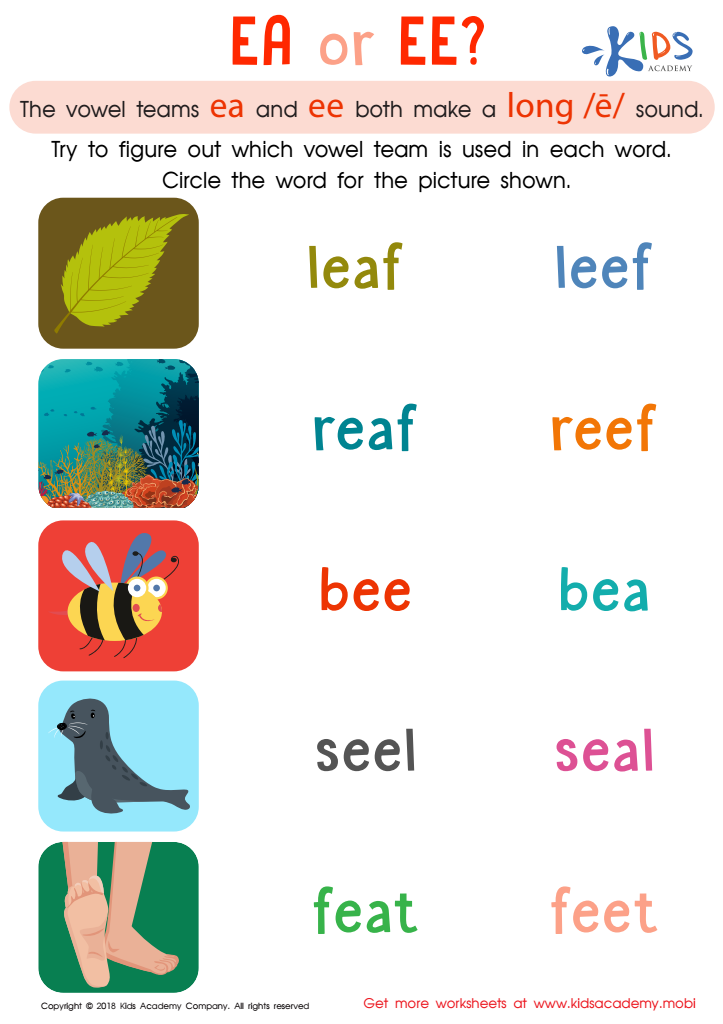
Reading: EA and EE Worksheet
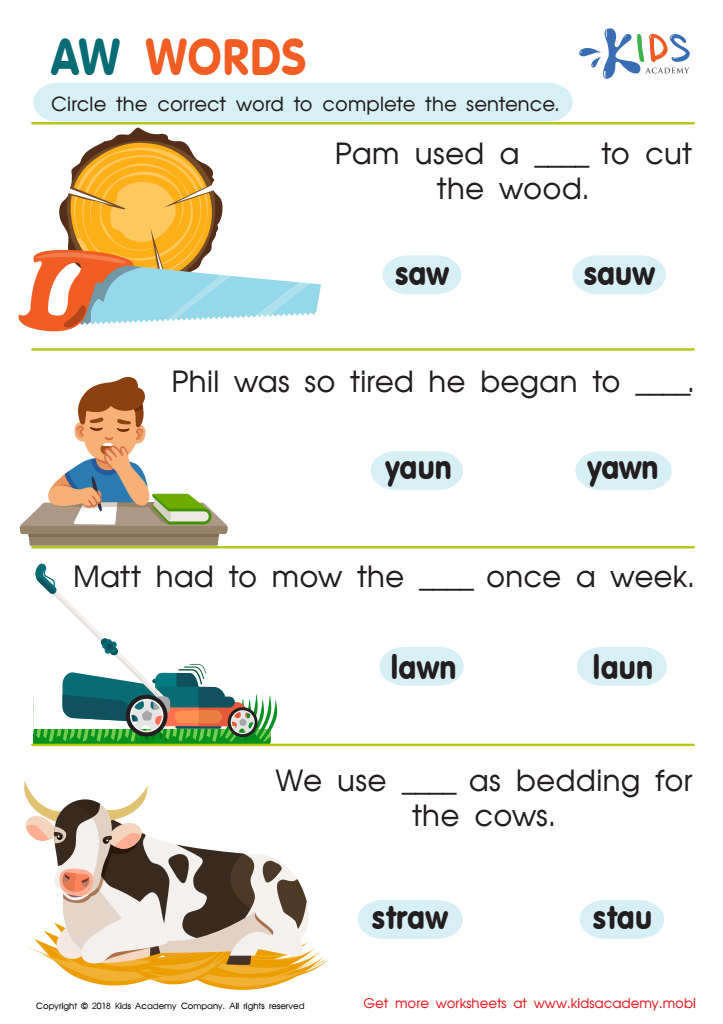
Reading: AW Words Worksheet
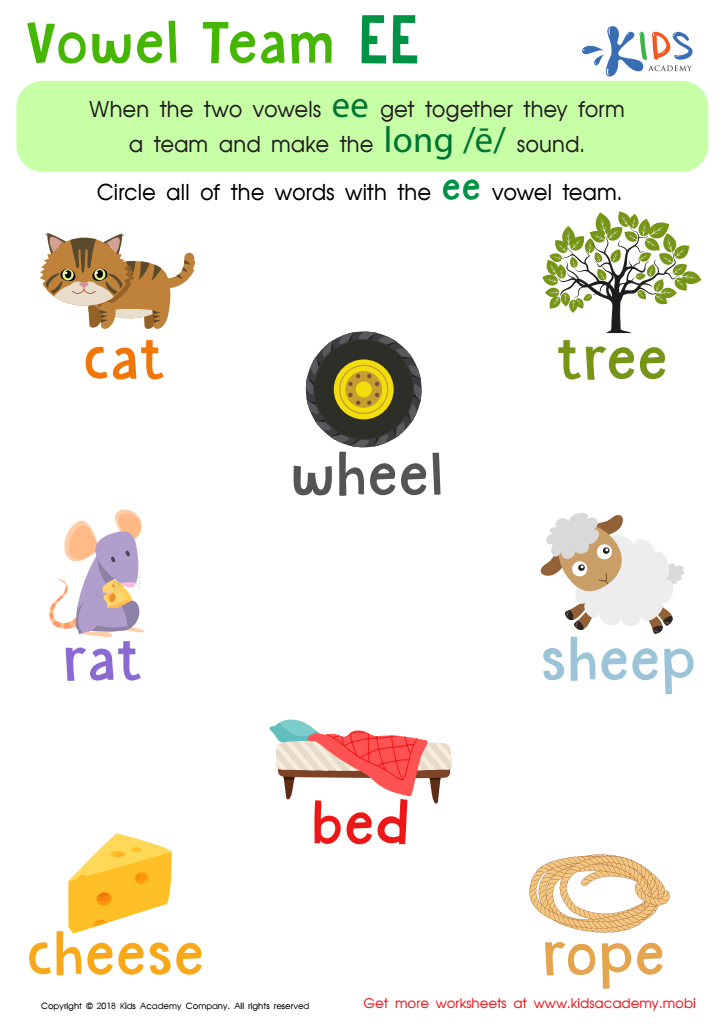
Reading: Vowel Team EE Worksheet
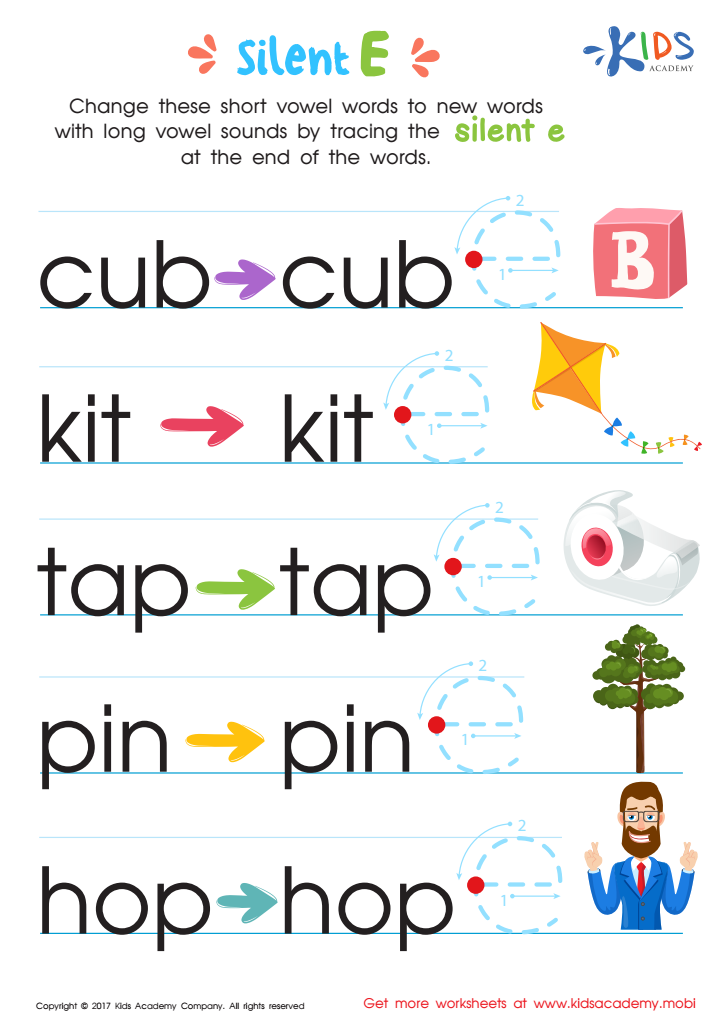
Silent E Words Worksheet
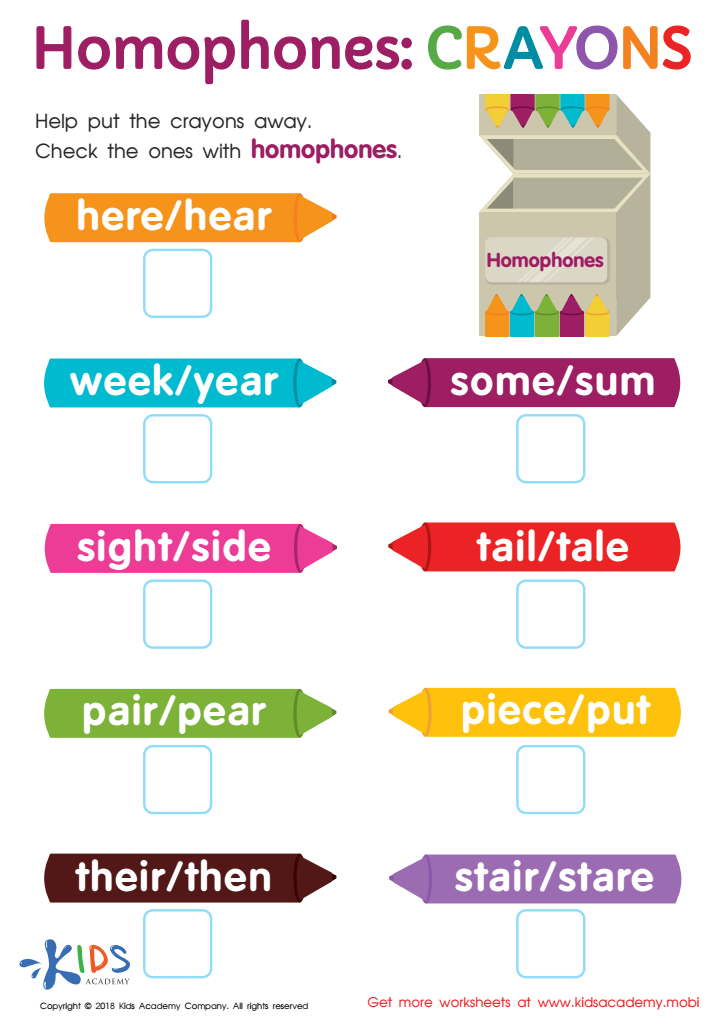
Homophones: Crayons Worksheet
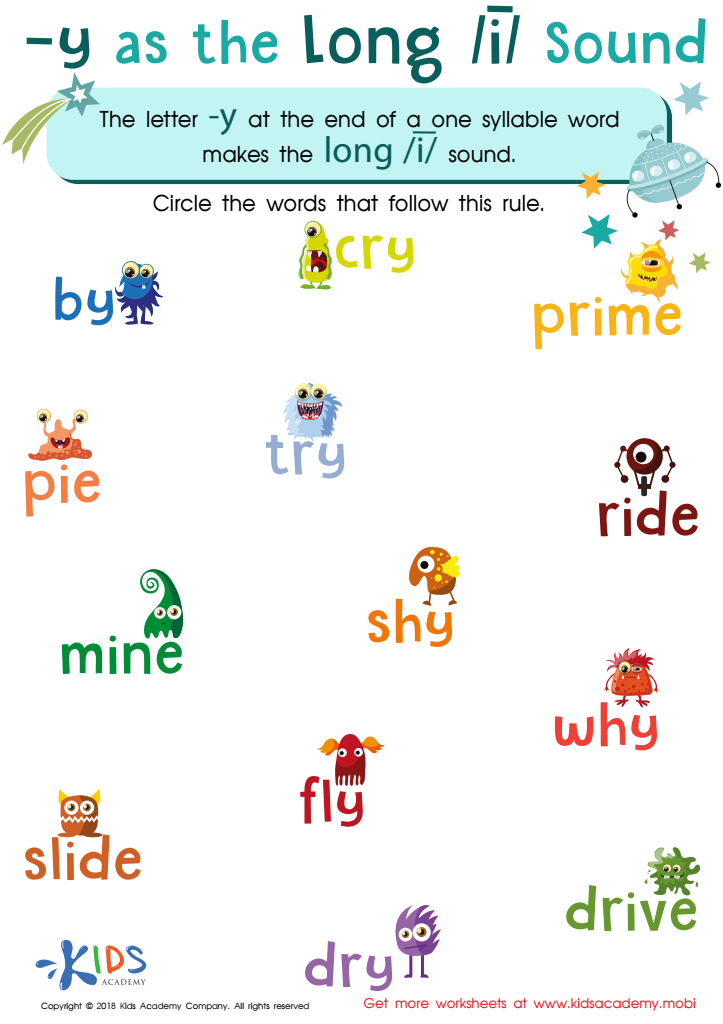
Reading: Y as Long I Worksheet
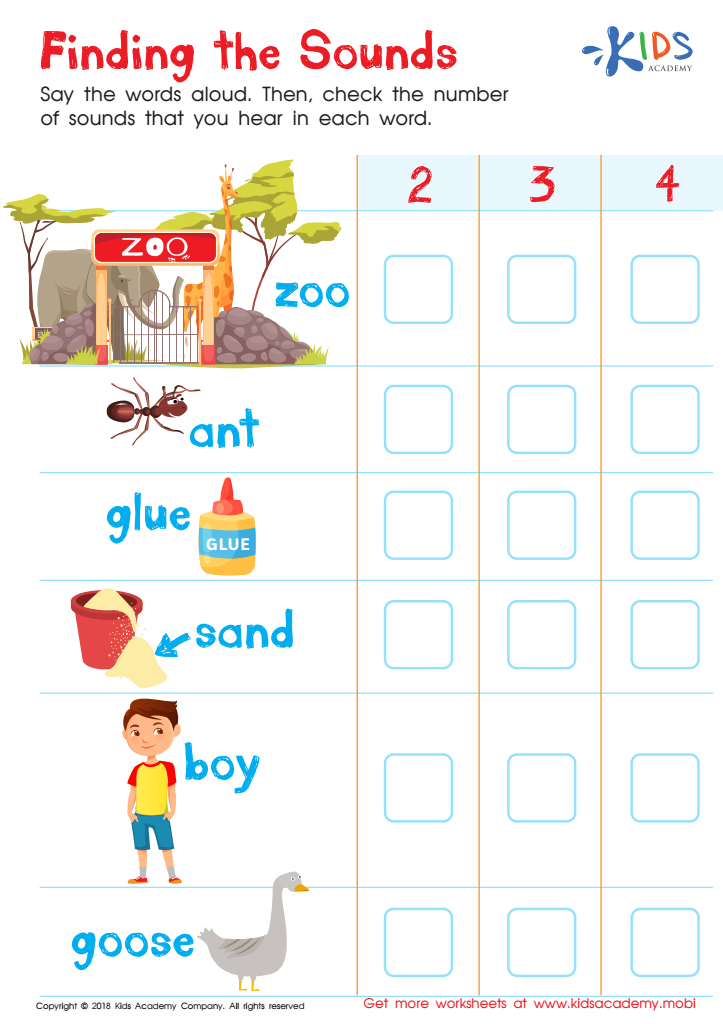
Finding the Sounds Worksheet
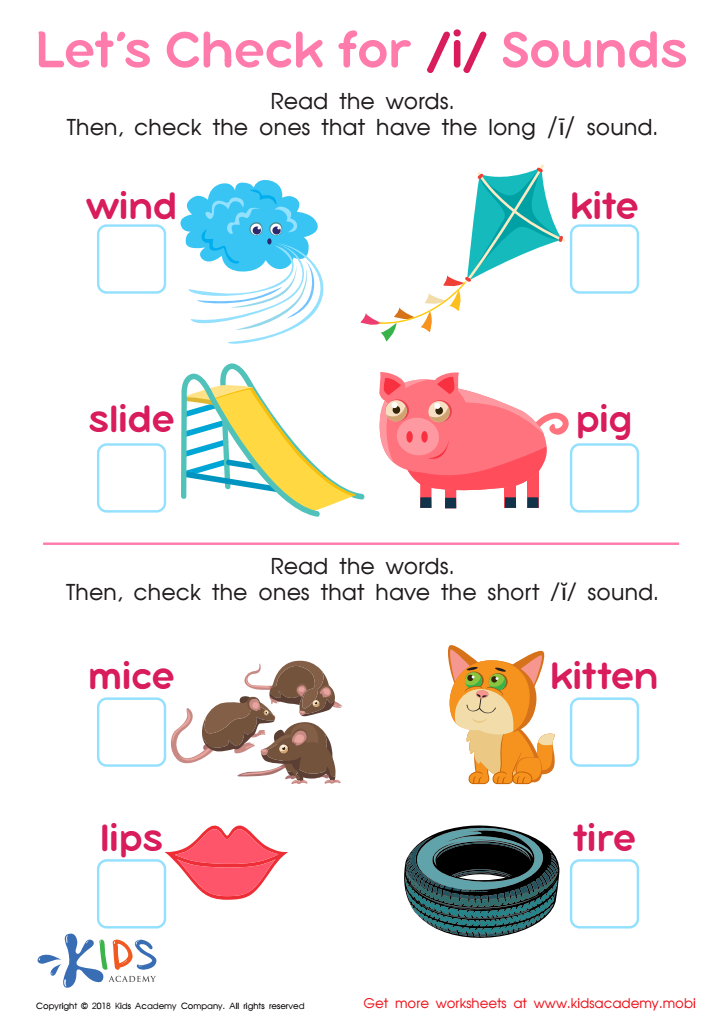
Let's Check for «i» Sounds Worksheet
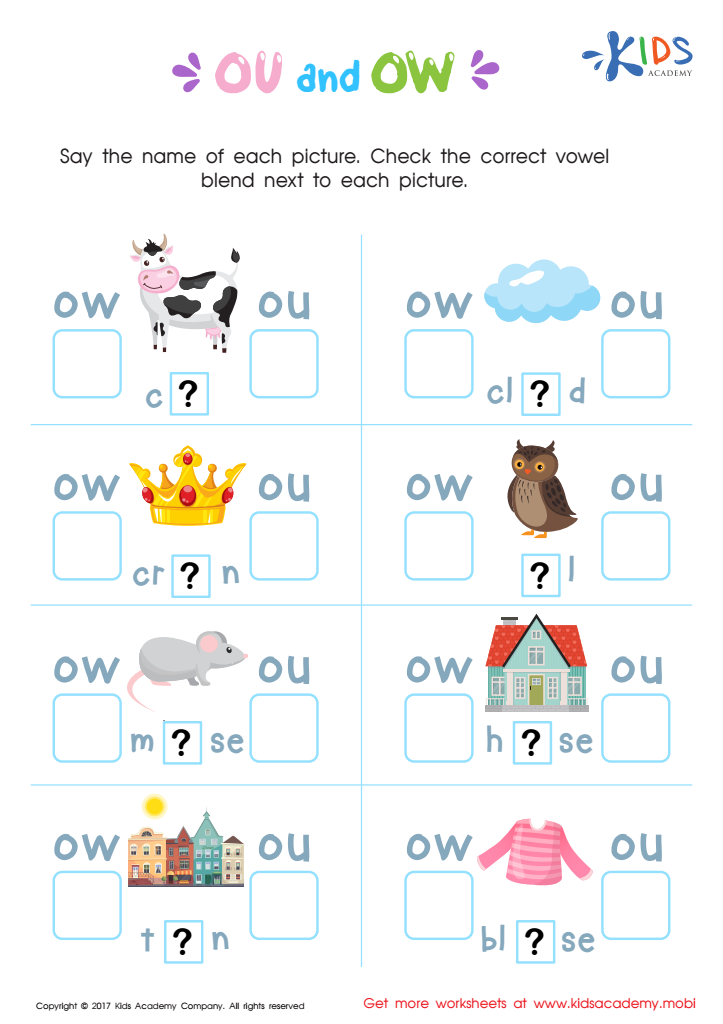
OU and OW Words Worksheet
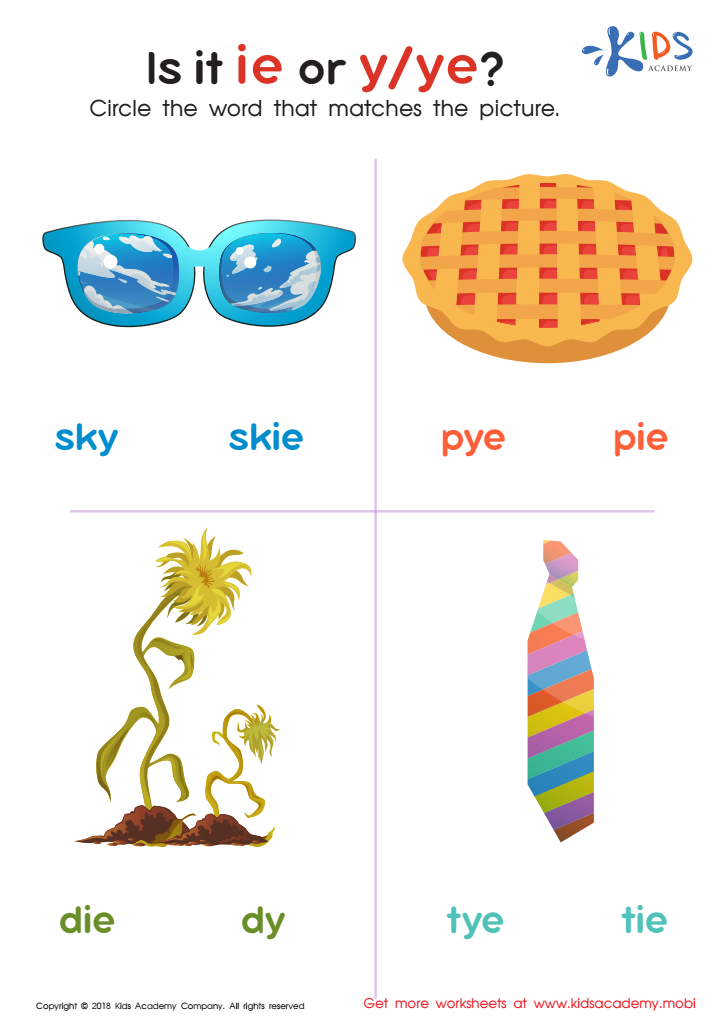
Is It IE or Y/Ye? Worksheet
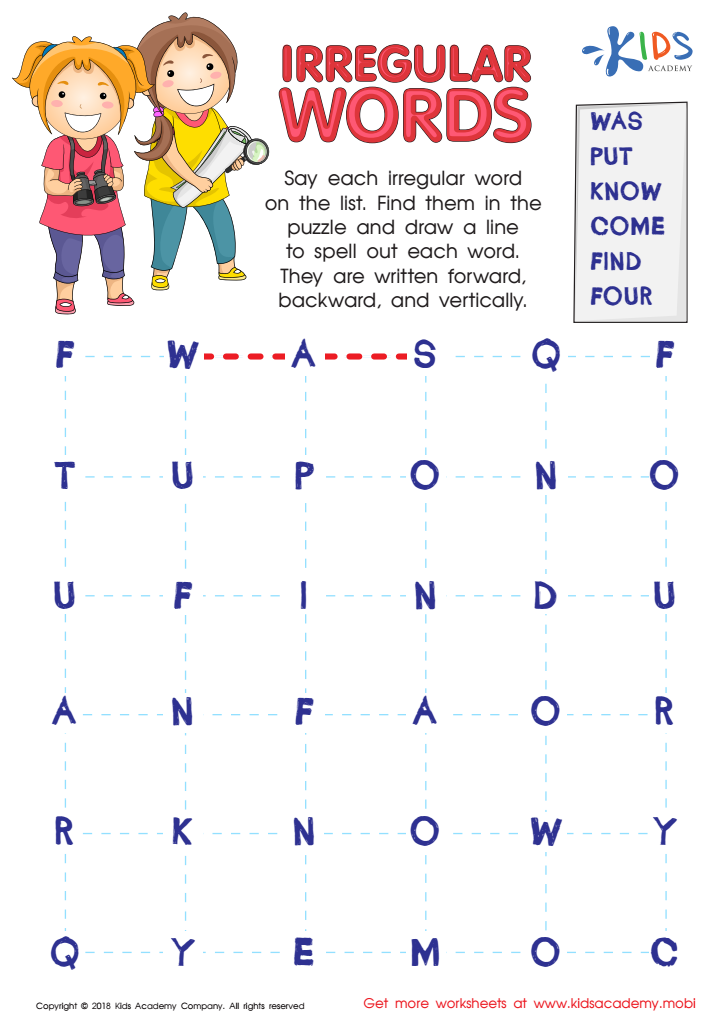
Irregular Words Worksheet
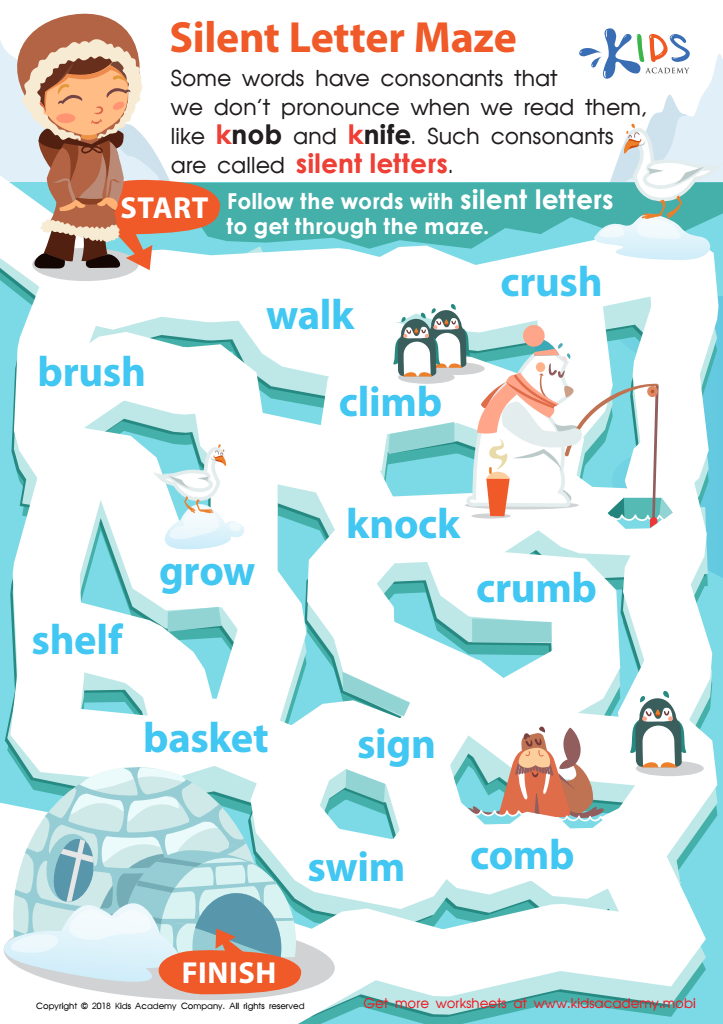
Silent Letter Maze Worksheet
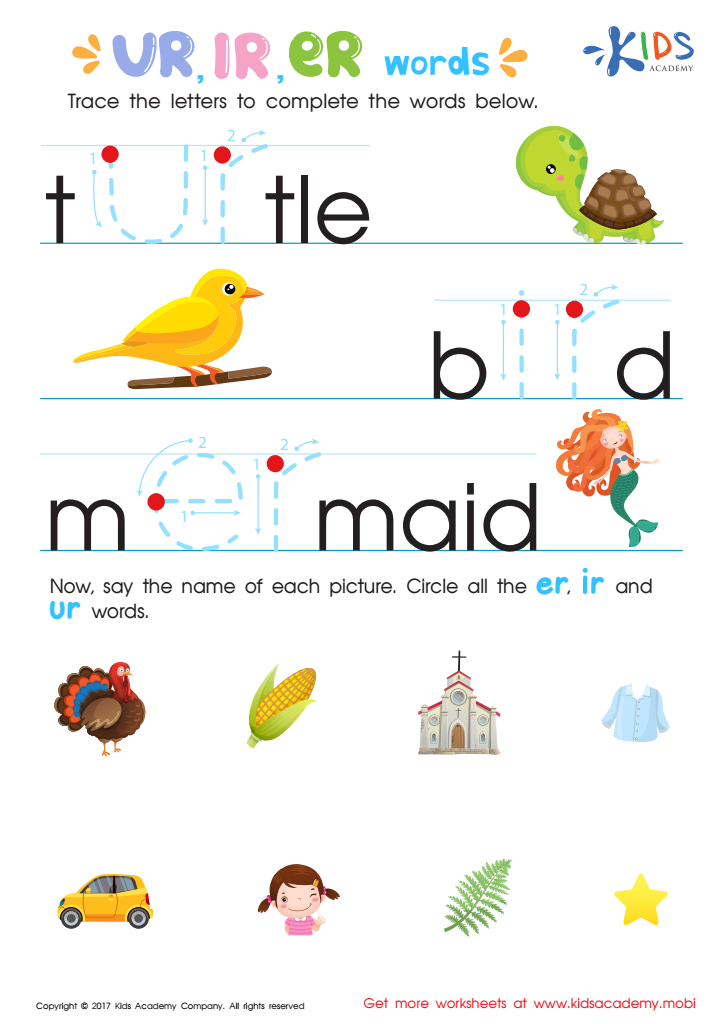
IR UR ER Words Worksheet
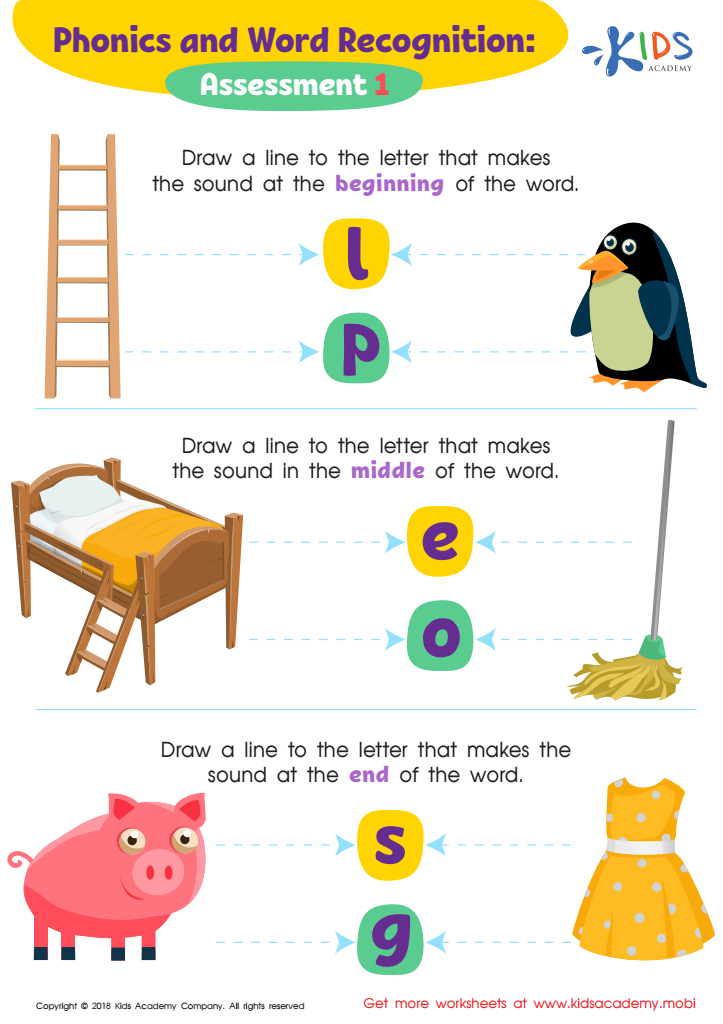
Phonics and Word Recognition: Assessment 1 ELA Worksheet








Parents and teachers should place great importance on spelling practice and phonics for children aged 3-8 because these activities form the foundation of their reading and writing skills. At this crucial developmental stage, children’s brains are highly receptive to learning the relationships between letters and sounds, which is essential for decoding words.
Phonics-based spelling practice equips children with the tools they need to understand how words are constructed and pronounced, promoting literacy and boosting their confidence in language use. This understanding helps children to become more fluent readers because they can sound out new words independently. Early proficiency in spelling and phonics also enhances children's vocabulary and comprehension skills, giving them a solid base for all future academic learning.
Furthermore, consistent spelling practice aids in developing fine motor skills as children write out words. It also fosters a sense of accomplishment and encourages positive reinforcement through practice and repetition, making learning enjoyable and empowering. Without a focus on these fundamental skills, children may struggle with more complex reading and writing tasks as they progress through school, potentially affecting their overall academic performance and self-esteem in the long term.
Investing time in spelling and phonics practice not only supports immediate educational outcomes but also sets the stage for lifelong learning and communication success.







