Normal Upper & Lowercase Letters Worksheets for Ages 3-8 - Page 2
44 filtered results
-
From - To

Find Uppercase Letters A, B, and C Worksheet
 Assign to My Students

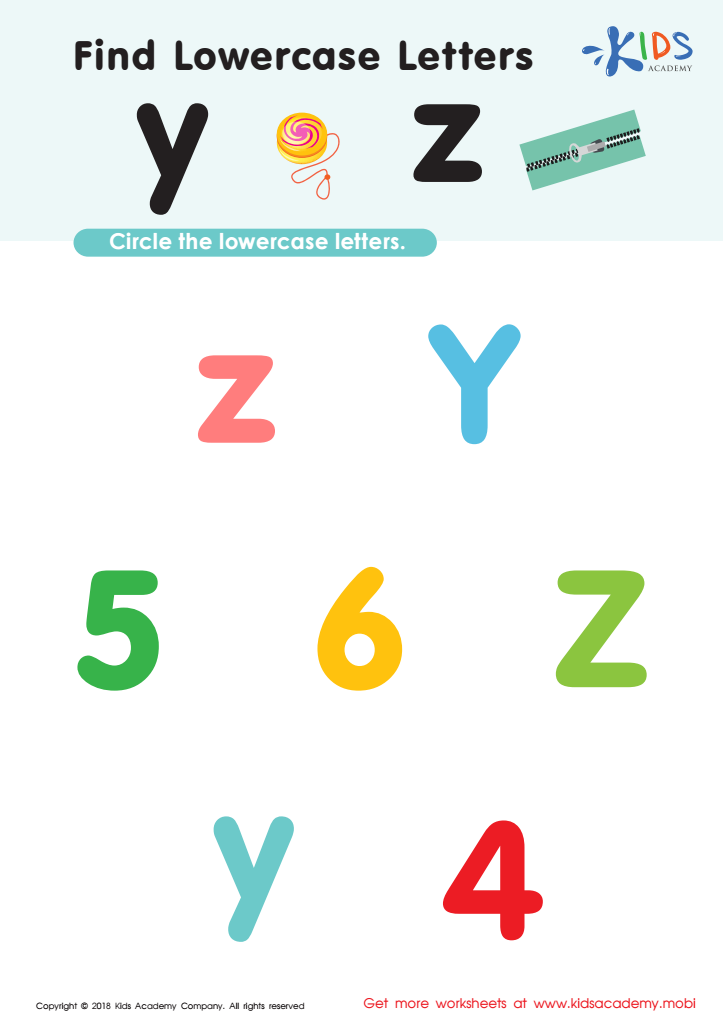
Find Lowercase Letters y z Worksheet
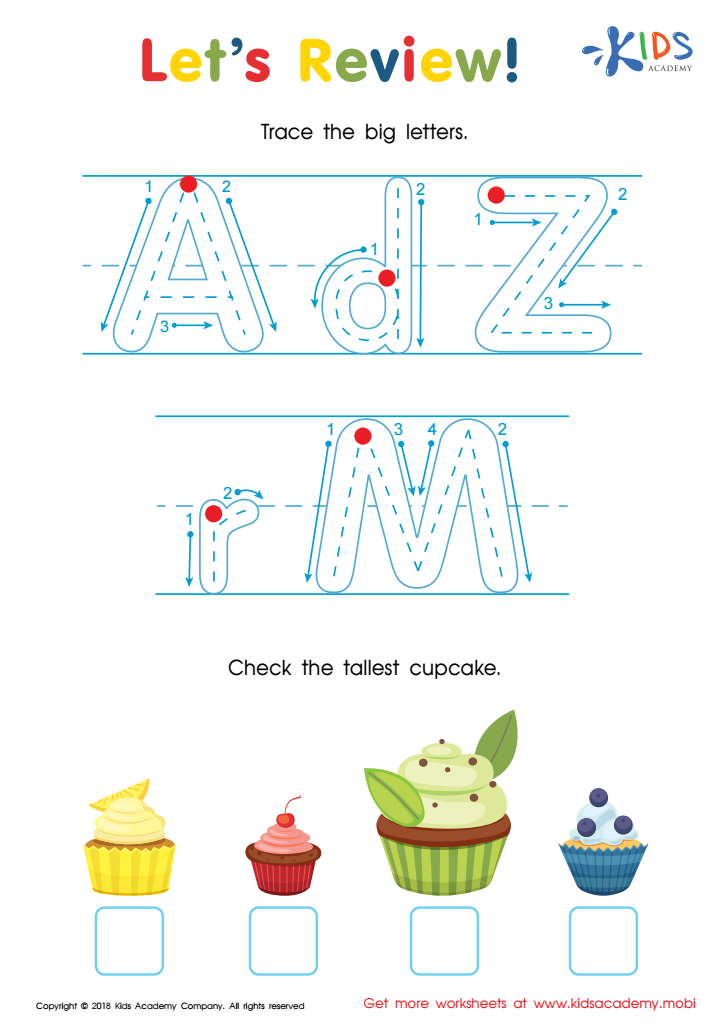
Let's Review! Big Letters Worksheet
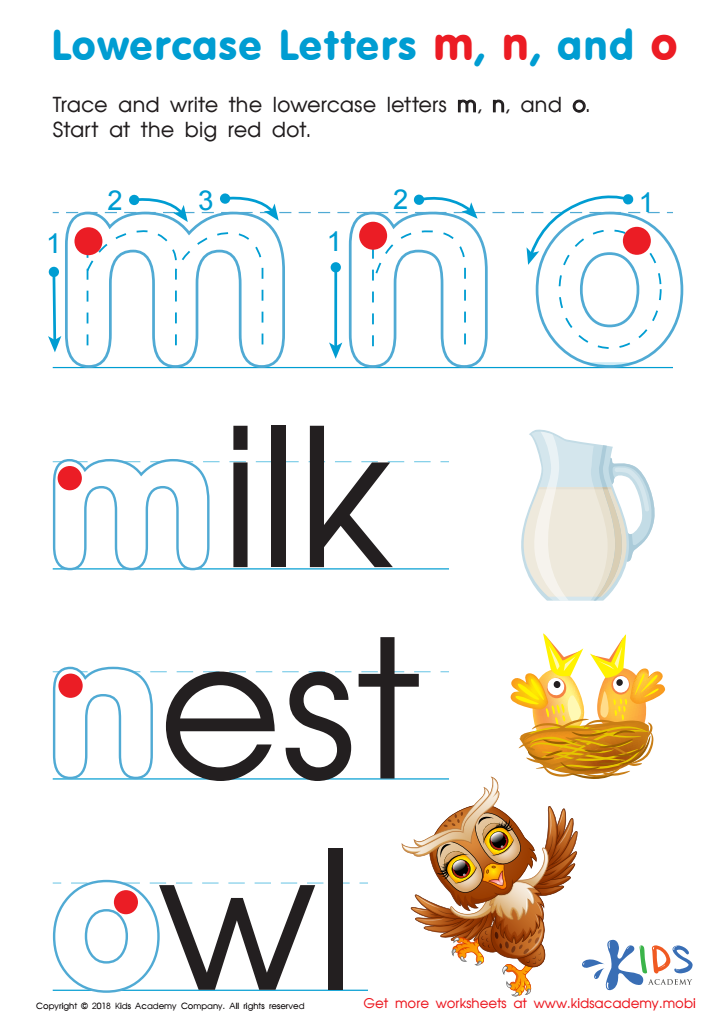
Lowercase Letters m n o Worksheet
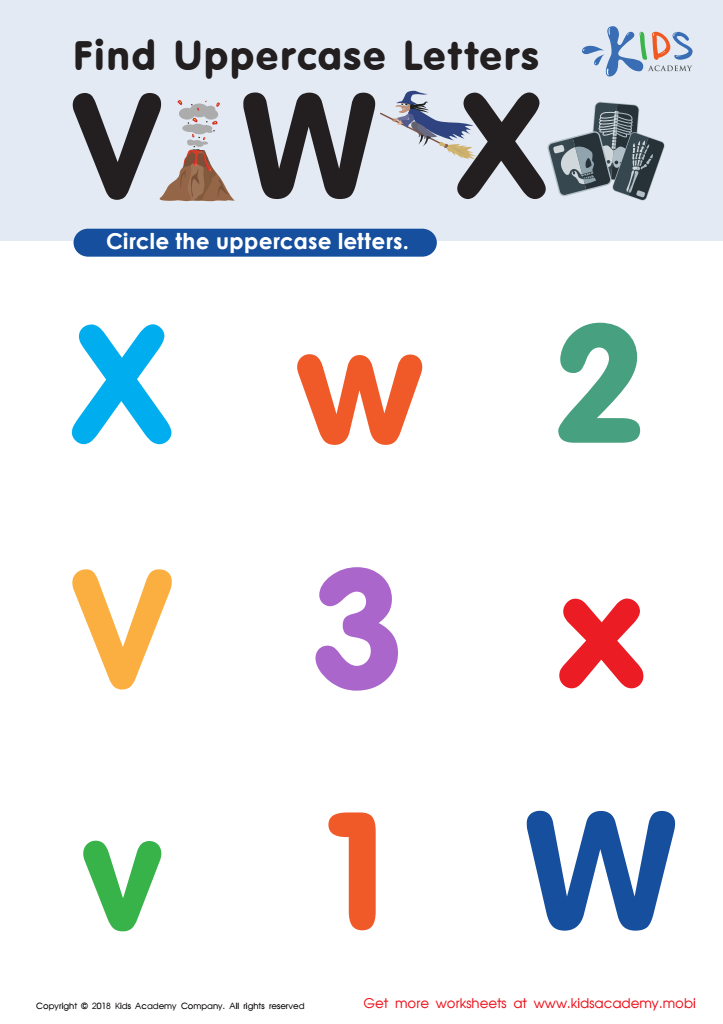
Find Uppercase Letters V, W, X Worksheet
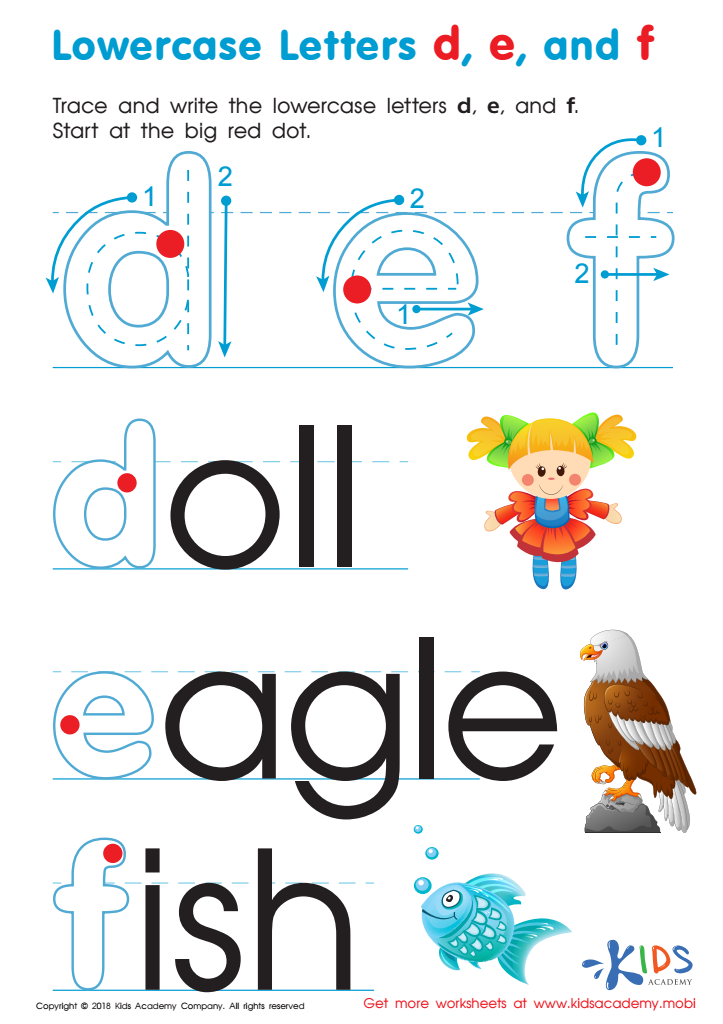
Lowercase Letters d e f Worksheet
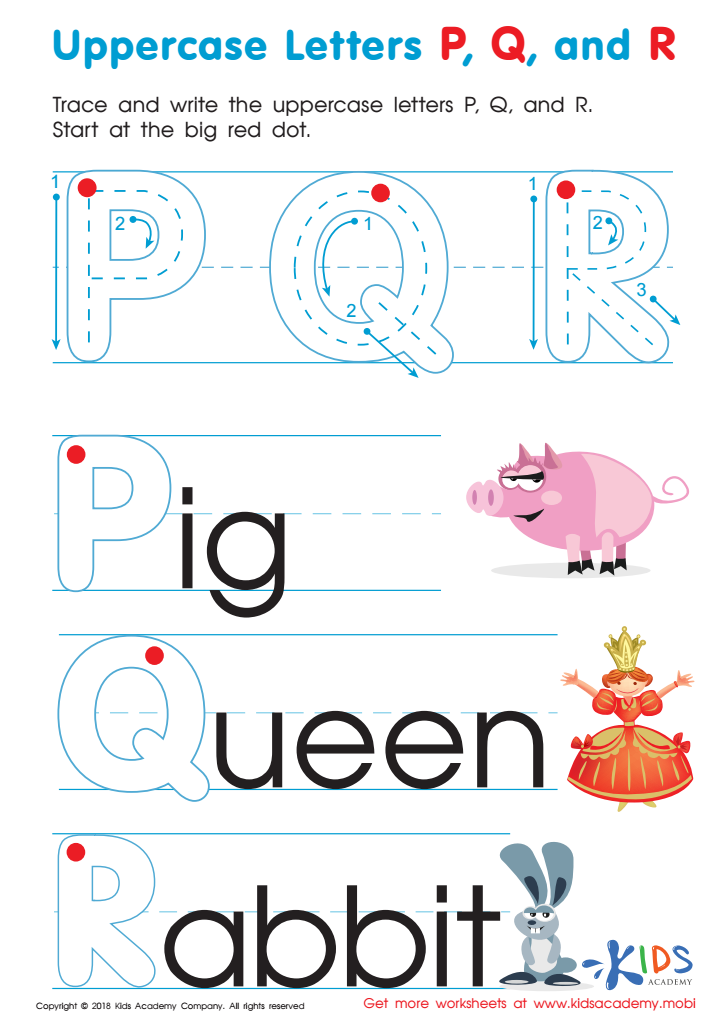
Uppercase Letters P, Q, and R Worksheet
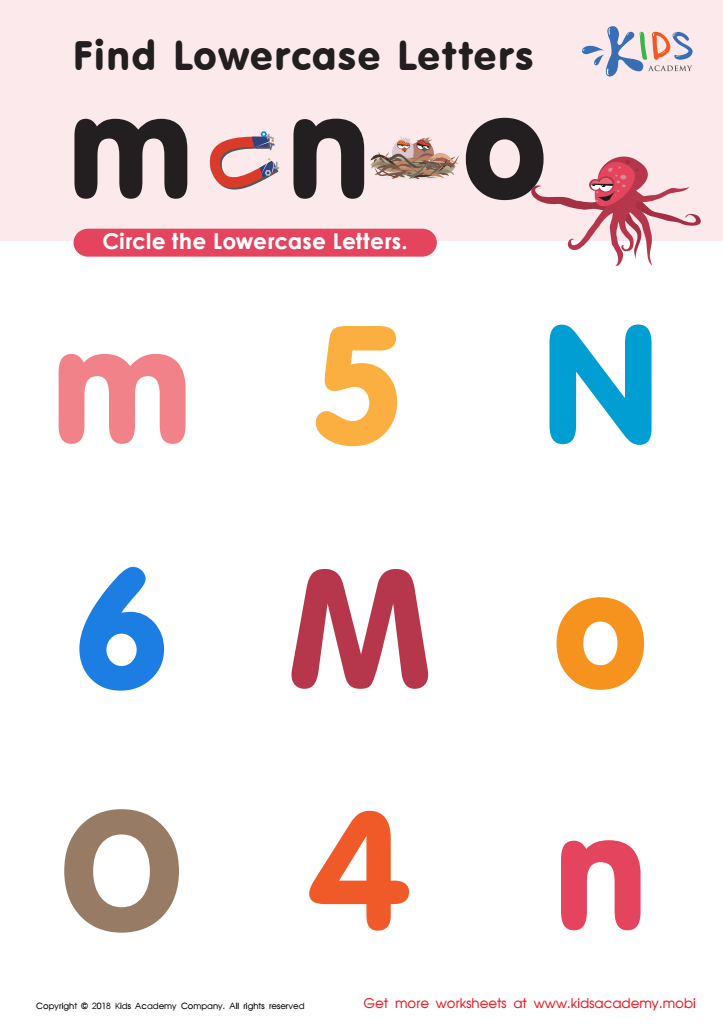
Find Lowercase Letters m n o Worksheet
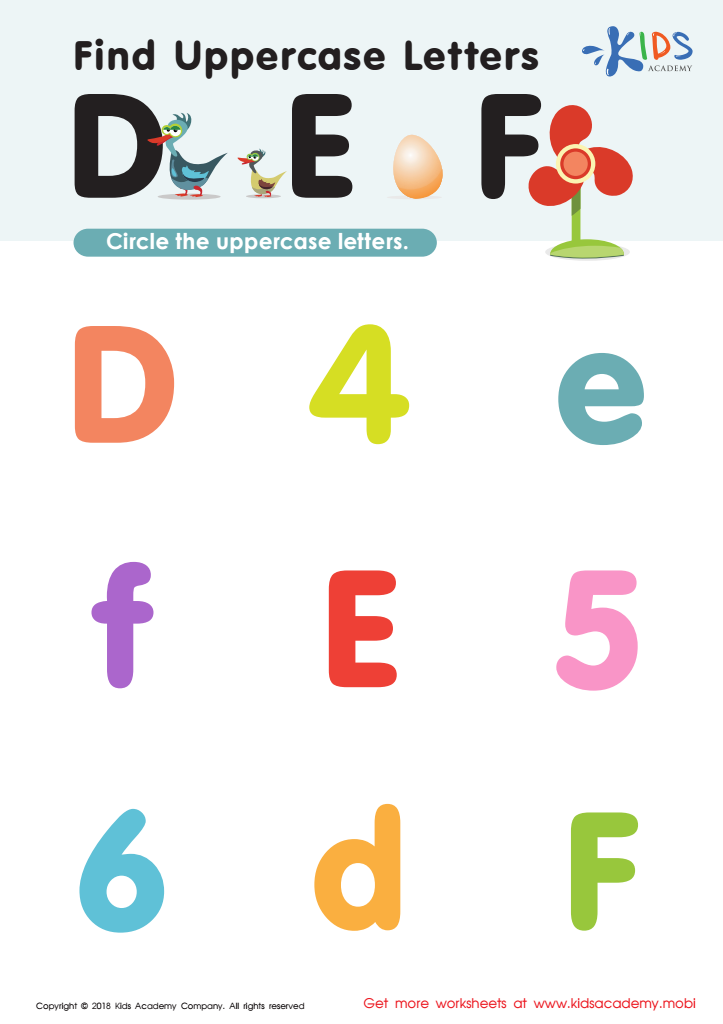
Find Uppercase Letters D, E, and F Worksheet
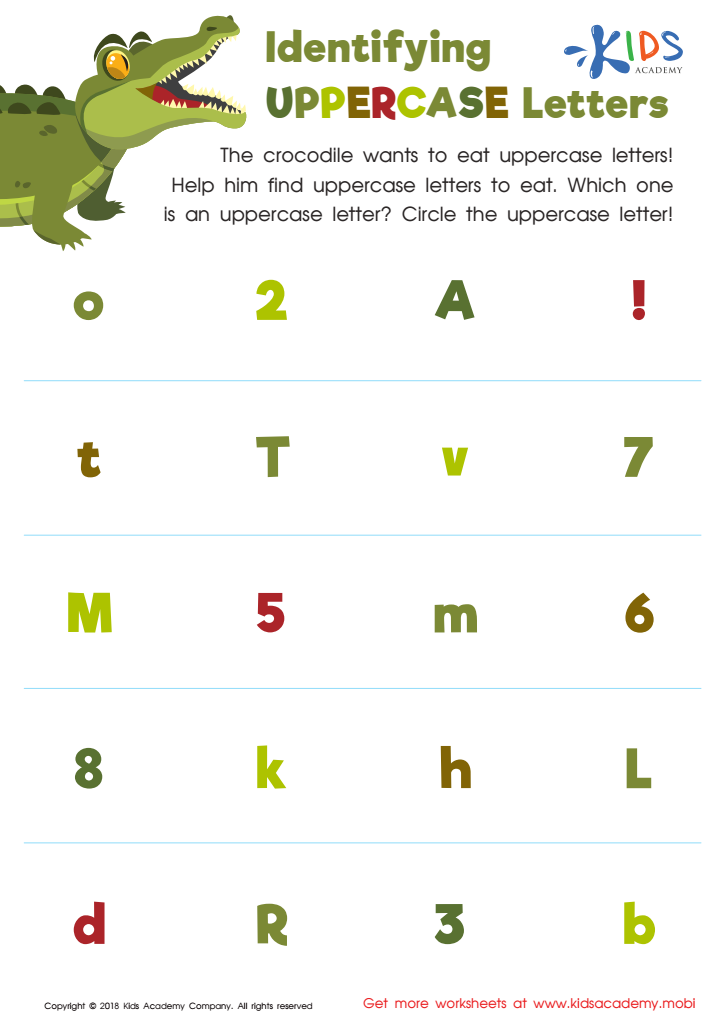
Identifying Uppercase Letters Worksheet

Find lowercase letters a b c Worksheet
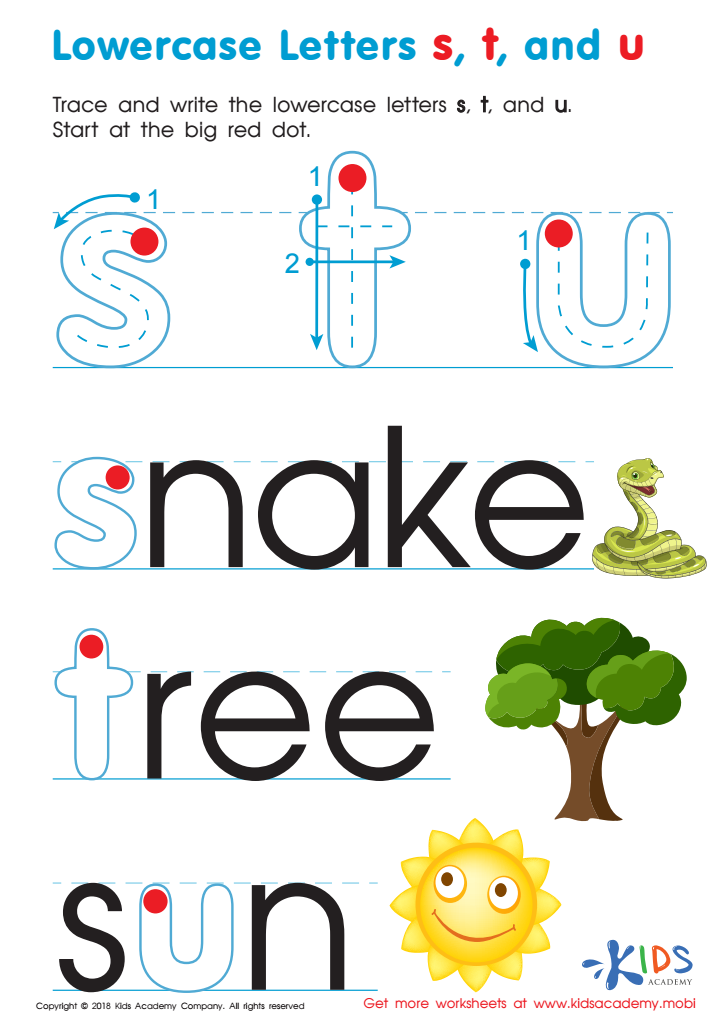
Lowercase Letters s t u Worksheet
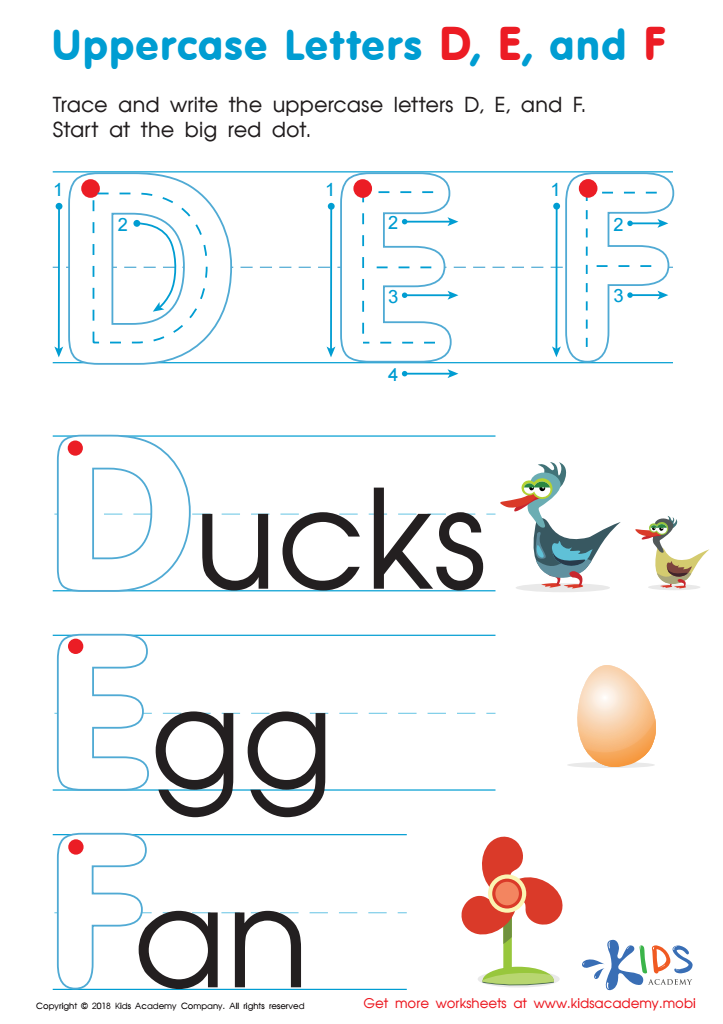
Uppercase Letters D, E, and F Worksheet

Find Lowercase Letters v w x Worksheet
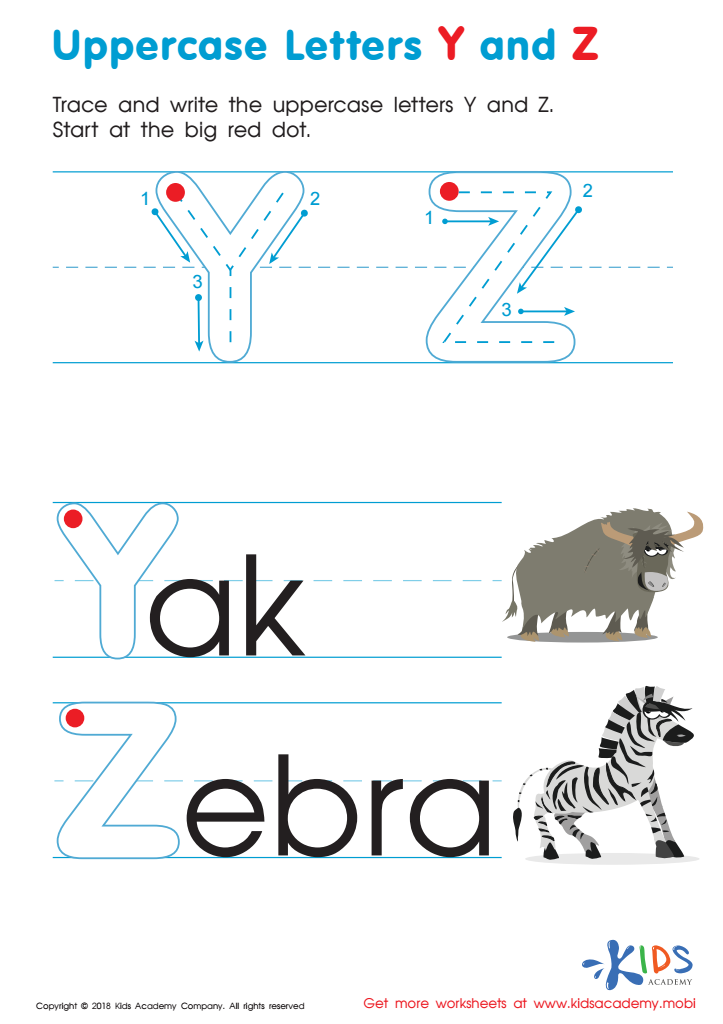
Uppercase Letters Y Z Worksheet
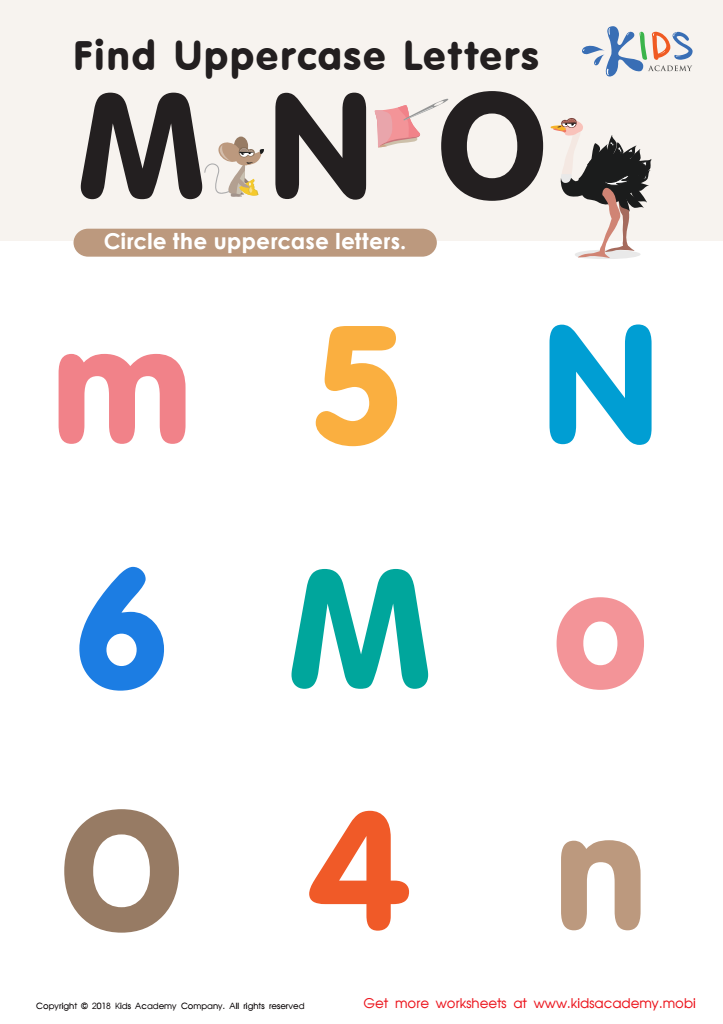
Find Uppercase Letters M, N, and O Worksheet
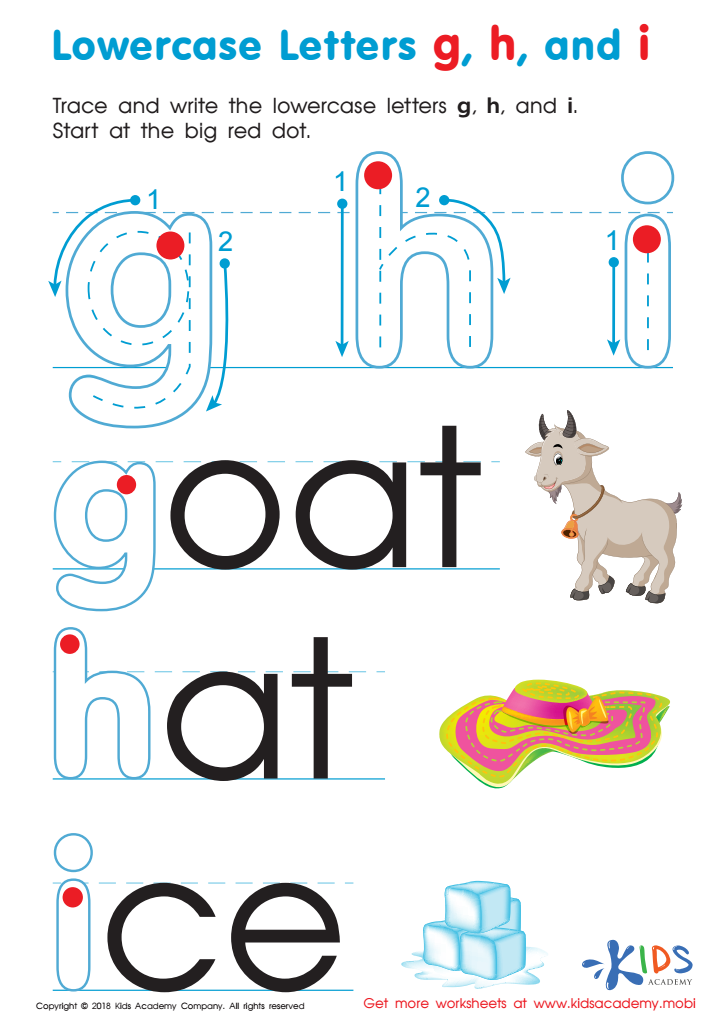
Lowercase Letters g h i Worksheet
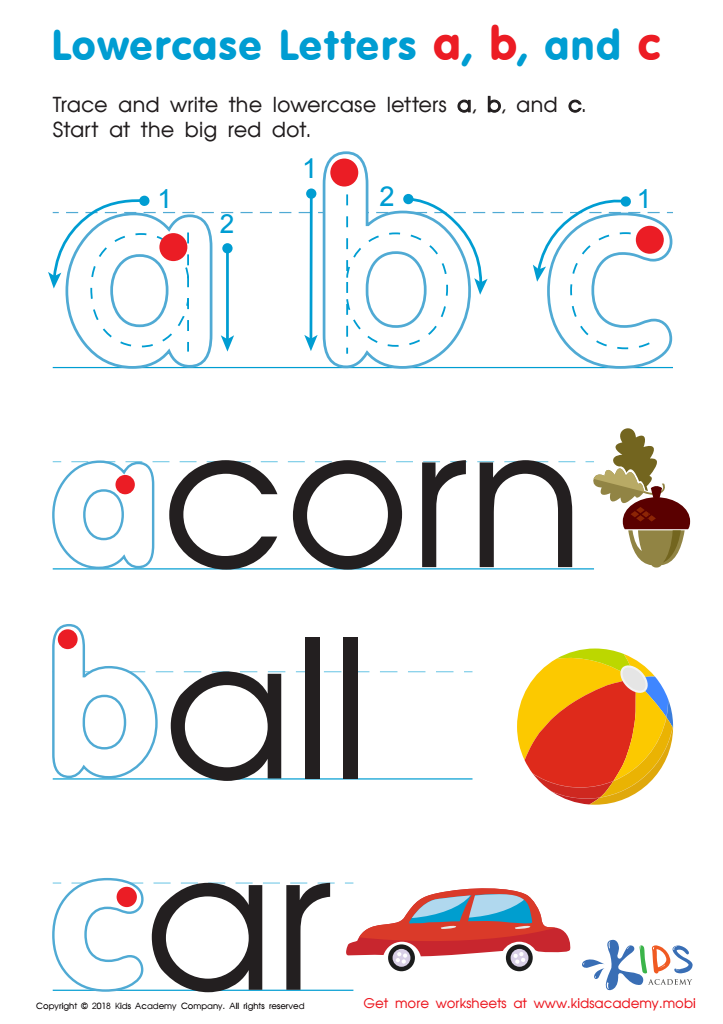
Lowercase Letters a b c Worksheet
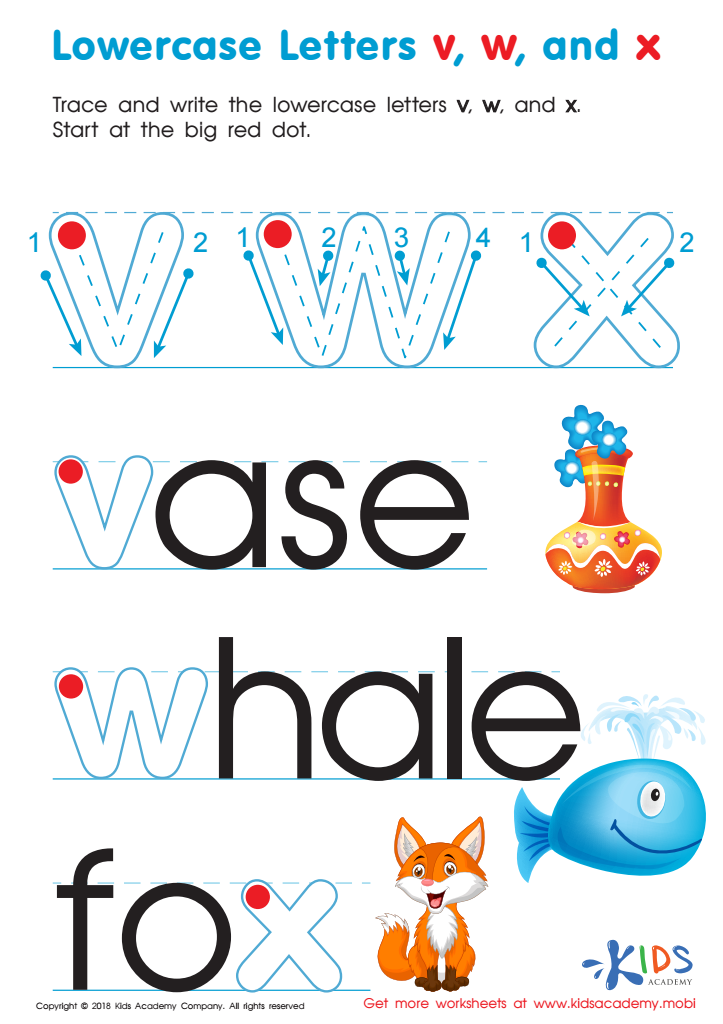
Lowercase Letters v w x Worksheet
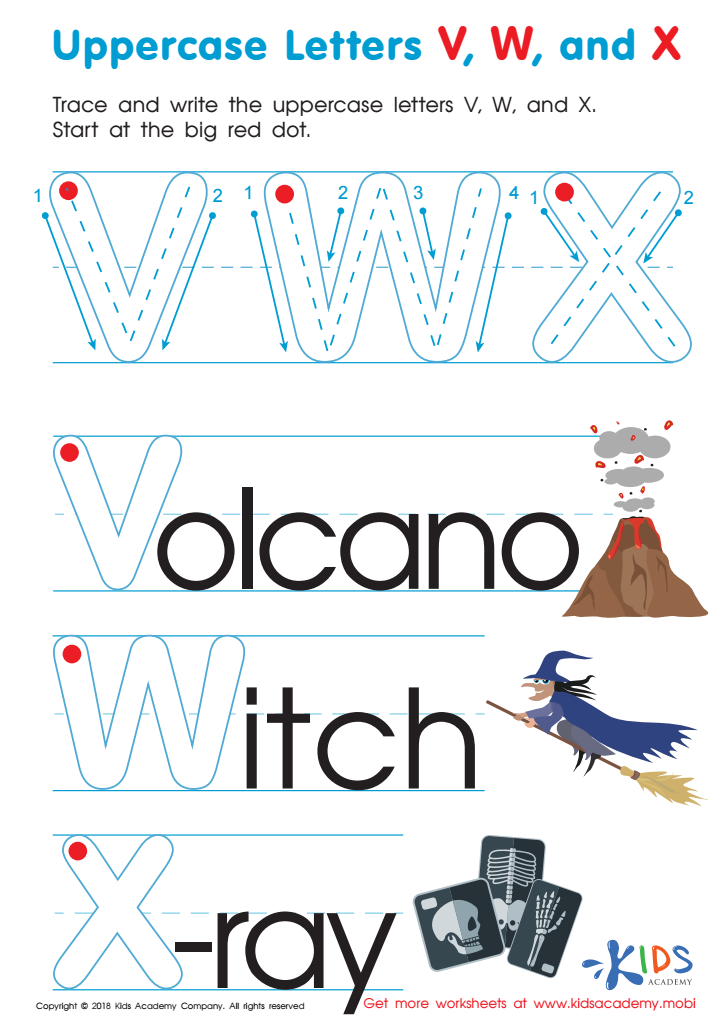
Uppercase Letters V, W, and X Worksheet






Understanding normal uppercase and lowercase letters is foundational for young learners aged 3-8. For parents and teachers, promoting this knowledge is crucial as it enhances literacy skills vital for a child’s academic success. Mastery of letter recognition paves the way for effective reading and writing, forming the bedrock upon which children build more complex language skills.
Introducing uppercase letters helps children recognize the start of sentences and proper nouns, while lowercase letters are commonly used and essential for everyday reading. This understanding fosters confidence in language usage, enabling children to express themselves effectively. Moreover, attention to uppercase and lowercase distinctions begins to develop a child’s understanding of grammar and sentence structure, laying the groundwork for future writing tasks.
Additionally, engaging with letters in playful and interactive ways stimulates cognitive development. By incorporating fun activities involving both forms of letters—like games, songs, and crafts—parents and teachers can cultivate a love for learning. This not only improves literacy but also strengthens the parent-child or teacher-student bond, making the learning process enjoyable. Ultimately, caring about the distinction between uppercase and lowercase letters is an investment in a child’s educational journey and lifelong communication skills.







