Vocabulary development Normal Worksheets for Ages 3-8 - Page 2
57 filtered results
-
From - To
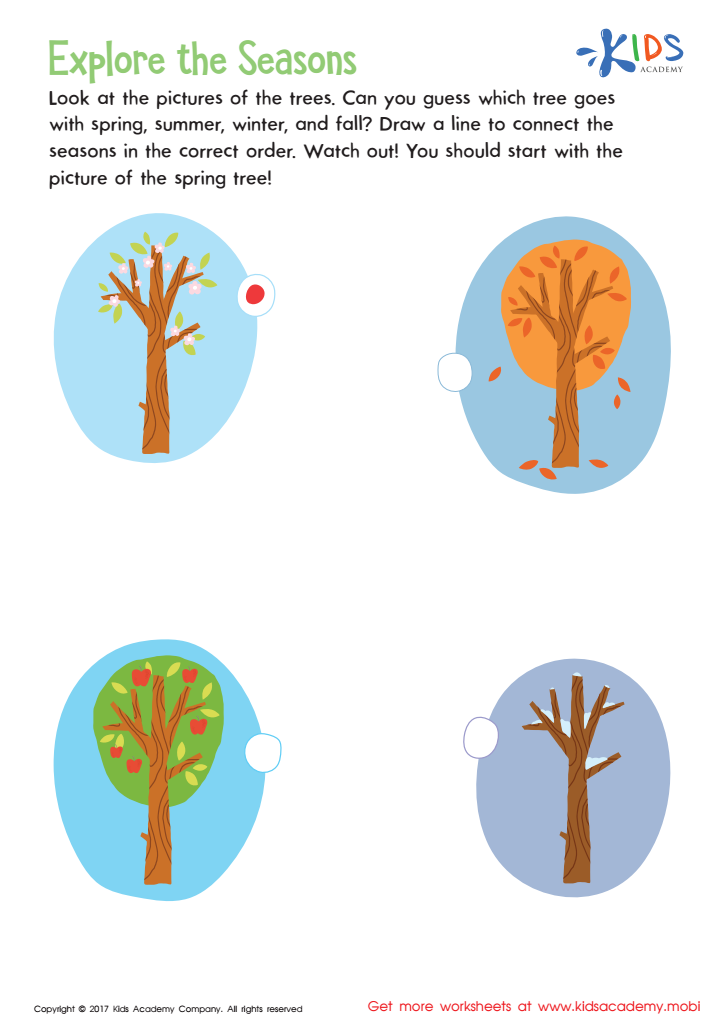
Explore the Seasons Worksheet
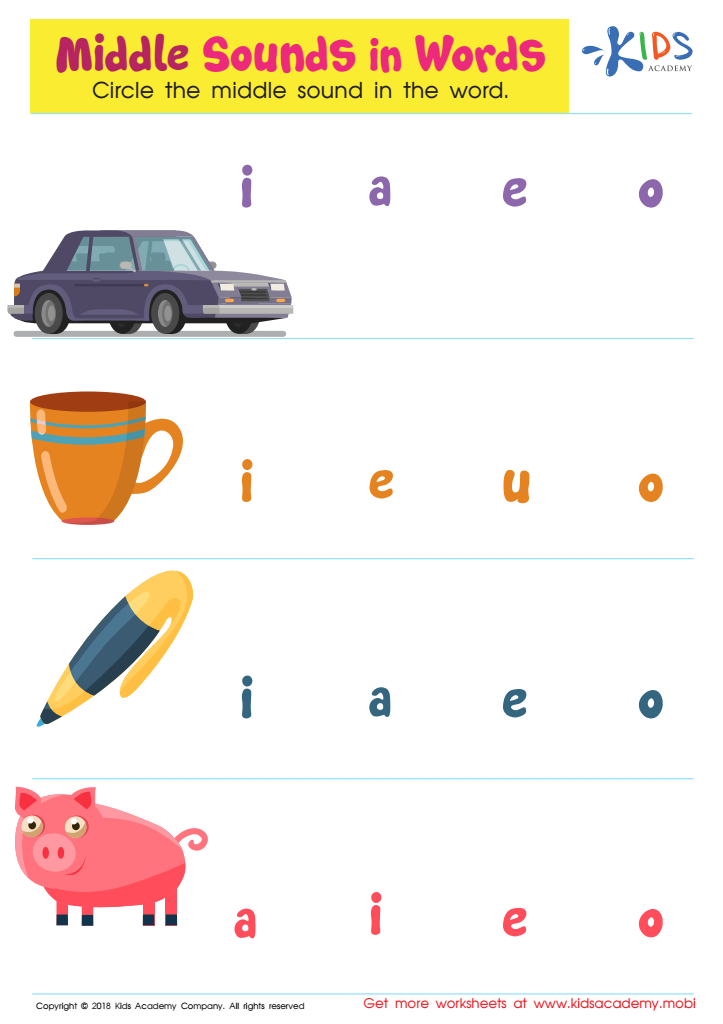
Middle Sounds in Words Worksheet
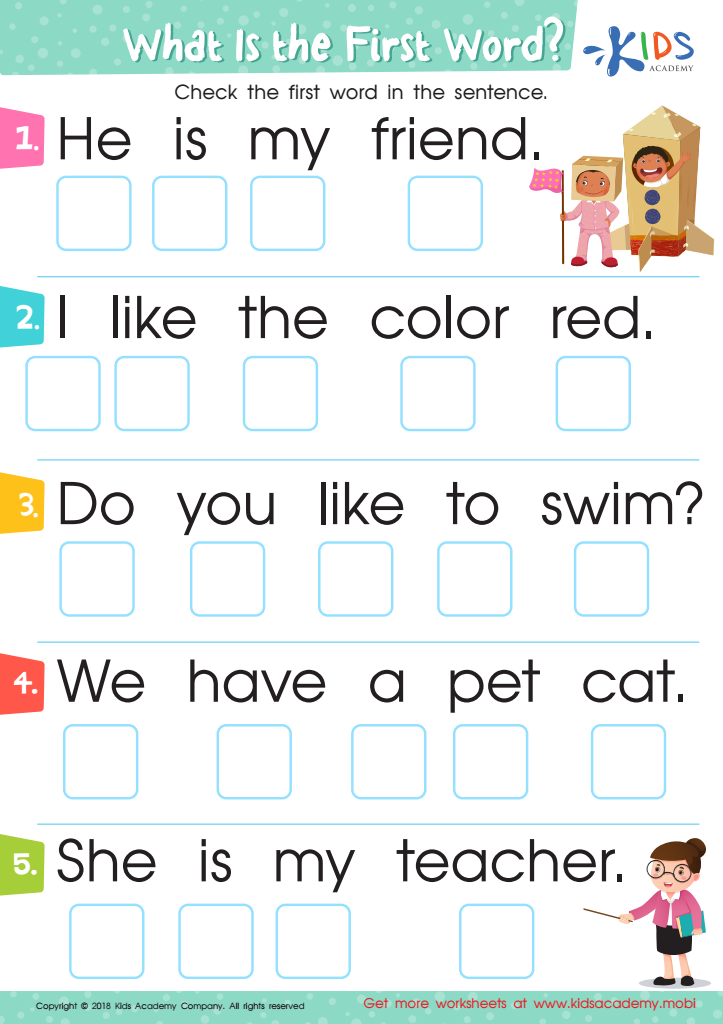
What is the First Word? Worksheet
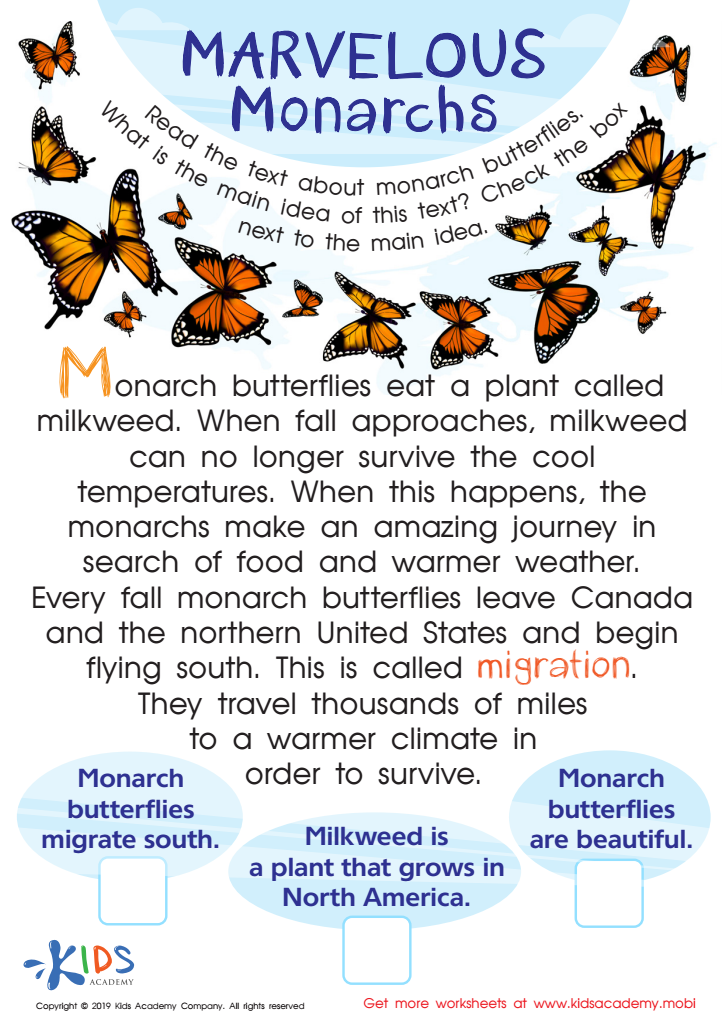
Marvelous Monarchs Worksheet
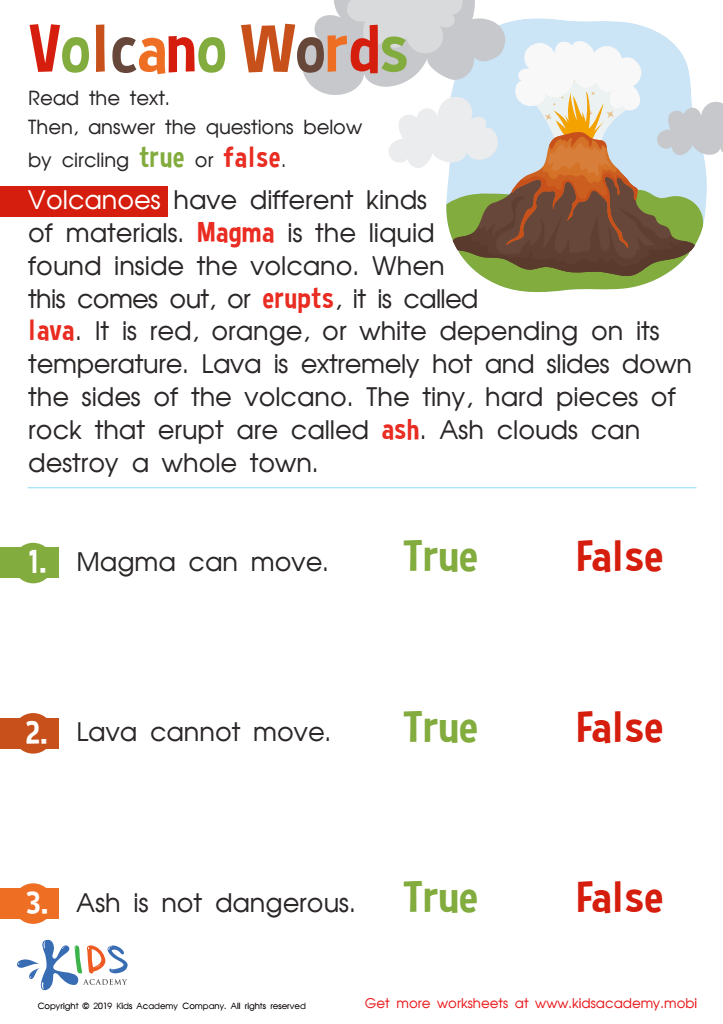
Volcano Words Worksheet

Night Sky Search Worksheet
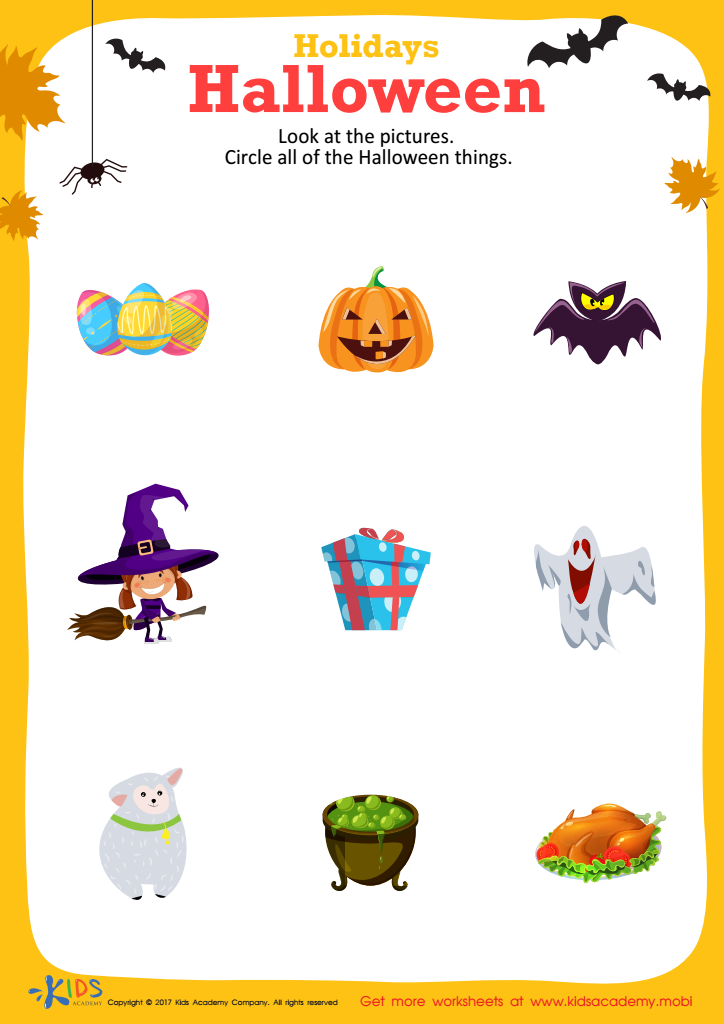
Halloween Holiday Worksheet
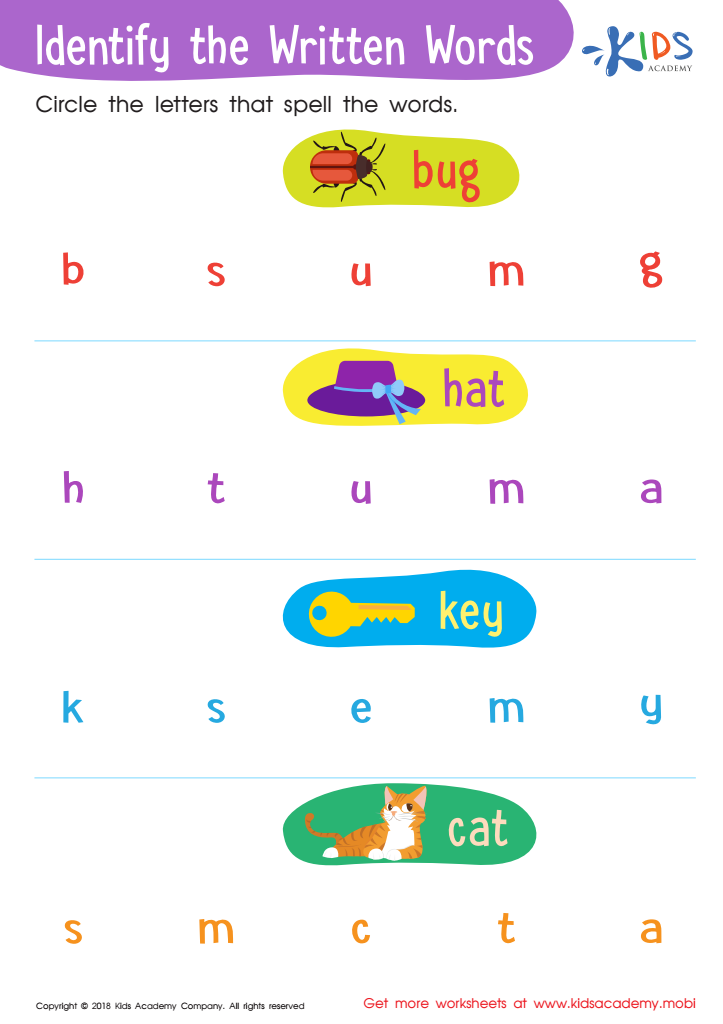
Identify the Written Words Worksheet
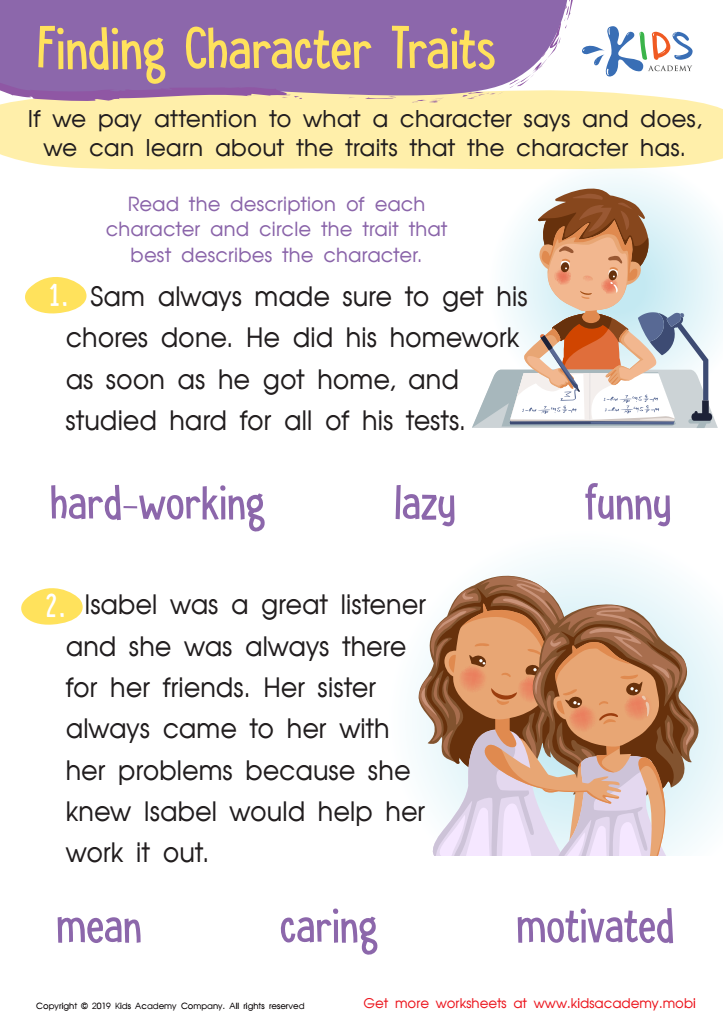
Finding Character Traits Worksheet

Beach Maze: Sun Safe Worksheet
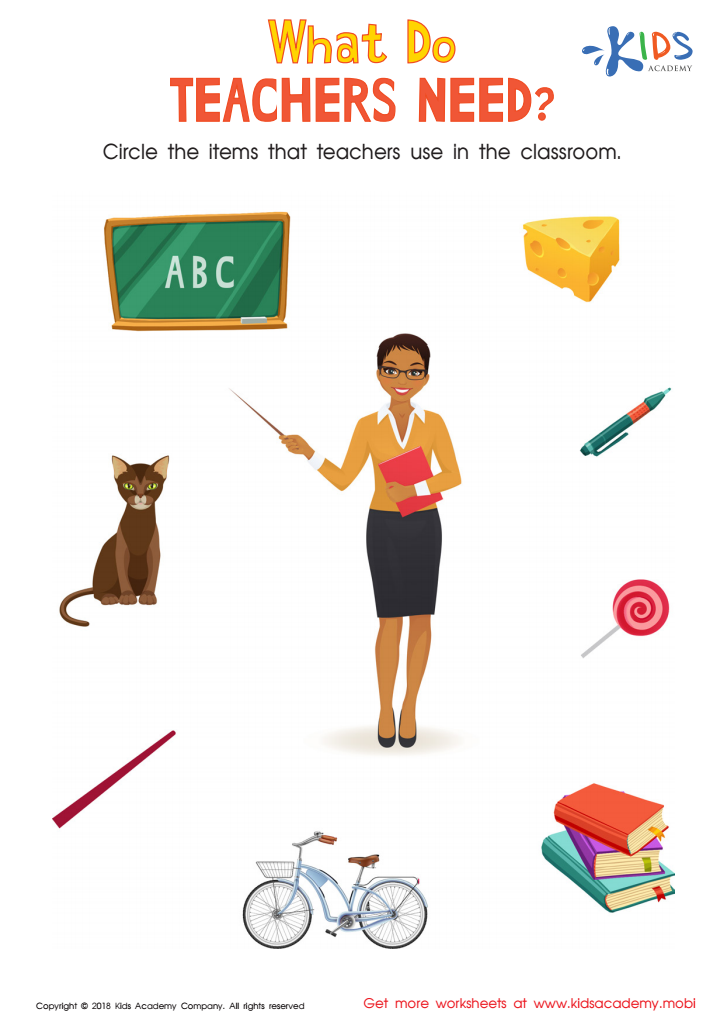
What Do Teachers Need Worksheet
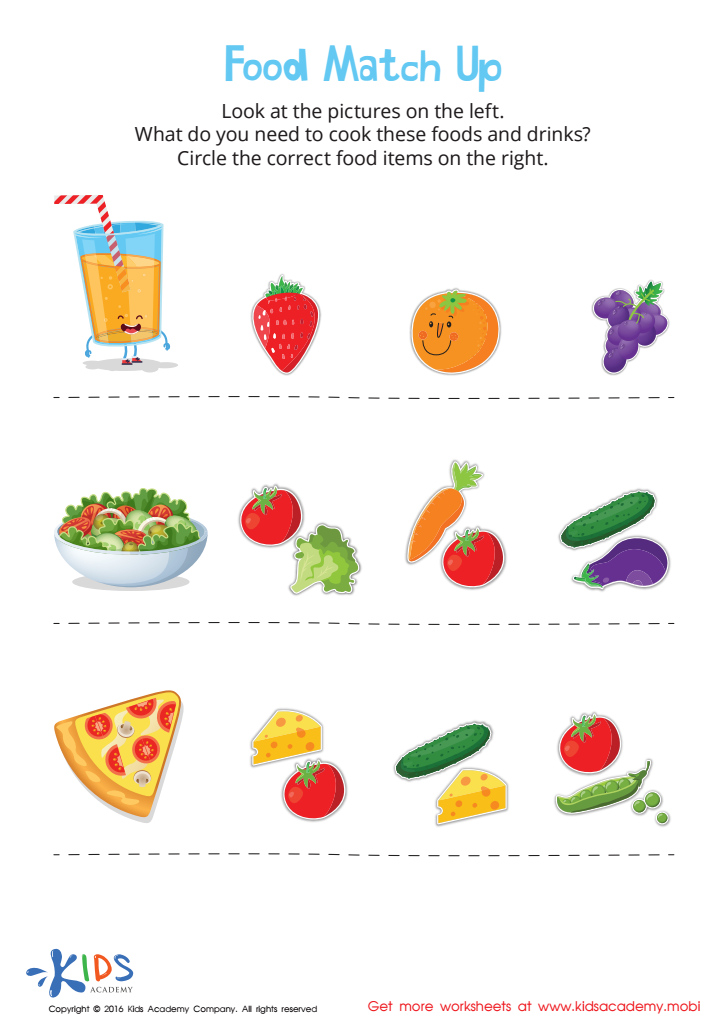
Food Match Up Worksheet
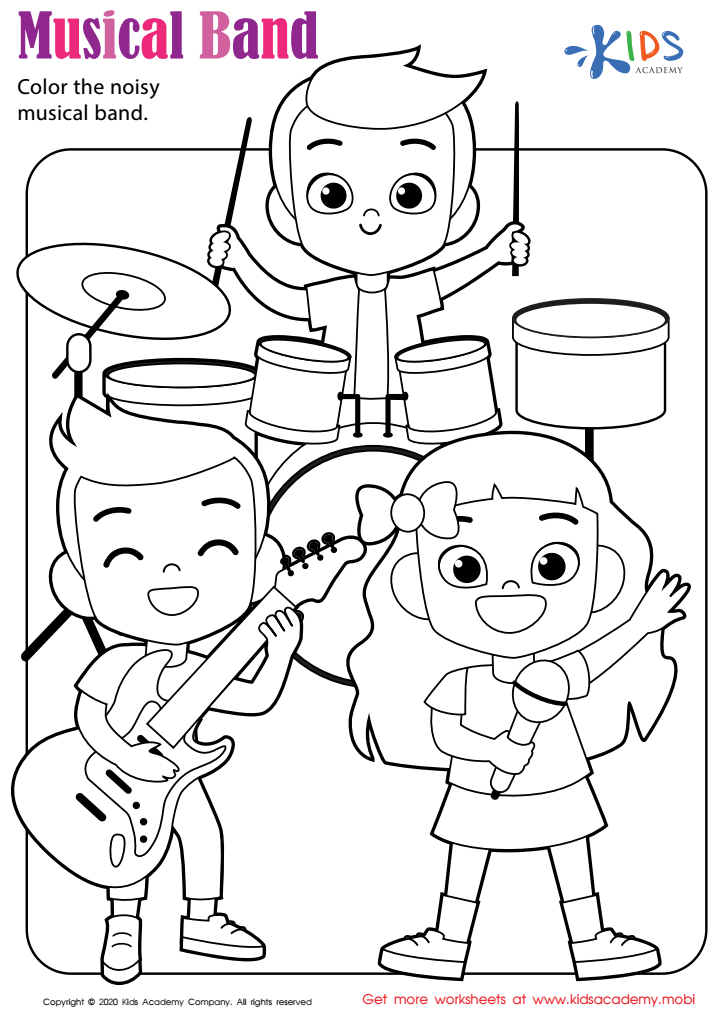
Musical Band Worksheet
 Assign to My Students
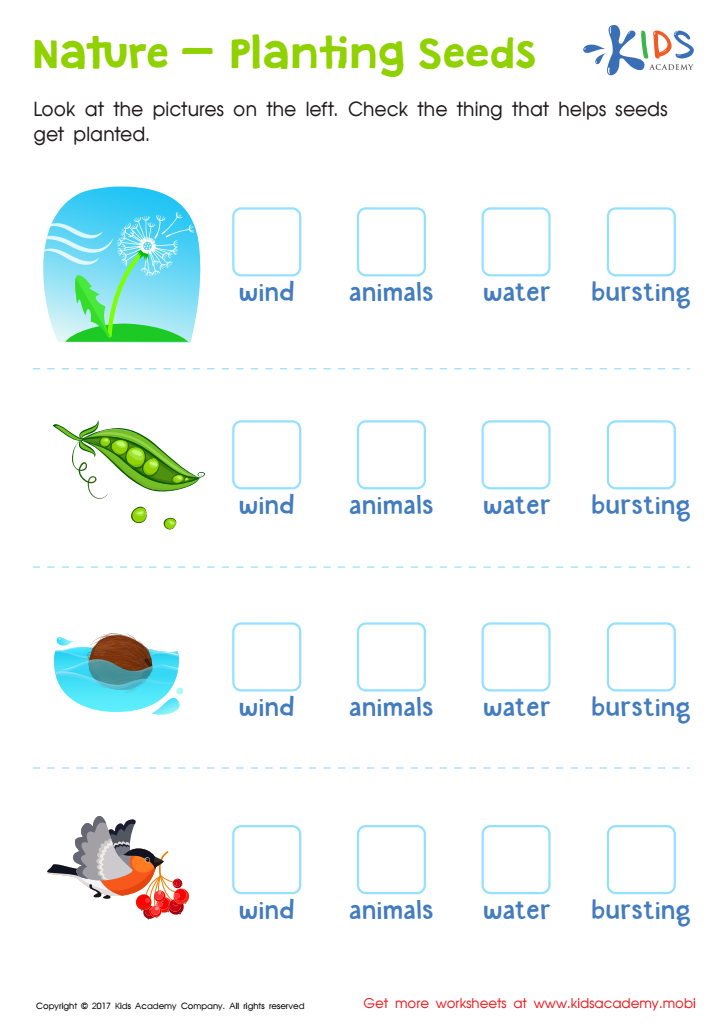
Nature Planting Seeds Worksheet
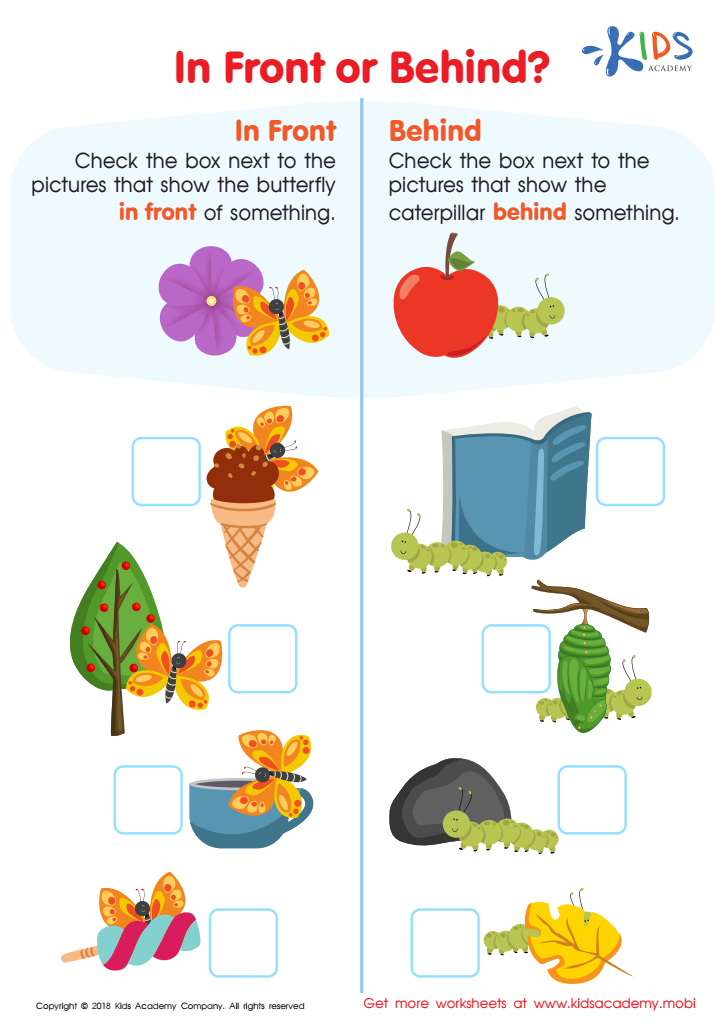
In Front or Behind Worksheet
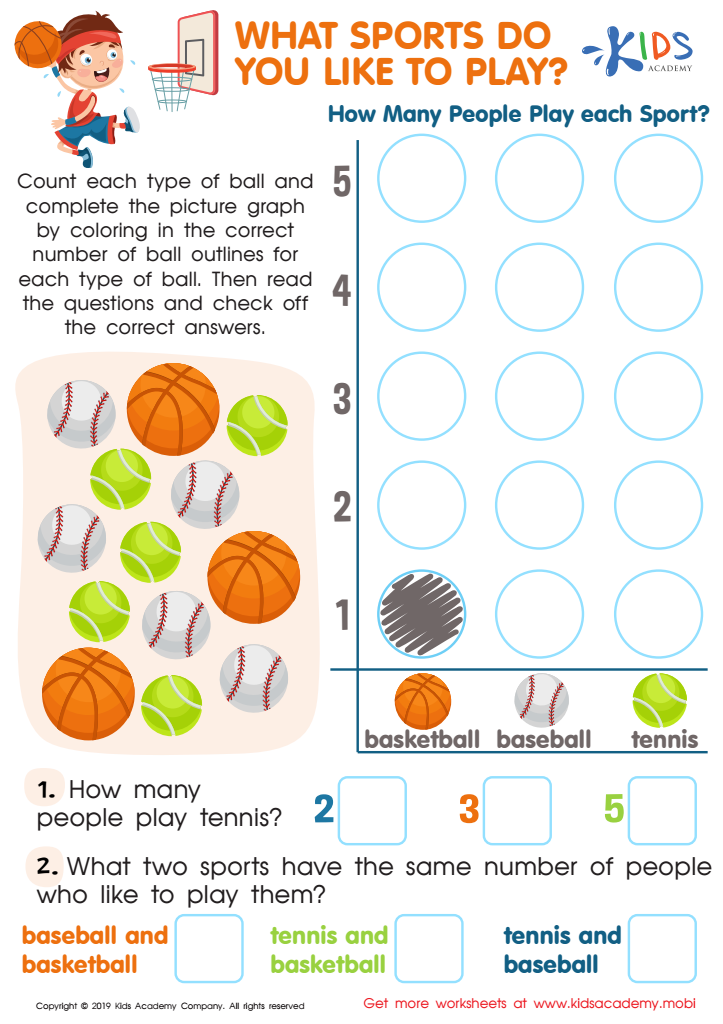
What Sports Do You Like to Play Worksheet
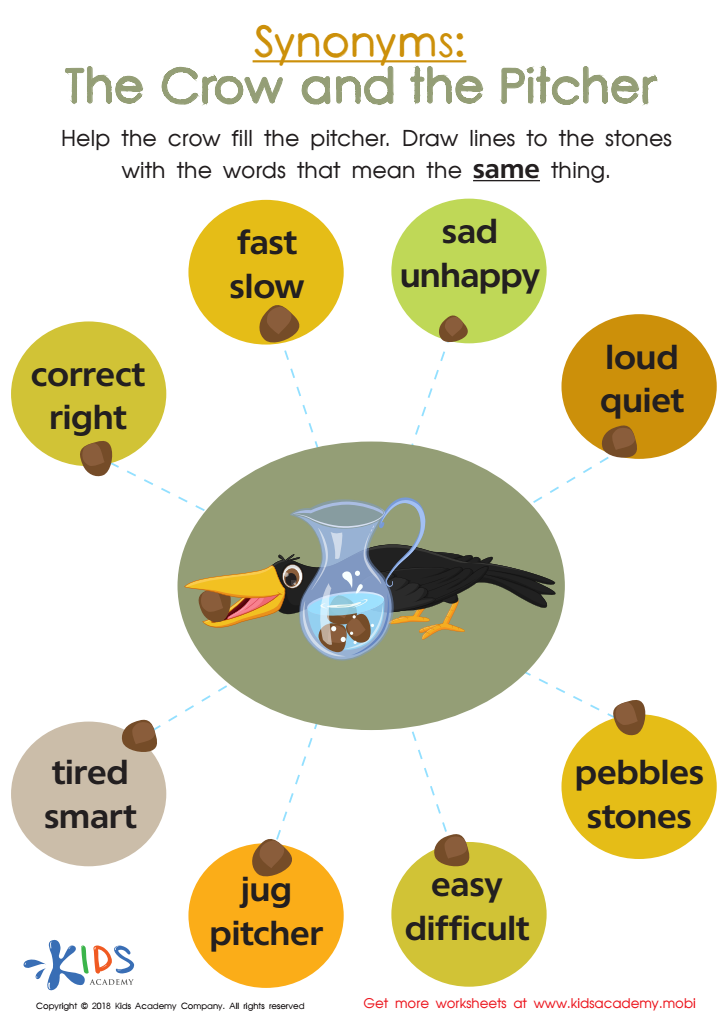
The Crow and the Pitcher Synonyms Worksheet
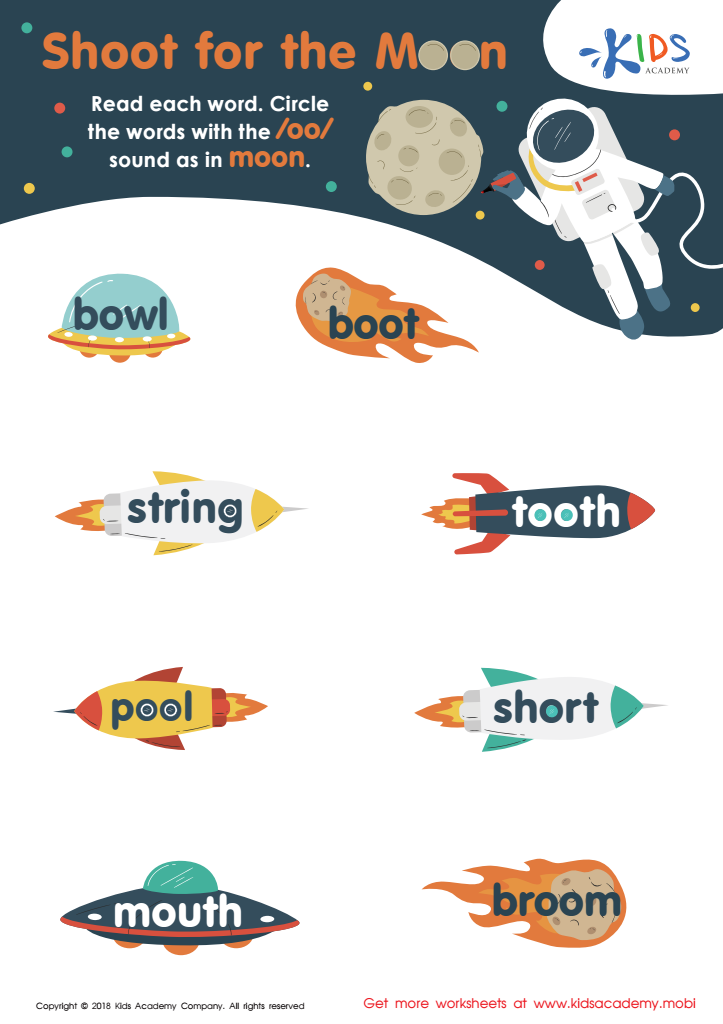
Reading: Shoot for the Moon Worksheet
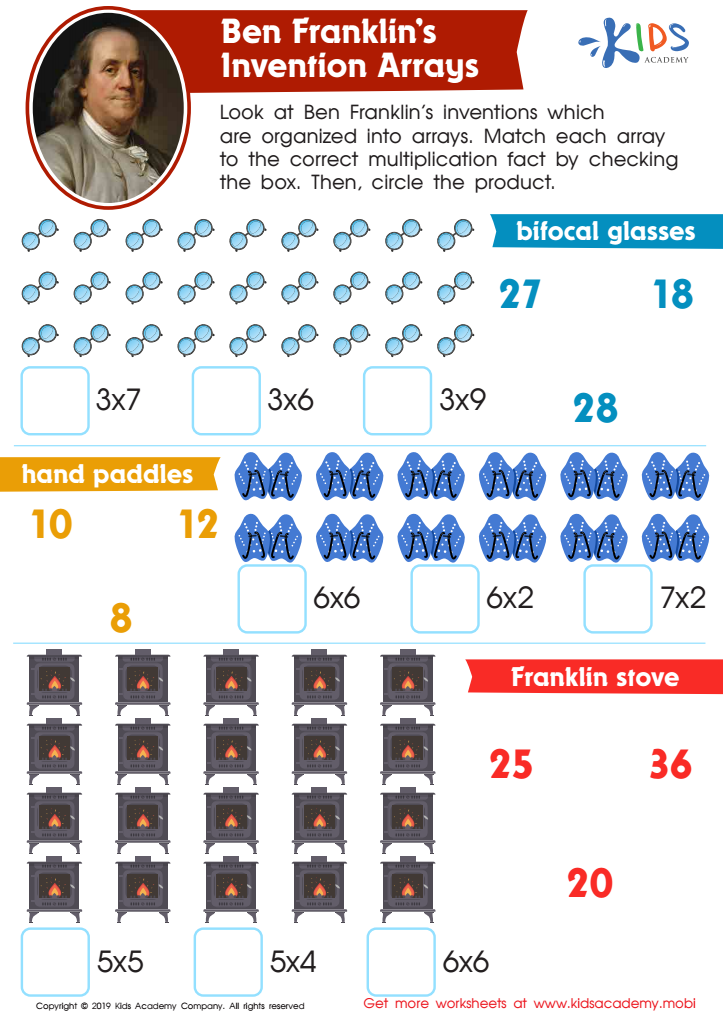
Ben Franklin’s Invention Arrays Worksheet
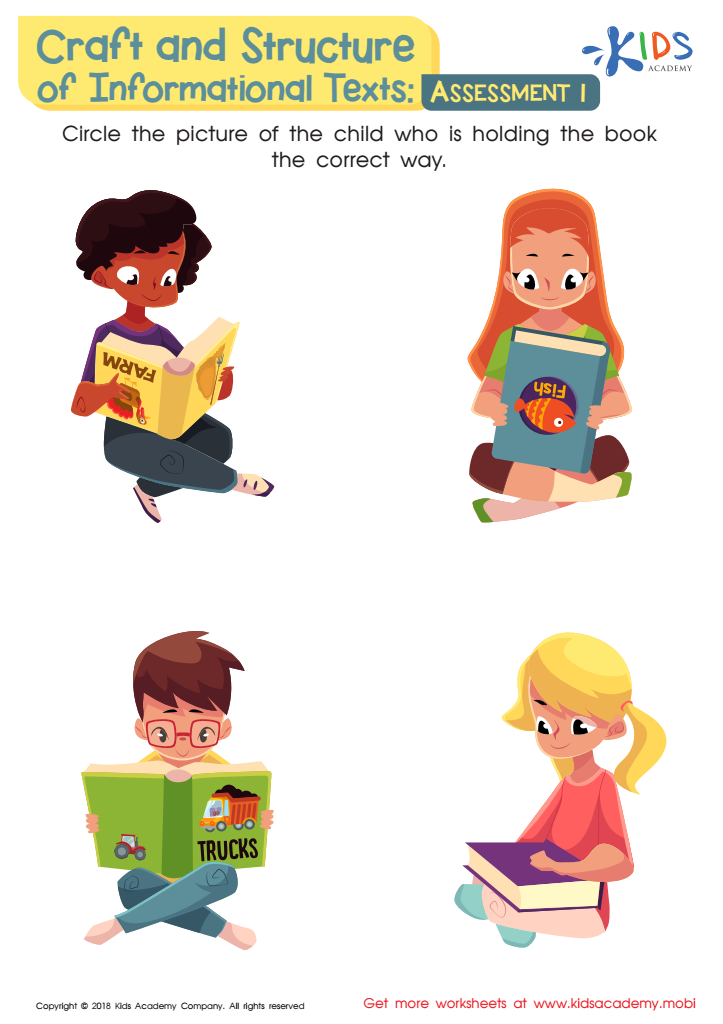
Craft and Structure of Informational Texts: Assessment 1 Worksheet

Turkey Thanksgiving Day Worksheet
Assign to My Students
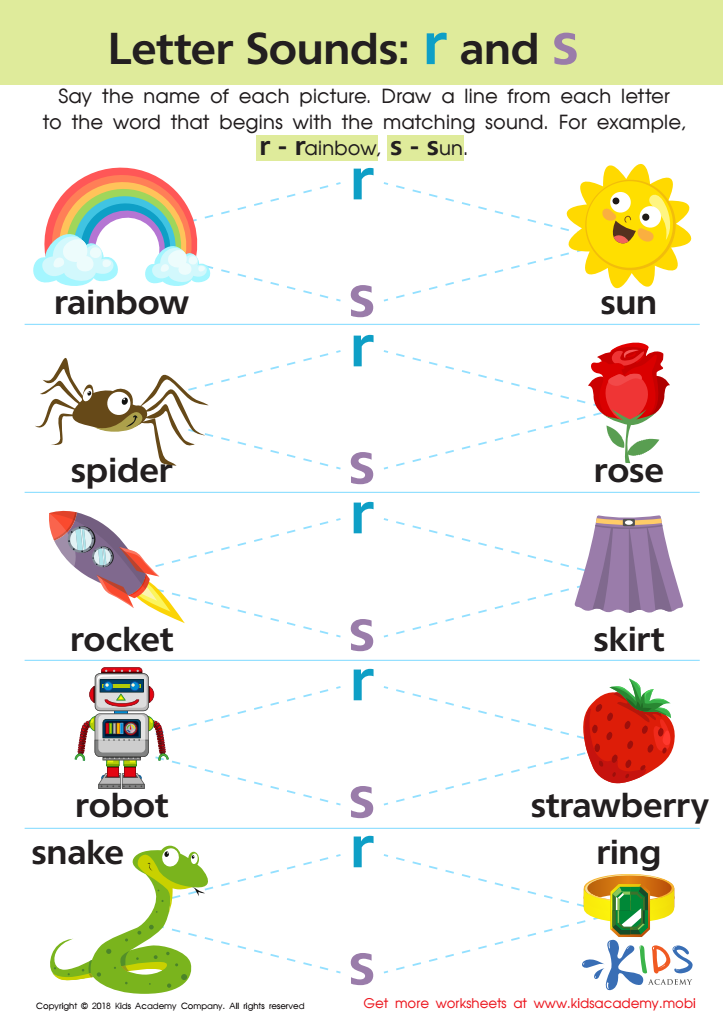
Letter R and S Sounds Worksheet
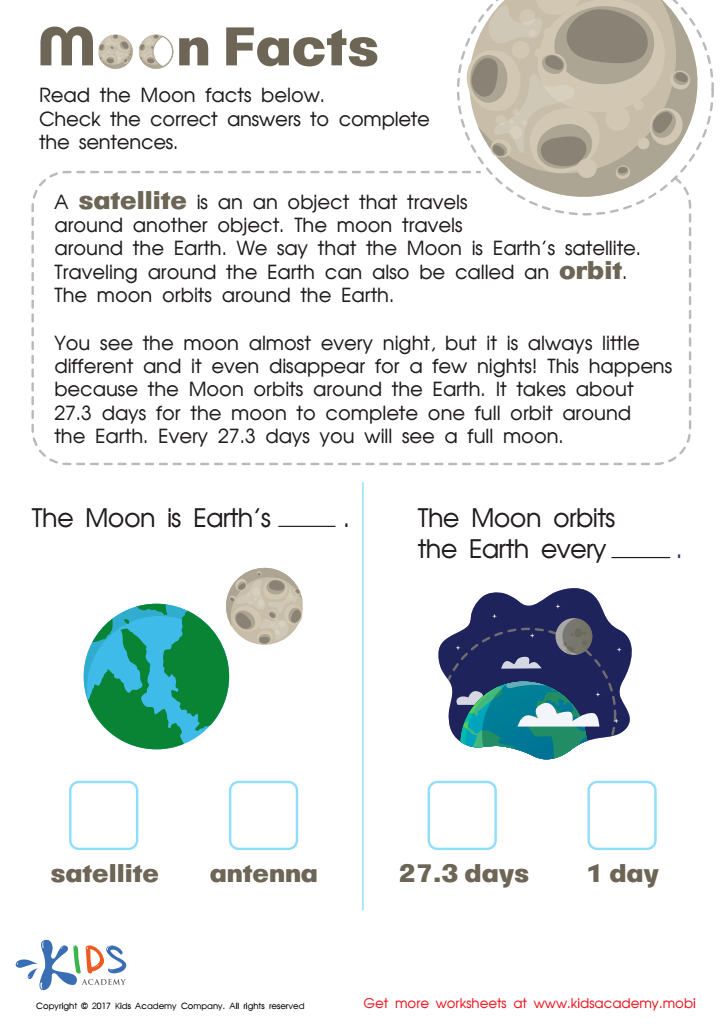
Moon Facts Worksheet
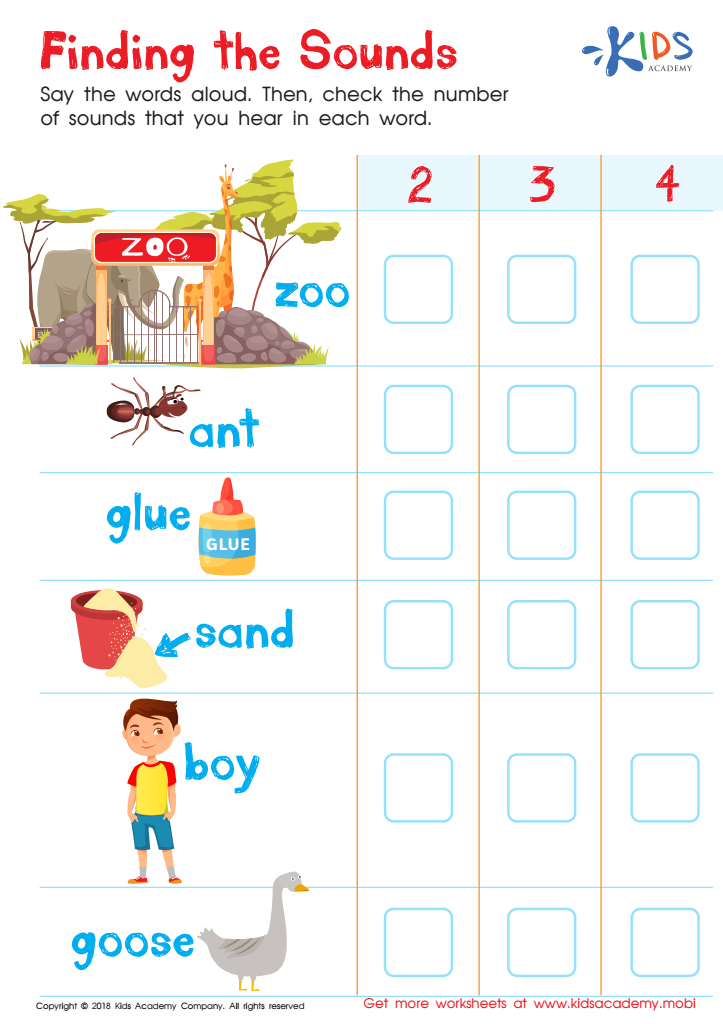
Finding the Sounds Worksheet







Vocabulary development is crucial for children aged 3-8, as it profoundly impacts their academic success and social interactions. A robust vocabulary enhances a child's ability to communicate effectively, express thoughts, and comprehend complex ideas. When children possess a rich vocabulary, they are better equipped to engage with their peers and adults, fostering meaningful relationships.
Moreover, vocabulary is a foundation for literacy. The more words children know, the easier it is for them to understand what they read and hear. Research shows that a child's vocabulary size in early years is a strong predictor of reading achievement in later grades. Knowledge of diverse words allows children to recognize and decode texts, expanding their overall literacy skills.
Additionally, vocabulary development supports critical thinking. As children encounter new words, they also learn about the concepts and contexts behind those words, promoting analytical skills and creativity.
Parents and teachers play a vital role in nurturing vocabulary growth. By engaging in conversations, reading regularly, and introducing new words in various contexts, they can help children build a rich vocabulary that will serve them throughout their educational journey and into adulthood. Supporting children in this area lays the groundwork for lifelong learning and successful communication skills.








