Reading comprehension Normal Geometry Worksheets for Ages 3-8
4 filtered results
-
From - To
Enhance your child's understanding of geometry and reading comprehension with our engaging Normal Geometry Worksheets tailored for ages 3-8. These worksheets feature visually appealing designs and age-appropriate content to captivate young learners. Each activity combines geometric concepts with reading exercises that encourage kids to follow directions, interpret shapes, and solve problems contextually. Our resource supports key learning skills by fostering critical thinking and basic math abilities, making learning both fun and effective. Perfect for home or classroom use, these printable worksheets help build a strong foundation in geometry while reinforcing essential reading comprehension skills. Start your child's learning journey today!
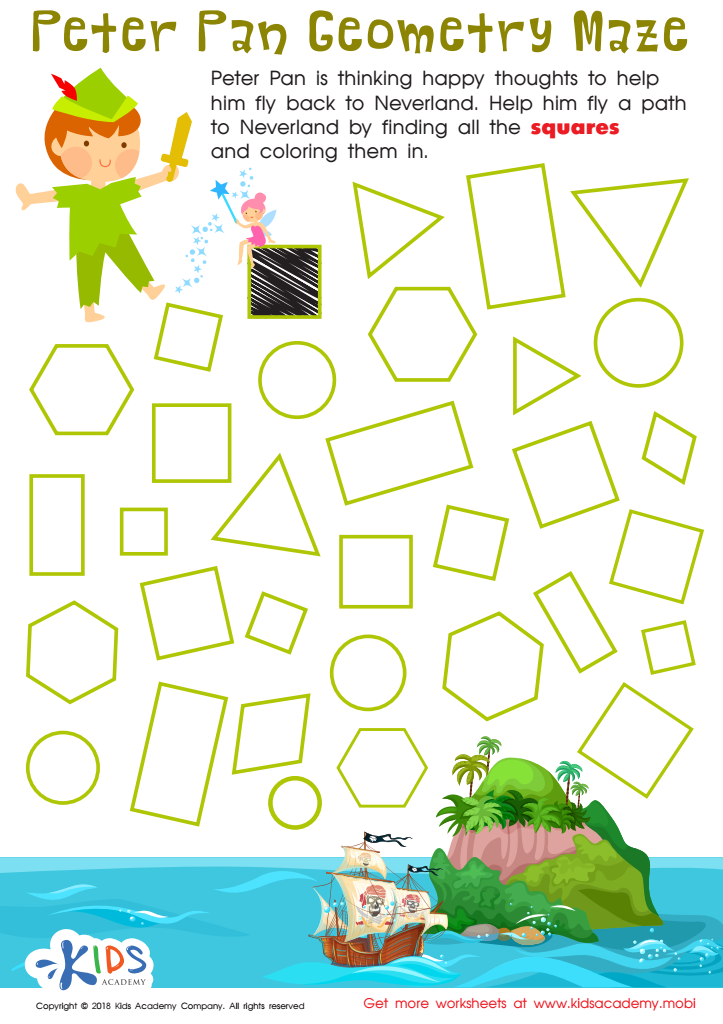
Peter Pan Worksheet
 Assign to My Students











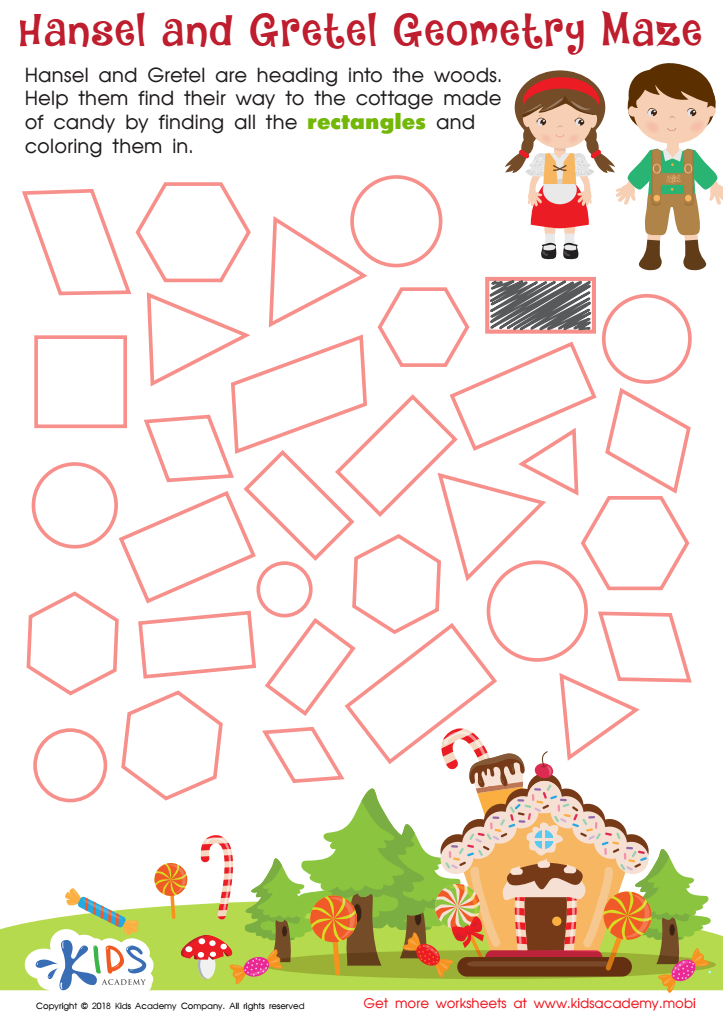
Hansel and Gretel Geometry Maze Worksheet
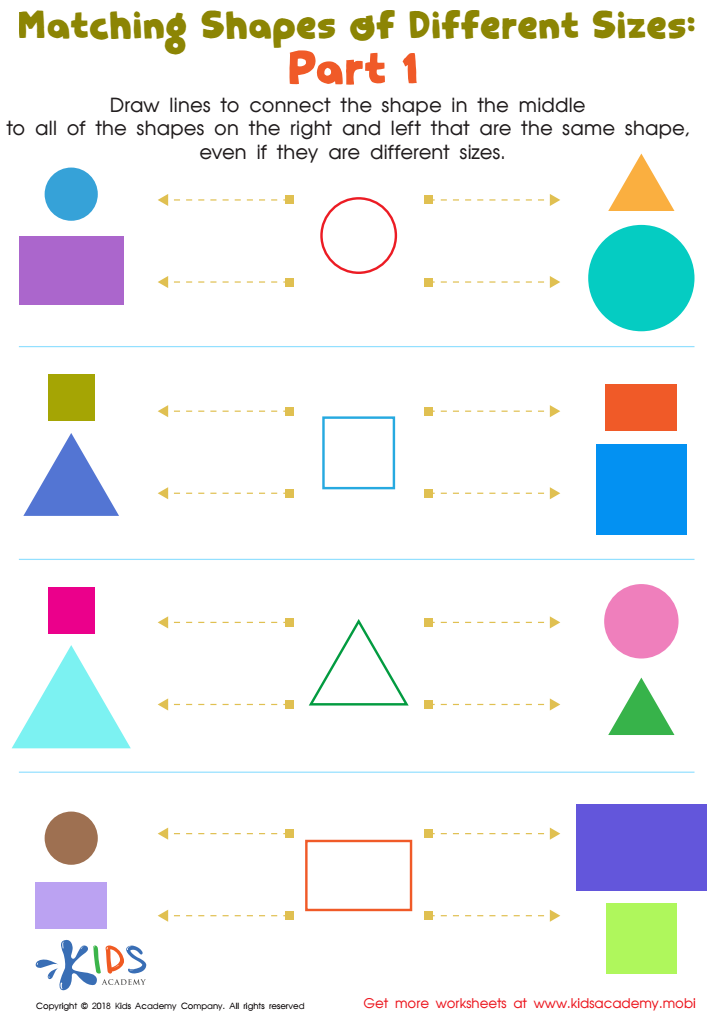
Geometry: part 1 Worksheet
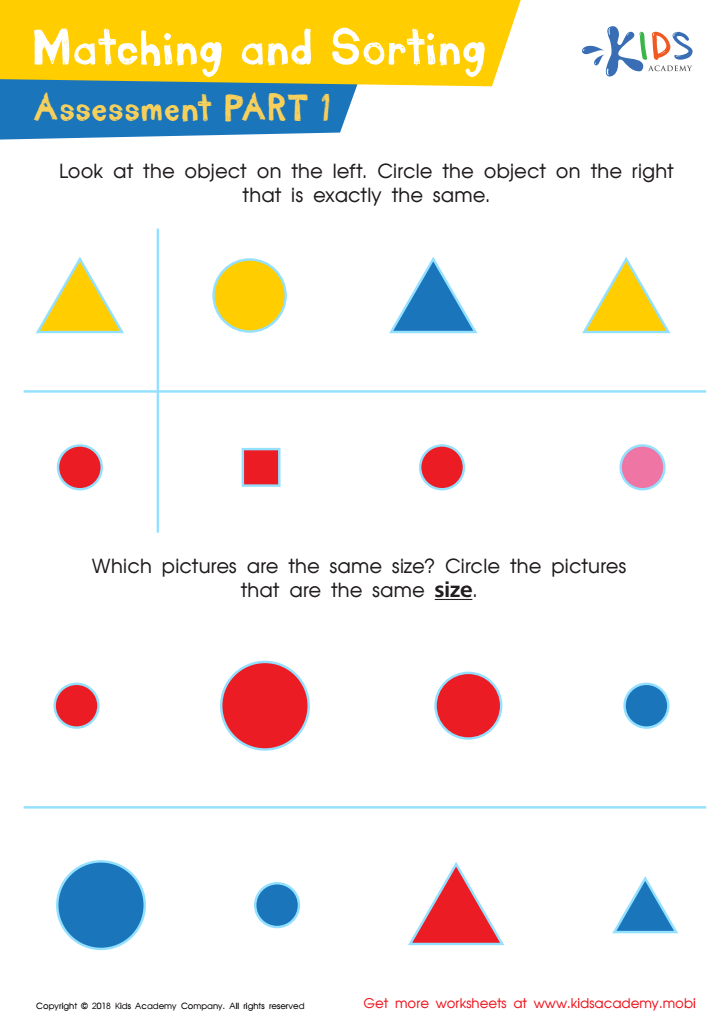
Matching and Sorting for Kindergarten: Assessment 1 Worksheet








Reading comprehension and an understanding of basic geometry are critical skills for children aged 3-8, laying the foundation for their academic success and everyday problem-solving. During these formative years, children begin to develop cognitive abilities and their capacity to process information, making effective instruction essential.
Reading comprehension is crucial because it fosters critical thinking, enhances vocabulary, and nurtures a love for literature. As children read, they learn to interpret context, make inferences, and connect ideas, skills that are pivotal for all future learning. Engaging in stories lets them explore different perspectives and cultures, promoting social-emotional growth.
Equally important is early exposure to geometry. Understanding basic geometric concepts—shapes, spatial reasoning, and counting—enhances children's ability to recognize patterns and relationships in their environment. It sets the groundwork for more complex math skills in later years. Familiarity with geometric shapes aids in problem-solving and encourages logical thinking.
By focusing on these skills, parents and teachers can ensure children gain confidence in their abilities, resulting in a smoother transition to higher education levels. Prioritizing reading comprehension and geometry fosters a holistic approach to development, gearing children for future academic challenges and lifelong learning.








