Shape Recognition Normal Geometry Worksheets for Ages 3-8 - Page 2
30 filtered results
-
From - To
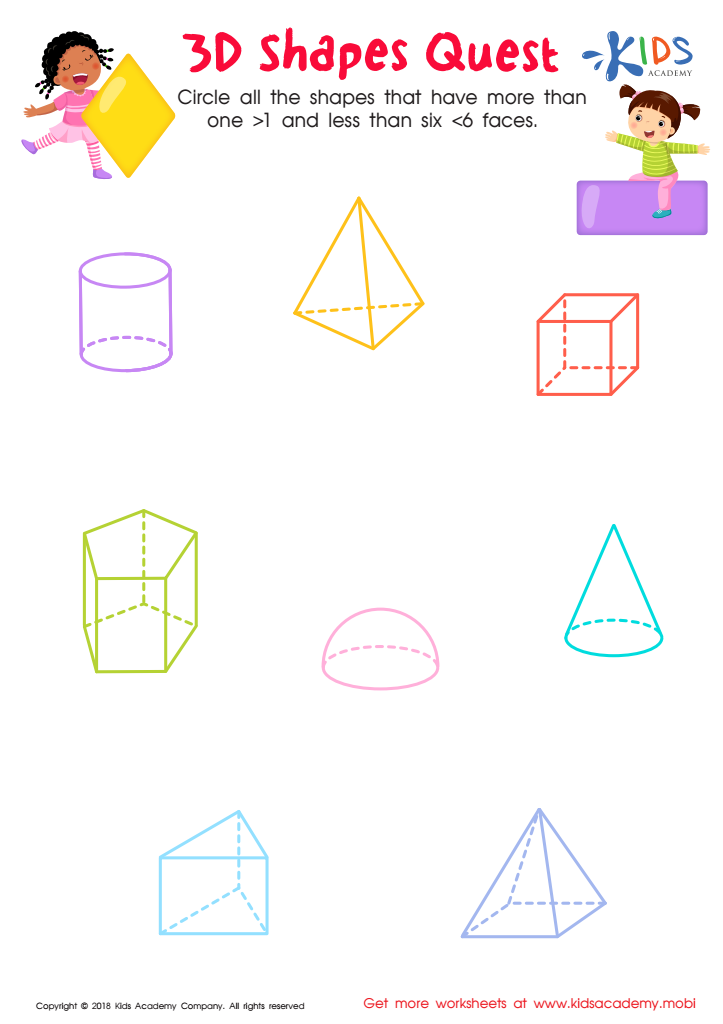
3D Shapes Quest Worksheet
 Assign to My Students











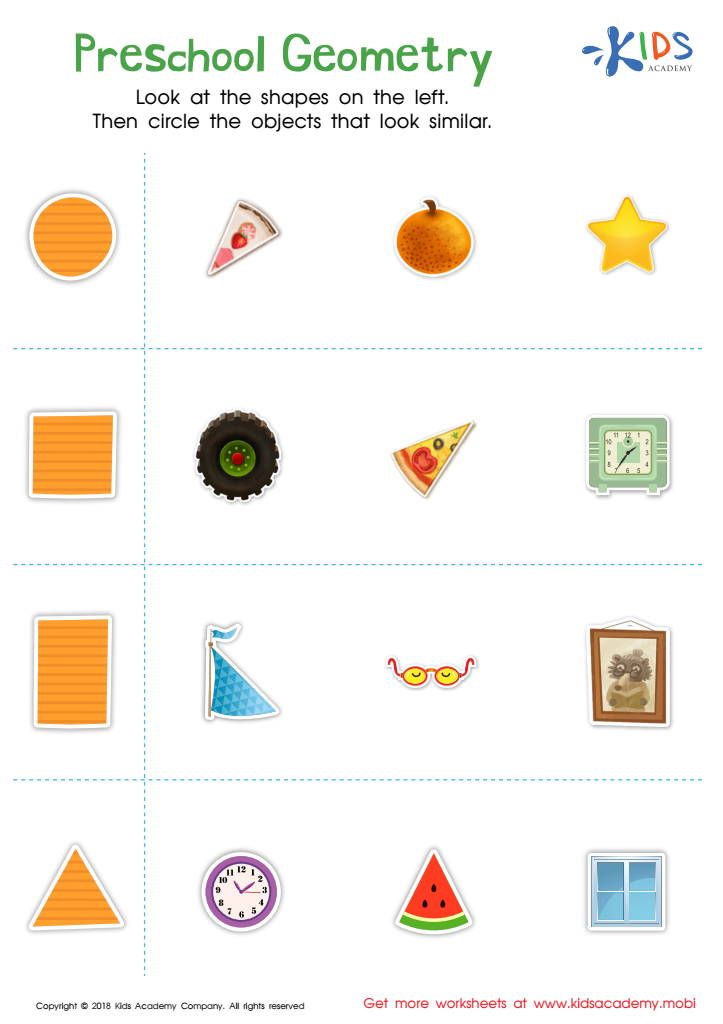
Preschool Geometry Worksheet
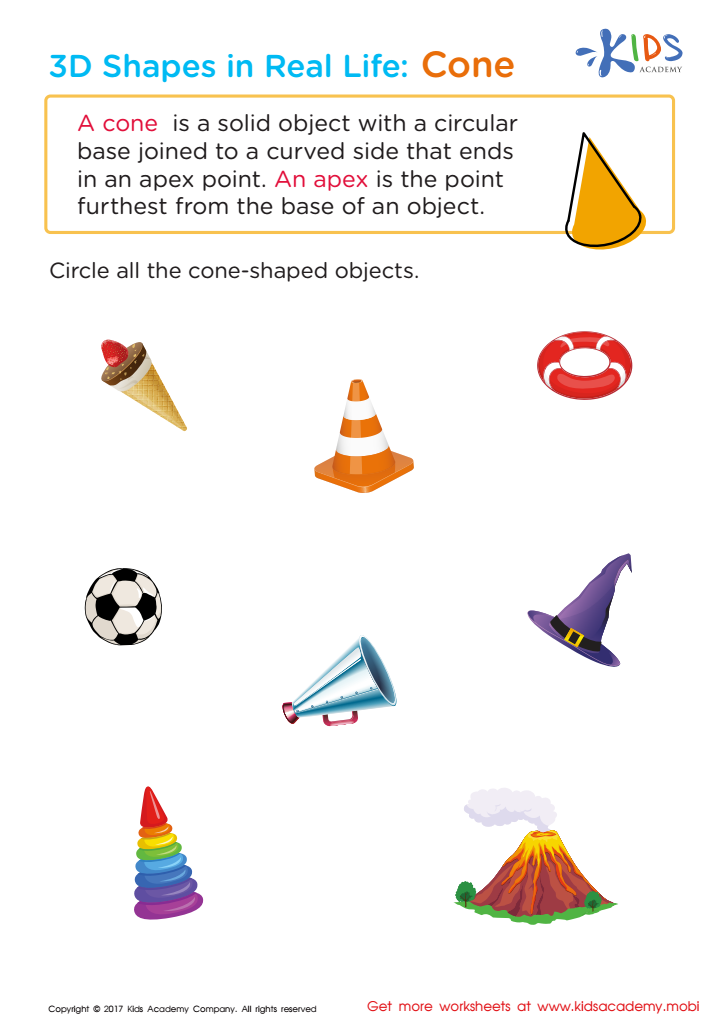
Shapes in Real Life: Cone Worksheet
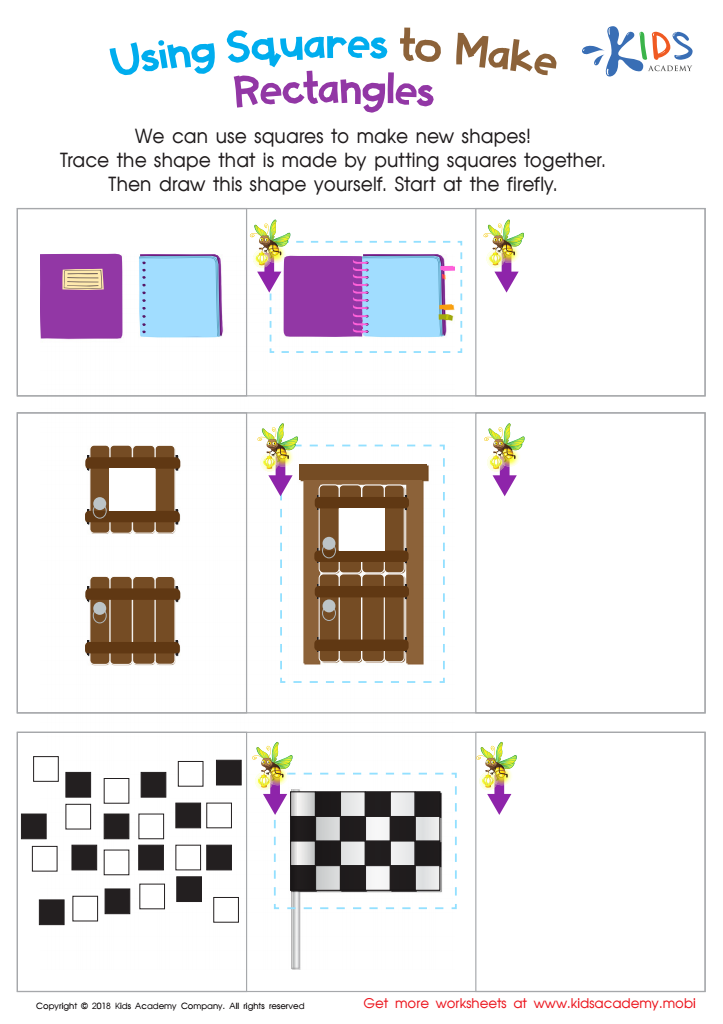
Using Squares to Make Rectangles Worksheet
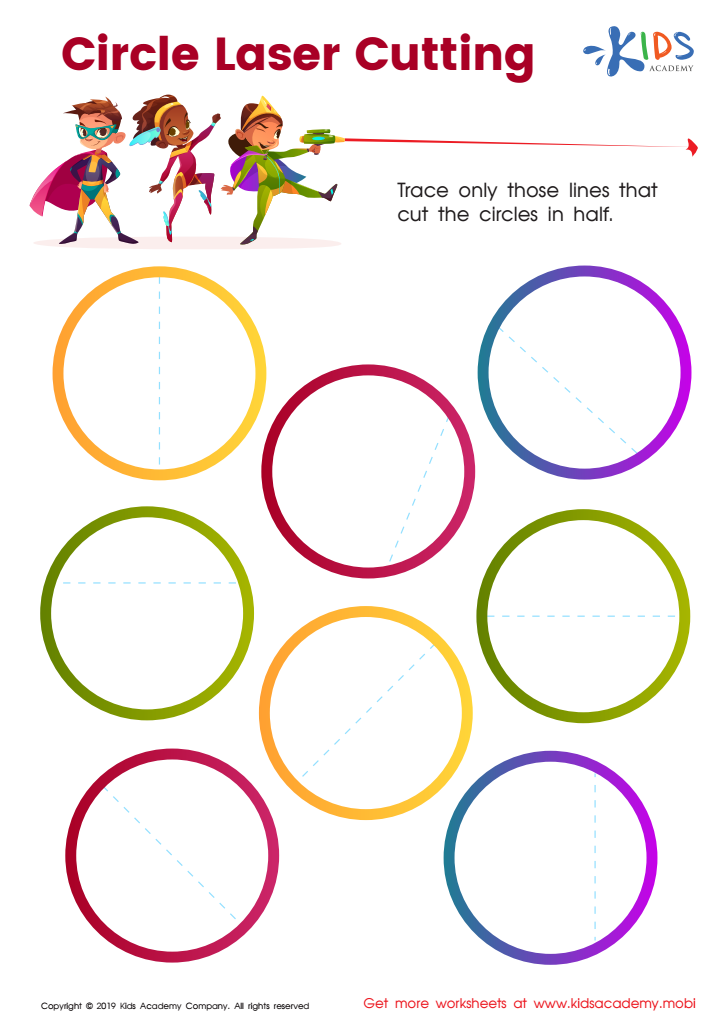
Circle Laser Cutting Worksheet
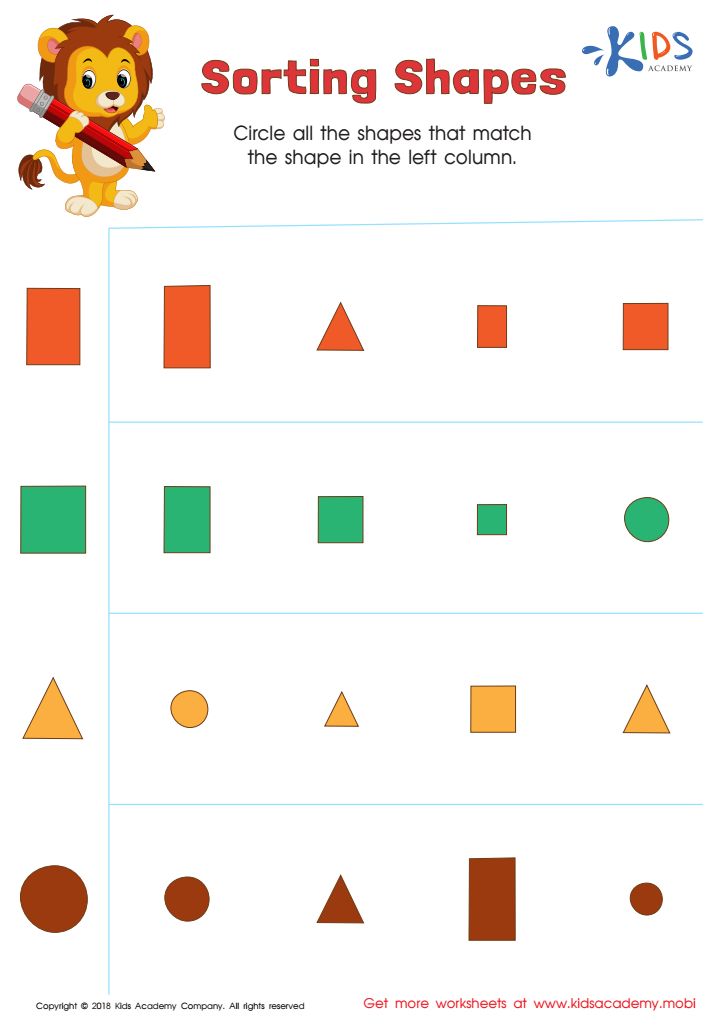
Sorting Shapes - Part 2 Worksheet








Shape recognition and understanding basic geometry are foundational skills for children aged 3-8, and both parents and teachers should prioritize these concepts in early education. Firstly, shape recognition enhances a child’s visual perception and cognitive development. It helps children learn to categorize objects, recognize patterns, and develop critical thinking skills, which are vital for problem-solving later in life.
Furthermore, shape recognition lays the groundwork for more complex mathematical concepts. Understanding shapes is essential for grasping spatial awareness, measurement, and even early algebra. By engaging with shapes, children begin to recognize how they relate to the world around them, fostering an innate curiosity and readiness for learning.
Additionally, these skills aid in fine motor development as children engage with various hands-on activities, such as cutting shapes or assembling puzzles, promoting hand-eye coordination. Socially, group activities involving shapes can enhance teamwork and communication skills.
Lastly, consistent exposure to geometric concepts through play, art, and conversation strengthens a child’s confidence in their abilities. Prioritizing shape recognition is not just about geometry; it plays a critical role in overall development, preparing children for future academic challenges and enriching their everyday experiences.








