Vocabulary Building Normal Math Worksheets for Ages 3-8
7 filtered results
-
From - To
Enhance your child's vocabulary and math skills with our engaging vocabulary building normal math worksheets, specially designed for ages 3-8! These interactive resources blend essential math concepts with rich vocabulary development, ensuring a fun and educational experience. Each worksheet focuses on age-appropriate vocabulary related to numbers, shapes, and measurements, fostering a love for learning while boosting confidence in mathematical understanding. Perfect for both at-home learning and classroom use, our worksheets offer diverse activities that captivate young minds. Break down complex terms and build a strong foundation for future learning with our vibrant, easy-to-use worksheets. Start your child’s vocabulary journey today!
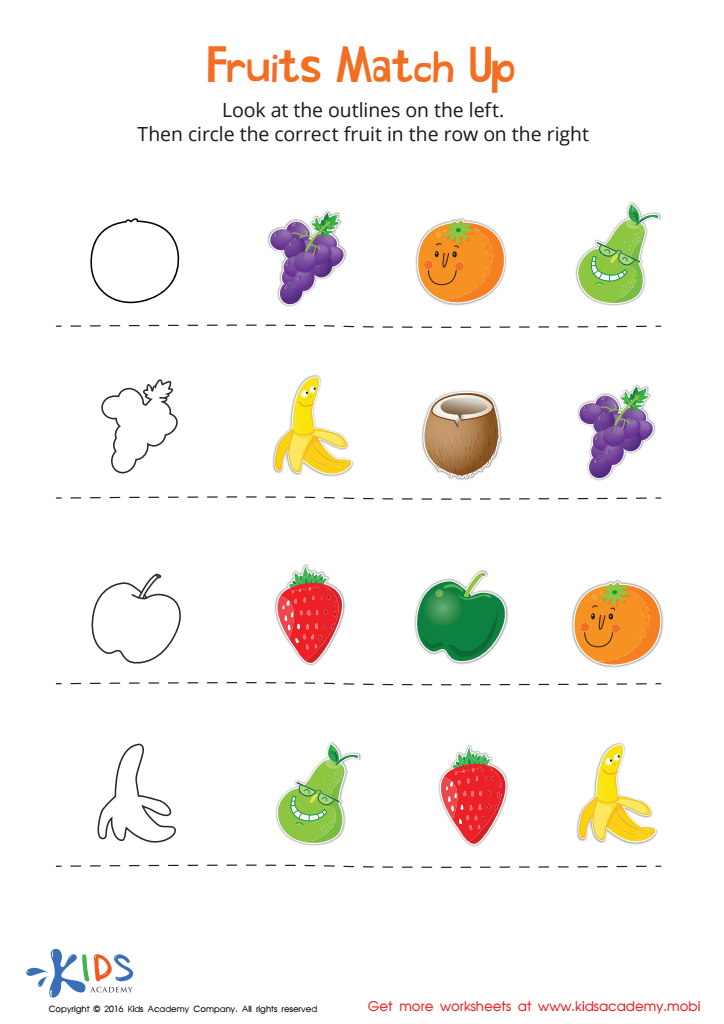
Fruits Match Up Worksheet
 Assign to My Students
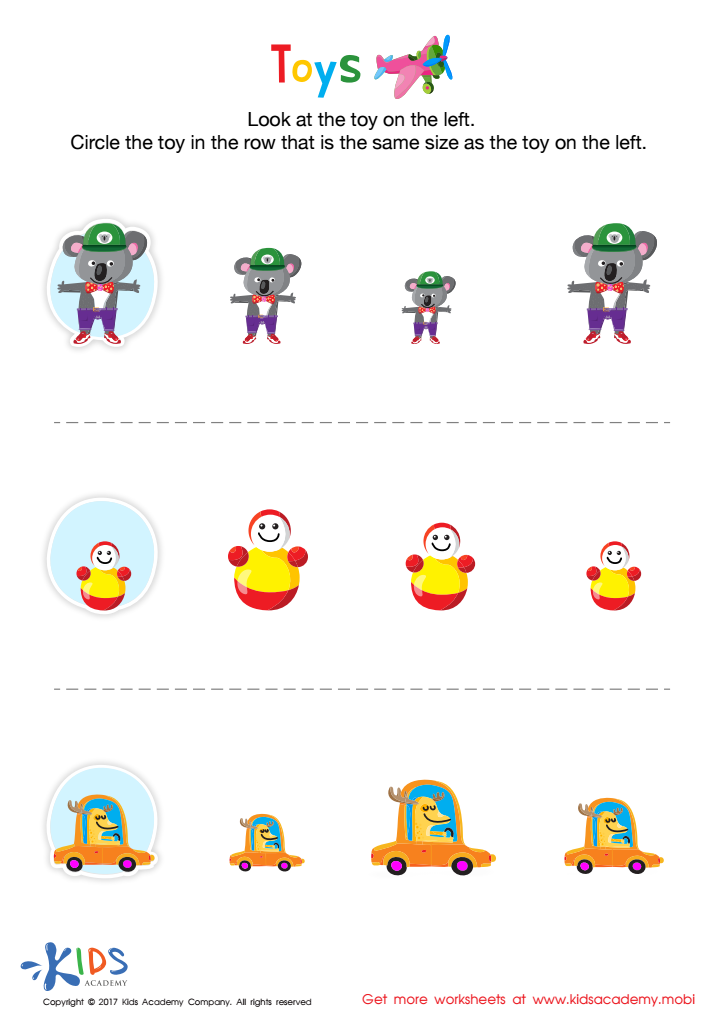
Matching: Classifying Toys by Size Worksheet
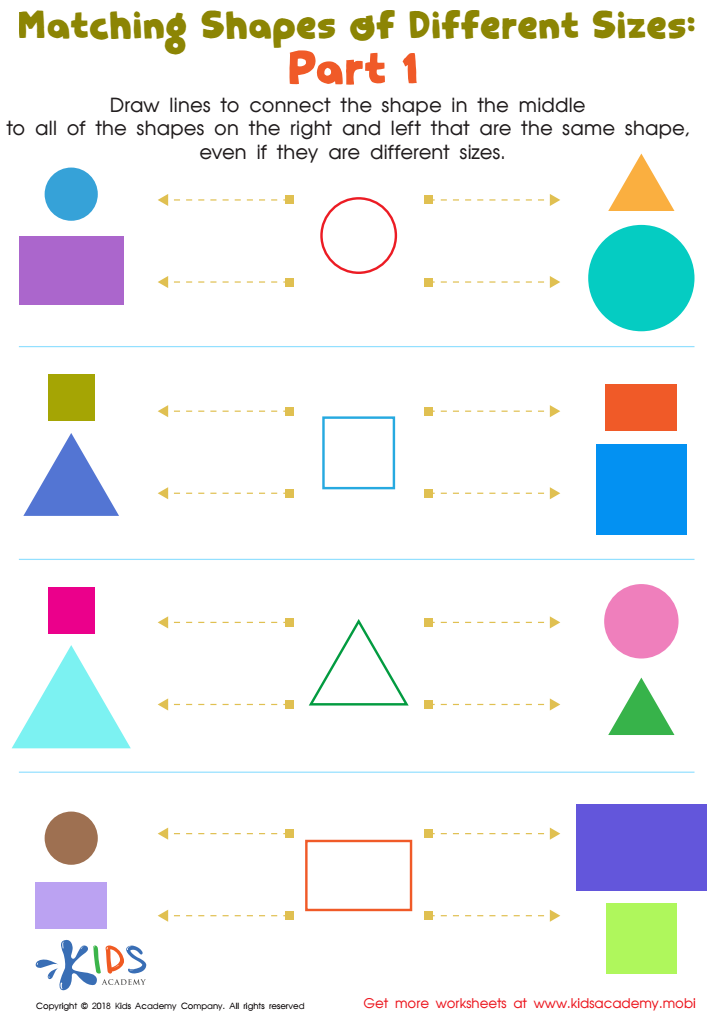
Geometry: part 1 Worksheet
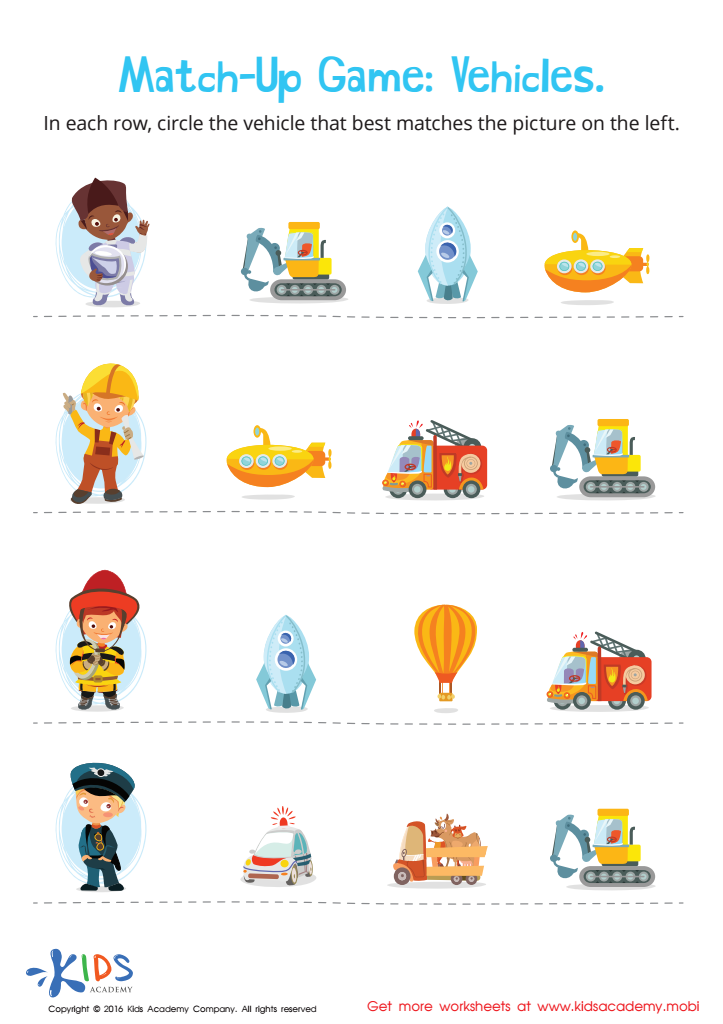
Vehicles Worksheet
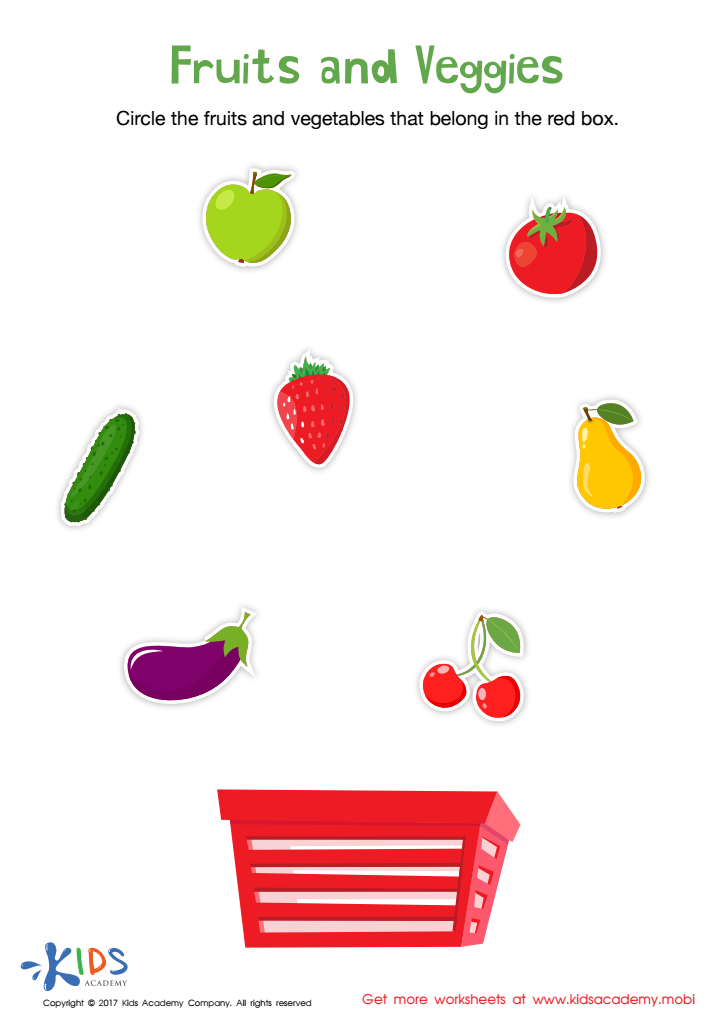
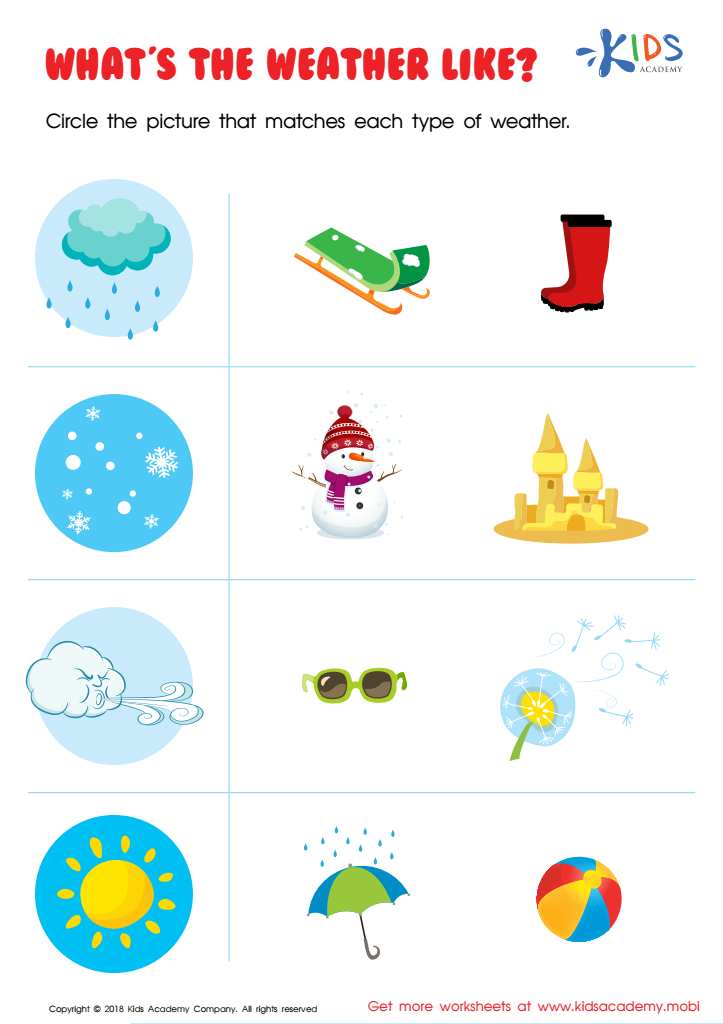
What's the Weather Like? Worksheet
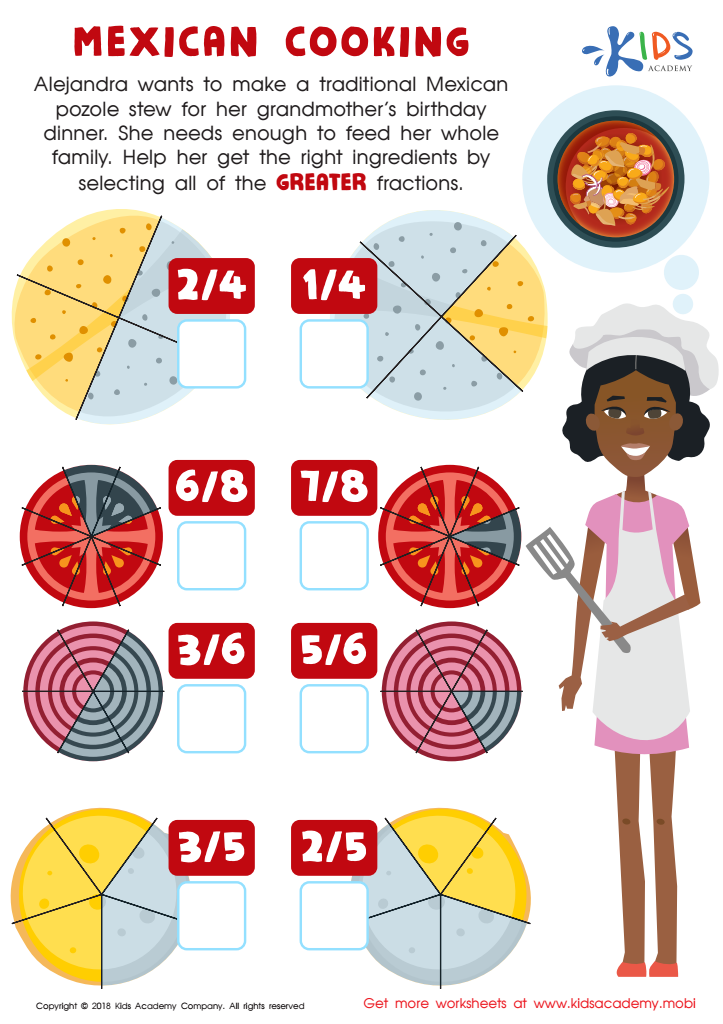
Mexican Cooking Worksheet



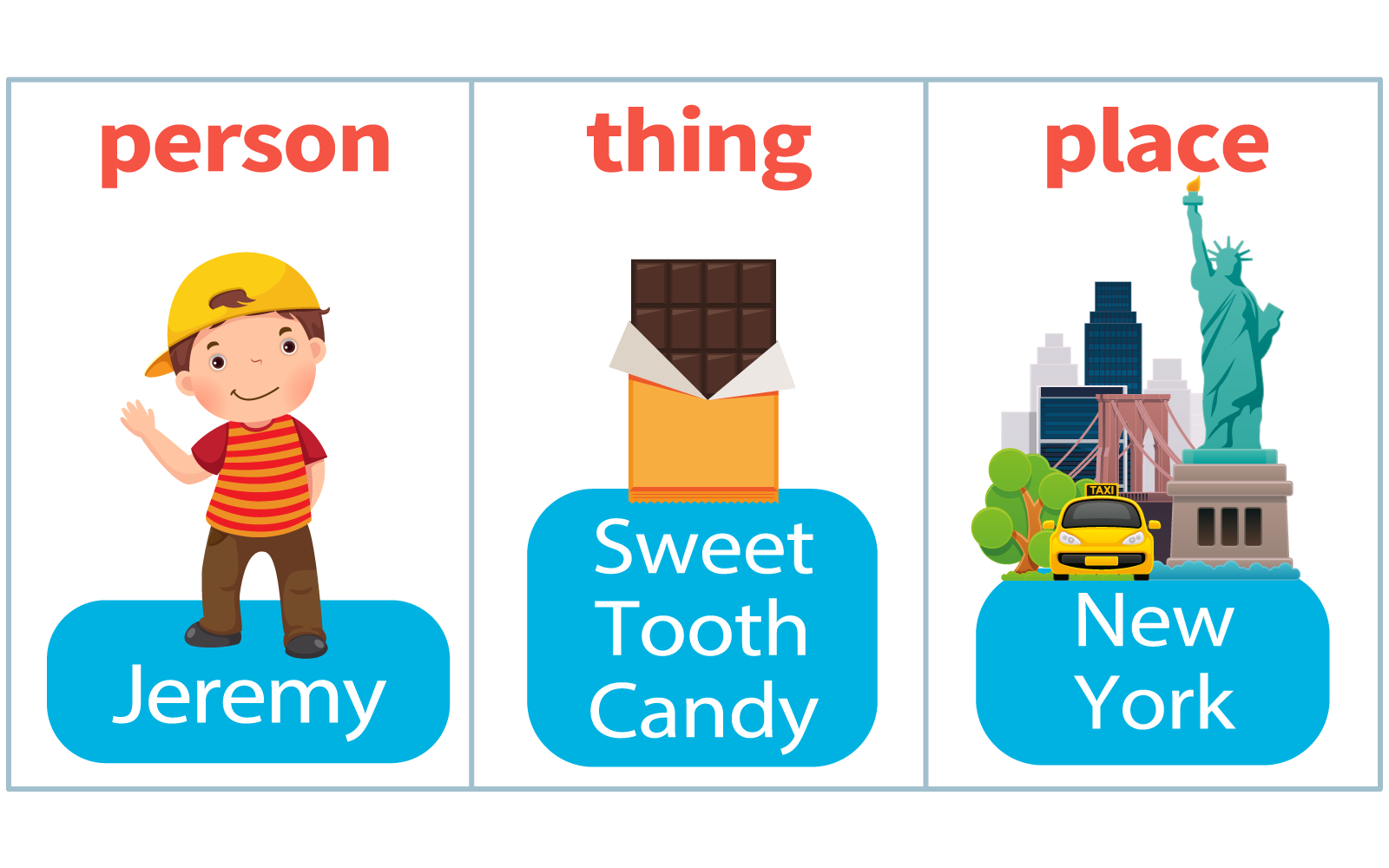


.jpg)

Vocabulary building in young children is crucial for their overall cognitive, social, and academic development. For ages 3-8, vocabulary acts as the foundation for effective communication, comprehension, and critical thinking skills. Strong vocabulary skills facilitate learning in areas beyond language, such as mathematics.
In the context of mathematics, a child's ability to articulate and understand concepts like "more," "less," "equal," and "difference" is essential for their success in solving problems and engaging in mathematical discussions. Normal math at this age introduces basic concepts of counting, shapes, and measurements, which heavily relies on vocabulary comprehension. As children learn to use mathematical terms, they also enhance their learning experience and build confidence.
Furthermore, children who possess a rich vocabulary are more likely to excel academically, as they can improve their reading comprehension and be better equipped to engage with their peers and teachers. By prioritizing vocabulary development alongside normal math, parents and teachers foster an environment where children not only learn to solve equations but also articulate their thought processes clearly.
Investing in vocabulary building at a young age sets the stage for lifelong learning, critical thinking, and effective communication, making it imperative for adults in a child's life to take an active role in this developmental milestone.








