Normal Place Value Worksheets for Ages 3-8 - Page 2
43 filtered results
-
From - To
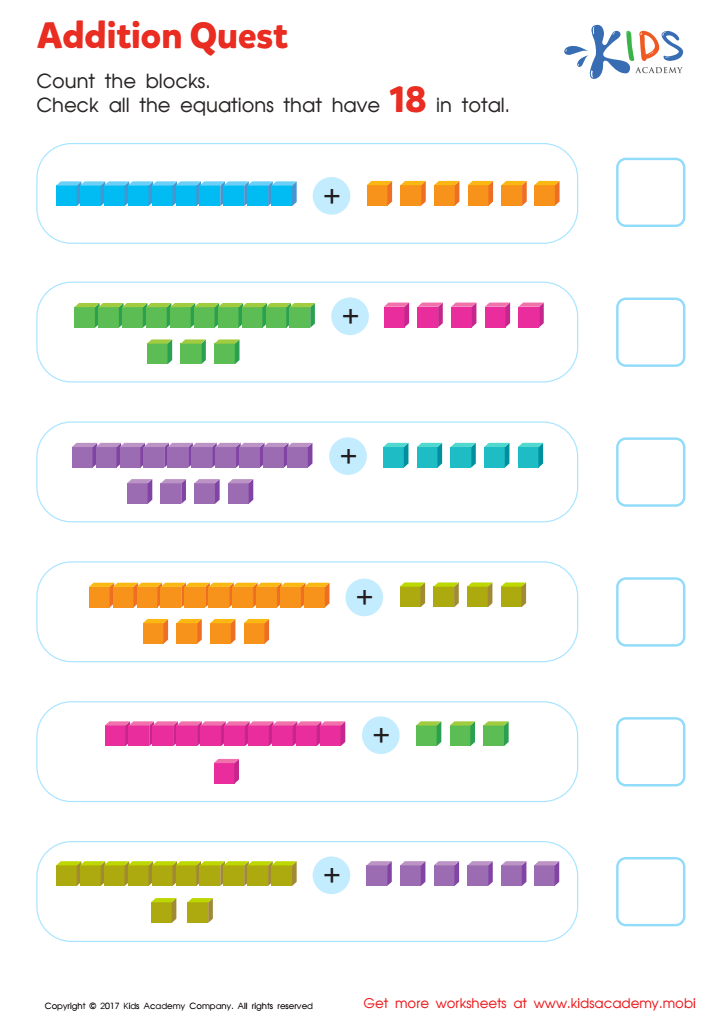
Addition Quest Worksheet: Part 2
 Assign to My Students

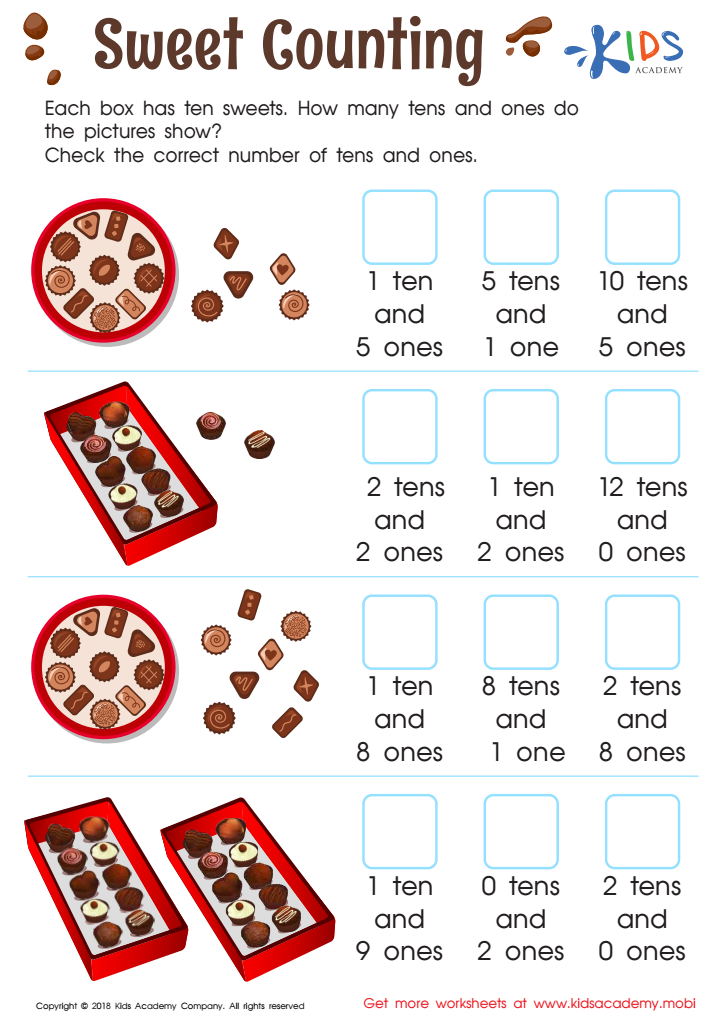
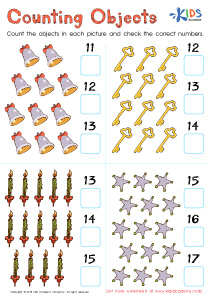
Sweet Counting - Part 2 Worksheet
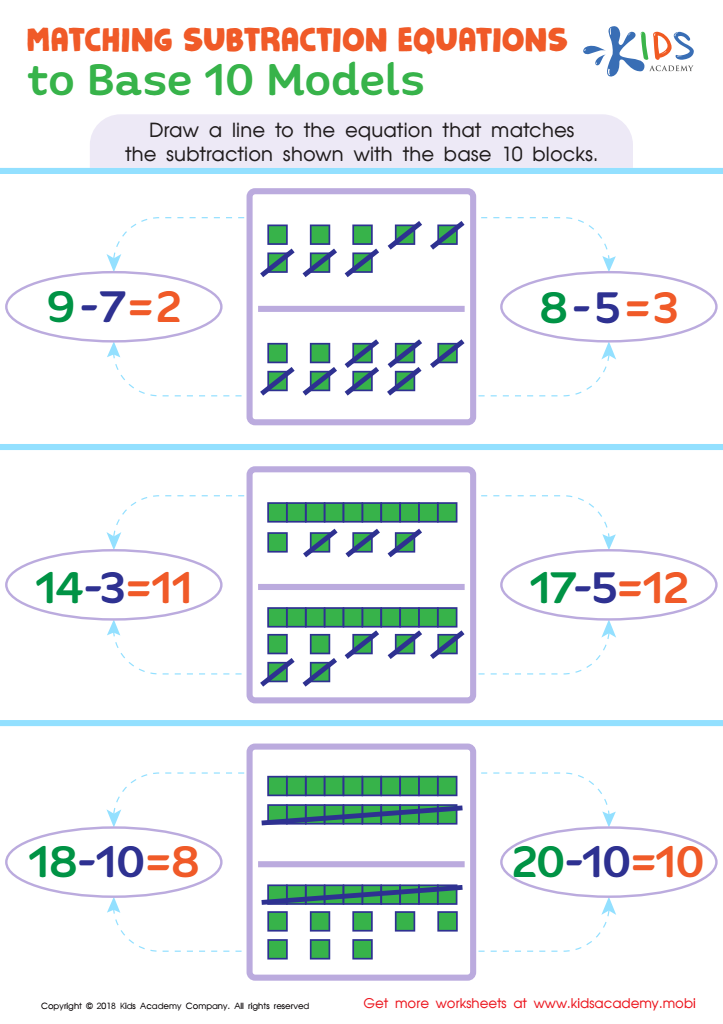
Matching Subtraction Equations To Base 10 Models Worksheet
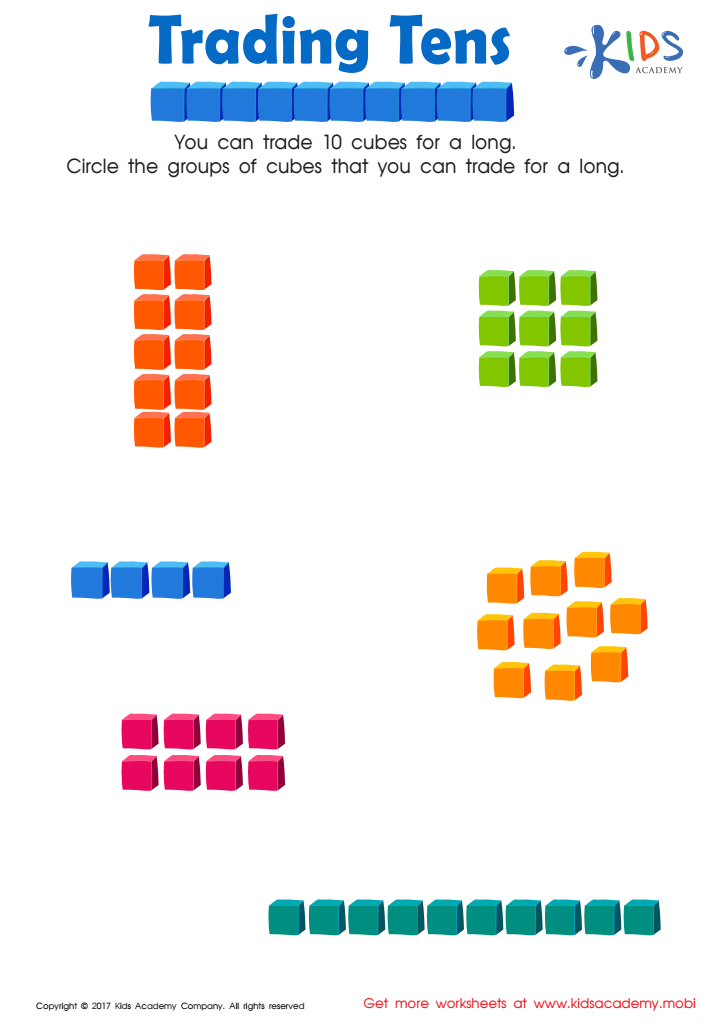
Trading Tens Worksheet
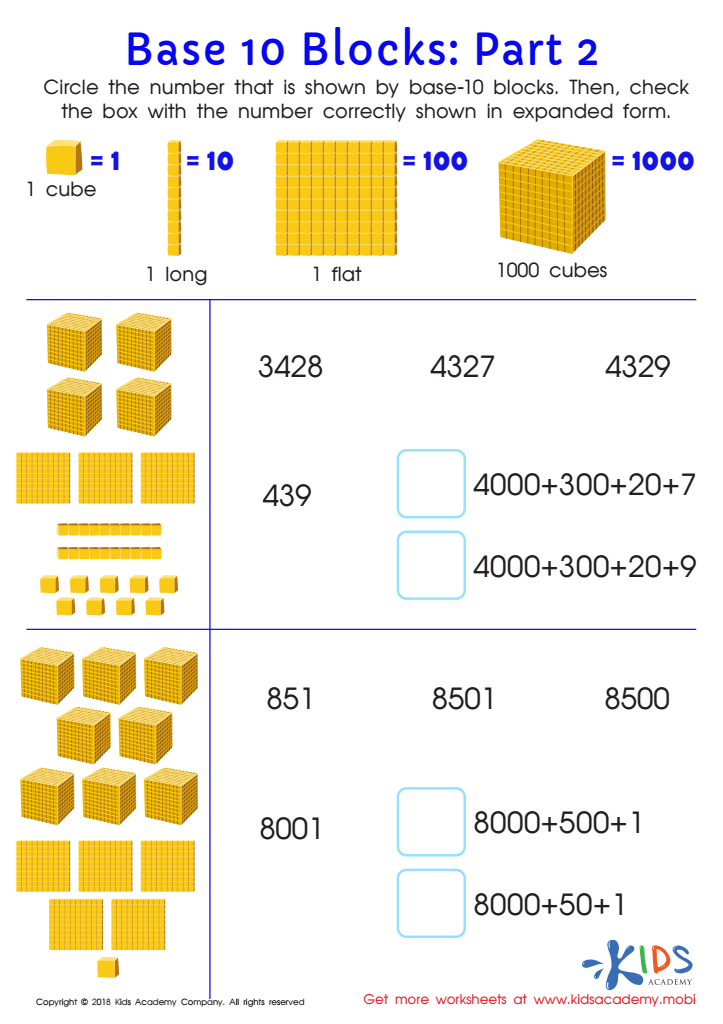
Base 10 Blocks Worksheet: Part 2
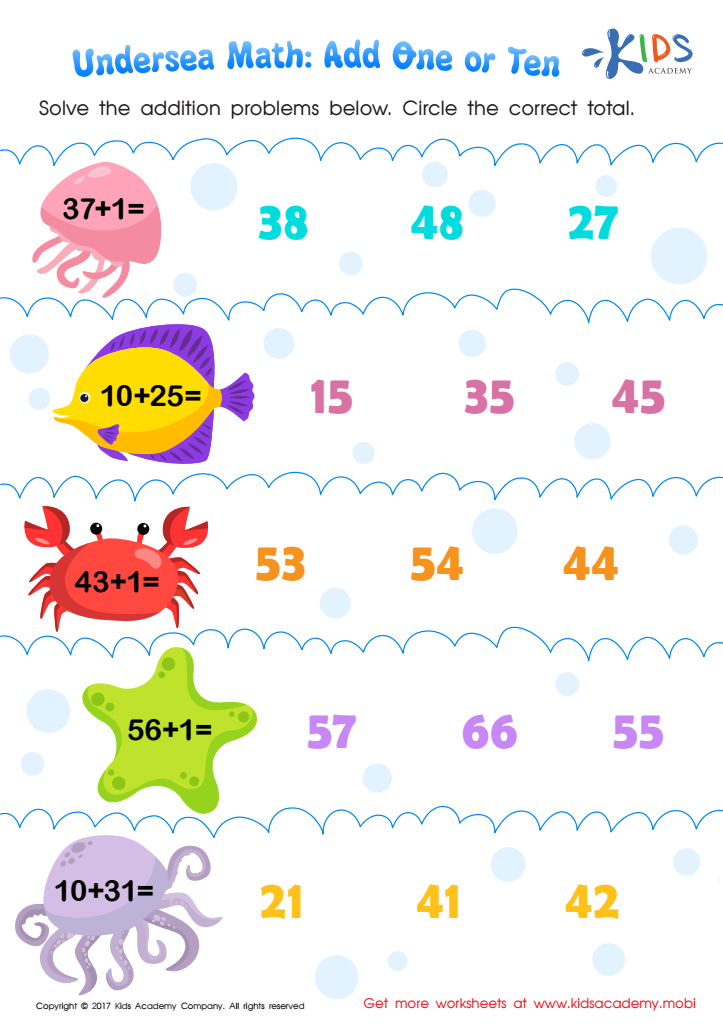
Undersea Math Worksheet
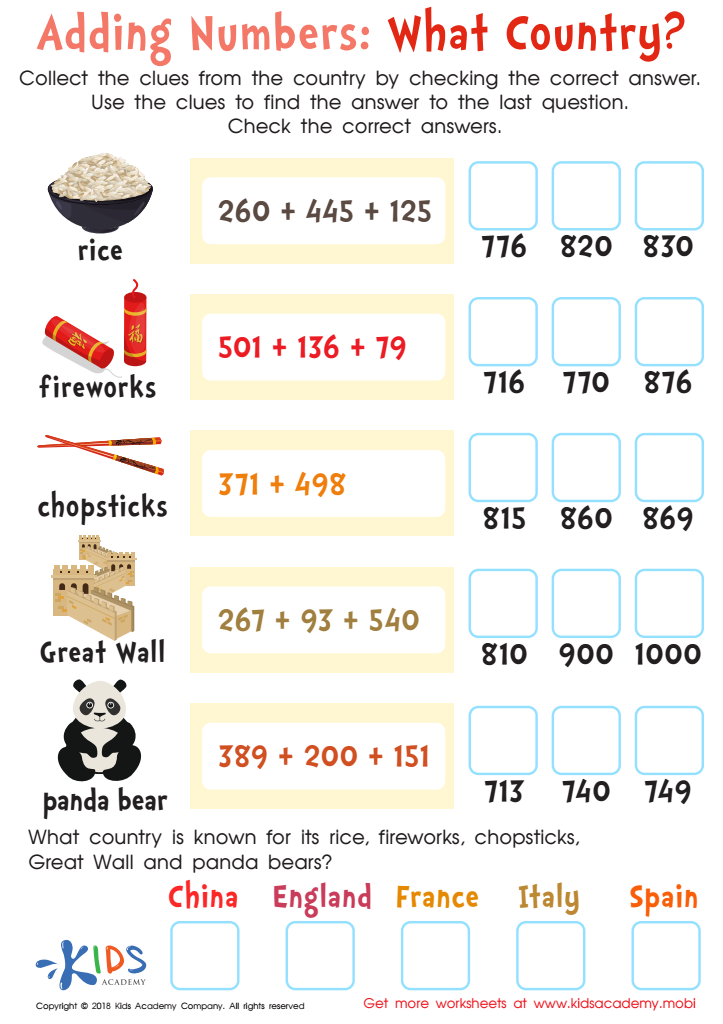
Adding Numbers: What Country Worksheet
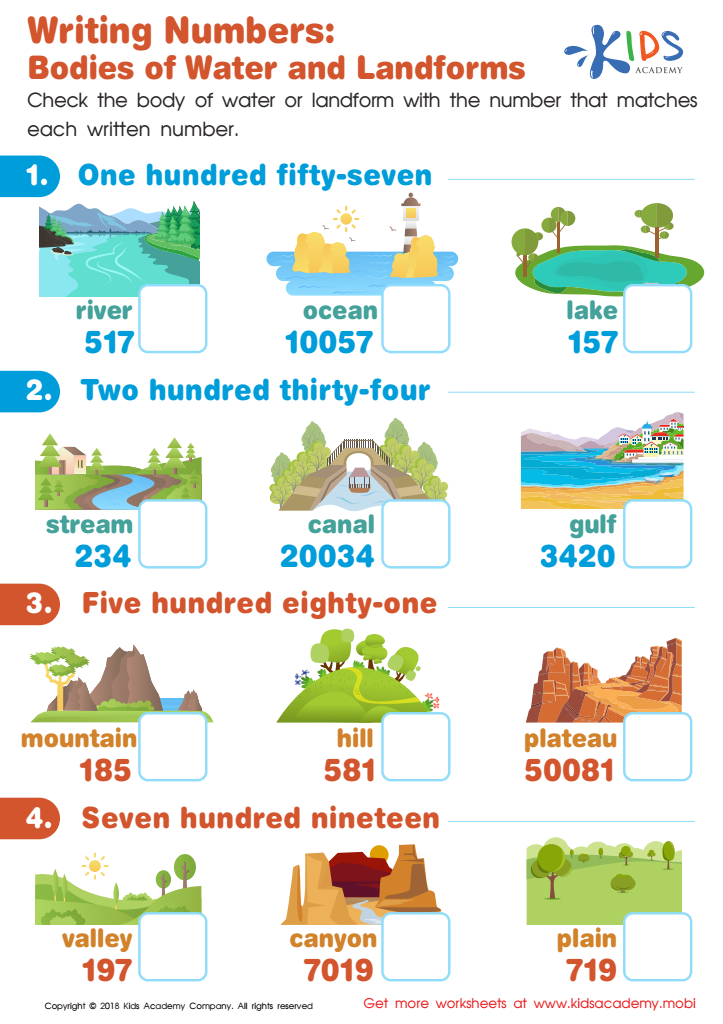
Bodies of Water and Landforms Writing Numbers Worksheet
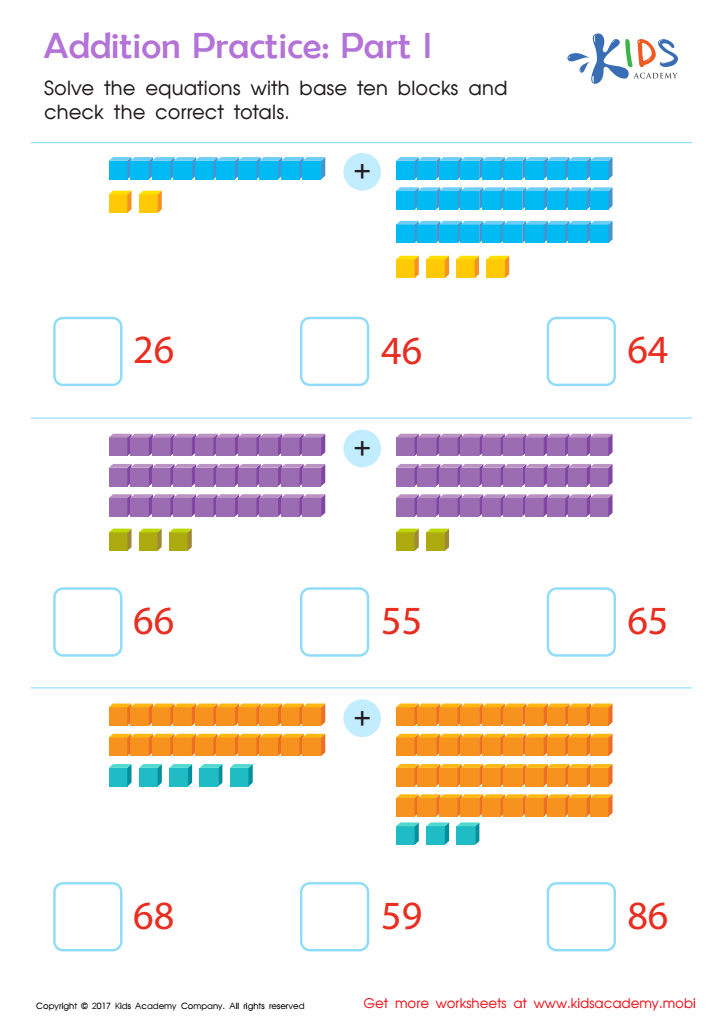
Addition Practice Sheet: Part 1
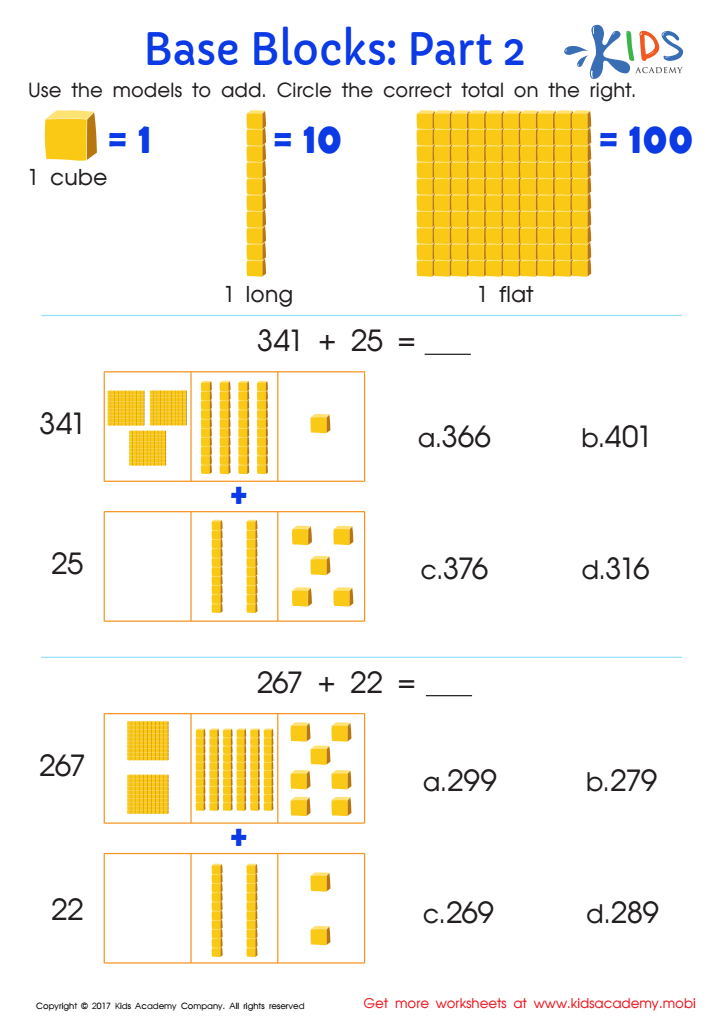
Base Ten Blocks Worksheet: Part 2
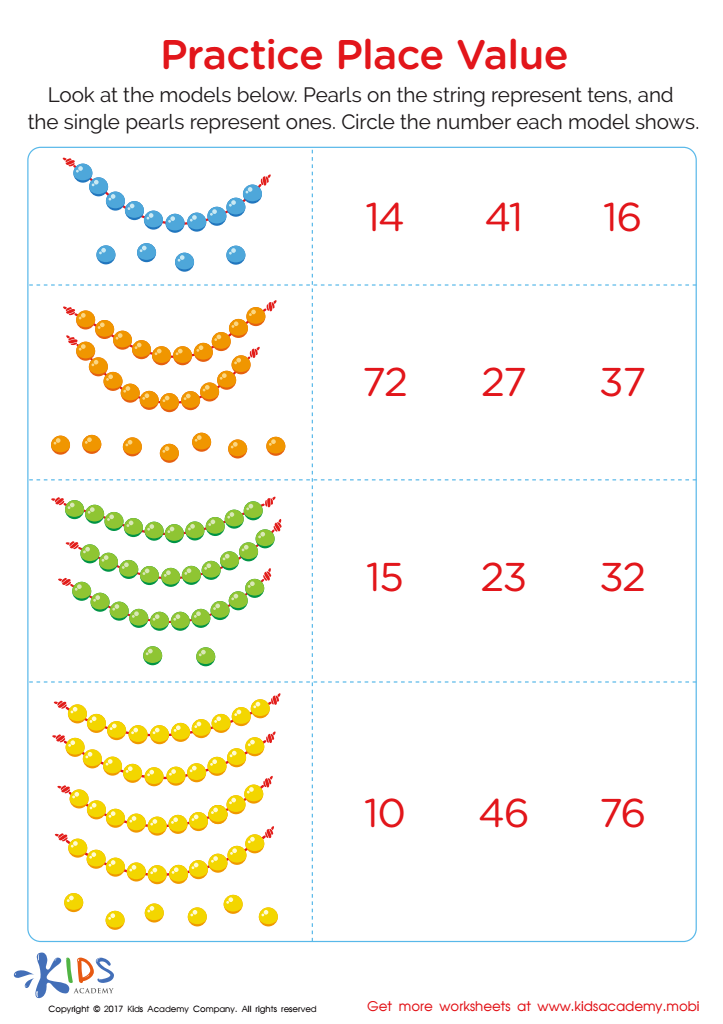
Practice Place Value Printable
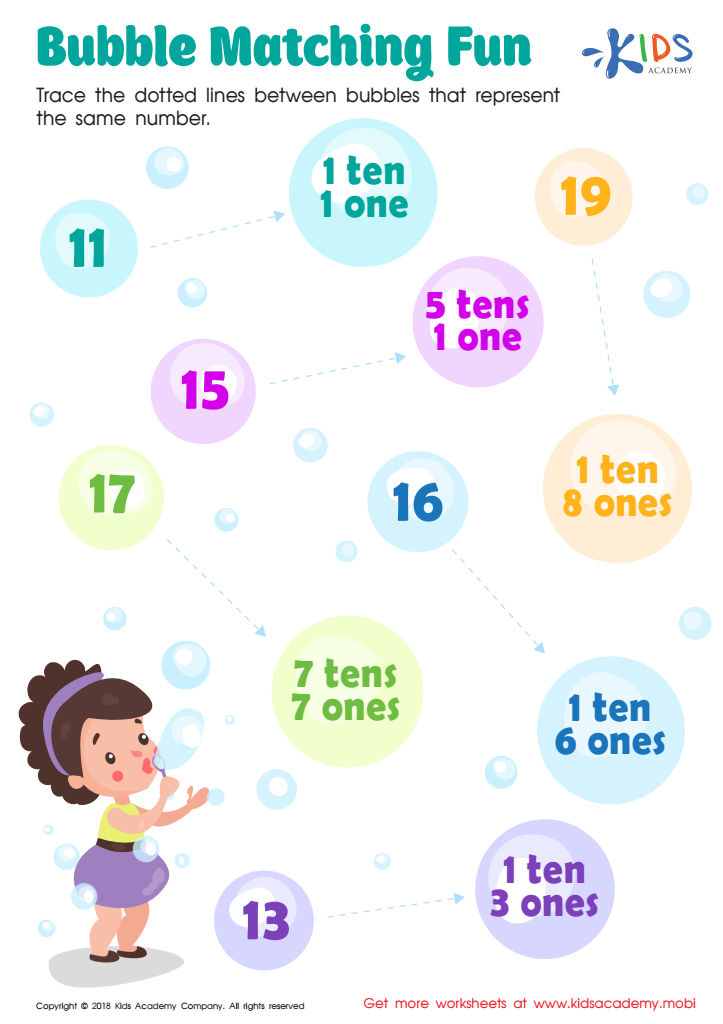
Bubble Matching Fun Worksheet
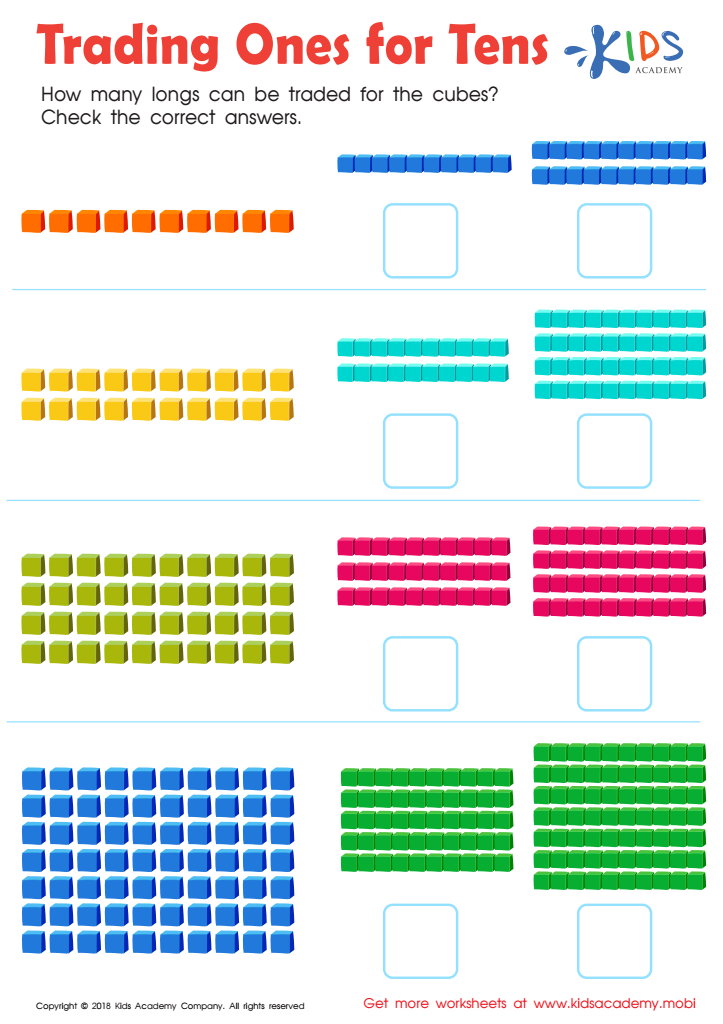
Trading Ones for Tens Worksheet: Part 2
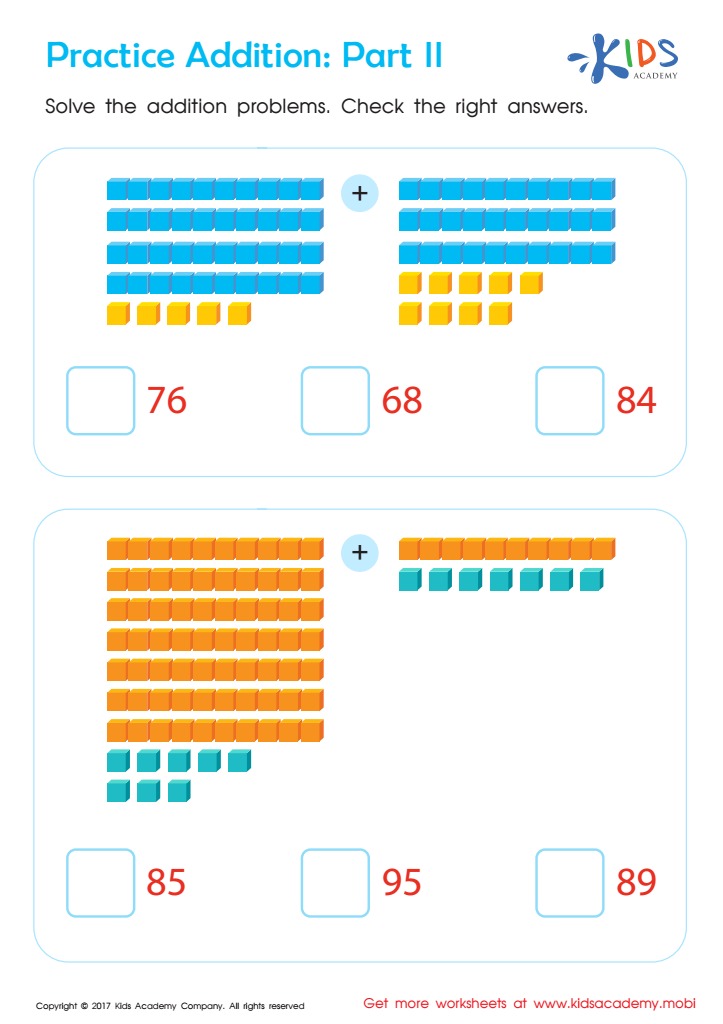
Practice Addition: Part 2 Worksheet
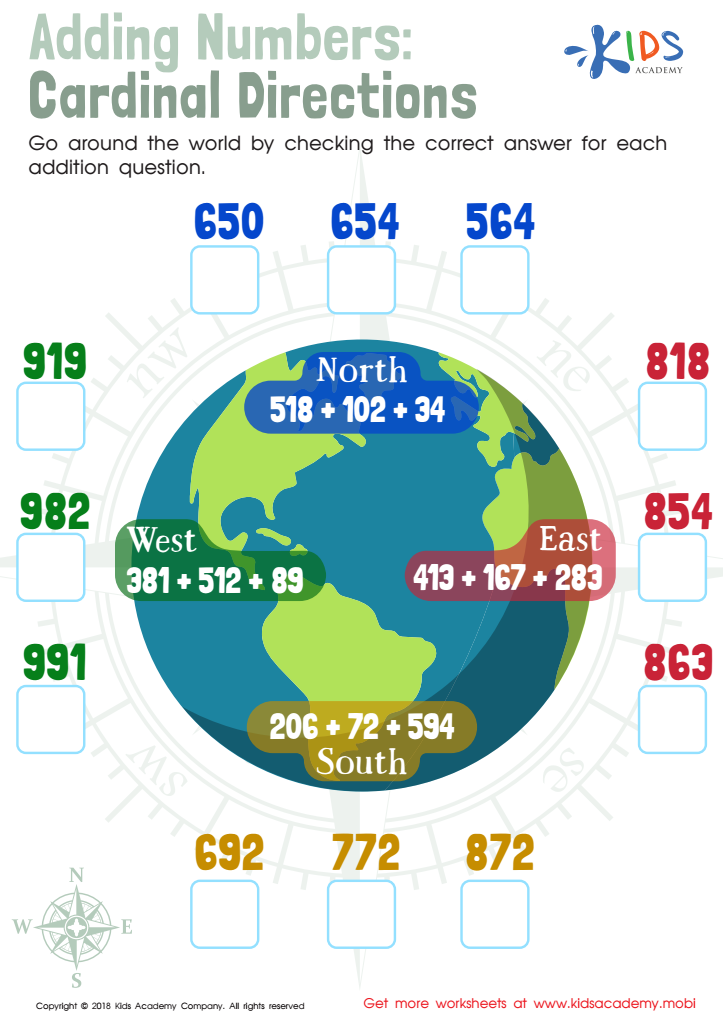
Adding Numbers: Cardinal Directions Worksheet
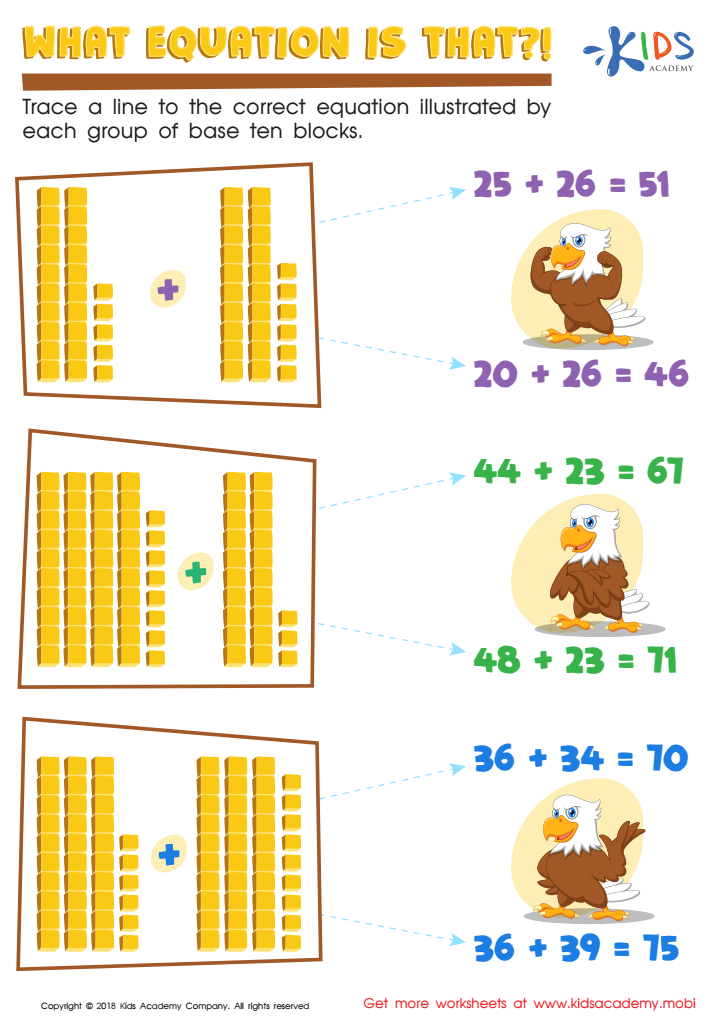
What Equation Is That? Worksheet
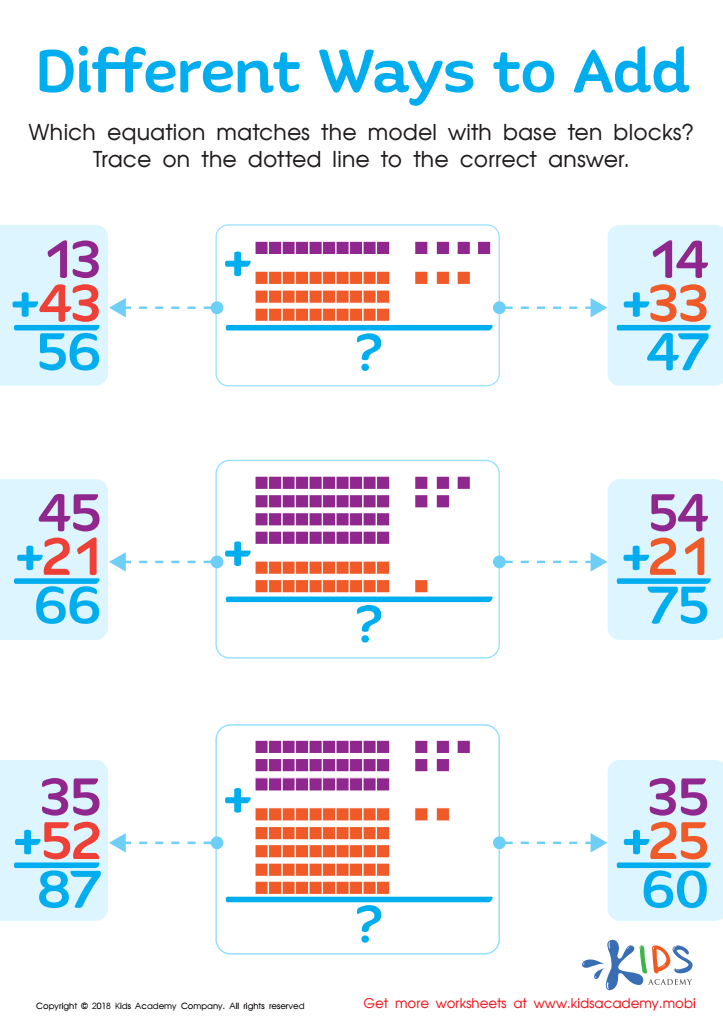
Different Ways to Add Worksheet
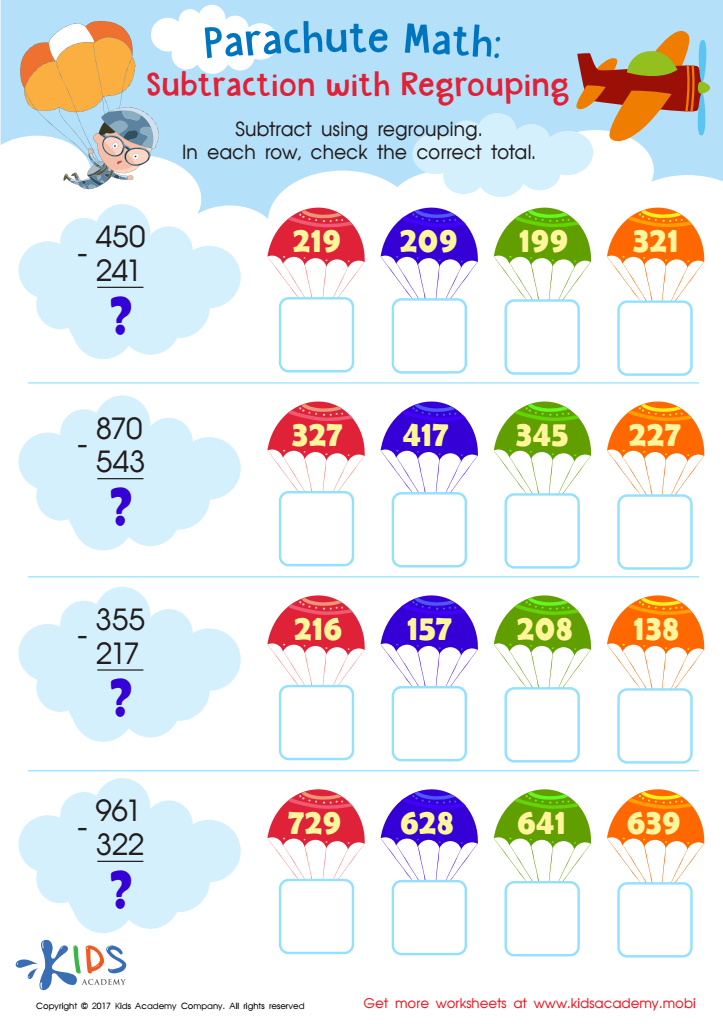
Subtraction with Regrouping for 3rd Grade Worksheet
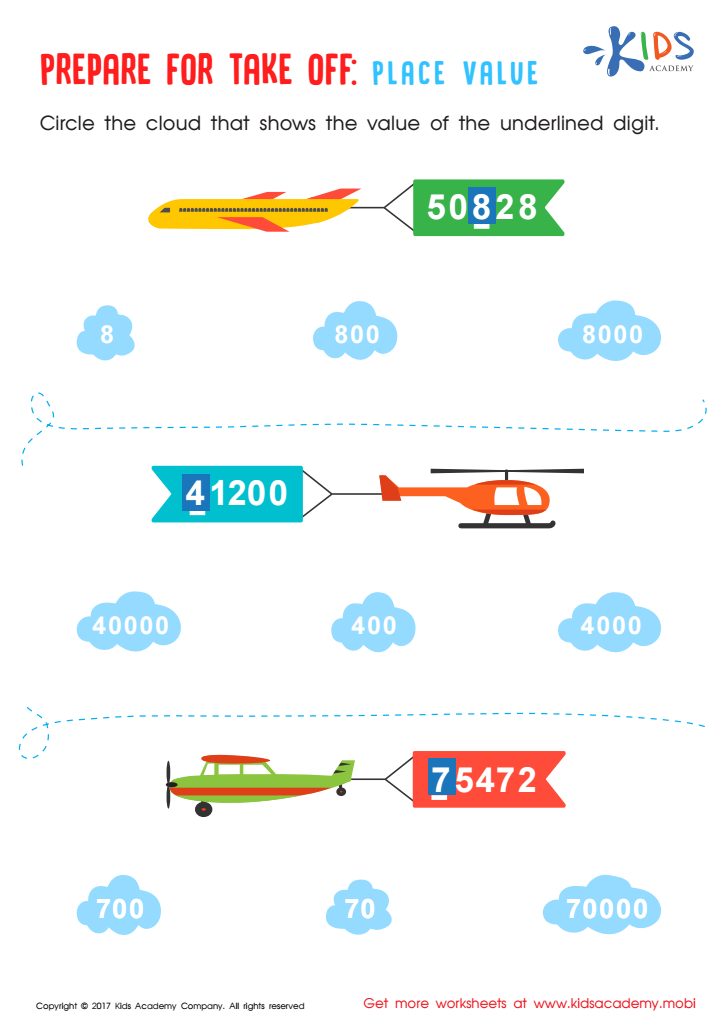
Free Place Value Worksheet for 3rd Grade








Understanding normal place value is foundational for young children's mathematics development, making it crucial for parents and teachers to emphasize with children aged 3-8. Place value is the concept that the position of a digit in a number determines its value. For instance, in the number 345, the "3" represents three hundreds, the "4" represents four tens, and the "5" represents five ones. This understanding underlies all arithmetic operations, including addition, subtraction, multiplication, and division.
By grasping place value, children can better comprehend more complex math concepts and develop number sense. Engaging with place value through hands-on activities and practical examples helps children recognize patterns, undertake accurate calculations, and solve problems efficiently. Furthermore, a firm grip on place value aids in the understanding of our base-10 system, which is applied in other contexts including measurement, money, and time.
For parents, promoting place value understanding means setting children up for future academic success. For teachers, it involves using precise vocabulary, visual aids, and interactive learning strategies to reinforce these concepts in a fun and comprehensible way.
Early proficiency becomes a springboard, fueling confidence and a positive attitude towards mathematics, ultimately empowering children to approach more advanced topics with assuredness and curiosity. Thus, integrating robust place value teaching in early education is instrumental for long-term educational benefits.