Normal Reading Worksheets for Ages 3-8 - Page 14
354 filtered results
-
From - To
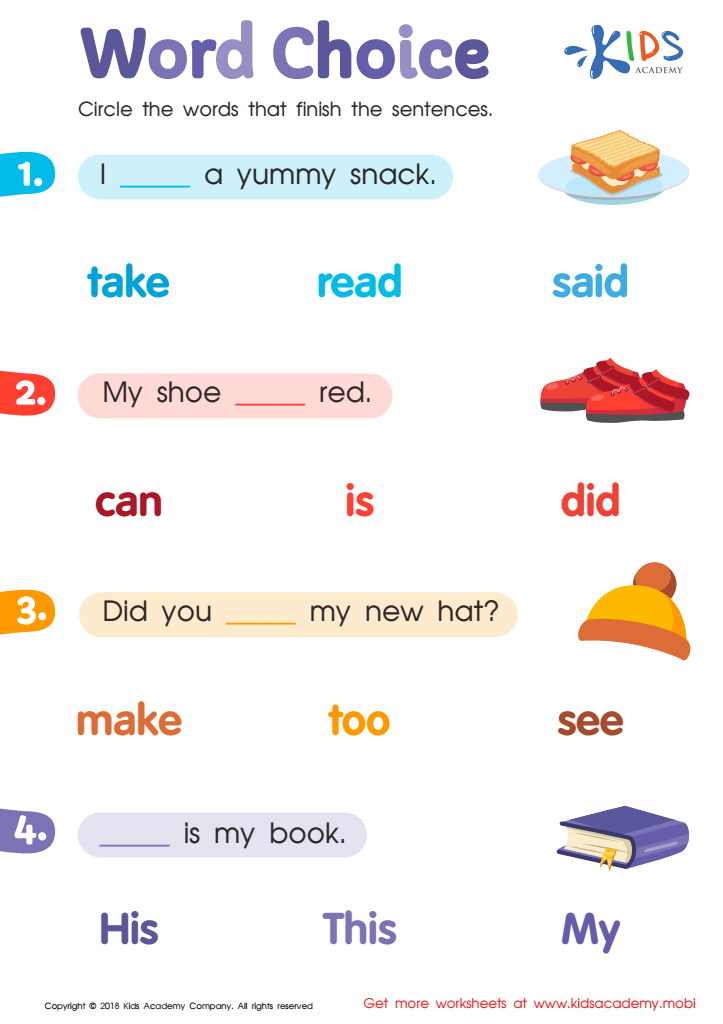
Word Choice Worksheet
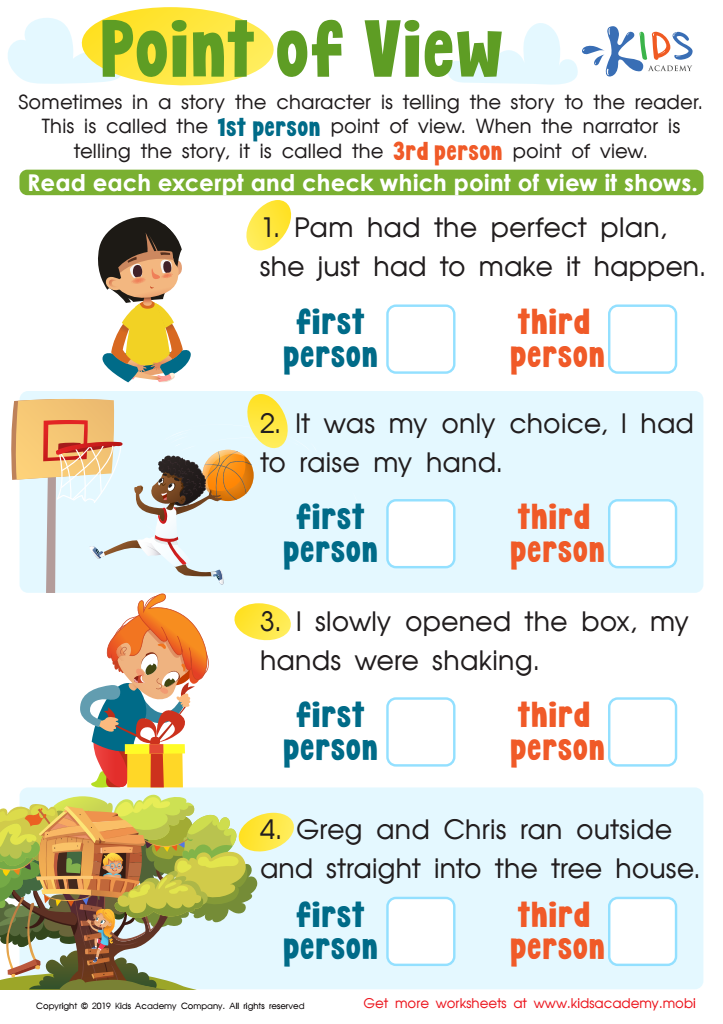
Point of View Printable
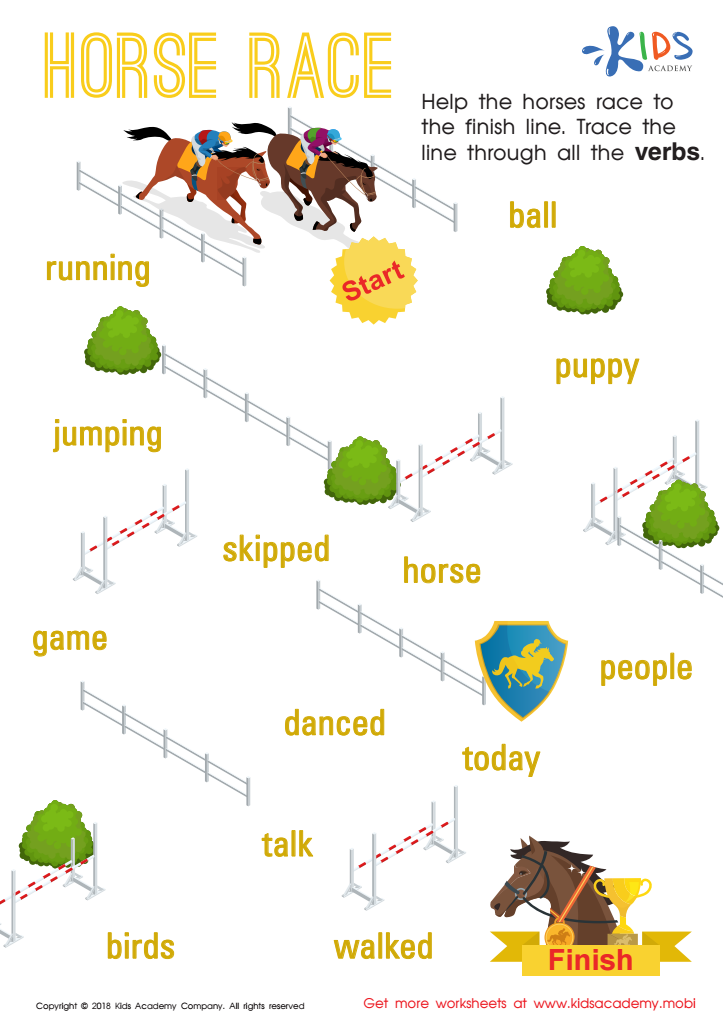
Horse Race Worksheet
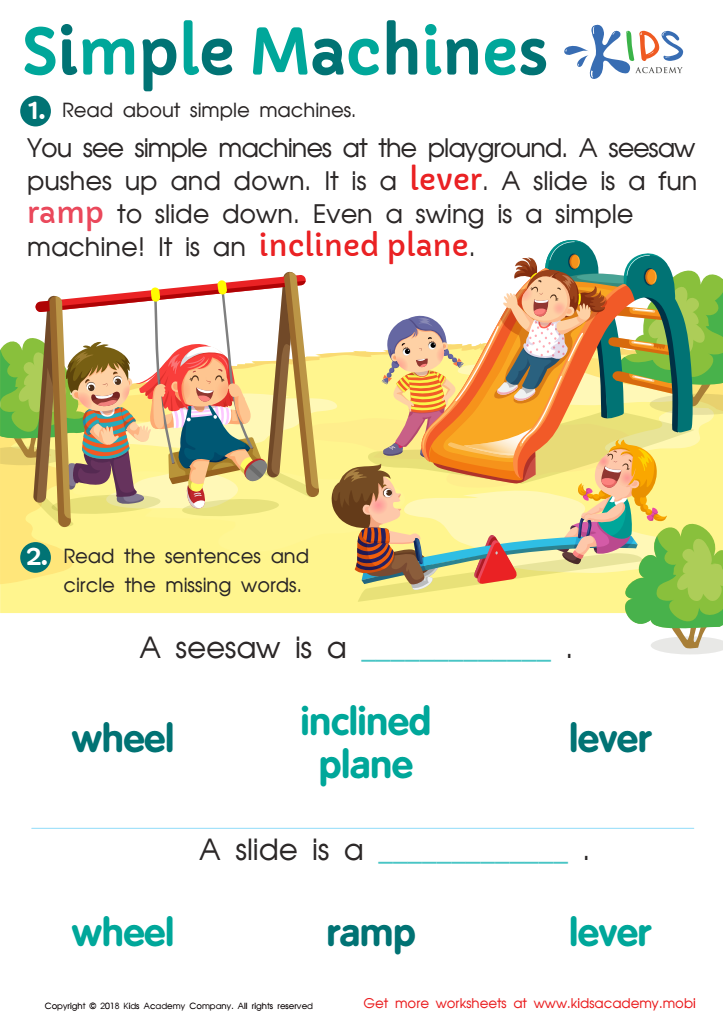
Simple Machines Worksheet
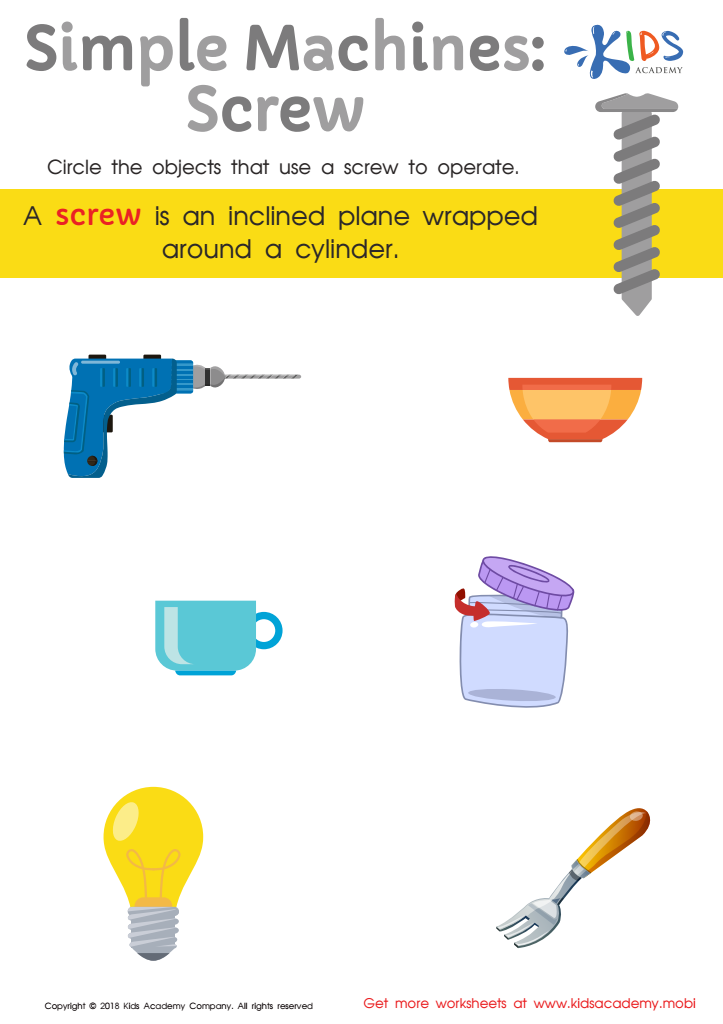
Simple Machines: Screw Worksheet
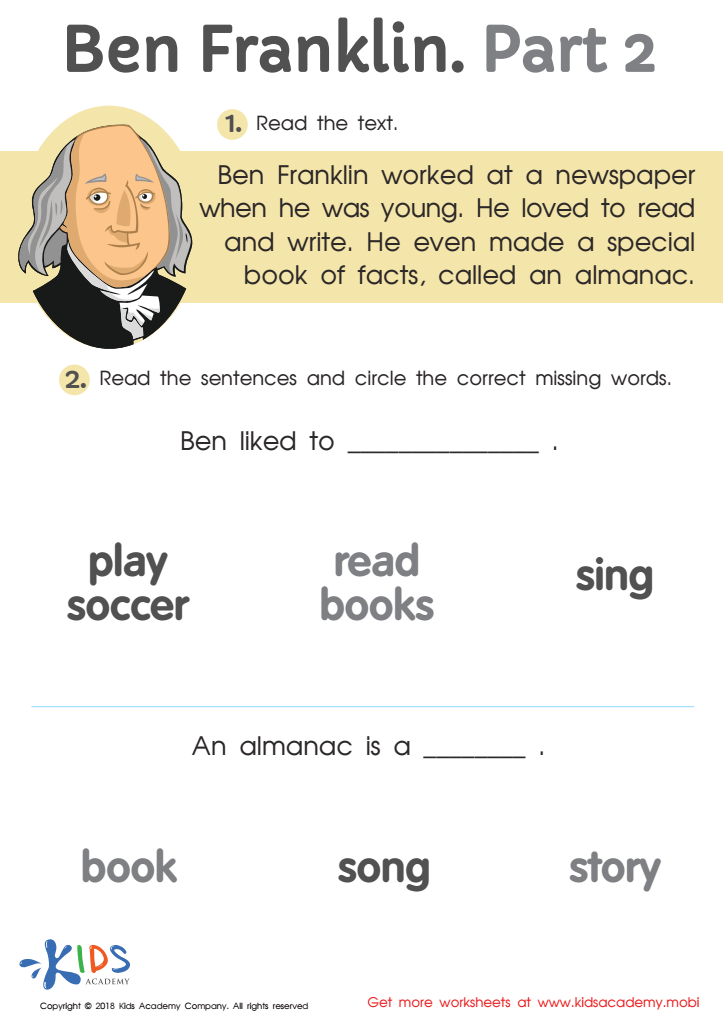
Ben Franklin Part 2 Worksheet
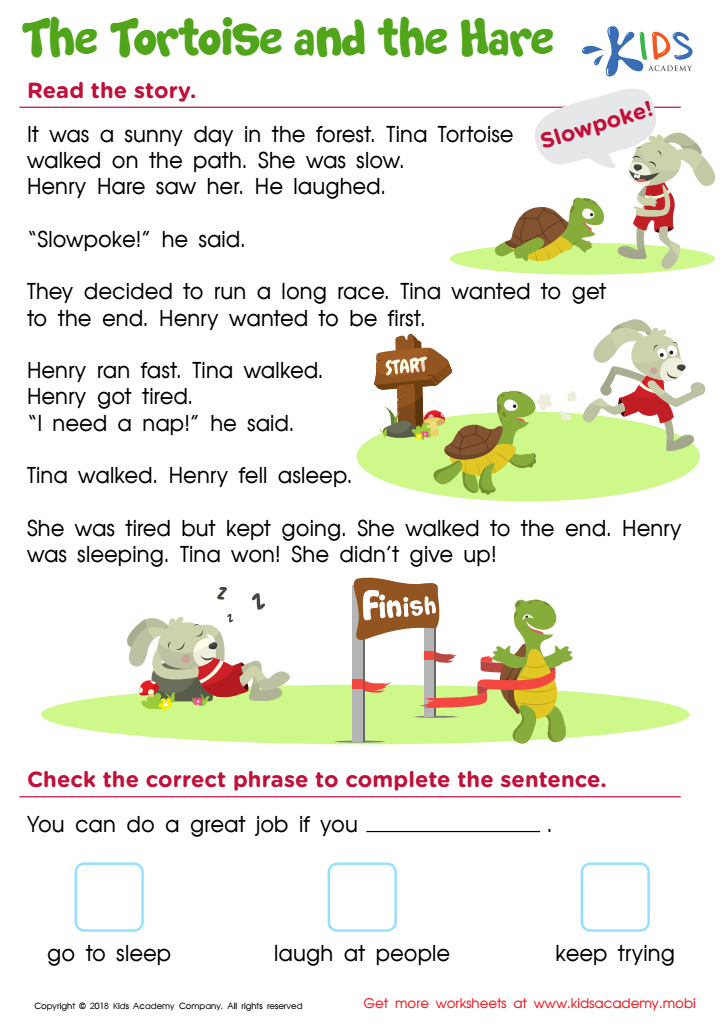
The Tortoise and the Hare Worksheet
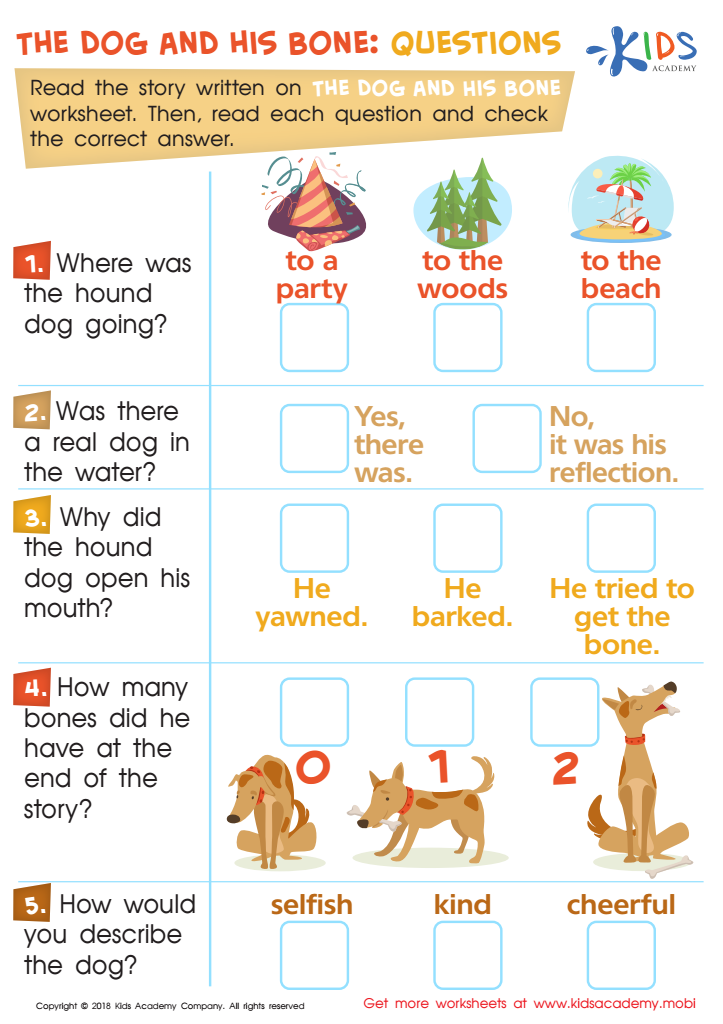
The Dog and His Bone: Questions Worksheet
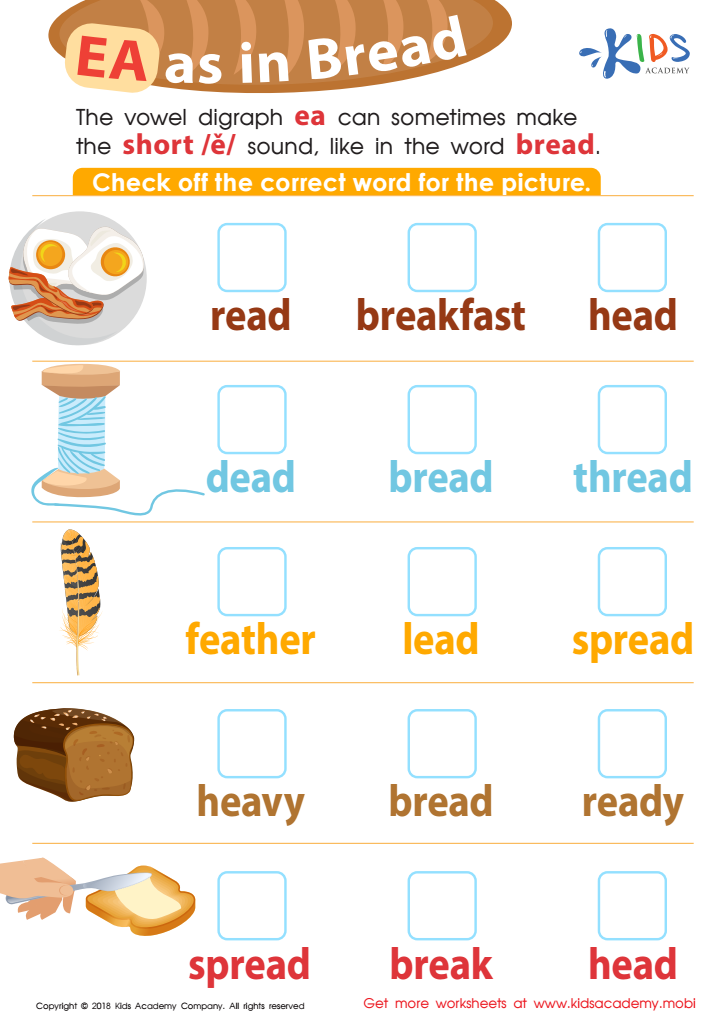
Reading: EA as in Bread Worksheet
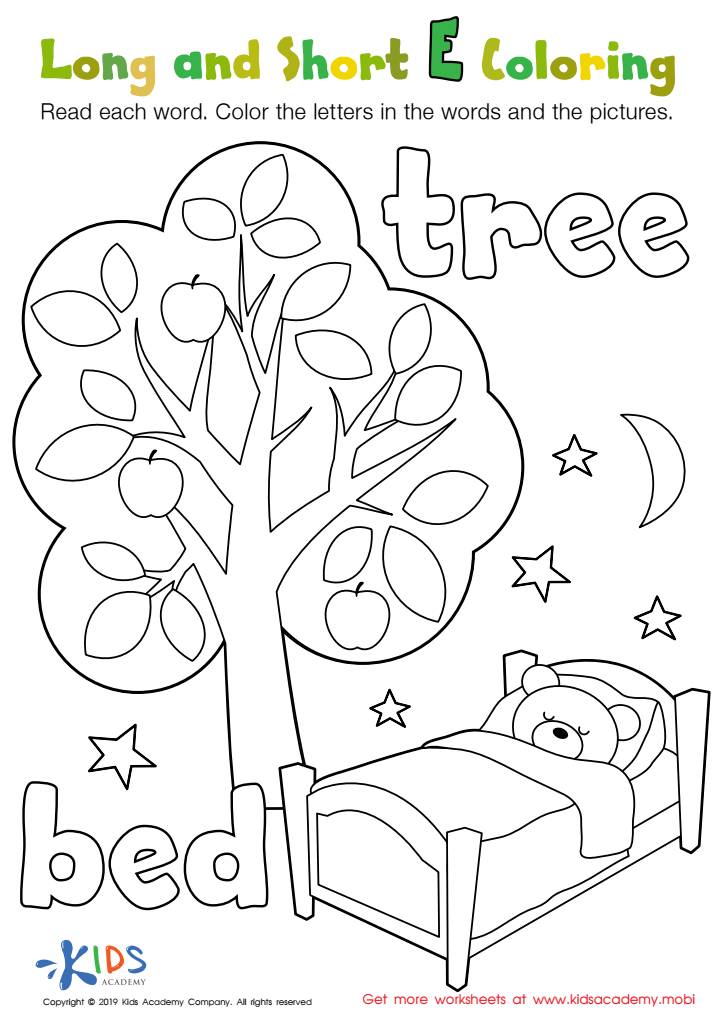
Long and Short E Worksheet
 Assign to My Students
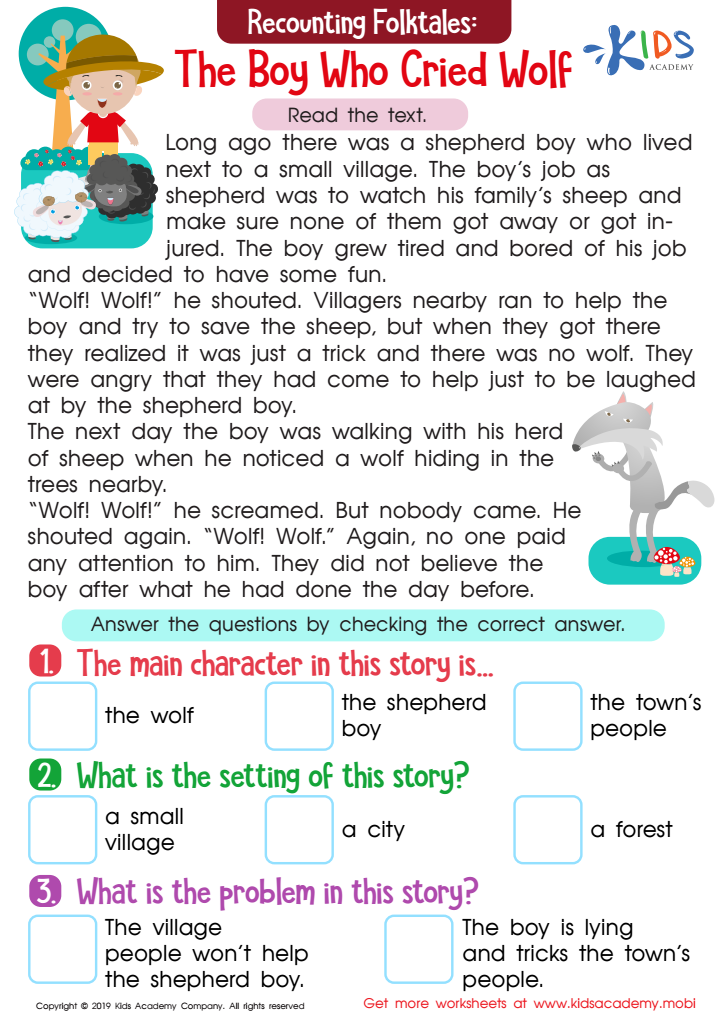
The Boy Who Cried Wolf Part 1 Worksheet
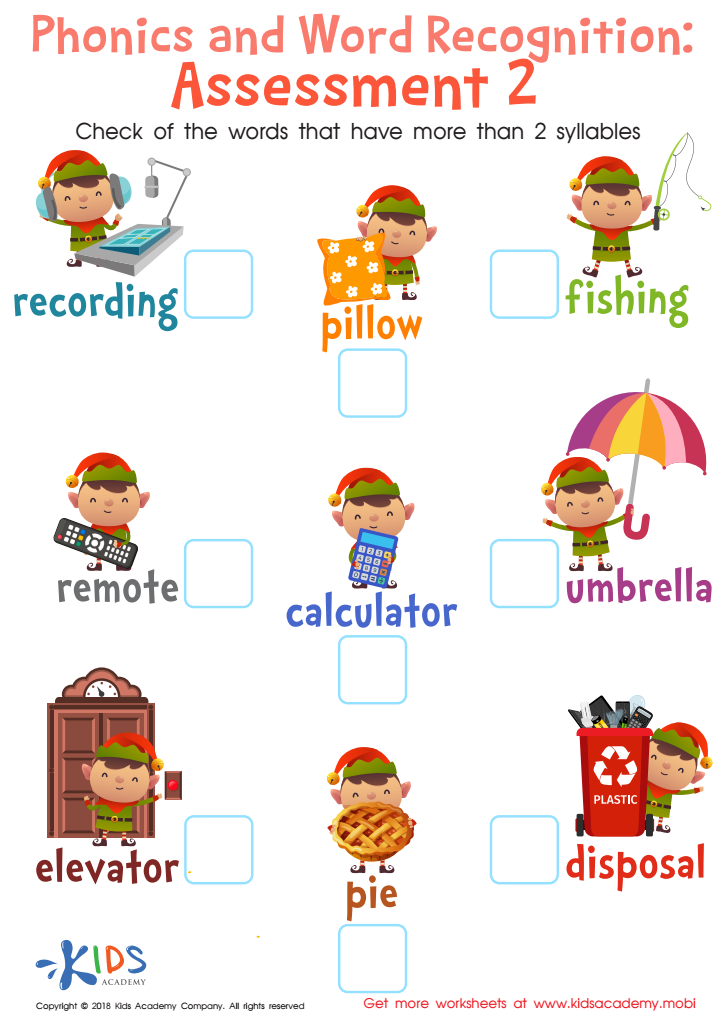
Phonics and Word Recognition: Assessment 2 Worksheet
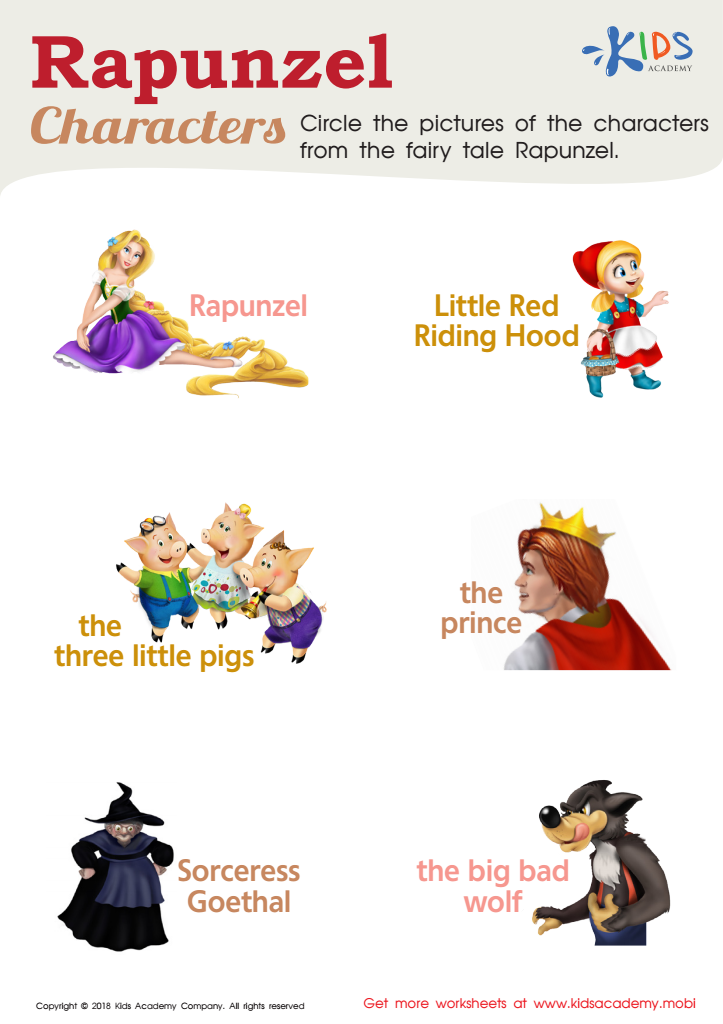
Rapunzel Characters Worksheet
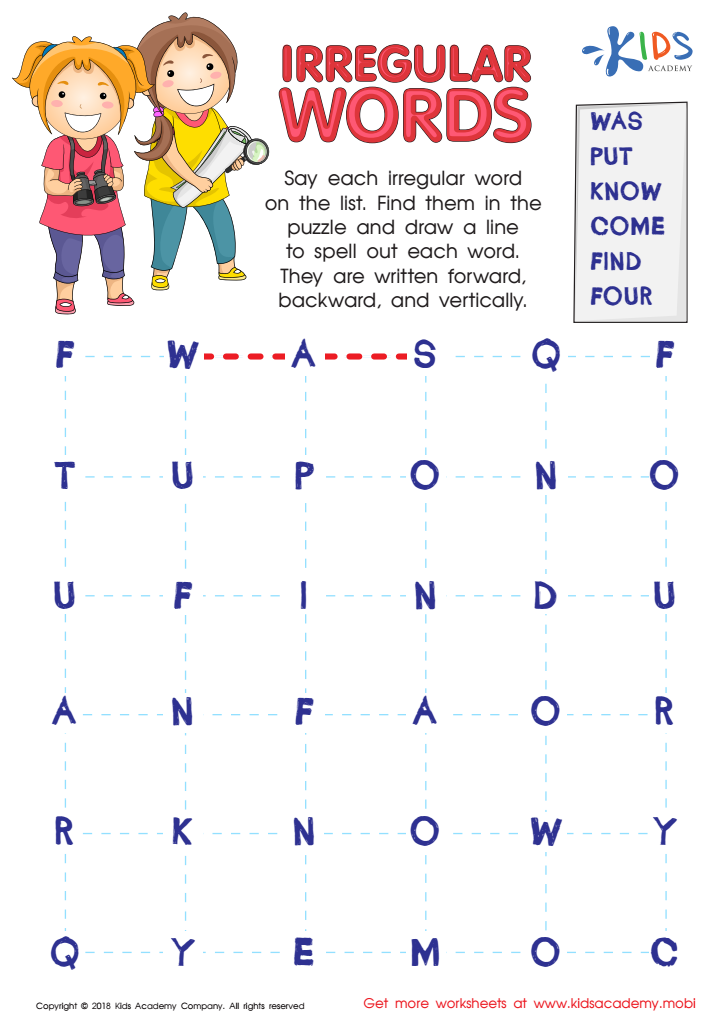
Irregular Words Worksheet
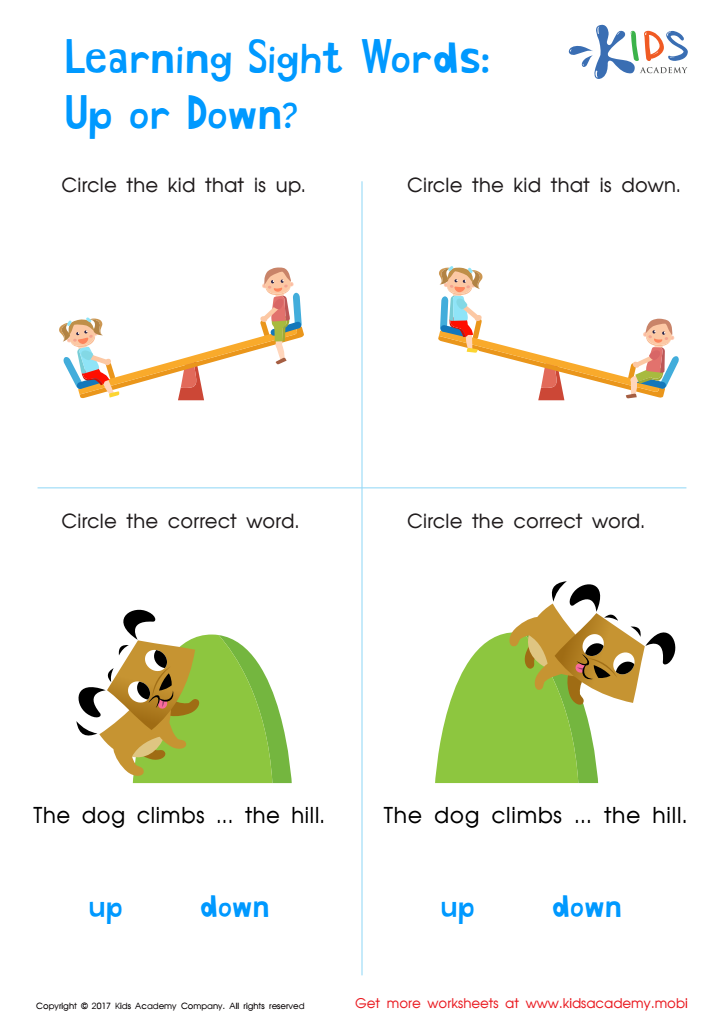
Up or Down Printable Sight Words Worksheet
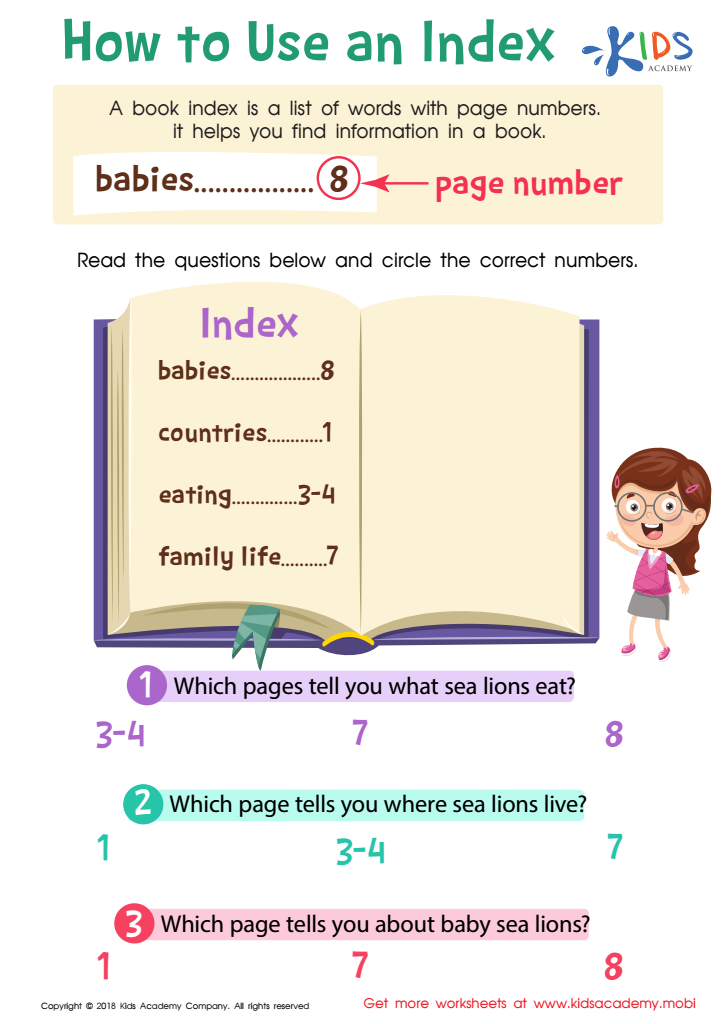
How Use Index Worksheet
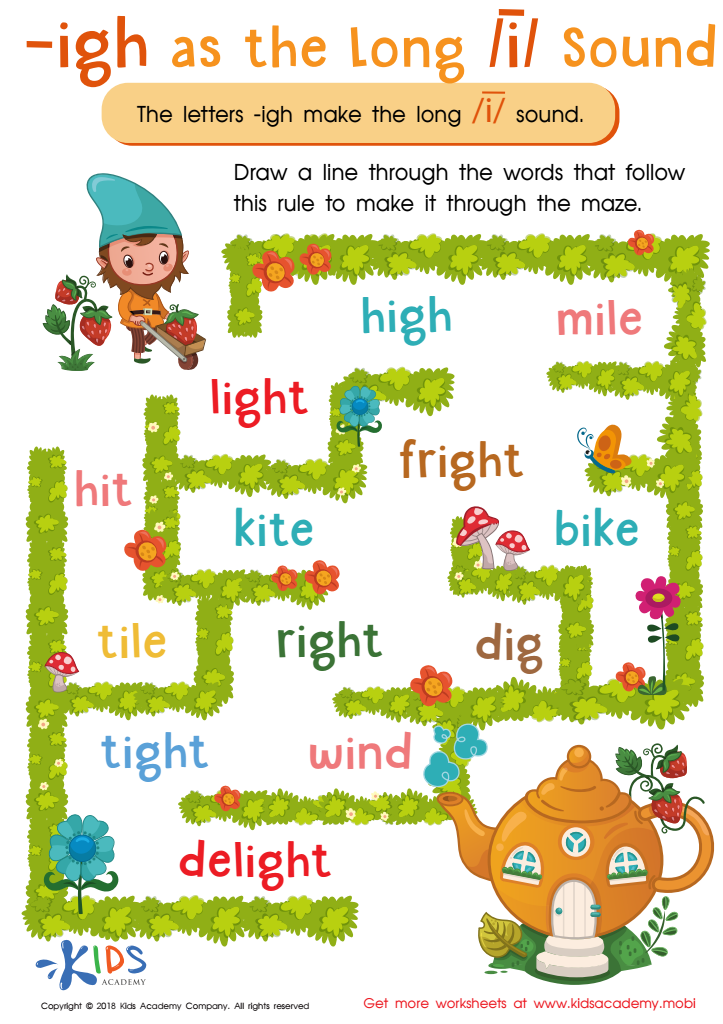
Reading: IGH as Long I Worksheet
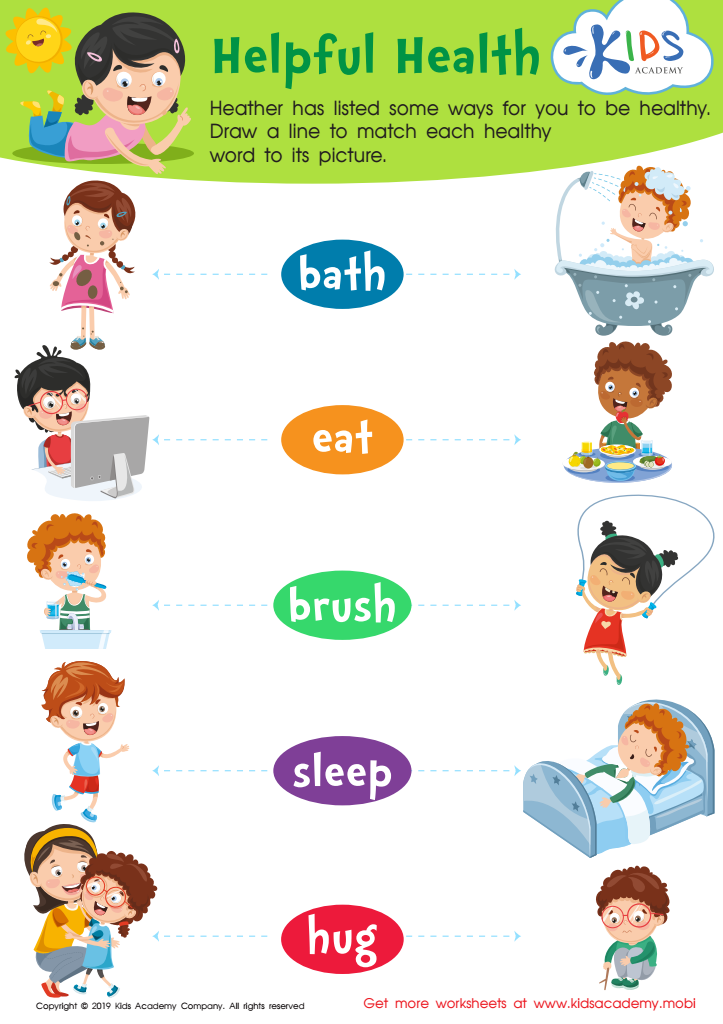
Helpful Health Worksheet
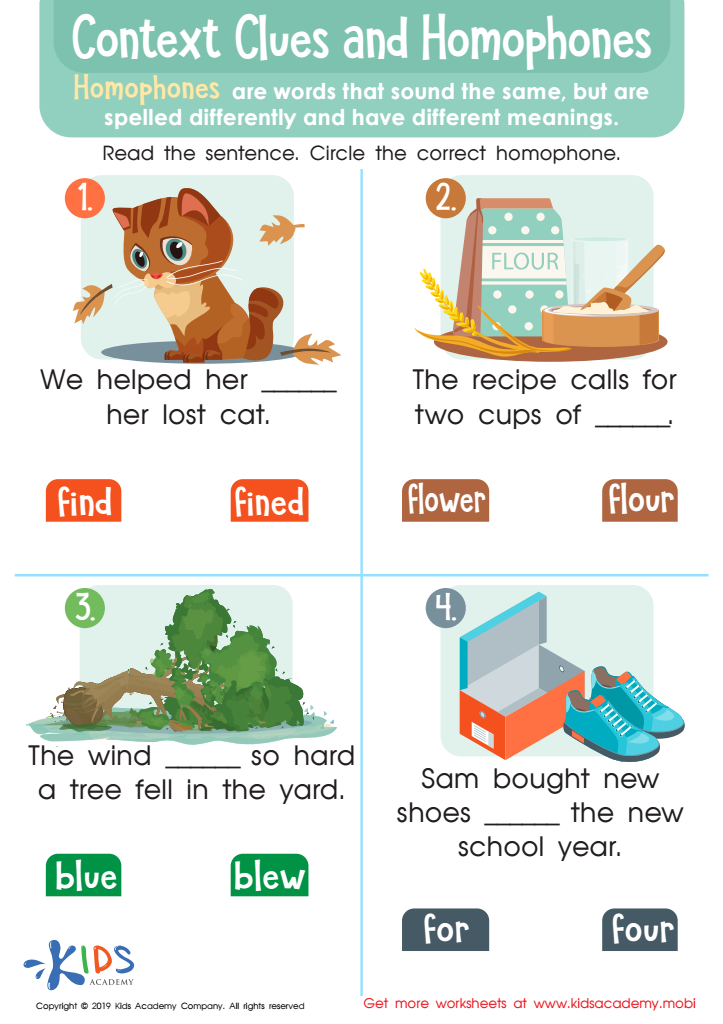
Context Clues and Homophones Worksheet
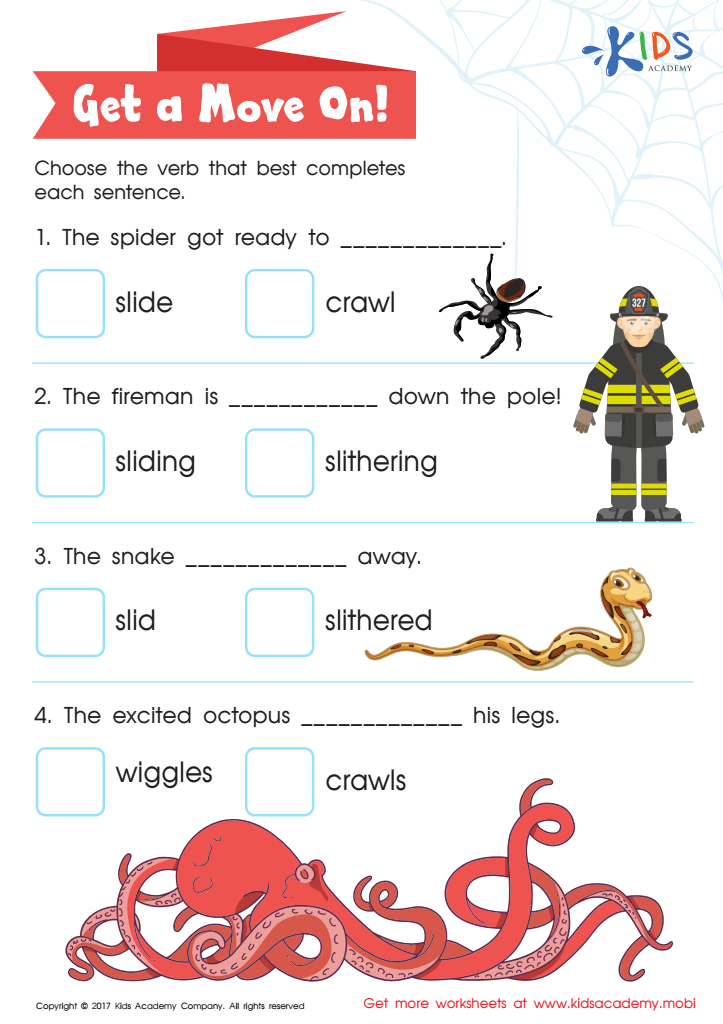
Verb Worksheet
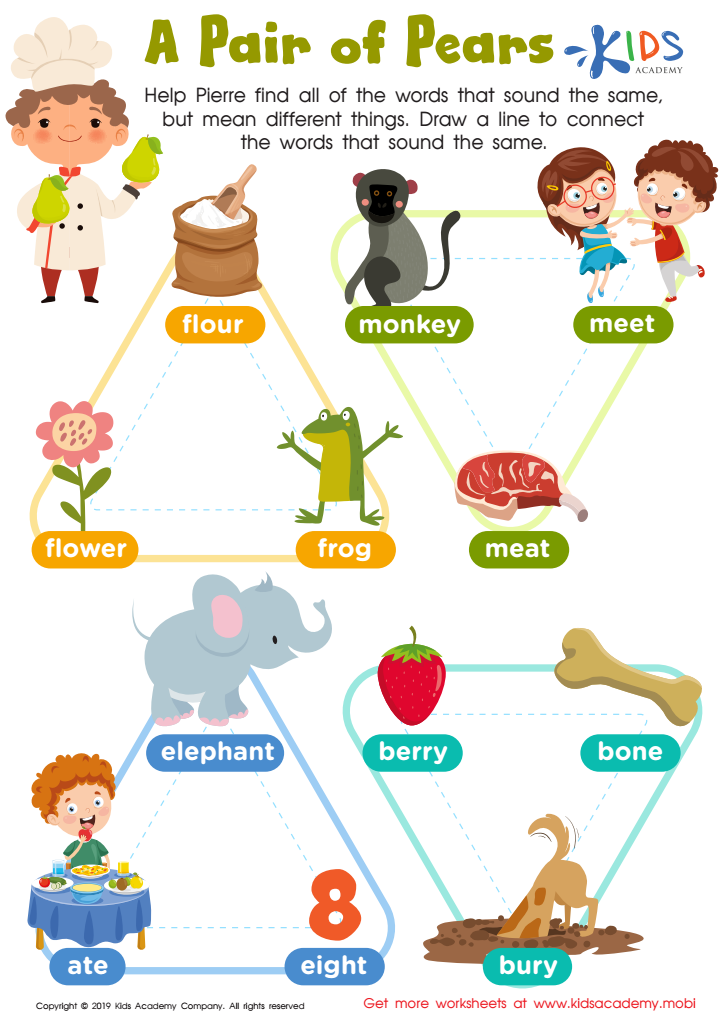
Pair Pears Worksheet
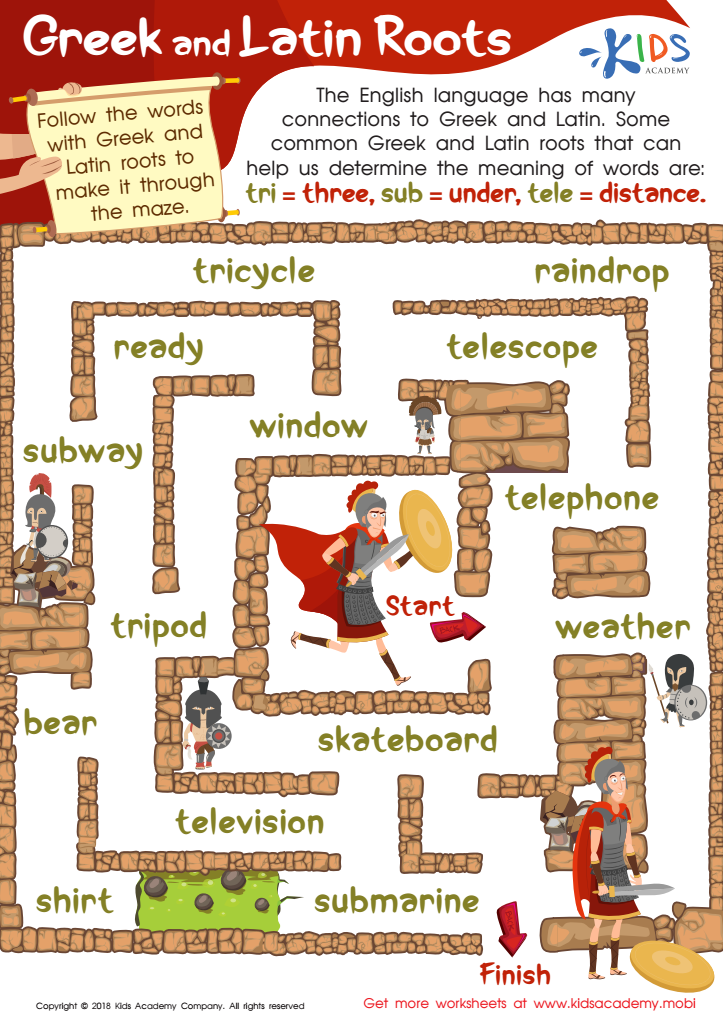
Greek and Latin Roots Worksheet
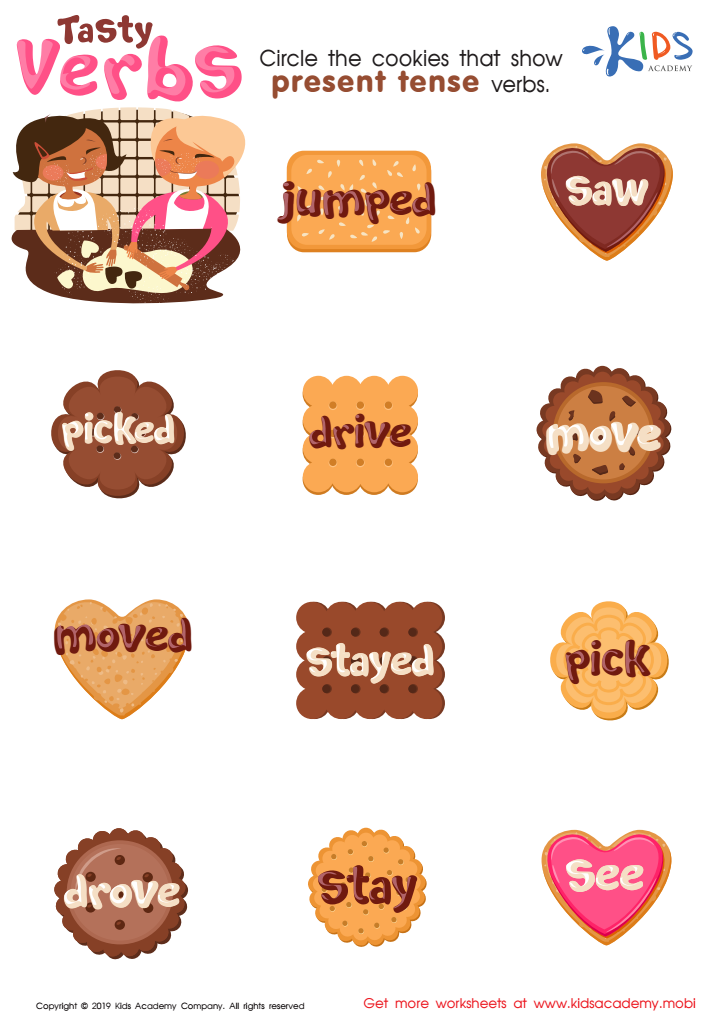
Tasty Verbs Worksheet
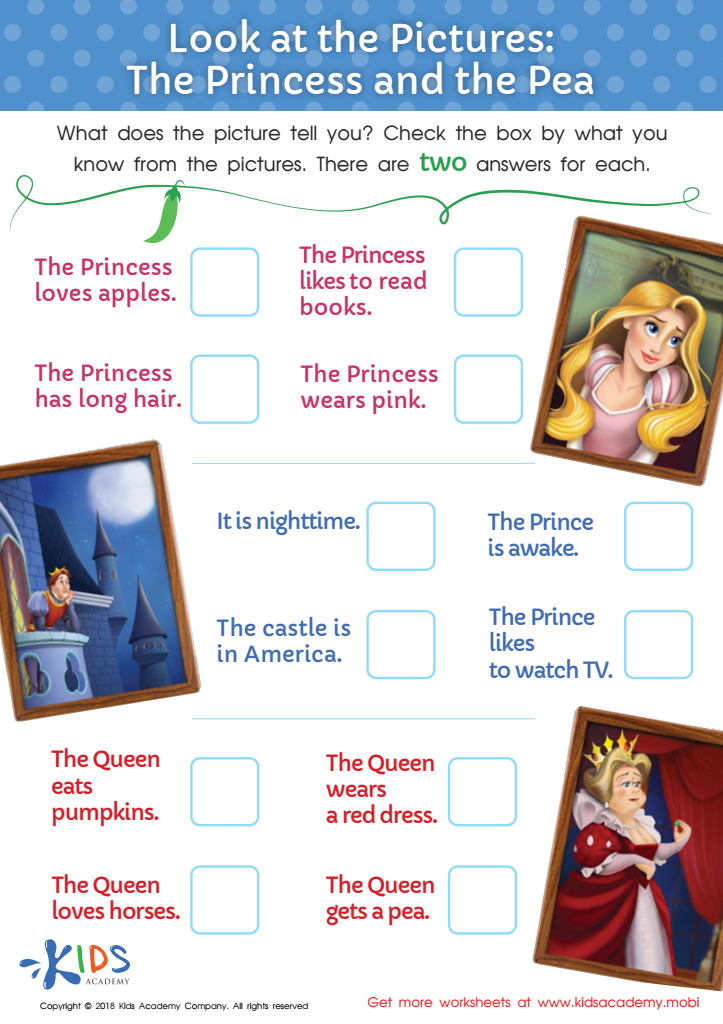
Look at the Pictures: The Princess and the Pea Worksheet








Parents and teachers should prioritize normal reading development for children ages 3-8 because it lays the foundation for lifelong learning and success. During these critical early years, children's brains are remarkably adaptable, making it the ideal period for language acquisition and cognitive growth. Introducing reading in these years nurtures literacy skills essential for academic achievement, fostering a love for learning that can last a lifetime.
Reading enhances vocabulary, comprehension, and critical thinking abilities. It helps children understand concepts, gain knowledge, and develop imagination. Regular reading practices also encourage attention and concentration—skills indispensable for classroom participation and academic tasks.
Being proficient in reading empowers children with increased self-esteem and confidence, allowing them to engage more fully in classroom activities and discussions. It enables them to grasp complex subjects and excel in other areas of education like math and science.
Moreover, early reading experiences create a strong bond between parents and children, promoting emotional well-being and communication skills. For teachers, supporting normal reading development ensures students remain on track, allowing them to fulfill educational milestones concurrently and reducing the likelihood of future learning difficulties.
In short, prioritizing reading skills in children ages 3-8 is critical for their overall development, opening doors to myriad opportunities and setting a robust groundwork for future success.