Normal Community Worksheets for Ages 3-8 - Page 2
85 filtered results
-
From - To
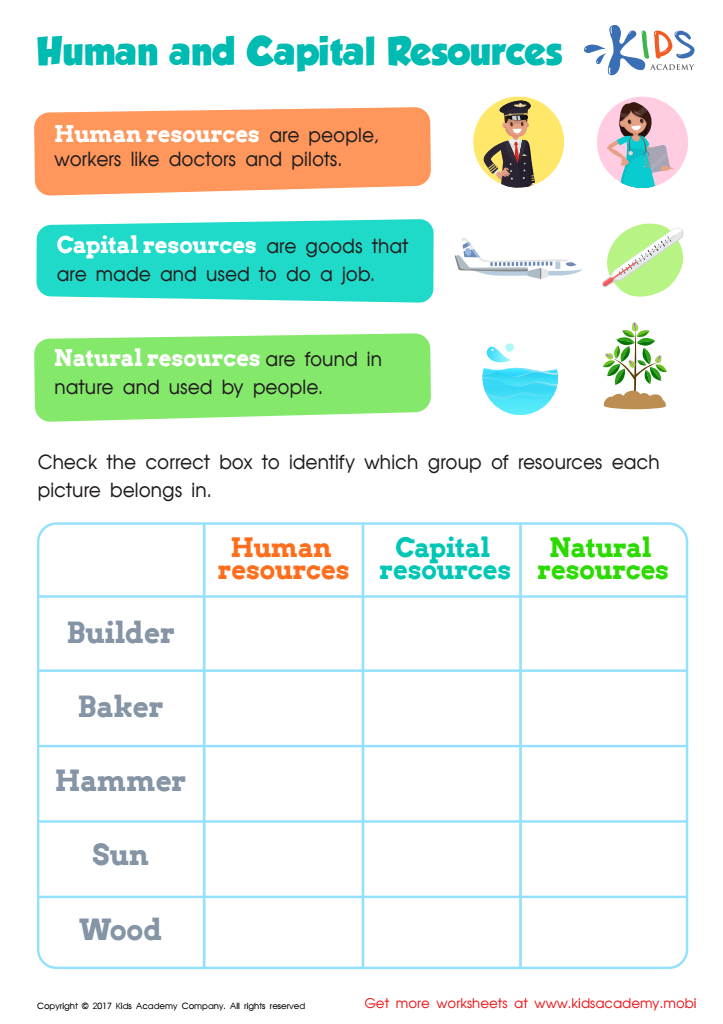
Human and Capital Resources Worksheet
 Assign to My Students
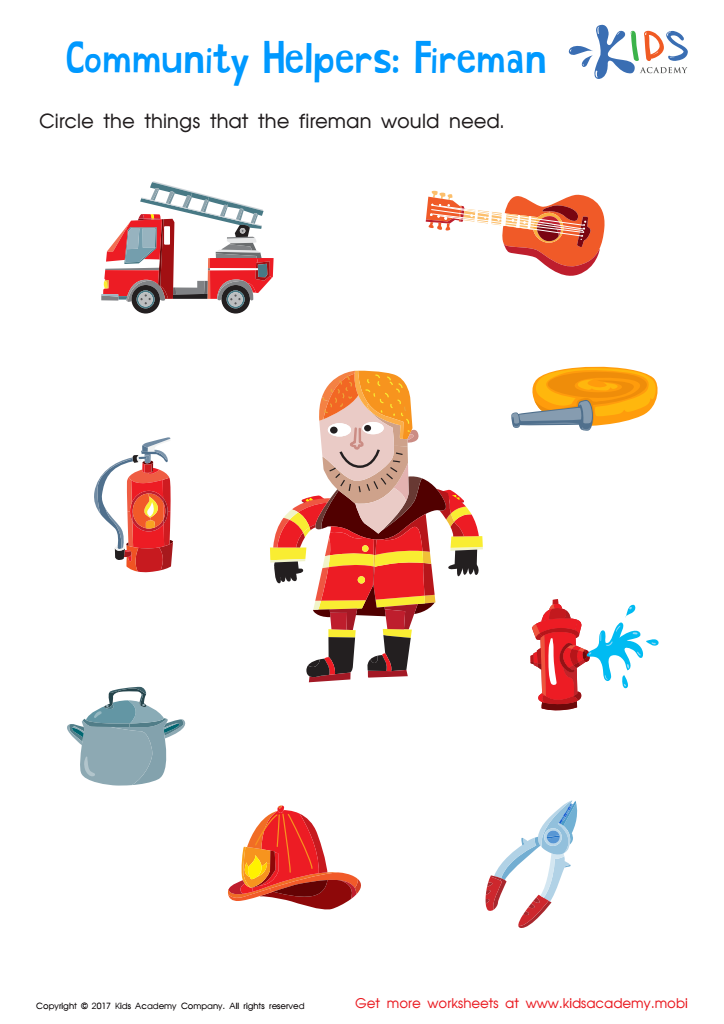
Fireman Worksheet
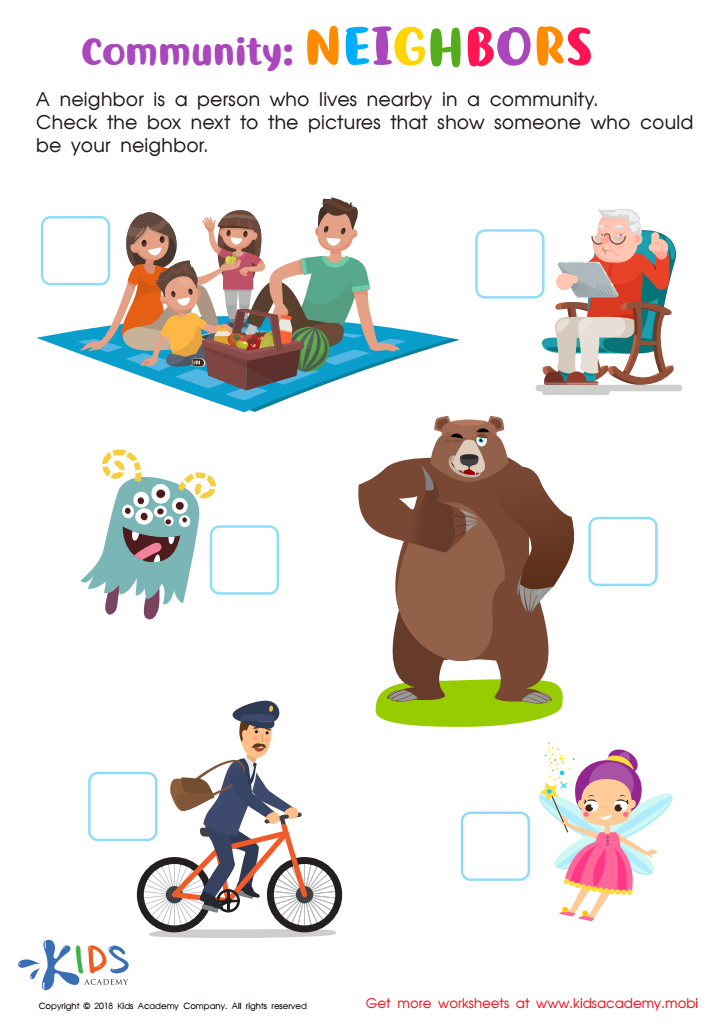
Community: Neighbors Worksheet
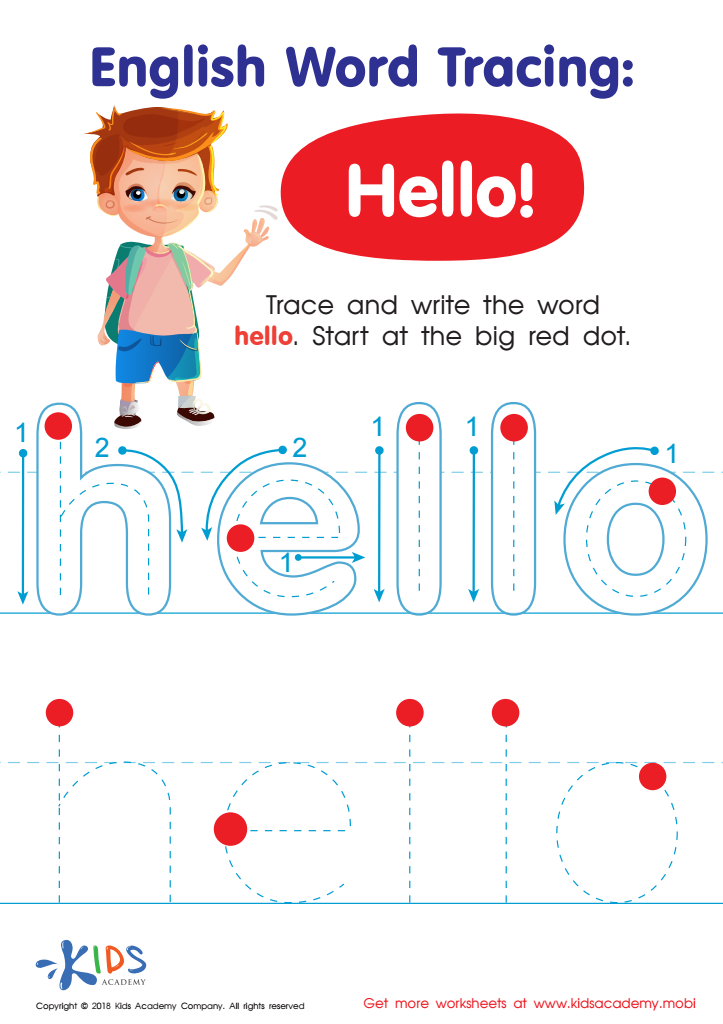
English Word Tracing: Hello Worksheet

Let's Go to the Library! Worksheet
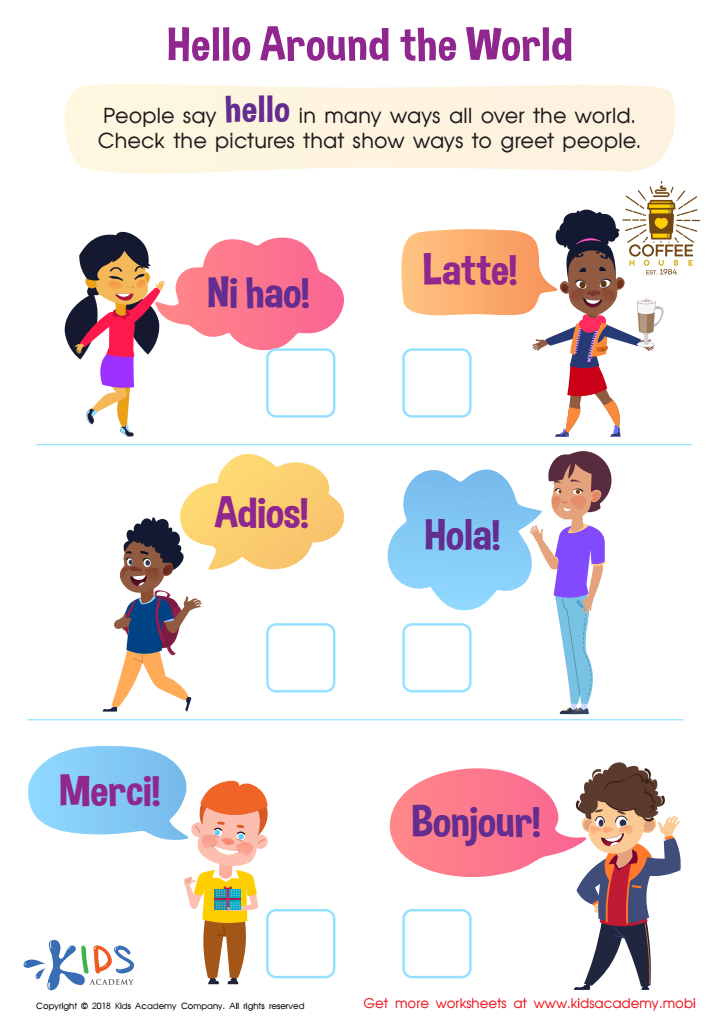
Hello Around the World Worksheet
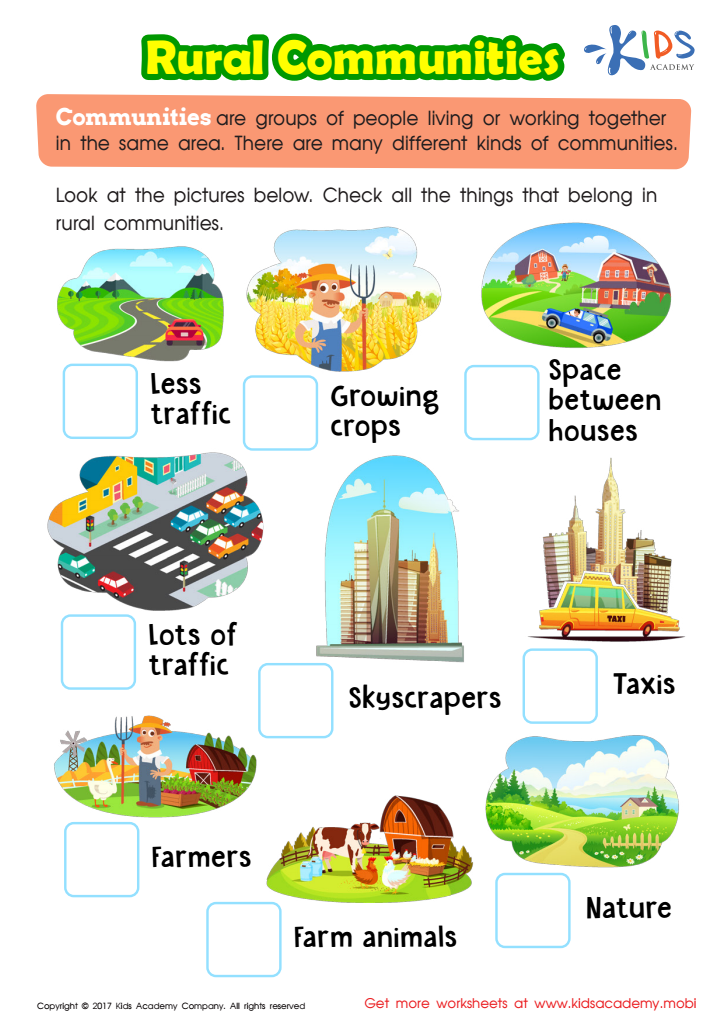
Rural Communities Printable
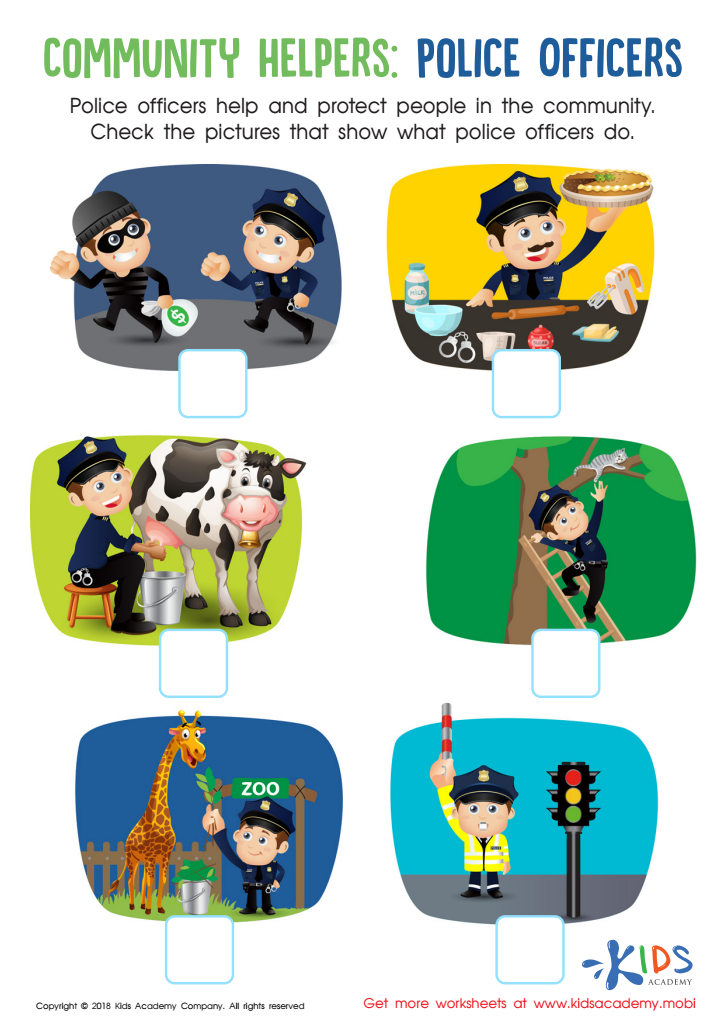
Police Officers Community Helpers Worksheet
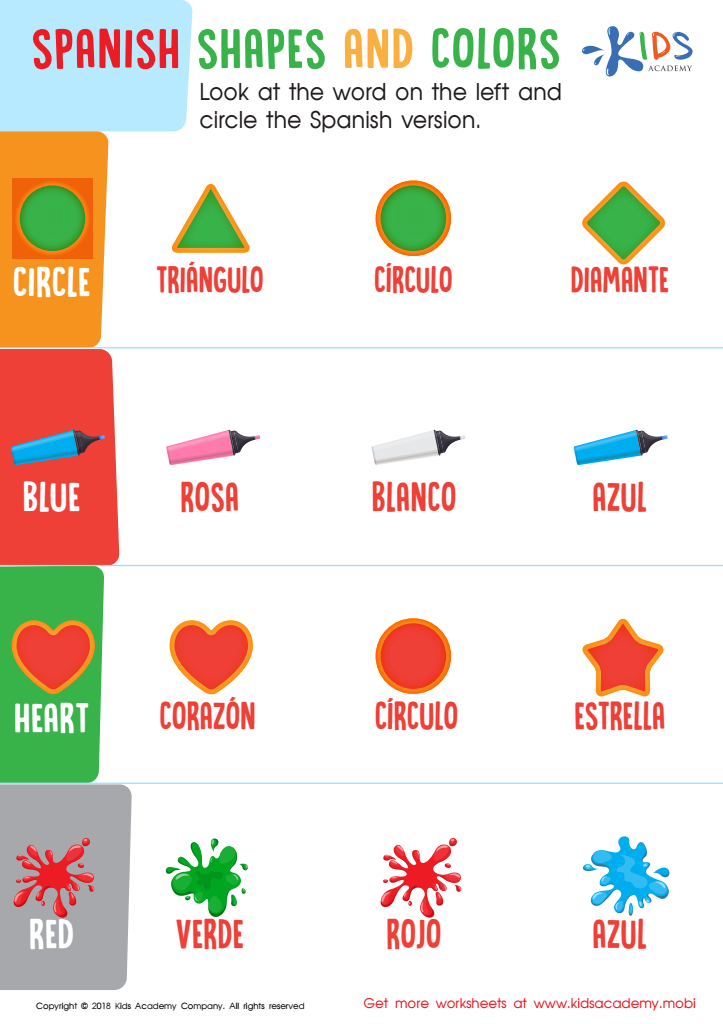
Spanish Shapes and Colors Worksheet
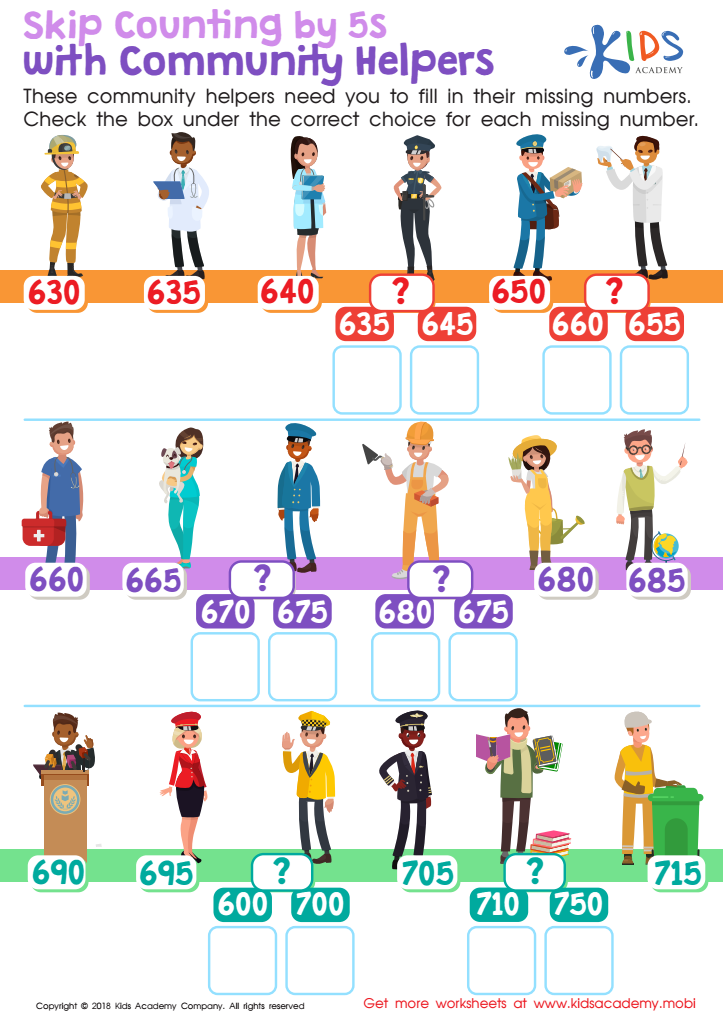
Skip Counting by 5s With Community Helpers Worksheet
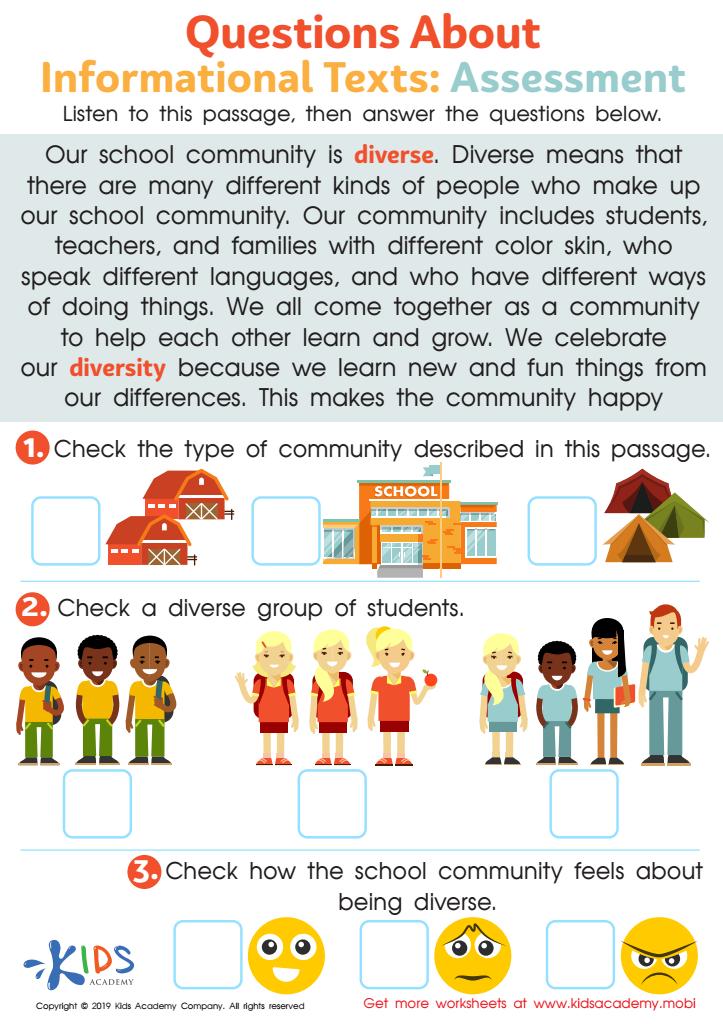
Questions About Informational Texts: Assessment 1 Worksheet
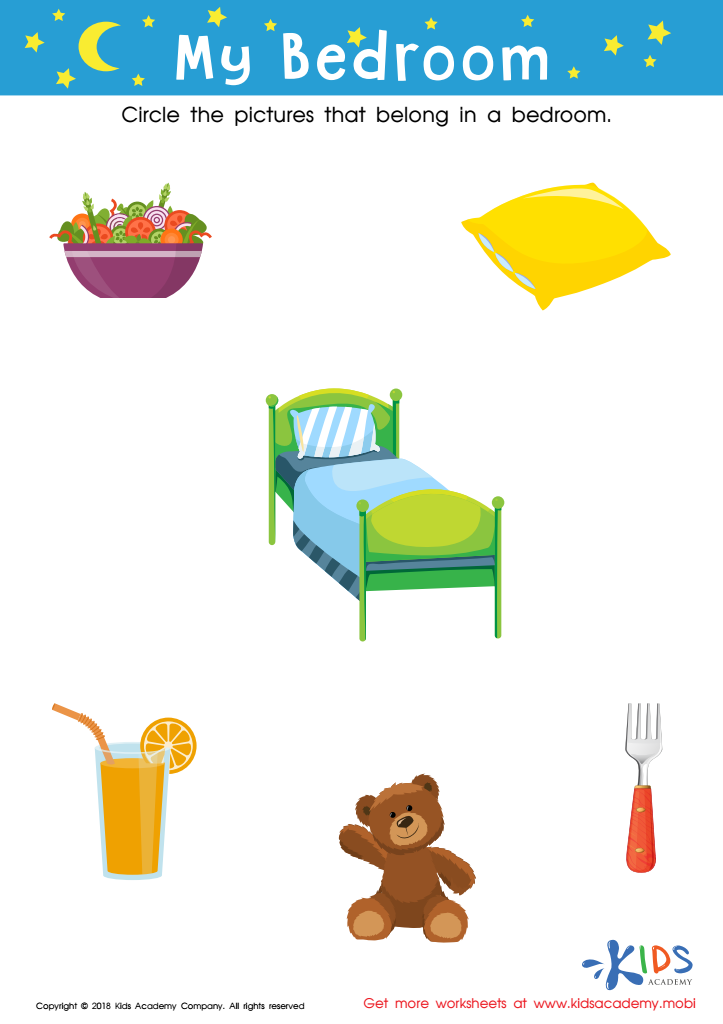
My Bedroom Worksheet
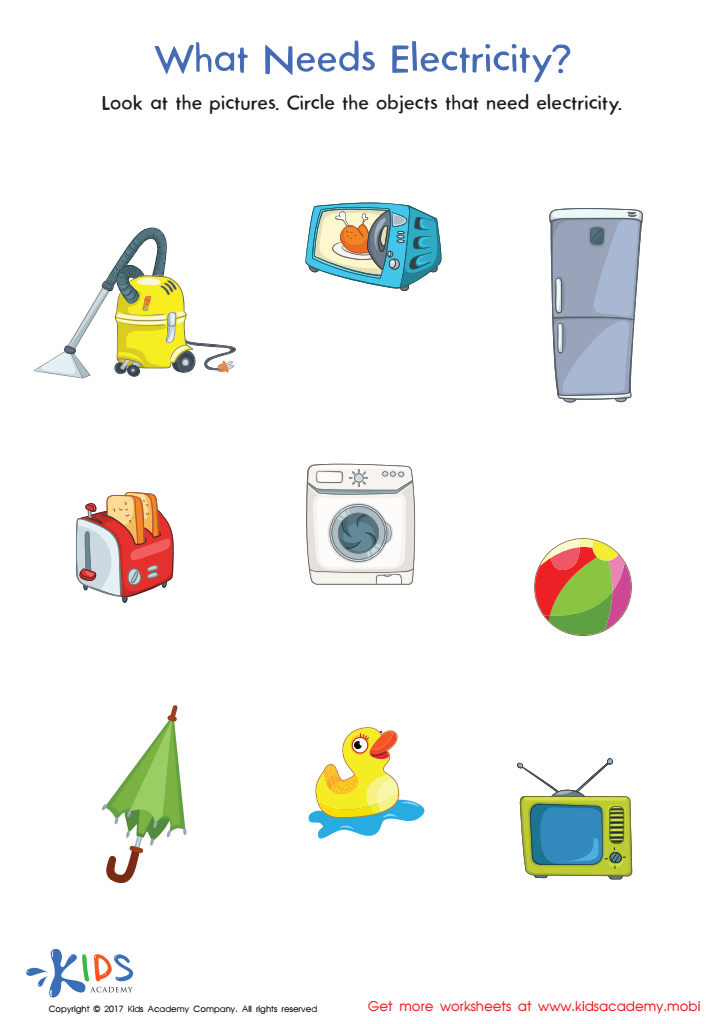
What Needs Electricity Printable

What Do you See at the Library? Worksheet
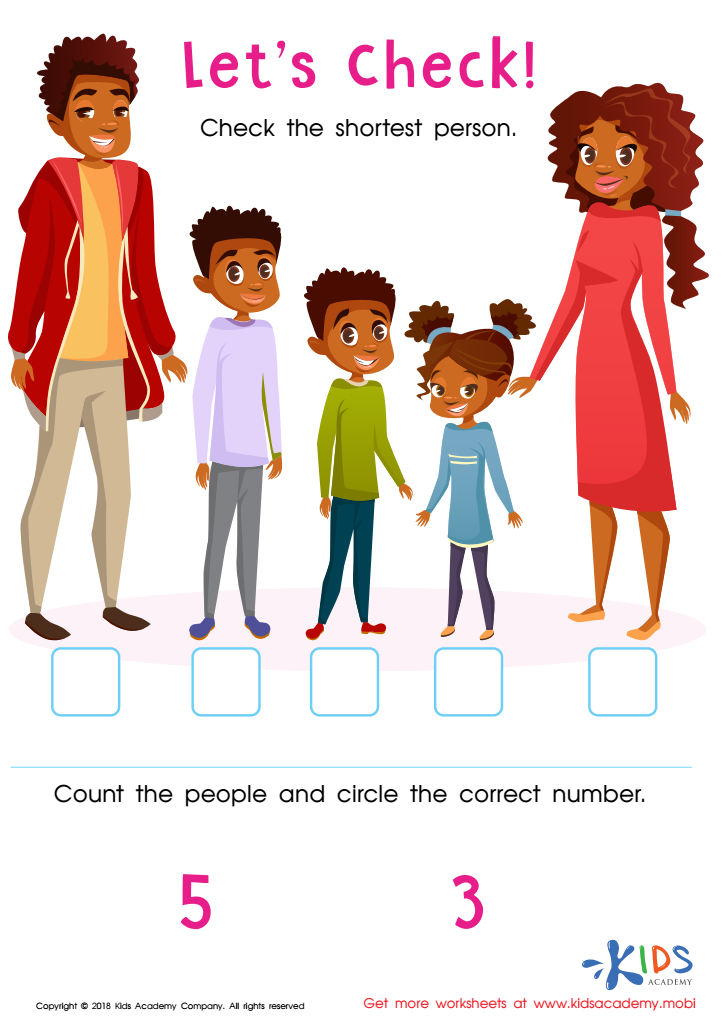
Let's Check! Assessment Worksheet
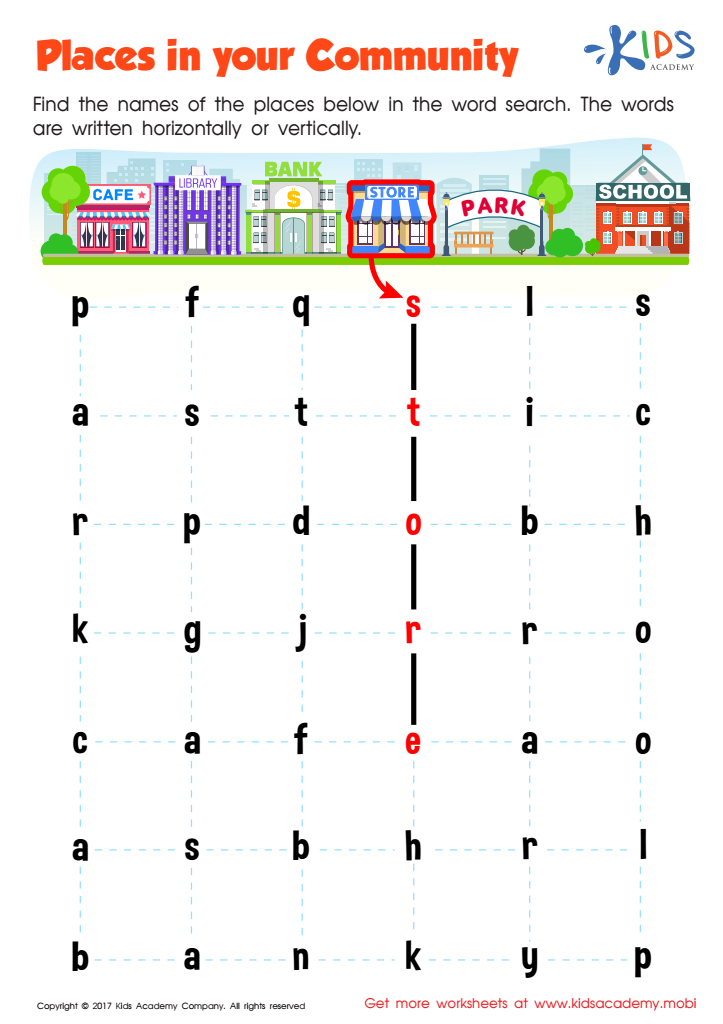
Places in Your Community Worksheet
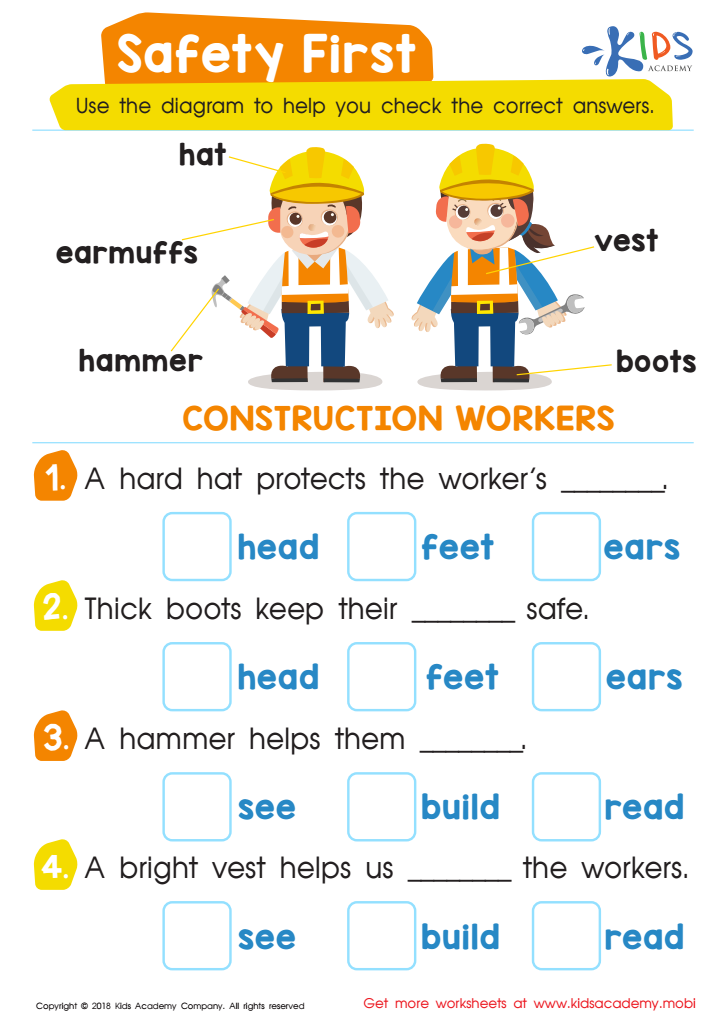
Safety First Worksheet
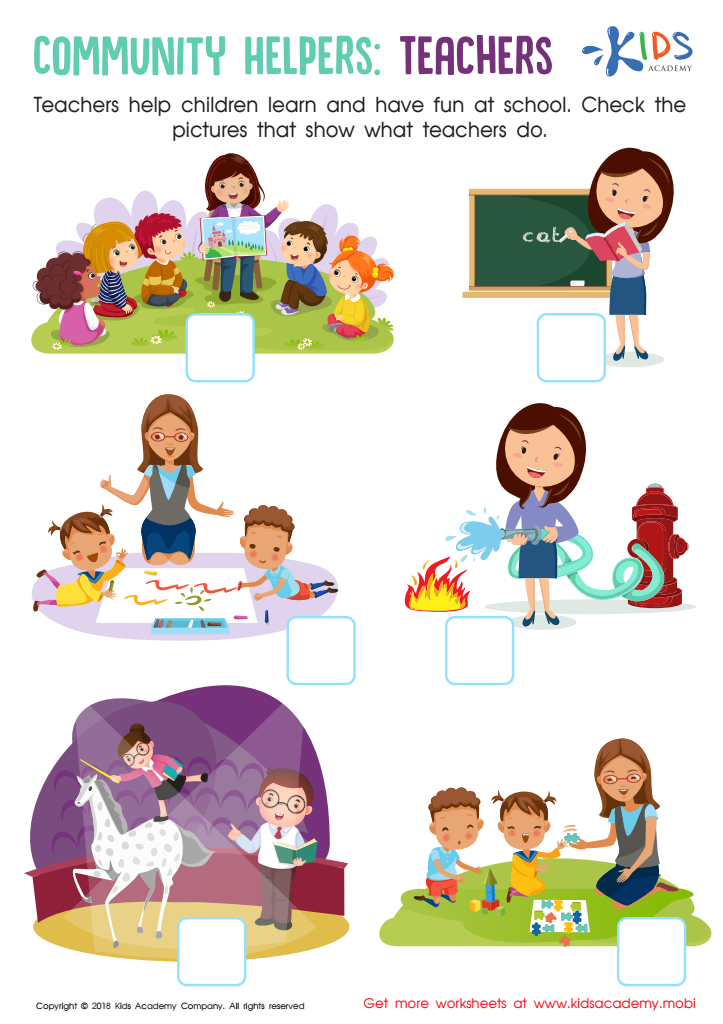
Teachers Community Helpers Worksheet
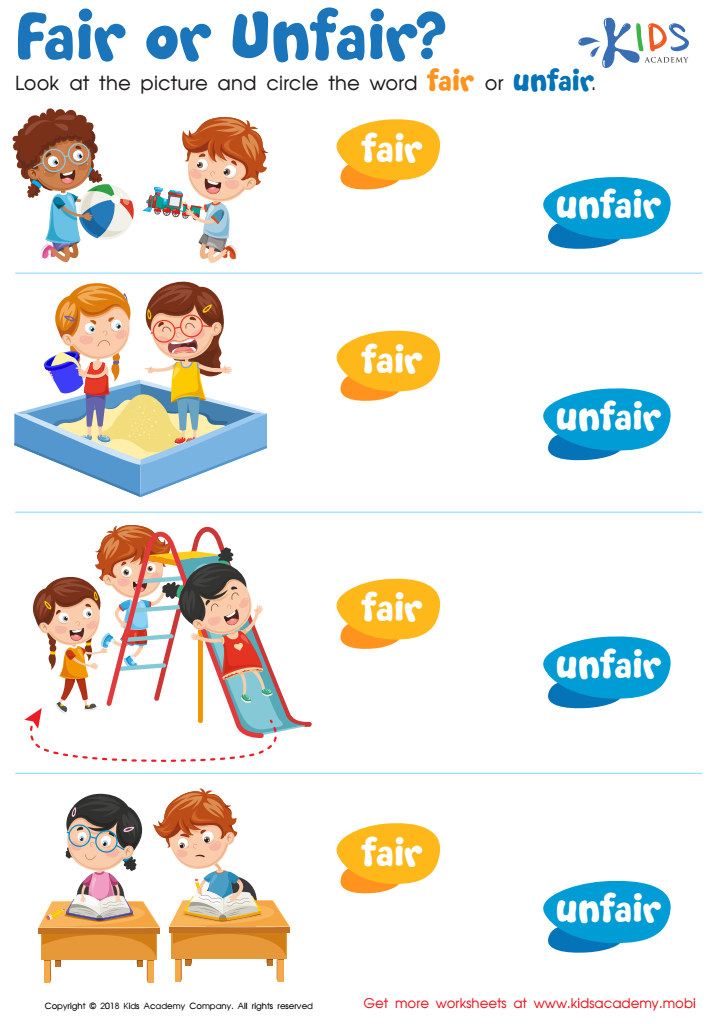
Fair or Unfair Worksheet
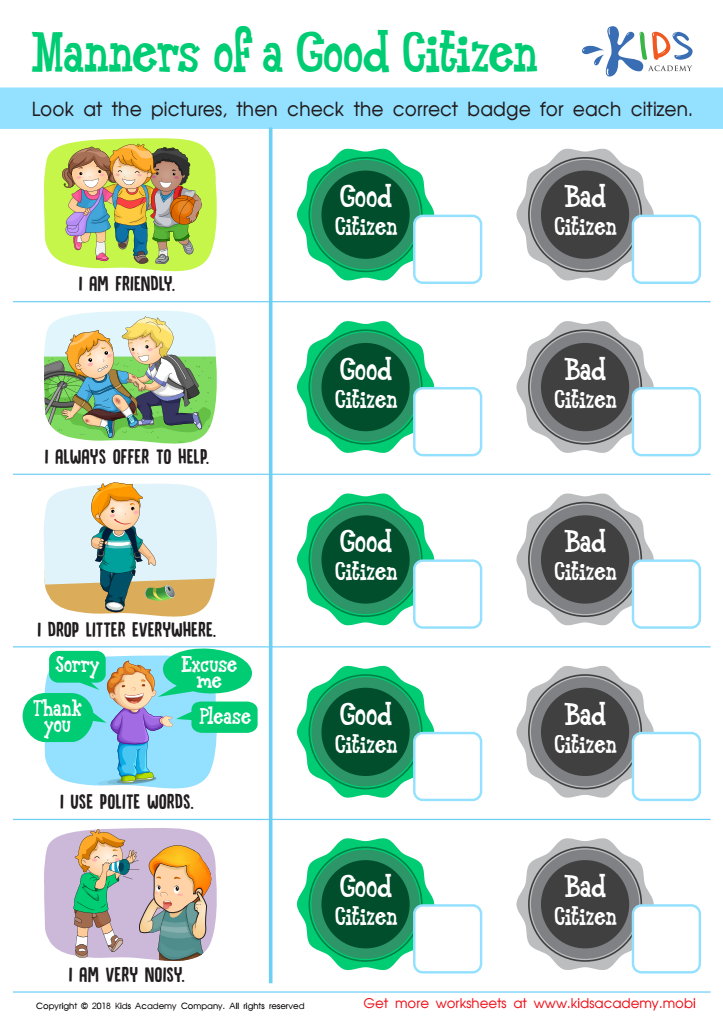
Manners of a Good Citizen Worksheet
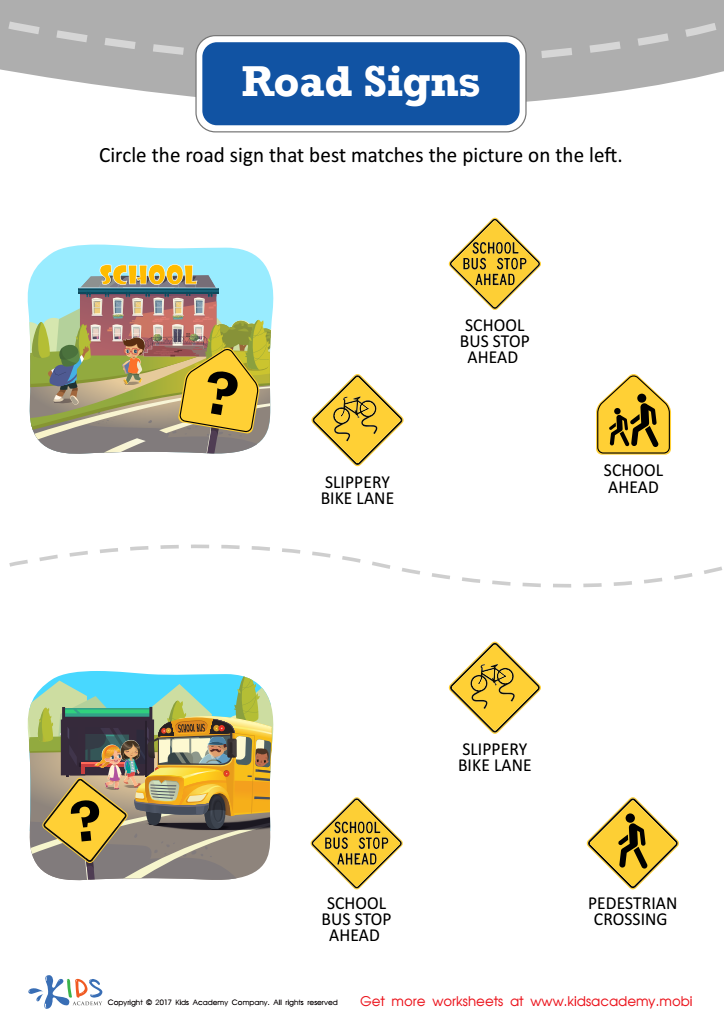
Road Signs (Part 1) Worksheet
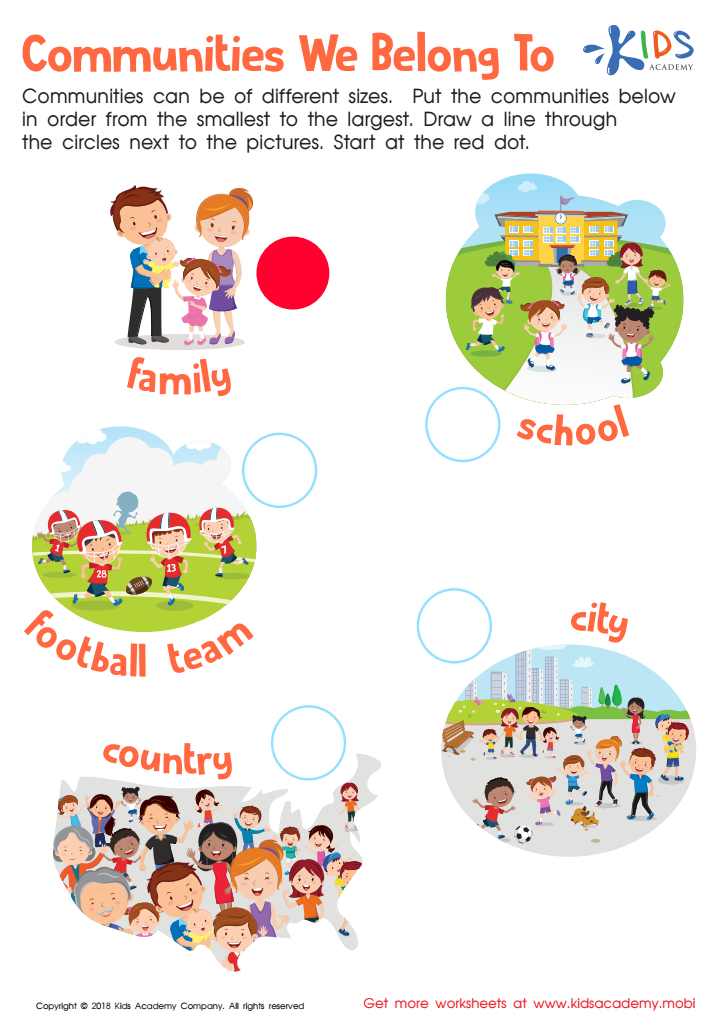
Communities We Belong to Worksheet
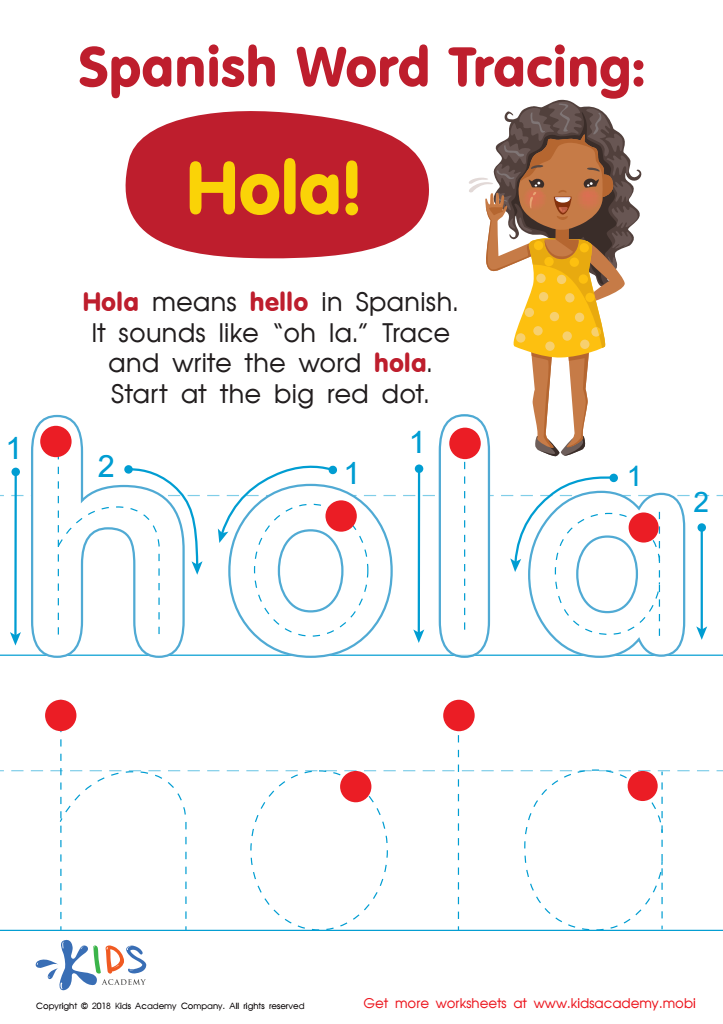
Spanish Word Tracing: Hola Worksheet
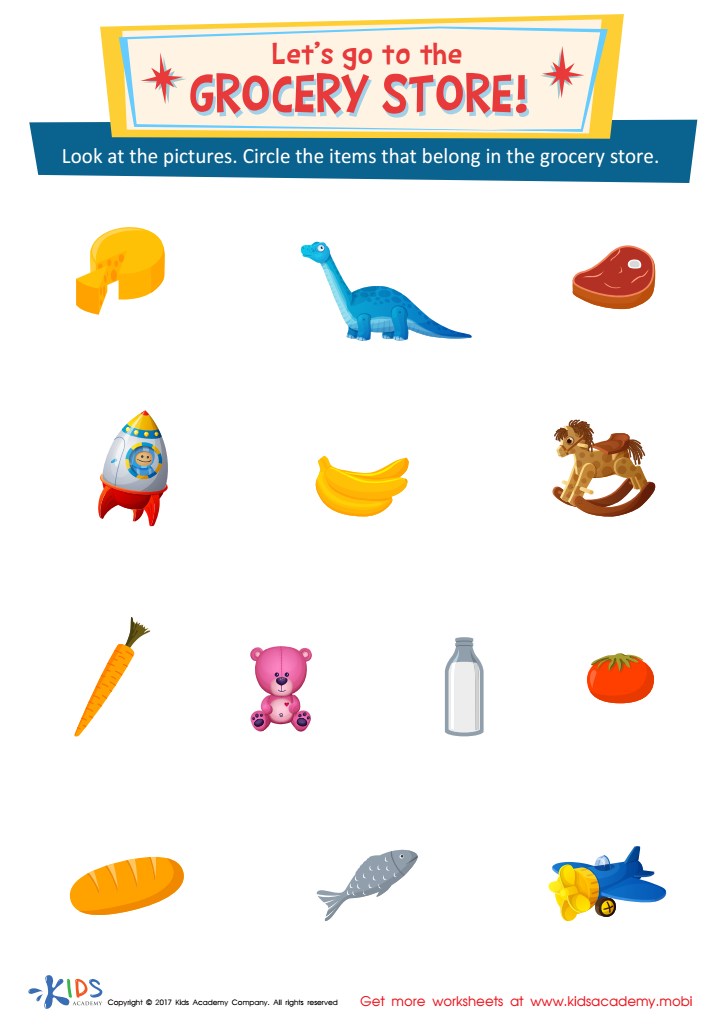
Grocery Store Worksheet







Parents and teachers should prioritize nurturing a sense of community among children aged 3-8 because it forms the foundation for their social and emotional development. At this tender age, children are like sponges, absorbing behaviors, attitudes, and values from their surroundings. Creating a positive, supportive community nurtures empathy, cooperation, and respect. When children feel that they belong to a caring group, their self-esteem blossoms, and they become more engaged and confident learners.
A strong community also promotes critical social skills like sharing, taking turns, and resolving conflicts, which are essential for healthy interaction. These skills are best learned through consistent and positive models that a nurturing community provides. In a more communal environment, both parents and teachers can share insights and strategies, ensuring consistency in the care and guidance each child receives.
Furthermore, a sense of community can provide an inclusive atmosphere where diversity is celebrated, helping children understand and appreciate differences from an early age. Finally, strong community ties often yield better educational and social outcomes, as children supported by a network of caring adults and peers are more likely to thrive.
Hence, investing in a solid community structure for young children sets the stage for well-rounded, resilient individuals who can navigate the complexities of future interpersonal relationships effectively.