Vocabulary expansion Normal Grammar Worksheets for Ages 3-8 - Page 2
37 filtered results
-
From - To
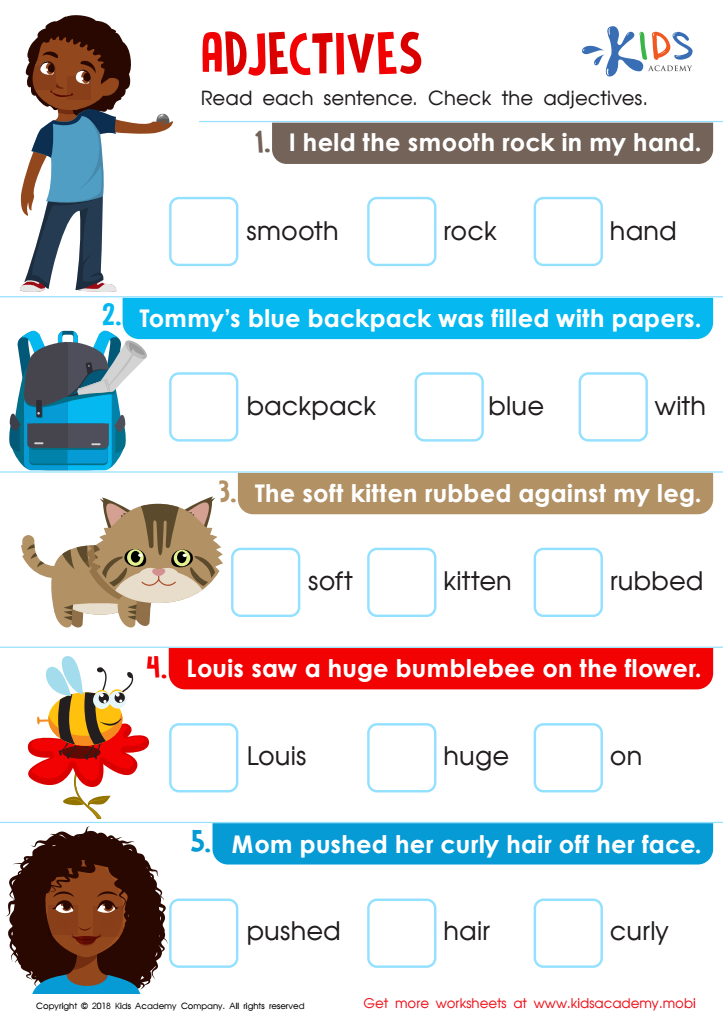
Adjectives Worksheet
 Assign to My Students
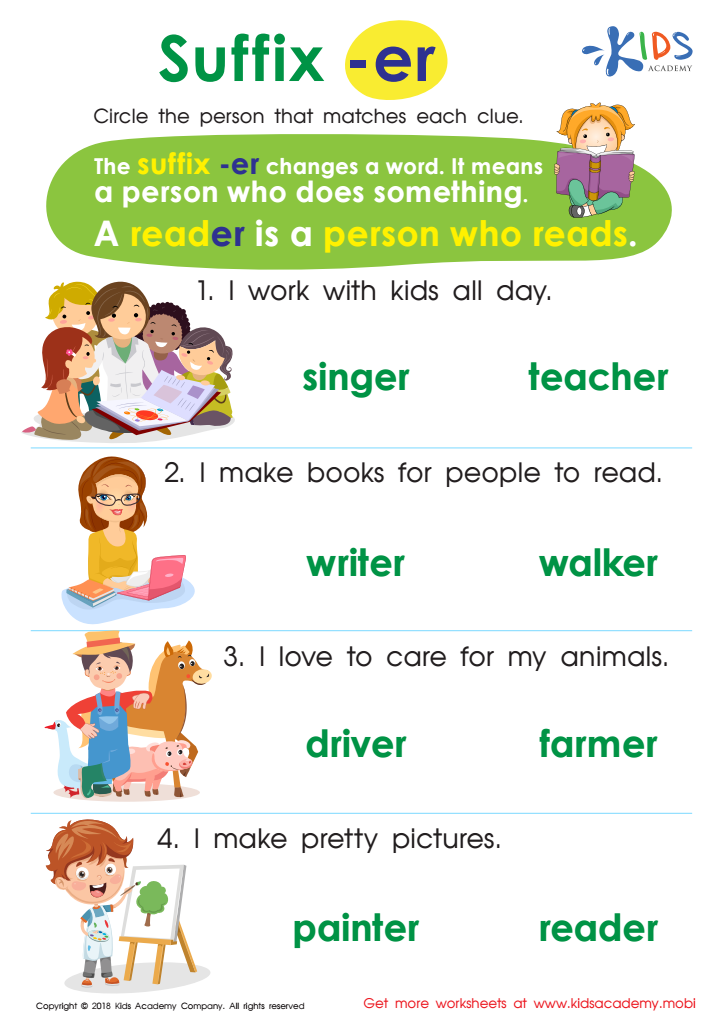
Suffix –er Printable Worksheet
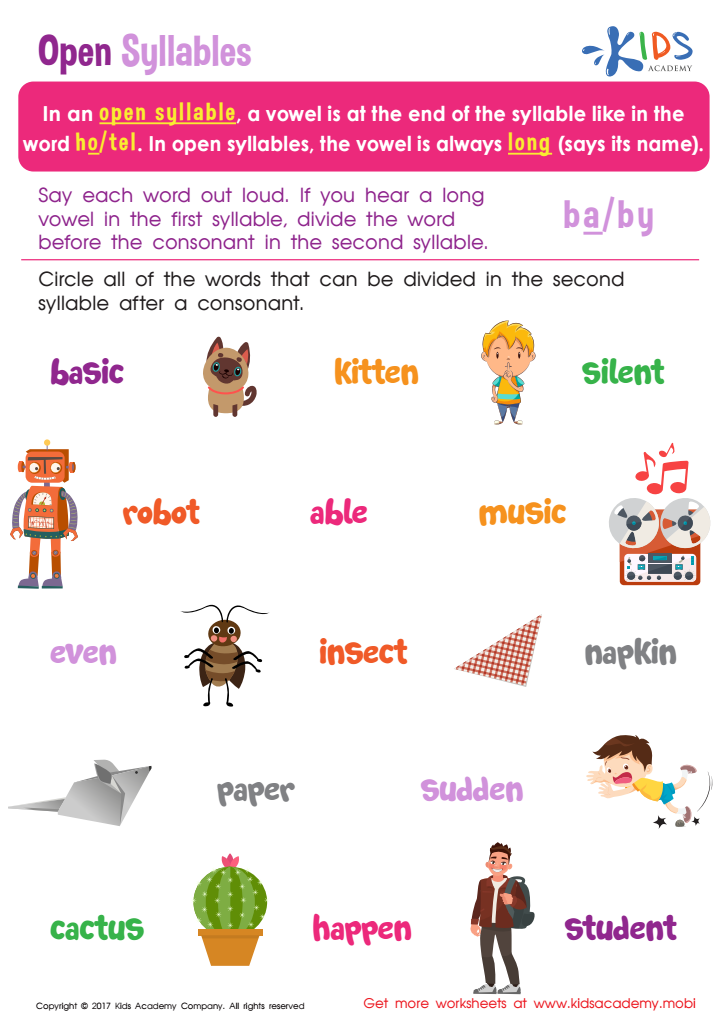
Open Syllable Printable Worksheet
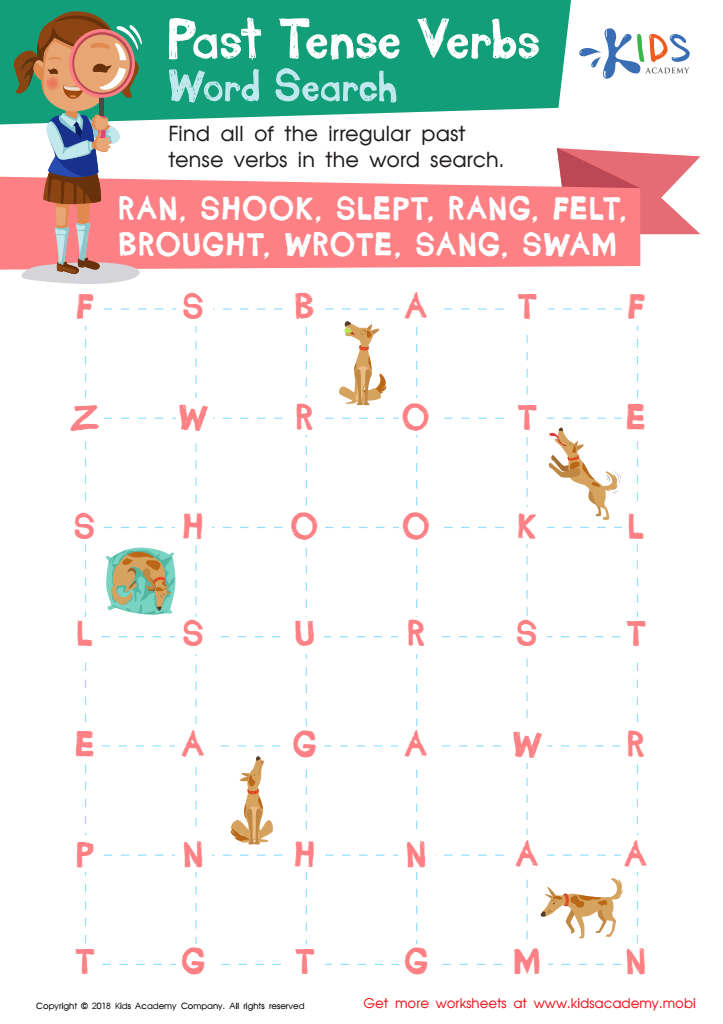
Past Tense Verbs Word Search Worksheet
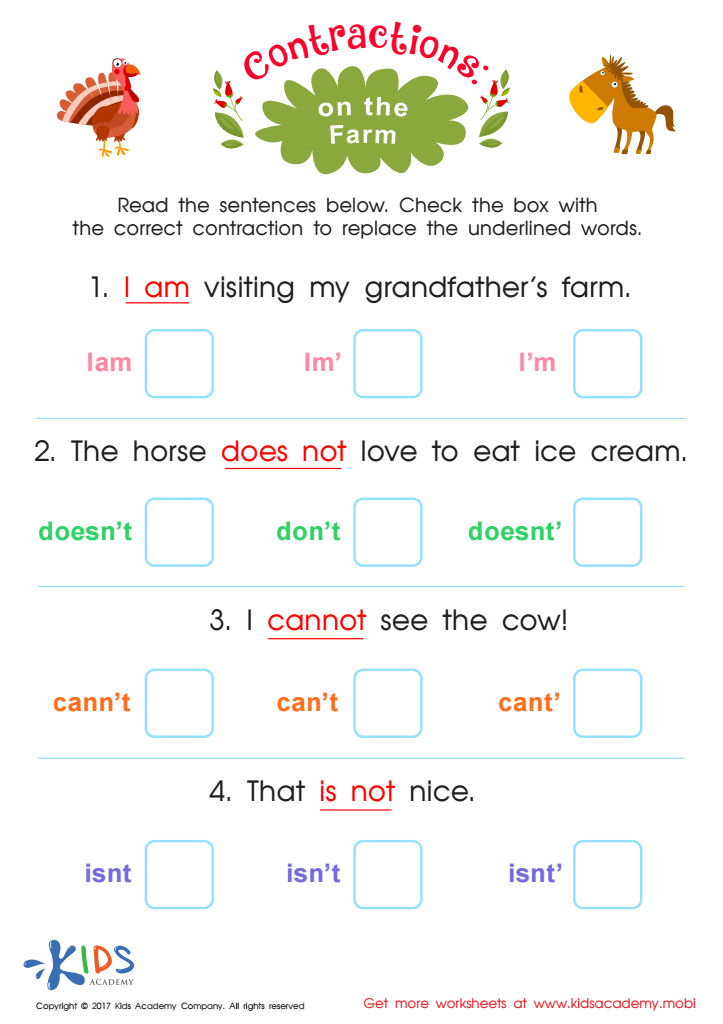
Contractions: On the Farm Printable
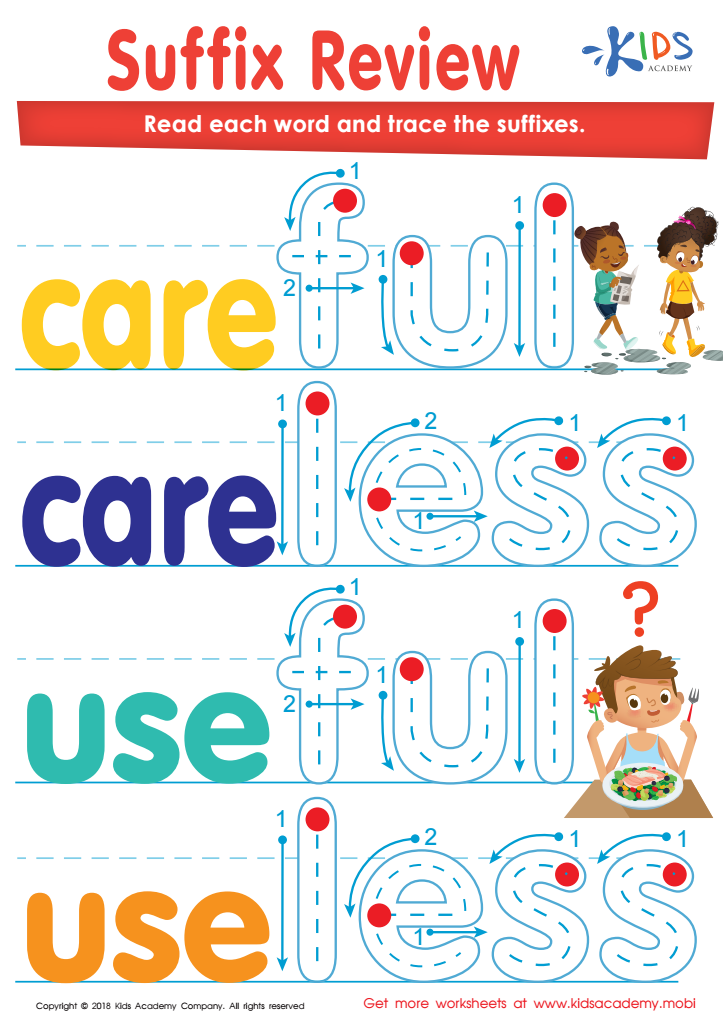
Suffix Review Worksheet
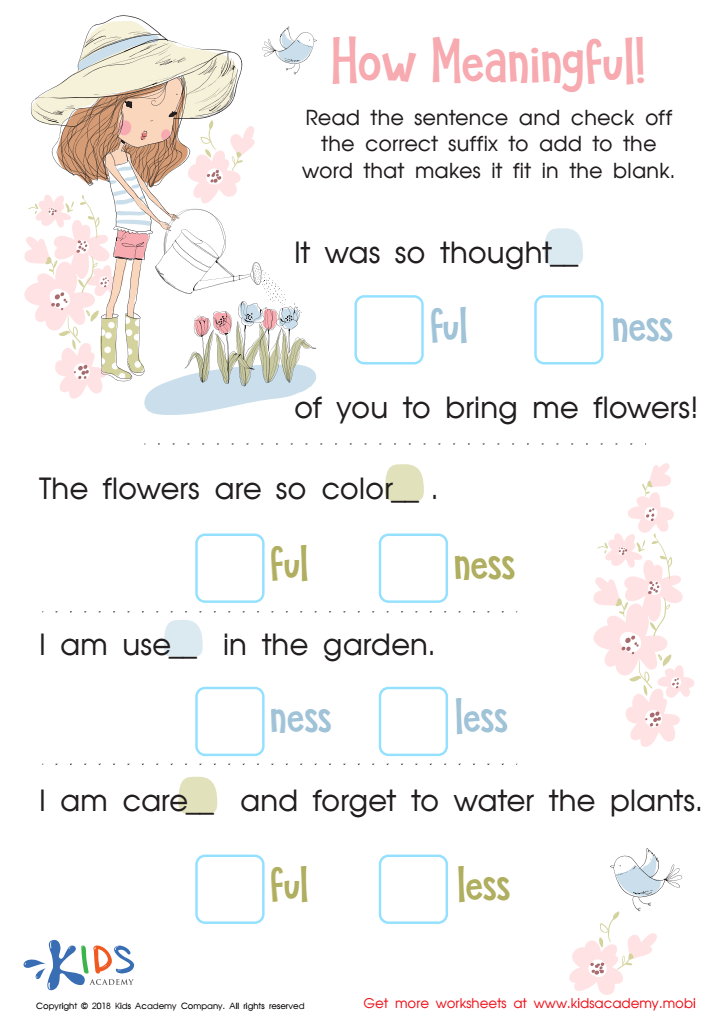
How Meaningful! Worksheet
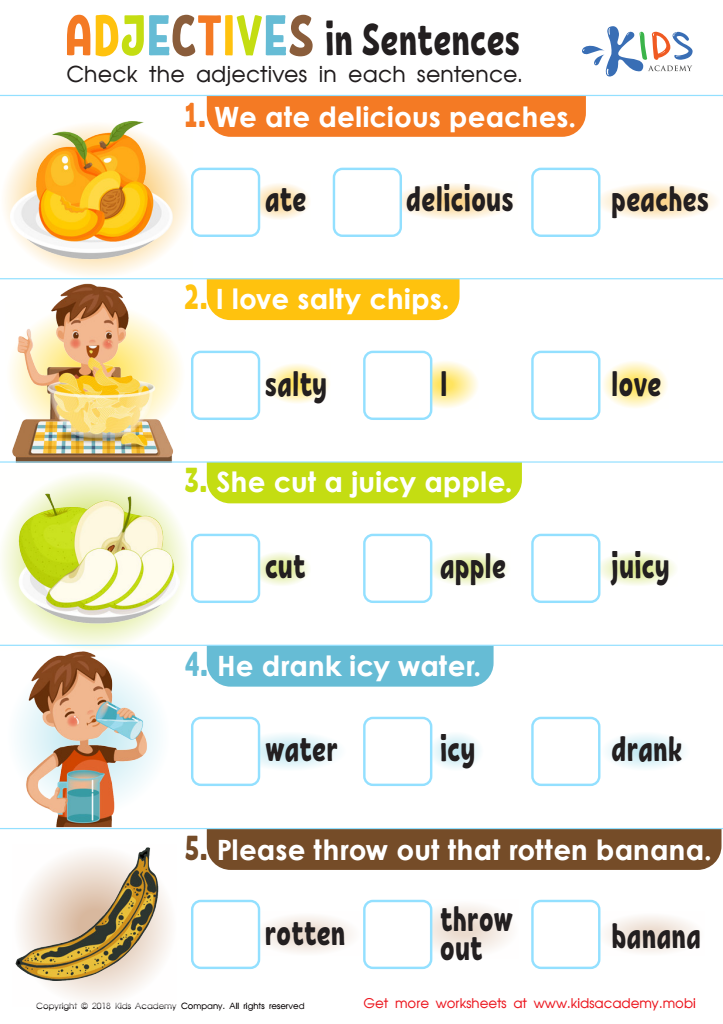
Adjectives in Sentences Worksheet
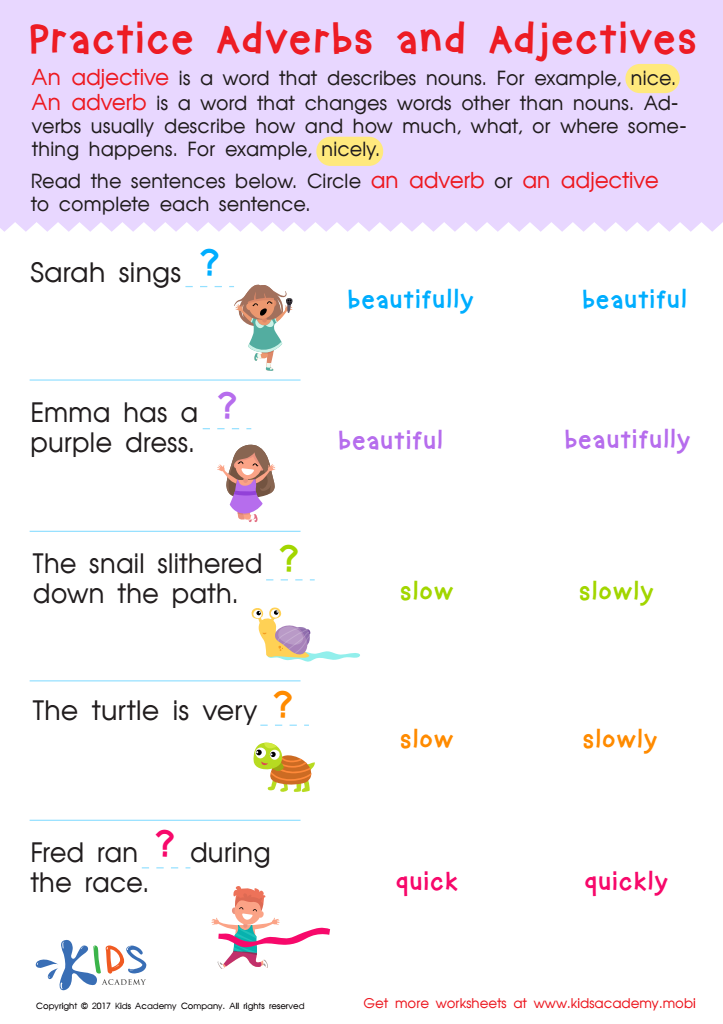
Adverbs and Adjectives Worksheet
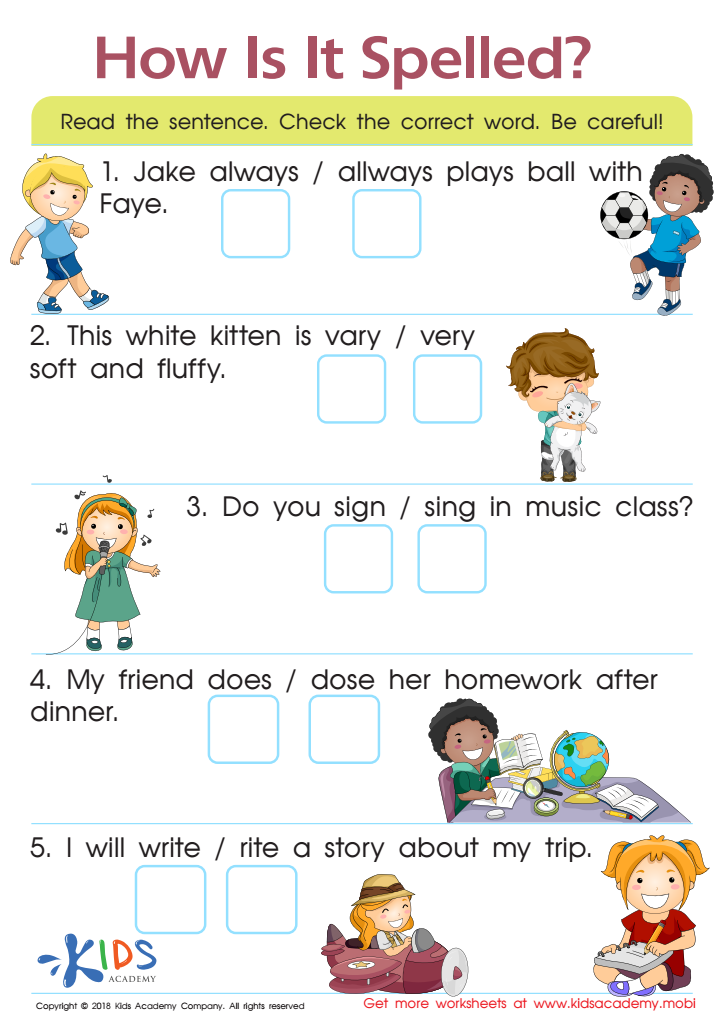
How is it spelled? Worksheet
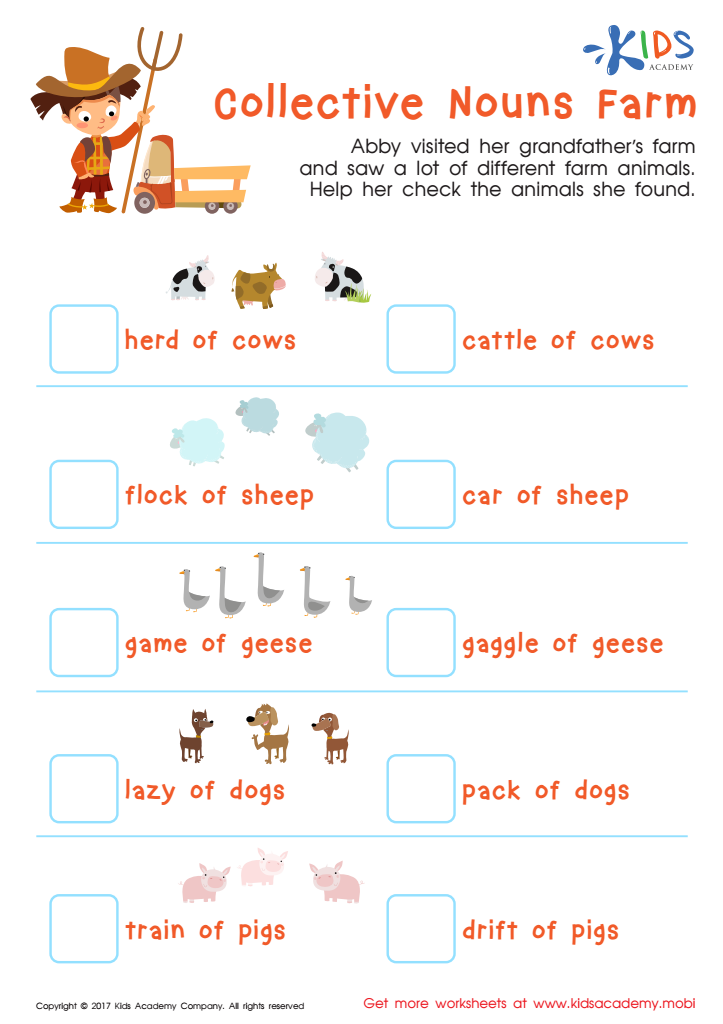
Collective Nouns Worksheet
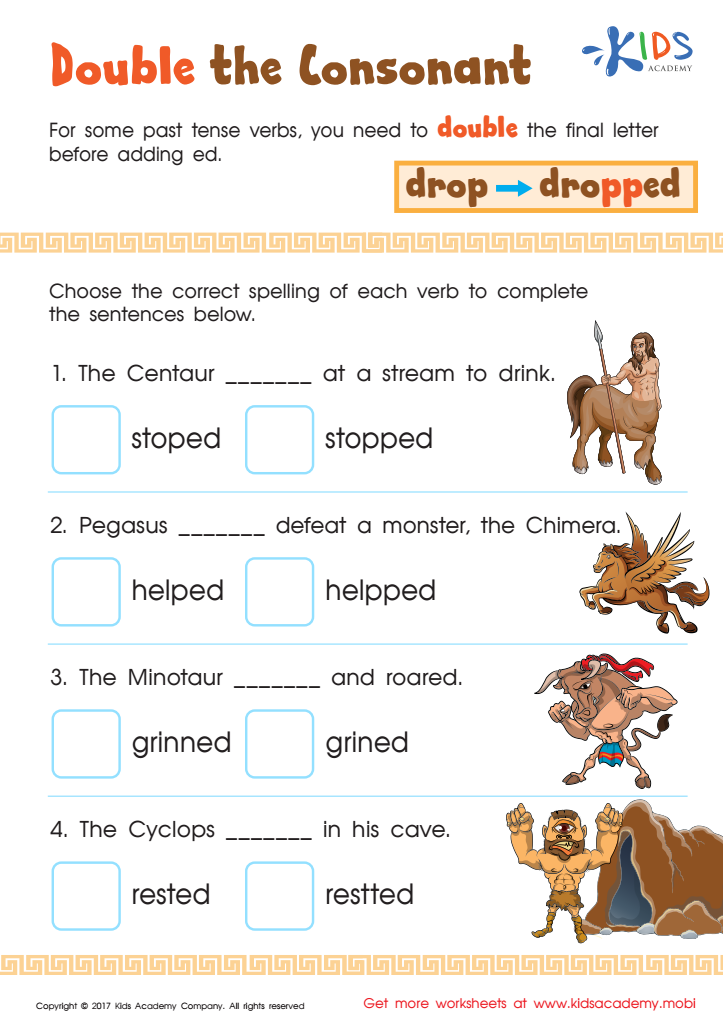
Double Consonant Spelling Worksheet
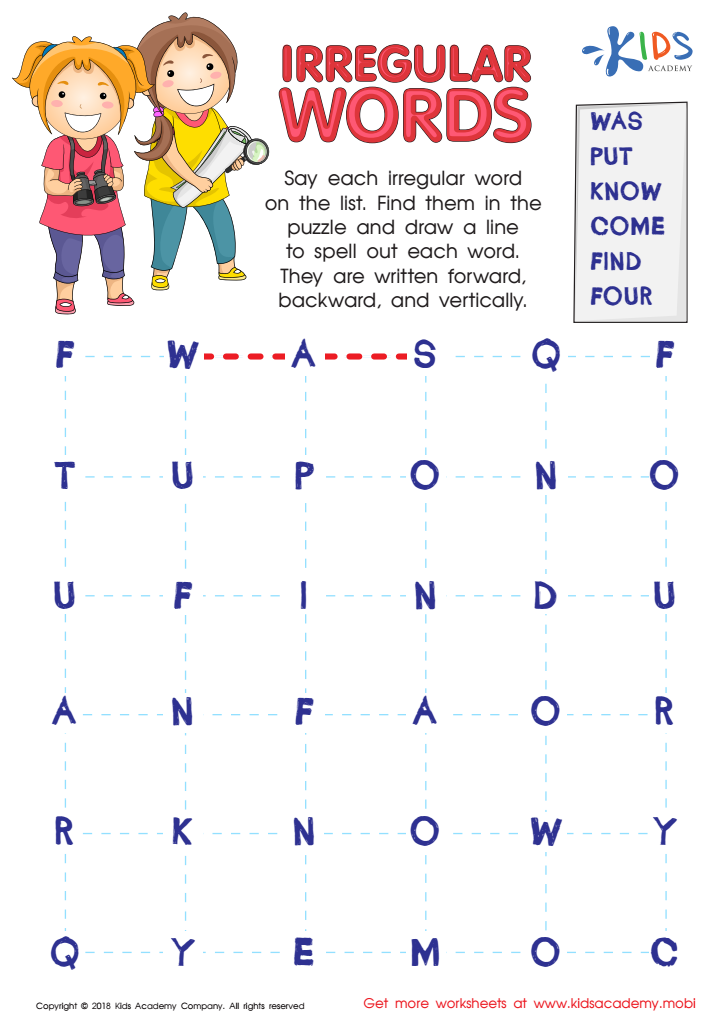
Irregular Words Worksheet


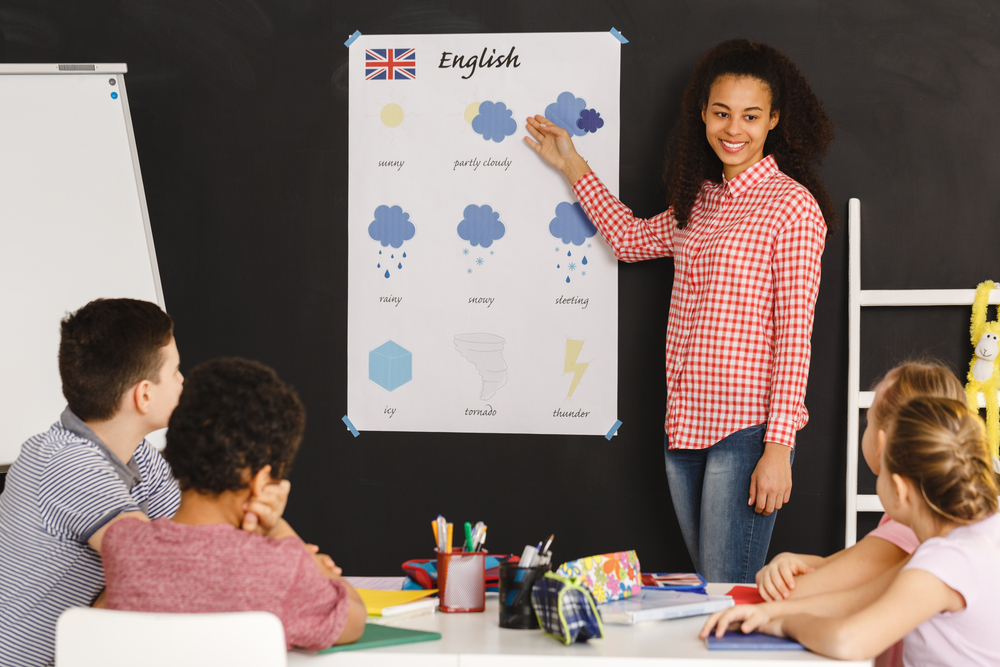

Vocabulary expansion and normal grammar are crucial for children aged 3-8, as they lay the groundwork for effective communication and cognitive development. At this age, children are highly receptive to language, learning new words and structures rapidly. A rich vocabulary enhances their ability to express thoughts, emotions, and ideas clearly, fostering confidence in social interactions and academic settings.
Parents and teachers play a vital role in this phase. By providing a language-rich environment filled with reading, conversation, and storytelling, they stimulate language acquisition. Engaging with diverse vocabulary not only improves children's language skills but also enhances their overall literacy, critical thinking, and comprehension abilities, which are fundamental for future learning.
Furthermore, a solid grasp of normal grammar promotes effective sentence construction. When children learn to use proper grammatical structures, they convey their messages more accurately, leading to better understanding in both speaking and writing. This foundational skill supports their academic success and enriches interpersonal relationships as they communicate more effectively with peers and adults.
In summary, investing in vocabulary expansion and normal grammar during these formative years is essential for nurturing confident, articulate, and capable individuals, ready for the challenges of education and socialization.