Categorizing objects Normal Worksheets for Ages 3-9
4 filtered results
-
From - To
Our "Categorizing Objects" worksheets are perfect for enhancing critical thinking and organizational skills in children aged 3-9. These engaging, age-appropriate exercises help kids learn to sort and classify various objects based on different criteria, such as shape, size, or color. Each worksheet is designed by educators to encourage logical thinking and improve problem-solving abilities, fostering a strong foundation for future learning. With our printable resources, young learners will enjoy a fun, interactive way to develop essential skills, making it the ideal tool for parents and teachers seeking to boost educational growth.
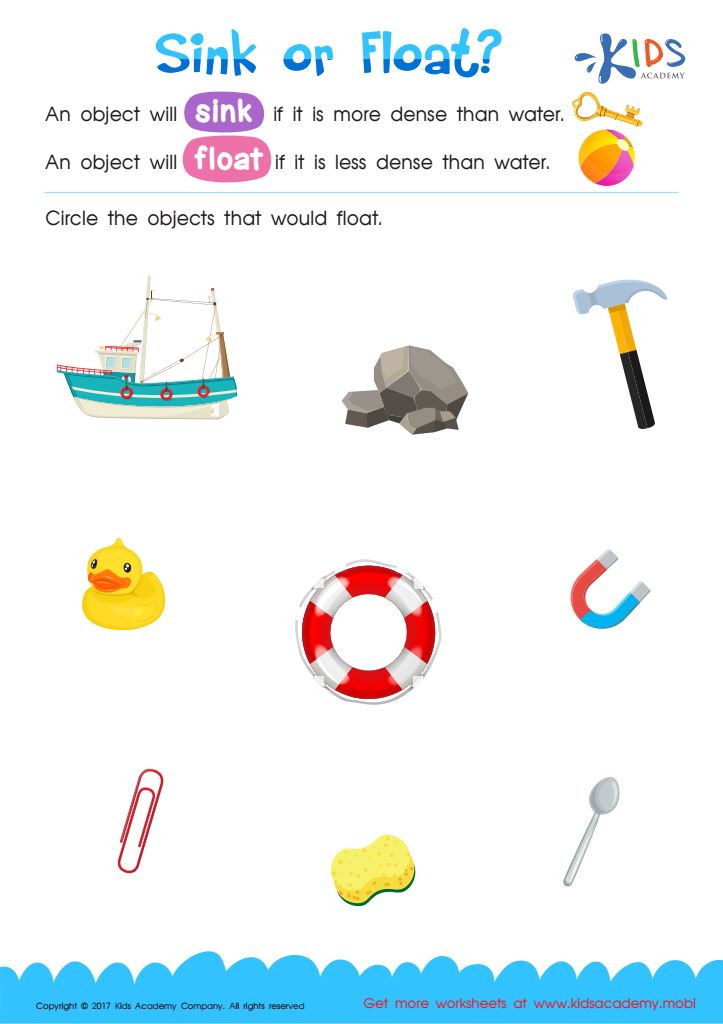
Sink or Float Printable
 Assign to My Students
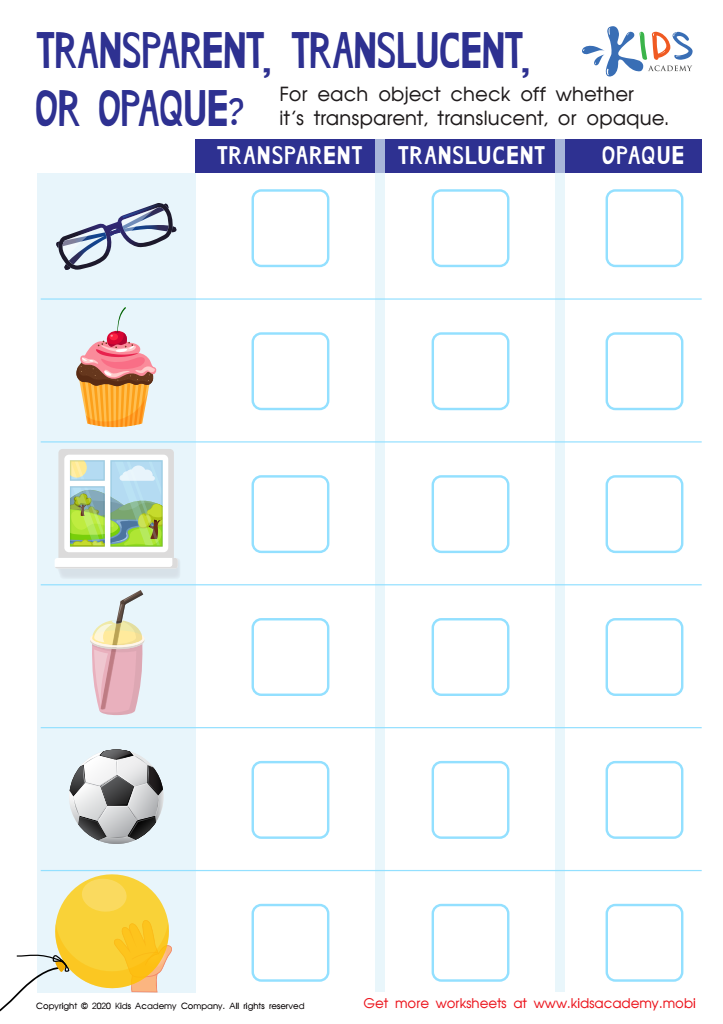
Transparent, Translucent, or Opaque Worksheet
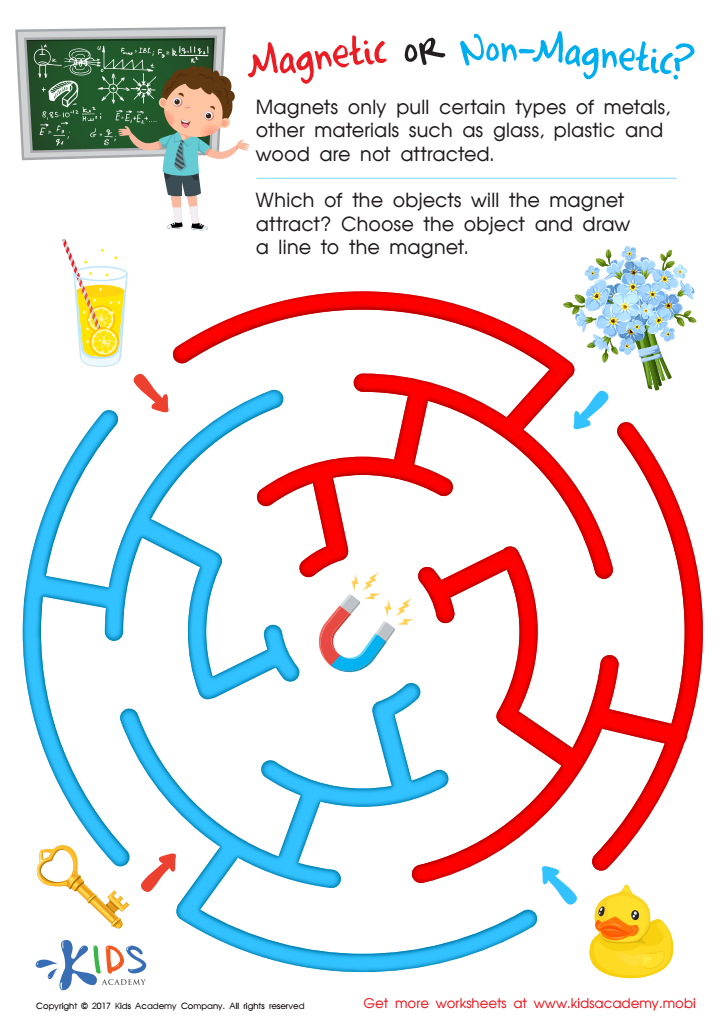
Magnetic or Non–Magnetic Worksheet
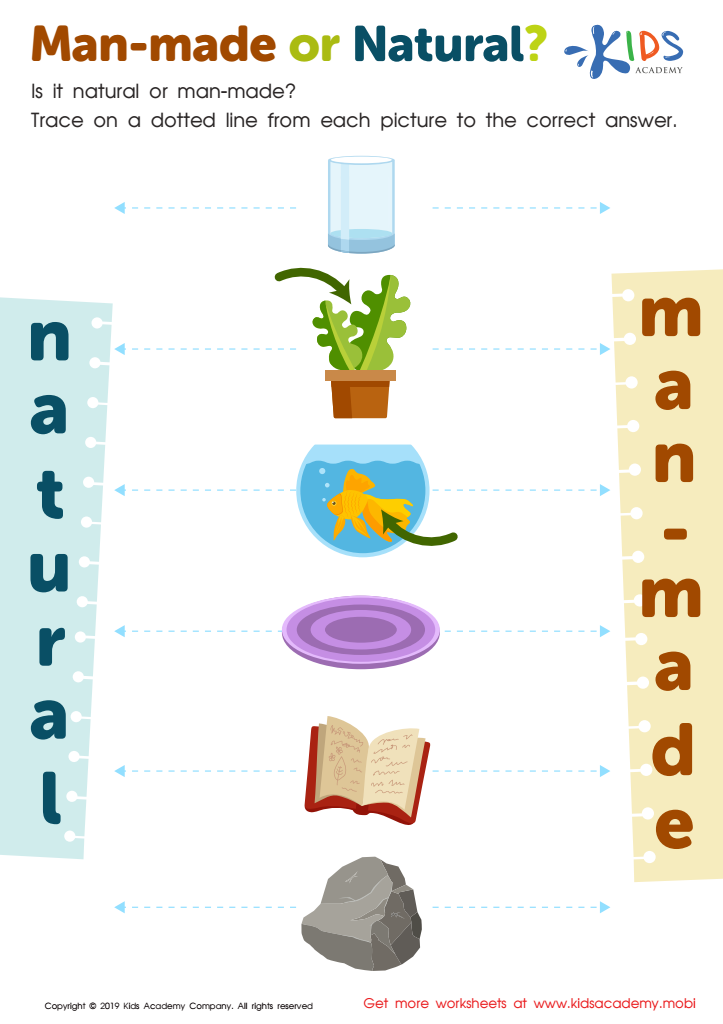
Man-Made or Natural? Worksheet


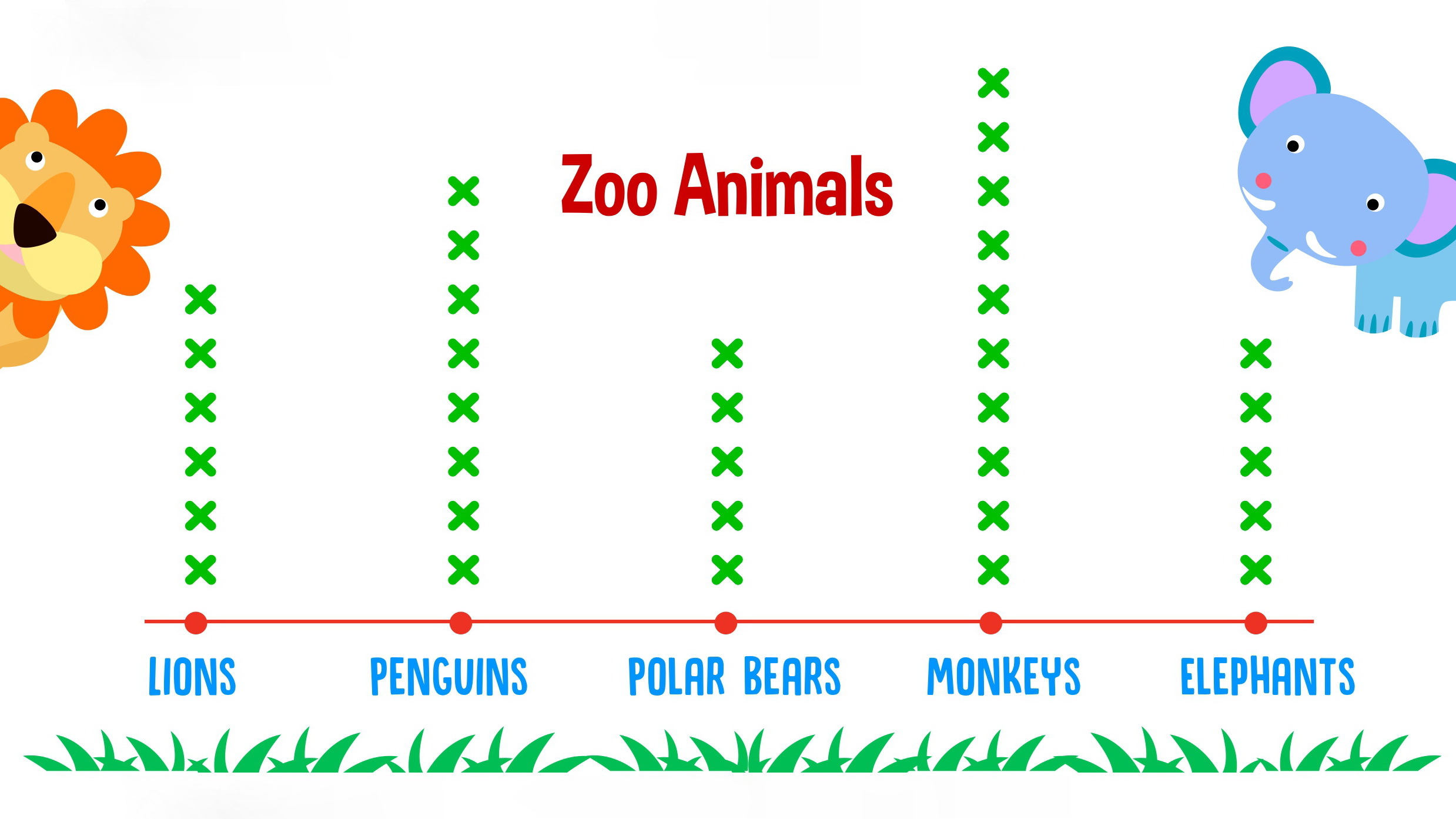




Categorizing objects is crucial for young children, typically between ages 3-9, as it nurtures foundational cognitive skills essential for later learning. Parents and teachers should care about this developmental milestone because it helps organize and make sense of the world, stimulating a child's ability to think critically and logically.
When children learn to categorize objects, they start to recognize similarities and differences, which enhances their observation skills. This ability to group objects by common traits, such as color, shape, size, or function, directly supports mathematical skills, including sorting and sets recognition. It also lays the groundwork for more advanced concepts, such as grouping vocabulary words, understanding grammar rules, and making predictions scientifically.
Furthermore, categorization aids memory retention. By organizing information into categories, children can better retrieve knowledge when needed, crucial for everything from daily tasks to academic success. It encourages language development as children describe why objects belong in certain groups, fostering vocabulary expansion and communication skills.
Finally, social and emotional skills are cultivated through categorizing activities. Group interactions during sorting games or collaborative projects build teamwork abilities and empathy as children learn to see things from others' perspectives. In summary, categorizing objects supports holistic cognitive, linguistic, and socio-emotional development, making it a vital component of early childhood education.








