Color recognition Normal Worksheets for Ages 3-9 - Page 2
34 filtered results
-
From - To
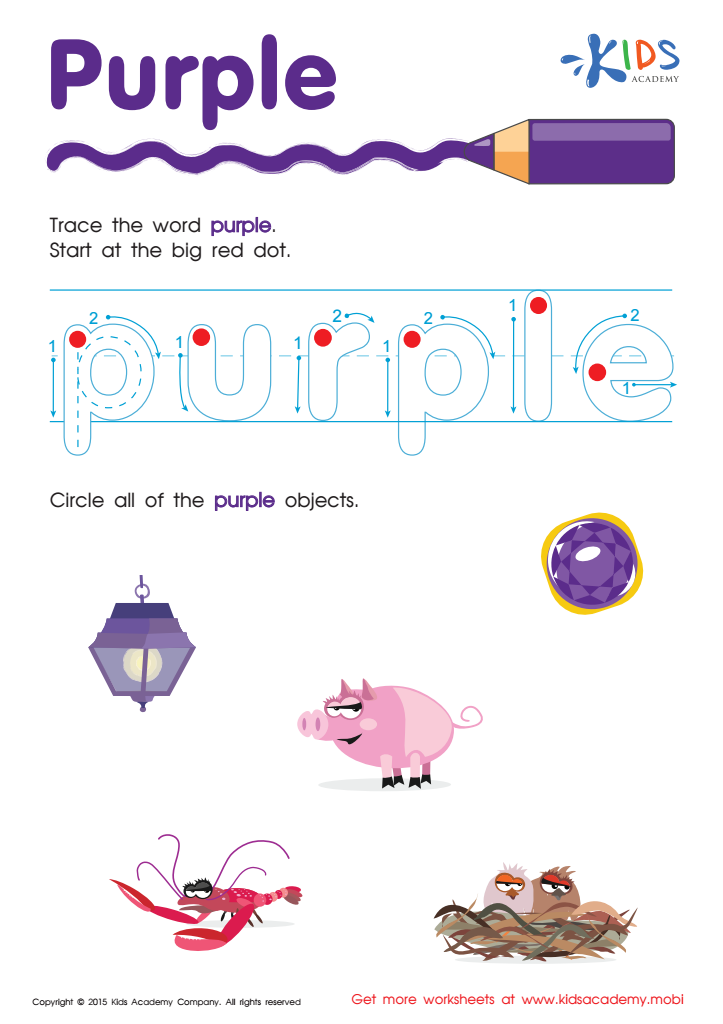
Purple Tracing Color Words Worksheet
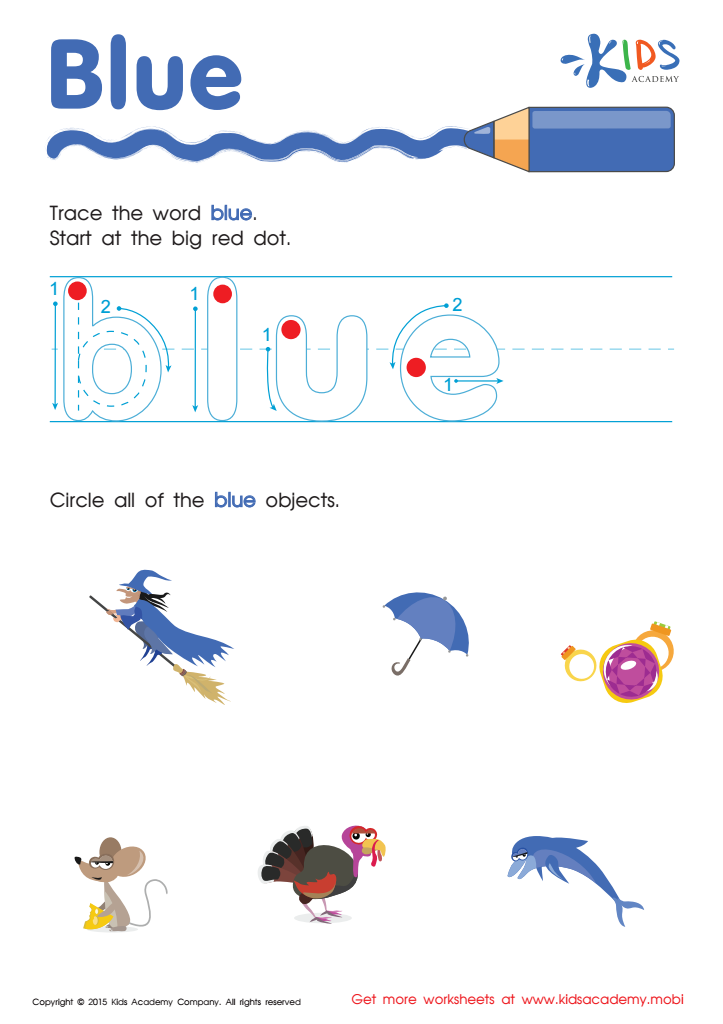
Blue Tracing Color Words Printable
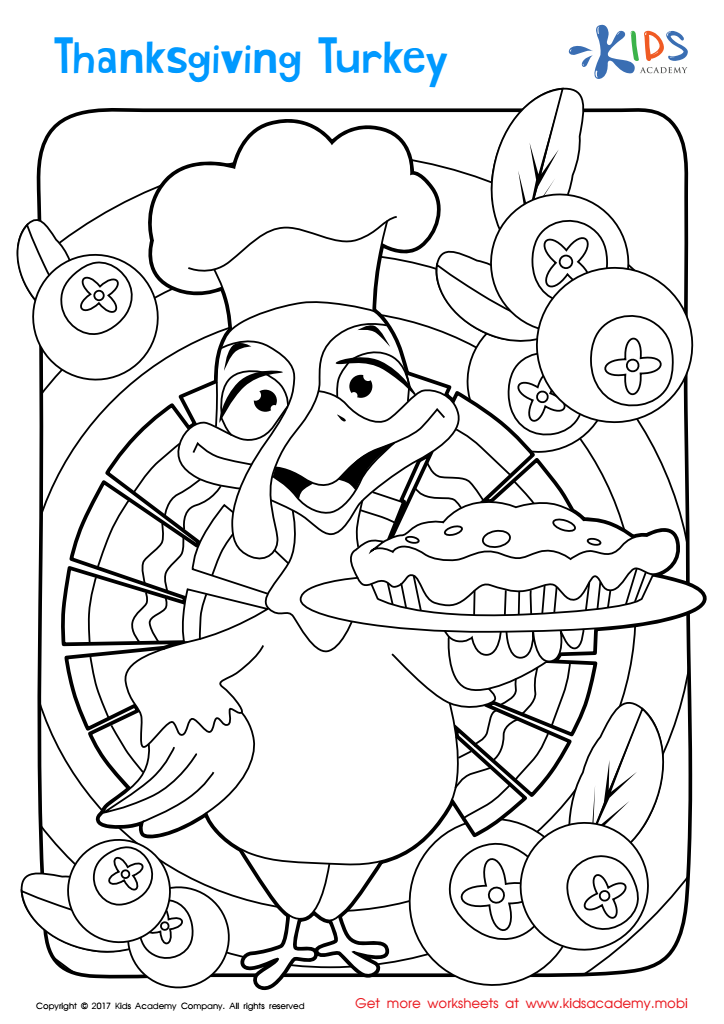
Turkey Thanksgiving Day Worksheet
 Assign to My Students
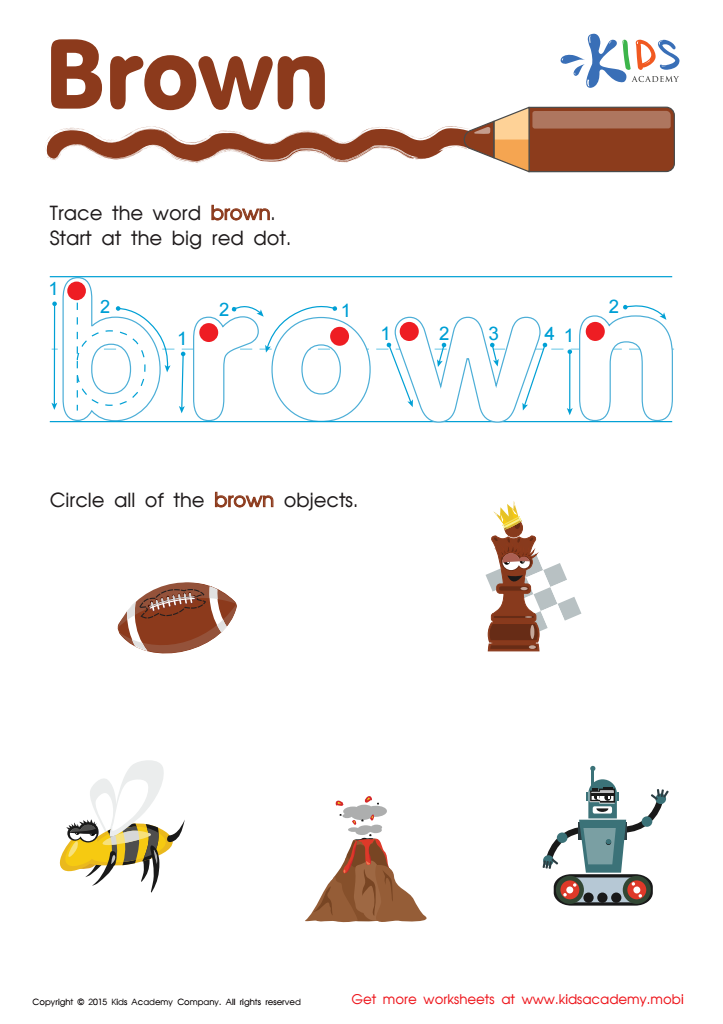
Brown Tracing Color Words Worksheet
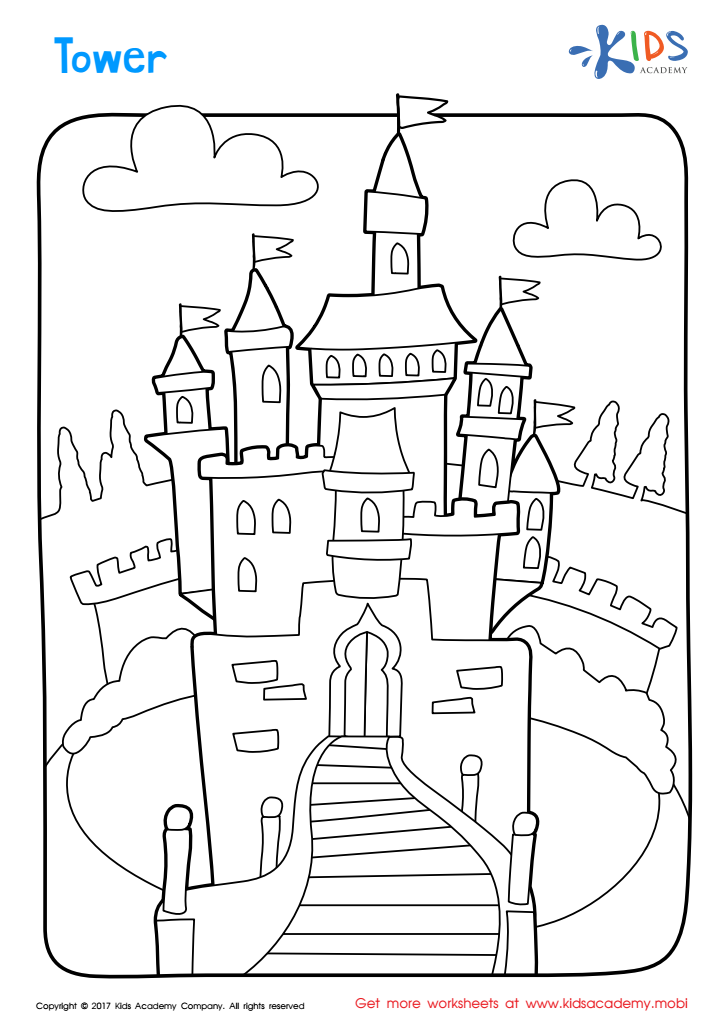
Tower Coloring Page
Assign to My Students
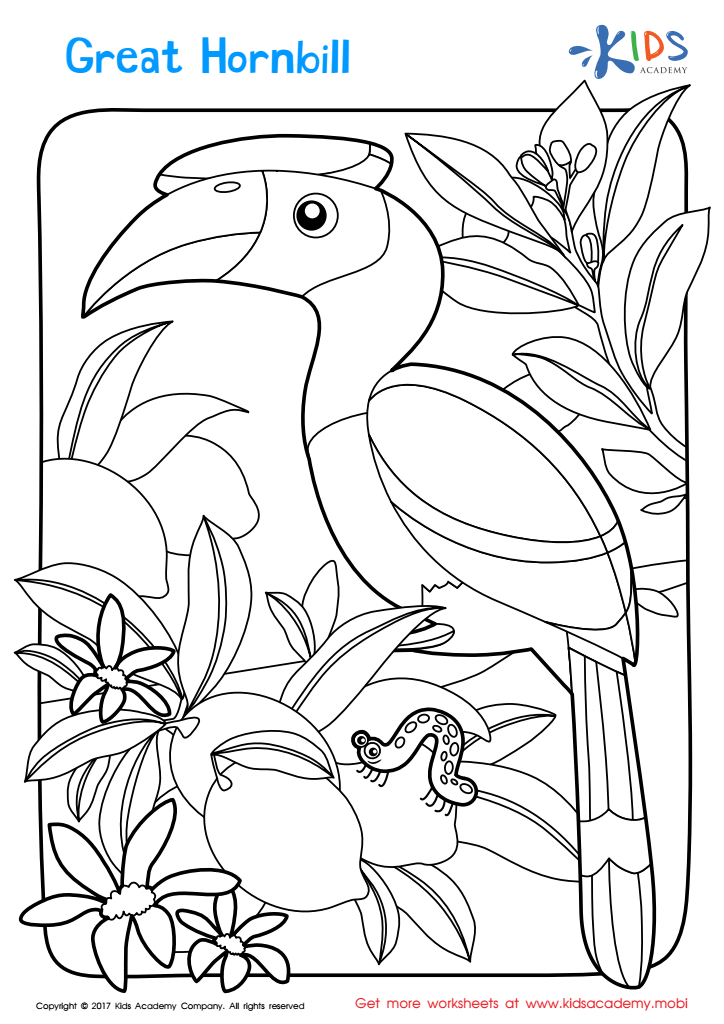
Great Hornbill Worksheet
Assign to My Students
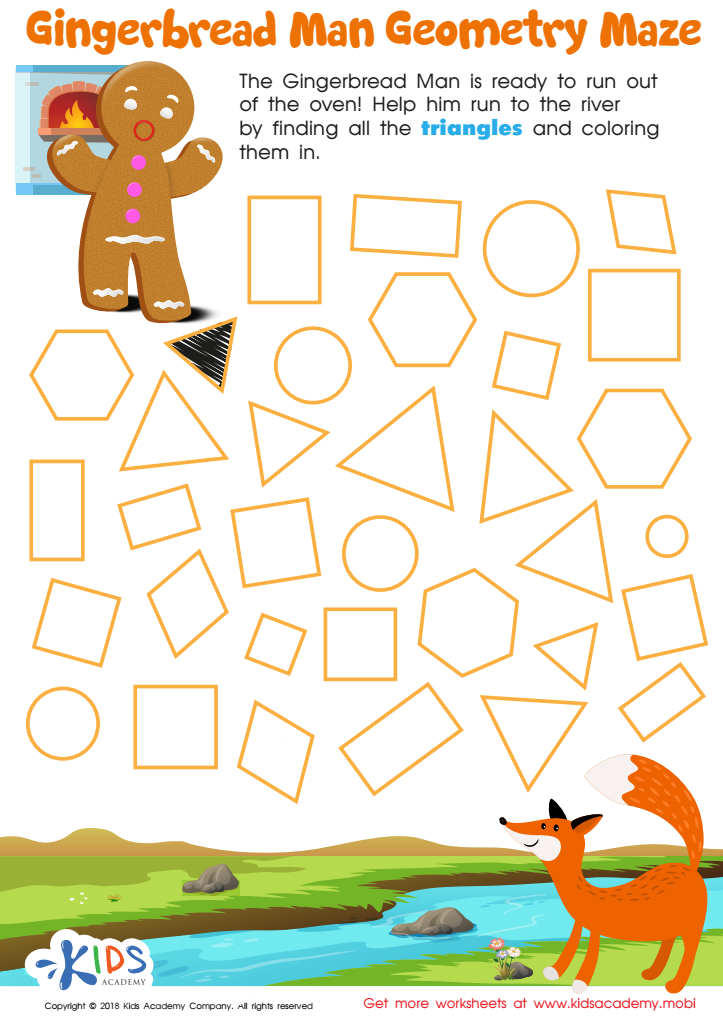
Gingerbread Man Geometry Maze Worksheet
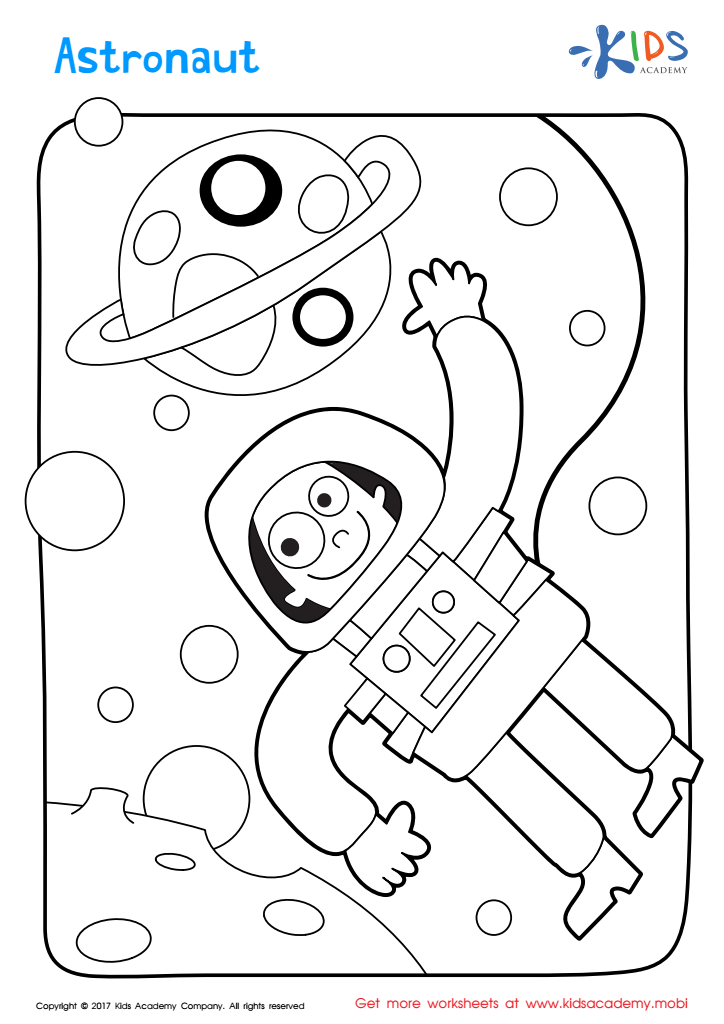
Astronaut Coloring Page
Assign to My Students
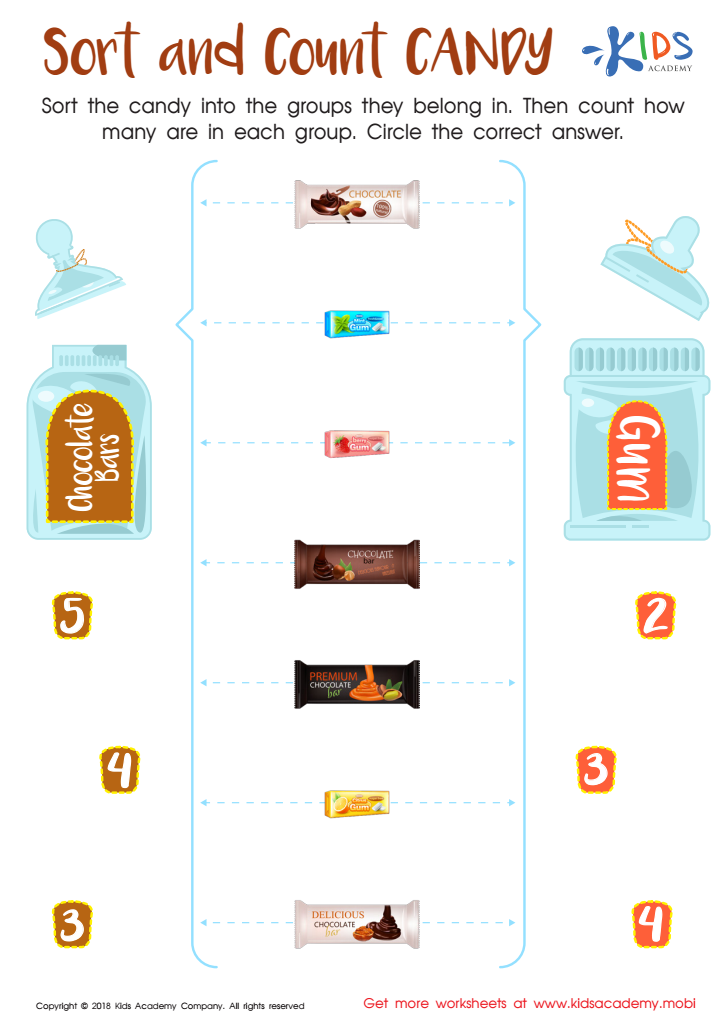
Sort and Count Candy Worksheet
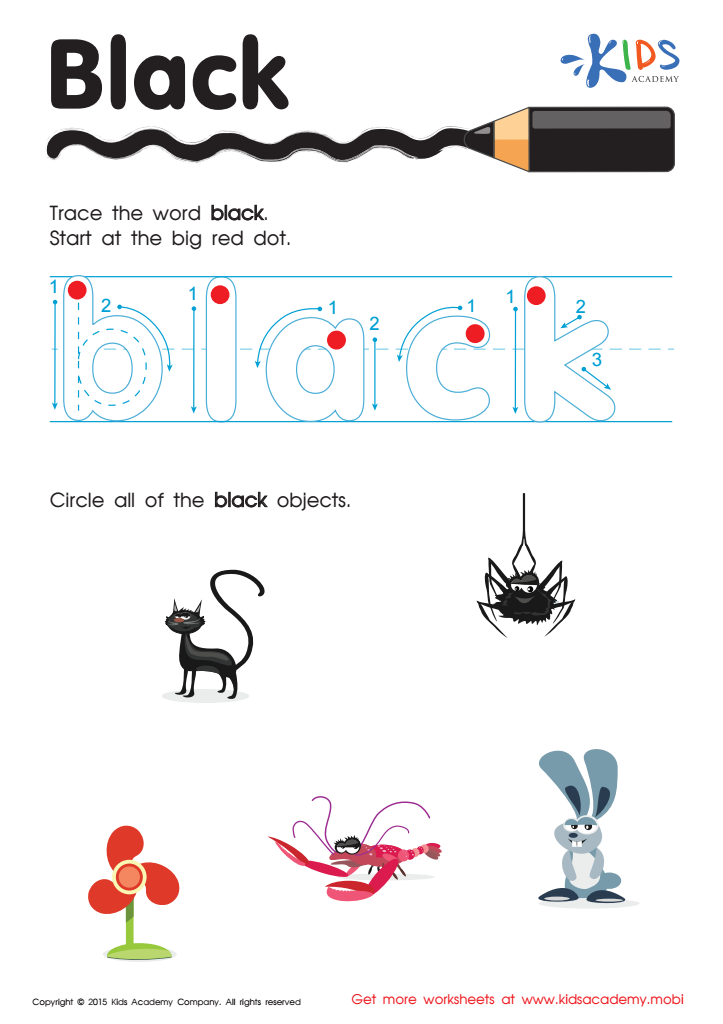
Black Tracing Color Words Printable








Color recognition is a fundamental skill that serves as a building block for numerous areas of learning and development for children aged 3-9. Understanding and identifying colors can profoundly enhance a child's cognitive abilities. It helps with language development, as kids learn to describe and differentiate their environment using words for various colors. This skill also supports categorization and classification, which are crucial for mathematical reasoning and scientific thinking.
Additionally, activities that involve colors, such as sorting and matching games, can improve fine motor skills and hand-eye coordination. These activities are not just fun but are essential for development. Socially and emotionally, understanding colors helps children to express themselves and interpret their world; for instance, associating colors with feelings or traffic signals with safety.
For parents and teachers, promoting color recognition can also be an engaging way to bond with children while supporting their intellectual growth. Simple activities involving colored toys, books, and crayons can stimulate a child's curiosity and creativity. Overall, recognizing and naming colors is much more than just a skill; it's an integral part of holistic development that prepares young minds for future learning challenges. Encouraging color recognition naturally integrates into everyday activities, making it an effortless yet significant aspect of early childhood education.








