Letter recognition Normal Worksheets for Ages 3-9 - Page 3
67 filtered results
-
From - To
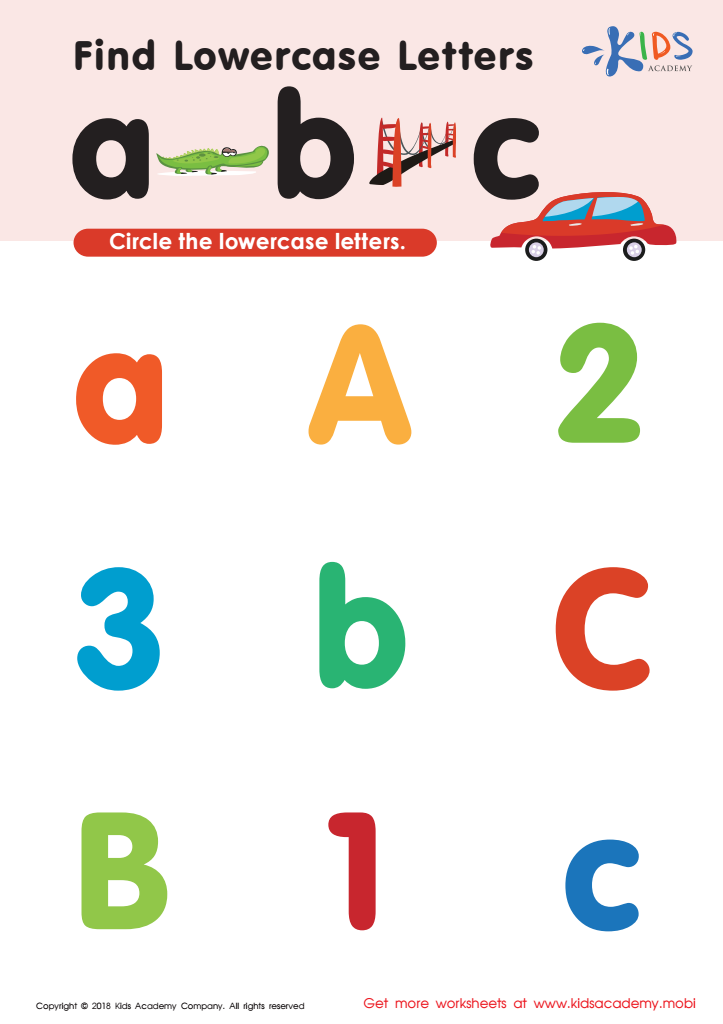
Find lowercase letters a b c Worksheet
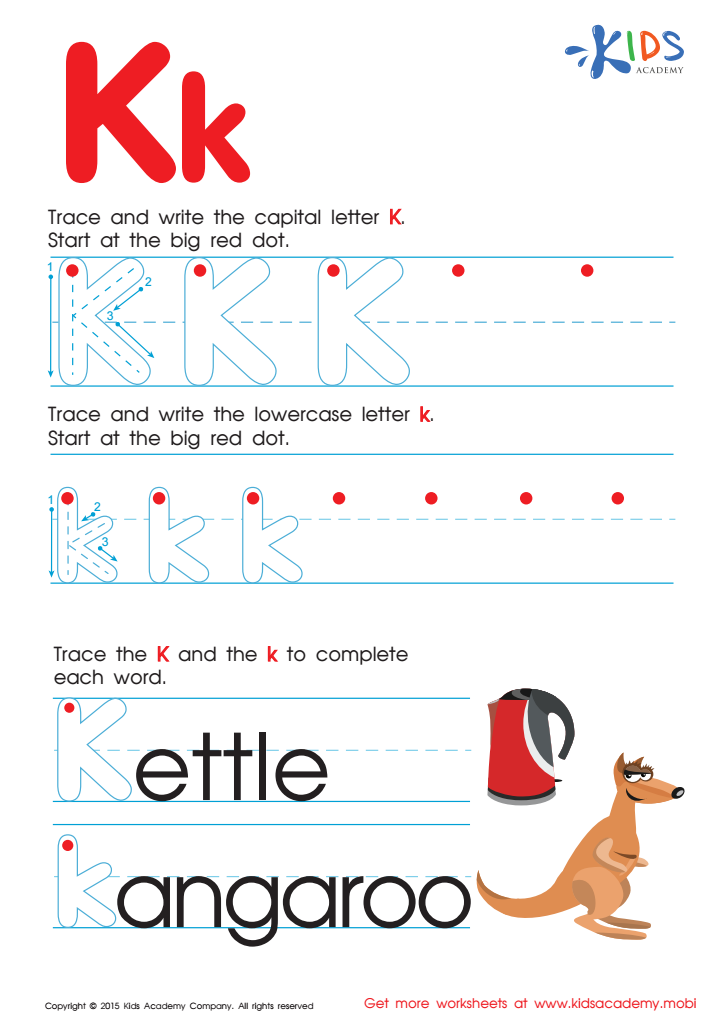
Letter K Tracing Page
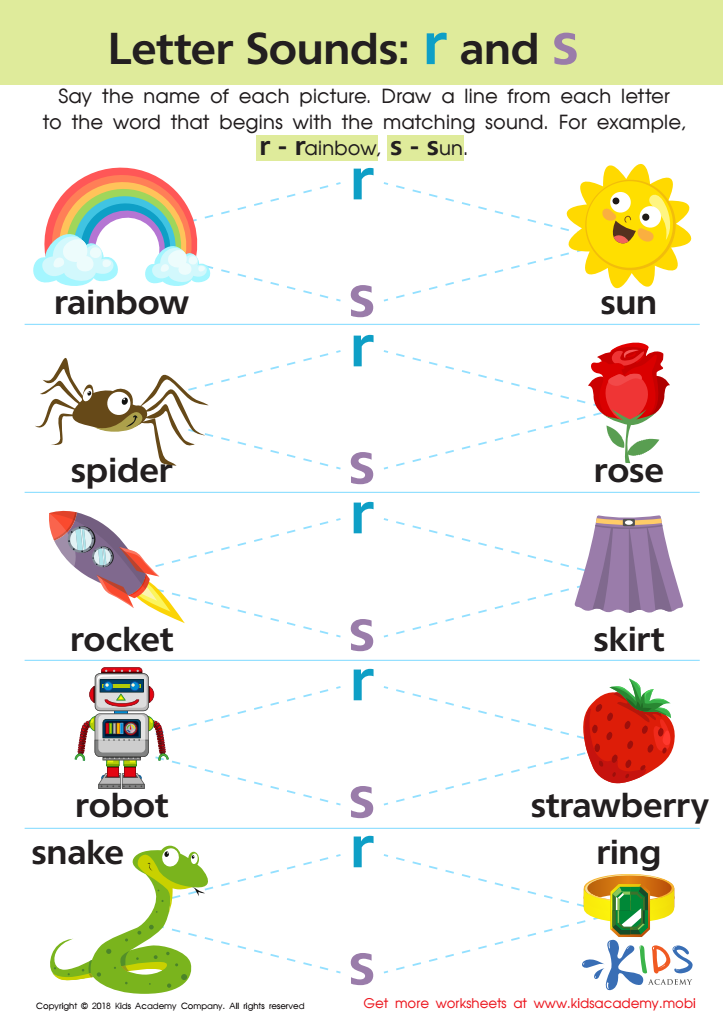
Letter R and S Sounds Worksheet
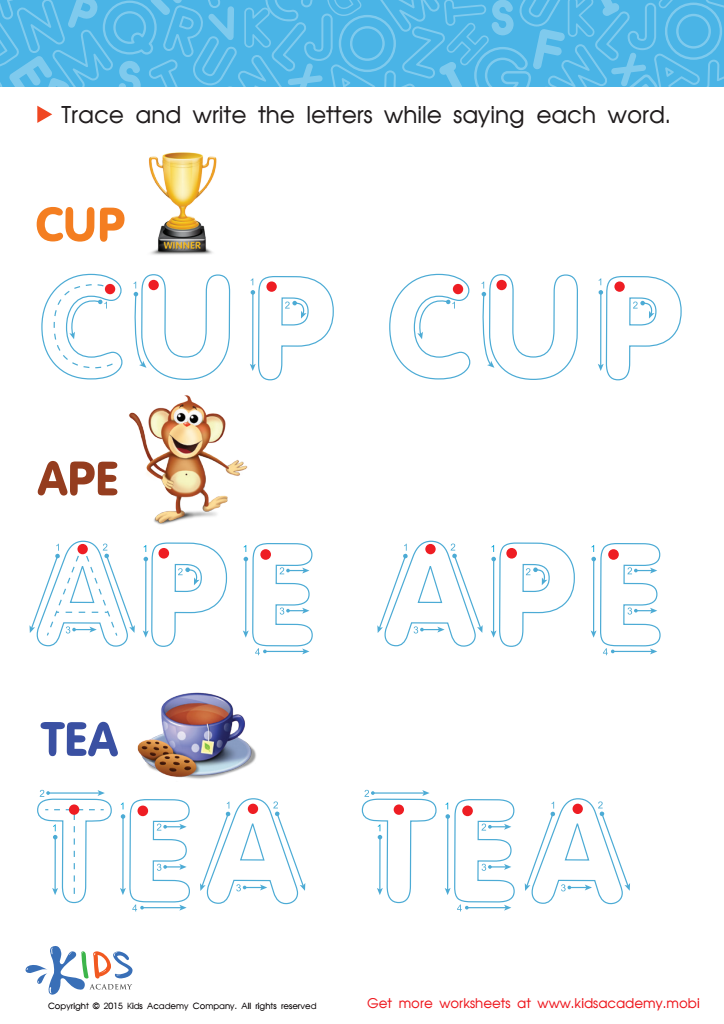
A Cup, an Ape and Tea Spelling Worksheet
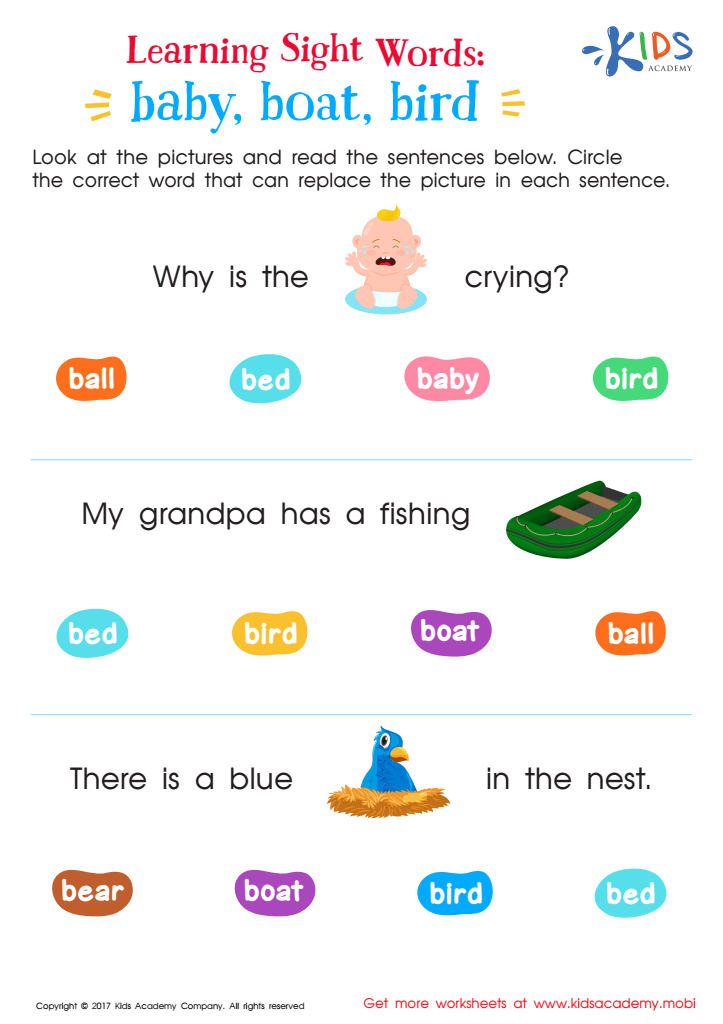
Baby, Boat, Bird Worksheet Sight Words Worksheet
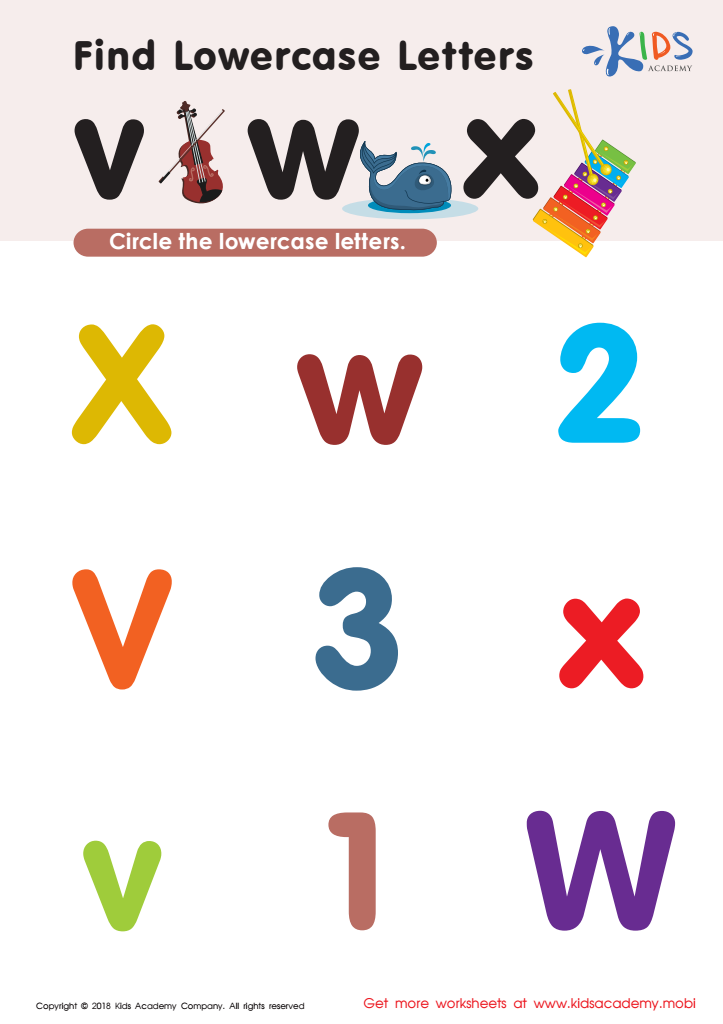
Find Lowercase Letters v w x Worksheet
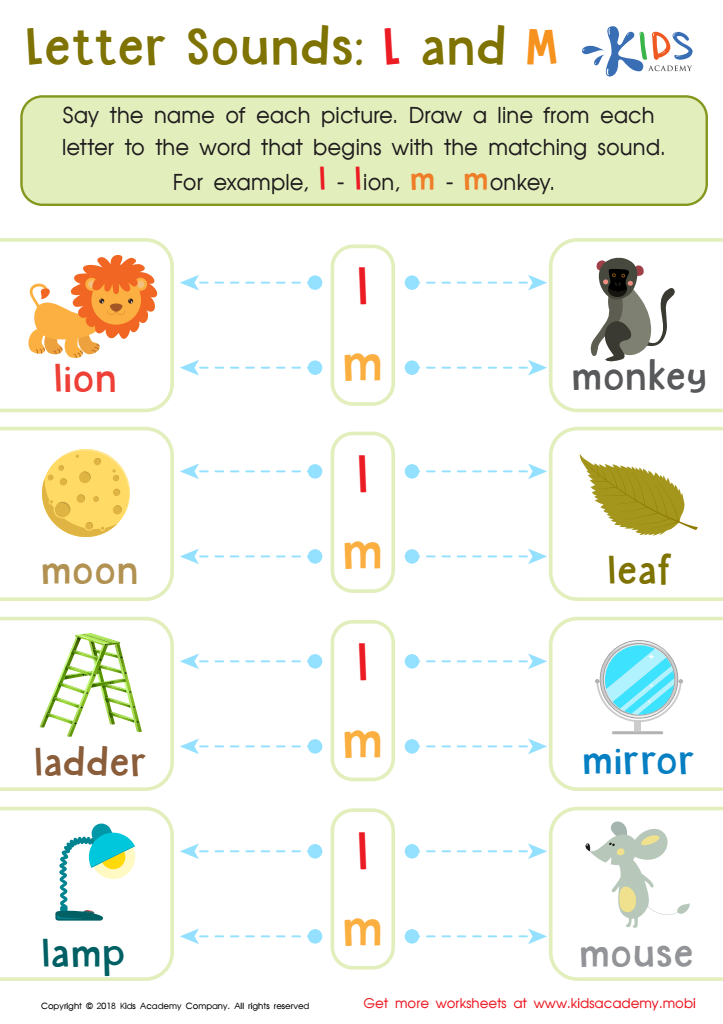
Letter l and M Sounds Worksheet
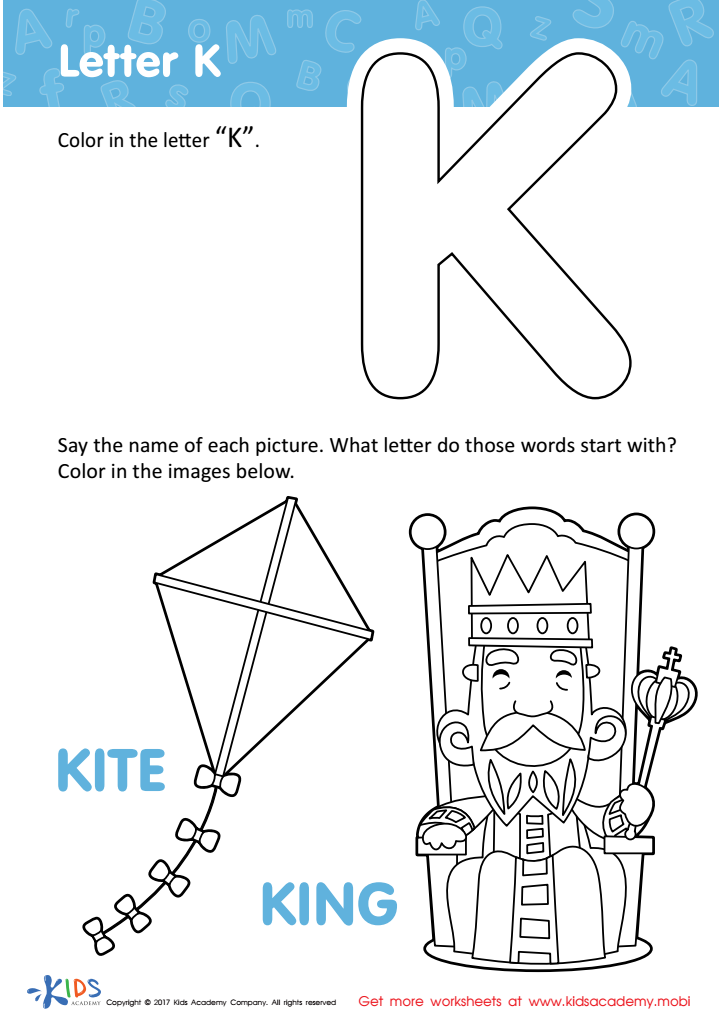
Letter K Coloring Sheet
 Assign to My Students
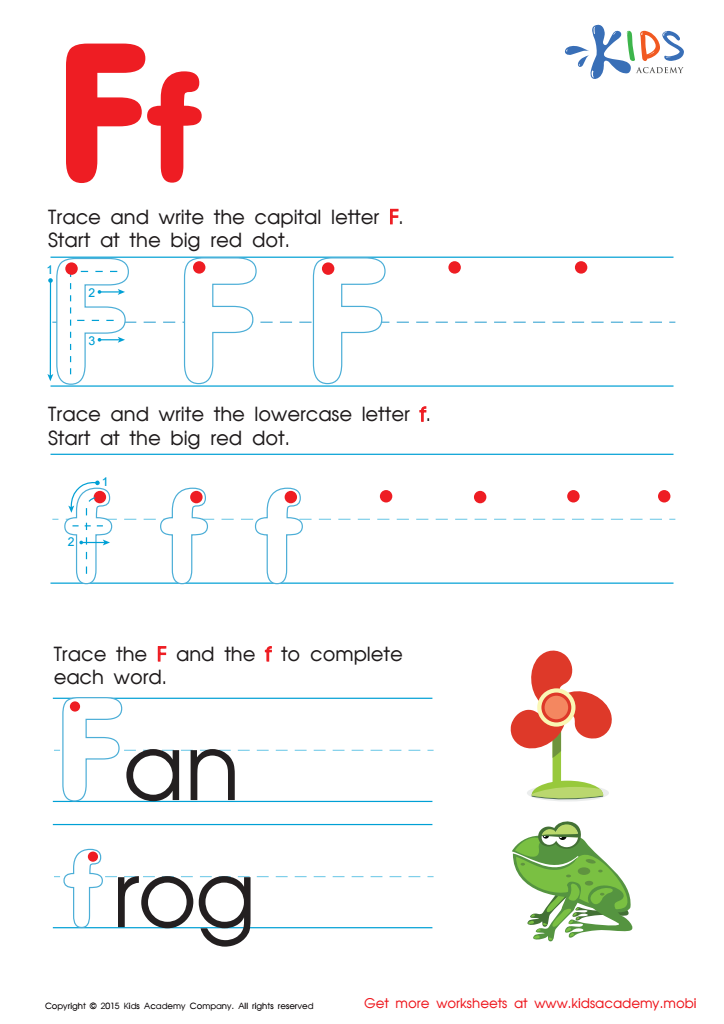
Letter F Tracing Page
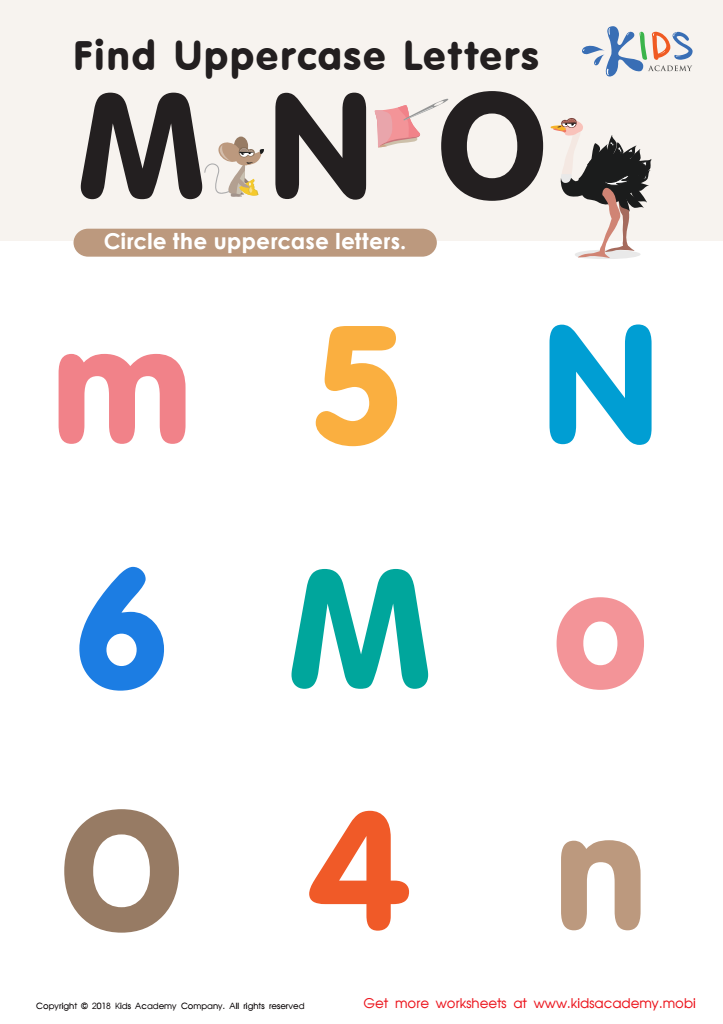
Find Uppercase Letters M, N, and O Worksheet
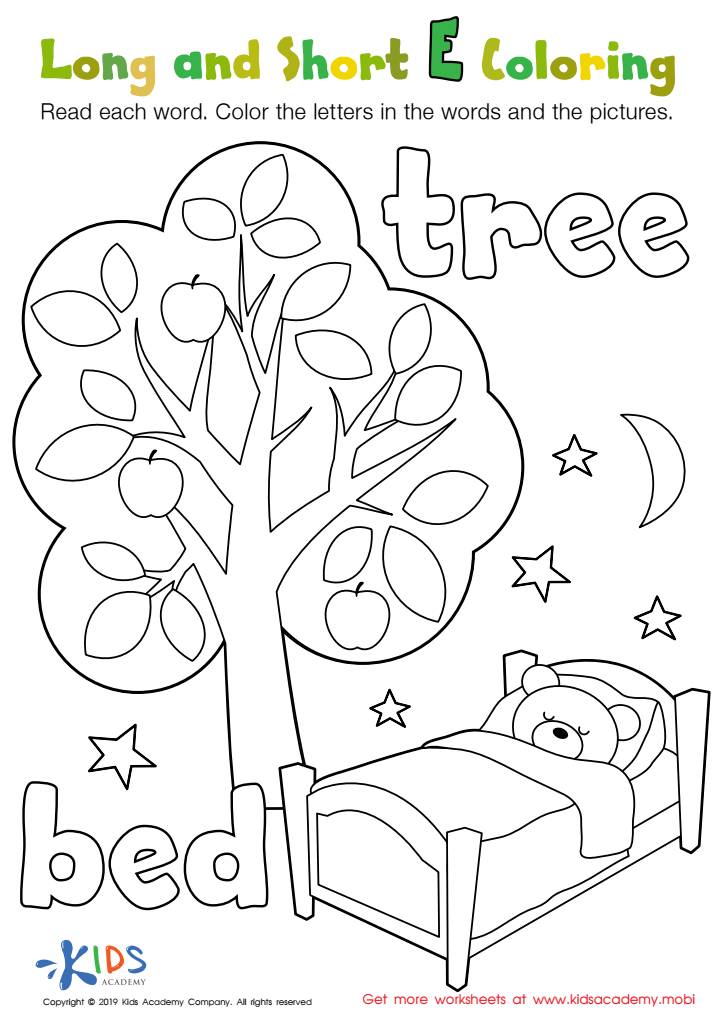
Long and Short E Worksheet
Assign to My Students
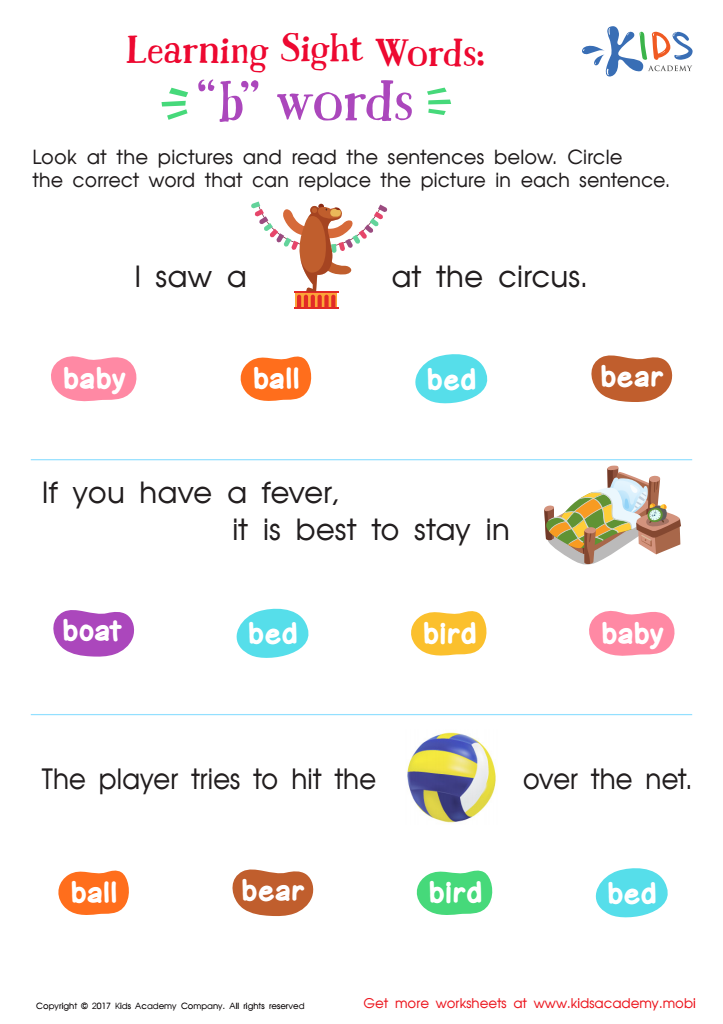
"B" Words Printable Sight Words Worksheet
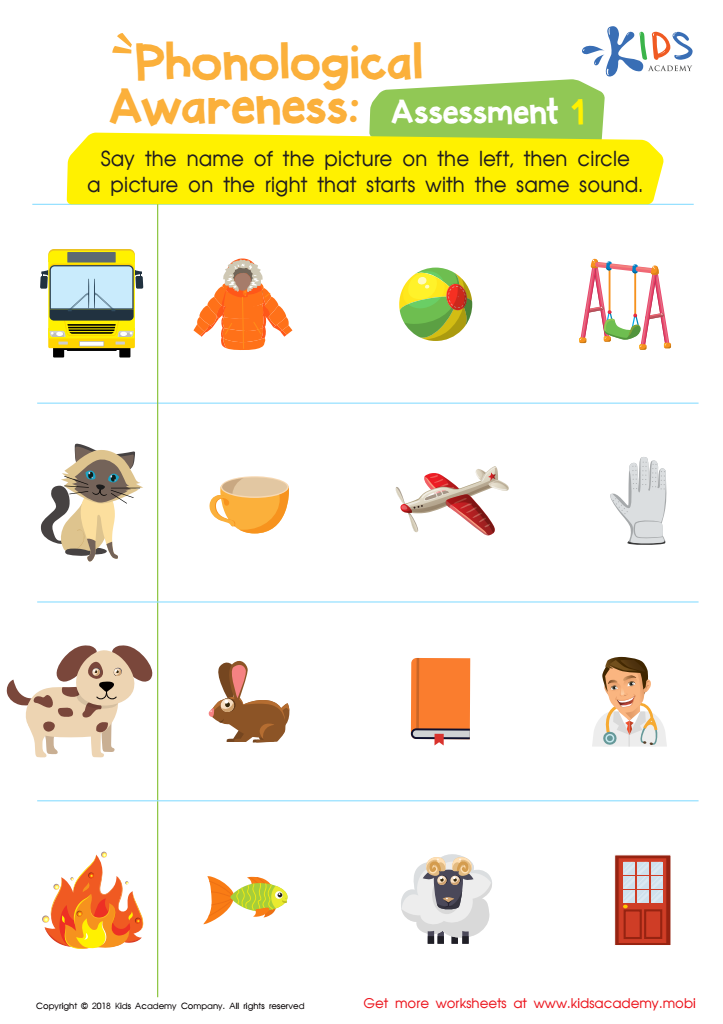
Phonological Awareness: Assessment 1 Worksheet
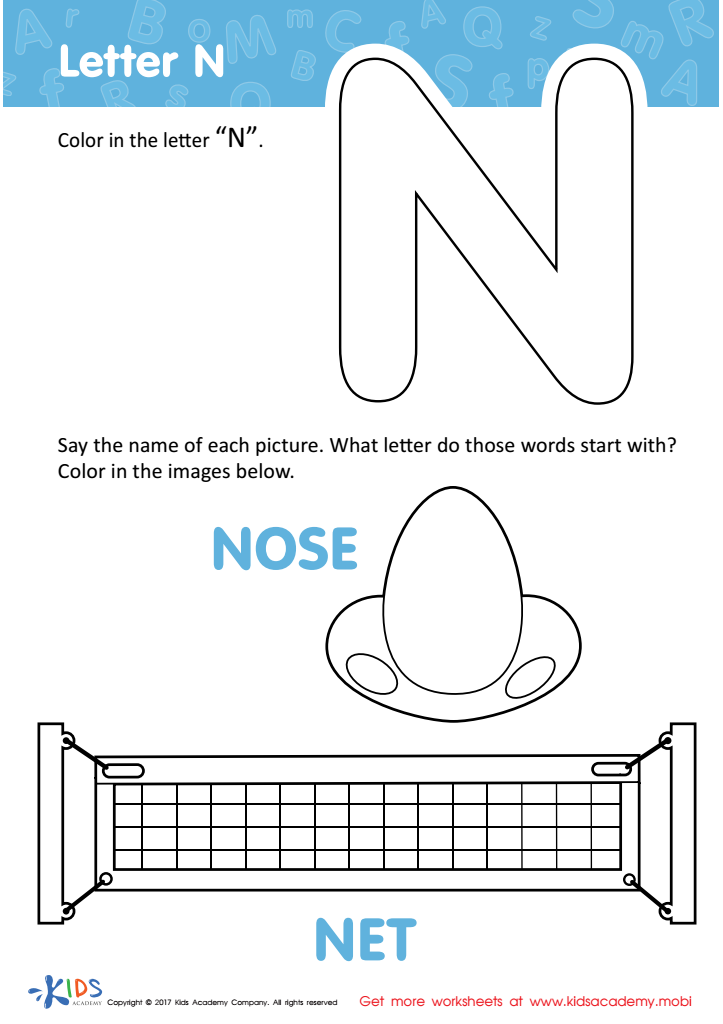
Letter N Coloring Sheet
Assign to My Students

Letter D Tracing Page
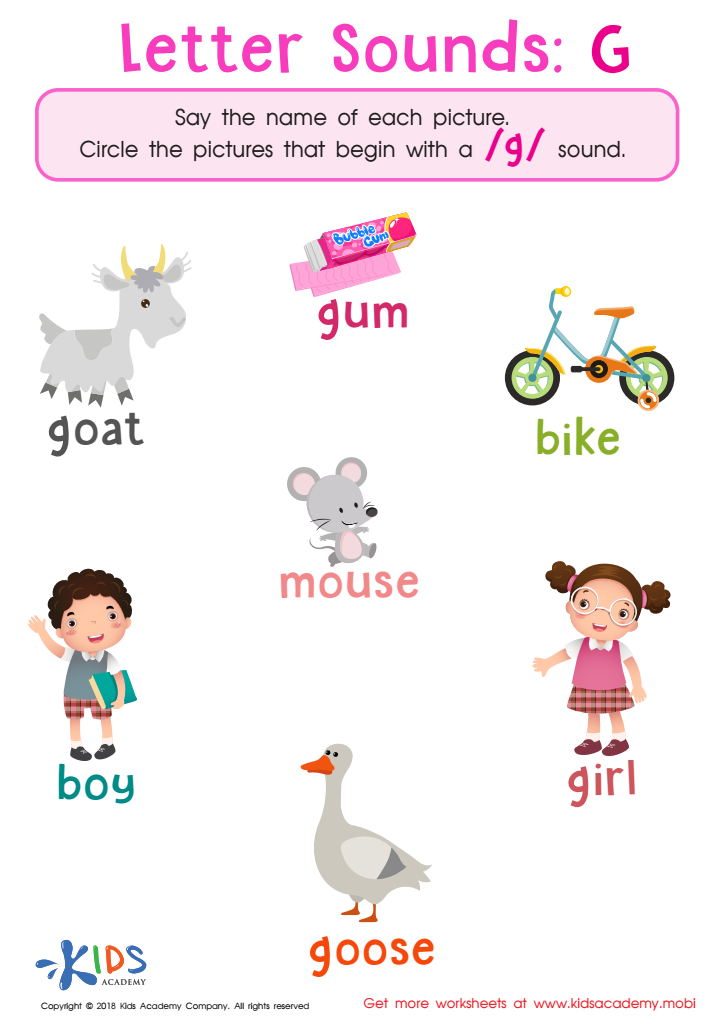
Letter G Sounds Worksheet
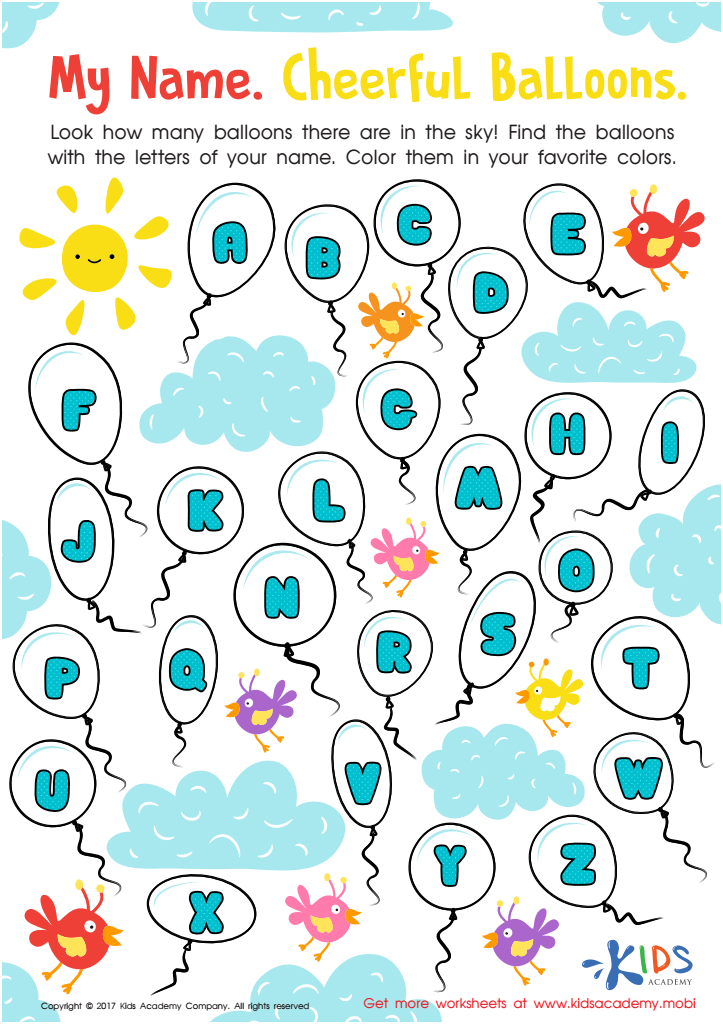
My Name: Cheerful Balloons Worksheet
Assign to My Students
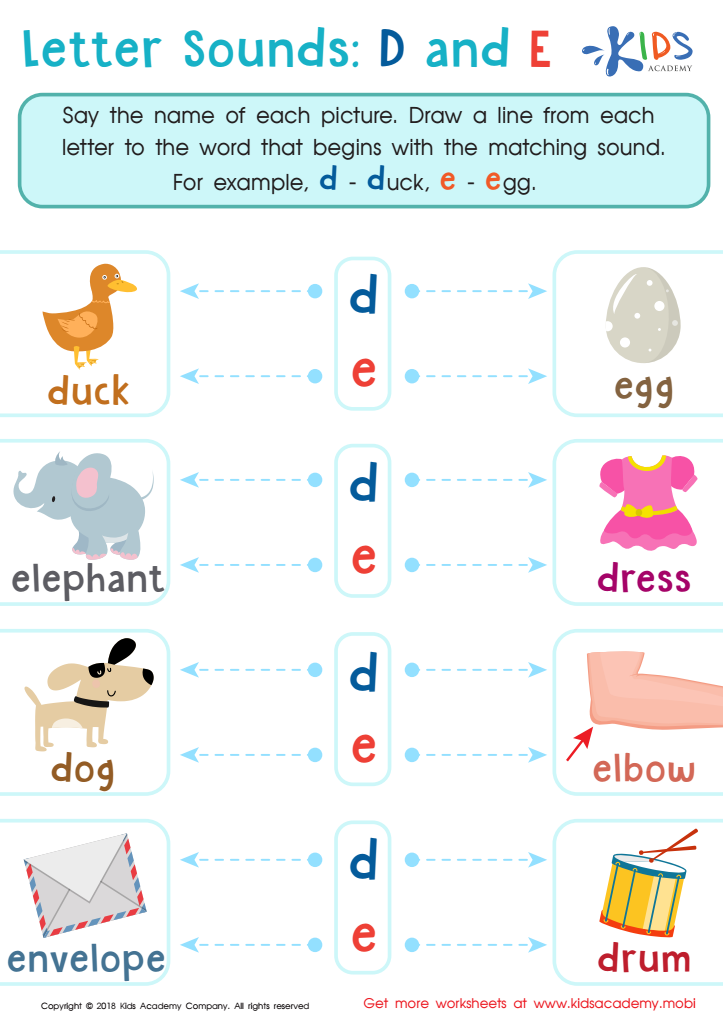
Letter D and E Sounds Worksheet
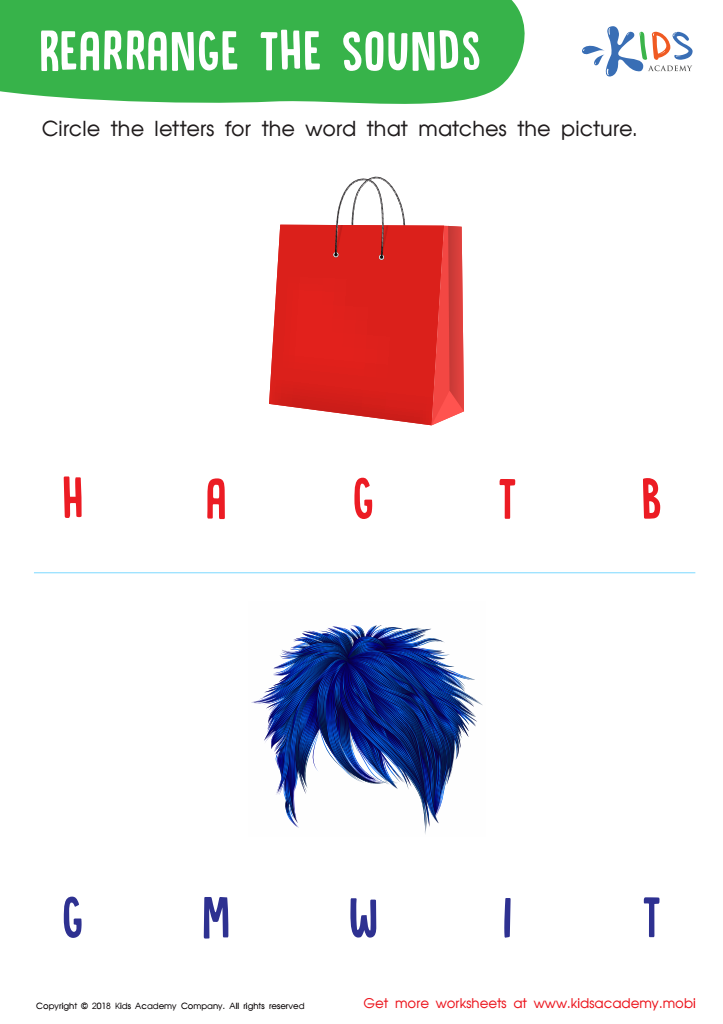
Rearrange the Sounds Worksheet







Letter recognition is a fundamental stepping stone in early childhood education, especially for children aged 3-9. Parents and teachers should care deeply about it because it lays the groundwork for essential literacy skills. Recognizing letters is the first step in learning to read and write. When children can identify letters, they begin to understand that letters make sounds and that these sounds form words. This understanding is crucial for reading fluency and comprehension, both of which are pivotal for academic success.
Early letter recognition also boosts a child’s confidence. Being able to recognize and name letters makes children feel more competent and ready to tackle other academic challenges. Additionally, letter recognition is closely tied to other cognitive skills, such as memory and attention. Practicing letter recognition helps children develop these skills, encouraging better focus and retention of information.
Moreover, developing good letter recognition at an early age can help identify and support children who may have learning difficulties such as dyslexia. Early intervention can make a significant difference in a child’s learning outcomes. Overall, engaging in activities that promote letter recognition not only fosters a love for learning but also sets a solid foundation for future educational achievements.








