Number Sequencing Normal Worksheets for Ages 3-9
13 filtered results
-
From - To
Discover our engaging Number Sequencing Worksheets designed for children ages 3 to 9! These printable resources help young learners develop essential counting and sequencing skills in a fun, interactive way. Our worksheets feature a variety of patterns, puzzles, and activities that encourage critical thinking and mastery of number order. Perfect for preschoolers and early elementary students, these exercises promote cognitive development and boost confidence in math abilities. Whether in the classroom or at home, our user-friendly worksheets make learning numbers both enjoyable and educational. Explore our collection today and support your child’s mathematical journey with exciting number sequencing activities!
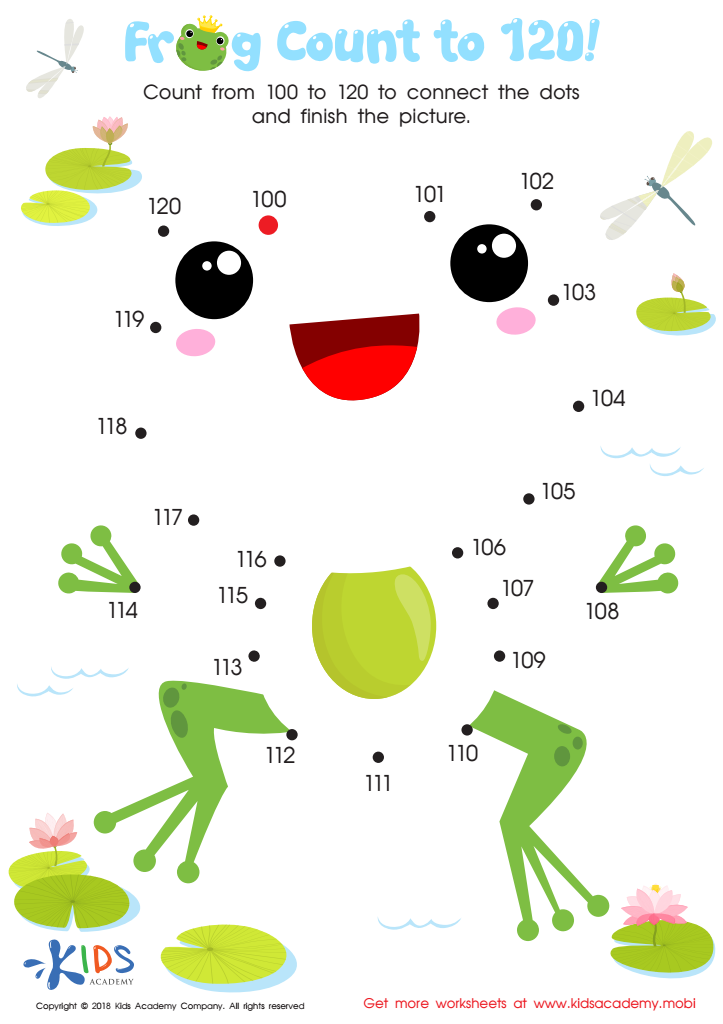
Frog Count to 120 Worksheet
 Assign to My Students
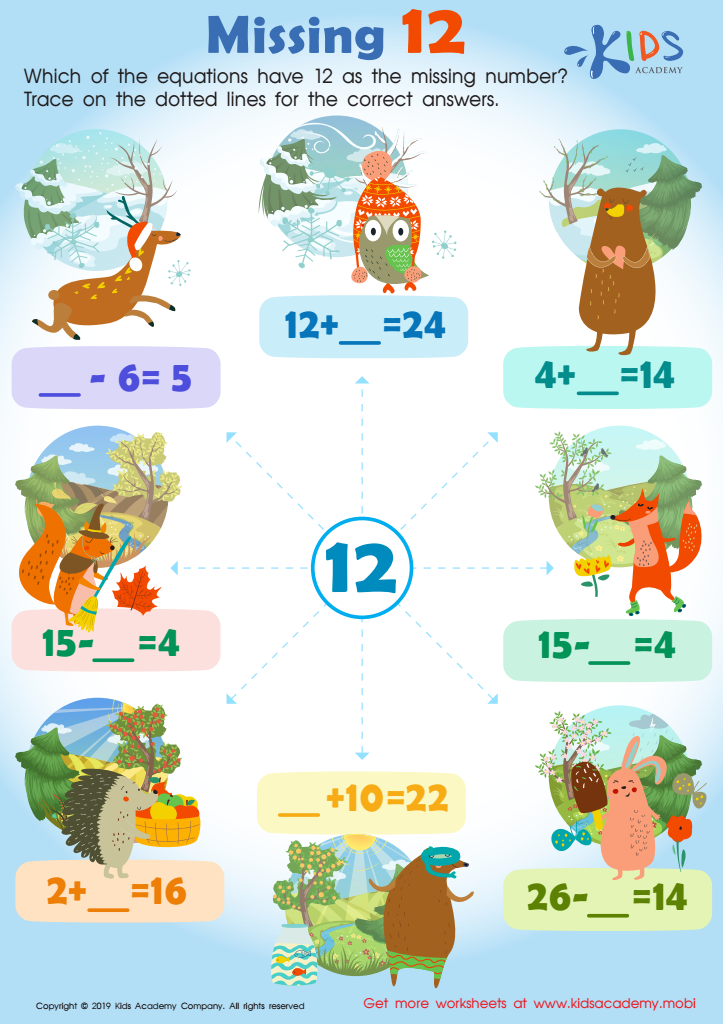
Missing 12 Worksheet
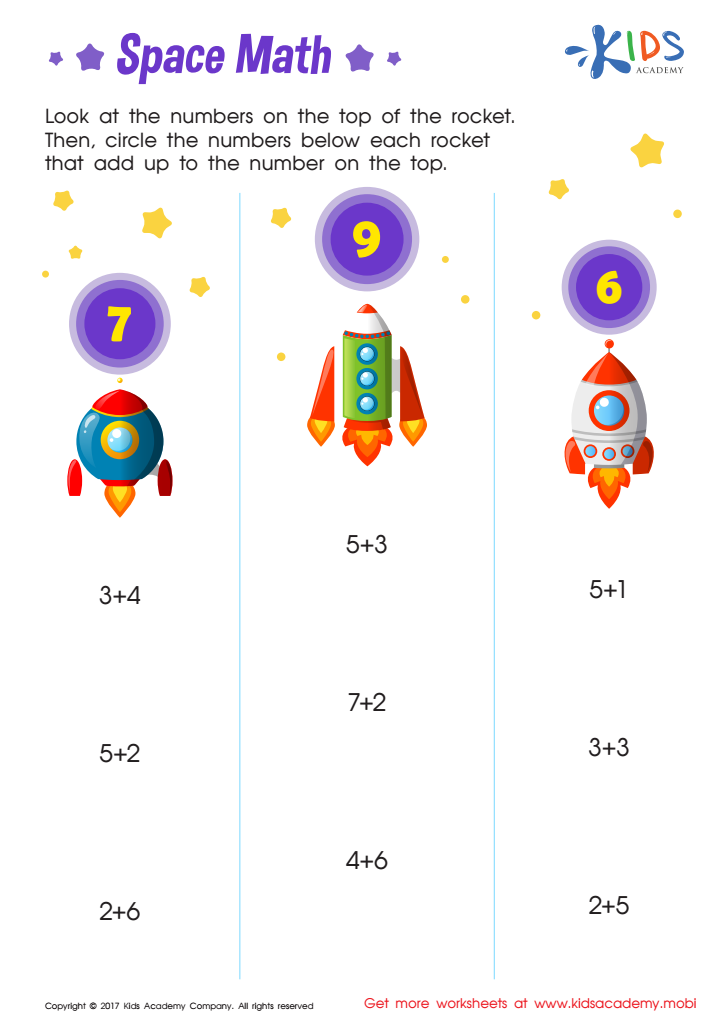
Addition: Space Math Worksheet
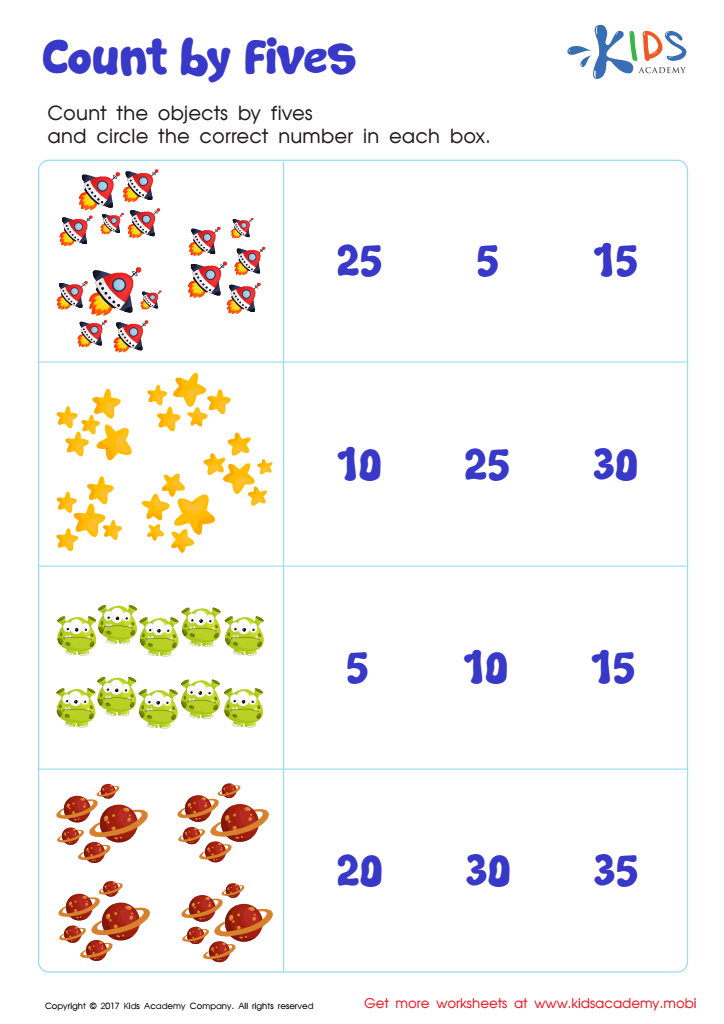
Skip Counting by 5s: Space Math Printable
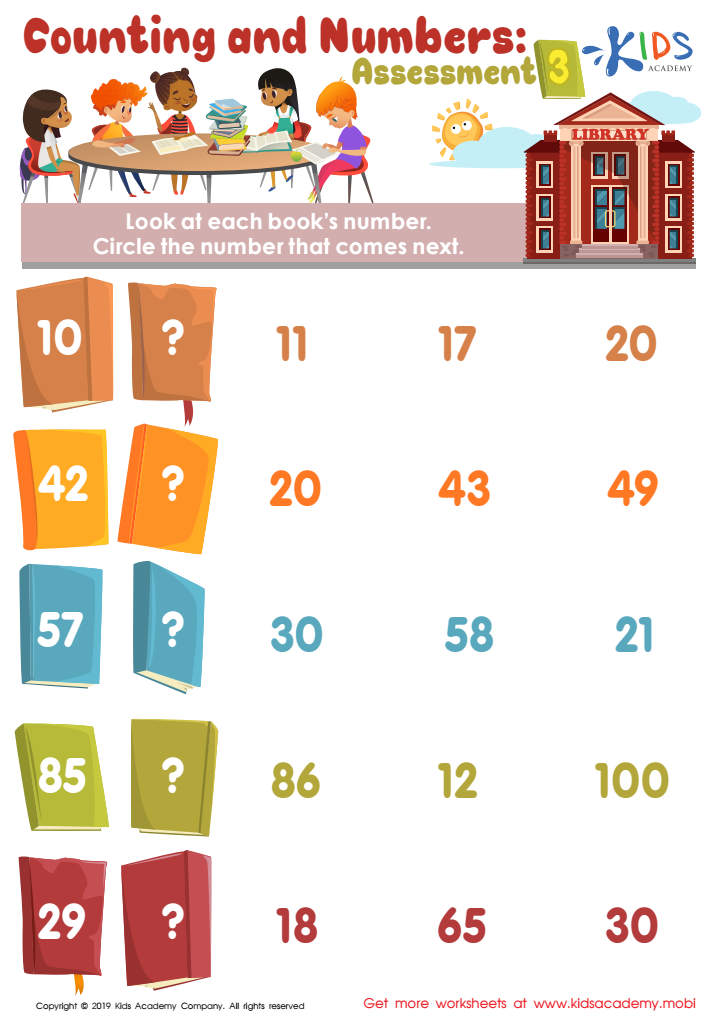
Counting and Numbers: Assessment Worksheet
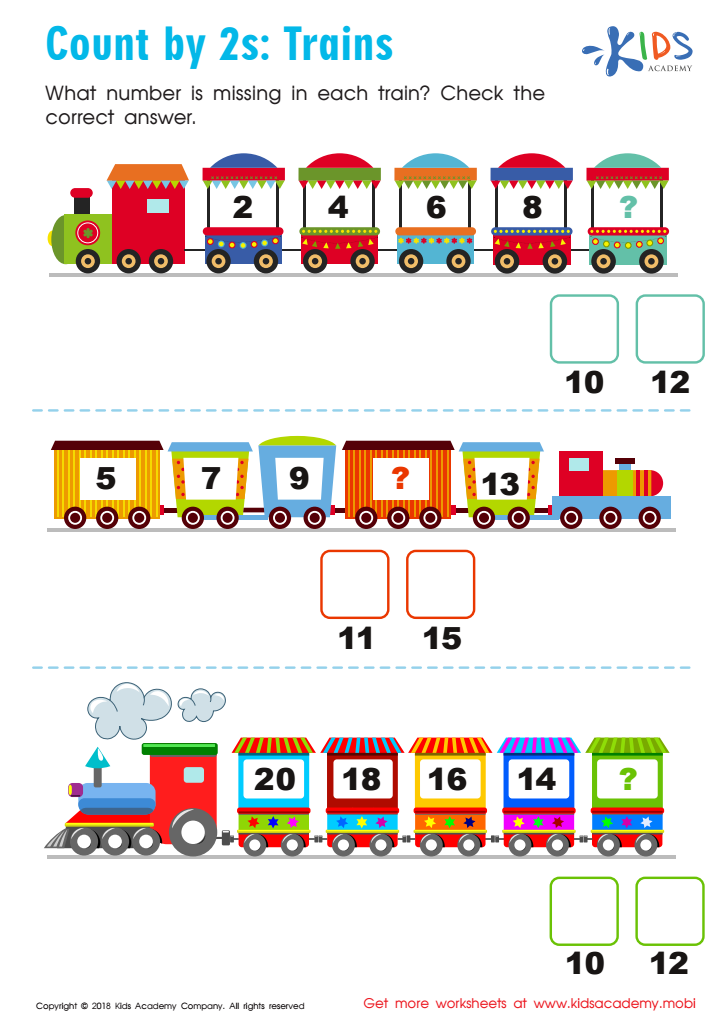
Count by 2's: Trains Worksheet
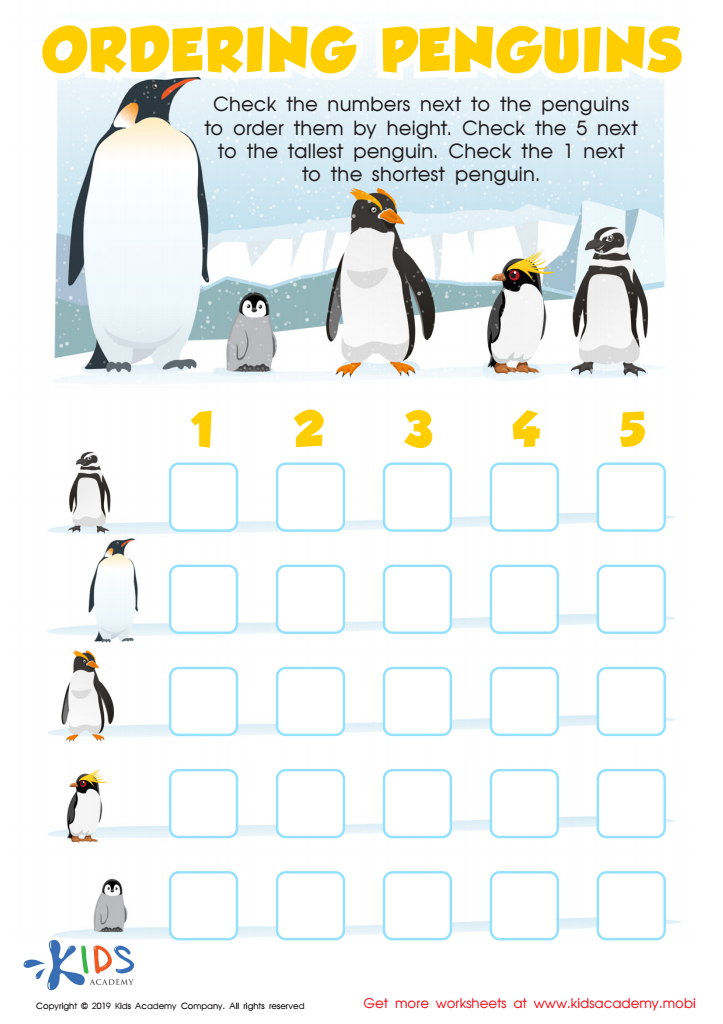
Ordering Penguins Worksheet
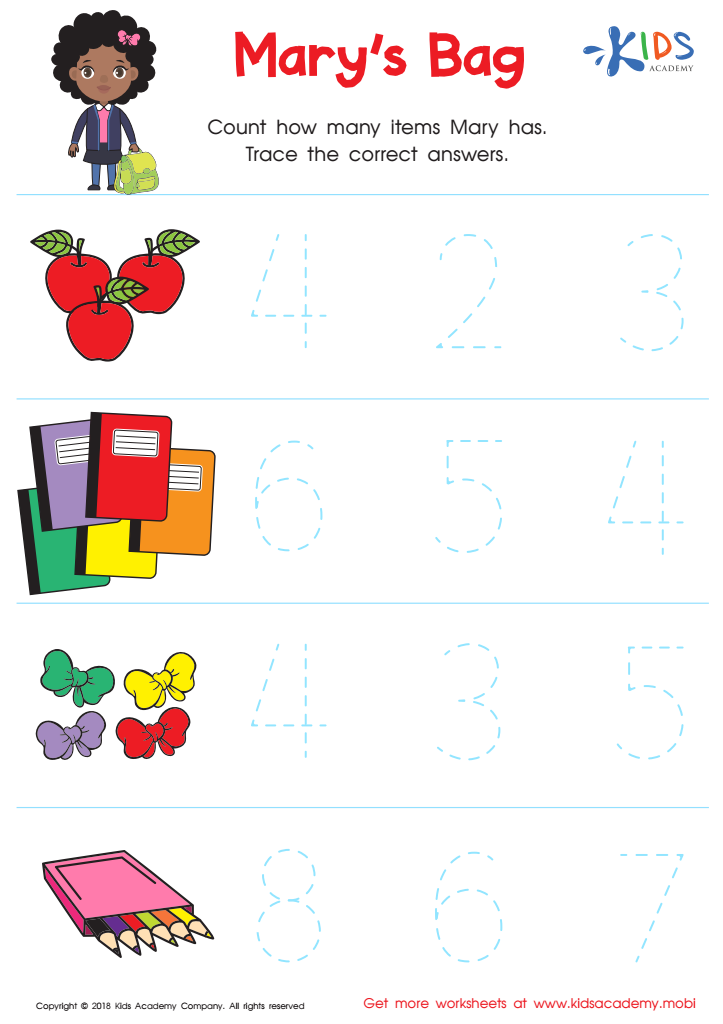
Kindergarten Number Tracing: Mary's Bag Worksheet
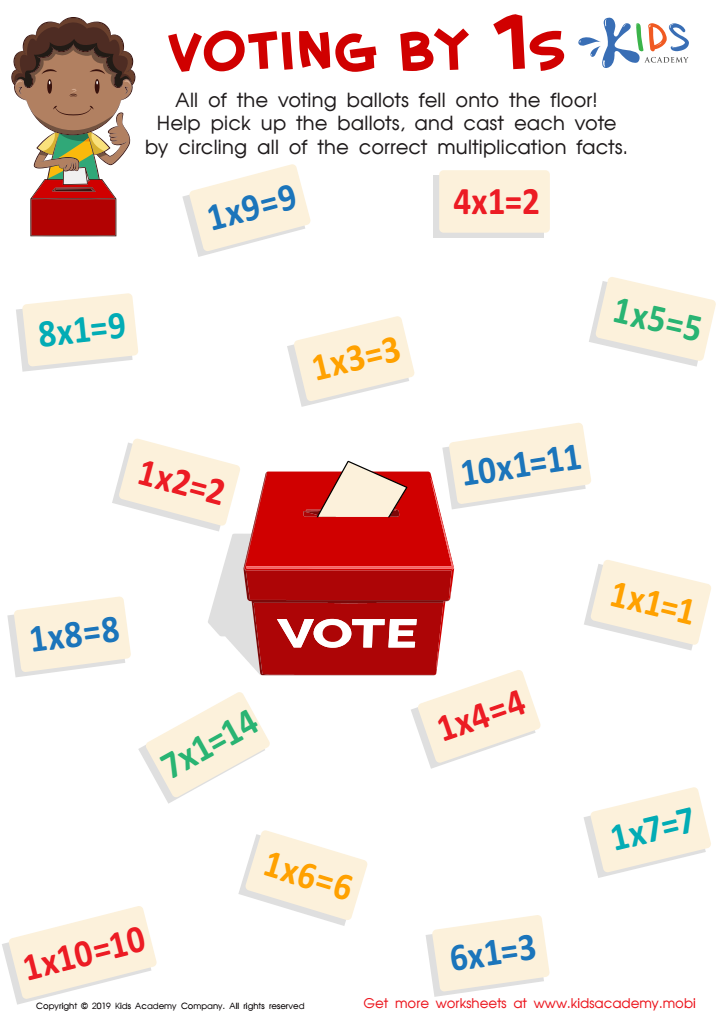
Voting by 1s Worksheet
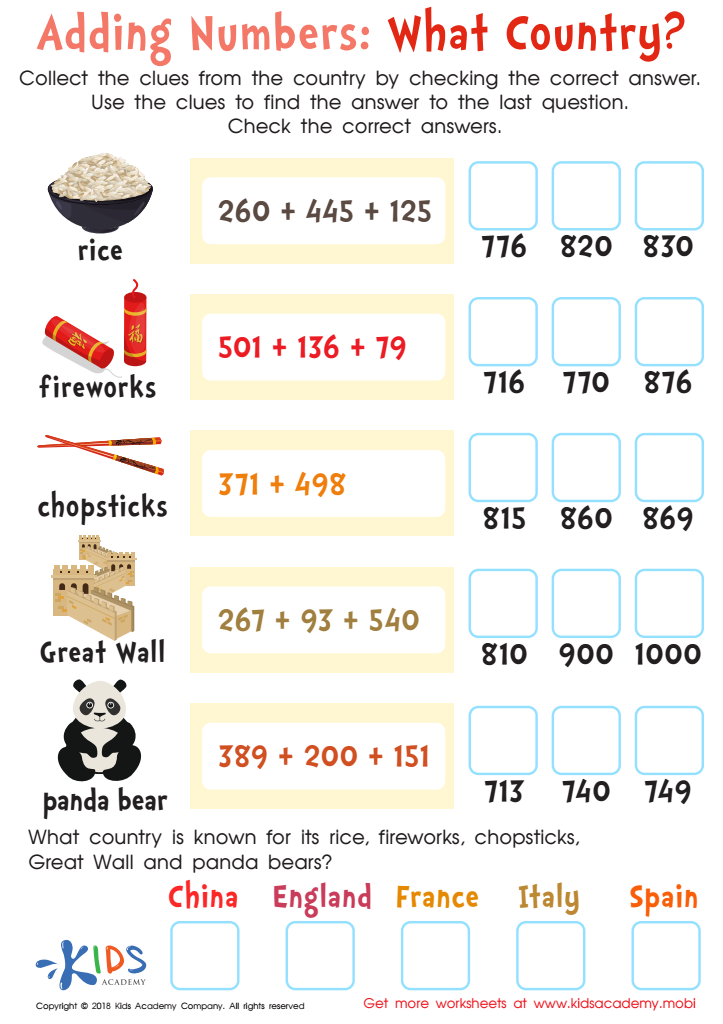
Adding Numbers: What Country Worksheet
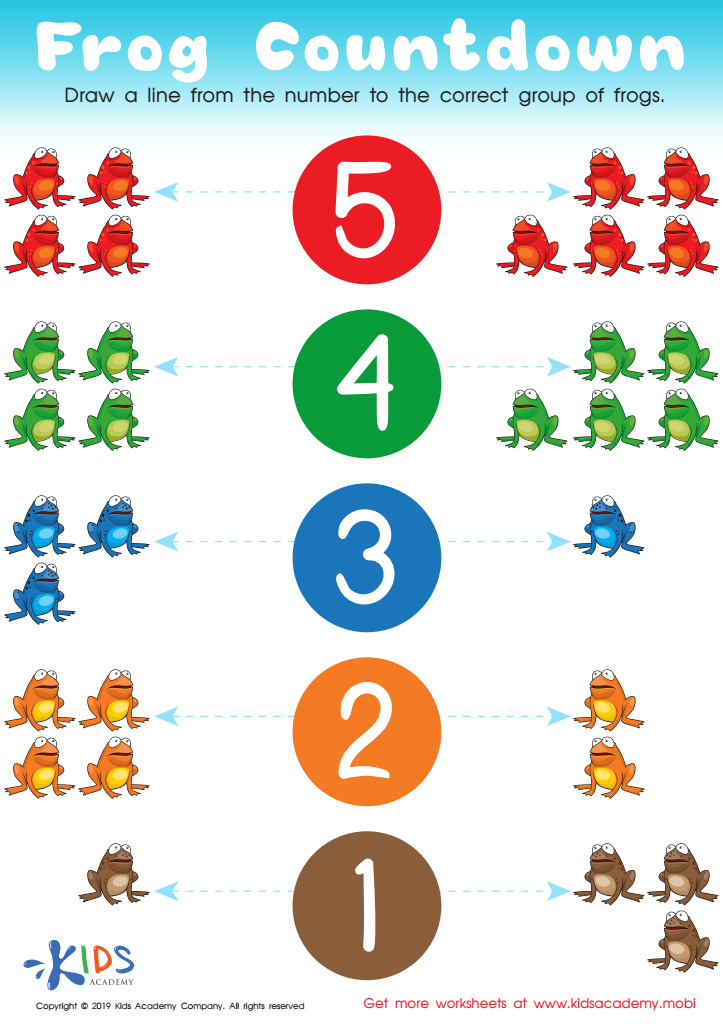
Frog Countdown Worksheet
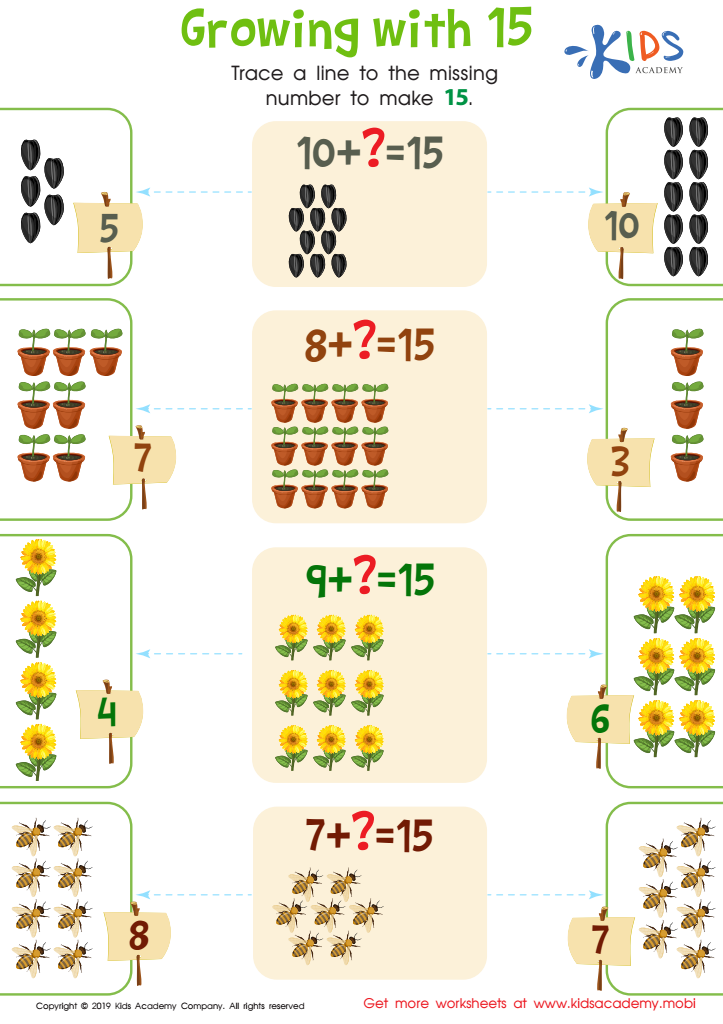
Growing with 15 Worksheet
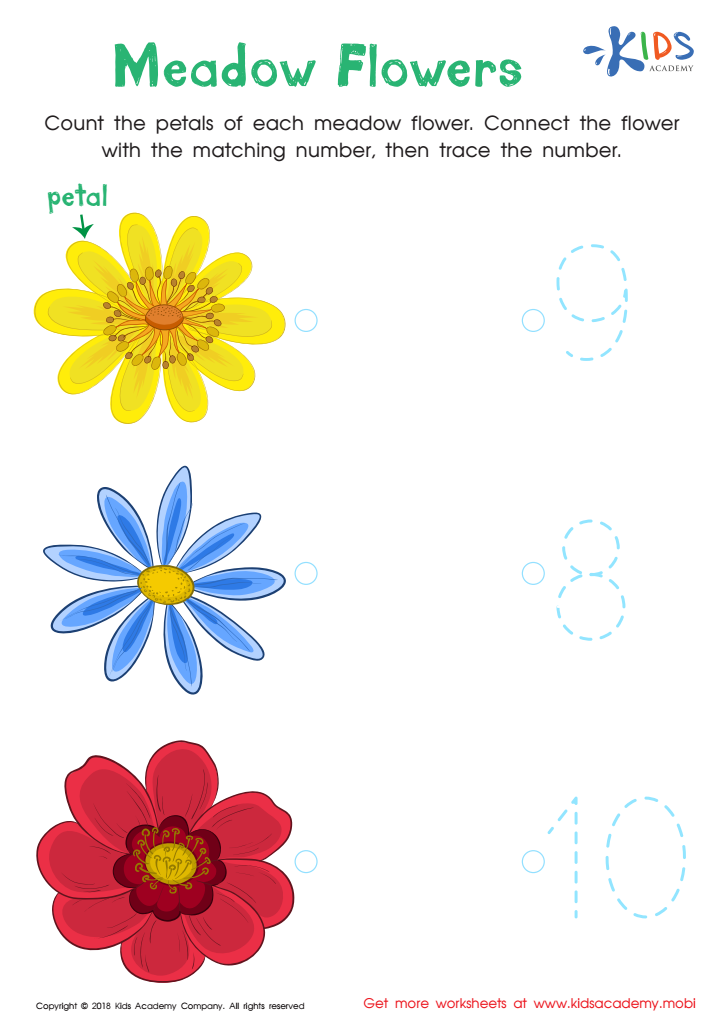
Kindergarten Number Tracing: Medow Flowers Worksheet








Number sequencing is a fundamental math skill critical for children aged 3-9, as it lays the groundwork for better mathematical reasoning and problem-solving. Understanding the order of numbers helps children grasp concepts such as addition, subtraction, and patterns, which are essential for their mathematical development.
For parents and teachers, recognizing the importance of number sequencing provides insight into a child's learning trajectory. Children who master number sequences are better equipped to tackle more complex math skills later on. Early understanding enhances confidence and fosters a positive attitude toward math, reducing the likelihood of math anxiety in later years.
Additionally, number sequencing facilitates cognitive development, as it involves organization, memorization, and spatial awareness. Engaging in activities that develop sequencing skills can also enhance language development, as children learn to articulate their thought processes in reasoning through numbers.
By emphasizing number sequencing, parents and teachers can identify potential learning challenges early on, allowing for timely intervention and support. Creating a strong numerical foundation not only prepares children for academic success but also equips them with essential skills for everyday life, like telling time, counting money, and understanding basic measurements. Prioritizing number sequencing is an investment in a child’s future literacy and success in mathematics.








