Observational skills Normal Worksheets for Ages 3-9
16 filtered results
-
From - To
Enhance your child's observational skills with our engaging worksheets designed for ages 3-9! At Kids Academy, we understand the importance of nurturing young minds through play and learning. Our carefully crafted printable worksheets encourage children to explore, notice details, and develop critical thinking. With fun activities that include spotting differences, completing patterns, and identifying objects, children will sharpen their attention and enhance their ability to observe the world around them. Perfect for parents and educators, these resources foster both independent learning and collaborative play. Download now and watch your child’s observational skills flourish while having fun!
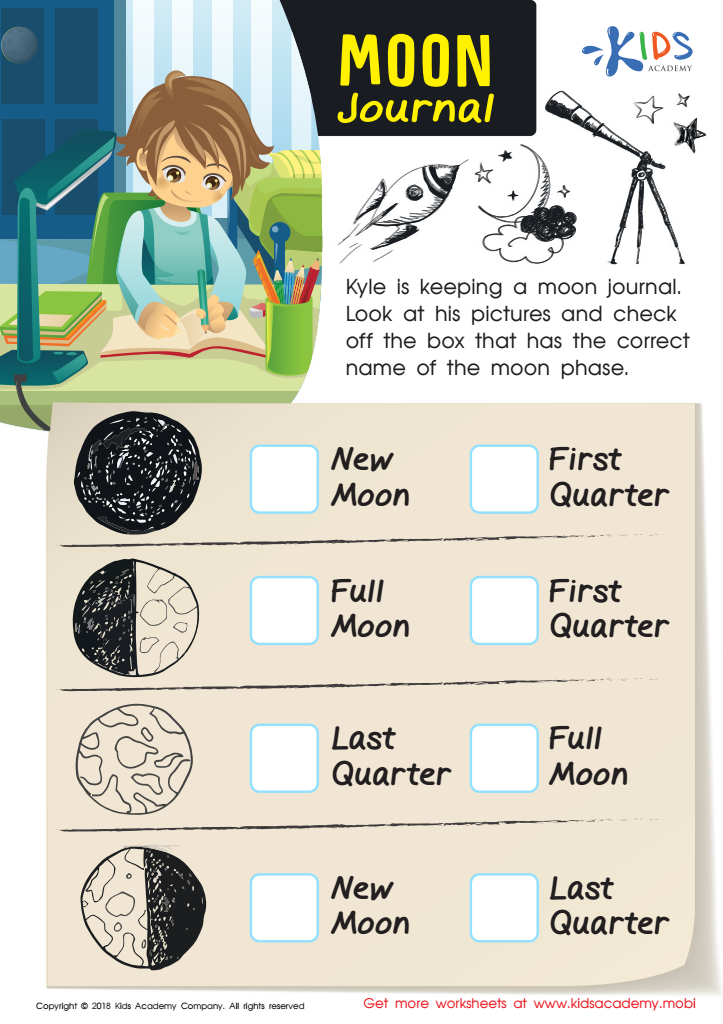
Moon Journal Worksheet
 Assign to My Students
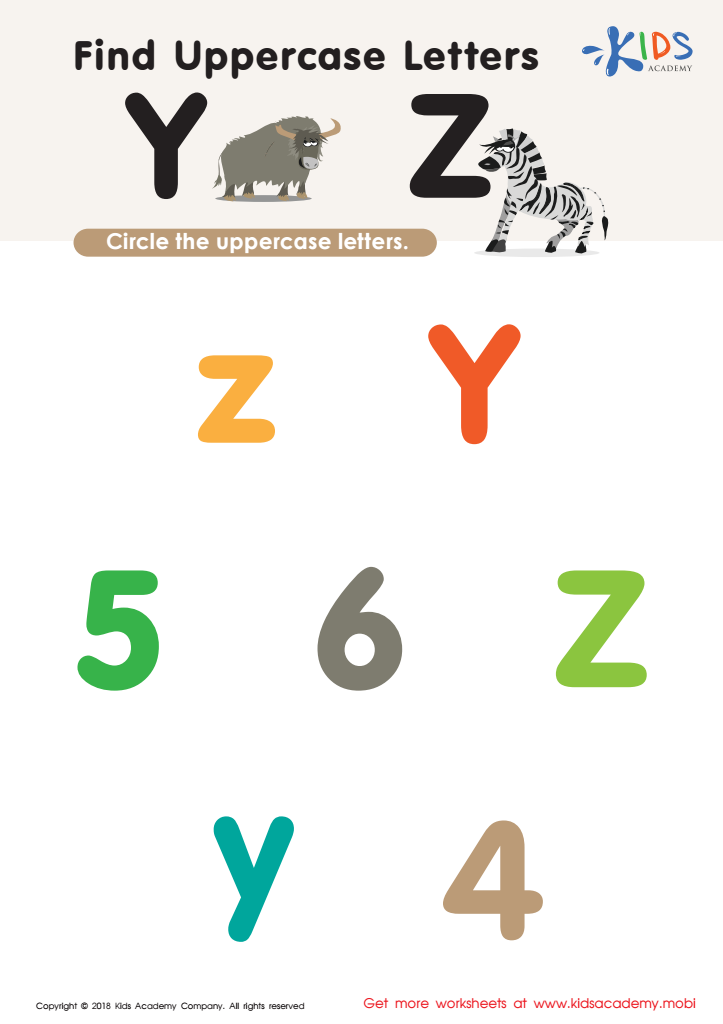
Find Uppercase Letters Y Z Worksheet
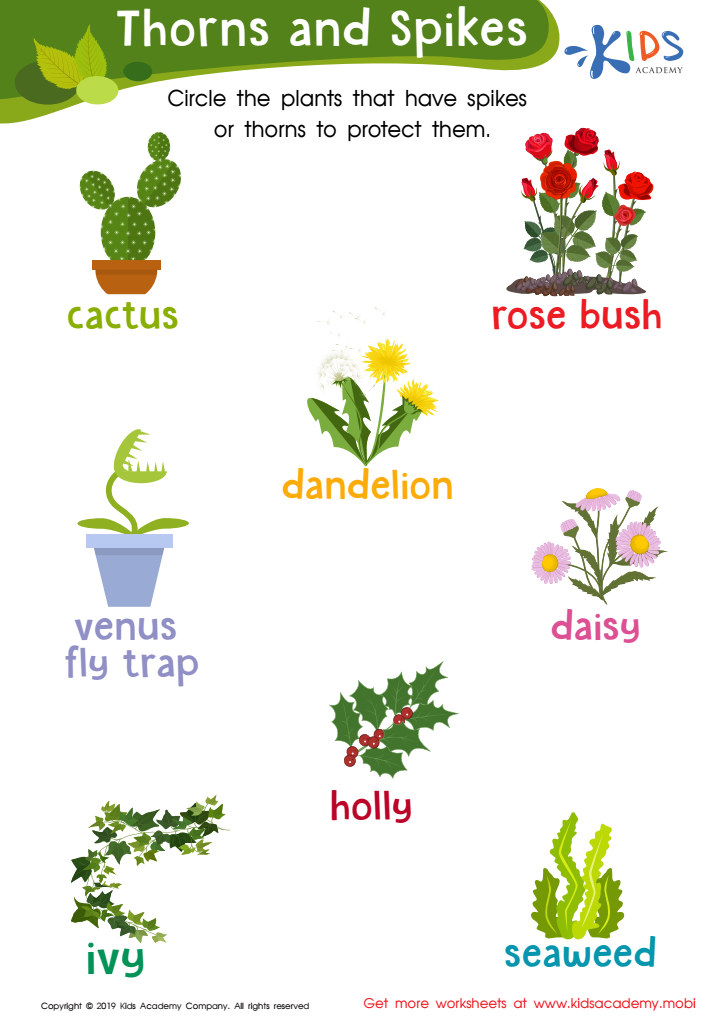
Thorns and Spikes Worksheet
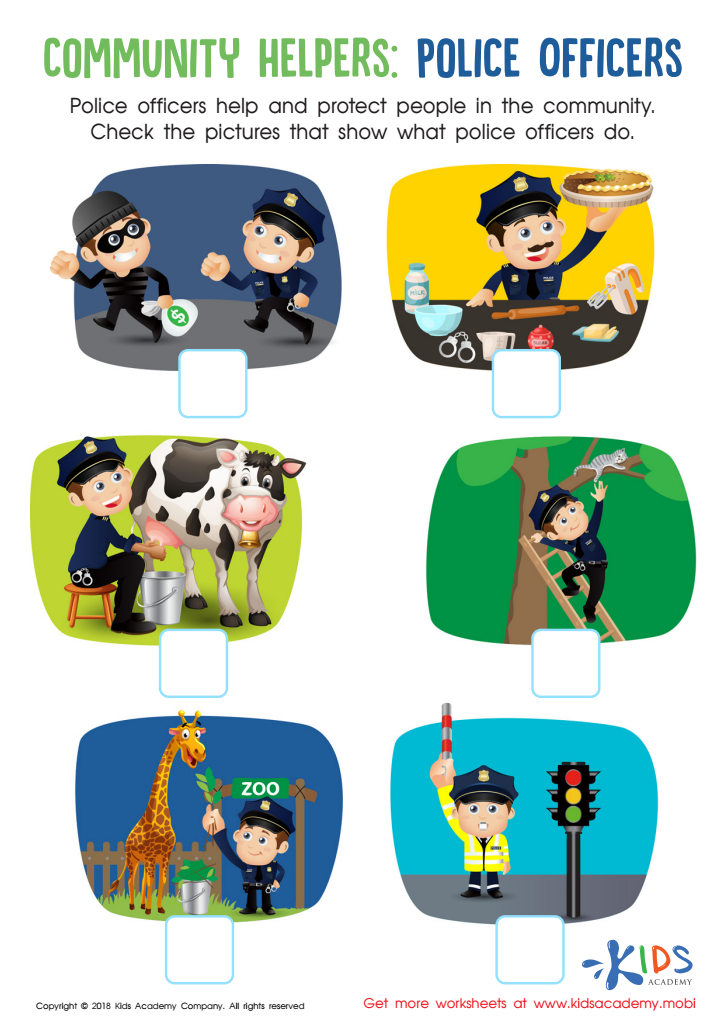
Police Officers Community Helpers Worksheet
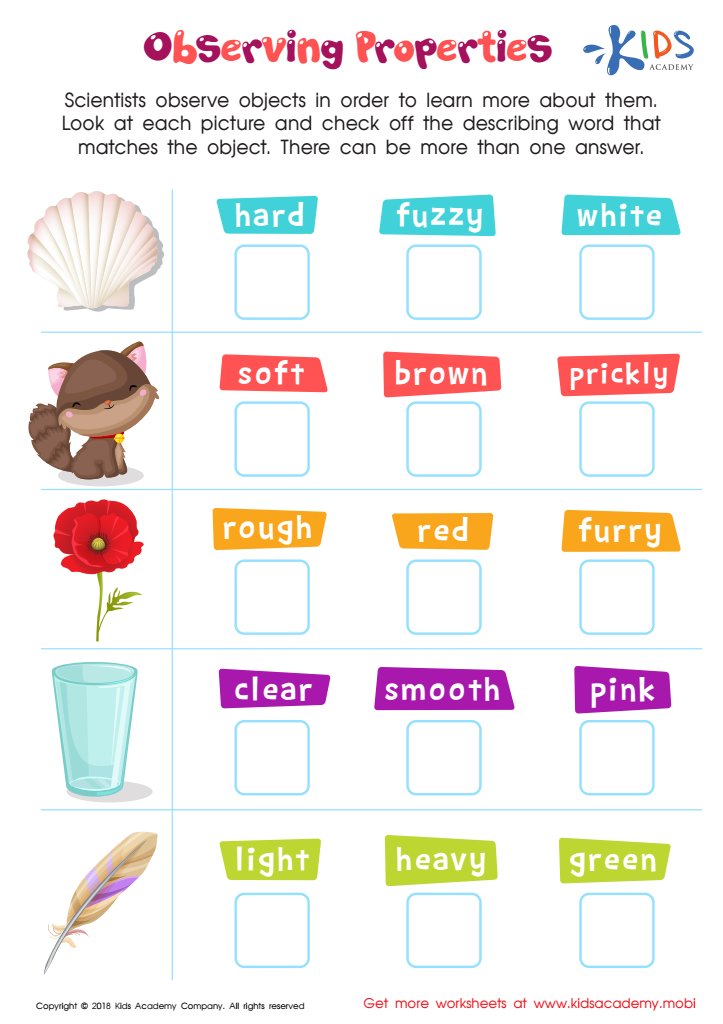
Observing Properties Worksheet
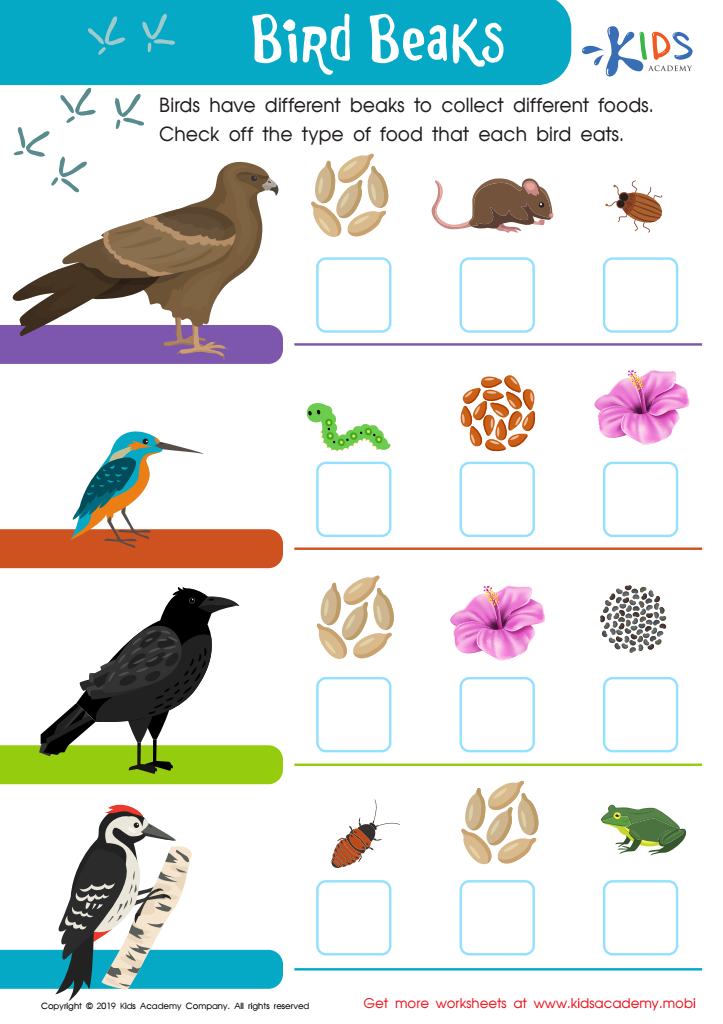
Bird Beaks Worksheet
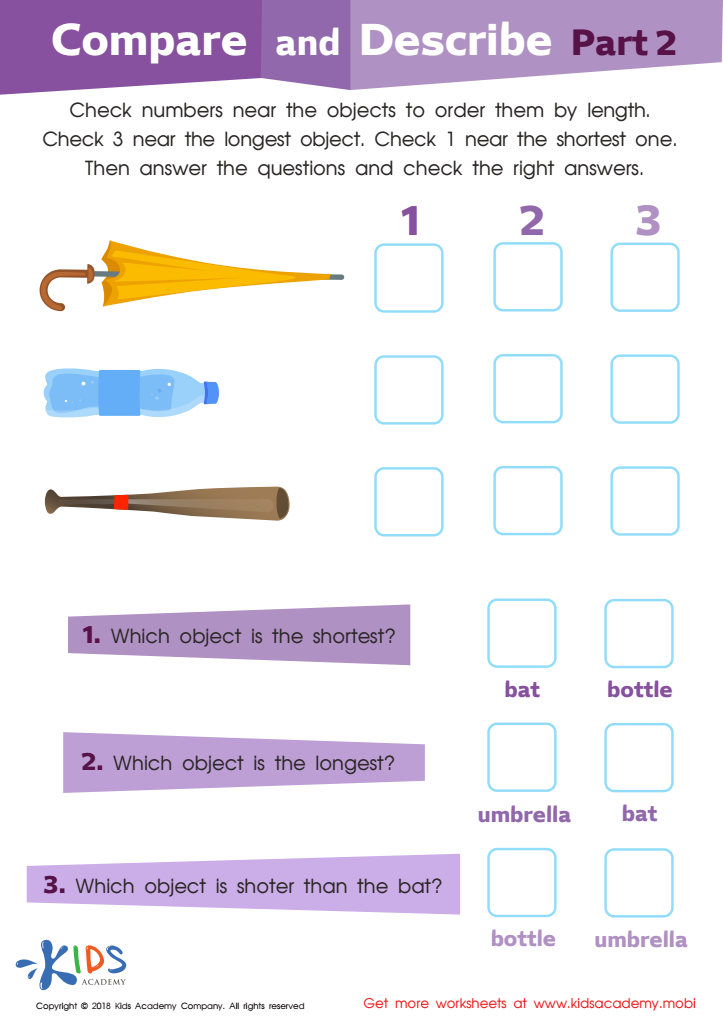
Compare and Describe: Part 2 Worksheet
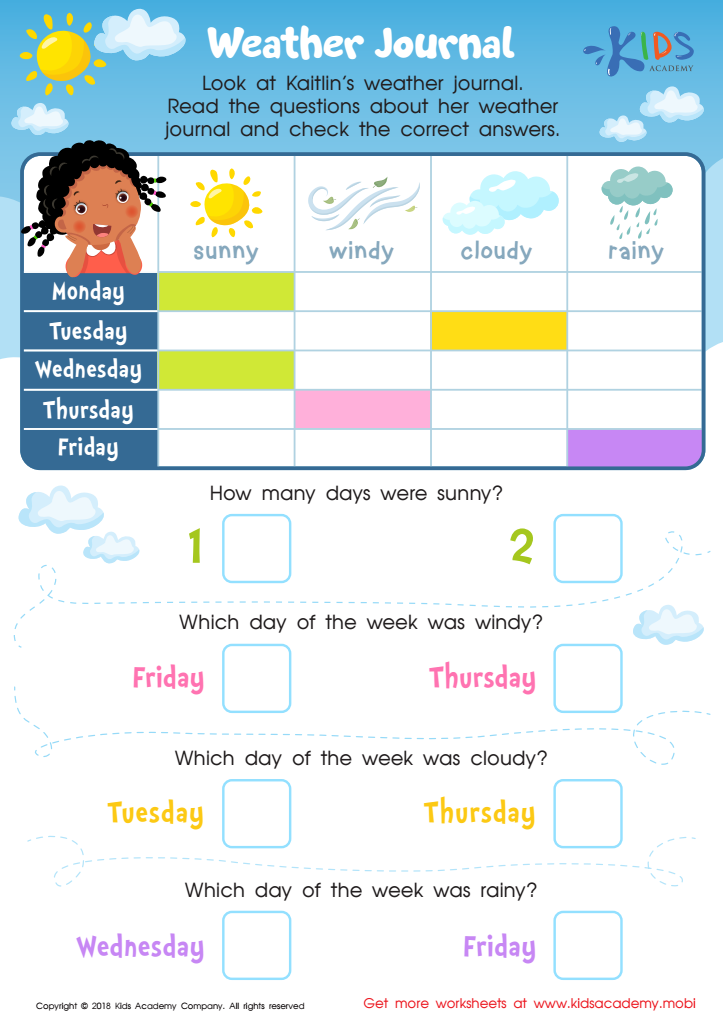
Weather Journal Worksheet
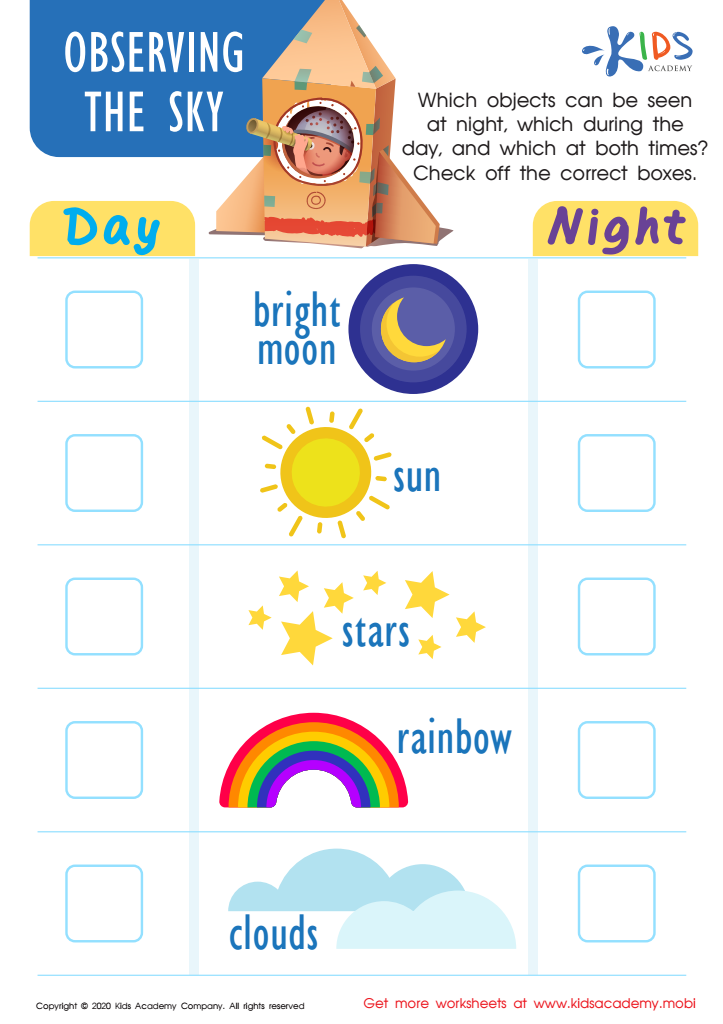
Observing the Sky Worksheet
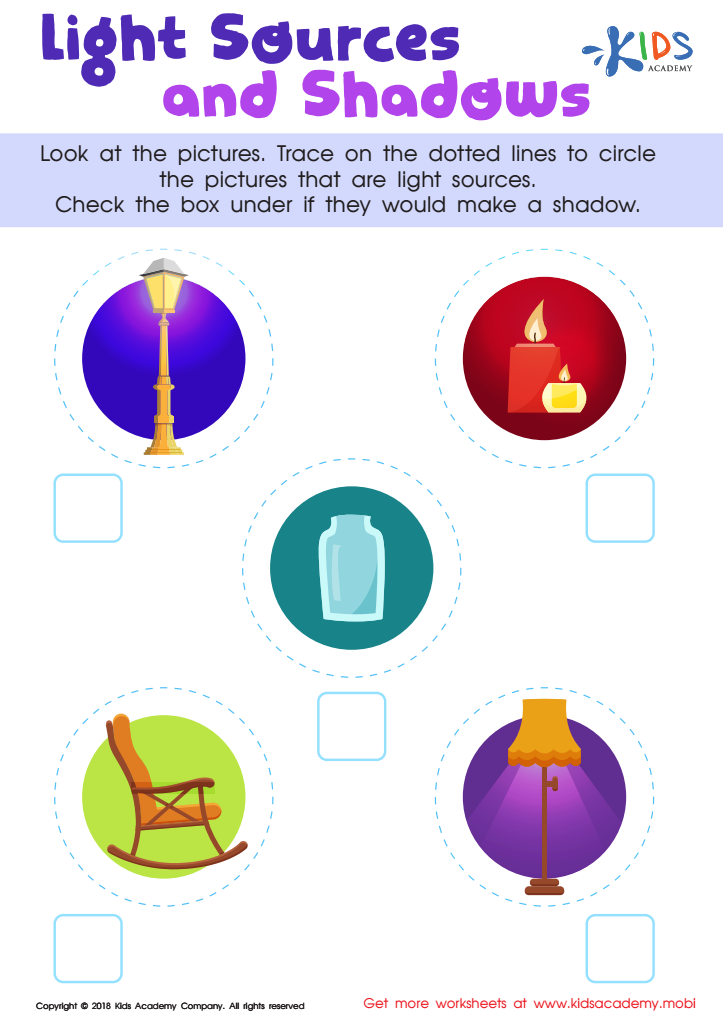
Light Sources and Shadows Worksheet
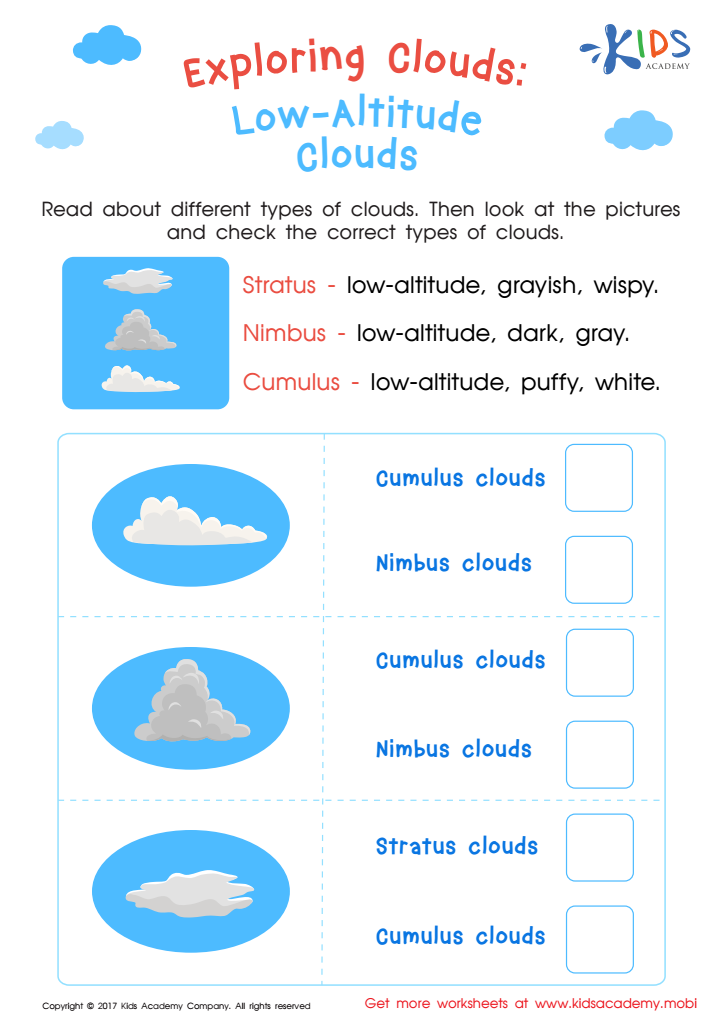
Exploring Clouds: Low Altitude Clouds Printable
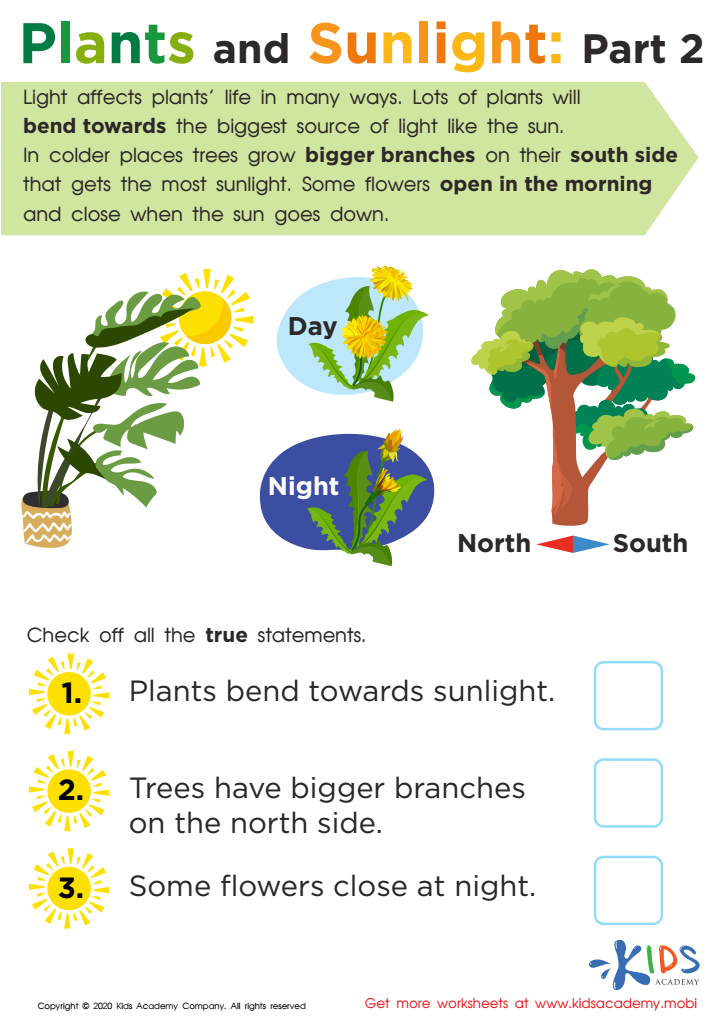
Plants and Sunlight: Part 2 Worksheet
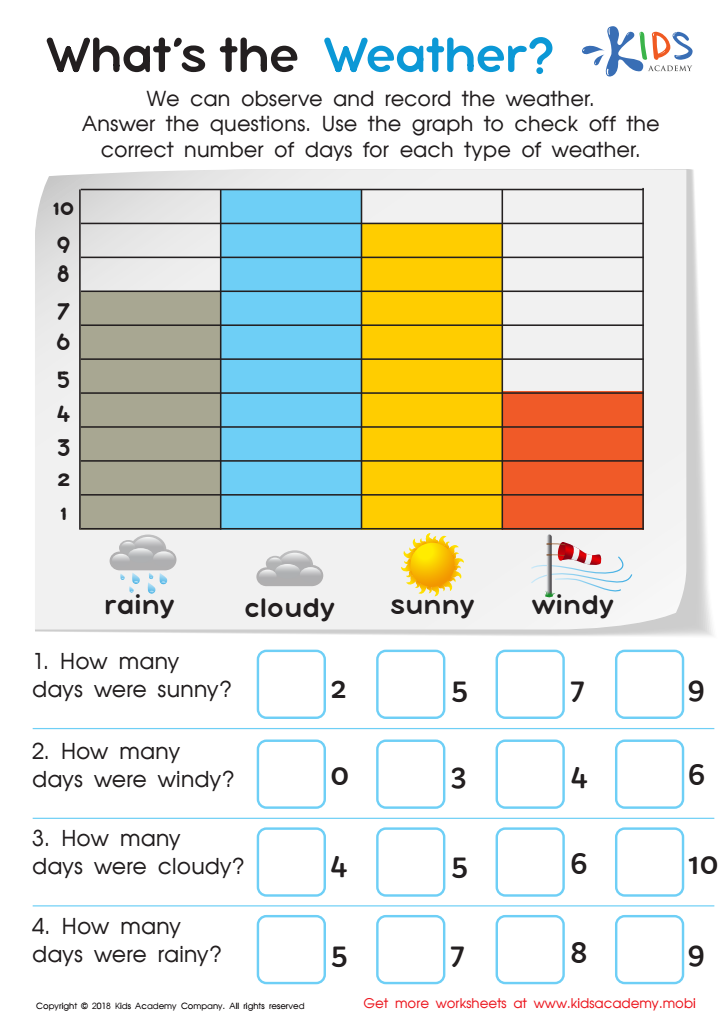
What's the Weather? Worksheet
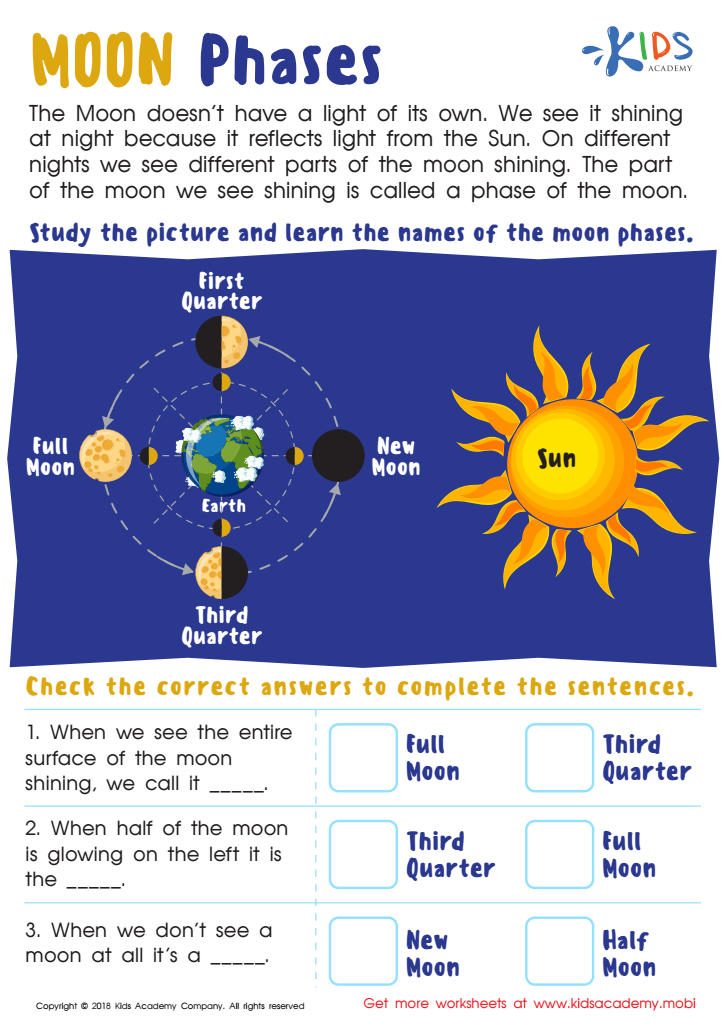
Moon Phases Worksheet
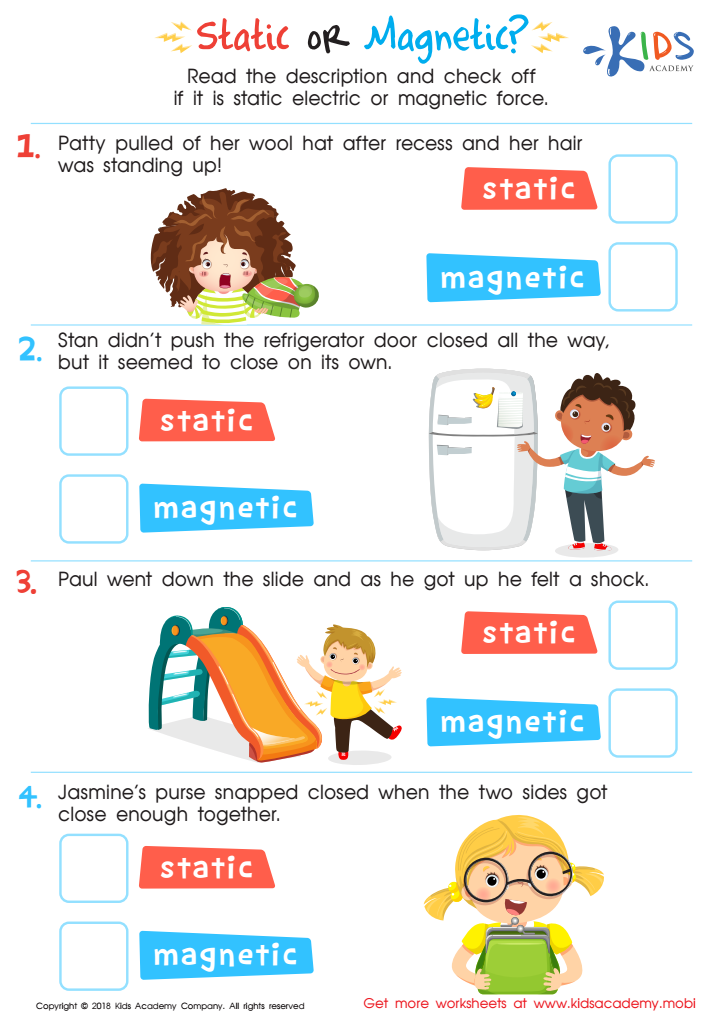
Static or Magnetic Printable Worksheet
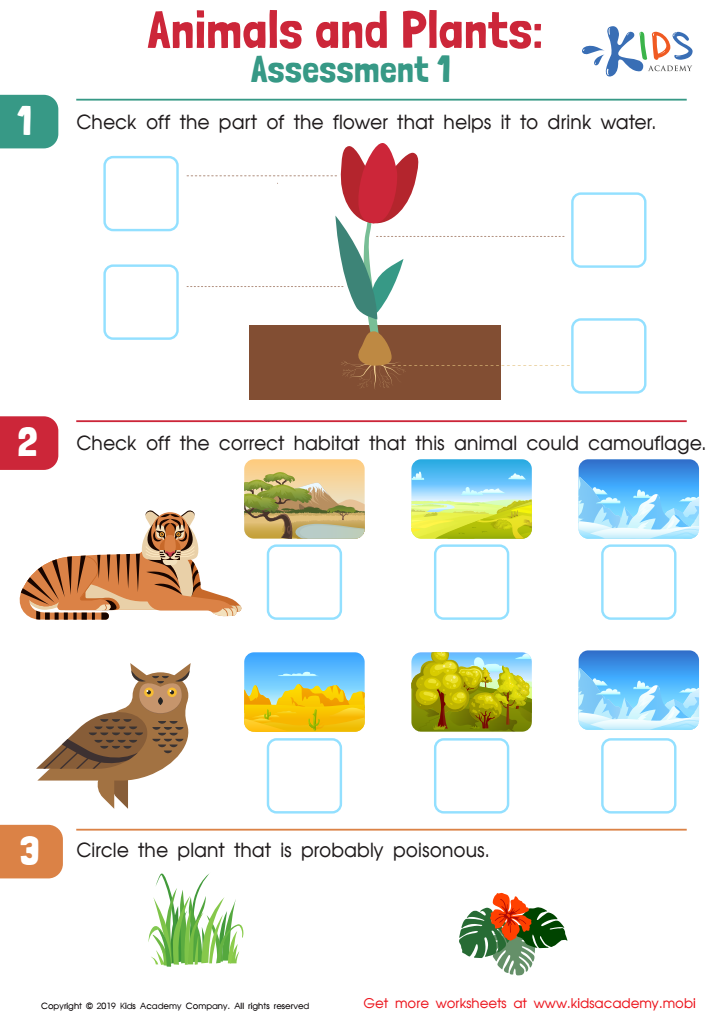
Animals and Plants: Assessment 1 Worksheet






Observational skills are fundamental for children's development, particularly between the ages of 3 and 9. During these formative years, children are naturally curious about their environment, and honing their observational skills enhances critical thinking, problem-solving, and social abilities. Parents and teachers play a pivotal role in fostering these skills, as children learn best through guided exploration and active engagement.
For parents, nurturing observational skills encourages open communication with their child and strengthens their relationship. By encouraging children to notice details in their surroundings—like colors, shapes, patterns, and emotions—parents can promote cognitive development and creative thinking. Regular observation can also help parents recognize their child’s interests and areas where they may need additional support.
For teachers, observational skills are essential for assessing progress and tailoring educational experiences. An aware teacher can track how students interact, learn, and express themselves in various situations, leading to more personalized instruction. Effective observational strategies can identify learning challenges early on, ensuring timely intervention.
Overall, cultivating observational skills in children not only fosters a lifelong love for learning but also helps develop the empathy and social skills crucial for navigating the world around them. Fostering these abilities should be a priority for both parents and educators.








