Problem Solving Normal Worksheets for Ages 3-9
15 filtered results
-
From - To
Discover our engaging Problem Solving Normal Worksheets designed for children aged 3-9, perfect for nurturing critical thinking skills! These worksheets feature a variety of fun and interactive activities that encourage young learners to think logically, recognize patterns, and develop their problem-solving abilities. Each worksheet is created to align with educational standards, making learning enjoyable and effective. Whether used at home or in the classroom, these activities promote creativity and independent thinking. Enhance your child's learning experience and watch them become confident problem solvers. Explore our collection today to support your child's early educational journey and cognitive development!
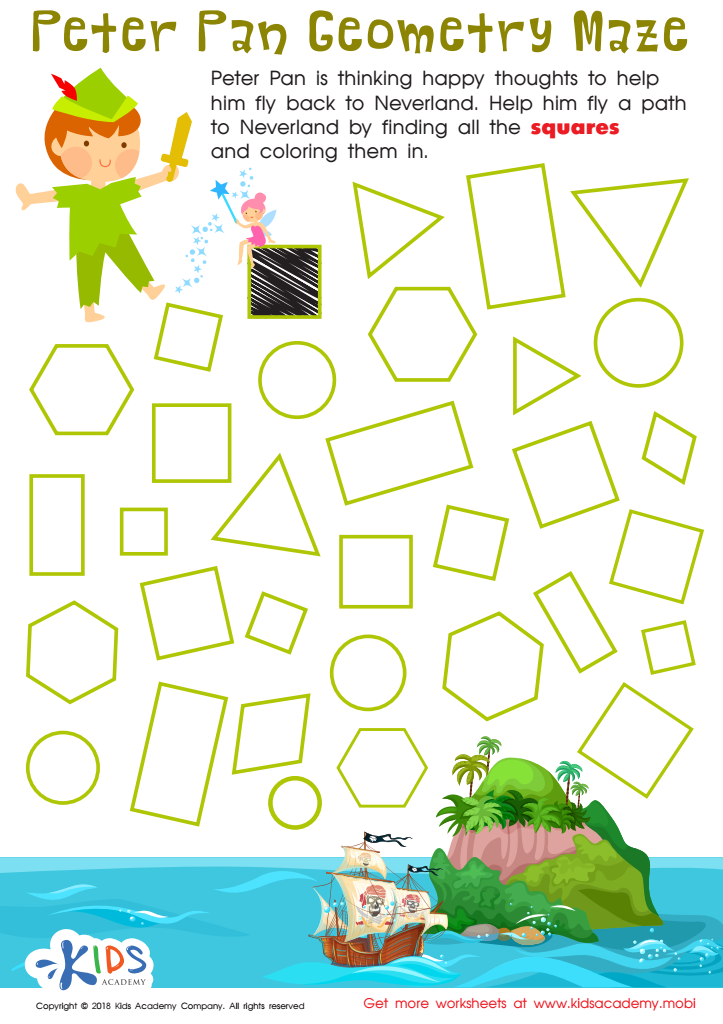
Peter Pan Worksheet
 Assign to My Students
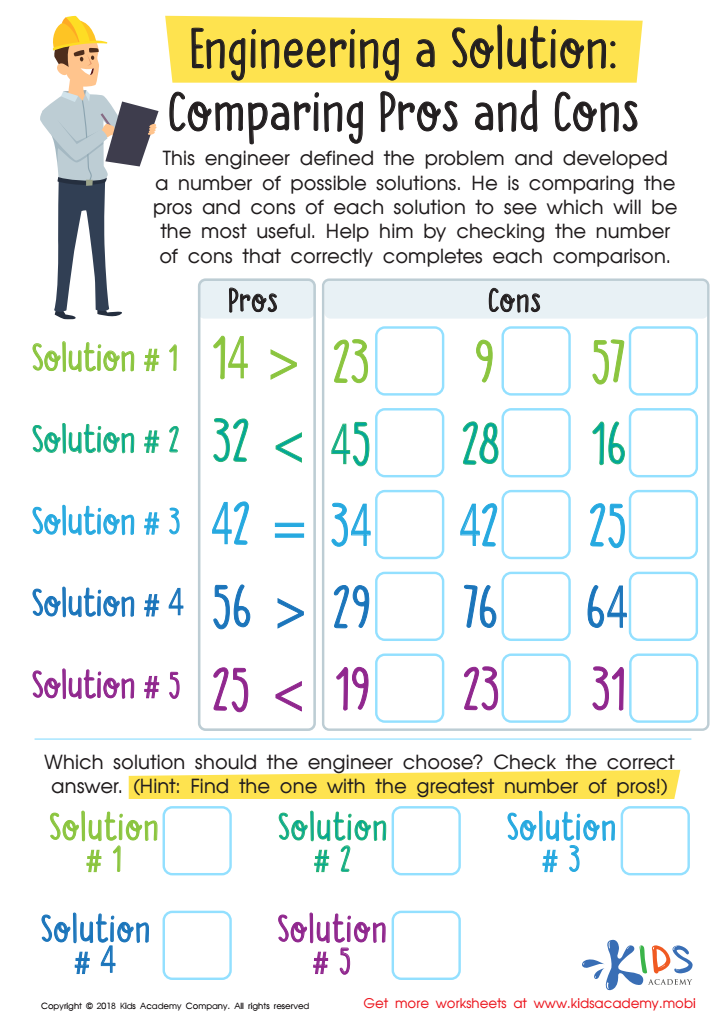
Engineering a Solution: Comparing Pros and Cons Worksheet
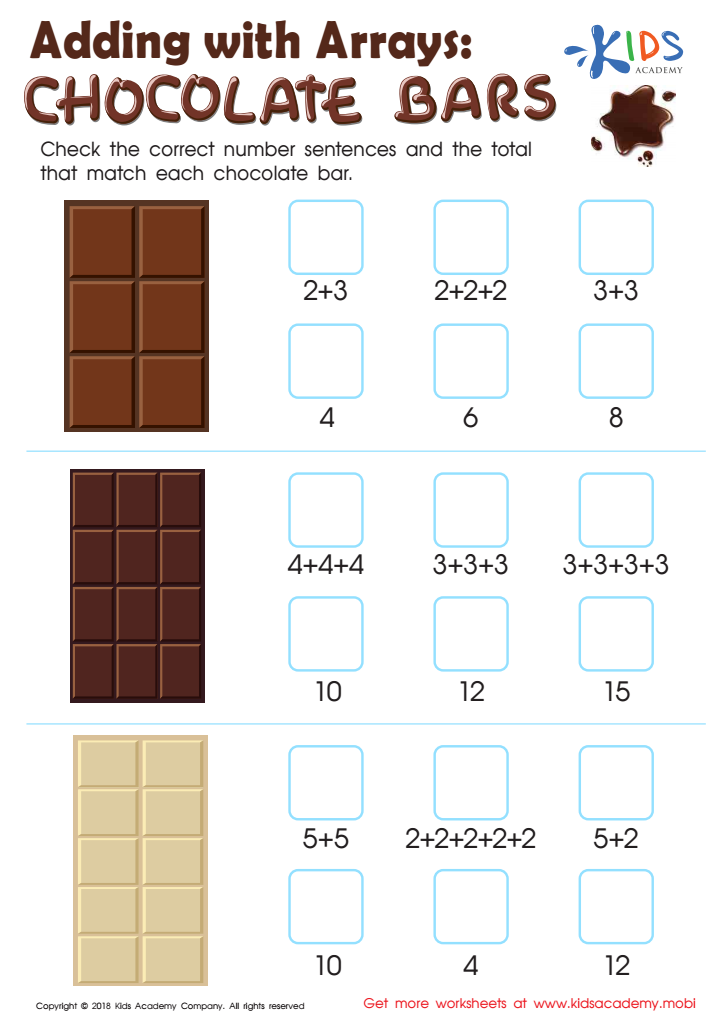
Adding with Arrays: Chocolate Bars Worksheet
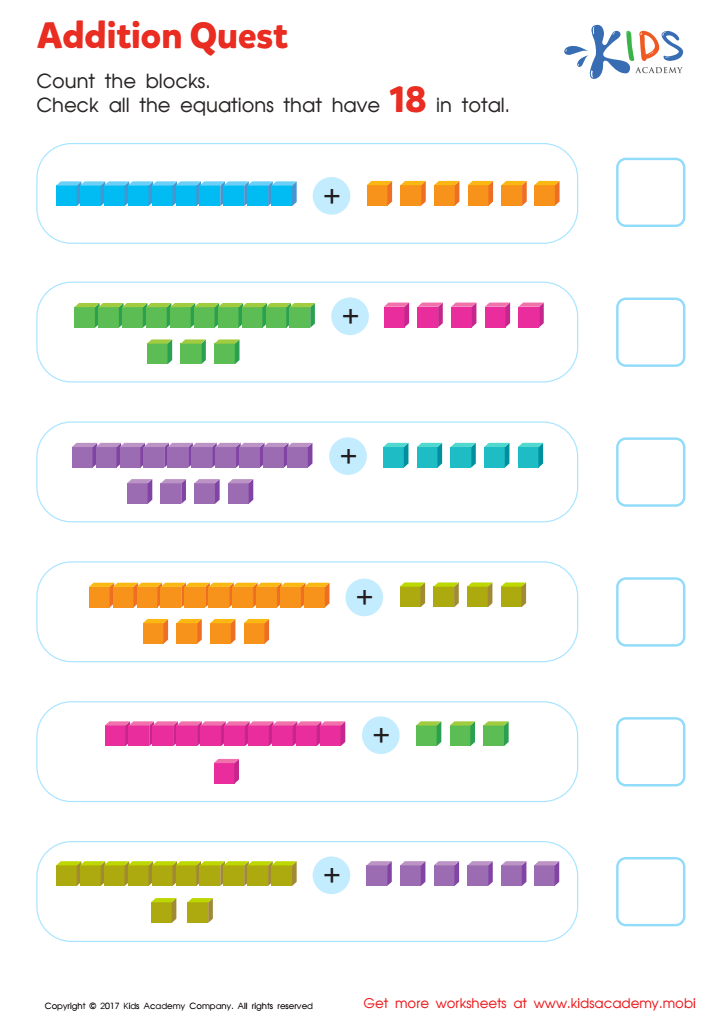
Addition Quest Worksheet: Part 2
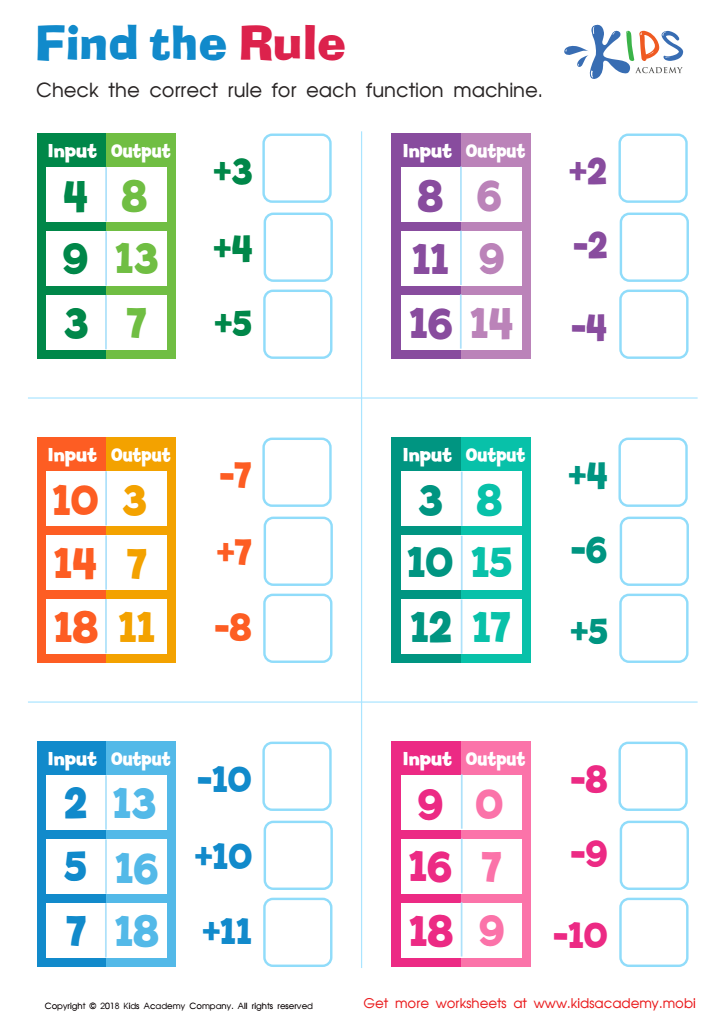
Find the Rule Worksheet
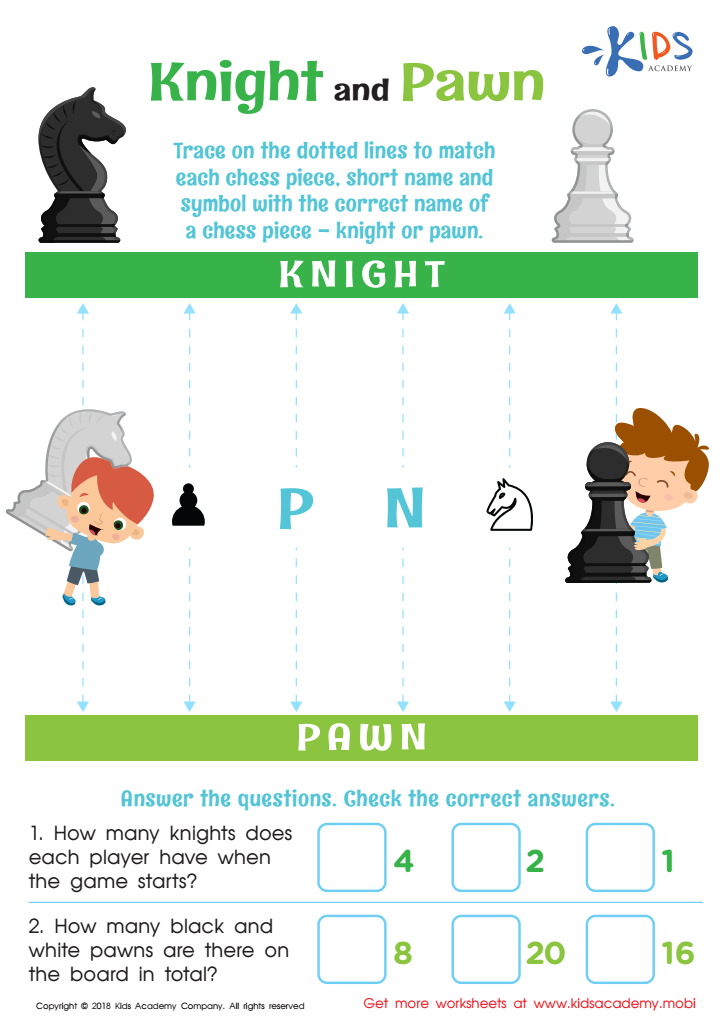
Knight and Pawn Worksheet
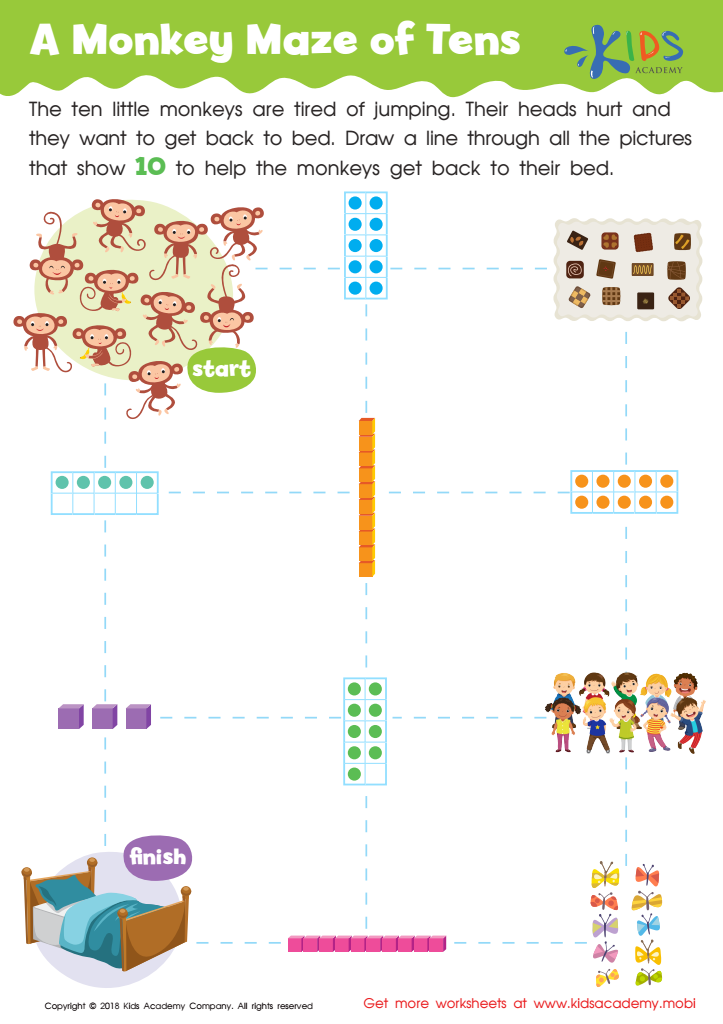
A Monkey Maze of Tens Worksheet
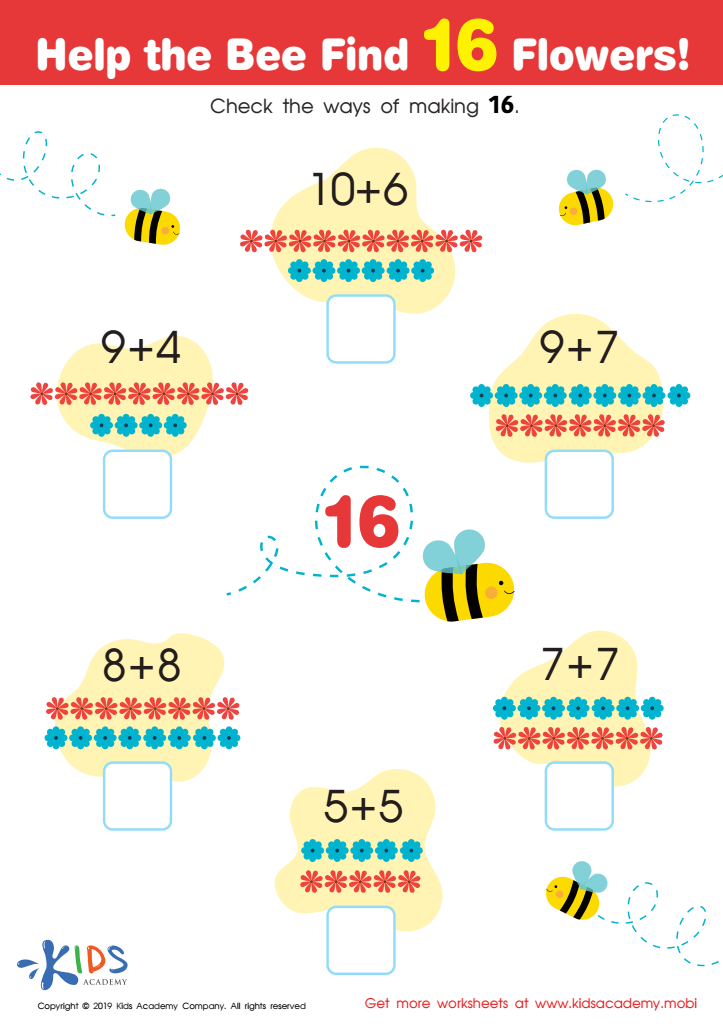
Help the Bee Find 16 Flowers Worksheet
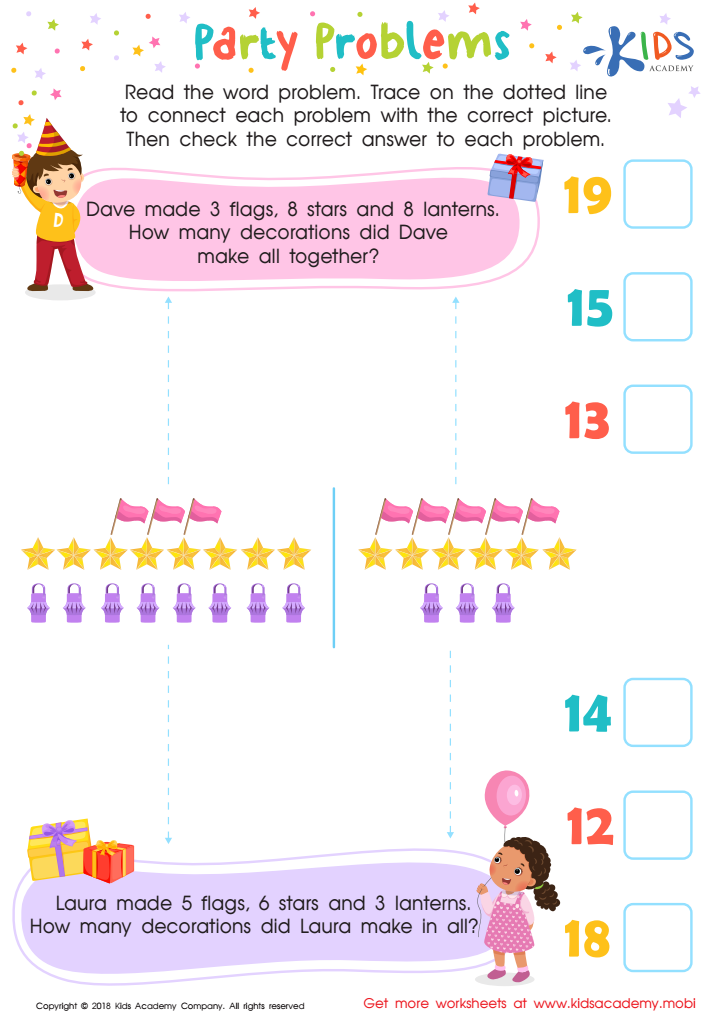
Party Problems Worksheet
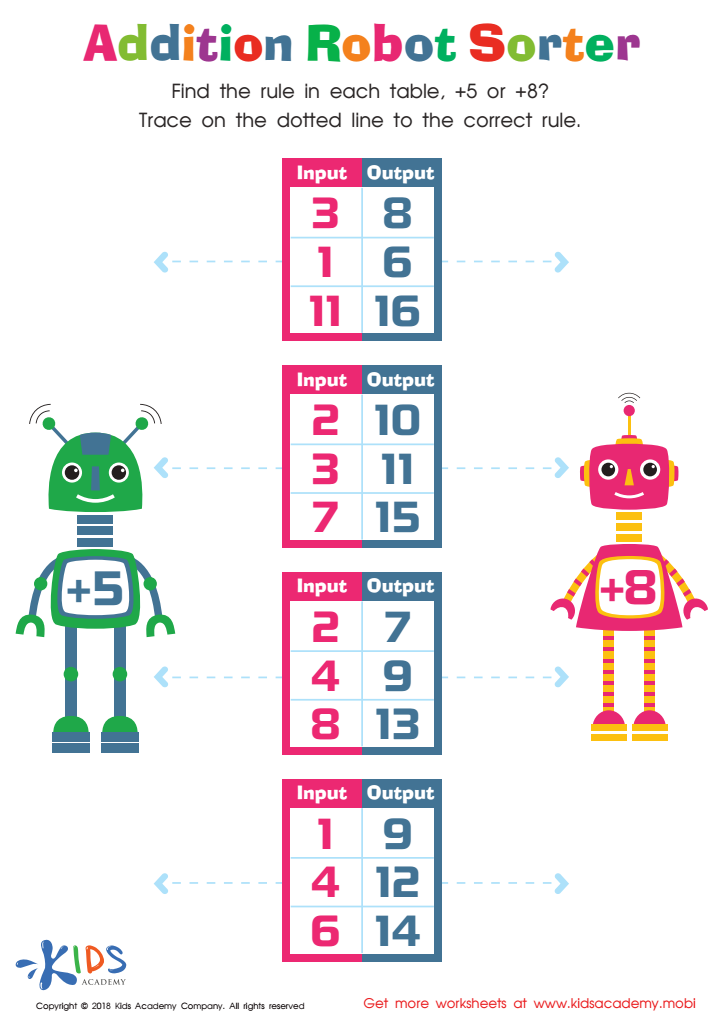
Addition Robot Sorter Worksheet
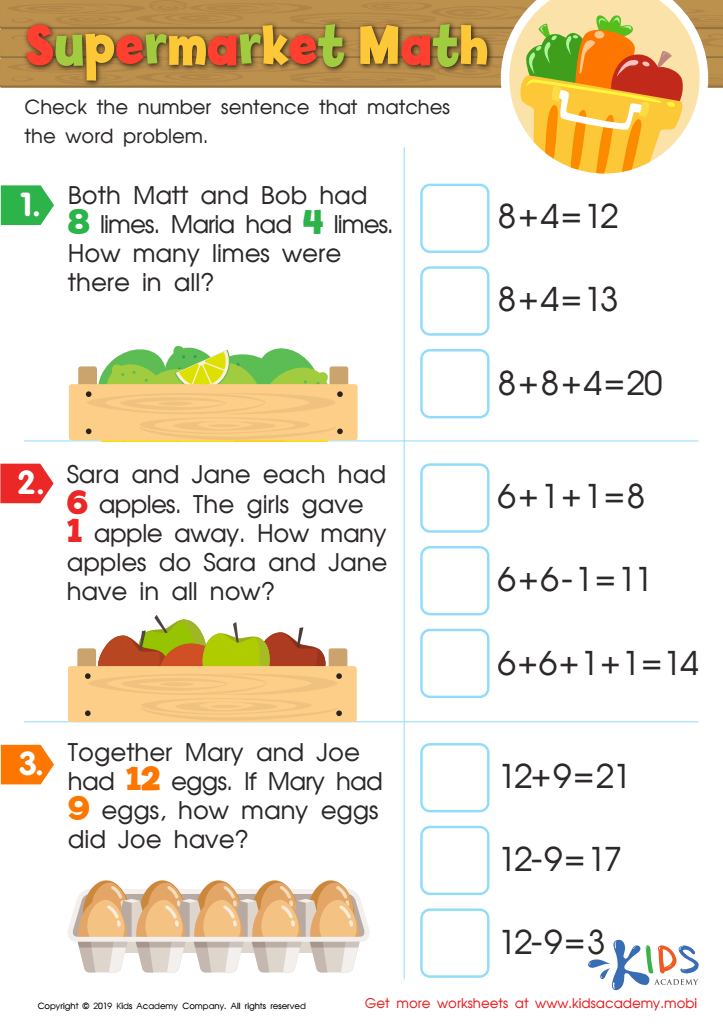
Supermarket Math Worksheet
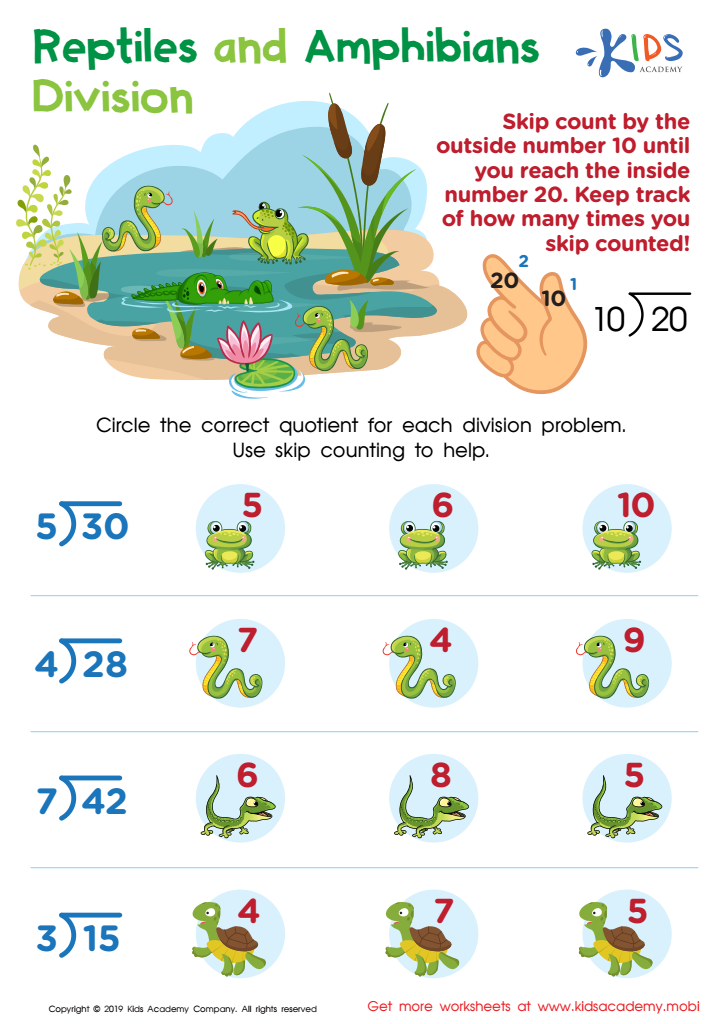
Reptile and Amphibians Division Worksheet
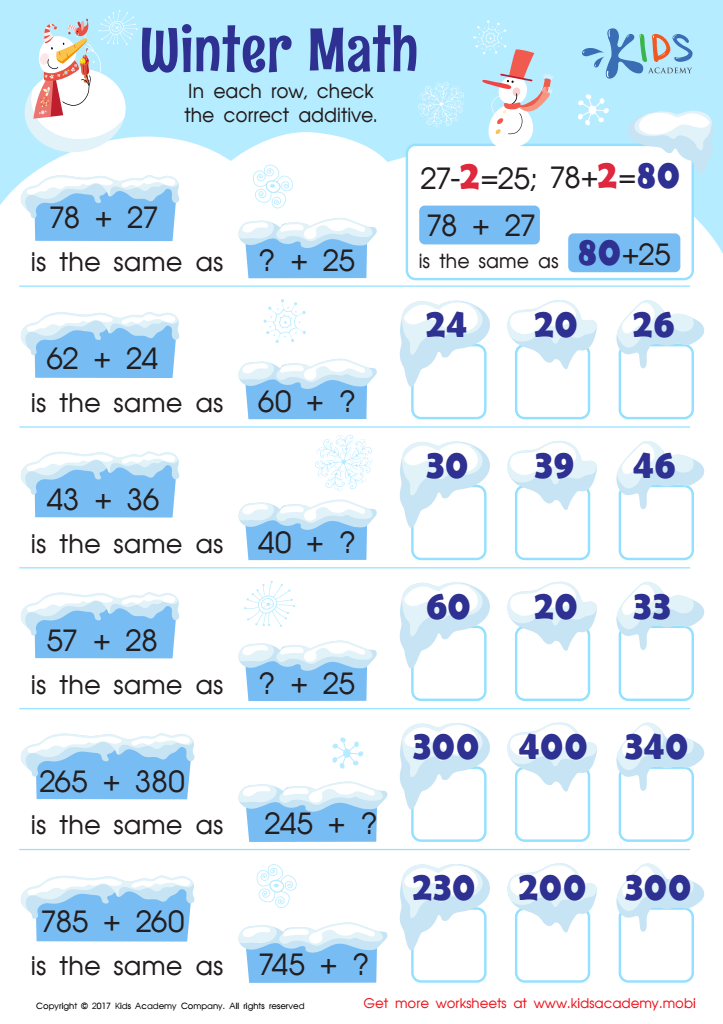
Free Addition Worksheet
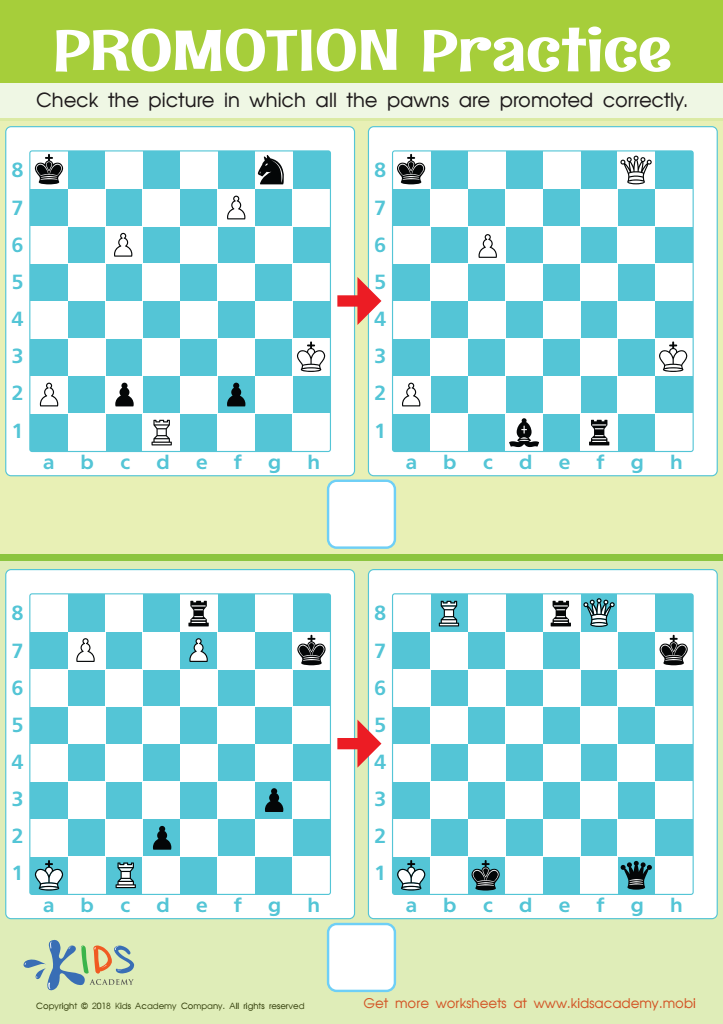
Promotion Practice Worksheet








Problem-solving skills are essential for children aged 3-9, as they lay the foundation for critical thinking, resilience, and independence. During these formative years, children explore their environment, encounter challenges, and begin to make sense of the world. When parents and teachers invest time in fostering problem-solving abilities, they empower children to navigate difficulties and engage in cooperative learning with peers.
Encouraging problem-solving equips children with the confidence to tackle new situations, from simple puzzles to social conflicts. It enhances their creativity, enabling them to think outside the box and find multiple solutions to a problem. Moreover, engaging children in age-appropriate problem-solving activities promotes cognitive development, improves reasoning skills, and fosters emotional intelligence as they learn to manage frustration and develop persistence.
For parents and teachers, nurturing problem-solving skills is invaluable by enhancing children's academic performance and promoting lifelong learning habits. Supporting young children in these skills translates to better outcomes in school and later life, as they learn to embrace challenges, think critically, and collaborate with others. Ultimately, prioritizing problem-solving equips children not just for academic success, but for the dynamic and complex challenges they'll face as they grow and interact with the world around them.








